The Alcostar Group recently acquired Ashoka Distilleries, Haryana. This move significantly enhances the Group’s control over production cycles, supply chain strength, and future expansion opportunities across categories.
The Group’s Chairman Arundeep Singla said, “Owning and operating a distillery in Haryana has been a vision for years. With Ashoka Distilleries becoming part of the Alcostar family, we are entering a new era of capacity, efficiency, and innovation.”
Ashoka Distilleries brings with it strong infrastructure, favourable strategic location, and production potential that aligns perfectly with Alcostar’s expansion blueprint. With this addition, the Group now secures – Expanded manufacturing capacity; Increased market penetration in Haryana and neighbouring states; Improved operational synergies across existing units; Sustainable and energy-efficient operations; Greater employment and regional development and a stronger base for innovation and new product launches.
Over the past two decades, the Group has grown steadily. “This milestone belongs to our team,” Singla said and added that “Their hard work, discipline, and belief in our mission made it possible to bring this dream to life.”
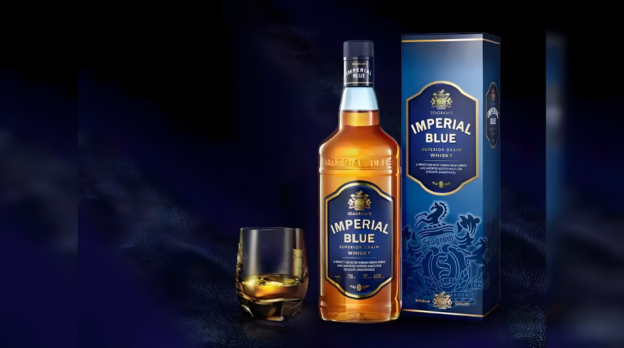
Tilaknagar Industries Limited (TI), a leading Indian-Made Foreign Liquor (IMFL) manufacturer, has completed the acquisition of the Imperial Blue business division (IB) from Pernod Ricard India (PRI) via a slump sale for a lump-sum consideration of `3,442 crore. The Competition Commission of India had earlier approved the transaction on October 7, 2025.
In addition to this amount, a deferred payment of €28 million will be made after four years from the date of closure of the transaction.
The acquisition has been funded through a mix of internal cash accruals, fresh equity and external debt. A preferential issue of equity shares and warrants to marquee investors and the Promoter Group helped raise `2,093 crore, in addition to securing `2,100 crore through term loans.
Imperial Blue is the third-largest whisky brand in India by volume, selling approximately 22.4 million nine-litre cases for the year-ended March 2025 across India and other markets. With over 25 years of brand heritage, the business reported a revenue of `3,067 crore for the trailing twelve months ending March 2025.
Through this transaction, TI gains access to the “Imperial Blue” brand and allied trademarks, including “Imperial Black” and “Imperial Red” globally. Additionally, TI has entered into a Trademark License Agreement for the use of “Seagram’s” in connection with IB for a defined transition period.
The company has also entered into a long-term supply agreement with Chivas Brothers for Concentrated Alcoholic Beverage (CAB), an essential raw material for manufacturing IB products. To ensure a seamless transition, TI has entered into a Transitional Services and Manufacturing Agreement (TSMA) with PRI.
The manufacturing footprint, as part of the transaction perimeter, includes two owned units located in Punjab and Maharashtra, as well as two exclusive sub-leased units in Telangana and Punjab. Additionally, TI will have access to certain shared units during the TSMA period. As part of the transaction, 116 employees are expected to be transferred from PRI to TI.
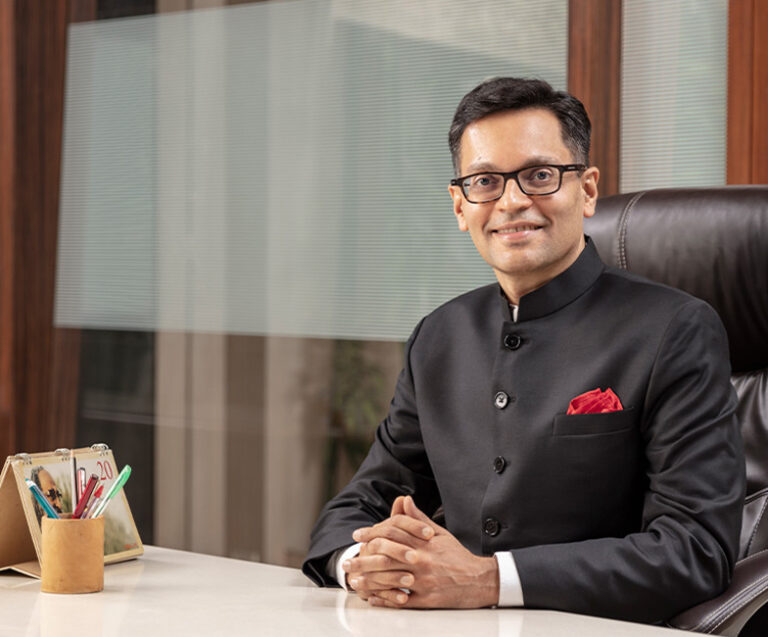
Amit Dahanukar, Chairman and Managing Director, TI said, “The acquisition of Imperial Blue significantly scales up our business, representing a decisive step in our ambition to build a truly pan-India presence across all IMFL categories. This acquisition also accelerates our premiumisation journey, enabling us to broaden our offerings across Prestige-and-Above price-points and enhance the value we deliver to consumers.”
Deutsche Bank and Avendus Capital acted as financial advisors for the transaction, with Avendus Capital also serving as the debt financing arranger to TI. Crawford Bayley & Co. and W.S. Kane & Co. acted as legal counsels, while Deloitte served as the finance and tax diligence advisor to TI. Additionally, TI has appointed Ernst & Young to provide Integration Planning & Execution Advisory for the acquisition.
Tilaknagar Industries Limited (TI) has registered robust volume growth, healthy profitability and continued strengthening of its balance sheet in Q2FY26.
During the quarter, TI’s sales volumes grew by 16.2% year-on-year, reaching 34.2 lakh cases, driven by strong consumer demand and market share gains across most key markets. TI’s net revenue stood at ₹398 crore, recording a 6.2% year-on-year growth. Adjusted for subsidy, the net revenue grew by 9.3% year-on-year, reflecting sustained brand momentum and portfolio premiumisation. The net sales realisation improved sequentially from ₹1,193 in Q1 FY26 to ₹1,215 in Q2 FY26.
The company reported an EBITDA of ₹60 crore and a Profit After Tax (PAT) of ₹53 crore, translating into an EBITDA margin of 15.1%. Adjusted for subsidy, the EBITDA grew by 8.2% year-on-year, while the PAT margin improved by 14 basis points to 13.2%.
Amit Dahanukar, Chairman & Managing Director
Amit Dahanukar, Chairman & Managing Director, Tilaknagar Industries said, “We continue to gain market share across key markets, supported by the strong performance of our core brands. The new launches are helping to expand our premium portfolio as well as our geographic footprint. Our established brandy portfolio, an emerging whisky saliency and a balanced regional mix are supporting our move to be a pan-India player and build a differentiated premium portfolio.”
For the first half of FY26, Tilaknagar Industries reported a 21% year-on-year growth in volumes, reaching 66.2 lakh cases. TI’s net revenue stood at ₹807 crore, up 17.4% year-on-year (adjusted for subsidy: 14.4% growth). EBITDA for H1 FY26 was ₹155 crore and PAT was ₹141 crore, representing an EBITDA margin of 19.2% (adjusted for subsidy: 15.1%) and a PAT margin of 13.2%, reflecting a 106-basis point expansion year-on-year. The Advertising & Promotional reinvestment rate (as a percentage of subsidy-adjusted net revenue) rose from 0.5% in H1 FY25 to 1.7% in H1 FY26, emphasising the company’s continued investments in strengthening its brand equity.
On the balance sheet front, the company continues to maintain a strong financial position with gross debt of ₹47 crore and a net cash position of ₹1,086 crore. The quarter also saw strong traction in new markets, with launches in Odisha, Telangana, Kerala and Karnataka, led by Mansion House Whisky, Monarch Legacy Edition Brandy and Spaceman Spirits Lab Pvt. Ltd. portfolio including Samsara Gin and Amara Vodka.
Renowned for its rich history, complex flavours, and timeless elegance, Scotch whisky has long been regarded as the pinnacle of distillation craftsmanship. The world’s love for Scotch is unmatched, more Scotch whisky is enjoyed globally than American, Japanese, and Irish whiskies combined. In 2024, Scotch whisky exports reached £5.4 billion, with an astonishing 43 bottles shipped every second to markets across the world.
Representing over 90 companies, from global spirits giants to family-owned distilleries and emerging producers, the Scotch whisky Association (SWA) is the principal voice of an industry that accounts for the vast majority of Scotch production. Its mission is clear: To secure a sustainable and thriving future for Scotch whisky.
Mark Kent, Chief Executive, SWA
In this interview with Ambrosia, SWA Chief Executive Mark Kent discusses the challenges and opportunities that lie ahead for the industry in India, particularly in the wake of the landmark Free Trade Agreement between the United Kingdom and India.
With the UK–India FTA set to halve the current 150% tariff on Scotch whisky when it comes into force in 2026, how does the Scotch whisky Association expect this landmark agreement to reshape export growth, market access and industry collaboration with Indian producers over the coming decade?
The UK-India free trade agreement has the potential to be transformational for many Scotch whisky producers in the coming decades. Scotch whisky’s largest export market by volume, India is also the biggest whisky market in the world, and Scotch has the potential to grow its share over the long term as the FTA comes into force. The current 150% tariff, which will halve once the deal enters into force in 2026, has been a significant barrier for many Scotch Whisky producers in accessing this important developing market.
The growth opportunities for the Scotch category in India has seen the SWA campaigning for a UK-India deal for many decades. Our current focus is on the deal coming into force, and on Scotch whisky producers—whether they are currently exporting to India, or are planning to—getting the support needed here at home, which will enable them to grow sustainably and develop their offering in what is a complex and vast market. The Indian market is already well educated in Scotch whisky and is forecast to keep growing over the coming years across multiple categories.
We anticipate that the FTA will, over time, increase diversity of choice for Indian consumers as more Scotch whisky producers enter the market. It will also boost opportunities for growing bulk exports, which are either bottled in India or used as an ingredient in Indian Made Foreign Liquor (IMFL) products, strengthening an already-established spirit of collaboration between the Scotch whisky sector and Indian producers. There is real potential for the FTA to signal an era of strategic partnership between whisky sectors on both sides, and we’ll look to collaborate further with our counterparts in India on issues that will support each of our industries.
How is the SWA working with both governments and industry partners to ensure smoother market access for Scotch in India—especially given the state-by-state regulatory complexity—and to help distillers, including smaller companies, benefit from the FTA?
Ensuring smooth market access, not just to India overall, but to individual states will be particularly important over the coming years, particularly for smaller companies for whom India is a huge and complex market. The SWA is working with Indian industry colleagues and in-market trade bodies, as well as the UK and Indian Governments, to ensure a smooth implementation of the deal that supports the needs of businesses and consumers in both markets. The UK Government have championed the Scotch whisky industry’s growth prospects through negotiations, and the implementation of the FTA will be a positive opportunity for Scotch whisky distillers to tap into the market.
Alongside business growth opportunities, the FTA has the potential to increase revenue for the Indian government at federal and state level through an increase in sales as the tariff is lowered, so it is in everyone’s interest to ensure that the deal can come into effect quickly. The SWA’s recent visits to India, in October and early November, focused on creating the building blocks and relationships for a smooth and fair implementation of the deal for both markets.
How is the SWA working to deepen Indian consumers’ understanding and appreciation of Scotch whisky while supporting both large and small Scotch producers as they introduce new expressions in a rapidly evolving market?
As the world’s largest whisky market, the Indian consumer is already very discerning, so a lot of groundwork in educating the market on Scotch is well established. While the presence of different Scotch whisky companies varies in the Indian market depending on their size and years in business, there are opportunities to grow consumers’ appreciation of Scotch as new expressions and brands are introduced to the market. As a trade body, we look to support all our members, who range from multinational companies to small independent distillers, to realise their ambitions in the Indian market regardless of scale.
The tariff reduction in the FTA will also benefit the domestic Indian industry and drive investment in India by providing greater access to bulk Scotch whisky used in IMFL products or for bottling. The growth of Indian Single Malts, both in India and the UK, is testament to the premiumisation of the Indian market, and the Scotch whisky industry is committed to working with Indian industry partners to deliver these shared opportunities. The FTA is a signal of that collaborative approach, and we want sectors on both sides to thrive as a result.
Indian whisky brands are growing rapidly, both at home and abroad. How does Scotch plan to differentiate and retain its heritage appeal in a market where Indian whiskies are gaining sophistication and global recognition?
It is really positive to see such interest in the entire whisky category in India, with Indian Single Malts also growing in popularity in the UK, and this growing appreciation can only be a good thing for the entire category. Both categories are benefiting from increased investment between the UK and India, and this will be further driven by the FTA, as well as the partnerships between the Indian and Scotch industries. As consumers in India explore the whisky category, Scotch is a natural step on the “whisky journey” due to its unique heritage, provenance and quality. Scotch whisky’s current share of the Indian whisky market is around 3%, and even as this grows over time through the implementation of the FTA, it will still retain a relatively small portion of the market. What’s exciting for our sector is the potential to increase the range of Scotch whisky brands and expressions available to the Indian consumer, which enhances the global appeal and reach of the Scotch category overall.
Sustainability is increasingly important for global consumers. How is the Scotch whisky industry integrating sustainability into its export growth strategy in India, particularly given the environmental challenges of expanding in new markets?
The Scotch whisky industry is committed to long-term sustainability from grain to glass, and our sector’s work to decarbonise our operations and supply chain run in tandem with our ambitions for growth. Ongoing dialogue with regulators here in the UK and around the world is important to ensure that the industry’s forward planning aligns with policies that address climate impact, always bearing in mind external factors such as the development of key growth markets.
How is the Scotch whisky industry working with Indian partners to explore deeper collaborations—whether in production, standards, sustainability, or tourism—and to unlock new cross-sector opportunities as the FTA opens up the market?
The Scotch whisky industry is keen to work with our colleagues in India on shared challenges and cross-sector opportunities for growth in both markets. This can include work to strengthen the definition of single malt and guarantee standards for consumers, to exploring the opportunities that a greater variety of bulk Scotch whisky can offer to Indian importers. During our recent visit to India, we met with representatives from across the Indian industry, discussing how we can continue to develop our partnerships to support sustainable growth and deliver on shared objectives, and we hope to be able to continue these conversations in Scotland next year. From driving sustainable production methods and encouraging responsible alcohol consumption, to tourism and hospitality promotional activities, collaboration should benefit and futureproof industries in both the UK and India and give consumers a greater access to the fantastic range of Scotch whiskies that the sector has to offer.
The genesis of the crisis was changing name from a ‘Private Limited’ to a ‘Limited’
Every state excise department operates as a separate ecosystem, compliance accordingly matters
B9 Beverages Limited reported accumulated losses of Rs. 1,904 crore for FY2024
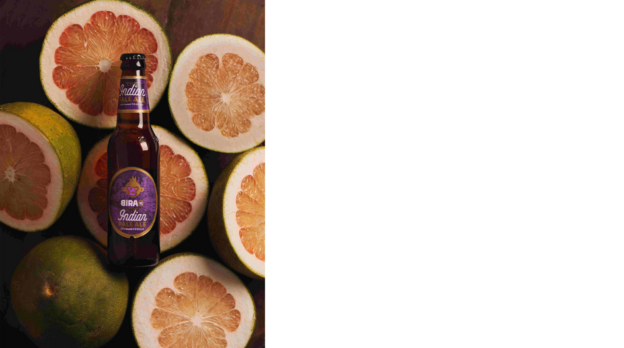
Once the toast of India’s new-age alcoholic beverages market, Bira91, the youth-focused beer brand that helped popularise craft brewing across urban India, is now in deep trouble, hit by a combination of regulatory missteps, cash flow pressure, employee unrest and investor anxiety.
The company, B9 Beverages Limited, which built its image around fun branding and innovative brews, is battling a perfect storm that has left operations disrupted, morale shaken, and market share eroding across key states. The auditor of B9 Beverages has reported that the company’s net worth has fully eroded. In its report for the fiscal year 2024, the auditor noted that the group is exposed to market risk, credit risk and liquidity risk, impacting the fair value of its financial instruments.
What first began as a routine legal formality converting from a “Private Limited” to a “Limited” company ahead of a proposed IPO, quickly snowballed into a full-blown crisis. Under India’s highly fragmented and state-driven excise regime, even a small change in company name triggers a cascade of fresh licensing, label registration and regulatory approvals. Bira91 was caught in the regulatory mess.
The state excise departments treated the name change as a new entity altogether, effectively blocking the sale of its products until new clearances were obtained. Overnight, inventory worth an estimated Rs. 80 crore was rendered unsellable because packaging and labels carried the old entity name. Warehouses piled up with stock that couldn’t be invoiced, distributors were left stranded, and sales teams were left explaining to retailers why one of India’s most visible beer brands had suddenly vanished from shelves.
Regulatory Bottlenecks Lead to Financial Distress
As regulatory bottlenecks dragged on for months, the financial impact deepened. For FY24, it reported accumulated losses of Rs. 1,904 crore, negative cash flow of Rs. 84 crore, and liabilities exceeding assets by Rs. 619.6 crore as of March 31, 2024. The company is yet to file its financials for fiscal 2025.
Volumes have dropped from roughly nine million cases to about six million. For a company that once prided itself on doubling output every year, the reversal is steep and painful.
Liquidity quickly became the next casualty. Employees across multiple offices began complaining of delayed salaries and reimbursements, vendors said payments were months overdue, and even statutory dues like provident fund contributions and TDS remittances reportedly lapsed. In an effort to bridge working capital gaps, the company turned to fintech platforms such as KredX to raise short-term funds by discounting trade receivables, but even those arrangements began showing strain, with some investors reporting delayed interest payouts.
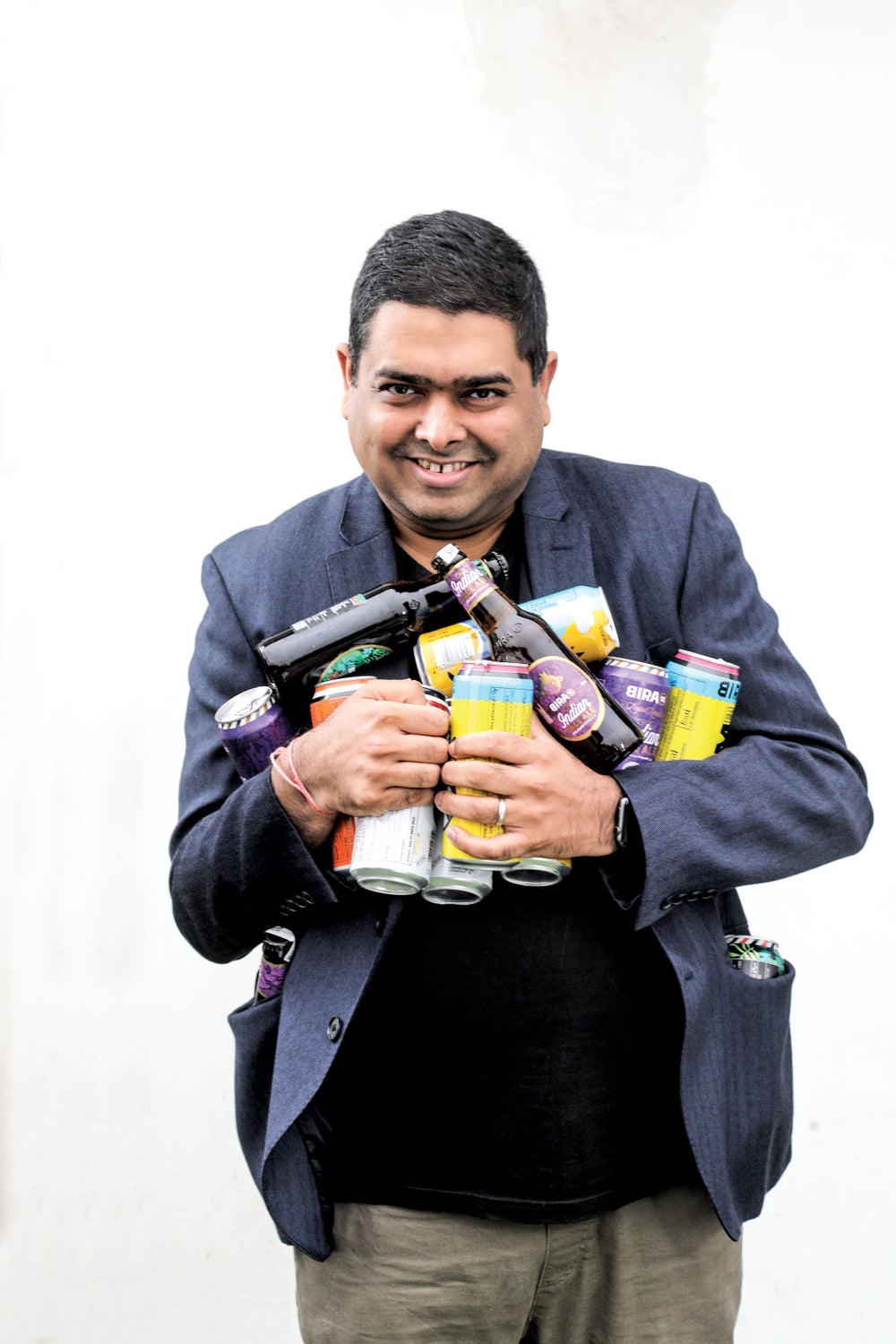
Ankur Jain, Founder-CEO, BIra91
Internally, the crisis has sparked serious governance turmoil. In September this year, over 250 employees signed a petition demanding the removal of Founder-CEO Ankur Jain, alleging lack of transparency, poor communication and non-payment of dues. The employee strength of the company has come down drastically from over 700 to barely 260. “There’s no clarity from the top, and even HR doesn’t have answers,” one former mid-level executive lamented.
For investors, the crisis has not been any different. Bira91 had attracted marquee backers including Japan’s Kirin Holdings, Peak XV Partners (formerly Sequoia India), and Sofina. The brand was widely viewed as a rare Indian startup that had cracked the consumer lifestyle code, blending bold design with mass appeal. The proposed 2026 IPO was to be its coming-of-age moment, a chance to exit early investors and showcase scale profitability. Instead, the company finds itself firefighting on multiple fronts, scrambling to raise fresh funds to simply stay afloat. Reports suggest negotiations are underway for a Rs. 500-crore structured debt infusion from BlackRock through the promoter group, but those close to the talks say due diligence has been protracted given the scale of losses and ongoing regulatory uncertainties.
Damage Control Mode On
According to some reports, the company has been in damage control mode, restarting sales in some states, cutting fixed costs, and resetting its compliance roadmap. Delhi and Uttar Pradesh markets are reportedly back online, though Haryana and a few others remain mired in paperwork. The company brought in Vikram Qanungo as Chief Financial Officer, replacing Meghna Agrawal. It is working on streamlining operations and putting in place new governance protocols. Insiders say the focus now should be on cost rationalisation and restoring confidence among distributors and employees.
Industry observers see the episode as a cautionary tale for India’s alcobev sector, where every regulatory nuance matters. A name change that would be routine in most industries became a nightmare because excise laws treat such events as new entities altogether. In the alcobev sector if one is operating in 10 or 12 states, that means one has to reset one’s business that many times. The case underscores the fragility of scaling in a market where compliance, not consumer demand, often determines survival.
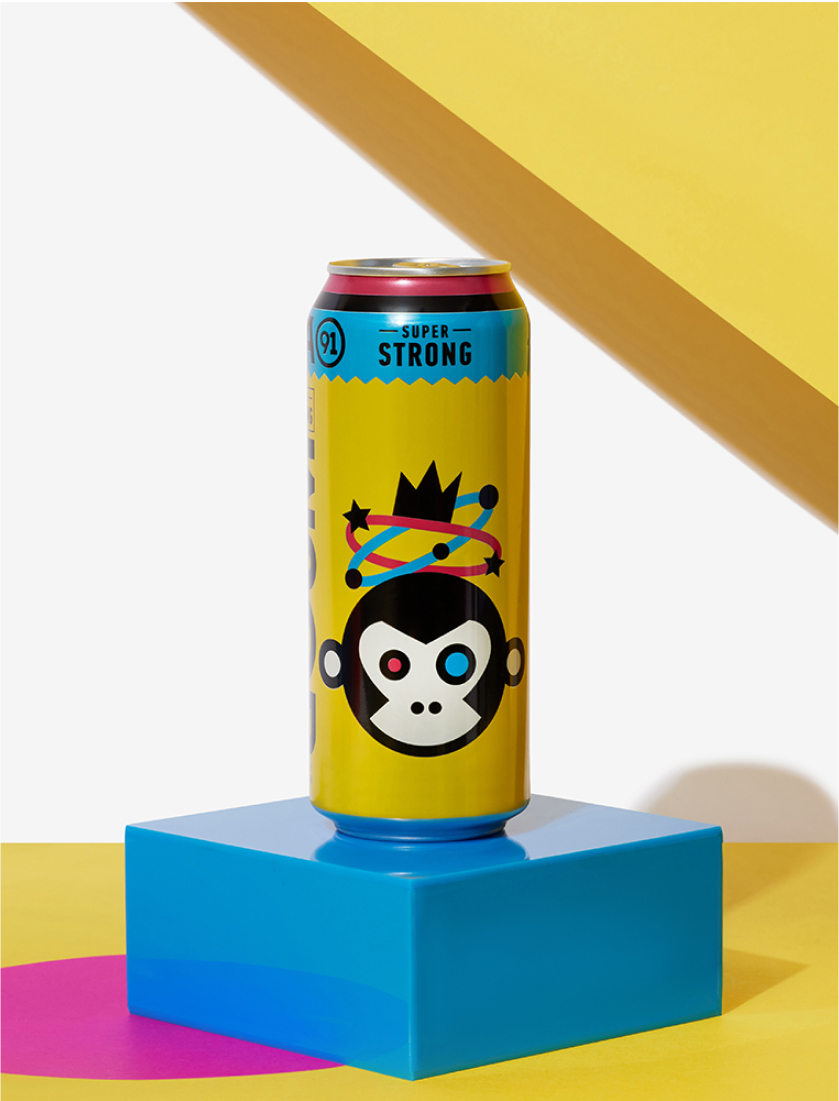
For years, Bira91 symbolised the aspiration of India’s urban millennials, fun, contemporary, and proudly local. Its colourful monkey logo became an icon of the “new India” bar culture. The brand’s rapid rise between 2015 and 2020 was driven by aggressive marketing, smart positioning and flavour experimentation, from white ale to IPA, making beer cool again for a generation raised on mass lagers. But the same velocity that powered its rise also resulted in its fall. The push for rapid expansion ahead of an IPO, without sufficient compliance buffers or cash discipline, left the company over-leveraged and exposed.
The immediate challenge now is survival, ensuring that distributors return, vendors get paid, and employees regain trust. But the question is, can it rebuild credibility with investors and regulators alike? Analysts say the fundamentals of the Indian premium beer segment remain strong, with per-capita consumption still among the lowest in Asia and rising disposable incomes driving steady growth. Bira91 could yet stage a comeback if it can stabilise operations and re-establish regulatory compliance. That is a big ask, as of now.
Rebuild Compliance Network
The company has to focus on a few key points—rebuild compliance network by mapping every state’s regulatory nuance before corporate actions; exercise tighter cash flow management with full transparency on employee and statutory dues; prioritise core markets where licences are active and distributors loyal; and restore governance credibility. Bira still has brand equity, though dented, as of now.
The broader takeaway for the industry is clear: the alcobev business in India is not just about branding and flavour, it’s about regulatory foresight and disciplined execution. Even large, well-funded players can falter if they underestimate how state excise frameworks respond to structural changes. With every state operating as a separate ecosystem, a single oversight can cascade into months of paralysis. For startups and established companies alike, the lesson is that growth must be matched by governance.
As things stand, Bira91’s journey reads like a case study in how quickly success can unravel in a sector where compliance is king. The brand that once defined India’s craft beer movement now faces the challenge of its life, navigating the quagmire of regulation, rebuilding financial credibility, and re-earning the trust of the very people who made it a good brand. The next couple of months is going to be critical for the brand. Will it emerge from the crisis, it remains to be seen.
Telangana government’s delay in settling dues, liquor industry in dire straits
Cash-strapped Congress government mulling increase in liquor prices
Third tax hike in the last five years
With the exception of States which have prohibition, all other States, if they need to shore up their revenues, first target alcobev sector. State government after state government have increased excise duties, license fees etc without batting an eyelid and in most cases without taking the industry into confidence. The alcobev sector is the milch cow.
The latest news is that the cash-strapped Congress-led Telangana government is looking at the liquor industry to come to its rescue. Telangana’s alcobev sector, which is a major revenue earner for the state, is now faced with two major issues – government’s inability to clear outstanding dues of over Rs. 4,700 crore and its impending decision to increase taxes on liquor – both of which adversely impacting the sector.
To give a perspective, the Telangana government is depending on Overdrafts, Ways and Means Advances and Special Drawing Facility (SDF) from the Reserve Bank of India to meet its expenditure. The Congress government which came to power in December 2023 in Telangana has so far raised Rs. 12,358.48 crores through these routes.
In many states, excise is a major revenue generator and in Telangana revenue from liquor sale doubled from Rs. 12,703 crores in 2015-16 to Rs. 31,225 crores in 2021-22. For 2022-23, the state government had projected a revenue of around Rs. 37,500 crores from liquor. In 2023, the Telangana Excise Department managed to collect Rs. 2,639 crores without selling a single bottle of liquor, the money coming from nearly 1.32 lakh applications charging Rs. 2 lakh non-refundable application fee for the allotment of 2,620 liquor shops.
Fiscal deficit up
Despite the increase in revenues, the government has not been able to reduce the fiscal deficit as the Congress government has announced quite a few freebies that is costing the exchequer. To shore up revenues, the Congress government is planning to increase tax on liquor which in turn will push up the prices. The proposal made recently is expected to come into effect soon. The previous Bharat Rashtra Samiti (BRS) government in its term had hiked the liquor prices twice and now the Revanth Reddy government is contemplating, in five years that would be the third tax hike.
An industry veteran told Ambrosia “Nobody likes a tax increase. As liquor is a discretionary product, people slip down the value chain or they resort to alternate sources of supply, so both of which have implications to both the state government and the suppliers. In that respect, it is not the best of moves. This kind of thing is happening in other states, given that they have made electoral promises and have to fund that and alcobev is the soft target.”
The veteran who has held top posts in various companies said “As of now, we don’t know what levels the tax is going to be increased. Somewhere, there is a mention of license fee going up, we don’t know whether it is tax on consumer or manufacturers/suppliers or both we don’t know yet.”
The CEO of the International Spirits & Wines Association of India (ISWAI), Nita Kapoor in an interview with ET Hospitality has called for urgent attention to the critical issue of high state excise duties that account nearly 70- 80 percent of consumer MRP, inflationary pressures adding significant pressures on the industry. As inflation rates rise in the country, the alco-bev sector faces significant challenges due to escalating costs of production, transportation, raw materials, and exorbitant import duties. This combination poses a dire threat to the industry’s sustainability.
Ms. Kapoor said, “The liquor industry has consistently and significantly contributed by generating 25-40 percent of revenues for state governments and nearly 2 percent of nominal GDP. However, the current tax and tariff structure, characterised by high excise duties, limited supplier price flexibility, and exorbitant import duties of 150 percent (50 percent BCD + 100 percent AIDC), is pushing the industry toward a crisis. Regulators must recognise the necessity of inflation-linked adjustments in supplier prices as the Alcobev industry is a cornerstone of economic activity.”
Beer suppliers due Rs. 1,200 cr
On the one hand hike in liquor prices and on the other the government not releasing outstanding dues, both are hitting the industry hard. Beer suppliers, it is estimated, are to get nearly Rs. 1,200 crores, pending since October 2023. The alcobev sector has urged the government to resolve the issue as some of them were finding it difficult to go ahead with production.
The Director General of the Brewers Association of India, Vinod Giri said, “In absence of immediate resolution of this problem, I fear some companies may be forced to opt out of the state.” Of the Rs. 1,200 crores due to beer suppliers by Telangana State Beverage Corporation (TSBCL), around Rs. 900 crore is beyond tender credit terms of 45 days, he said, adding some of it is even 120 days overdue. “Payments are being released but amounts are too small and don’t even cover new outstandings, leave aside past ones.”
The alcobev companies in a statement said, “Delayed payments is creating a stressful cash flow situation for the manufacturing companies, hindering their ability to invest in operations, buy raw materials, pay employees and continue supplies to the consumers. Despite repeated attempts by industry leaders to meet key ministers in the state, the issue remains unresolved. This lack of communication and action is causing frustration and uncertainty amongst manufacturing companies in the state.”
It said that this might force companies to curtail supplies to Telangana. Unless the government does something soon, some companies may be forced to cut costs, including job retrenchment. This situation, the alcobev sector said would further dent industry confidence and dampen investor sentiment in Telangana.
As regards the delay on the part of the government on outstanding dues, the industry veteran mentioned that “All suppliers put together beer, spirits and wine, as of May 31st the outstanding was over Rs. 4,700 crore. That itself is an additional cost the supplier is bearing and if consumers resort to alternate sources, it is not good for the suppliers. The suppliers have held on for quite some time, the question is for how long can they hold on.”
Telangana major liquor consumption state
Liquor consumption in Telangana is high as the state guzzles over 6 crore cases of beer or 15% of 40 crore cases sold across the country per annum. As regards Indian Made Foreign Liquor (IMFL), Telangana’s consumption is about 3.4 cases or 9% of 39 crore cases sold.
The non-payment of dues and the constant hike in liquor prices had left some in the trade to sell liquor above the maximum retail price (MRP) to make up for the losses. Besides, some licensed vendors were reported to have opened bars in the guise of permit rooms. The Bar Owners Association complained to the Excise Department against the wine shops which were allowing consumers to drink on the premises. The Association argued that they were already burdened by the excise rules of the government and adding to the woes were the so called ‘permit rooms’. In the process, the government was also losing revenue. The bar owners, on the other hand, complained that bars with retail outlets on the premises was affecting their business.
Despite woes, AP traders planning to move to Telangana
Whatever the issues, the consumer in Telangana continues to patronise the alcobev sector and this has enthused some liquor manufacturers to move or add liquor businesses from Andhra Pradesh to Telangana. According to reports, some of the liquor dealers in Andhra Pradesh were selling unknown brands at exorbitant prices through the state-run AP Beverages Corporation Limited (APBCL). Brands such as President’s Medal, Capital, Timer, Boom Boom, Classic Blue, Old Admiral, Royal Green and Sentinel were out in the market, particularly rural, in large numbers.
There have been allegations that out of 100 liquor companies, the APBCL procured 75% of its liquor from only 15-16 manufacturers like SPY Agro, Adan Distilleries, PMK Distilleries, etc., which are controlled by the erstwhile ruling party leaders of YSRCP. It now remains to be seen how the Telegu Desam Party which has come to power in Andhra Pradesh will take a call. However, the Telangana market being a lucrative one, the AP businesses are looking at Telangana.
Meanwhile, in Telangana there are charges and counter charges from the ruling dispensation and the BRS. In an open letter to the Telangana Chief Minister, A.Revanth Reddy, the BRS leader M.Krishank urged the Chief Minister not to introduce adulterated liquor in Telangana. Krishank said that on May 21, minister Jupally Krishna Rao stated that no proposals had been made to allow new liquor companies to operate in Telangana State. He warned that if anyone reported such news, a defamation suit of Rs 100 crore would be filed against them. However, on May 27, the BRS party exposed minister Jupally Krishna Rao’s falsehood, revealing that the government had indeed granted permissions to a company named Som Distilleries, pointed out Krishank. The Minister acknowledged stating that the decision was taken by the Beverages Corporation. It is now reported that the government has decided to cancel the permission given to Som Distilleries to sell its liquor in Telangana.
The liquor industry not just in Telangana is looking for stability in policy making but also to ensure that the government takes care of the liquor industry which is a revenue-spinner.
Jim Murray stands as a prominent figure and key player in the global whiskey scene, having held the title of the world’s first full-time whisky writer for over three decades. The 2024 release of his widely successful “The Whiskey Bible” marks the 20th anniversary of the publication. Maintaining a staunch commitment to independence, Jim fearlessly critiques those deserving of scrutiny and advocates for whiskies that were once overlooked or unfamiliar.
In the present day, the likes of Ardbeg, Pure Irish Pot Still, and Canadian and Japanese whiskies such as Yoichi and Yamazaki have gained widespread popularity, thanks in no small part to Jim’s daring efforts to bring them into the public eye. Despite facing criticism and occasional attempts at character assassination, Jim’s bold choices have significantly shaped the current whisky segment.
In a conversation with Ambrosia, Jim shared insights into his passion for the spirit, details about his personal life, encounters with setbacks and comebacks, and perspectives on emerging whisky trends and Indian distilleries.
What led to your transition from journalism to becoming the world’s first full-time whisky writer, and are there any interesting stories or experiences from your journey you’d like to share?
I began my career in journalism covering sports and general news, gradually diving into more intense subjects like murders and special investigations while working for national newspapers. Amidst these experiences, my first encounter with a distillery occurred in 1975 during a hitchhiking expedition across Scotland. Boarding a boat bound for Skye, I visited the Talisker distillery, and it literally changed my life.
The vibrant sensory details of the distillery – the colours, smells, sounds, and the meticulous process – left a lasting impression on me. As a journalist, I used to get to travel a lot. Tasting whisky straight from the barrel with its 60% alcohol content was a revelation, and it sparked a personal interest. From the age of 17, during my spare time, I started making personal notes on whiskies, differentiating their unique qualities. By 1989, I began writing and selling articles about whisky globally, all while maintaining my role as an investigative journalist.
In media publications, I noticed a gap in whisky coverage. Wine writers were handling whisky topics with incorrect terminology and descriptions. Convinced I knew more about whisky, I considered transitioning into whisky writing. This decision faced resistance, especially as it meant giving up a stable income. Despite the initial resistance from my wife, in 1992, I took the leap, becoming the world’s first full-time whisky writer.
Back then, there were no whisky festivals or visitor centers, maintaining a sense of mystique around the industry. Breaking into the scene was tough. For years, I earned little, even became a single parent. Despite financial challenges, I persevered, creating fresh content for the emerging market. The books I wrote brought in money, but research costs were high due to the lack of prior literature on the subject. Believing in the cause, I endured the financial strain, comparing it to the pain barrier in athletics. It’s been a journey with continuous challenges, drawing parallels to my days as a long-distance runner facing a tough race.
A pivotal moment occurred during a meeting with Jim Milne, a J&B revered blender, who has been blending since the 1950s. In a seminar he conducted, whiskies labelled X, Y, and Z were presented without disclosing the distillery names. Upon nosing one of the whiskies, I asserted, “This doesn’t belong in your blend; it’s Fettercairn.” To this, he acknowledged, “Indeed, that is Fettercairn, and it’s included here only because of an oversight.” By identifying a misplaced sample, I earned the blender’s respect and was urged by him to share my opinions on whisky. This encounter led to a realisation – my extensive self-guided apprenticeship in studying whiskies positioned me uniquely.
Unexpectedly discovering my heightened olfactory senses (got to know I had a unique skill set, ranking in the top 2% for sensitive noses), this breakthrough moment changed my perception, realising I could sense and appreciate whiskies in a distinctive way. I ventured into consulting as a blender, complementing my role as a writer. This unforeseen skill set, acknowledged by one of Scotland’s most respected blenders, allowed me to contribute to the whisky industry in ways I had never imagined.
What is your typical approach to whisky tasting? Are there specific methods or techniques you adhere to during the process?
My approach to whisky is akin to that of a blender. I first identify any flaws in the whisky before acknowledging its merits. This involves deducting points for aspects like added caramel, an imbalance of oak flavours that overpower the malt, and any weaknesses that detract from the overall quality of the whisky. I can discern whether a whisky has been meticulously crafted or hastily put together.
When it comes to public awareness, blind tastings are crucial to eliminate biases. People often have preconceived ideas about certain whiskies, which can influence their perception. Therefore, I conduct blind tastings to remove any biases and judge the whisky solely on its merits. When compiling my Whiskey Bible, I don’t taste blind as I need to consider the distillery’s style and whether the blender has captured its essence. I assess the whisky’s complexity and intended profile before making judgments.
My tasting method, dubbed the “Murray Method”, involves avoiding strong perfumes, water intake, and spicy foods to keep my senses sharp. Strong perfumes can interfere with the senses, affecting the ability to discern aromas accurately. Additionally, I avoid consuming spicy foods while working, ensuring my taste buds remain undisturbed and receptive. However, recognising the cultural practices, I understand that asking Indians not to eat spices isn’t practical, given their culinary preferences. In 1997, I authored “Jim Murray’s Complete Book of Whiskey: The Definitive Guide to the Whiskeys of the World”, which gained significant popularity, selling over a quarter million copies. While discrepancies in numbers and subsequent editions may have altered the count, the book’s success is evident.
I’ve come across articles critiquing the book “Whiskey Bible”, accusing it of being sexist. However, generally, I’ve noticed that descriptions of food in a sensual manner are common in many publications. How do you respond to this perspective?
You need to grasp the immense impact of this book. It sparked the rise of Indian whisky and catapulted Japanese whisky to new heights. I awarded World Whisky of the Year to a Japanese whisky, leading to a whopping 3 billion dollars in revenue for them. Despite this success, I personally didn’t gain financially because I don’t accept kickbacks. I maintain complete independence. However, there’s a phenomenon known as industrial espionage, where some individuals might see the power of this book as a threat.
This book is pivotal because, like food and drink share common ground: sight, smell, taste, and touch. These senses, when combined, create a sensual experience. If people in the industry argue that whisky isn’t sexy, they probably shouldn’t be part of it. As a writer, honesty is of utmost importance. The motto of the Whiskey Bible is “the truth, always above all”. Criticism requires integrity and candour.
Some distilleries hold a grudge against me because I refuse to engage in their marketing tactics or succumb to their influence. Despite my disdain for those attempting to control me, I remain impartial in assessing the quality of their whisky. I won’t conform to the prevailing trends, particularly the notion of labelling everything as an anti-feminist crime. Personally, my marriage met its demise when I embraced the role of a whisky writer, a sacrifice I made for my career. The constant globetrotting has hindered the possibility of forming lasting relationships. I’ve never remarried, but it’s not due to a lack of romantic inclinations. Unfortunately, my genuine love for others has been weaponised by jealous individuals aiming to undermine the influence of the Whiskey Bible. Frankly, I feel sorry for these people, in their pursuit to tarnish my reputation, reveal a certain poverty in their character.
During a recent visit to Kentucky, a woman expressed admiration for my writings on whisky, considering it one of the most beautiful things ever shared with her. The hypersensitive woke culture on certain social media platforms seizes any opportunity to unleash their destructive tendencies, fuelled by baseless hatred. Many of these individuals are familiar with my identity and knowledge of whisky, yet they target me simply because I’m a convenient male figure to attack. This trend reflects the fragility of Western society.
Watching a stunning sunset often sparks a longing for someone to share the experience. Similarly, I take pleasure in sharing my love and passion for whisky with the world. I want to introduce people to the finer things in life.
Jim Murray at the launch of Amrut Bagheera and Portonova
When comparing Indian whisky to traditional whisky-producing nations, do you observe any notable differences?
The primary distinction lies in the heat when comparing it to traditional whisky-making countries. The maturation process in cooler climates allows for an important element: time. This time factor plays a vital role as tannins and other components from the environment have the opportunity to integrate and blend seamlessly. In contrast, hotter countries face a more accelerated maturation process, making it challenging to achieve the desired balance. Balancing whisky in warmer climates requires more effort and skill. While some argue that water quality influences whisky, the key is ensuring water is free from contaminants like pesticides and iron deposits, which can discolour the whisky. Interestingly, despite the romanticised notions surrounding water sources, many Scotch whiskies use tap water.
Unlike the present era filled with marketing gimmicks, the industry in the late ’80s and ’70s was less saturated with such tactics. Kentuckians, for instance, boast about having the best whiskey due to their water source originating underground, having been there for centuries, dissolving limestone and aiding fermentation. This stands in contrast to other Scottish distilleries, although not Glenmorangie and Highland Park, two renowned Scottish distilleries, which also derive their water from limestone, similar to the Kentuckians. I advocate for focussing on the contents of the glass rather than getting swayed by marketing claims on labels.
What trends do you perceive in the whisky industry, in your view?
Looking back at the whisky industry’s history, it’s been characterised by cycles of growth and decline. In the 1980s, whisky consumption dwindled as it was perceived as a drink of the older generation, with younger drinkers favouring lighter spirits. A common joke was that one could spot a whisky drinker by looking at the obituary column, as they were diminishing in number. This decline in blended whisky consumption led to an excess of single malt whisky sitting idle in distillery warehouses. It was during this time that efforts to promote single malt whisky, spearheaded by individuals like Michael Jackson, began to gain traction, revitalising interest in the category.
Similar to the boom in distillery construction in the 1890s, the recent surge in new distillery openings has created a crowded market. However, the current global situation introduces uncertainty, making it challenging for new distilleries to establish themselves and sell their products. Despite these challenges, smaller distilleries are poised to thrive, although they will face significant pressure. Nevertheless, it’s crucial for them to remain authentic and transparent in their approach to whisky production.
A concerning trend observed among some Irish distilleries is the practice of finishing whisky in various casks, obscuring the true character of the spirit. This approach detracts from the whisky’s identity, akin to wearing excessive layers of clothing that mask one’s true self. Moving forward, distilleries should prioritise honesty and authenticity to attract discerning consumers. The road ahead may be arduous, but it presents an opportunity for distilleries to redefine themselves and engage with consumers on a more genuine level.
Jim Murray at the launch of Amrut Bagheera and Portonova
How can Indian distilleries enhance their quality and global standing?
When considering the steps Indian distilleries can take, it’s important to acknowledge the unique dynamics in the Indian market. Unlike Scotland, India has a massive population of over a billion people, with a growing middle class. Over the past 30 years, I’ve witnessed significant changes in India, particularly in terms of economic growth and an expanding consumer base. The challenges faced by Scotch whisky in India may not be as pronounced, given the increasing number of people who can afford high-quality whisky. Notable distilleries, like Amrut and Paul John, have set a commendable standard, maintaining their commitment to excellence. In my early involvement with Paul John, I assisted in training their blender and witnessed their staunch dedication to quality. Several other Indian companies are also making strides in improving their whisky, demonstrating a continuous pursuit of excellence. While there is always room for improvement, the progress made in all these years is remarkable.
Comparing the whisky from three decades ago to the present would reveal a staggering leap in quality. This positive trajectory showcases the dedication and attention to detail exhibited by Indian distilleries. The success of Indian whisky on the global stage can be attributed to the determination of distilleries to make a lasting impression. Unlike some companies that may compromise on quality when relying solely on their brand name, Indian distilleries have prioritised maintaining high standards. The meticulous attention to detail is a driving force behind the success of Indian whisky. Even distilleries that were once considered mediocre have elevated their standards, while new entrants to the market are setting the bar even higher.
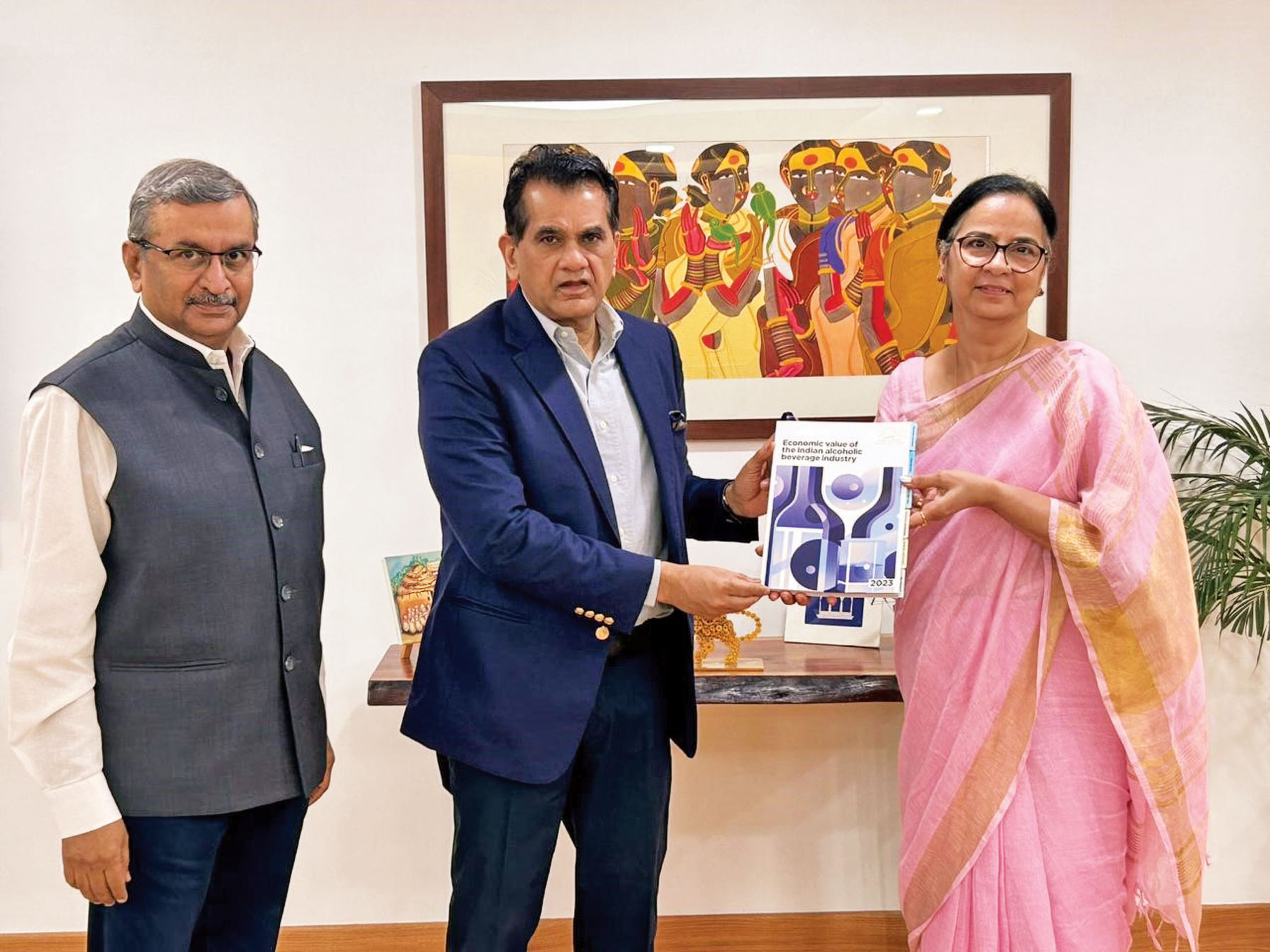
The International Spirits & Wines Association of India (ISWAI), the apex body of the premium alcobev sector, unveiled its report titled “Economic Value of the Indian Alcoholic Beverage Industry”, presenting it to Shri Amitabh Kant, G20 Sherpa and former CEO, NITI Aayog. This comprehensive report is a first-of-its-kind and takes an in-depth look at the vital elements and the significant roles played by the Indian alcobev sector.
The report offers valuable perspectives on the alcoholic beverage industry, highlighting its economic impact, patterns of consumption, and its positive effects on related industries like agriculture, tourism, and more.
Expressing her gratitude, Nita Kapoor, CEO, ISWAI, said, “I extend our heartfelt thanks to Shri Amitabh Kant, G20 Sherpa, on behalf of ISWAI for allocating the time to receive this crucial report. This is a significant moment for ISWAI and the broader industry, affirming the sector’s substantial relevance to the nation. The alcobev Industry serves as a pivotal economic engine, making it imperative for pertinent stakeholders to recognise and value our sector’s economic contributions.”
Nita Kapoor further emphasised, “The alcohol industry holds a vital position within the national economy, presenting opportunities for growth, job creation, and revenue generation. As we look to the future, the importance of the alcohol industry in India is poised to expand. Therefore, it is crucial to simplify its operational complexities, enhance its Ease of Doing Business (EODB), and unlock its full potential for growth.”
Shri Amitabh Kant, G20 Sherpa and former CEO, NITI Aayog, being presented a copy of the Report titled ‘Economic Value of the Indian Alcoholic Beverage Industry’ by Nita Kapoor, CEO, and Suresh Menon, Secretary-General of the International Spirits and Wines Association of India (ISWAI) at his office in New Delhi.
Key Highlights:
With an estimated market size of $52.4 billion in 2021, roughly 2% of the country’s nominal GDP, the Indian alcobev industry is significant and burgeoning (₹3.9 lakh crore, including country liquor).
Projections suggest the Indian alcoholic beverage industry could reach an astounding $64 billion over the next five years, ensuring India’s position as the fifth-largest contributor to global market revenues in the near to medium term.
In the fiscal year 2021, the industry contributed a significant ₹2.4 lakh crore in indirect taxes to the state governments, representing many income streams. Customs duty on alcoholic beverages alone accounted for ₹2,400 crore.
The alcohol revenues represent 1.2% of India’s nominal GDP, 7.7% of the total tax collection, and 11.7% of the nation’s indirect tax revenue. The sector contributes a significant 24.6% of the overall own tax revenues of the states.
Around 1,235 million litres of extra neutral alcohol (ENA) were used to produce Indian-made foreign liquor (IMFL) and ready-to-drink alcoholic beverages in 2021. It is estimated that to produce 741 million litres of extra neutral alcohol for IMFL, 1.9 million tonnes of grain are required. This amounts to 0.6% of India’s total grain production of 316 million tonnes in 2021-2022.
Approximately 724,611 farms and 36,23,057 farmers are involved in grain production for ENA. 2.9% of the persons employed in the agriculture, hunting, forestry, and fishery sectors are engaged in the production of grain/sugarcane/grapes utilised for ENA for spirits and wine.
The scope of the alcohol industry in terms of employment is remarkable at a staggering 79 lakh individuals, both directly and indirectly. This accounts for 1.5% of the total manpower employed in the country.
About 14-19% of the overall revenues of the organised F&B industry are dependent on the ₹28,000 crore sales of alcoholic beverages.
An enabling policy environment for the alcoholic beverage industry can thus drive investments, jobs, and exports. India-manufactured alcoholic beverages have large untapped export potential and should be treated like any other industry.
On the occasion, Suresh Menon, Secretary-General, ISWAI, remarked, “Beyond its substantial tax contributions, the industry plays a vital role in supporting farmers’ livelihoods. It is also intricately linked to the food and beverage, hospitality, tourism, and packaging sectors. With India’s demographic shift, the growth of the young and expanding middle class is projected to persist for several more decades, driving an increase in per capita consumption of various goods and services. Constructive governmental policies can streamline the ease of business in this sector, fostering a more conducive operational climate. By addressing and removing certain barriers, we can propel the sector’s growth to the advantage of all involved parties.”
The Delhi Government has decided to grant license in form L1, L1F and L2 for the wholesale vend of Indian liquor in the National Capital Region (NCR) of Delhi for the licensing year 2023-24 with effect from October 1, 2023.
The Excise Department has said that the prescribed forms can be obtained from its website and that there would be a processing fee of Rs. 5,000 for each license. The Department said that the terms and conditions for the licensing 2023-24 would be the same as that of 2022-23. The government said that it reserved the right to review the duties / fees to be paid / payable in case of any amendment to the law related to liquor and bonded warehouses.
The Department said that in case of existing licensees / registered brands active up to September 30, 2023 there is no change in the EDP / right structure / label / source warehouse etc. The registered brands for the year 2022-23 may be registered for 2023-24 on the same terms and conditions of the previous year, consequent to the payment of requisite fees and submission of undertaking / affidavit of the same.
It said that for new registration of brands applications received without complete information and supporting documents as required in the prescribed form along with annexures shall be liable to be rejected.
These changes are to ensure continuity of supply and the amendments will be in place till the new policy is formed. This will be third time the Delhi Government is giving the extension.
It may be mentioned here that the previous policy introduced in 2021 by the Aam Aadmi Party (AAP) government had to be scrapped as it ended up in scandal which is currently under investigation.
The excise department has proposed to extend the existing 2020-21 liquor policy by six months till March 31, 2024, to ensure the continuity of liquor supply. The excise department will issue a formal order in this regard.
Expert welcomes policy
Mr. Raju Vaziraney, one of the veterans of the wine and spirits sector and presently Adviser and Business Development Head of Amrut Distilleries, has welcomed the policy saying technically it is a new policy thereby allowing new companies to get registered and pay one-time fees and not fees from retrospective effect. The Companies will be encouraged to bring – in new brands, thus ensure more variety of brands, more consumer choice. However, he said the new policy gave only two days for companies to submit all documents.
However, he reiterated that the salient features are a) Existing Licences to be renewed by giving an undertaking / affidavit; Existing licences are renewed till March 31, 2024; Existing brands with existing EDPs to continue till March 31, 2024; Existing brands to pay proportionate fees of six months and not 18 months as was the practise in the policy of 2022-23.
In order to ensure continuity of supplies the online transparent system worked overnight & supplies commenced from October 3, 2023. However in view of paucity of time lot of prominent brands are under process of being made available. Mr. Vaziraney said that however, the challenges are that Delhi will have to wait till six more months to get a full-term year policy with possible participation of private trade thereby offering a great buying experience. The vends at the airport could also open next year as presently a world class city like Delhi does not have any vends at the airports
It is expected that Delhi will have a full year policy which will bring-in consumer choice brands and also bring – in reforms in terms of more liquor stores, more in trade outlets, he added.
IWSR Drinks Market Analysis has announced the appointment of Julie Harris as its new CEO. The transition comes following Mark Meek’s decision to step back from the CEO role and to take up a non-executive director position within the company, the world’s leading source of data and intelligence for the $1.5 trillion global alcoholic beverage market.
Julie Harris joins from Comparison Technologies, a leading tech-enabled comparison and customer acquisition platform in the home digital services market, where she was CEO since 2019. Prior to this, Julie held several CEO roles across a number of sectors, including WGSN, the global leader in trend forecasting for the fashion and retail industry.
Julie Harris commented, “I am delighted to be joining the very talented team at IWSR at such an exciting stage in its evolution and to build on the phenomenal growth of the last few years. Mark leaves the company in fantastic shape and I look forward to working with our global teams to continue to develop new and exciting products for our valued clients.”
Under Mark Meek’s leadership, IWSR has delivered annual revenue growth of 20% and has significantly expanded the coverage and functionality of its core database. The company has also developed a range of new products, including annual strategic consumer sentiment studies on topical issues such as e-commerce, no-and-low alcohol drinks and the impact of Covid-19. In conjunction with its strong organic growth, IWSR has also completed the acquisition of Wine Intelligence France, broadening its coverage of the wine sector.
Julian Masters, managing partner at Bowmark Capital, leading private equity investor and IWSR majority shareholder, commented, “Mark has been both a great leader of IWSR and partner to Bowmark, driving transformational change during his tenure as CEO. We thank him for his significant contribution to the company’s success and are delighted that we will be continuing to work together in his new role. We look forward to working closely with Julie Harris on delivering IWSR’s next phase of growth and continued product development.”
Mark Meek said, “I’m incredibly proud of what the IWSR team has accomplished, with the support of Bowmark, since the management transitioned from our founder. The business has grown strongly, and we’ve considerably enlarged our talent base and product range. The future continues to look bright. So now, after nearly 10 years, I believe it is a great moment to hand over the reins of the business to the talented Julie Harris. I look forward to being part of the IWSR story as a non-executive and will give Julie all my support to ease her into the new role.”