Author Archives: Bhavya Desai

Sula Vineyards crushes over 50% more Grapes in Harvest 2019 compared to 2018

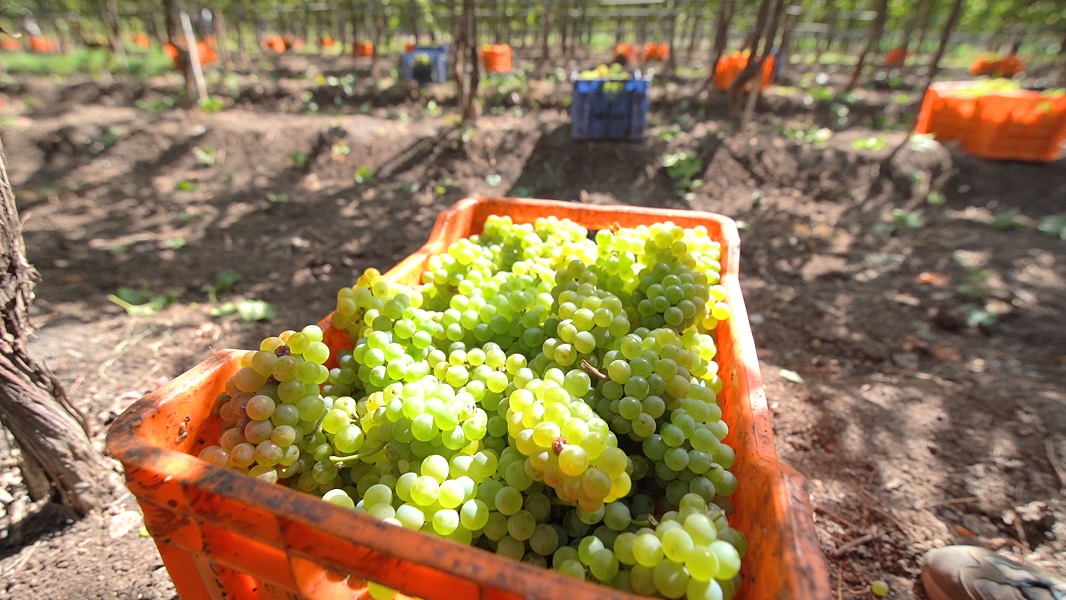
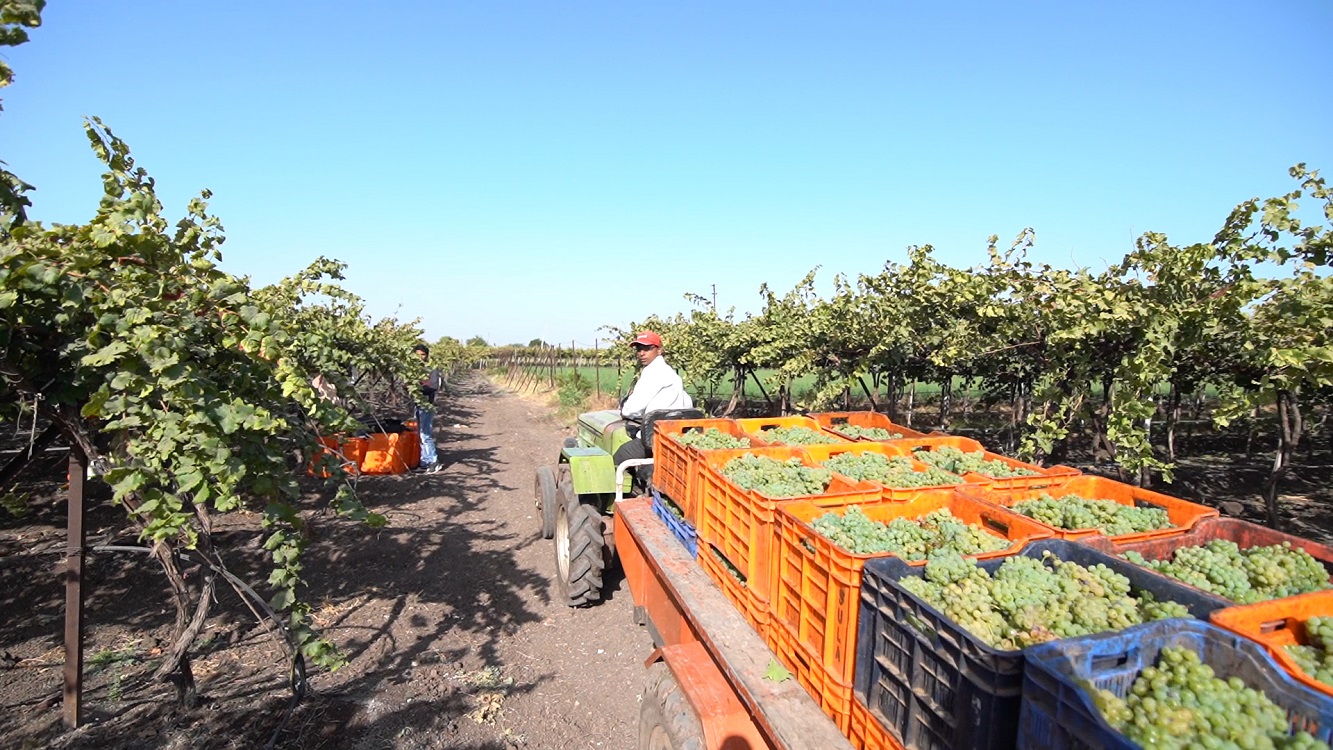
Sula Vineyards crushed a total of over 9,000 tonnes of wine grapes in FY 2019-20, which is about 50% more than what was crushed by the company in FY 2018-19. According to the company, this was possible due to a decent monsoon and following conducive weather conditions for cultivating wine grapes. These figures are expected to help Sula cross its own record-breaking 2018 sales, over 1 million cases world-wide.

Chief Winemaker, Senior Vice President – Vineyard and Winery Operations Karan Vasani elaborated on the Harvest events: “This year, the distribution amongst the varietals was around 55% of red variety grapes and 45% of white grapes crushed. Most of the grapes are crushed and processed in Nashik and Southern parts of Maharashtra although some harvesting and crushing are also done in Karnataka for the wines to be made and sold in Karnataka by Sula Vineyards under its brand Kadu.”

While 2019 was positive for grape-growing conditions, the weather may be indicative of the impacts of climate change. The harvest was slightly delayed this year, starting in mid-December and went on till the first week of April.

“Wine-making is such an old process, the challenges will alw

ays be the weather,” explains Founder and CEO of Sula Vineyards Rajeev Samant. “Our planet is in danger and our priority needs to be our impact on the environment. There is lots of waste generated by the traditional production and crushing process. Instead, we use every part of the grape, from seed to skin. After the grape juice is extracted the seeds are used to make grapeseed oil and the remaining mulch becomes compost for our vines,” he explains. Sula Vineyards is committed to protecting India for the future by planting more and more trees.

Sula is also cultivating additional land across Maharashtra and Karnataka, giving a boost to the agri sector. Sula planted 360 acres in 2018 and will plant an additional 340 in 2019. This will take their total area under wine grape plantations to about 3000 acres which will also add to the rural employment numbers. Today, almost 510 farmers from Maharashtra and Karnataka are working with Sula with assured buy back contracts.

In general, Maharashtra saw a bumper grape harvest this season with figures from Nashik district, the heart of India’s grape region, crossing 1.43 lakh tonnes of grapes. About 2% of these grapes are wine grapes. However, except for 2017 when the highway liquor ban was put in motion, the Indian wine industry has recorded a steady growth in CAGR, which means that more and more Indians are drinking wine, in many cases switching away from hard liquor.

Neeraj Kumar named Beam Suntory’s Managing Director, India

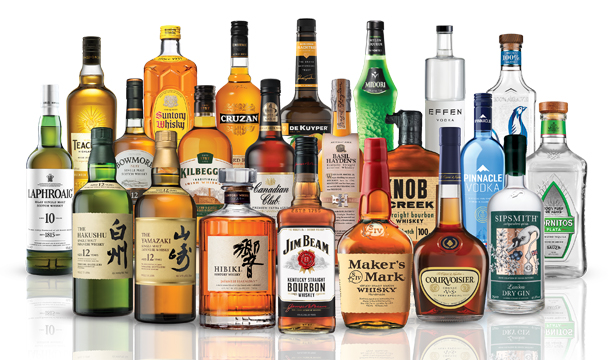
Beam Suntory has appointed Neeraj Kumar to serve as Managing Director, India, effective May 2019. With leading brands like Teacher’s and Jim Beam, the company has an ambitious goal of reaching $1 billion in sales by 2030.

“Neeraj is the ideal leader to guide the next wave of growth in our India business unit,” said Pryce Greenow, Beam Suntory’s President, International. “Since joining Beam Suntory, Neeraj has demonstrated exceptional leadership skills and brings a wealth of marketing and sales experience to the role. We’re always looking to provide greater leadership opportunities for our top talent, and Neeraj has the leadership capabilities, character and determination to help us achieve our ambitions to grow India into one of our biggest markets.”

Beam Suntory in India has offices in Gurgaon, New Delhi, Mumbai, Bangalore, Hyderabad, Kolkata and a primary bottling facility in Rajasthan.

Kumar is a veteran marketing and strategy leader with more than 25 years of marketing, sales, and strategy experience. Kumar joined Beam Suntory in 2008 as Marketing Director, India helping build the leadership position for Teacher’s Scotch in India while expanding Jim Beam. In 2016, he assumed the position of Marketing Director, Emerging Asia, helping establish new routes-to-market in China and South Korea. Kumar has been a key leader in helping deliver sustained performance in India, a priority emerging market for Beam Suntory.

“India is a strategic priority for Beam Suntory, and I couldn’t be more energized to be charged with our ambitious growth agenda and leading our passionate India team,” said Kumar. “Our growth plans reflect a strong commitment from Beam Suntory to the Indian market and our vision of Growing for Good, protecting water and the environment, giving back to our communities, and promoting responsible consumption of our products.”

Prior to Beam Suntory, Kumar served in roles of increasing responsibility at PepsiCo Nepal and Electrolux India, where he rose to the position of Vice President Marketing & Strategy at Electrolux Major Appliances.

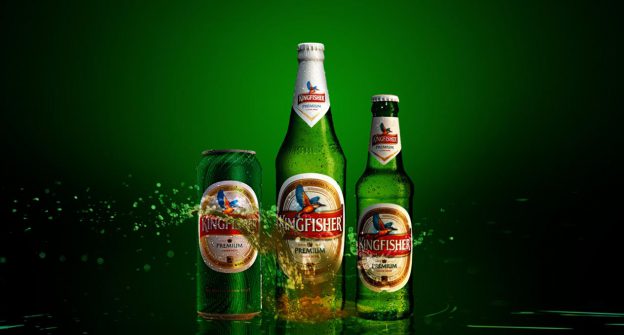
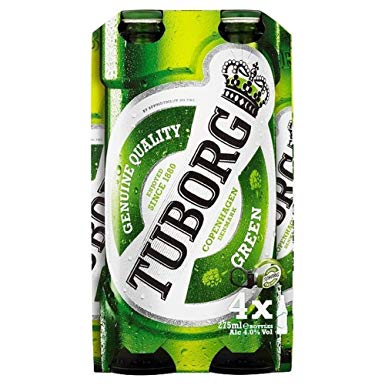
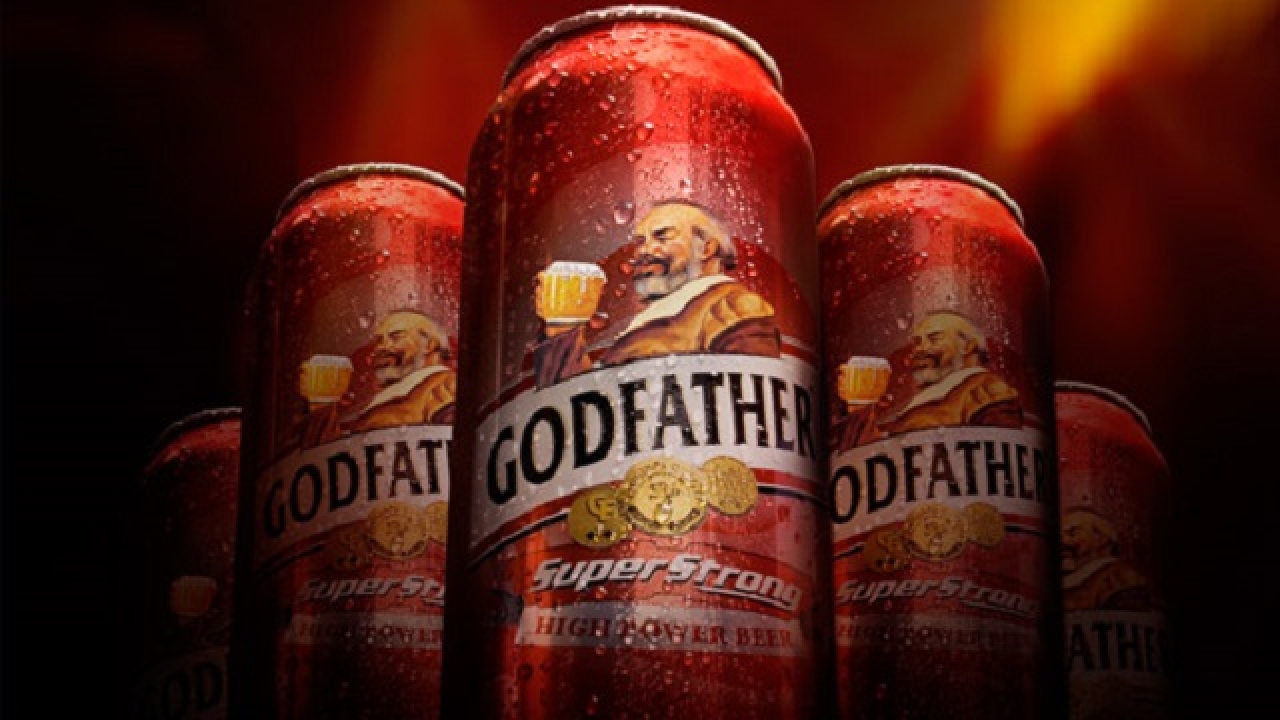
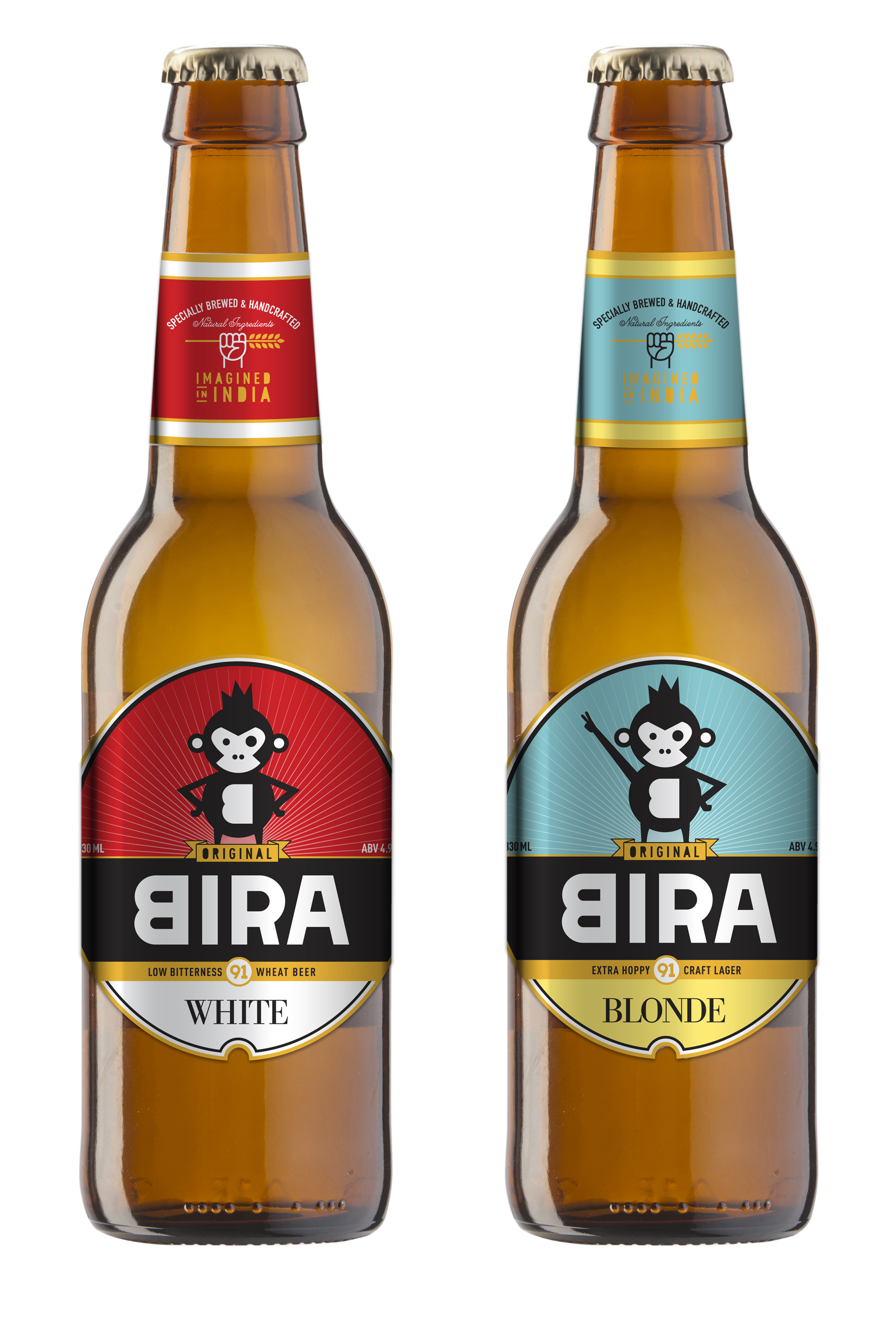
This summer, it must be Beer

After a prolonged winter which benefitted IMFL sales it is now time for beer sales to perk up.

The beer market in India has been growing steadily over the years. is currently in its growth stage. The market is evolving from manufacturing usual beer products such as strong- lager beers to craft beers, Mead and Apple Ciders adopting trends and technologies from markets such as America and Europe. Today, there is presence of more than 140 beer brands in Indian beer market, which could address the palate of each customer segment. The per capita beer consumption in India is still very low compared to other countries in Asia Pacific region and therefore the market could witness huge growth in the coming years owing to factors such as shift from hard liquor to beer consumption by consumers in India, increase in disposable income, change in societal perspective and others.

The beer market in India is at its growth stage with major companies in the market looking for further market expansion with introduction of new products and by strengthening their distribution network. The market has been growing majorly due to increase in number of youth population, higher disposable income, rising preference of consumers for low alcohol beverages and others. Drinking in bars is fast becoming a social phenomenon in cities such as Delhi, Mumbai and Bangalore and with emergence of craft beers, the growth in beer consumption increased rapidly. Besides the rising number of pubs and bars, another factor which increased beer consumption was increase in premium modern trade and on-premise outlets in metropolitan cities which increased the range of product availability and improved the retail environment. Some state governments, for instance Maharashtra, Uttar Pradesh and Kerala, offered separate licenses for beer sale further boosting growth prospects for the industry. 

Beer sales in India grew 4.6% in 2018, helped by the diminishing impact of a highway ban, demonetisation, but companies expect sales to taper off this year due to an increase in taxation and liquor curbs during the general election.

Growth last year was still slower than in the previous years, when it ranged from 5.2% to 18% between 2009 and 2016, according to Global-Data Plc, a UK-based research agency.


The beer industry has seen various merger and acquisition in India which has concentrated market competition, further and further during the last five years. For instance, acquisitions such as US-based Molson Coors Brewing Company acquiring Mount Shivalik Breweries (Thunderbolt beer manufacturer) in 2015, AB In Bev acquisition of SAB Miller in 2016 and so forth.


It is observed that Indian beer market is facing multiple obstacles which have influenced its growth potential, such as licensing restrictions, high taxes and advertising bans and these could be reasons for low beer consumption per capita in the country as compared to other regions in Asia Pacific region.


The Southern and western regions in India were witnessed to dominate the country’s beer market in FY’2018 in terms of sales volume. One of the main reasons for their dominance was that, majority of the states in these regions do not have winter season and has either humid or summer season prevailing for most of the months in an year, which acts as another factor for increased beer consumption in these states.. On the other hand, north and east side states grabbed the remaining market during FY’2018.


Competition stage in the country’s beer segment was witnessed to be concentrated major 3 players in terms of sales volume in FY’2018. Companies compete on the basis of product variants product quality and distribution network, brand value and promotion strategies. Some of the major players operating within this segment include UB Group, Carlsberg and Anheuser-Busch InBev and other players include Molson Coors, Mohan Meakin, White Rhino, B9 Beverages Pvt Ltd, Arbor Brewing Company India, Gateway Brewing Company and others. Pricing, brand value as well as marketing strategies adopted by a particular company are considered as of high importance in order to reach a wider target audience in the country.


Over the forecasted period, India beer market will witness various acquisitions, entry of new players and brands, and tie-ups which will drive this market further towards growth. It is expected that the demand for premium beer will rise in the future with an increase in personal disposable income and higher living standards. It is also expected that most of the state governments will start to delink beer taxation from IMFL soon on the basis of alcohol content paving the way for rational growth in the market. Both in terms of revenues and sales volume, the market is expected to attain high growth over the forecast period FY’2018-FY’2023.


Revenue in the Beer segment amounts to US$12,393m in 2019. The market is expected to grow annually by 8.0% (CAGR 2019-2023).

In global comparison, most revenue is generated in United States (US$77,029m in 2019).


In relation to total population figures, per person revenues of US$9.05 are generated in 2019.

The average per capita consumption stands at 3.6 L in 2019.


Market leader Heineken-controlled United Breweries grew in double digits last year, ahead of the overall market. Both beer and Indian-made foreign liquor (IMFL) declined 3% in 2017. While India’s IMFL market recovered and grew 10% last year, the most since 2012, the beer category hasn’t seen a similar surge. A key reason was lower demand in two crucial states.


A year ago, West Bengal increased duty on beer to 45.5% from 30% in January and then reduced it to 42.7% in March after initial supply disruptions, leading to tipplers shifting from beer to lower-priced spirits. In Maharashtra, excise duty on beer was increased by 17% and the revised pricing structure was obtained only after mid-December 2017, leading to a shortage of beer as manufacturers cut back on supplies.

As India is a strong beer market with over 80% sales of strong beer, international players see a a huge opportunity for states to adapt taxation policies that are based on alcohol content and not absolute volume. India is not among the top 10 beer markets in the world, but is the second-largest consumer base globally.”


In India, the liquor market is regulated, with high levels of taxation. In many parts, the state government controls wholesale or retail distribution.Over the past two years, West Bengal, Chhattisgarh and Jharkhand have changed policies to allow liquor sales only through government owned corporations, similar to states such as Delhi, Rajasthan, Kerala and Tamil Nadu.

Heineken, owner of United Breweries, Anheuser-Busch InBev and Carlsberg, the world’s top three brewers that together control about 90% of India’s beer market, have been betting on premium brands to drive sales in the warm, tropical country with promising demographics and increasing affluence.

Mead – From bee to bottle

Mead is the new beer or wine for millenials. A look at the history, its production process and its growing importance.

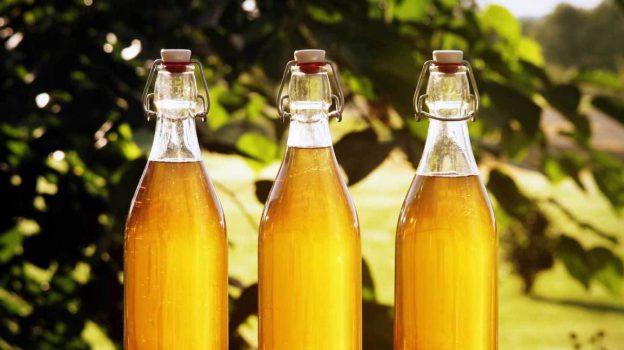
Mead or honey wine is made by fermenting honey with water. Like beer, mead is sometimes flavored with fruits, spices, grains or hops. But it’s generally higher in alcohol than beer and more in line with grape wine – typically between eight and 20% ABV. Also like wine, mead is produced in a variety of sweetness levels, from bone dry to lusciously sweet and can be still or sparkling.

Within the world of mead, there are sub-group. For example, if mead is mixed with beer or brewed with hops and malt, it becomes a hybrid style closer in taste to beer known as braggot. This beverage, unlike its purely mead-made counterparts, can be produced in breweries. Mead with added fruit is known as melomel, while hydromel is a watered-down version consumed in Spain and France. Great Mead is mead that’s meant to age.

Honey wine occupies a somewhat precarious position between beer and wine. Legally, mead is produced in “wineries” and bottles are usually sold in wine shops. But, thanks to the presence of hops, which some brewers choose to add as a natural preservative, mead is often clumped into the craft beer category. But, the reality is that mead is in a category of its own much like cider or sake. A ubiquitous alcoholic beverage, everyone – ancient Greeks, Africans, and Chinese – all drank mead as far back as 3000 BCE. Mead holds particular importance in Norse mythology, especially in the legend of a fabled beverage with magical powers known as “Poetic Mead”. As the story goes, mythological gods created a man named Norseman Kvasir who was so wise he could answer any question. When he was eventually killed, his blood was mixed with honey, and whoever drank this honey-blood mead took on Kvasir’s power of intelligence. And it’s likely this myth that inspired Danish craft mead producer Dansk Mjod to make its Viking Blod Mead, which is flavoured and coloured red from hibiscus. Mead is frequently consumed in Eastern Europe and Russia. Pretty much any country that produced honey has a history of mead production and appreciation.
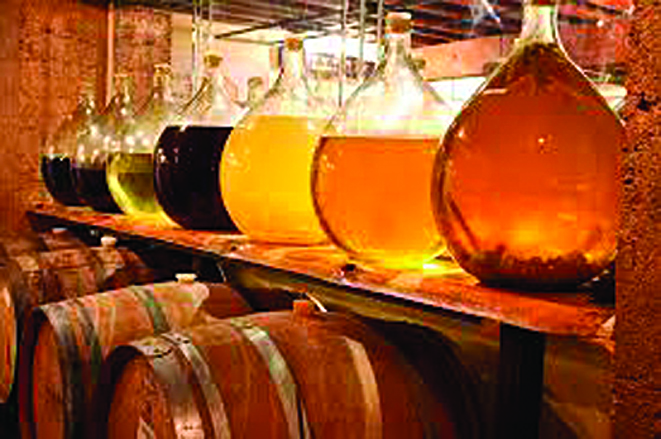
Outside of Europe, Mead has been and continues to be popular in Ethiopia, where it’s referred to as tej. Customarily a home-brewed beverage, tej is usually flavoured with powdered leaves of the gesho plant, an African shrub which imparts a slightly bitter flavor and preserves the drink, like hops do for beer.

While Ethiopians typically drink tej out of a bulbous glass container called a berele, nowadays in the US mead is usually served in wine glasses. Though sometimes the drink will come in an Old World drinking vessel like a mazer cup from Germany, which is also the name for the world’s largest mead competition. And, for serious history buffs, there’s always a mead horn. Mead is an ancient drink, thought by many to be the first fermented beverage. Mead is diluted honey that has been fermented. The earliest meads were likely accidental fermentations with wild yeasts, but this eventually developed into organised, intentional meadmaking.

But with the rise of beer and spirits, mead started falling out of fashion in the 1700s and never really made a worldwide comeback. The traditional wine industry has largely ignored the shift to tastes for sweeter beverages and/or more direct use of fruit, spice and other flavours. The craft beer industry on the other hand has embraced these changes. Meads with more alcohol, more body/viscosity and more sugar/acidity definitely have a lot more going on, and a glass of complex wine like a late harvest Riesling or Vidal Ice Wine.

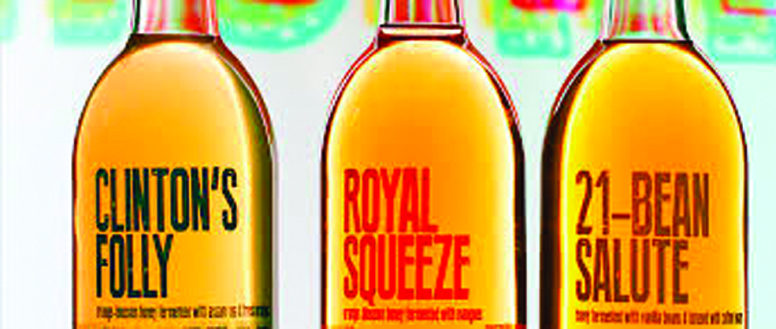
There are almost as many kinds of mead as there are meadmakers. There are several general categories that meadmakers use to classify their products. Traditional meads are made from water, honey and yeast. They range from dry to semisweet. The driest are lacking in the characteristic honey sweetness, but they capture the true “essence” of the honey. The sweeter versions retain some of the sweetness of the honey without being syrupy or cloying. Bochets are made from caramelised honey which adds a layer of complexity, especially to sweet meads.

Sack meads are very sweet traditional meads, often aged for extended periods. They can have the character and complexity of a port or sherry, or the sweetness and fruitiness of a late harvest grape varietal. Melomels are meads made with fruit. Depending on the process and fruits used, these can be very fruity, aromatic and sweet, or dry with just a hint of fruit essence (or anywhere in between).

Metheglins are meads made with herbs and spices. Our word “medicine” likely descended from this term. The varieties in this category are almost limitless. Frequent spices used are clove, cinnamon, ginger, and other “wintery” spices. Juniper is another common additive, as are many herbs in the mint and sage group such as mint, lavender, rosemary, sage, etc. Pyment is a fermented blend of honey and grape juice – probably an ancestor of our grape wines. Pyment can be as diverse as the grapes and honeys used to produce it.
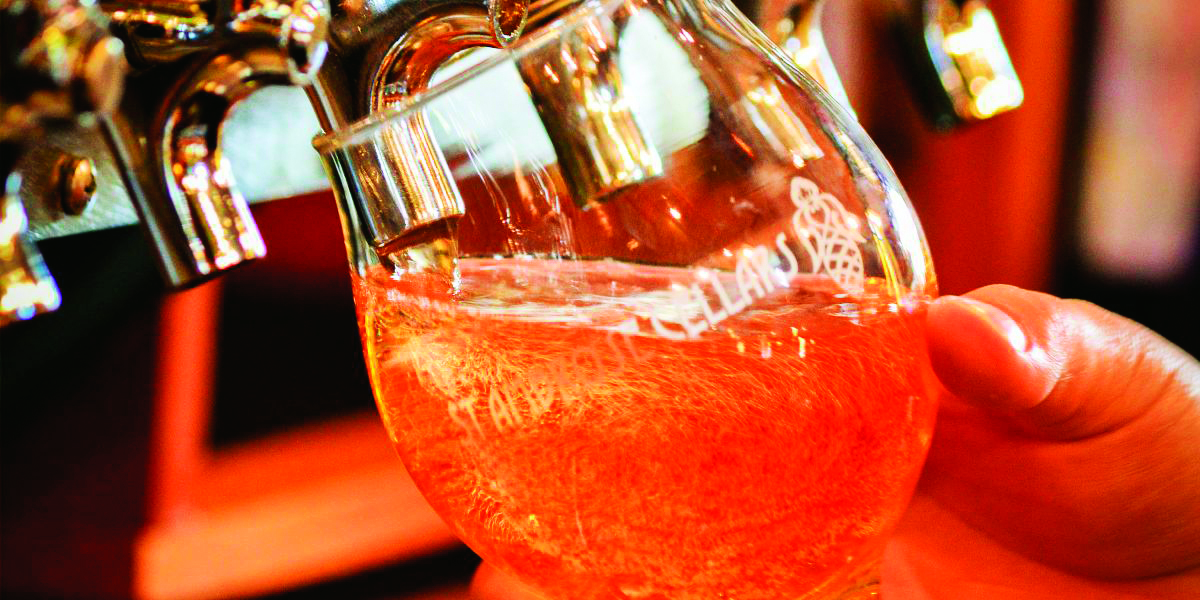
Hippocras is a spiced pyment, usually sweet.It is believed to have been popular among early Mediterranean peoples.

Cyser is mead made with apples, and can be as varied as the myriad apple varieties and the numerous British, French, and American interpretations of cider. The addition of honey allows more variation in sweetness, alcohol content, and shelf life.

Hydromel is a newer category used to classify any mead that is less than 10% alcohol (unless you speak French – then it’s just mead). Our Bee Brews are hydromels. These meads can be as varied as the other categories listed above, if not as common.

Braggot is mead made from malted grains and honey, often with hops as well. It can be thought of as a beer/mead hybrid, and probably predates all-grain beers in origin. Modern interpretations vary from sweet “barleywine-style” braggots, to light, hoppy brews.
Mead is experiencing a renaissance, both among commercial producers and homebrewers.
That growing interest has Jeff Herbert, owner of Superstition Meadery, the first of its kind in Arizona, calling mead “the smallest, but fastest growing sector of the U.S. alcohol business.” He sees it firsthand. Superstition made 300 gallons/year when it opened in 2012, and it’s on track to produce 20,000 gallons in 2017. “That number will more than double in 2018, and in 2019, we plan to produce 100,000 gallons of mead and hard cider,” he says.

“Mead is growing because it is amazing,” he says. “Mead is delicious, and the range of style traverses from dry to sweet, still to sparkling, from quaffable to the most complex beverage that will ever pass your lips.” In India Rohan Rehani, co-founder of Moonshine Meadery, tasted mead, he hated it. It was December 2014 and Rehani and his friend Nitin Vishwas were visiting someone in the US. During the trip, Rehani was curious to taste this alcoholic beverage made with fermented honey that had become the new cool drink in America. But he went beyond just trying it out – one day, Rehani and his friends attempted to brew their own batch of mead. Moonshine’s mead is made from multi-flower honey locally sourced from Maharashtra. “The taste of the mead changes completely depending on what honey we are using,” said Rehani. “Just like all grapes aren’t the same, all honey is not the same. The flavour differs depending on the nectar source [flowers]. There is lychee honey, ajwain honey, eucalyptus honey, jamun honey and each one has a slightly different taste which has a huge impact on the final taste.”

Seagram’s Royal Stag launches a Limited-Edition Cricket World Cup Pack

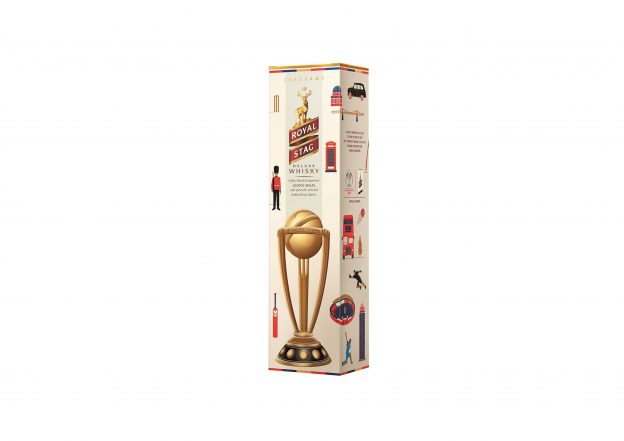
Royal Stag, the official whisky partner of the ICC Cricket World Cup 2019, is truly making the cricket fever larger than ever with the launch of a new limited-edition Cricket World Cup pack.

The limited edition packaging has been conceptualised and designed by Ogilvy and is inspired by the actual ICC World Cup Trophy. The innovative packaging design represents elements from the sport of cricket along with iconic monuments from England & Wales. The pack truly embodies the spirit of cricket and has been launched just before the start of the ICC Cricket World Cup 2019 being held in England and Wales.

Commenting on the launch of new packaging, Kartik Mohindra, Chief Marketing Officer, Pernod Ricard India said, “For Indian fans, The ICC Cricket World Cup 2019 goes beyond the boundaries of a regular sporting event. The passion, madness, thrill, excitement and love for the sport can be seen in every devoted cricket lover. Our long-standing association with cricket bolsters our relationship with consumers across the nation. By introducing a limited-edition Cricket World Cup pack, we are giving cricket lovers a world cup memorabilia to hold on to and together celebrate the spirit of cricket. Additionally, the on pack contest offers consumers a chance to watch the ICC Cricket World Cup Live in England & Wales.”

Speaking on the occasion, Kapil Arora, President, Ogilvy said, “Cricket and Royal Stag have been synonymous with one another for many years. However, when the brand decided to partner with the ICC Cricket World Cup, the world’s greatest festival of cricket – it deserved a special commemoration. The result is a limited-edition pack of Royal Stag that will give fans of the brand and cricket, an opportunity to collect a unique pack that celebrates and brings alive the spirit of the World Cup.”

Grover Zampa Vineyard emerges as frontrunner in the Indian wine industry

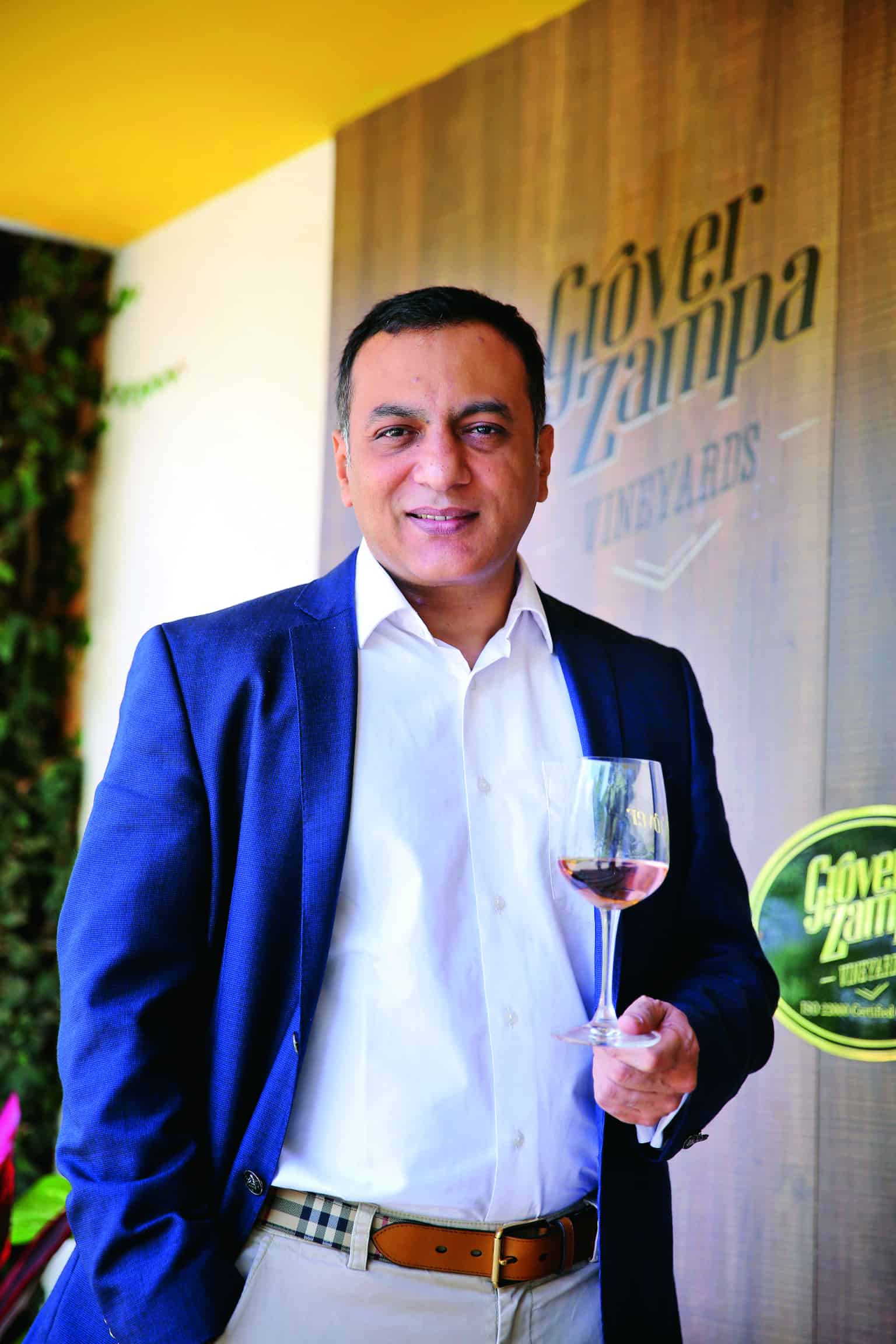
In an interview with Ambrosia, Mr. Vivek Chandramohan, Chief Executive Officer, Grover Zampa Vineyards, outlines the company’s strategic plans.

What is the status of Grover Zampa Vineyards post the acquisition? What is the rationale behind the purchase of Four Seasons Wines, Charosa Vineyards and Myra Vineyards?

With the addition of Four Seasons, Charosa and Myra, we aim to expand into a multi-brand lifestyle label with wine being at the core of our business. We are looking to widen the portfolio and offer more varietals that resonate with the millennials and new age wine drinkers. This will also lead to an increased focus on wine tourism with better amenities being offered to patrons at the vineyards, thereby consolidating the position as a market leader in the country.
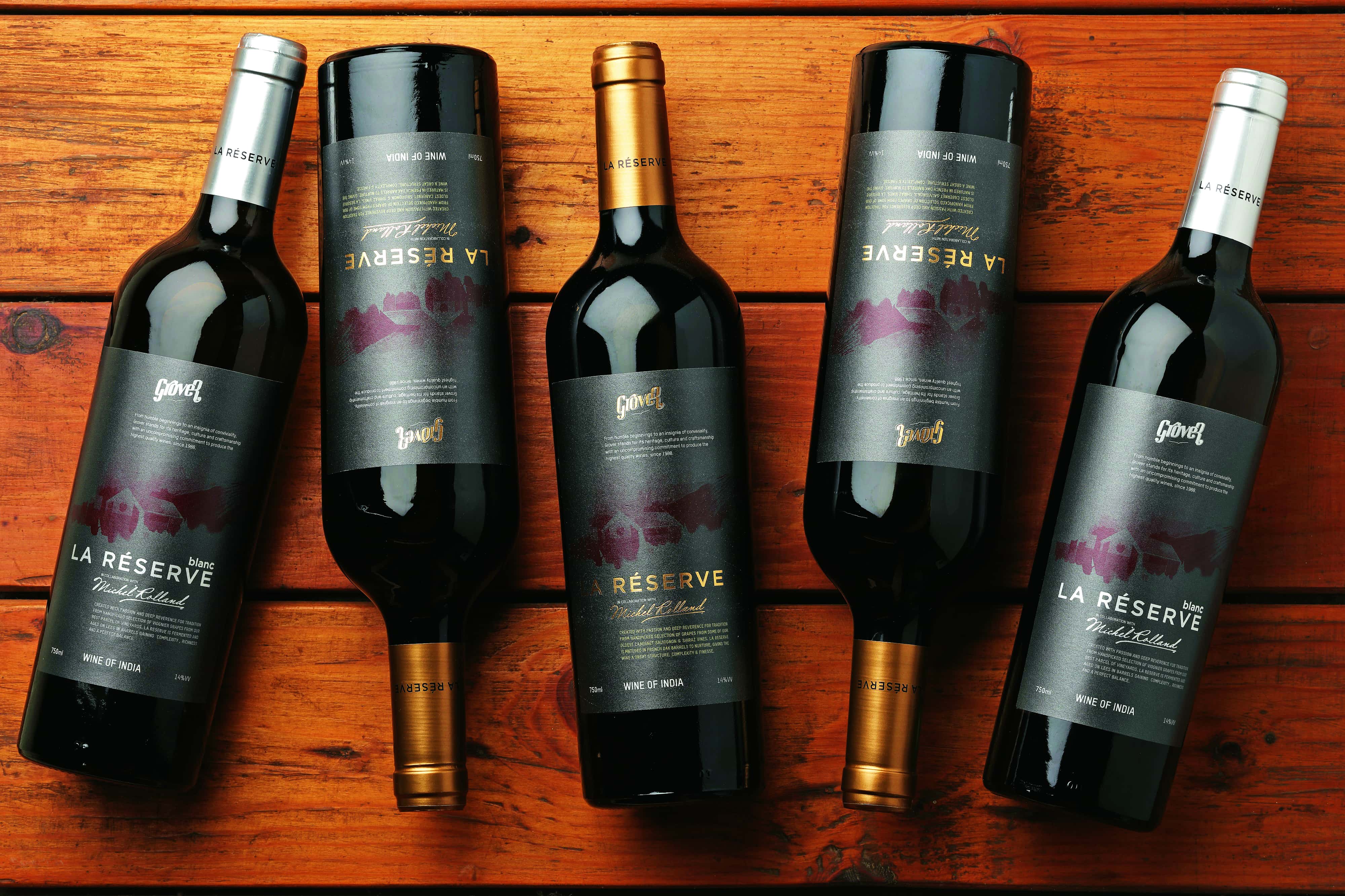
The wine industry has been on a positive growth trajectory for the past few years, with growing interest from varying consumers to better understand and experience the beverage. This has opened up the pathway to expand and reach out to these very consumers through various touch-points – an insight which has significantly dictated our association with Four Seasons, Charosa and Myra.

Will there be any new wines from Grover Zampa or the focus will be on consolidation?

We have fortified our capacities and capabilities with inclusion of new technologies and we will continue to innovate and introduce new wines tailored of international standard. Every winery will have a different focus.

What price range will you be focusing on given that you now have a broader portfolio?

Focus has always been and will always be on selling premium wines which are priced at `650 and above. At Grover, our soul has always been about quality and so, we have invested heavily on sub-surface irrigation. This system allows for the plant to root deeper thereby aiding in quicker rooting in what typically would otherwise take decades by generic evolution.

We have also invested in drones and sensor technologies. The sensors will detect water stress and then the sub surface irrigation system will only give the plant water when it needs it. Research has shown us that this method dramatically improves the lifespan of the Vine as also much improves the quality of grape. Also, when you have extensive acreage of vineyards, it becomes nearly impossible to go through every square feet of the vineyard and check for disease. Here is where we have drones that fly over quickly and aerially detect the disease, if any, and administer medication quickly thus saving us millions in terms of crop value. While we have spent a lot on new technologies, our wines will be also priced at `5000 and above which will be sold exclusively.

Do you see a change in the packaging especially in the wines of the newly acquired wineries?

Immediately we will only enhance the packaging but it will not change anything as of now. We will continue with what we have in Charosa but might enhance the packaging of Four Seasons .

What sort of targets have you set for wine exports?

We now export to 28 countries; 8 new countries have been added this year. Our biggest market is France. A significant quantity of our La Reserve, Art Collection Rose` & Art Collection Cabernet Shiraz go into France. Our second largest export market is Japan. US is showing strong growth this year, UK a little slow, but we have made strong inroads into Europe this year. We have made our foray into the Nordic world, Finland, and Norway, which are monopolies, from where we have got quick and large repeat orders. These monopolies will never give you repeat orders unless they have sold the wines. This shows strong acceptance of our wines in these regions. 20% of sales are exports currently.

This year, we should close with circa 260,000 cases. Much of our expansion has come because of the growth that we have secured in the Indian market. Yes, our exports have also grown. We will most likely close at 20,000 cases this year out of the 260,000 cases.

Grover Zampa Vineyards bags most prestigious honours

Grover Zampa Vineyards, India’s oldest and leading fine wine producer and exporter, have added yet another feather to their victory cap by bagging 13 coveted honours at the recent Indian Wine Awards, 2018. An initiative powered by Sonal Holland, India’s first and only Master of Wine and Founder-Director of SoHo Wine Club. Indian Wine Awards is a world-class competition, that rewards, recognises and celebrates the best of wines available in the Indian market, both domestic and international.

The second edition of the revered awards was held on 29th September, 2018, at The Leela Mumbai. Undeniably the one-stop guide for Indian consumers to purchase wines, the ceremony marks the unison of dignified luminaries of the food and beverage industry, who come together to identify and award Indian wines for their palatable distinctiveness. Amongst the distinguishable accolades, Grover Zampa was awarded ‘Best Red Wine Indian’ for its Chene Grande Reserve 2015 and ‘Best Sparkling Wine Indian’ for its Soirée Brut Rosé 2015. It’s varietal, Soirée Brut 2015 won the Best Food & Wine pairing with Malvani Fish Fry. The brand’s other labels such as Art Collection, VA Reserve Collection, La Reserve, amongst others, earned discernible medals, further verifying Grover Zampa’s commitment to producing only superlative and high quality wines.

Elated with the wins, Vivek Chandramohan, CEO, Grover Zampa Vineyards opined, “We take pride in the toil and passion that form key ingredients of the wines being produced here at Grover Zampa Vineyards. The acknowledgment and awards won at the Indian Wine Awards, 2018, redefine the brand’s unwavering fortitude and zeal to please patrons with the best in wine always. These wins not only re-instil our faith in our capabilities and commitment, but also motivate us further to set newer benchmarks.”  
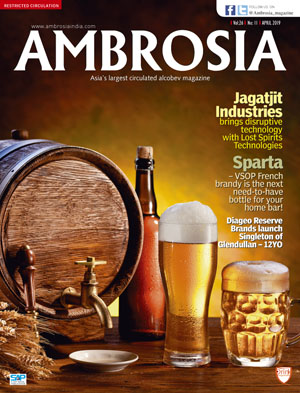
Wine

Trophy / Medal

Chene Grande Reserve 2015

Best Red Wine Indian

Soirée Brut Rosé 2015

Best Sparkling Wine Indian

Soirée Brut 2015

Trophy Winner of the Food & Wine Pairing Competition

Zampa Soirée Brut Magnifique 2016

Gold

Vijay Amritraj Reserve Collection White 2017

Gold

Vijay Amritraj Reserve Collection Red 2015

Gold

Art Collection Sauvignon Blanc 2018

Gold

Art Collection Viognier 2018

Gold

La Reserve Red 2016

Gold

Soirée Brut 2015

Silver

Art Collection Chenin Blanc 2017

Silver

Art Collection Shiraz Rosé 2018

Silver

Art Collection Cabernet Shiraz 2017

Silver

Sparta – VSOP French brandy is the next need-to-have bottle for your home bar!

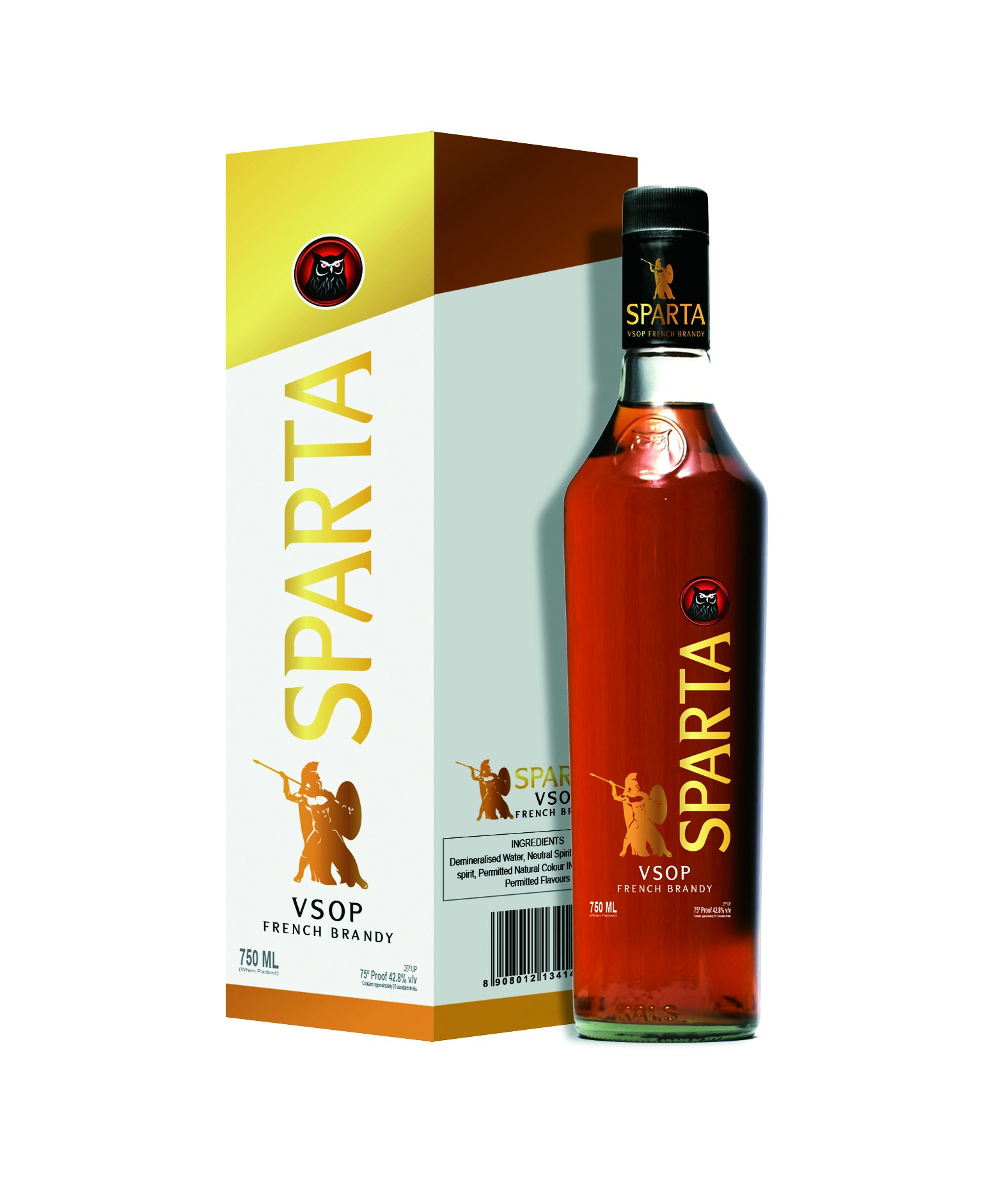
KALS Group, Southern India’s alcobev company announced the launch of Sparta – India’s most admired premium grape brandy.

Sparta is an authentic French VSOP brandy that has native elements of authentic French grapes from Cognac Region, which is matured to the tune of 3+ years.

The high-spirited growth of KALS

Deriving its name from ancient Greece – A city in the southern Peloponnese in Greece, capital of the department of Laconia; population 14,400 (est. 2009). It was a powerful city state in the 5th century BC, defeating its rival Athens in the Peloponnesian War to become the leading city of Greece, Sparta embodies the exceptional French style of making heritage and the expertise. Sparta is known for its winning spirit and Sparta of KALS is expected to be the curtain raiser for well-informed connoisseurs!

Sparta is made from carefully selected grapes from the best Indian vineyards which are then double distilled in small batches using traditional French alembic pot stills, to produce a liquor of exceptional smoothness and character.

Sparta is a modern take on a French classic using some of the best southern French grapes, copper pot stills for distillation, and French oak barrels for maturation, all under the direction of Master Distiller. The result is a very special blend with honey blended caramel notes of fresh fruit, vanilla, and a hint of the oak. The brandy can be enjoyed on the rocks or to add some flavour to a signature cocktail.

SPARTA- UNIQUE VALUE PROPOSITION

Sparta is the first authentic french-style brandy to be 100% made from grapes of Cognac region. Nothing else and nothing less then the timeless savoir faire of french double distillation making. since it uses grapes only from the best vineyards of France, Sparta is the first to reveal such an aromatic intensity. Unlike others, it relies on the time-honoured savoir faire of brandy making in small alembic copper pot stills. It is then aged in oak barrels and carefully blended by the cellar master. with its subtle gold colour, Sparta is the perfect harmony of mature and intense aromas. Discover its delicate notes of summer fruits and vanilla coming from the oak barrels. On the palate, its texture is as smooth as silk.

Enjoy it neat, on ice or with your favourite mixer.

Sparta is aged in small French oak barrels under the supervision of French Master Blender imparting a smooth and distinctive taste, exceptional aromas and a complex character of a cognac – style brandy with a long finish. Keeping up with the tradition of French Cognac making, the master blender has developed a unique recipe guaranteeing excellence in every drop.

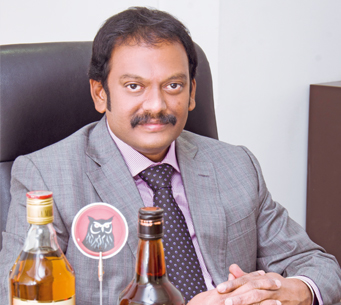
Chairman & Managing Director Mr. Vasudevan S of KALS Group said, “With this launch KALS takes its aggressive step into the world of spirits with a superbly crafted high end offering. We are confident that Sparta will win accolades and significantly raise the bar for brandy making in India. Sparta is India‘s first handcrafted cognac derivative – style brandy for connoisseurs – from the House of KALS.”

Sparta comes in premium packaging and bottle design inspired from the Mid-19th century with a transparent gold labels that shines & scintillates to captivate the eyes of consumer- Sparta a style known as ‘standard fifth’ or ‘lettered brandy’ with embossing. Sparta will be available initially in three SKUs of 750 ml, 375 ml and 180 ml.

According to Uppiliappan G, CEO, KAL, Sparta is priced at `640 in the Tamil Nadu market. For KALs MGM Brandy is the closest in comparison. However, Sparta is rolled-out in all southern states and expected volumes will be 30,000 cases per month initially, says Uppiliappan.

Pernod Ricard poised to dominate Indian market

Guillaume Girard-Reydet, Managing Director, Pernod Ricard India, shares his vision of the company in a volatile Indian market which is punctuated with disruptions.

How would you rate Pernod Ricard’s performance this year?

Long term strategic outlook and consistent implementation has enabled us to deliver a significant improvement in business performance. In India, after the set back on the back of demonetisation and the highway ban, we are now back on track with double digit growth. As we focus on delivering high quality brands, all our leading brands continue to post double digit growth and consolidate their market positions.
What is the secret of your success with 100 Pipers?

Bottled in India Scotch is one of the most active and competitive category in India, with new entrants launching brands every year and investing heavily in retail and media. With an amazing taste, consistent communication of its distinctive brand positioning and brand expression of “Be Remembered for Good”, 100 Pipers has been leading the scotch category for close to a decade, leaving the nearest competitor at less than half its size.

How has Pernod Ricard maintained its profitability over the years despite the disruptions in the liquor industry?

Premiumisation is a firmly entrenched trend cutting across price points, flavours and categories. We expect this trend to continue strongly in the foreseeable future, due to a positive long-term demographic and socio-economic trends led by a young and growing consumer population, rising middle and affluent class and increasing purchasing power, rapid urbanisation, and rise in women consumption.
The bouncing back of categories that we operate in due to the above and the growth was led by PRI brands as category leaders, across all segments both in our domestic and international portfolio.
Broadly, the intent is to cater to every consumption opportunity with our expansive portfolio and drive premiumisation. With brands like Royal Stag, Blenders Pride, 100 Pipers, Jameson, Chivas Regal, The Glenlivet, our constant endeavor is to offer brands with purpose and values of authenticity, legacy and craftsmanship. We also expect that responsible consumption continue to rise with consumers enjoying, the best convivial relationships with the best brands from the PRI.

There is a huge potential for blended brandy made with pure grape brandy and Pernod Ricard being a French company, it is best poised to be a dominant player in this segment. What plans have you outlined for this vertical?

Our expertise in the group with our strong knowledge on grapes within our portfolio specially cognac Martell, our wineries in Australia Jacob s Creek and Spain Campo Viejo and also our Indian wine Indiosa coupled with the blended brandy opportunity in India, is definitely a category which has potential, but it’s still to be evaluated. But we would be more focussed on the consumer value.

With gin becoming a potential promising market and India could produce good gins, what are the company plans for this segment?

Looking at the resurgence in gins and growing conversation around this versatile white spirit, we introduced Monkey 47 in the ultra-prestige gin category early this year. We have two beautiful gins in our portfolio, Beefeater the only gin distilled in London and Monkey 47 our craft gin from Black Forest. Definitely, I do agree that we are the country of flavours and spices and therefore I am sure that the whole industry is looking at us how to bring live our expertise.

Which are your thrust areas in the next three years?

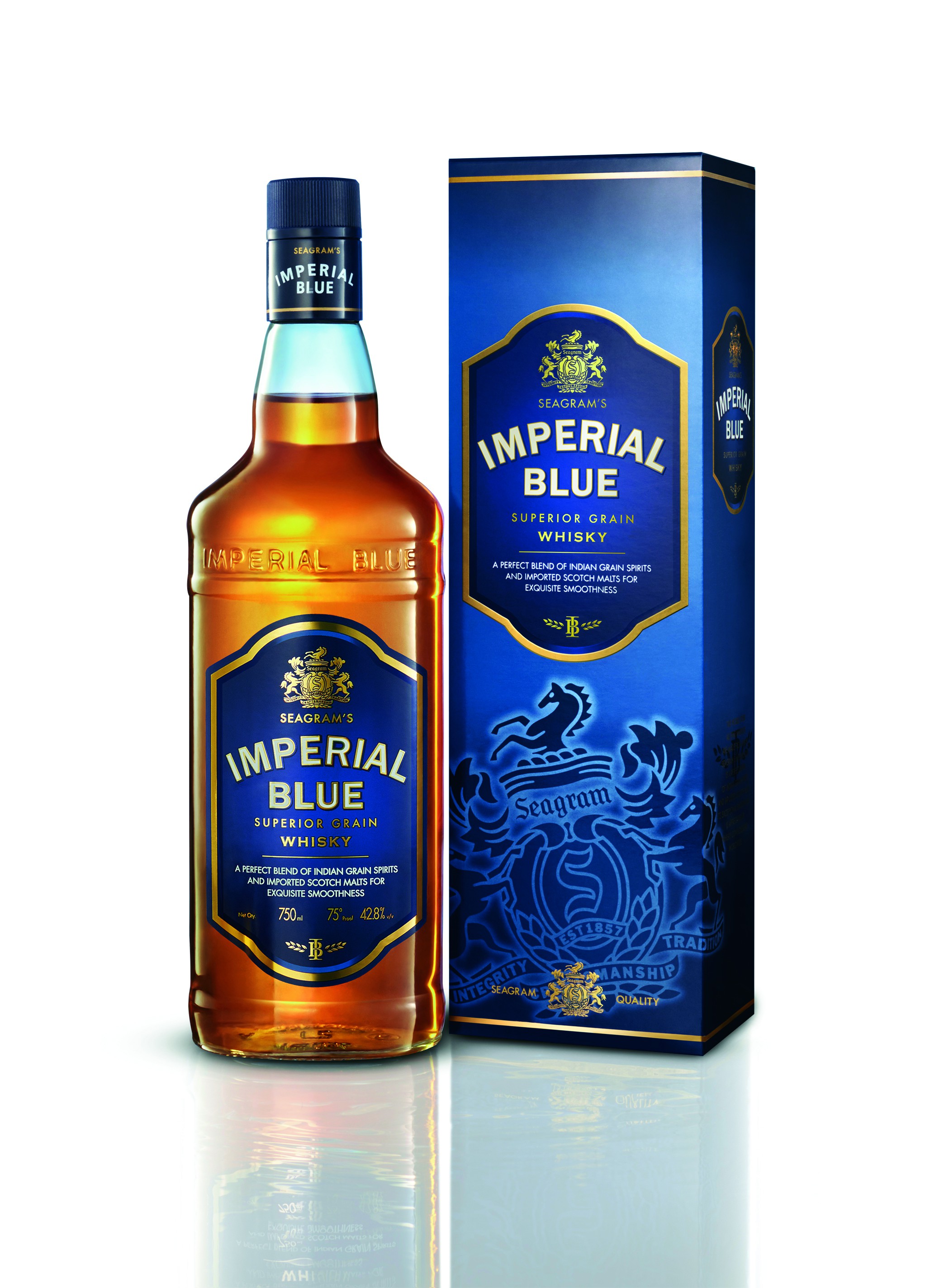
With economic growth, extensive globalization and social media proliferation, Indian-made spirits are finding their space in the global markets. I would say 1. Growing our Indian portfolio 2. Consolidating leadership with International Brands and 3. Developing new areas in sync with consumer needs would be our focus and thrust areas. Our Seagram’s brands such as Blenders Pride, Imperial Blue, Royal Stag are present in over 37 countries, and have received great response. We have witnessed double-digit growth in our exports in the last fiscal year. Being optimistic, I am very confident that our industry will grow and the premiumisation trend will lead our industry. To address our consumers needs in their different moment of consumptions, our entire portfolio of international brands spanning across Scotch whiskies such as Chivas, Ballantine’s, Malts like The Glenlivet, Aberlour, to Irish whiskey Jameson, Absolut Vodka, gins such as Beefeater and Monkey 47 and Imported Wines – Jacob’s Creek and Campo Viejo remain a key focus for us.

Neelakanta Rao Jagdale, Amrut Distilleries MD passes away at 66

Neelakanta Rao Jagdale, Chairman & Managing Director of Amrut Distilleries, breathed his last this morning after a brief period of illness. Born in Bangalore, Neelakanta Rao R Jagdale was the second son of Late Radhakrishna Rao Jagdale, an illustrious industrialist of the State of Karnataka who was also the first President of the Karnataka Kshatriya Maratha Parishat. He was the Chairman and Managing Director of Amrut Distilleries Private Limited.

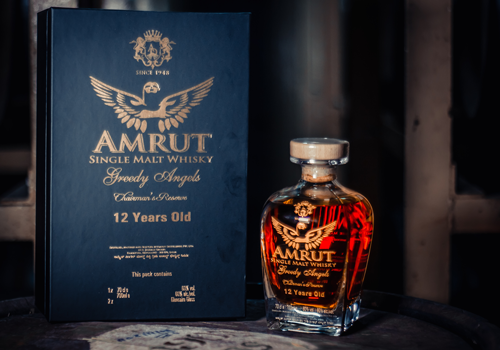
As a Second-Generation entrepreneur, post his graduation in Science, Jagdale had been at the helm of affairs of various divisions of the Jagdale Group, more particularly Amrut Distilleries Private Limited. With professional experience of about 38 years, Amrut recently entered global distinction when Amrut Fusion was rated as the third finest Malt Whisky of the World by Jim Murray in his Whisky Bible 2010. Amrut was one of the 1st Indian Single Malts to make it to the World Whiskies list and  due to Mr. Jagdale’s enormous contribution, is known for its famous brand of single malt whisky, which is the first single malt whisky to be made in India.

He along with the senior members of Karnataka Kshatriya Maratha Parishath had a huge responsibility of carrying forward the mission of the Parishath founded in 1974 by his late father Sri Radhakrishna Jagdale. His mission was complete by 1992 when he served as the Chairman of the Governing Council of the Parishath and was instrumental in structuring the Parishath’s constitution and development.

Furthering his philanthropic sphere from community to a national cause, he took up the development of the sport of swimming in late 1980s and established the Basavanagudi Aquatic Center in 1987 which is now one of the leading swimming centers in the country and Asia with over 500 children taking part in the sport of swimming, contributing to the excellence of the sport at the State, National and International levels. Notable swimmers such as Nisha Millet and Rehan Poncha, who went on to represent India at the Olympics have emerged from the BAC aquatic center.