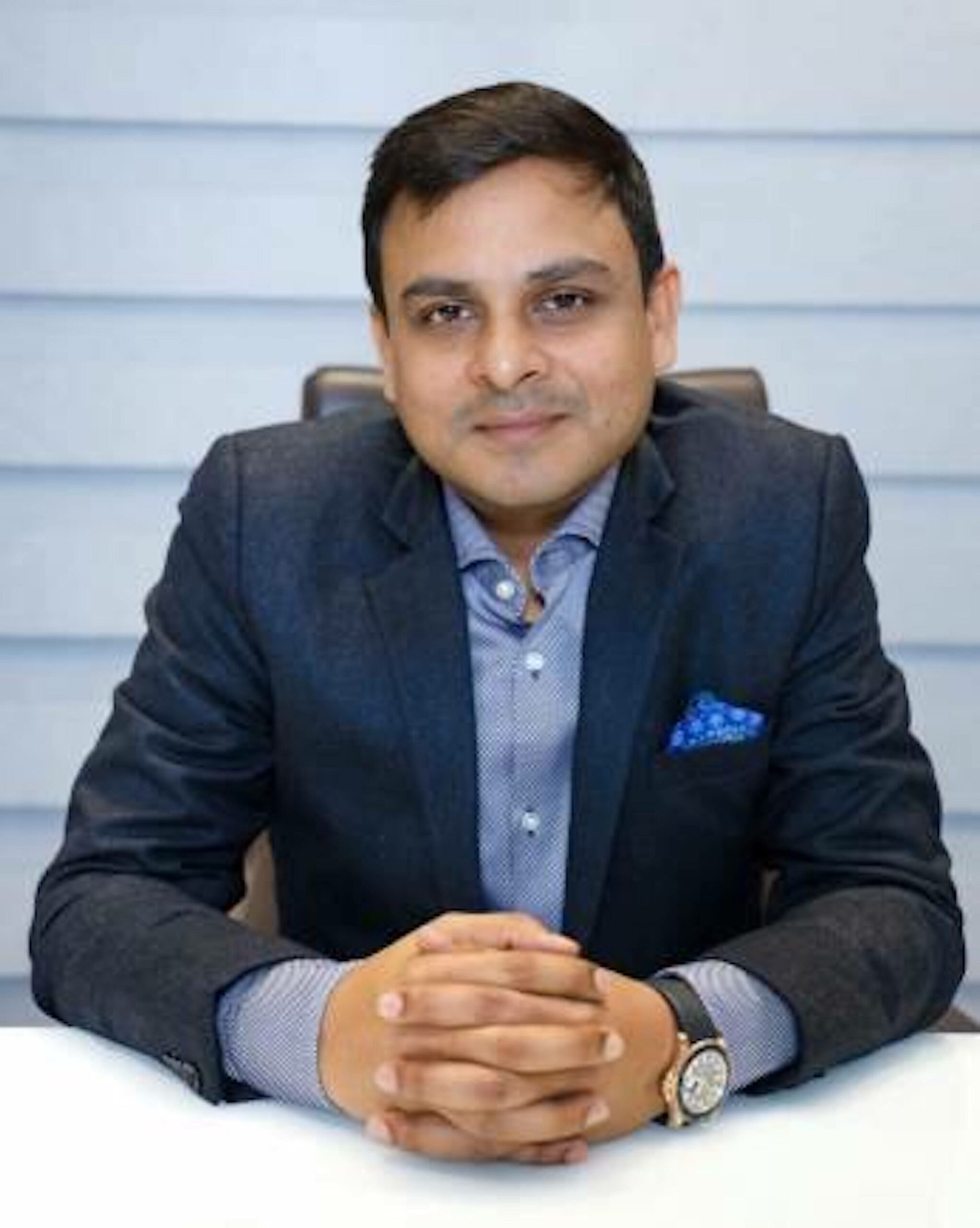
Tilaknagar Industries Limited (TI) has reported strong volume growth, revenue momentum and sustained profitability in the third quarter FY26. TI’s total volumes grew by 76.1% year-on-year to 53.1 lakh cases. This included Imperial Blue volumes of 17.9 lakh cases for December 2025 and Ex-Imperial Blue volumes of 35.2 lakh cases, reflecting a steady 16.8% year-on-year growth.
For the nine months ended December 31, 2025 (9M FY26), total volumes increased by 40.5% year-on-year to 119.3 lakh cases. Ex-Imperial Blue volumes stood at 101.4 lakh cases, registering a healthy 19.5% year-on-year growth, highlighting strong underlying demand and continued market share gains.
Net revenue for Q3 FY26 stood at ₹664 crore, marking a robust 95.0% year-on-year growth. Revenue adjusted for subsidy grew by 89.2% year-on-year. Ex-IB net sales realisation (NSR) improved from ₹1,161 per case in Q3 FY25 to ₹1,209 per case in Q3 FY26, reflecting a favourable product mix and impact of continued premiumisation.
On the profitability front, EBITDA (adjusted for subsidy income) for Q3 FY26 stood at ₹90 crore, registering a 49.6% year-on-year growth. EBITDA margin for the quarter was 14.0%. The Advertising & Promotional reinvestment rate (as a percentage of subsidy-adjusted net revenue) increased from 1.1% in Q3 FY25 to 1.2% in Q3 FY26, reflecting continued investments behind brands.
For 9M FY26, EBITDA (adjusted for subsidy income) stood at ₹206 crore, up 28.5% year-on-year. EBITDA margin for the nine-month period was 14.6%. The A&P reinvestment rate strengthened to 1.5% compared to 0.7% in the corresponding period last year, underscoring TI’s focus on building long-term brand equity.
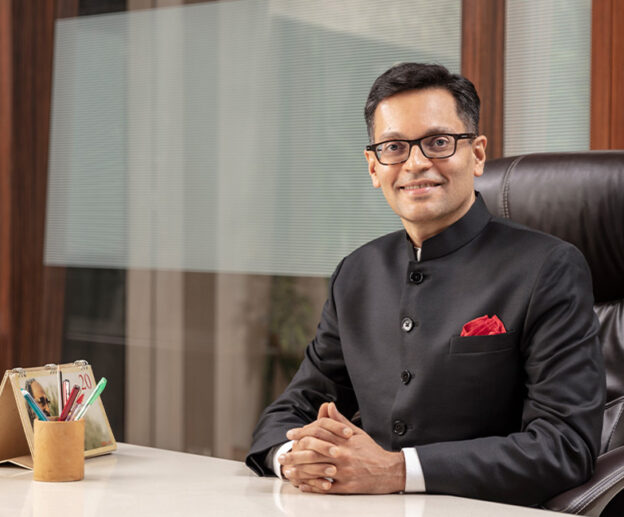
Amit Dahanukar, Chairman & Managing Director, Tilaknagar Industries said, “As we progress with the integration of Imperial Blue into our portfolio, we have established dedicated work-streams across operations, distribution, systems and human capital to ensure a smooth transition and synergy realisation, strengthening our pan-India presence. With improving realisations, disciplined cost management and focused brand investments, we remain confident of driving sustainable profitable growth in the years ahead.”
A clearly defined strategic roadmap built around category leadership, premiumisation, margin expansion and accelerated deleveraging would help TI remain focused on disciplined execution and sustainable value creation for all stakeholders, Dahanukar added.
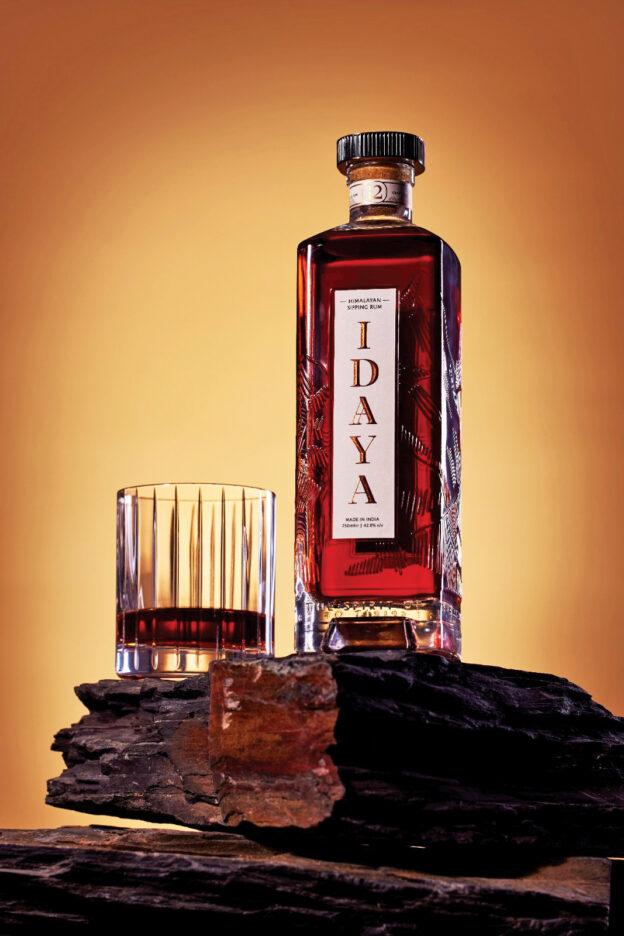
Karishma Manga Bedi, Founder and CEO, Those Good Distillerss talks about IDAAYA, the multi- award-winning Himalayan sipping rum from India’s artisanal spirits house, Those Good Distillerss. Those Good Distillerss, as the brand marks a significant milestone with its retail debut in Gurgaon.
Karishma Manga Bedi, Founder and CEO,Those Good Distillerss
IDAAYA is a small batch production rum that is made unhurriedly and uncompromisingly. Karishma Manga Bedi, “We use ancient Indian methodologies in our processes that is accompanied with the best-in-class Solera method to bottle our rum. The end result is a product that is highly nuanced and upon tasting is a true discovery.
The creation and launch of IDAAYA was an audacious move, one that created curiosity for it and aided a steady growth in Travel Retail especially when benchmarked against international brands. Repeat consumption has allowed us a small but growing base for loyal patrons for whom the exceptional quality of our spirit has strongly resonated.
Our vision at Those Good Distillerss, is to create speciality spirits, those that represent India or those that bring the best to India. Spirits that are crafted without compromise and are compelling in their story and taste. We create for joy and passion and are committed to deliver an elevated experience with IDAAYA and our new spirits that will be revealed in the near future.
At IDAAYA, we have taken the best of the age-old and new world techniques to create a rum that has exceptional character. During our research we found that the oldest reference to a drink made by fermenting and distilling a drink from sugar cane juice was done in India. Our ancient books, the Arthashastras make reference to this as a kind of Amlasidhu. Inspired by this, we are using two techniques to treat our casks, which is proprietary to IDAAYA, Lepam and Dhoopam. Historically, these were done to treat, disinfect and close gaps in the casks. Such treatments also allow the casks to take on distinct characteristics basis the ingredients used, which in this case are all indigenous to India. Additionally, we work with Sal wood casks for our Solera bottling which is indigenous to India and also grows at the base of the Himalayas.
From the onset, our vision has always been to build brands that elevate the spirits experience. IDAAYA has aimed to do just that by ensuring the use of ancient Indian philosophy and technique in how our liquid is treated, the beauty of our decanter like bottle with the Himalayas flutter across it, and the narrative for our brand which is proudly from India. This modern representation of India has to be taken the world stage where is sits right next to some of best brands from across the world. Today, there is an appreciation for a sensibility that is modern in context yet rooted in culture and I think the appeal for this is evident with the Indian and International Awards that the brand has been awarded in the year since its inception.
IDAAYA has also won many International prestigious awards, those that have been judged by Industry leaders and consumers alike including a Double Gold at the SIP Awards USA, Gold at International Spirits Challenge, The Rum and Cachaca Masters, Silver at The Asian Spirits Masters, London Spirits Competition and Bronze at The International Wines and Spirits Competition, World Rum Awards and San Francisco World Spirits Competition.
The brand is currently available across Travel Retail at Duty Free in New Delhi, Mumbai and Bangalore. In addition to this Haryana is the first state in India where IDAAYA is currently available. It will be available across key metros in 2026.
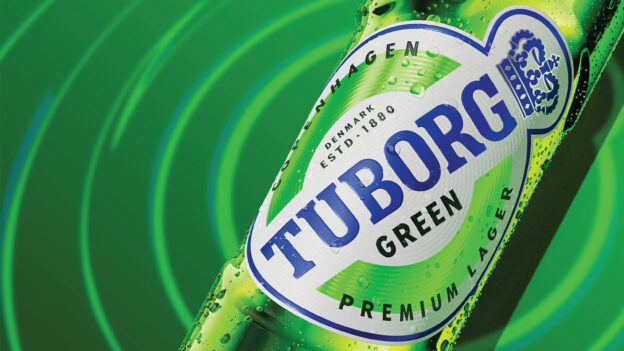
As part of Carlsberg Group’s focus on driving consumer relevance and distinctiveness across its global beer portfolio, Tuborg is stepping into a new era. The brand launched new identity: a bold, dynamic design system that amplifies the brand’s energy and modernity while staying true to its iconic roots.
The new visual identity enables the Tuborg to win in key markets, drive premiumization, and capture the attention of younger, experience-driven consumers. It’s a powerful lever to reinforce Tuborg’s position as a leading international beer brand and unlock new opportunities across channels and occasions.
Tuborg has always been synonymous with music, creativity, and vibrant social experiences. This evolution takes that spirit to the next level. The new identity introduces a cleaner, more contemporary look with striking typography, simplified structures, and a refreshed colour palette that radiates confidence and optimism.
“Tuborg has always been about more than beer, it’s about creating moments that matter,” said Anna Katrine Drumm-Hakim, Global Brand Director for Tuborg.
“Our new Brand Identity reflects that ambition. It’s fresh, modern, and designed to resonate with consumers who seek individuality and excitement. This is a big step in strengthening Tuborg’s global presence and relevance.”
The rollout will take place throughout 2026, starting with priority markets in Asia and Europe, followed by global implementation across the year. Consumers will soon experience Tuborg’s new look in-store, online, and at events.
Consolidated net sales value of Rs. 3,694 crore in third quarter
For the nine months, profit after tax stood at Rs. 1,259 crore, up 13.7%
United Spirits Ltd. reported a resilient performance for the third quarter and nine months ended 31 December 2025, navigating policy headwinds in key markets while sustaining growth momentum through premiumisation and portfolio strength.
The Diageo-controlled company posted consolidated net sales value (NSV) of Rs. 3,694 crore in Q3FY26, marking a year-on-year growth of 7.6%, while nine-month consolidated NSV stood at Rs. 9,888 crore, up 9.4%. The performance was largely driven by the standalone business, which continued to benefit from strong traction in the Prestige & Above (P&A) segment and improving product mix.
Sharp Uptick in Profitability
Consolidated EBITDA for the quarter rose 5.5% year-on-year to Rs. 599 crore, with EBITDA for the nine-month period reaching Rs. 1,903 crore, reflecting a growth of 6.7%. Excluding a one-off indirect tax item impact of Rs. 40 crore recorded in the first quarter of FY26, underlying EBITDA for the nine months was higher at Rs. 1,943 crore, translating into a stronger growth of 9.0%. Profitability showed a sharp uptick, with consolidated profit after tax for Q3FY26 rising 24.7% year-on-year to Rs. 418 crore, while nine-month PAT increased 11.9% to Rs. 1,299 crore.
On a standalone basis, United Spirits reported Q3FY26 NSV of Rs. 3,683 crore, up 7.3% year-on-year, and nine-month NSV of Rs. 9,402 crore, reflecting a growth of 9.0%. Growth was driven by the company’s strategic focus on premiumisation, with the Prestige & Above segment recording NSV growth of 8.2% in the quarter and 9.8% over the nine-month period. The performance of the higher-end portfolio helped offset the impact of regulatory and policy-led disruptions in Maharashtra, as well as the lapping of a one-time retail pipeline fill in Andhra Pradesh in the prior-year quarter. The Popular segment, however, declined 4.6% in Q3FY26, largely due to the Maharashtra impact, though it returned to growth over the nine-month period with a 4.7% increase in NSV.
Margin expansion remained a key highlight during the period, supported by favourable mix, pricing actions and productivity initiatives. Standalone gross profit for Q3FY26 grew 12.6% year-on-year, with gross margin expanding by 219 basis points to 46.9%. For the nine months, reported gross margin stood at 46.2%, while underlying gross margin, excluding the one-off tax impact, expanded 179 basis points over the previous year. The company attributed this improvement to sustained revenue growth management interventions, headline pricing flow-through, continuous productivity gains and a relatively stable commodity basket, barring bulk scotch.
Advertising and promotion (A&P) investments remained elevated as United Spirits continued to back its key trademarks. The A&P reinvestment rate stood at 14.0% of net sales in Q3FY26, reflecting higher investments behind the top-end of the portfolio, while the nine-month reinvestment rate moderated to 10.6% on a focused and disciplined allocation strategy. As a result of higher A&P spends during the quarter, standalone EBITDA margin for Q3FY26 came in at 16.8%, contracting 35 basis points year-on-year, even as EBITDA rose 5.1% to `618 crore. For the nine-month period, reported EBITDA grew 9.8% to Rs. 1,705 crore, with underlying EBITDA growth accelerating to 12.4% and underlying EBITDA margin expanding to 18.6%.
Profitability at the standalone level remained robust, with Q3FY26 profit after tax rising 11.8% year-on-year to Rs. 529 crore, translating into a net profit margin of 14.4%. For the nine months, PAT stood at Rs. 1,259 crore, up 13.7%, with a net margin of 13.4%. Interest costs for the quarter declined 5.0% year-on-year to Rs. 19 crore, while nine-month interest expense was higher at Rs. 89 crore due to the one-off tax-related interest component, with underlying interest costs trending lower.
Commenting on the performance, Praveen Someshwar, CEO and Managing Director of United Spirits Ltd., said the company delivered a resilient quarter despite policy headwinds in one of its most salient markets, adding that strong momentum in the rest of India and at the top end of the portfolio positions the business well for sustainable long-term growth. Reflecting confidence in cash flows and balance sheet strength, the Board of Directors also approved an interim dividend of Rs. 6.0 per share, underscoring United Spirits’ commitment to shareholder returns even as it continues to invest in brand building and execution capabilities.
United Breweries Ltd (UBL) recently announced a productivity and cost-effectiveness programme aimed at delivering sustained annualised savings of 3% to 6%, as it seeks to bolster margins in a high-tax, tightly regulated operating environment.
In a regulatory filing, the company said the savings would be generated through a broad restructuring of operations, including portfolio rationalisation, logistics optimisation, greater reuse of bottles, higher domestic sourcing of raw materials and tighter management of fixed costs. Several initiatives are already underway, UBL noted, adding that the savings would be reinvested to drive growth and strengthen capabilities.
The transformation plan also includes a reorganisation of key business functions. Sales and supply chain roles are being streamlined, while focused teams are being created in corporate affairs, customer service and logistics to enhance execution and stakeholder engagement.
On the manufacturing front, UBL is optimising its brewery network. The company has commissioned a new greenfield facility in Uttar Pradesh, shut its Mangalore plant, and entered into strategic partnerships in priority markets to improve capacity utilisation and supply efficiency.
India remains a structurally under-penetrated beer market with long-term growth potential, but brewers continue to face steep state-level excise duties, rigid price controls and rising input costs. At the same time, competition has intensified, with both domestic and global players vying for share amid relatively muted demand growth. The industry has struggled to fully pass on inflationary pressures to consumers, putting profitability under strain despite steady volume expansion in recent years.
“Recognising current affordability pressures in the India beer category, we are intensifying our investment in building robust brands and consumer engagement programmes,” the company said. “Our overarching aim is to enhance profitability and competitiveness by refining processes and maintaining strict cost discipline.”
UBL added that it remains confident about the long-term opportunity in India’s beer market and will continue to invest in premium brands, localised production and consumer engagement, even as it sharpens operational efficiency. The company said it will provide periodic updates as the transformation programme progresses.
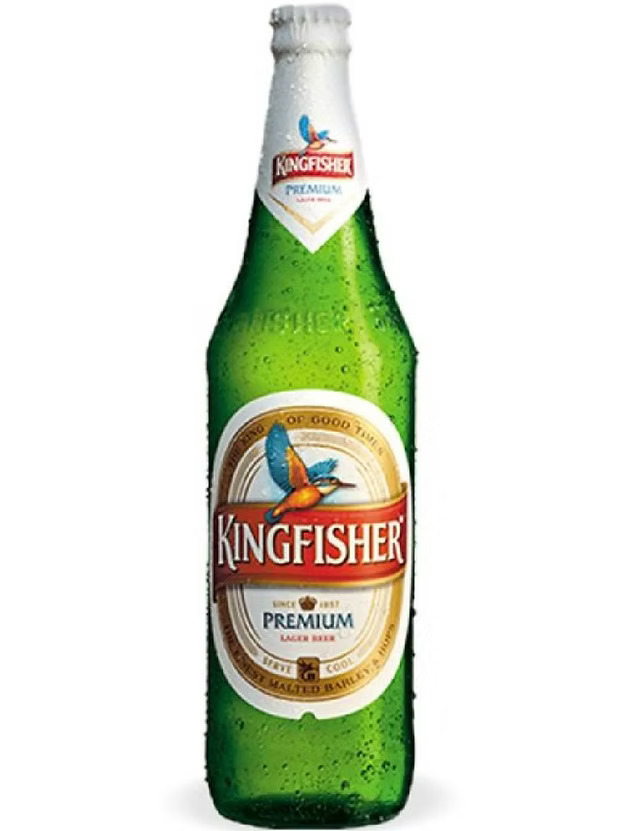
The cost reset aligns with broader trends in India’s alcobev sector, where companies are increasingly focusing on premiumisation, supply chain efficiencies and local sourcing to offset regulatory constraints and input volatility. For UBL, a market leader with brands such as Kingfisher, the margin focus signals a calibrated shift from pure volume growth to sustainable, profitability-led expansion.
United Spirits Ltd. reported a resilient performance for the third quarter and nine months ended 31 December 2025, navigating policy headwinds in key markets while sustaining growth momentum through premiumisation and portfolio strength.
The Diageo-controlled company posted consolidated net sales value (NSV) of `3,694 crore in Q3FY26, marking a year-on-year growth of 7.6%, while nine-month consolidated NSV stood at `9,888 crore, up 9.4%. The performance was largely driven by the standalone business, which continued to benefit from strong traction in the Prestige & Above (P&A) segment and improving product mix.
Sharp Uptick in Profitability
Consolidated EBITDA for the quarter rose 5.5% year-on-year to `599 crore, with EBITDA for the nine-month period reaching `1,903 crore, reflecting a growth of 6.7%. Excluding a one-off indirect tax item impact of `40 crore recorded in the first quarter of FY26, underlying EBITDA for the nine months was higher at `1,943 crore, translating into a stronger growth of 9.0%. Profitability showed a sharp uptick, with consolidated profit after tax for Q3FY26 rising 24.7% year-on-year to `418 crore, while nine-month PAT increased 11.9% to `1,299 crore.
On a standalone basis, United Spirits reported Q3FY26 NSV of `3,683 crore, up 7.3% year-on-year, and nine-month NSV of ` 9,402 crore, reflecting a growth of 9.0%. Growth was driven by the company’s strategic focus on premiumisation, with the Prestige & Above segment recording NSV growth of 8.2% in the quarter and 9.8% over the nine-month period. The performance of the higher-end portfolio helped offset the impact of regulatory and policy-led disruptions in Maharashtra, as well as the lapping of a one-time retail pipeline fill in Andhra Pradesh in the prior-year quarter. The Popular segment, however, declined 4.6% in Q3FY26, largely due to the Maharashtra impact, though it returned to growth over the nine-month period with a 4.7% increase in NSV.
Margin expansion remained a key highlight during the period, supported by favourable mix, pricing actions and productivity initiatives. Standalone gross profit for Q3FY26 grew 12.6% year-on-year, with gross margin expanding by 219 basis points to 46.9%. For the nine months, reported gross margin stood at 46.2%, while underlying gross margin, excluding the one-off tax impact, expanded 179 basis points over the previous year. The company attributed this improvement to sustained revenue growth management interventions, headline pricing flow-through, continuous productivity gains and a relatively stable commodity basket, barring bulk scotch.
Advertising and promotion (A&P) investments remained elevated as United Spirits continued to back its key trademarks. The A&P reinvestment rate stood at 14.0% of net sales in Q3FY26, reflecting higher investments behind the top-end of the portfolio, while the nine-month reinvestment rate moderated to 10.6% on a focused and disciplined allocation strategy. As a result of higher A&P spends during the quarter, standalone EBITDA margin for Q3FY26 came in at 16.8%, contracting 35 basis points year-on-year, even as EBITDA rose 5.1% to `618 crore. For the nine-month period, reported EBITDA grew 9.8% to `1,705 crore, with underlying EBITDA growth accelerating to 12.4% and underlying EBITDA margin expanding to 18.6%.
Profitability at the standalone level remained robust, with Q3FY26 profit after tax rising 11.8% year-on-year to `529 crore, translating into a net profit margin of 14.4%. For the nine months, PAT stood at ` 1,259 crore, up 13.7%, with a net margin of 13.4%. Interest costs for the quarter declined 5.0% year-on-year to `19 crore, while nine-month interest expense was higher at `89 crore due to the one-off tax-related interest component, with underlying interest costs trending lower.
Commenting on the performance, Praveen Someshwar, CEO and Managing Director of United Spirits Ltd., said the company delivered a resilient quarter despite policy headwinds in one of its most salient markets, adding that strong momentum in the rest of India and at the top end of the portfolio positions the business well for sustainable long-term growth. Reflecting confidence in cash flows and balance sheet strength, the Board of Directors also approved an interim dividend of `6.0 per share, underscoring United Spirits’ commitment to shareholder returns even as it continues to invest in brand building and execution capabilities.
The Union Minister of Commerce and Industry, Piyush Goyal, who concluded a significant two-day visit to Brussels on January 8, as part of the India-European Union Free Trade Agreement negotiations has said this will be the ‘mother of all deals.’ Negotiations are in the final phase and several media reports suggest that the historic FTA will be signed January end.
“I have done seven deals so far. All with developed economies. This one will be the mother of all,” the minister said. Goyal has successfully negotiated FTAs with UAE, Australia, the UK, Oman, New Zealand, Mauritius and the four-nation free trade association (Iceland, Norway, Switzerland, and Liechtenstein).
During their engagement, Union Minister Piyush Goyal and Commissioner Šefčovič carried out detailed deliberations across key areas of the proposed agreement. Both sides took note of the steady progress achieved across various negotiating tracks including Market Access for Goods, Rules of Origin, Services etc. Both sides emphasized the strategic importance of concluding a fair, balanced, and ambitious agreement that aligns with their shared values, economic priorities, and commitment to a rules-based trading framework.
Barring agriculture, the FTA will include technology, pharmaceuticals, automobiles, textiles, steel, petroleum products, electronics and alcobev sectors.
As regards the alcobev sector, India’s alcoholic beverages industry, analysts believe, will be a significant beneficiary of the proposed India–European Union FTA. The EU agreement is shaping up at a time when India’s domestic alcobev market is undergoing structural change, marked by premiumisation, urban consumption growth and a growing acceptance of imported wines and spirits in metro and tier-one cities. Together, these shifts create a fertile backdrop for a recalibration of tariff and market-access rules governing alcohol trade between India and the 27-nation EU bloc.
Imported $572 million in 2023
The distilled spirits market in India is also fast expanding, with imports valued at $572 million in 2023, indicating a growing demand for both wine and spirits from the EU. Worldwide, the EU exported nearly €29.8 billion worth of alcoholic beverages in 2024, with wine dominating and spirits/liqueurs as a major category, but only a small fraction is accounted for by India.
But, India is fast opening up as a strategically attractive market for European spirits (large population, rising middle class), though there are tariffs & regulatory barriers which have historically constrained trade expansion.
Trade Flow
Product Category
Value (Approximately)
India-EU Exports
Wines
USD 1.5 m
Spirits and Mixed Products
USD 64.9 m
EU-India Imports
Wines
USD 412.4 m
Spirits & Liqueur
USD 22.3 m
FY 2023–24 trade data Ministry of Commerce
At present, India imposes some of the world’s highest import duties on alcoholic beverages, with basic customs duties on wines and spirits going as high as 150 percent, even before state-level taxes and mark-ups are added. These tariffs have historically limited volumes but have not dampened European producers’ interest in India, given the country’s long-term consumption potential and rising disposable incomes.
According to trade data, the EU is already India’s largest source of imported wines and a major supplier of premium spirits, with imports dominated by France, Italy and Spain in wines, and by producers from countries such as France, Ireland, Germany and the Netherlands in spirits and liqueurs. European companies see the FTA as a pathway to improve price competitiveness and expand beyond niche, high-end consumption into broader premium segments.
Hoping for Faster Label Approvals
From the EU’s perspective, the agreement is not only about tariff reductions but also about regulatory predictability, faster label approvals and clearer rules on distribution and state-level taxation in India. Large multinational players such as Pernod Ricard, Diageo, Rémy Cointreau and Beam Suntory, along with leading wine exporters from France, Italy and Spain, have long argued that India’s current duty structure distorts pricing and restricts category development.
A phased reduction in customs duties under the FTA could make European wines and spirits more accessible to Indian consumers who are increasingly trading up from mass-market domestic brands to premium and international offerings.
For Indian producers, the India–EU FTA presents a more nuanced picture. On the one hand, lower duties on imported alcohol could intensify competition in the premium and luxury segments, particularly in wines, brandies, gins and liqueurs, where European producers enjoy strong heritage and brand recall. On the other hand, the agreement could significantly improve export opportunities for Indian spirits and wines in the EU market, where tariffs are already low but non-tariff barriers, branding challenges and distribution costs have limited India’s presence. Indian companies with premium aspirations see the EU as an important destination for Indian-made whiskies, craft gins, rums and niche wines, especially as global consumers show greater openness to new origins and styles.
The likely structure of alcohol concessions under the India–EU FTA is expected to draw lessons from India’s recent trade agreements with the United Kingdom and Australia. Under the India–UK FTA, India agreed to phased duty reductions on certain spirits and limited concessions on beer, while keeping wines largely outside the scope of tariff liberalisation. The agreement reflected India’s cautious approach to protecting domestic wine producers and managing state-level sensitivities around alcohol pricing and availability.
The India–Australia trade pact, which came into force earlier, went further on wines, with duties on premium Australian wines reduced substantially from earlier levels, improving their competitiveness in the Indian market and providing a clear example of how tariff relief can stimulate category growth without overwhelming domestic producers.
Tariff Reductions?
In comparison, the India–EU FTA is likely to be broader in scope given the EU’s dominance in global wine exports and its diverse portfolio of spirits and liqueurs. European negotiators are expected to push for meaningful, though phased, tariff reductions on wines and spirits, Indian industry bodies such as the CAIBC (Confederation of Indian Alcoholic Beverage Companies) have advocated a calibrated approach that links duty cuts to minimum import prices, safeguards against under-invoicing and strong rules of origin to prevent trans-shipment. These demands reflect concerns that overly aggressive liberalisation could disrupt domestic manufacturing and state revenues, even as policymakers recognise the need to align with global trade norms.
Ultimately, the India–EU Free Trade Agreement has the potential to be more transformative for the alcohol sector than India’s recent FTAs. For European producers, it represents access to one of the world’s most promising premium alcohol markets. For Indian companies, it offers both competitive pressure and the opportunity to scale exports to a sophisticated, high-value consumer base. As negotiations move closer to the finish line, the alcohol industry on both sides is watching closely, aware that the final contours of the agreement could shape drinking patterns, brand strategies and investment flows for years to come.
Bengaluru-based Amrut Distilleries has rolled out an expanded portfolio of high-end Indian single malts across Delhi and Uttarakhand, with Uttar Pradesh next in line. The rollout is being executed through a strategic distribution and marketing partnership with India Glycols Ltd (IGL), one of the country’s largest extra neutral alcohol (ENA) producers.
The move marks Amrut and IGL’s transition from the premium category into the luxury malt space in key North Indian markets, targeting both high-value consumers and institutional buyers, while leveraging IGL’s financial strength, logistics, and market reach. Explaining the rationale behind the move, the Executive Director of Amrut Distilleries, Thrivikram. G. Nikam said “Prior to partnering with IGL, we were operating through a local distribution arrangement, with a strong focus on our premium portfolio. At that time, we were selectively present in the northern markets, primarily testing the waters with our higher-end offerings. However, following changes in the excise policy in Delhi we decided to discontinue operations and reassess our approach to the region. Now with IGL we have reintroduced our Luxury Malt brands.”
India Glycols operates ENA manufacturing facilities in Kashipur and other locations, supplying high-quality extra neutral alcohol to leading spirits brands across the country. ENA is transported from northern India to southern markets such as Karnataka due to its consistency and quality, despite the presence of local distilleries. Amrut sources ENA from India Glycols. IGL already supplies ENA for the production of nearly 2 lakh cases per month at its bottling facilities and has been producing premium alcohol for over 15 years. The company also owns brands such as Amazing Whisky, Amazing Vodka, and Zumba Limon, but had largely remained an upstream supplier before entering branded spirits in a bigger way.
Amrut Open to Partnerships To the question whether Amrut would be open for similar arrangements, Nikam confirmed “Yes, as part of our growth strategy, we remain open to partnering with strong, credible promoters in other regions as well. Our focus is to work with partners who share our values and have a deep understanding of their respective markets. This approach will guide our expansion into remaining states over time.” Raju Vaziraney, President of IMFL at India Glycols said that recognising the challenge of launching new whisky labels in a market driven by heritage and credibility, IGL opted to partner with Amrut rather than create a new single malt brand from scratch.
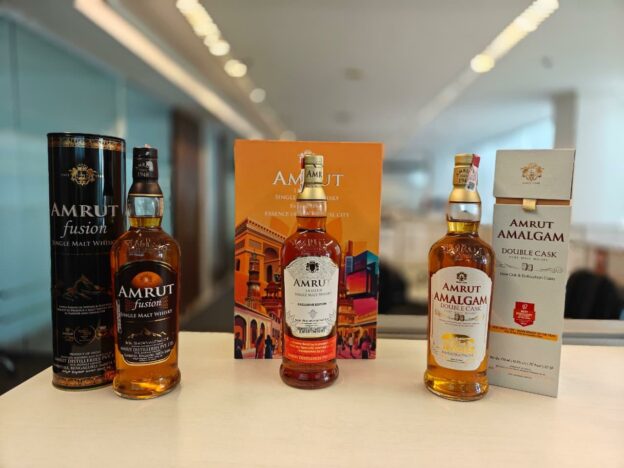
New Launches: Capital, Double Cask and Exclusive Editions Vaziraney mentioned that in Delhi, three luxury expressions have been rolled out. They are Amrut Fusion – the flagship, internationally awarded Indian single malt; Amrut Amalgam Double Cask – an upgraded and more refined version of Amalgam, featuring new premium magnetic packaging; and Amrut Exclusive Edition – Capital Edition – a city-specific luxury malt positioned among the highest-priced Indian single malts. In Uttarakhand, four variants have been introduced Amrut Fusion; Amrut Amalgam Double Cask; Amrut Exclusive Edition – Silver Jubilee Edition, commemorating 25 years of the state’s formation; and Amrut Amalgam Peated, catering to consumers who prefer smoky malt profiles. Uttar Pradesh is scheduled for launch within the next month, with three luxury variants already approved under the agreement.
Export-Grade Quality To align with international benchmarks, Amrut has increased alcohol strength for these markets with Fusion and Amalgam: 44.1% ABV (up from the usual export 42.8%) and Exclusive Editions: 48% ABV. He reiterated that the same malt quality supplied to export markets is being offered domestically, reinforcing its premium and luxury positioning. The partnership is targeting aggressive growth in North India. Amrut and IGL are aiming to rank among the top three Indian single malt brands in key markets such as Delhi, UP, and Uttarakhand, with a 20% market share target in these regions. With India’s single malt category continuing to grow rapidly both at home and abroad, the Amrut–IGL alliance signals a new phase of consolidation, premiumisation, and financial discipline in North India’s high-end spirits business.
For over 180 years, Penfolds has been at the forefront of Australian winemaking, known globally for its pioneering spirit, craftsmanship, and commitment to quality. Established in 1844, the brand has built a reputation for creating highly regarded collectible wines, underpinned by its distinctive philosophy of multi-vineyard, multi-regional blending. Yodissen Mootoosamy, General Manager, Penfolds Global Sales outlines Penfolds strategy for the Indian market.
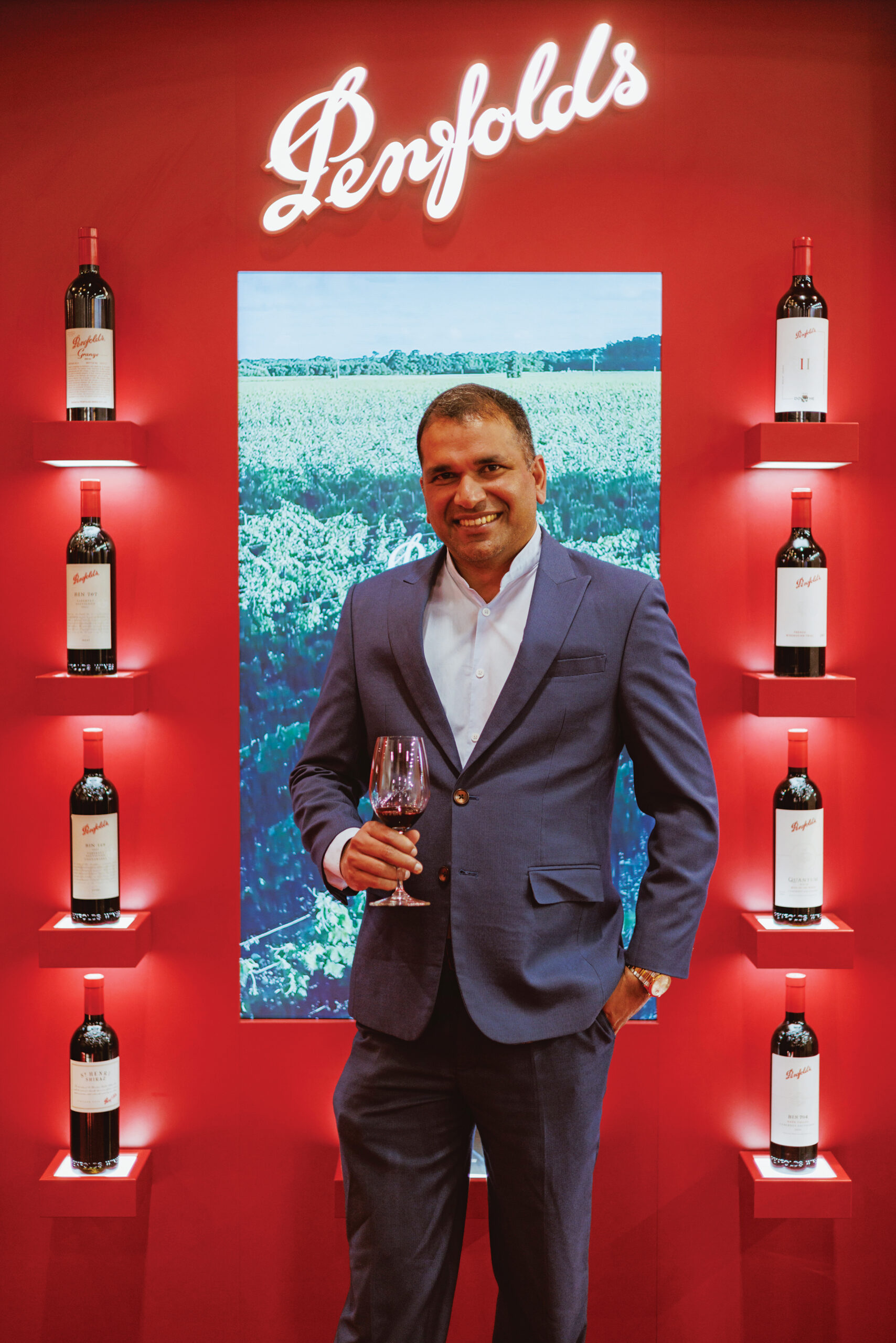
Yodissen Mootoosamy, General Manager, Penfolds
What kind of presence does Penfolds have in India?
Our key focus markets in India include Mumbai, Delhi, Bangalore, Haryana and Rajasthan. In addition to these markets, we are also actively expanding into high-potential regions such as Pune, as part of our broader strategy to strengthen Penfolds’ presence across India and drive market penetration. Additionally, our wines are also available in Uttar Pradesh, Tamil Nadu, Chandigarh and Uttarakhand.
What are the wines available in India?
Penfolds current portfolio in India includes our Koonunga Hill range, Bin offerings such as Bin 2 Shiraz Mataro, Bin 28 Shiraz, Bin 128 Coonawarra Shiraz, Bin 389 Cabernet Shiraz and Bin 407 Cabernet Sauvignon. The portfolio is thoughtfully selected based on key considerations such as consumer demand, pricing strategy and value chain alignment, ensuring we deliver both quality and accessibility for Indian wine consumers.
This selection is especially relevant in light of the growing premiumisation trend in India—66% of consumers report buying more premium wines than before, with 58% saying they are purchasing more high-end wine. Coupled with the increased consumption of wine during celebrations or special occasions, this presents a unique opportunity for Penfolds to offer elevated experiences that resonate with evolving consumer preferences.
What is your narrative for Penfolds wines in India?
With growing interest in global wine culture among Indian consumers, there is a unique opportunity to bring the story of Australian wine to a broader Indian audience. At Penfolds, we see education and storytelling as fundamental to building a lasting connection with the new generation of Indian wine enthusiasts—many of whom are just beginning to explore the world of global wine culture. We do this by bringing the Penfolds story to life from our rich 180 year plus winemaking legacy in Australia to our global collection that now includes wine from the U.S.A, France and China.
We conduct immersive and curated tasting sessions, masterclasses, and interactive events that go beyond the technicalities of wine and focus on its experience such as what it feels like to discover a new varietal, how wine can elevate local cuisine and the stories behind icons like Penfolds Grange. These activations are designed not only for connoisseurs, but also for curious first-time drinkers who are eager to learn, explore and connect with wine in a way that feels authentic and aligned with their lifestyle.
We also embrace India’s vibrant calendar of celebrations and gifting traditions by offering festive
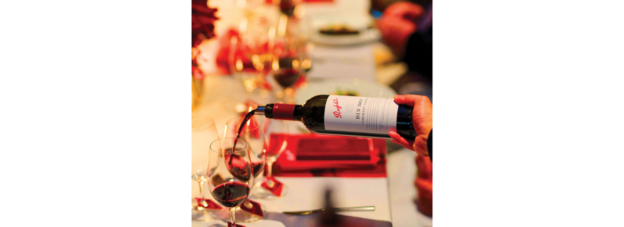
packaging that elevates the experience of gifting wine. We introduced our limited-edition Bin 389 Cabernet Shiraz and Bin 2 Shiraz Mataro gift packs in India this year, both of which are thoughtfully designed to capture the warmth and richness of festive celebrations, featuring textured finishes and a refined palette of deep red and gold accents.
Beyond aesthetics, these packages are thoughtfully designed to make premium wine an aspirational yet approachable gift for weddings, Diwali, and other celebrations. By aligning with local customs and the importance of gifting in Indian culture, we position Penfolds as more than a bottle of wine—it becomes a meaningful gesture of sophistication and celebration. This approach allows us to tap into the emotional significance of gifting, creating a strong connection between Penfolds and life’s most memorable moments.
What are the price points for Penfolds wines in India?
Wine pricing in India varies across states due to local regulations and taxes. For example, Penfolds Bin 389 Cabernet Sauvignon Shiraz is priced between `8,320 and `11,800, while Bin 2 Shiraz Mataro ranges from `3,230 to `5,500.
We recognise that India’s alcobev market is highly state-driven, and our strategy reflects this complexity. By working closely with local partners and distributors, we aim to make Penfolds available in key metropolitan hubs and emerging wine markets, ensuring that enthusiasts and first-time buyers alike can experience our wines.
How do you plan to promote Penfolds wines in India?
India’s alcobev market is evolving, driven by millennials and Gen Z who are curious, experience- driven, and increasingly open to exploring premium wine as a lifestyle choice. At Penfolds, we see this as an opportunity to go beyond traditional marketing and create authentic, aspirational experiences that resonate with this new generation of consumers. We’ve been making strategic investments to connect with these consumers in meaningful and culturally relevant ways.
Through initiatives such as our culture-led limited-edition releases, and immersive wine tasting experiences, we’re redefining how consumers engage with wine. By blending elements of art, music, and storytelling, we aim to create memorable, multi-sensory experiences that go far beyond the traditional tasting, fostering a deeper, more emotional connection with the Penfolds brand.
We recognise that building awareness and aspiration around premium wines requires more than just availability—it requires education, experience, and engagement. Our strategy focuses on three key pillars:
Storytelling and Education: We aim to share the rich history and craftsmanship behind our wine through curated tastings, wine education programmes, and partnerships with sommeliers, wine influencers and content creators in India.
Experiential Marketing: We’re bringing the Penfolds experience directly to consumers through luxury retail placements, fine dining collaborations, exclusive tasting events and bar takeovers.
Tailored Portfolio: While we remain committed to showcasing our flagship wines like Penfolds Grange, we also offer a diverse portfolio that includes wines across various price points, ensuring accessibility while maintaining the distinct craftsmanship and quality Penfolds is known for.
Our focus is not just on selling wine, but on creating aspirational touchpoints that make wine more approachable, relevant, and desirable for a new wave of Indian consumers.
How is Penfolds faring worldwide?
Penfolds continues to resonate with consumers through innovation and cultural relevance. Initiatives such as our From Penfolds to the World pop-up and retail placements, limited-edition packaging and immersive tasting experiences like Transcend have reinforced brand equity, cementing Penfolds as a benchmark of excellence in the luxury wine category.
Which country is your major market?
Understandably, Penfolds resonates strongly in our home market in Australia, however Asia is a significant growth engine for the brand.
Within Asia, India stands out as a market with strong potential and promising long-term growth. While it’s still relatively young compared to more mature wine markets, the premium wine segment is at a very exciting inflection point, and the pace of evolution is remarkable. We’re seeing a growing base of urban, globally connected consumers who are not only willing to explore premium wines, but are also actively seeking authenticity, craftsmanship, and brand stories that resonate with their lifestyle.
India’s alcoholic beverages sector moved through 2025 with steady demand and sharper value realisation. ICRA projected FY2025 volume growth at 4–5%, supported by easing input costs, while a later FY2026 update indicated revenue growth of 10–12% driven by higher realisations. Public estimates continue to place India’s drinks market near USD 60 billion.
State finances reinforced the sector’s importance. PRS Legislative Research highlights excise as a significant contributor to state revenues, with prohibition states as exceptions. Several states also accelerated digitisation and enforcement. Haryana’s rollout of QR-based track-and-trace systems, automated interest computation, and tighter compliance illustrates the administrative direction shaping operations nationwide.
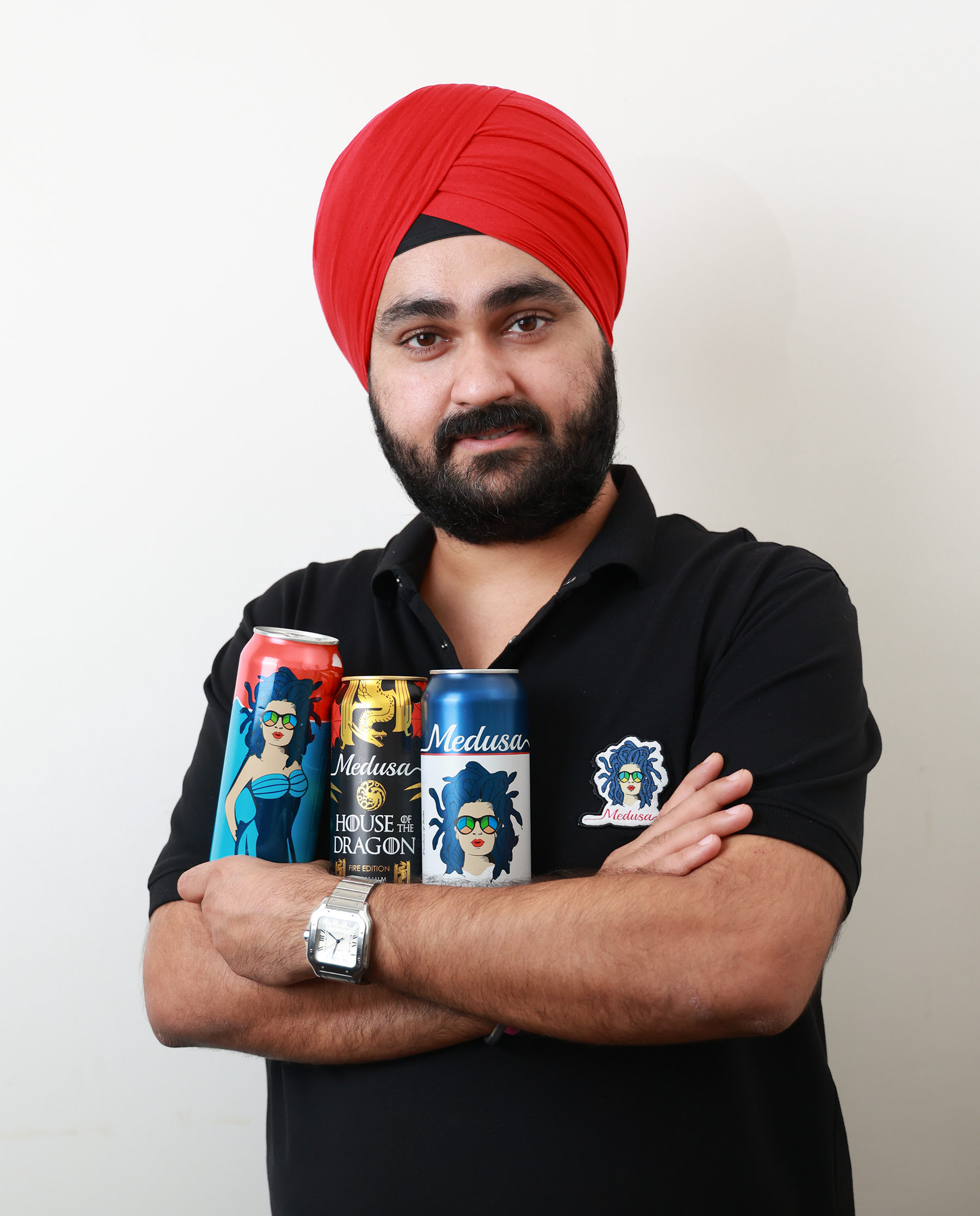
Avneet Singh, Founder & CEO, Medusa Beverages
Yet operating reality remained state-defined. Entry timelines, label registrations, wholesale structures, retail formats, and duty resets vary widely, pushing brands to plan with state granularity rather than national uniformity. Avneet Singh, Founder & CEO, Medusa Beverages, notes, “Taxes can be 60–80% of the final retail price depending on the state,” adding that excise changes shape pricing and supply planning.
Hasan Bakhtawar, COO – Cased Business, Angus Dundee India
Hasan Bakhtawar, COO – Cased Business, Angus Dundee India, frames it as executional load: “Each state has its own unique regulations, permit requirements, and compliance processes,” with limited flexibility once excise terms are set.
For newer brands, uncertainty compounds the challenge. Rakshay Dhariwal, Founder & MD, Maya Pistola Agavepura, says, “The real challenge isn’t the variation itself, it’s the unpredictability.”
Abhinav Jindal, CEO & Founder, BeeYoung Beer
Abhinav Jindal, CEO & Founder, BeeYoung Beer, calls regulatory volatility “the most material risk to long-term capital deployment.” Sharad Tibarewala, Brand Owner, MCKT Beverages, maintains that provenance and heritage offer stability even when policy varies.
Sharad Tibarewala, Brand Owner, MCKT Beverages
Despite friction, consumption patterns strengthened. Singh points to “quality-over-quantity drinking,” estimating 20–25% growth in premium beer, alongside rising mid-ABV and draught demand. Jindal describes a shift from volume-led to value-led consumption, while Tibarewala links premiumisation to identity and craftsmanship, anchoring Khukri Rum’s positioning in Himalayan provenance.
“The mid-range segment followed a separate logic. Sanaya Dahanukar, Marketing Manager, Tilaknagar Industries Ltd., attributes 2025’s momentum to ‘disciplined price-tiering and price-laddering,’ driven by strong brandy familiarity in the South and a whisky strategy designed to guide consumers across price points. Hasan Bakhtawar adds that mid-price growth is being supported by value-seeking behaviour anchored in trusted regional brands.”
Portfolio strategy grew more disciplined. Excise slabs compress price bands, forcing brands into narrow MRP clusters. State-wise SKU pruning, excise-year timing, and distributor economics now dictate leaner, market-specific assortments. Many brands defer launches to avoid partial-year exposure, prioritising fewer, better-timed entries.
Innovation in 2025 favoured defensible ideas. Jindal calls this “disciplined innovation,” while Singh highlights launches sustained by story and visual identity in a restricted advertising environment. Dhariwal and Gadvi link packaging to meaning, usability, and education, especially for younger consumers.
Looking ahead, 2026 will hinge on predictability. While premium, craft, and low-ABV segments gain traction, fragmented excise architecture remains the sector’s defining constraint. Brands entering the next cycle with disciplined portfolios, operational readiness, and clear brand meaning are best placed to convert demand into durable growth.
To read full article sign up or subscribe to the magazine.