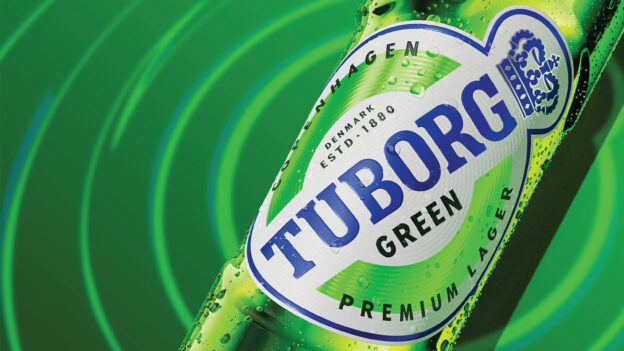
As part of Carlsberg Group’s focus on driving consumer relevance and distinctiveness across its global beer portfolio, Tuborg is stepping into a new era. The brand launched new identity: a bold, dynamic design system that amplifies the brand’s energy and modernity while staying true to its iconic roots.
The new visual identity enables the Tuborg to win in key markets, drive premiumization, and capture the attention of younger, experience-driven consumers. It’s a powerful lever to reinforce Tuborg’s position as a leading international beer brand and unlock new opportunities across channels and occasions.
Tuborg has always been synonymous with music, creativity, and vibrant social experiences. This evolution takes that spirit to the next level. The new identity introduces a cleaner, more contemporary look with striking typography, simplified structures, and a refreshed colour palette that radiates confidence and optimism.
“Tuborg has always been about more than beer, it’s about creating moments that matter,” said Anna Katrine Drumm-Hakim, Global Brand Director for Tuborg.
“Our new Brand Identity reflects that ambition. It’s fresh, modern, and designed to resonate with consumers who seek individuality and excitement. This is a big step in strengthening Tuborg’s global presence and relevance.”
The rollout will take place throughout 2026, starting with priority markets in Asia and Europe, followed by global implementation across the year. Consumers will soon experience Tuborg’s new look in-store, online, and at events.
Consolidated net sales value of Rs. 3,694 crore in third quarter
For the nine months, profit after tax stood at Rs. 1,259 crore, up 13.7%
United Spirits Ltd. reported a resilient performance for the third quarter and nine months ended 31 December 2025, navigating policy headwinds in key markets while sustaining growth momentum through premiumisation and portfolio strength.
The Diageo-controlled company posted consolidated net sales value (NSV) of Rs. 3,694 crore in Q3FY26, marking a year-on-year growth of 7.6%, while nine-month consolidated NSV stood at Rs. 9,888 crore, up 9.4%. The performance was largely driven by the standalone business, which continued to benefit from strong traction in the Prestige & Above (P&A) segment and improving product mix.
Sharp Uptick in Profitability
Consolidated EBITDA for the quarter rose 5.5% year-on-year to Rs. 599 crore, with EBITDA for the nine-month period reaching Rs. 1,903 crore, reflecting a growth of 6.7%. Excluding a one-off indirect tax item impact of Rs. 40 crore recorded in the first quarter of FY26, underlying EBITDA for the nine months was higher at Rs. 1,943 crore, translating into a stronger growth of 9.0%. Profitability showed a sharp uptick, with consolidated profit after tax for Q3FY26 rising 24.7% year-on-year to Rs. 418 crore, while nine-month PAT increased 11.9% to Rs. 1,299 crore.
On a standalone basis, United Spirits reported Q3FY26 NSV of Rs. 3,683 crore, up 7.3% year-on-year, and nine-month NSV of Rs. 9,402 crore, reflecting a growth of 9.0%. Growth was driven by the company’s strategic focus on premiumisation, with the Prestige & Above segment recording NSV growth of 8.2% in the quarter and 9.8% over the nine-month period. The performance of the higher-end portfolio helped offset the impact of regulatory and policy-led disruptions in Maharashtra, as well as the lapping of a one-time retail pipeline fill in Andhra Pradesh in the prior-year quarter. The Popular segment, however, declined 4.6% in Q3FY26, largely due to the Maharashtra impact, though it returned to growth over the nine-month period with a 4.7% increase in NSV.
Margin expansion remained a key highlight during the period, supported by favourable mix, pricing actions and productivity initiatives. Standalone gross profit for Q3FY26 grew 12.6% year-on-year, with gross margin expanding by 219 basis points to 46.9%. For the nine months, reported gross margin stood at 46.2%, while underlying gross margin, excluding the one-off tax impact, expanded 179 basis points over the previous year. The company attributed this improvement to sustained revenue growth management interventions, headline pricing flow-through, continuous productivity gains and a relatively stable commodity basket, barring bulk scotch.
Advertising and promotion (A&P) investments remained elevated as United Spirits continued to back its key trademarks. The A&P reinvestment rate stood at 14.0% of net sales in Q3FY26, reflecting higher investments behind the top-end of the portfolio, while the nine-month reinvestment rate moderated to 10.6% on a focused and disciplined allocation strategy. As a result of higher A&P spends during the quarter, standalone EBITDA margin for Q3FY26 came in at 16.8%, contracting 35 basis points year-on-year, even as EBITDA rose 5.1% to `618 crore. For the nine-month period, reported EBITDA grew 9.8% to Rs. 1,705 crore, with underlying EBITDA growth accelerating to 12.4% and underlying EBITDA margin expanding to 18.6%.
Profitability at the standalone level remained robust, with Q3FY26 profit after tax rising 11.8% year-on-year to Rs. 529 crore, translating into a net profit margin of 14.4%. For the nine months, PAT stood at Rs. 1,259 crore, up 13.7%, with a net margin of 13.4%. Interest costs for the quarter declined 5.0% year-on-year to Rs. 19 crore, while nine-month interest expense was higher at Rs. 89 crore due to the one-off tax-related interest component, with underlying interest costs trending lower.
Commenting on the performance, Praveen Someshwar, CEO and Managing Director of United Spirits Ltd., said the company delivered a resilient quarter despite policy headwinds in one of its most salient markets, adding that strong momentum in the rest of India and at the top end of the portfolio positions the business well for sustainable long-term growth. Reflecting confidence in cash flows and balance sheet strength, the Board of Directors also approved an interim dividend of Rs. 6.0 per share, underscoring United Spirits’ commitment to shareholder returns even as it continues to invest in brand building and execution capabilities.
The Uttar Pradesh government is drafting a new Excise Policy 2026-27 to accelerate industrial investment in the state and strengthen revenue resources, according to reports. The government plans to encourage setting up of new distilleries in the state and is looking at companies which can export too.
The Uttar Pradesh government is keen on expanding investments into the state and is working on creating a conducive investment climate. The government said that favourable policies for distillery plants will not only lead to an increase in revenue, but also create employment opportunities at the local level. Establishment of new distillery units in the state will be made simpler and more attractive, and deliberations are underway to make the licensing process more transparent and time-bound, rationalise the fee structure, and provide ease in necessary approvals, the statement said.
Uttar Pradesh government is keen on establishing the state as a major hub for the distillery industry which in turn, it believes, will boost investor confidence in the state. Besides, the expansion of the distillery industry is expected to create thousands of direct and indirect employment opportunities, it said.
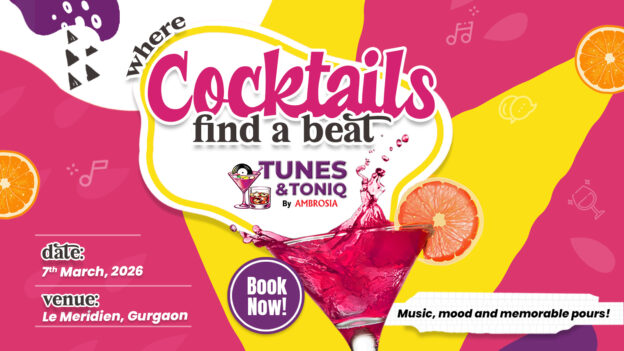
Get ready to pour, taste and move. Tunes & Toniq by Ambrosia is an exclusive, ticketed cocktail experience set to take over Le Meridien Hotel, Gurgaon on 7th March 2026, from 5 PM onwards, promising an unforgettable evening of crafted cocktails, curated flavours, and electrifying music.
Designed for cocktail lovers and experiential seekers alike, Tunes & Toniq brings together the city’s finest bartenders, celebrated alcobev brands, and an immersive soundscape under one roof. The event invites guests to explore a vibrant world of flavours through curated tasting samples, innovative new concoctions, and reimagined classics, all in a high-energy, social setting.
From expertly curated drinks to interactive sessions with industry experts, the experience goes beyond just sipping cocktails. Guests will have the opportunity to engage with master mixologists, discover the stories behind iconic blends, and gain insider tips through a dedicated Cocktail Masterclass.
Adding to the sensory journey is a thoughtfully curated Food Pairing Experience curated by Le Meridien, where dishes are crafted to complement, contrast and elevate the flavours in every glass. As the evening progresses, live music and DJ sets take centre stage, creating a dynamic atmosphere that keeps the energy flowing well into the night.
Attendees can also look forward to winning exclusive brand merchandise and curated goodies, adding an extra layer of excitement to the experience.
Whether you’re a seasoned cocktail enthusiast or simply looking for a high-energy night out, Tunes & Toniq promises a sensory celebration of taste, sound, and social connection — available exclusively via District by Zomato.
The evening is brought to you by Ambrosia magazine with a heritage and legacy of 30 years in the industry.
Piccadily Agro Industries Limited (PAIL) has delivered a striking performance in Q3 FY26, underscoring the momentum behind its premiumisation strategy and the rising global appetite for Indian single malts. The company reported Revenue from Operations of ₹313.80 crore for the quarter, marking a robust 52.5% year-on-year growth over ₹205.72 crore in Q3 FY25, a performance that reflects not only higher volumes, but a richer product mix led by its award-winning single malt portfolio.
Piccadily said that its EBITDA for the quarter rose to ₹79.70 crore from ₹50.87 crore in the corresponding period last year, registering a 56.7% increase and highlighting improved operating leverage as scale efficiencies begin to play out across the business. Profit Before Tax surged 85.3% year-on-year to ₹68.03 crore, while Profit After Tax nearly doubled to ₹48.14 crore, a sharp 92.2% jump compared to Q3 FY25, signalling strong cost discipline and margin expansion. The Net Profit Margin improved from 12.18% to 15.3%, representing a 26% rise, as premium offerings continued to command higher realisations, and Earnings Per Share climbed to ₹4.89, up 83.8% year-on-year, reinforcing the company’s value creation trajectory for shareholders.
Sequentially too, the company demonstrated sustained momentum, with Q3 FY26 revenue growing 34.9% over Q2 FY26 and PAT rising 80.9% quarter-on-quarter, reflecting consistent execution across production, distribution and brand-building initiatives. The distillery segment remained the primary growth engine, contributing ₹284.97 crore, accounting for 91% of total revenue and posting a 54.9% year-on-year increase, underlining the centrality of its spirits business to overall performance.
The company’s transformation into a fully integrated, brand-led premium spirits player is increasingly evident in its financial profile, with higher contribution from super-premium and luxury categories driving both topline acceleration and margin expansion.
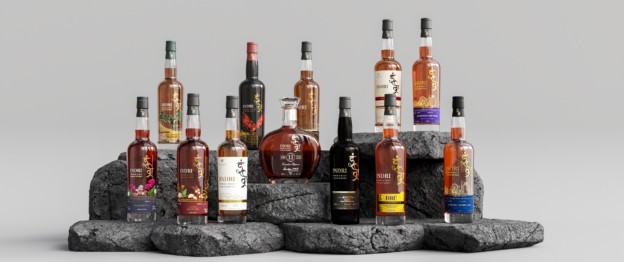
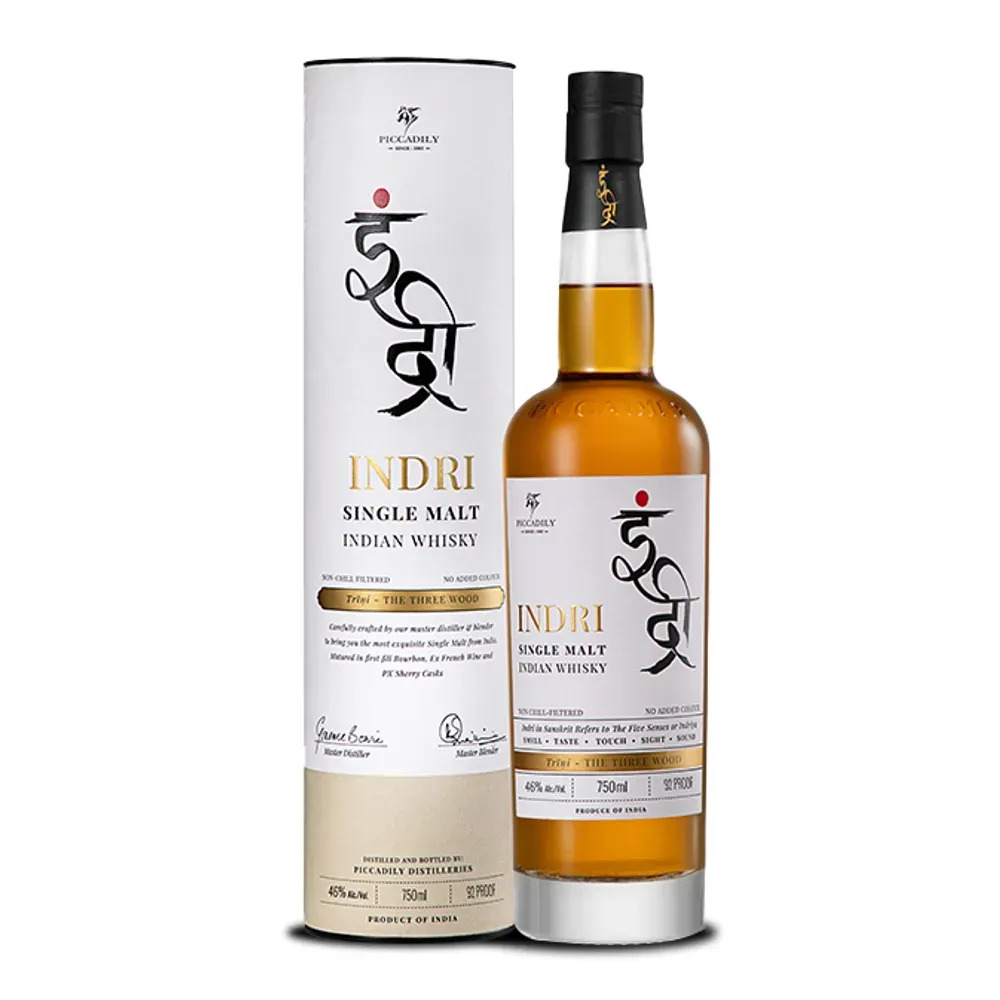
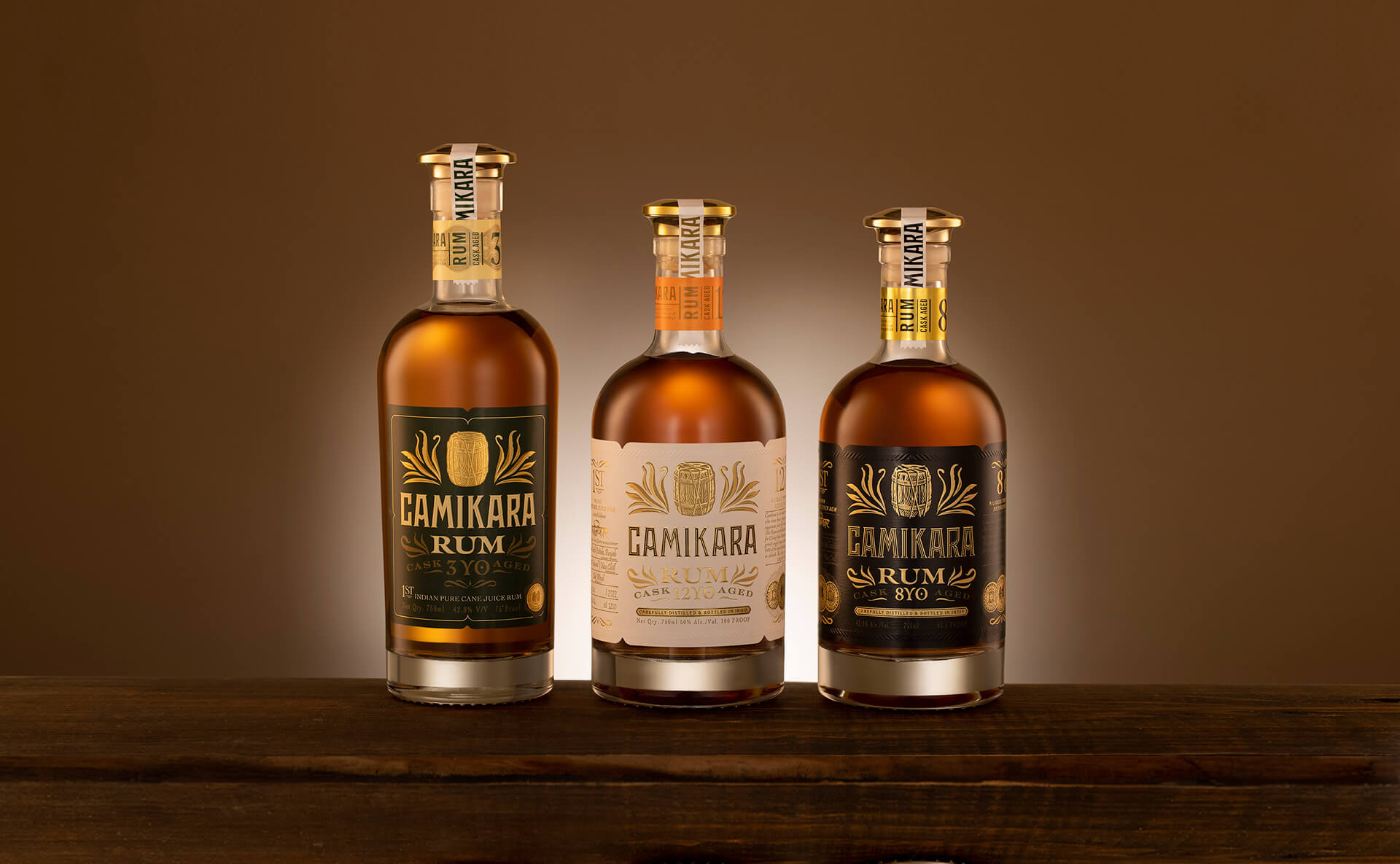
For the nine months ended FY26, Piccadily reported revenue of ₹775.50 crore, up 26.2% year-on-year, while Profit Before Tax rose 43.6% to ₹129.00 crore and Profit After Tax increased 45.7% to ₹93.65 crore, reflecting steady progress across the fiscal year. The widening gap between revenue growth and profit growth illustrates the structural shift in the company’s earnings quality, as a larger share of sales is now derived from premium labels such as Indri, Camikara and Cashmir, which continue to gain traction in domestic and international markets. Indri, in particular, has emerged as a flagship Indian single malt brand, strengthening India’s positioning in the global premium whisky landscape and contributing meaningfully to improved realisations and brand equity.
The company’s expansion roadmap remains firmly on track, with capacity enhancement underway at its Indri facility alongside the development of a greenfield plant at Mahasamund in Chhattisgarh. Investments in barrels and maturation infrastructure are also being accelerated to ensure adequate aged inventory to support future premium launches, a critical lever in the single malt category where aging profiles define both quality perception and pricing power. These strategic investments are designed to create headroom for sustained growth over the medium term, while ensuring supply-side readiness to meet rising domestic demand and expanding export orders.
Natwar Aggarwal, Chief Financial Officer of Piccadily Agro Industries Limited
Commenting on the results, Natwar Aggarwal, Chief Financial Officer of Piccadily Agro Industries Limited, noted that the Q3 FY26 performance demonstrates the strength of the company’s brand-led strategy and disciplined execution, highlighting revenue growth of over 52% and PAT growth exceeding 92% year-on-year as clear indicators of the benefits of premiumisation and scale in the distillery business. He emphasised that as new capacities come on stream and aged inventory matures, the company remains confident of delivering three to four times growth over the next three to five years, while building Indri into one of the world’s leading single malt whisky brands.
Geographically, Piccadily has built a strong domestic footprint across 27 Indian states and expanded its international presence to 29 markets, supported by placements in 28 travel retail outlets. Its premium labels are increasingly visible in key global geographies, reflecting the broader trend of Indian spirits gaining acceptance in mature whisky markets.
To support this scale and complexity, the company is strengthening its leadership bench and operational teams across key functions, while exploring new synergies to enhance efficiency and deepen market penetration. As India’s premium alcobev landscape continues to evolve, Piccadily’s Q3 FY26 results position it as a formidable contender in the global premium spirits arena, with financial performance and brand ambition moving decisively in tandem.
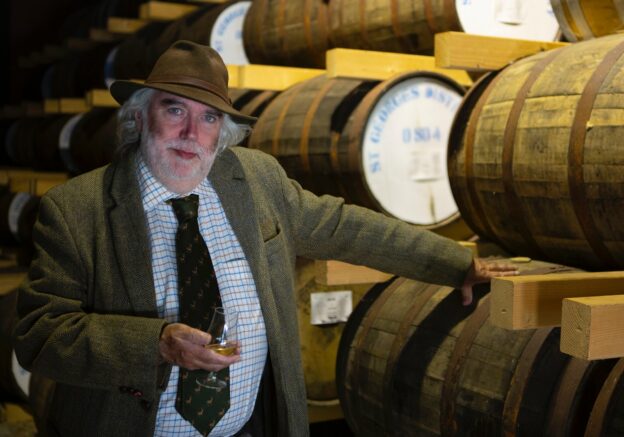
Jim Murray stands as a prominent figure and key player in the global whiskey scene, having held the title of the world’s first full-time whisky writer for over three decades. The 2024 release of his widely successful “The Whiskey Bible” marks the 20th anniversary of the publication. Maintaining a staunch commitment to independence, Jim fearlessly critiques those deserving of scrutiny and advocates for whiskies that were once overlooked or unfamiliar.
In the present day, the likes of Ardbeg, Pure Irish Pot Still, and Canadian and Japanese whiskies such as Yoichi and Yamazaki have gained widespread popularity, thanks in no small part to Jim’s daring efforts to bring them into the public eye. Despite facing criticism and occasional attempts at character assassination, Jim’s bold choices have significantly shaped the current whisky segment.
In a conversation with Ambrosia, Jim shared insights into his passion for the spirit, details about his personal life, encounters with setbacks and comebacks, and perspectives on emerging whisky trends and Indian distilleries.
What led to your transition from journalism to becoming the world’s first full-time whisky writer, and are there any interesting stories or experiences from your journey you’d like to share?
I began my career in journalism covering sports and general news, gradually diving into more intense subjects like murders and special investigations while working for national newspapers. Amidst these experiences, my first encounter with a distillery occurred in 1975 during a hitchhiking expedition across Scotland. Boarding a boat bound for Skye, I visited the Talisker distillery, and it literally changed my life.
The vibrant sensory details of the distillery – the colours, smells, sounds, and the meticulous process – left a lasting impression on me. As a journalist, I used to get to travel a lot. Tasting whisky straight from the barrel with its 60% alcohol content was a revelation, and it sparked a personal interest. From the age of 17, during my spare time, I started making personal notes on whiskies, differentiating their unique qualities. By 1989, I began writing and selling articles about whisky globally, all while maintaining my role as an investigative journalist.
In media publications, I noticed a gap in whisky coverage. Wine writers were handling whisky topics with incorrect terminology and descriptions. Convinced I knew more about whisky, I considered transitioning into whisky writing. This decision faced resistance, especially as it meant giving up a stable income. Despite the initial resistance from my wife, in 1992, I took the leap, becoming the world’s first full-time whisky writer.
Back then, there were no whisky festivals or visitor centers, maintaining a sense of mystique around the industry. Breaking into the scene was tough. For years, I earned little, even became a single parent. Despite financial challenges, I persevered, creating fresh content for the emerging market. The books I wrote brought in money, but research costs were high due to the lack of prior literature on the subject. Believing in the cause, I endured the financial strain, comparing it to the pain barrier in athletics. It’s been a journey with continuous challenges, drawing parallels to my days as a long-distance runner facing a tough race.
A pivotal moment occurred during a meeting with Jim Milne, a J&B revered blender, who has been blending since the 1950s. In a seminar he conducted, whiskies labelled X, Y, and Z were presented without disclosing the distillery names. Upon nosing one of the whiskies, I asserted, “This doesn’t belong in your blend; it’s Fettercairn.” To this, he acknowledged, “Indeed, that is Fettercairn, and it’s included here only because of an oversight.” By identifying a misplaced sample, I earned the blender’s respect and was urged by him to share my opinions on whisky. This encounter led to a realisation – my extensive self-guided apprenticeship in studying whiskies positioned me uniquely.
Unexpectedly discovering my heightened olfactory senses (got to know I had a unique skill set, ranking in the top 2% for sensitive noses), this breakthrough moment changed my perception, realising I could sense and appreciate whiskies in a distinctive way. I ventured into consulting as a blender, complementing my role as a writer. This unforeseen skill set, acknowledged by one of Scotland’s most respected blenders, allowed me to contribute to the whisky industry in ways I had never imagined.
What is your typical approach to whisky tasting? Are there specific methods or techniques you adhere to during the process?
My approach to whisky is akin to that of a blender. I first identify any flaws in the whisky before acknowledging its merits. This involves deducting points for aspects like added caramel, an imbalance of oak flavours that overpower the malt, and any weaknesses that detract from the overall quality of the whisky. I can discern whether a whisky has been meticulously crafted or hastily put together.
When it comes to public awareness, blind tastings are crucial to eliminate biases. People often have preconceived ideas about certain whiskies, which can influence their perception. Therefore, I conduct blind tastings to remove any biases and judge the whisky solely on its merits. When compiling my Whiskey Bible, I don’t taste blind as I need to consider the distillery’s style and whether the blender has captured its essence. I assess the whisky’s complexity and intended profile before making judgments.
My tasting method, dubbed the “Murray Method”, involves avoiding strong perfumes, water intake, and spicy foods to keep my senses sharp. Strong perfumes can interfere with the senses, affecting the ability to discern aromas accurately. Additionally, I avoid consuming spicy foods while working, ensuring my taste buds remain undisturbed and receptive. However, recognising the cultural practices, I understand that asking Indians not to eat spices isn’t practical, given their culinary preferences. In 1997, I authored “Jim Murray’s Complete Book of Whiskey: The Definitive Guide to the Whiskeys of the World”, which gained significant popularity, selling over a quarter million copies. While discrepancies in numbers and subsequent editions may have altered the count, the book’s success is evident.
I’ve come across articles critiquing the book “Whiskey Bible”, accusing it of being sexist. However, generally, I’ve noticed that descriptions of food in a sensual manner are common in many publications. How do you respond to this perspective?
You need to grasp the immense impact of this book. It sparked the rise of Indian whisky and catapulted Japanese whisky to new heights. I awarded World Whisky of the Year to a Japanese whisky, leading to a whopping 3 billion dollars in revenue for them. Despite this success, I personally didn’t gain financially because I don’t accept kickbacks. I maintain complete independence. However, there’s a phenomenon known as industrial espionage, where some individuals might see the power of this book as a threat.
This book is pivotal because, like food and drink share common ground: sight, smell, taste, and touch. These senses, when combined, create a sensual experience. If people in the industry argue that whisky isn’t sexy, they probably shouldn’t be part of it. As a writer, honesty is of utmost importance. The motto of the Whiskey Bible is “the truth, always above all”. Criticism requires integrity and candour.
Some distilleries hold a grudge against me because I refuse to engage in their marketing tactics or succumb to their influence. Despite my disdain for those attempting to control me, I remain impartial in assessing the quality of their whisky. I won’t conform to the prevailing trends, particularly the notion of labelling everything as an anti-feminist crime. Personally, my marriage met its demise when I embraced the role of a whisky writer, a sacrifice I made for my career. The constant globetrotting has hindered the possibility of forming lasting relationships. I’ve never remarried, but it’s not due to a lack of romantic inclinations. Unfortunately, my genuine love for others has been weaponised by jealous individuals aiming to undermine the influence of the Whiskey Bible. Frankly, I feel sorry for these people, in their pursuit to tarnish my reputation, reveal a certain poverty in their character.
During a recent visit to Kentucky, a woman expressed admiration for my writings on whisky, considering it one of the most beautiful things ever shared with her. The hypersensitive woke culture on certain social media platforms seizes any opportunity to unleash their destructive tendencies, fuelled by baseless hatred. Many of these individuals are familiar with my identity and knowledge of whisky, yet they target me simply because I’m a convenient male figure to attack. This trend reflects the fragility of Western society.
Watching a stunning sunset often sparks a longing for someone to share the experience. Similarly, I take pleasure in sharing my love and passion for whisky with the world. I want to introduce people to the finer things in life.
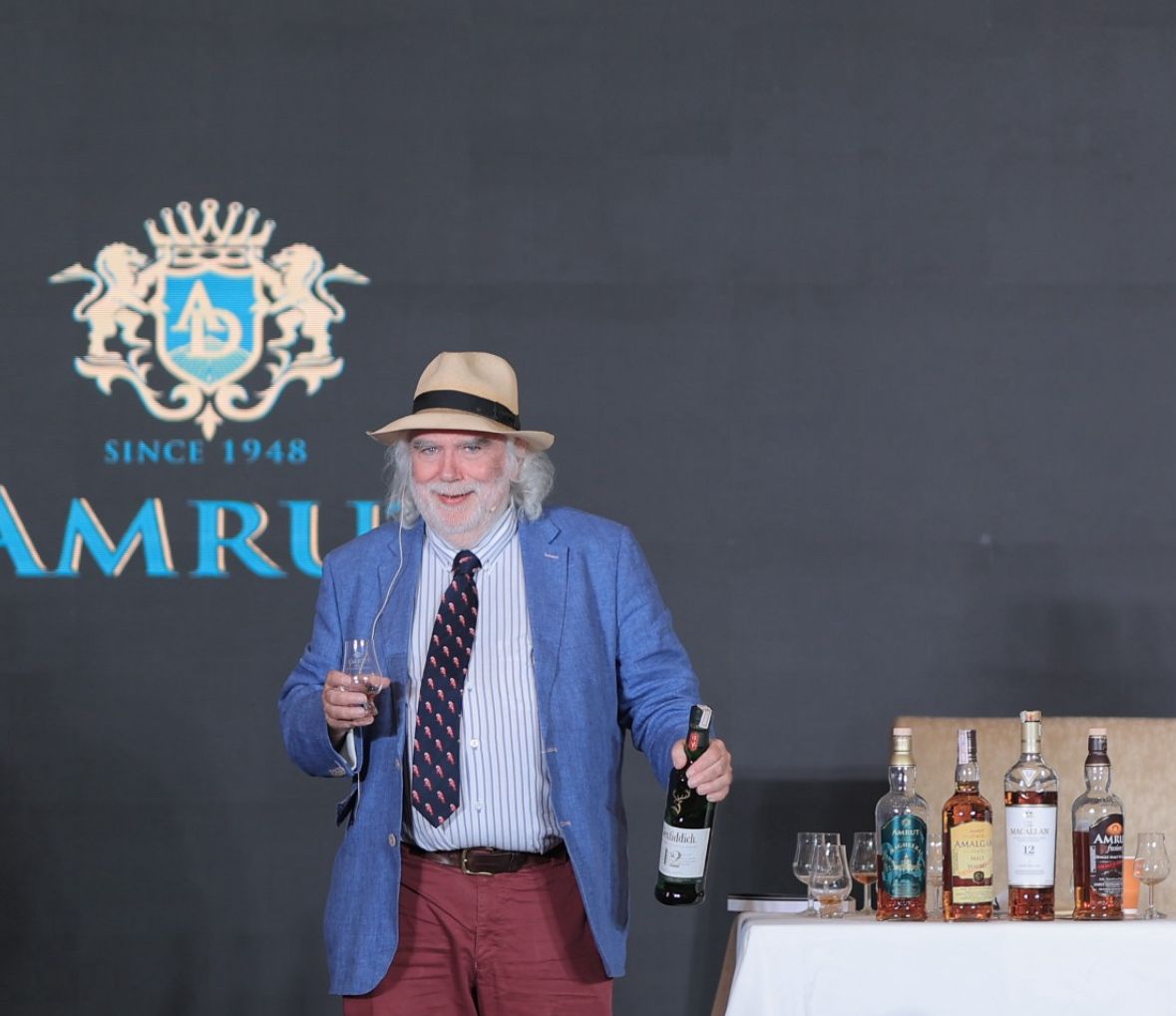
Jim Murray at the launch of Amrut Bagheera and Portonova
When comparing Indian whisky to traditional whisky-producing nations, do you observe any notable differences?
The primary distinction lies in the heat when comparing it to traditional whisky-making countries. The maturation process in cooler climates allows for an important element: time. This time factor plays a vital role as tannins and other components from the environment have the opportunity to integrate and blend seamlessly. In contrast, hotter countries face a more accelerated maturation process, making it challenging to achieve the desired balance. Balancing whisky in warmer climates requires more effort and skill. While some argue that water quality influences whisky, the key is ensuring water is free from contaminants like pesticides and iron deposits, which can discolour the whisky. Interestingly, despite the romanticised notions surrounding water sources, many Scotch whiskies use tap water.
Unlike the present era filled with marketing gimmicks, the industry in the late ’80s and ’70s was less saturated with such tactics. Kentuckians, for instance, boast about having the best whiskey due to their water source originating underground, having been there for centuries, dissolving limestone and aiding fermentation. This stands in contrast to other Scottish distilleries, although not Glenmorangie and Highland Park, two renowned Scottish distilleries, which also derive their water from limestone, similar to the Kentuckians. I advocate for focussing on the contents of the glass rather than getting swayed by marketing claims on labels.
What trends do you perceive in the whisky industry, in your view?
Looking back at the whisky industry’s history, it’s been characterised by cycles of growth and decline. In the 1980s, whisky consumption dwindled as it was perceived as a drink of the older generation, with younger drinkers favouring lighter spirits. A common joke was that one could spot a whisky drinker by looking at the obituary column, as they were diminishing in number. This decline in blended whisky consumption led to an excess of single malt whisky sitting idle in distillery warehouses. It was during this time that efforts to promote single malt whisky, spearheaded by individuals like Michael Jackson, began to gain traction, revitalising interest in the category.
Similar to the boom in distillery construction in the 1890s, the recent surge in new distillery openings has created a crowded market. However, the current global situation introduces uncertainty, making it challenging for new distilleries to establish themselves and sell their products. Despite these challenges, smaller distilleries are poised to thrive, although they will face significant pressure. Nevertheless, it’s crucial for them to remain authentic and transparent in their approach to whisky production.
A concerning trend observed among some Irish distilleries is the practice of finishing whisky in various casks, obscuring the true character of the spirit. This approach detracts from the whisky’s identity, akin to wearing excessive layers of clothing that mask one’s true self. Moving forward, distilleries should prioritise honesty and authenticity to attract discerning consumers. The road ahead may be arduous, but it presents an opportunity for distilleries to redefine themselves and engage with consumers on a more genuine level.
Jim Murray at the launch of Amrut Bagheera and Portonova
How can Indian distilleries enhance their quality and global standing?
When considering the steps Indian distilleries can take, it’s important to acknowledge the unique dynamics in the Indian market. Unlike Scotland, India has a massive population of over a billion people, with a growing middle class. Over the past 30 years, I’ve witnessed significant changes in India, particularly in terms of economic growth and an expanding consumer base. The challenges faced by Scotch whisky in India may not be as pronounced, given the increasing number of people who can afford high-quality whisky. Notable distilleries, like Amrut and Paul John, have set a commendable standard, maintaining their commitment to excellence. In my early involvement with Paul John, I assisted in training their blender and witnessed their staunch dedication to quality. Several other Indian companies are also making strides in improving their whisky, demonstrating a continuous pursuit of excellence. While there is always room for improvement, the progress made in all these years is remarkable.
Comparing the whisky from three decades ago to the present would reveal a staggering leap in quality. This positive trajectory showcases the dedication and attention to detail exhibited by Indian distilleries. The success of Indian whisky on the global stage can be attributed to the determination of distilleries to make a lasting impression. Unlike some companies that may compromise on quality when relying solely on their brand name, Indian distilleries have prioritised maintaining high standards. The meticulous attention to detail is a driving force behind the success of Indian whisky. Even distilleries that were once considered mediocre have elevated their standards, while new entrants to the market are setting the bar even higher.
It can be a common misconception that women don’t like the tipple. From the dawn of the early ages women have also known to enjoy wine and spirits. And if you’re looking for unique alcohol gifts this Women’s Day, then we’ve got you covered. From specialty coffee blends to exquisite spirits, here’s a list of offerings to celebrate that special Woman. Whether she’s a coffee connoisseur or a cocktail enthusiast, these are sure to pour some happiness into her day.
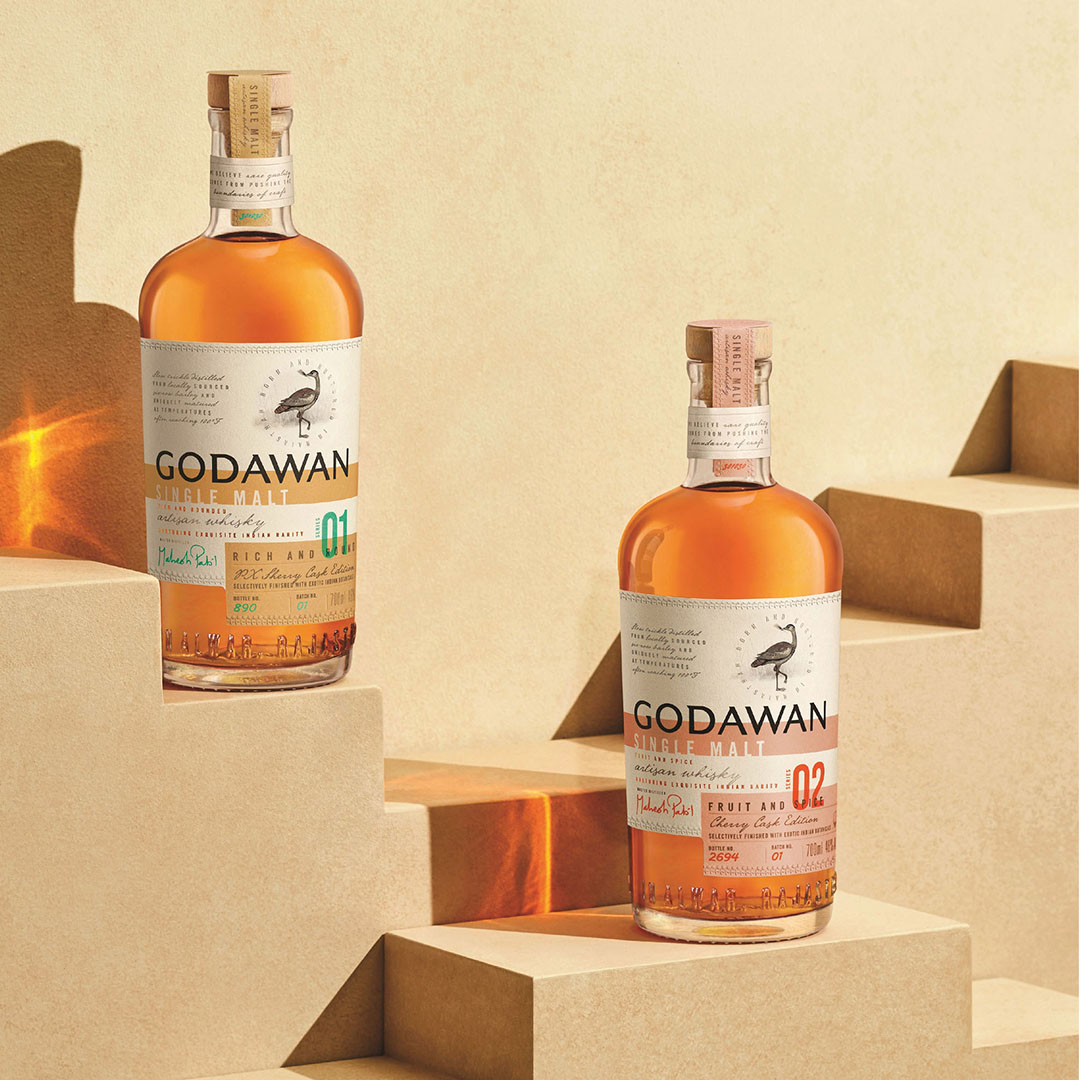
Godawan Artisanal Single Malt Whisky
A single malt that breaks aways from the norm – Godawan is bringing to life Indian single malts that cater to every palate – from fruity and spicy to rich and rounded.
Matured in premium PX (Pedro Ximenez) Sherry Casks and American Standard Barrels, this rich liquid is then treated with two unique Indian botanicals – Rasna and Jatamansi. Each sip features the aromas of sultanas and dried fruits, complemented by a syrupy smooth texture, with a finish of caramel and a butteriness like baklava.
The second expression is a sweeter and fruity variant. Matured in virgin oak casks to release vanilla and clove aromas, as well as American Standard Barrels. It also treated with two unique Indian botanicals – Rasna and Jatamansi. With a distinct touch, this whisky is finished in cherrywood casks, enhancing the whisky’s sweet and sour taste profiles, impressive fruit aromas, and dark colour.
Product details: 700ml; ABV: 46%
Price – INR 2800 – INR 6000
Available in Delhi, Rajasthan, Maharashtra, Karnataka, and Dubai
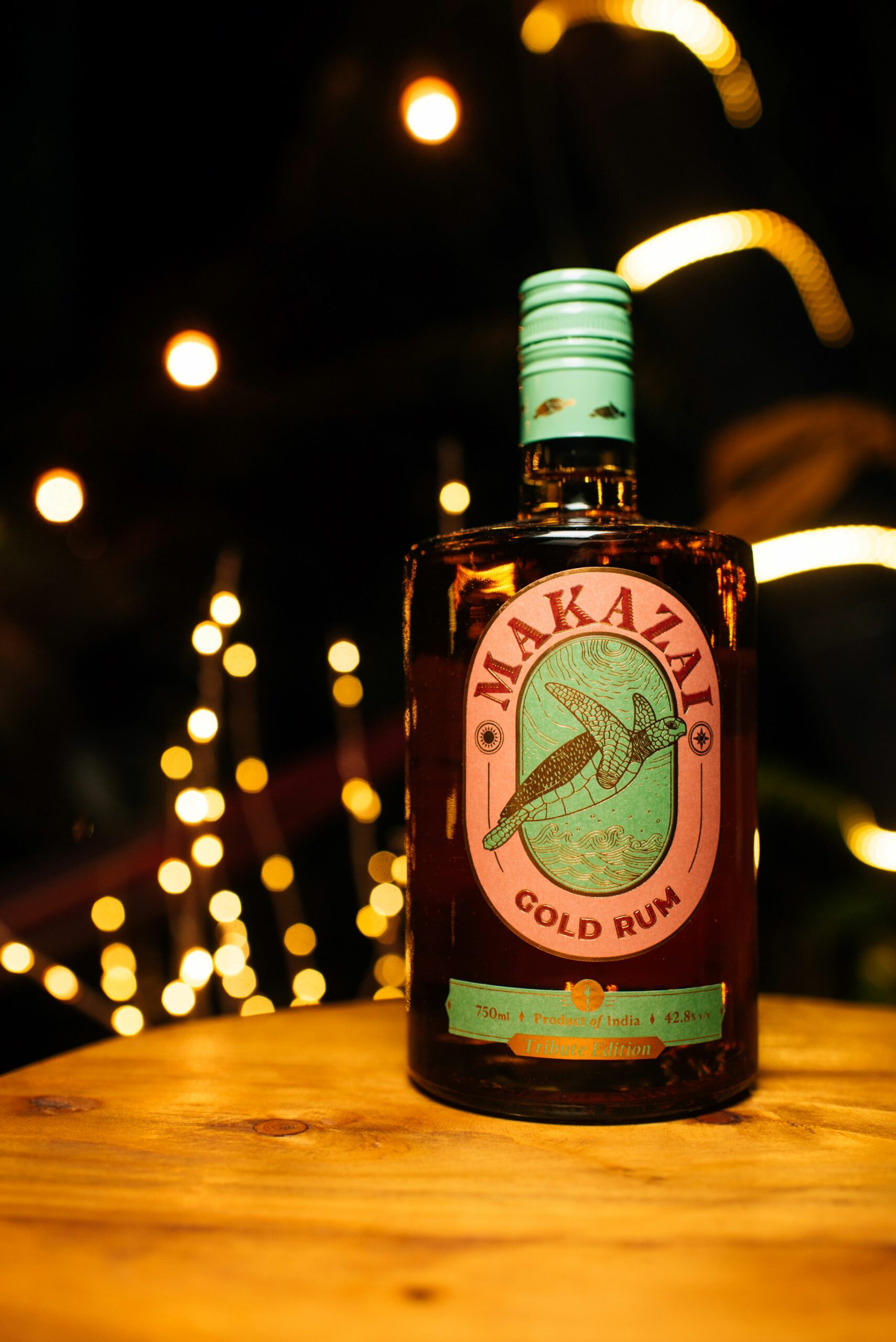
Maka Zai Gold: Tribute Edition
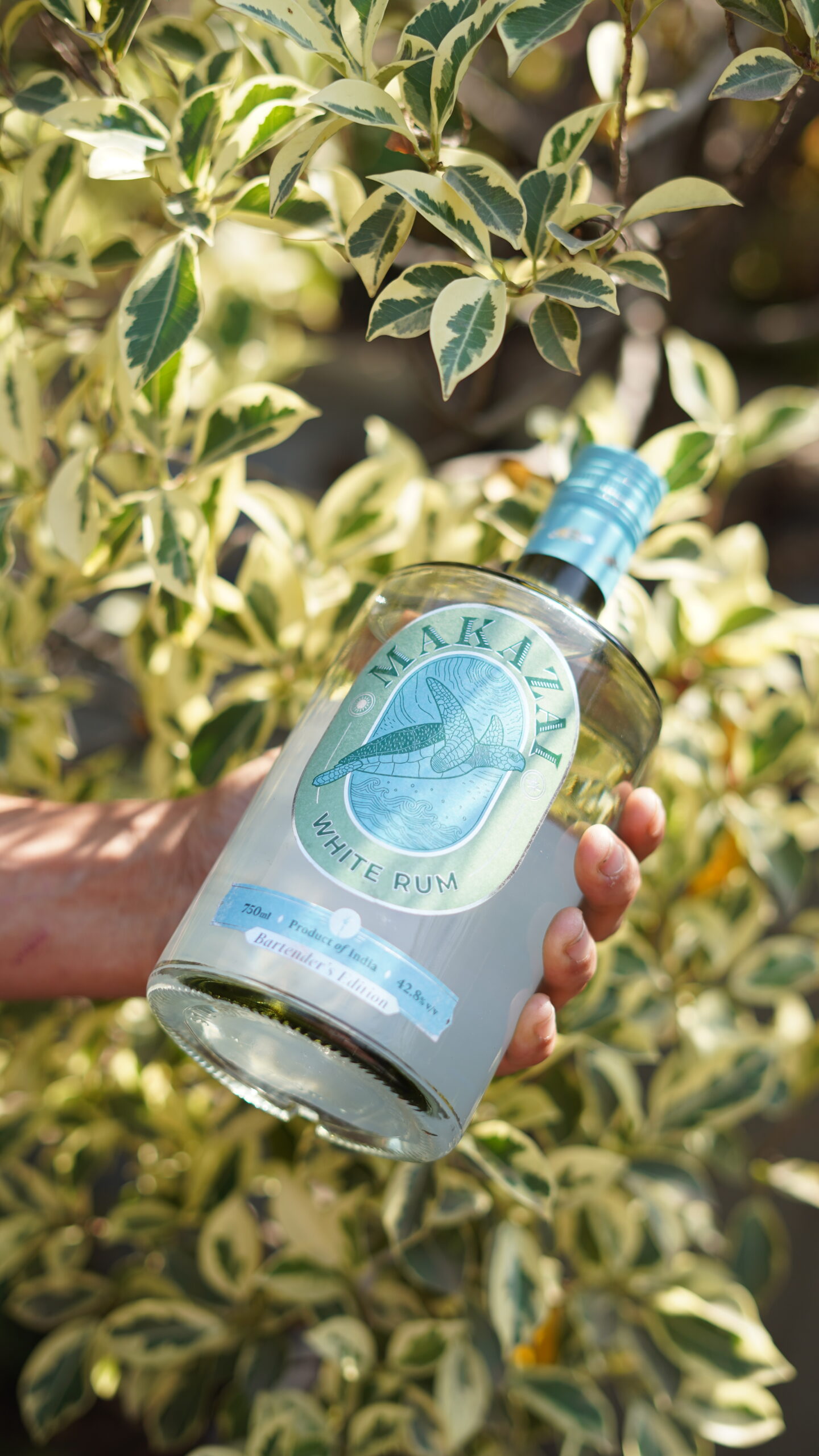
India’s first homegrown premium artisanal rum makes for a dash of opulence this Women’s Day. High-quality and matured, the Maka Zai Gold Rum is blended on the Goan seashore. It is a perfect dessert and sipping rum. Its silky, elegant and approachable charm gives you the feeling of a sunny, late afternoon.
With a clear colour and creamy and elegant aromas, the Maka Zai White Rum runs a sweet and spicy finish. This flavoured rum that boasts a spicy and grassy palate makes for a star component in cocktails.
Product details: 750 ml; ABV – 42.8%
Price – INR 1100 onwards.
Available in Goa, Maharashtra, Karnataka, Delhi, Haryana and Puducherry.
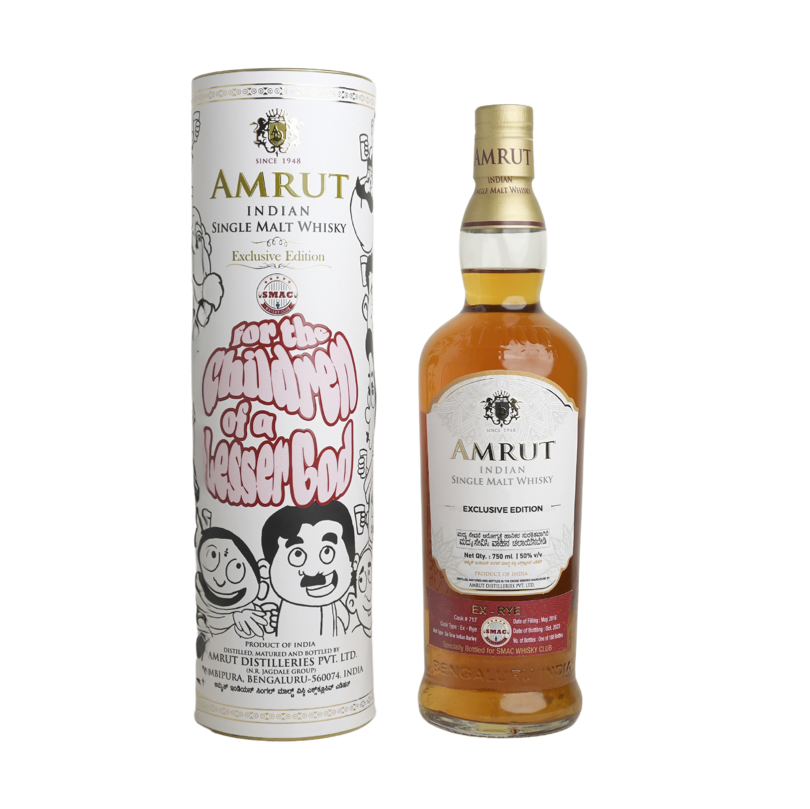
Amrut’s ‘Children of a Lesser God’
Single Malt Amateur Club, whisky appreciation club, and Amrut Distilleries have joined forces for ‘Children of a Lesser God.’ Amrut’s first Single Cask Special Edition, exclusively available to SMAC members (membership is free). Matured in an ex-rye cask, the expression offers a unique flavour profile, marking unexplored territory in Indian whisky. The bottle’s design, featuring diverse Indian cultures, adds a fun, floral twist to traditional whisky branding.
Product Details: 750 ml | ABV: 50%
Price: INR 9999
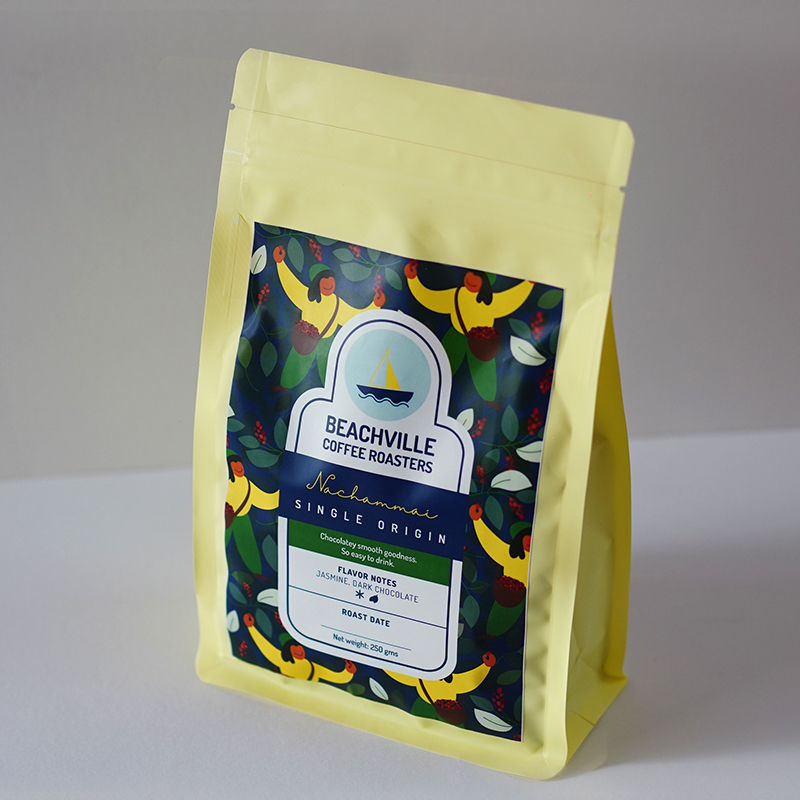
Beachville Coffee Roasters – Specialty Coffee
This specialty coffee company offers high quality blends and is sure to make the perfect gift this Women’s Day. With their very own roastery, Beachville Coffee Roasters brews excellence in every sip.
With coffee sourced directly from various regions in India, Beachville provides an array of blends, each boasting its own distinct flavour profile. The single origin specialty coffees are chosen from estates including Nachammai in Yercaud, Mooley Maneh in Coorg, Hippla and Kelagur Heights in Chikmaglur. And, for those who appreciate tradition, the Filter Coffee Blend never disappoints. Moreover, each variety offers customizable grind sizes, including options such as whole bean, espresso grind, pourover, and South Indian filter blend.
Product details: 250 gm
Price: INR 375 onwards
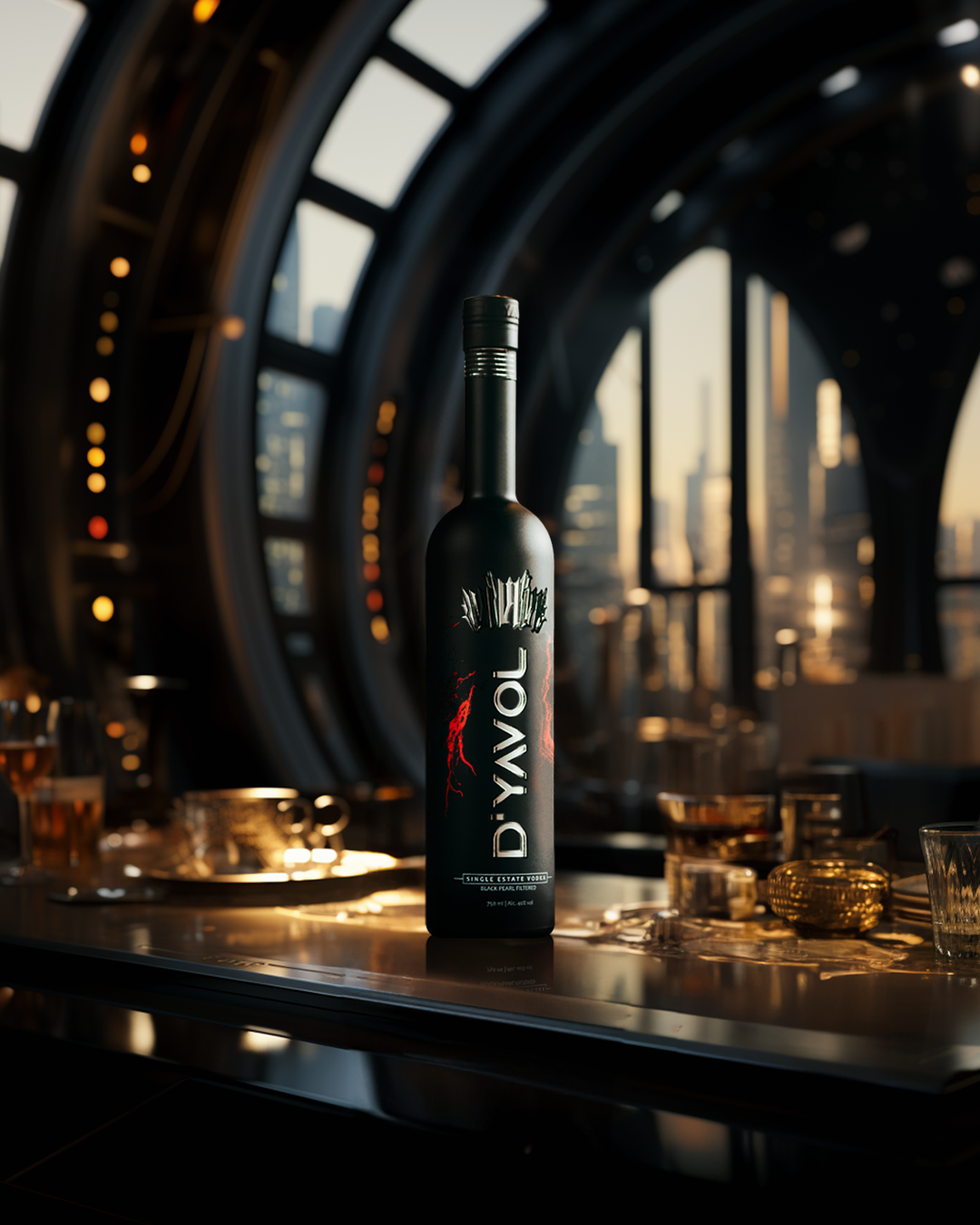
D’YAVOL
Celebrate Women’s Day by indulging in these premium spirits – where craftsmanship and authenticity come together to deliver a decadent sipping experience!
D’YAVOL Single Estate Vodka: Originating from Poland, this sipping vodka is made from 100% winter wheat. The luxury spirit stands out with its unique Black Pearl Filtration, resulting in a velvety smooth finish and enhanced mouthfeel. As a single estate vodka, each hand-selected ingredient is sourced from the pristine land surrounding the distillery, reflecting a strong commitment to the grain-to-glass ethos.
Product details: 750ml; ABV: 40%
Price: INR 2,700 onwards
Available in Delhi, Uttar Pradesh, Haryana, Telangana, West Bengal, Maharashtra, Goa and Karnataka
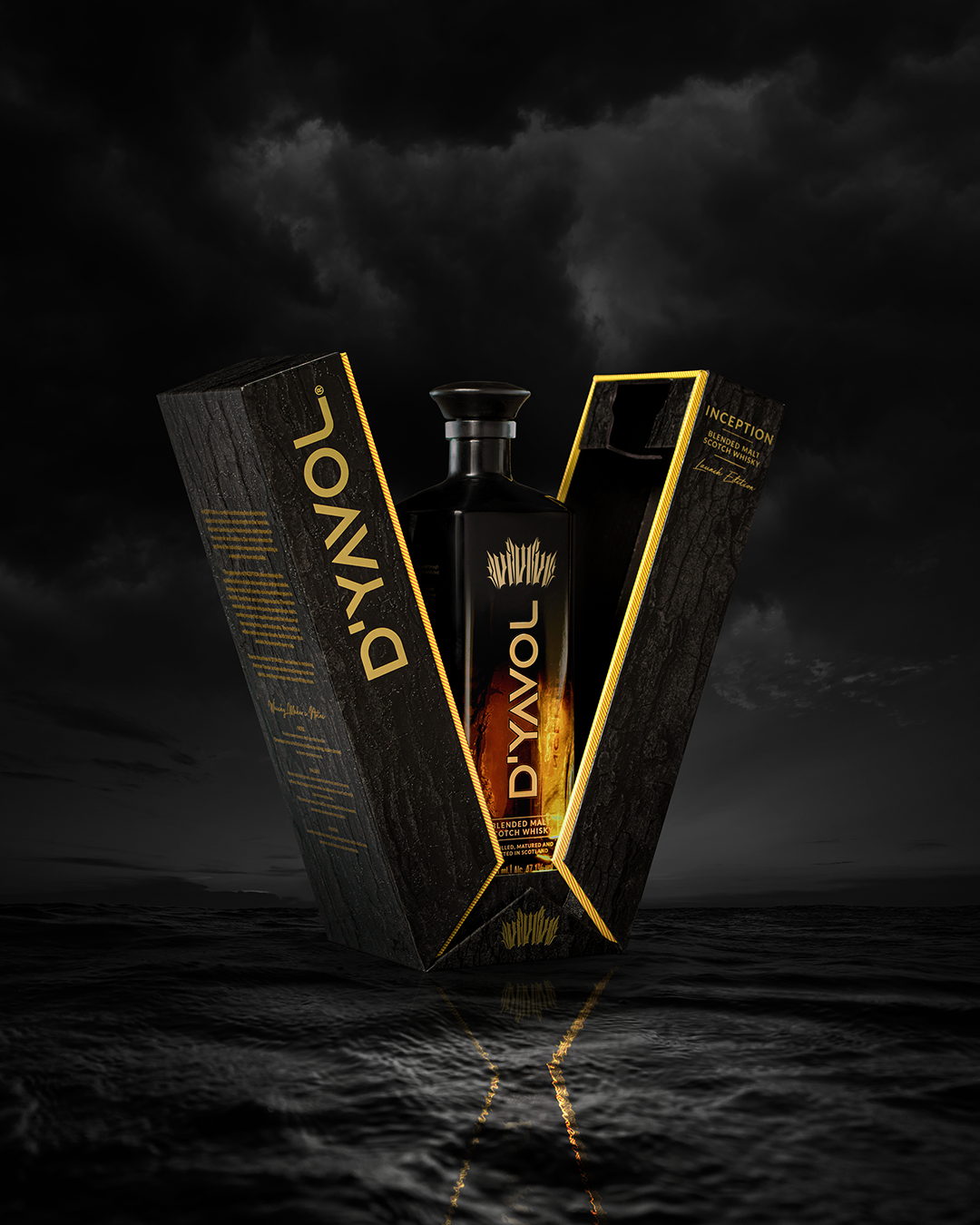
D’YAVOL INCEPTION
This 100% pure malt Scotch whisky is a carefully crafted medley of eight single malts from the distinctive whisky-making regions of Scotland. Undergoing multiple years of maturation in first-fill Tawny Port and rare Madeira casks, the resulting dram has a distinct palate of sherried sweetness, perfectly complemented by gentle Island peat.
Product details: 750ml; ABV: 47.1%
Price: INR 6,000 onwards
Available in Delhi, Uttar Pradesh, Haryana, Telangana, West Bengal, Maharashtra, Goa and Karnataka.
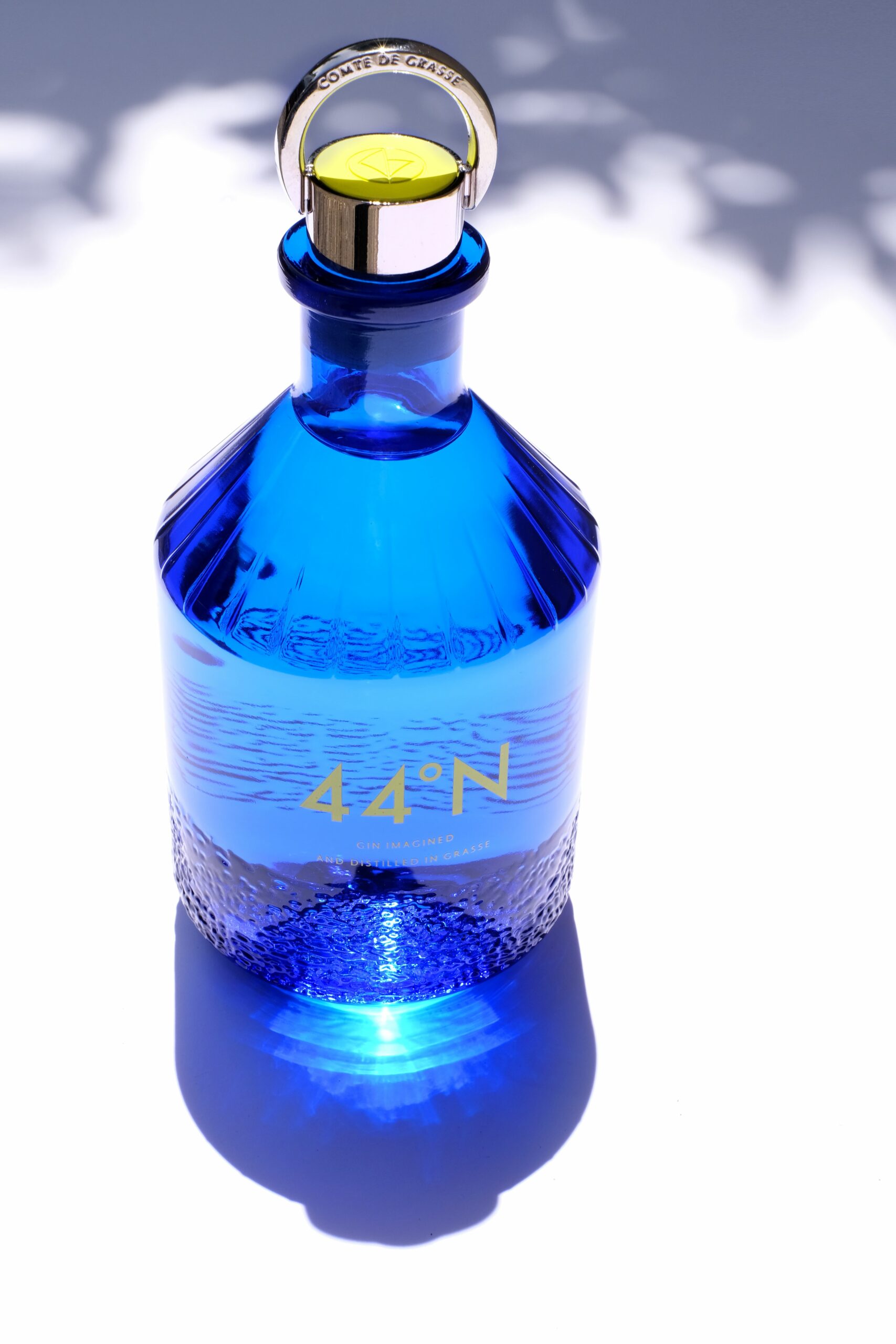
44°N Gin – Comte de Grasse
Celebrate Women’s Day by showing your appreciation to the hard-working women in your life with a gift that pampers and indulges them. Introducing 44° N Gin, a luxury gin crafted on the shores of Grasse that captures the essence of the Mediterranean in every drop. Imagine a harmonious symphony of scents, combining the refreshing burst of grapefruit, the timeless allure of Immortelle, and the delicate fragrance of jasmine – all designed to transport your loved one to the sun-kissed shores of the French Riviera, a place of serenity and relaxation, the perfect escape from the stresses of daily life.
Product details: 500 ml ABV: 44%
Availability & Price:
Delhi: INR 11,230
Haryana: INR 9,800
Mumbai: INR 15,500
Uttar Pradesh: INR 8,910
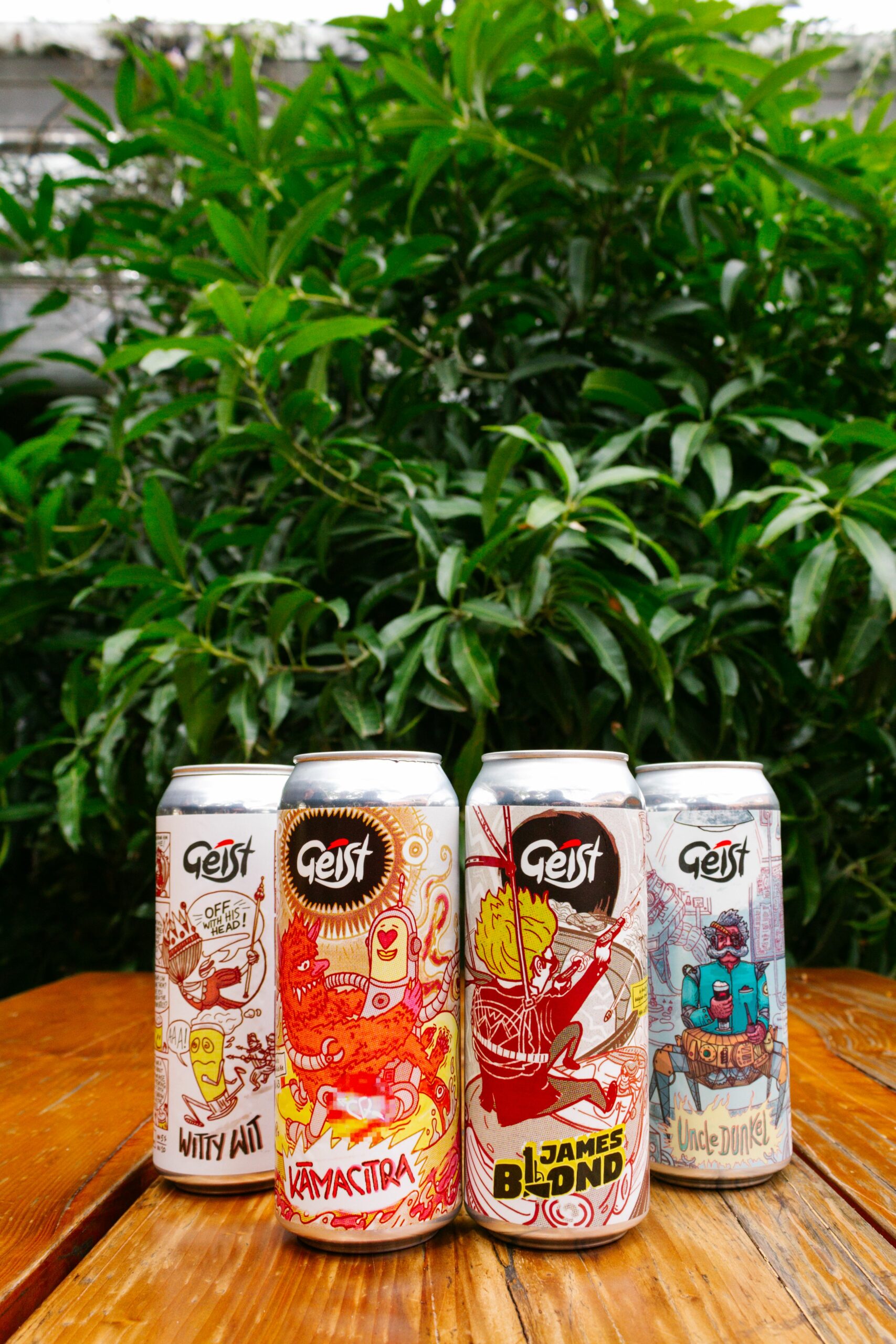
Geist Crowlers – Geist Brewing Co.
For the beer-loving women look no further than Geist Brewing Co – their range of crowlers are sure to impress. From the zesty Geist Kamacitra with its citrus notes, to the rich and comforting Geist Uncle Dunkel, each brew has its own distinct taste and flavour. Whether she’s relaxing after a long day or enjoying a special moment with friends, a 6-pack of Geist crowlers is an excellent choice to leave a lasting impression.
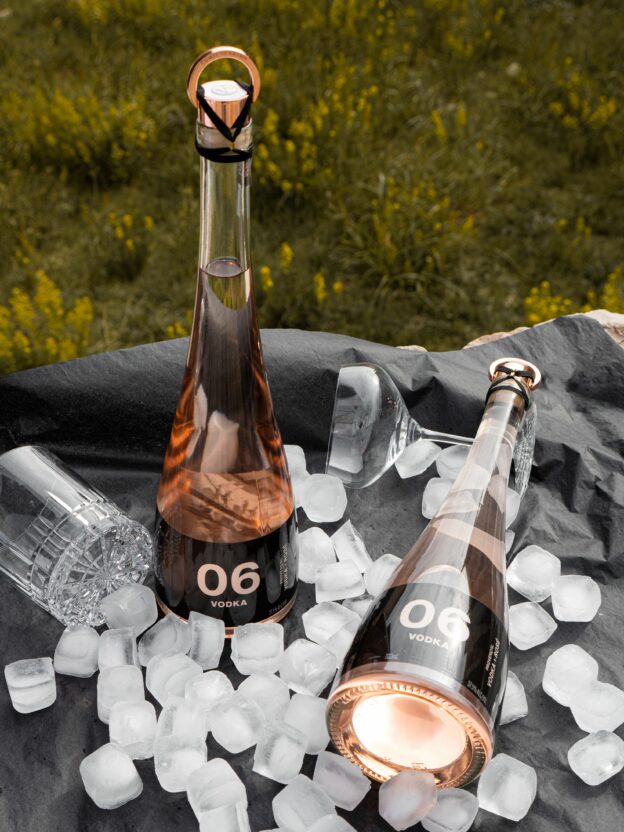
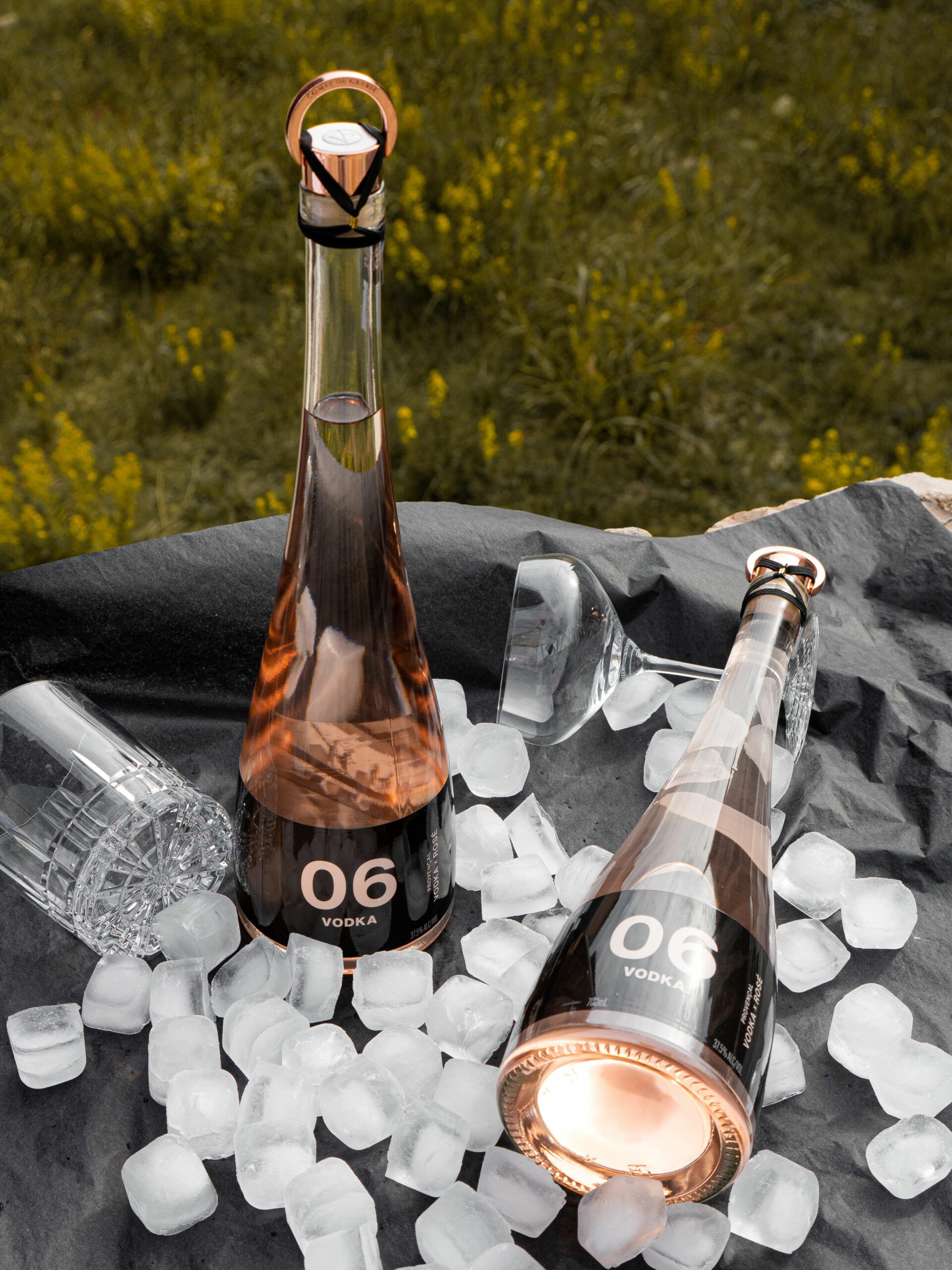
Celebrate with the exquisite 06 Vodka Rosé by Comte De Grasse. This super-premium vodka has an enchanting pink hue that will infuse your celebration with the alluring essence of the French Riviera. The delicately intricate flavour profile of 06 Vodka Rosé makes it the perfect choice for a self-indulgent intimate evening or a gift. With its refined aromas of strawberry and subtle floral notes, 06 Vodka Rosé sets the stage for a celebration filled with sophistication and charm.
Indian Whiskies are experiencing a new high. With a growing drinking population the Indian alcobev industry is likely to boom to a new high.
In recent years, a formidable challenger has emerged from an unexpected corner of the world – Indian single malts. With their unique character and exceptional quality, Indian single malts have proven that they are more than capable of matching their Scottish counterparts.
One of the key factors that differentiate Indian single malts from their Scottish counterparts is the influence of terroir. India’s tropical climate, with its soaring temperatures and high humidity, creates a whisky maturation process unlike any other. The angel’s share – the amount of whisky lost to evaporation – is significantly higher in India, resulting in an accelerated aging process and intensifying the flavours within a shorter timeframe. This unique maturation process infuses Indian single malts with bold, robust flavours that tantalise the taste buds.
Amrut’s recognition placed India on the global whisky map, but Mohan Meakin pioneered Indian single malt whisky back in 1858, long before Amrut.
While Indri Diwali Edition’s win is celebrated in India, the perception differs internationally. Even though India strives for quality whisky production, global recognition is a work in progress.
Unlike established producers like Japan, India’s whisky prominence is relatively recent – the industry is shifting from the traditional older consumer to younger audiences, by diversifying consumption methods through cocktails.
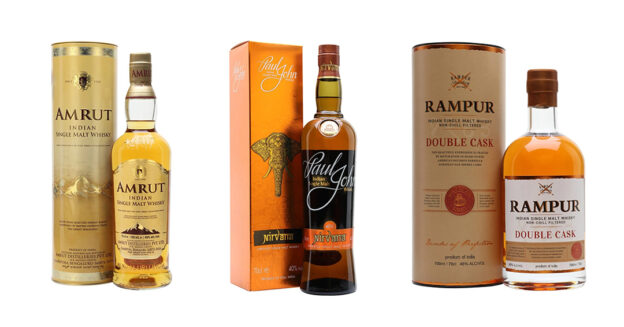
More distilleries venturing into malt whisky production – Amrut, Paul John, Rampur, and newcomers like Piccadily aim for global market penetration amid rising Scotch whisky imports.
Indian single malts proudly celebrate the country’s rich heritage while incorporating modern techniques and influences. Distilleries often draw inspiration from local ingredients, spices, and cultural traditions to create whiskies that are uniquely Indian. From the use of Indian barley to the incorporation of regional flavours like cardamom, cloves, and saffron, these whiskies encapsulate the essence of India, offering a sensory experience that is both nostalgic and forward-thinking.
The meteoric rise of Indian single malts has not gone unnoticed in the whisky world. They have garnered numerous awards and accolades, winning over skeptics and enthusiasts alike. The recognition from renowned whisky experts and critics has solidified the position of Indian single malts as a force to be reckoned with in the industry. As more people discover the quality and complexity of these whiskies, their popularity continues to soar.
The emergence of Indian single malts has undoubtedly shaken the foundations of the whisky industry, challenging the long-standing dominance of Scotch whisky. With their distinct character, unique maturation process, and unwavering commitment to quality, Indian single malts have proven that excellence in whisky knows no geographical boundaries. As whisky enthusiasts and collectors seek out new and exciting expressions, Indian single malts stand ready to captivate their palates and leave an indelible mark on the world of whisky.
Despite the hype about the magnitude of Indian whisky compared to Scotch, actual consumption statistics show no drastic increase. However, global recognition for quality Indian whiskies has notably risen.
The bulk of India’s whisky market comprises blended and daily drinking whiskies, not just the premium single malts like Amrut/Paul John – underscores the dominance of everyday brands like Signature and McDowell’s. The knowledge and information of seasoned whisky enthusiasts have expanded significantly over the past five years, and they demand whiskies that are: high-quality; limited editions; priced conveniently available in a broader market.
Newer or curious consumers are gradually transitioning from lower-end to mid-segment whiskies, amplifying affordability in the ₹1500-₹2000 range.
While single malts garner recognition and elevate the industry’s stature, the substantial demand driving the industry’s profit lies within these affordable mid-tier whiskies.
Amrut’s pioneering strategy of launching single malts in the UK, rather than India, set a precedent for others like Paul John and Rampur. The idea was to create international demand that would pique curiosity domestically, a strategy that continues to shape the market.
The entry of big players like Diageo and Beam Suntory into India reflects the strategic shift to safeguard their market shares. Diageo’s move from importing Scotch to producing locally aims to counter the rising curiosity for Indian whiskies among consumers, particularly when price points are comparable.
Comparing Indian single malts with global counterparts – blind tastings often unveil the impressive quality of Indian whiskies.
Market acceptance remains a challenge due to the stronghold of brands like Johnny Walker and Chivas, deeply entrenched in the Indian consumer psyche.
Quality control emerges as a critical concern. Despite norms borrowed from the Scotch Whisky Association, the lack of a regulatory authority poses challenges. Looking ahead to 2024, manufacturers must grapple with the realities of production complexities and retaining skilled personnel. The absence of a consistent master blender/distiller in India points to the challenges of replicating Scotch whisky’s intricate craft.
Production transparency, along with quality control, demands attention, emphasising the need for a regulatory body to standardise practices. This prevents the replication of the Japanese whisky industry’s pitfalls, where lack of oversight led to a decline in repute.
International market alignment is crucial, but Indian single malt production capabilities are still dwarfed by Scotland. Expansion plans by major players like Amrut, Paul John, and Rampur indicate the industry’s growth trajectory.
The Future of Whisky Production
Accelerated maturation in India for quicker whisky development: The high Angel’s Share poses challenges due to significant evaporation losses. To counter this, distilleries are employing sophisticated warehouse management techniques to minimise losses and maximise output.
Exploration of alternate sources for key ingredients: Distillers are seeking sustainable and efficient means to procure essential elements for whisky production and exploring new avenues beyond traditional sources.
While currently in its nascent stages in India, there’s a growing emphasis on data-driven processes and automation. Techniques like employing spectrometers to analyse whisky flavours and aromas are being explored to ensure consistency and quality.
Manufacturers are associating with clubs and creating limited editions for various festivals like Diwali or Christmas. Brands are diversifying their offerings, aiming to capture consumer interest with specialised releases tied to zodiac signs, festivals, or master distiller editions.
Expansion into different spirit categories: This may redefine the industry landscape and provide diverse options for consumers beyond traditional whisky offerings. The future might also see a more adventurous consumer base exploring a wide array of whisky variants.
Keep an eye out for European Wines with Sommelier Devati Mallick
The stage is all set for VINEXPO Delhi 2023 to get underway tomorrow. While there is much to look forward to for the visitors, with many foreign producers gracing the event, the European Union (EU), located at Booth F50 in Hall 1B is expected to have a strong showing as the Region of Honour. The fair will be held from 7th– 9th December, 2023.
European wines, beers and spirits are more than alcoholic beverages, thanks to exceptional raw materials, timeless craftsmanship and unwavering safety standards. Europe is the birthplace of the world’s wine industry, and traditions of winemaking are proudly passed from generation to generation; they have defined European rural landscapes for centuries. Nowadays, the EU accounts for 45% of world’s wine-growing areas, 65% of wine production, 57% of global wine consumption and 70% of exports, making it the world leader in each of these categories.
A tradition of quality and excellence
More than 1700 European wines have Protected Designation of Origin (PDO) and Protected Geographical Indication (PGI) protections, serving as a guarantee of their authenticity and quality. The consumers can enjoy these products in the knowledge that they have been produced to the highest quality and safety standard. Whatever your preference, you will find something to delight you among the wines of Europe. Red, white, rosé or sparkling wines from Europe can help make any occasion special.
European Union: The Region of Honour at SIAL and VINEXPO in New Delhi
What makes this year’s VINEXPO particularly noteworthy is the presence of over 50 company representatives, including 14representing wines and spirits sector, facilitating B2B matchmaking sessions on December 7 and 8. These sessions offer invaluable opportunities for Indian buyers, retailers, and distributors to connect with European businesses across various food and drink sectors
Moreover, the European Union’s VINEXPO booth will host a series of enlightening masterclasses on wines, beers and spirits. Each Masterclass, lasting 30 minutes, will feature a selection of beverages for tasting. Among these, the EU Masterclasses, led by renowned sommelier Devati Mallick, promises to be a highlight. As you sip and savour the wines, you’ll embark on a journey through Europe’s finest vineyards, guided by the expertise of a true connoisseur.
As we gear up for VINEXPO Delhi 2023, we invite you to join us in celebrating the union of tradition and innovation in European winemaking. Stay tuned for an unforgettable wine experience that promises to captivate your senses and leave you with a deeper appreciation for the world of wine.
Let’s raise our glasses to VINEXPO Delhi 2023, where European wines and spirit drinks will take center stage, and the EU’s commitment to vinicultural excellence, along with the expertise of Devati Mallick, will shine brighter than ever before.
The EU’s participation in SIAL and VINEXPO 2023 is part of its ‘More than Food’ campaign, actively promoting outstanding European agricultural products on a global stage. For the latest information and updates, visit the official ‘More than Food India‘ webpage.
For media inquiries, please contact: sial2023@agripromotion.eu
To infuse moderation India, EU, UK and the US have used taxation as a tool. But other reasons also encourage moderation. A report.
The domestic alcohol beverages (alcobev) industry is expected to have revenue growth of 8-10% in 2023-24 but operating margins may contract by 90-140 basis points due to input cost pressure, a report by rating agency ICRA stated.
The alcobev industry witnessed a strong revival in the last fiscal in FY23 led by a healthy demand across both segments – spirits and beer, after two consecutive pandemic-hit years of FY21 and FY22 “During Q1 FY2024, the spirits industry reported a 13% YoY increase in revenues despite being the lean season for the segment, while the beer industry, despite being the peak season, “Moreover, the majority of the ongoing capacity addition is attributed towards beer manufacturing, which is expected to come up in the near to medium term with some players looking to expand to new states and deepen penetration in the existing regions.
“ICRA expects the industry to continue to demonstrate stable and healthy credit metrics supported by strong cash flow generation and limited debt addition,” it said. India is also poised to make strong spirits gains thanks to its booming economy; rising consumer incomes; market recovery and growth post-pandemic; and strong consumer confidence. However taxes play an important role in determining the prices of alcohol.
In spite of GST on alcohol not being levied, the prices of liquor continue to rise after the rollout of Goods and Services Tax. This is because the inputs used to manufacture liquor were taxed at 12-15% under the VAT regime before GST. However, after the introduction of GST, most of the input raw material now attract 18% GST resulting in increased input cost. This rise in taxes on the inputs is passed on to the end customers. The other reason for the sharp increase in the cost of liquor is the applicability of GST on transportation and freight charges. Previously, transportation and freight attracted a service tax of around 15%. However, post-GST, they are taxed at 18%. Hence, even with no major changes in the VAT rates charged on beer or liquor, the cost of beer and liquor increased due to the increase in input taxes.
Industry Analysis
The liquor industry isn’t much supportive of the government’s decision to charge no GST on alcohol. Exempting liquor from GST has led to a rise in the overall cost due to the increased taxes on the inputs. Further, as the output is a tax-exempt product for the manufacturers they need to pay input taxes on inputs and then claim the refund of ITC (input tax credit) accumulated. This is a long process, which leads to the lengthening of the working capital cycle. Most of the liquor manufacturers believe that there’s no point in excluding beer from the purview of GST as the alcohol content by volume is only 5%. Most of the industry insiders wish that beer is brought under the GST regime. This will have a remarkable impact on the flourishing tourism industry.
EU law requires every EU country to levy an excise duty on beer of at least €1.87 per 100 litres (26.4 gal) and degree of alcohol content. That amounts to a minimum tax of €0.03 ($0.03) for a 330ml (11.2 oz) beer bottle with 5% alcohol content.
After a decade of cuts and freezes to the alcohol duty in Britain, in August the level of duty will rise with inflation – an international best practice and World Health Organization recommendation.
With the new alcohol duty system alcohol tax rates will lower the cost of beer for pub-goers and will raise the cost of most other alcoholic beverages in supermarkets and other off-licenses.
In recent decades, alcohol had been getting ever cheaper, fuelling a public health crisis. In the UK, the alcohol duty is a type of tax paid by companies that produce alcohol. It is paid by the company who produces or imports the alcoholic drinks. The tax level relates to the strength and size of the product, rather than its sale price. The level of duty is decided each year in the Government Budget.
On August 1, 2023 the alcohol duty change has come into effect in the UK. It makes duty across different types of alcohol more consistent by taxing based on alcoholic strength by volume (ABV).
In the past the UK tax system has been complicated and inconsistent, with different rules for different alcoholic products. The new system is much closer to international standards in alcohol tax policy and contains elements of World Health Organization (WHO) best practices.
Evidence from across the world shows that alcohol harm falls when the population levels of alcohol consumption fall. When alcohol is less affordable, less is consumed, and so there are fewer deaths, injuries and illnesses caused by alcohol.
Alcohol harm disproportionately affects people on lower incomes and in greater deprivation, even though evidence shows these groups consume less alcohol than higher income groups.
The impact of alcohol on communities and health is also unequal across the UK. People living in the poorest areas of the country are more likely to experience illnesses due to alcohol, and a greater proportion of the population in deprived areas die due to alcohol.
Taxing alcohol by volume (ABV) targets strong alcoholic drinks, which are particularly harmful. Increasing the price of alcohol could be viewed as ‘regressive’ policy (if alcoholic products are more expensive this affects those with less money more). However, on average, people with less money tend to consume less alcohol than those with more disposable income. At the same time, the health costs and mortality from alcohol are higher among lower income communities and people.
A recent study showed thousands of deaths could be averted through lowering alcohol strength in beer, wine and spirits – something the new alcohol duty system is likely to facilitate.
Finland, the United Kingdom, and Ireland levy the highest excise duties on beer. Finland levies a tax of €0.63 ($0.66) per 330ml beer bottle, followed by the United Kingdom at €0.37 ($0.40) and Ireland at €0.37 ($0.39) per beer.
Bulgaria, Germany, Luxembourg, and Spain each levy approximately the EU’s minimum rate of €0.03 ($0.03) per beer bottle.
The EU’s wide range of tax rates spans the range of global tax rates on beer. Finland is a high tax outlier within the EU, but its tax rate is only slightly more than half of Israel’s tax rate on beer. Conversely, Germany has the lowest tax rate on beer of any country in the OECD. Tax rates across the EU are generally higher than rates in the U.S. The minimum EU beer tax of $0.03 per 11.2 oz bottle exceeds the tax rate of the median U.S. state (Virginia at $0.02 per 11.2 oz bottle).
All European countries covered also levy a value-added tax (VAT) on beer, which is charged on the sales value of a beer bottle.
Moderation increasingly driven by economic concerns
Previously driven mostly by health and wellness concerns, moderation in alcohol consumption is now increasingly being spurred by economic worries and a need to cut household spending. Consumers are choosing to cut down rather than down-trade in many markets.
Moderation – both as a lifestyle choice for health and wellness, as well as an economising strategy amidst rising inflation – is taking a number of forms, such as:
• Reducing the number of occasions during which alcohol is consumed, either by substituting with a non-alcoholic beverage, such as a soft drink, or by simply exiting the consumption occasion (such as skipping the mid-week after-work drinks).
• Reducing the number of alcoholic drinks on a given occasion, for example, by drinking less, or in some cases, by combining consumption of a full-strength alcoholic beverage with a no- or low-alcohol beverage during the same occasion.
About half of all adult drinkers of beverage alcohol surveyed as part of IWSR’s price sensitivity study across 17 focus markets in H2 2022, expressed interest in moderating their alcohol consumption. The trend is particularly strong in European markets where economic confidence is low, such as the UK and Germany.
The long-established trend of moderation as a health and wellness choice continues, especially amongst those on higher incomes in countries such as the US, Canada, Australia, and China. Germany remains the largest market for no- and low-alcohol products, however smaller markets, such as the US, Canada and Australia, will show more dynamic growth, with volume CAGRs 2022-2026 outpacing that of Germany.
For some consumer segments, such as millennials in select markets, previous interest in no- and low-alcohol products due to wellness concerns has now been combined with an economic imperative, amplifying the trend.