
- Emerging as an alternative Asset Class
- Moving beyond consumption to custodianship, and from the bottle to the barrel
Whisky is no longer viewed solely as a drink to be enjoyed in the glass. Over the past decade, it has steadily emerged as an alternative asset class, with whisky cask ownership gaining traction among collectors and long-term investors worldwide. Unlike bottled whisky, which is static once released, a cask is a living asset, one that matures year after year, gaining complexity, character and scarcity over time. This quiet evolution has drawn growing interest from investors seeking assets shaped by patience rather than volatility.
As global demand for premium and aged whisky or whiskey (as the Irish and Americans spell) shifts eastward, Asia has become central to this transformation. While traditional hubs such as Scotland and Ireland remain the custodians of production and ageing, participation is increasingly international. Southeast Asia has established itself as a regional trading and storage hub, while South Asia, particularly India, is beginning to engage with whisky not just as a consumer market, but as a participant in the upstream economics of maturation and long-term investment opportunity.
It is within this context that Marrowbone Lane Irish Whiskey (MLIW) positions itself, rooted in heritage, guided by restraint, and aligned with the long arc of whisky itself.
A Peek into Dublin’s Distilling Past
Marrowbone Lane is one of the oldest streets in Dublin’s historic Liberties district, an area whose origins stretch back to the 17th century. For generations, the Liberties served as an epicentre of skilled trades, housing coopers, brewers, merchants and distillers who formed the backbone of Ireland’s whiskey economy.
By the late 19th century, this compact neighbourhood was home to some of the world’s largest distilleries and exported more whiskey globally than Scotland. Though the industrial landscape has changed, the legacy of craftsmanship and resilience remains etched into the cobbled streets and historic warehouses of Dublin 8. Marrowbone Lane Irish Whiskey takes its name from this lineage, not as a stylistic flourish, but as a statement of values.
Premium Whiskey Stocks
Marrowbone Lane Irish Whiskey draws its identity from the people and practices that shaped Ireland’s whiskey reputation long before its modern revival. Rather than pursuing high-volume production, the Ireland-linked, UK-based house focuses on the long-term stewardship of premium whiskey stocks.
Working exclusively with licensed distilleries and bonded warehouses in Ireland and Scotland, the emphasis is clear: patience over pace, provenance over promotion. The approach reflects a belief that whiskey rewards time, discipline and transparency, principles increasingly important as interest in cask ownership expands globally.
Founder and Senior Partner Professor Vijay Edward Pereira has consistently underscored that whiskey cask ownership should be approached as a long-term commitment rather than a speculative trade. Value, he notes, is created through maturation, responsible warehousing and careful asset management, not quick exits or inflated expectations.
Opening the Cask Door for India

Marrowbone Lane occupies a distinctive position in India’s evolving whisky landscape. “It is the first company to formally enable Indian participants to legally own maturing whiskey casks stored in duty-suspended bonded warehouses in Ireland and Scotland, a category traditionally limited to distillers, bottlers and institutional buyers in Europe,” states Gora Mukherjee who is joining in January as Global Director – Commercial of Marrowbone Lane Irish Whiskey.
Through structured offerings, participants gain access to properly documented, regulated cask ownership aligned with international best practices. This marks a fundamental shift in how Indian consumers engage with whisky, moving beyond consumption to custodianship, and from the bottle to the barrel. The model introduces governance, traceability and education into a space that has historically lacked clarity, positioning cask ownership as a long-term engagement rather than a transactional product.
Irish Whiskey, One of the fastest-growing spirits
Irish whiskey is among the fastest-growing spirits categories globally, supported by premiumisation, a younger and more globally exposed consumer base, and rising interest in aged expressions. India, in particular, has emerged as a high-potential market, not only driving consumption but increasingly influencing upstream demand for maturing stocks held in Ireland.
This growth has shifted attention from retail shelves to distilling capacity, bonded warehousing and long-ageing inventories, reinforcing the strategic importance of cask management and long-term planning.
Cask Ownership
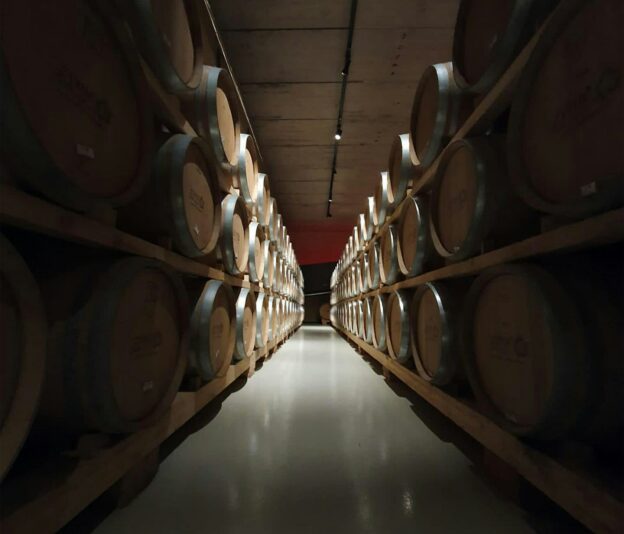
At its core, whisky cask ownership involves holding new-make spirit or maturing whisky in oak barrels within licensed bonded warehouses. Over time, interaction between spirit, wood and environment enhances flavour, while evaporation, the “angel’s share”, steadily reduces volume, increasing scarcity.
Each cask is a tangible, regulated asset, valued on factors such as distillery provenance, age, cask type, alcohol strength, expected yield and global demand. Entry points for Indian participants are designed to be relatively accessible by international standards, lowering barriers to a category traditionally perceived as exclusive.
An Alternative Asset
Internationally, whisky casks are often discussed alongside other alternative assets such as fine wine, art and classic automobiles. Historical performance has shown steady appreciation driven by maturation and limited aged stocks. However, experts caution that returns are not guaranteed. Liquidity is limited, holding periods are long, and ownership should not be equated with regulated financial products.
Mike Ward, Founding Partner at Marrowbone Lane Irish Whiskey, reinforces this disciplined outlook. “Irish and Scotch whiskey earned their reputations over centuries, not seasons. If a whiskey is worth making, it is worth waiting for,” he says.
A Category Defined by Time
As global whisky demand continues to rise, the conversation is evolving, from labels and launches to the quieter economics of ageing, bonded storage and stewardship. For Marrowbone Lane Irish Whiskey, opening cask ownership to Indian participants is not about speed or scale, but about building the category responsibly. In a world driven by immediacy, whisky remains an exception shaped not by urgency, but by time.
R. Chandrakanth
Ambrosia
Continue reading