Tag Archives: spirits industry

Diageo India acquires Nao Spirits

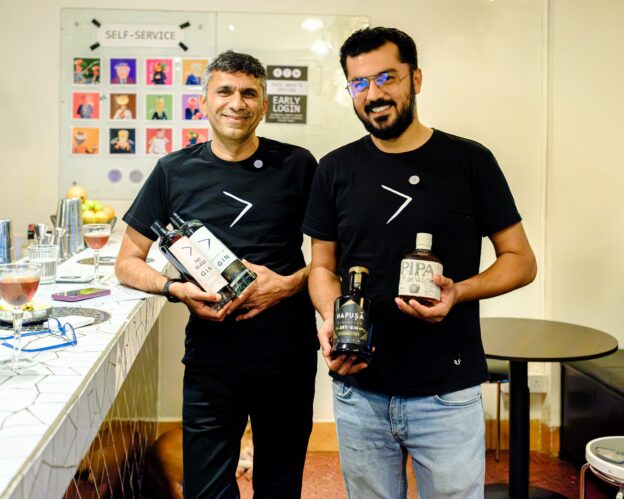
Diageo India has acquired Nao Spirits & Beverages, India’s craft gin makers (Greater Than and Hapusa brands), valued at Rs. 130 crores.

Diageo India (United Spirits Limited) has increased its equity stake in Nao Spirits from 30% to approximately 97.07%, making it a subsidiary of the company. With a final tranche pending, Diageo India is set to hold 100% ownership, bringing one of India’s most influential craft spirits startups fully into its fold. The transaction includes a secondary share purchase of ₹53.79 crore and a further infusion of ₹56 crore in growth capital — a strong commitment to scaling what began as a bootstrapped dream of India’s first homegrown gin.  

Founded in 2017 by Anand Virmani, Aparajita Ninan and Vaibhav Singh; and later joined by Abhinav Rajput, Nao Spirits created India’s first craft gin from the ground up. From a small distillery in Goa, they distilled more than just spirits – they distilled the movement that would later be celebrated as ‘Indian Craft Spirits’. ‘Nao’, derived from the word ‘boat’ in Portuguese is a nod to Goa’s history as a trading port and a play on the English word ‘now’, capturing the spirit of a confident, modern India.  

With Greater Than (2017), they introduced India to its first homegrown London Dry gin made with botanicals from around the world. With Hapusa (2018), they broke new ground with the world’s first Himalayan Dry Gin, bottling the wild spirit of the mountains with a premium, sipping gin. While Greater Than built the foundation, Hapusa gave gin a voice rooted in local flavour. Together, these helped build India’s craft gin category from scratch.  

Imaginative Limited Editions

Nao Spirits launched a series of imaginative limited editions—each one crafted to stand apart, both in flavour and in form:  Juniper Bomb (2020) – born from an accidental extended botanical soak that led to thrice the juniper flavour; No Sleep (2021) — India’s first coffee-infused gin; Broken Bat (2022) — the world’s first gin, aged using Kashmir Willow cricket bats; and Punk Gin (2023) – India’s first naturally infused pink gin made with real Mahabaleshwar strawberries, born from a place of rebellion.   

These never-before-seen limited editions broke convention and captured attention, each bottle a celebration of India’s biodiversity, ingenuity and evolving palate.  

“We started with a copper still named Agotha and a dream to make India proud. Today, we’re humbled and energised with Diageo India stepping in as a full partner and investor. Along the way, we realised that gin isn’t just about what goes into the bottle — it’s about the culture you build around it. From day one, we’ve been deeply focused on nurturing a community of bartenders, servers, and craft champions who could carry the story of Indian spirits forward in ways we never imagined. We’re proud that many of the original hands and hearts that built Nao Spirits are still with us today, and this next chapter gives us a chance to grow the culture we’ve helped shape with even greater reach and purpose. This isn’t the end of a journey, but the beginning of a new chapter; powered by the same people, the same purpose, and the same belief — that modern Indian spirits deserve their place on the world stage,” said Anand Virmani, Co-Founder & CEO, Nao Spirits & Beverages.   

The original team continues to lead Nao Spirits with the same creative direction and cultural clarity that have defined its journey from the start — now supported by Diageo India’s robust distribution network, production capabilities, and leadership strength.  

Amrut Bags Triple Gold at San Francisco World Spirits Competition

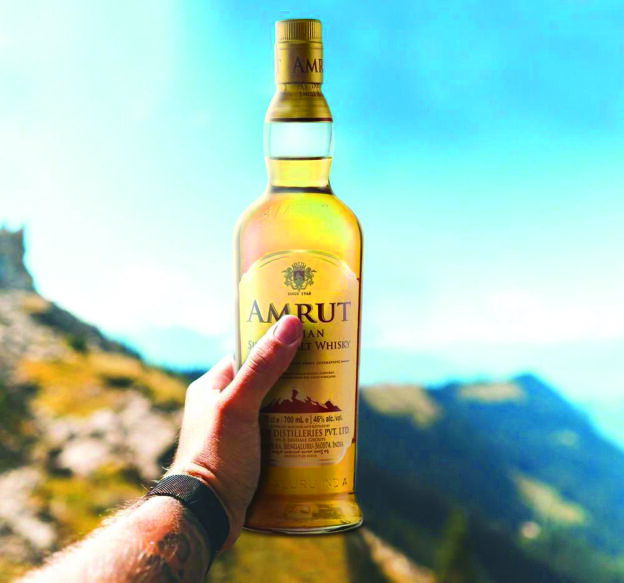
Amrut Distilleries from Bengaluru has walked away with several awards at the recently concluded 2025 edition of the San Francisco World Spirits Competition (SFWSC). Amrut made history by becoming the only Indian distillery to take home three Double Golds and an additional Gold.

The Double Gold winners are Amrut Fusion Single Malt; Amrut Indian Single Malt; and the Amrut Kurinji Indian Single Malt, while Amrut Peated Indian Single Malt bagged a Gold.

It was in 2010 that Amrut Fusion really put Amrut on the world map when Jim Murray, author of the Whisky Bible declared Fusion as the third best whisky in the world. Since then, there has been no looking back for Amrut, with the Indian market also standing up and taking notice.

At the San Francisco competition, it was Amrut Fusion which captured the imagination of the judges. Amrut Fusion, the brand ambassador of Indian Single Malt, is sourced from barleys from two distinct regions – Himalayas and peated barley from Scotland. It is distilled and matured separately in both old and new American oak barrels at the Benguluru distillery.

Amrut Indian Single Malt is the backbone of the brand’s identity. Using locally sourced barley and traditional techniques, Amrut captures the essence of the Indian terroir. The Amrut Peated Indian Single Malt offers a layered drinking experience.

The relatively newer Amrut Kurinji has quickly made its mark by portraying a different side of Indian whisky – one that’s unorthodox, adventurous, and expressive. It’s part of a new generation of spirits that aren’t afraid to take risks, much like the independent bottlers that inspired it. Bottled at 46% ABV, Kurinji epitomises the essence of Indian craftsmanship and terroir. Named after the Kurinji flower which blooms every 12 years in the Nilgiri hills, the whisky pays homage to the region’s natural beauty and cultural heritage.

Rakshit N Jagdale, Managing Director of Amrut Distilleries, said, “We are extremely pleased to receive this award from such a prestigious forum. It reaffirms that we are crafting spirits of truly world-class repute, and strengthens our resolve in the continued pursuit of delivering exceptional quality to our consumers.”

Piccadily Targets 1 Million Cases of Whistler Barrel Whisky in 3 years

  • Relaunches Whistler Barrel Aged Blended Malt Whisky
  • Positioned in mid-premium segment

Piccadily Agro Industries Limited has relaunched Whistler Barrel Aged Blended Malt Whisky, featuring new packaging and premium blend.

Piccadily said that Whistler’s new avatar is a celebration of barrel ageing, maturation and the art of blending. The finest matured malt and grain spirits have been handpicked and aged in oak wood barrels, creating a whisky that’s smoother, more elegant and even more memorable than before, it said. Inspired by the Whistler Warbler, a vibrant songbird native to the region of Indri, the packaging reflects the whisky’s premium ethos with a modern and sophisticated design.


The relaunched Whistler expression offers a more layered and complex drinking experience—crafted for today’s evolving palate, yet grounded in traditional whisky-making excellence.

Tasting Notes:

  • Nose: Warm and inviting, with dried apple and apricot at the forefront. Vanilla cream and caramelised malt add delicate sweetness, complemented by toasted oak, cinnamon, and floral hints.
  • Palate: Silky and well-rounded with a rich malt core. Notes of toffee, pineapple, and vanilla glide through the sip, underscored by gentle spice and warmth.
  • Finish: Medium to long, leaving a graceful trail of mellow sweetness and soft refinement.

Whistler Whisky (750 ml / 42.8% ABV) will be available across premium retail outlets and on-trade venues across India, with plans for export expansion in the coming months, the company said.

“Whistler’s new premium look is more than a brand refresh — it’s a strategic play to capture the next wave of premium whisky consumers,” said Praveen Malviya, CEO – IMFL, Piccadily Agro Industries Limited. “With its elevated blend and bold new identity, Whistler is poised to disrupt the mid-premium segment. Our goal is ambitious — 1 million cases in the next three years — and we’re confident Whistler will become a powerhouse brand that redefines what Indian blended malts can achieve.”

Piccadily Combats Counterfeiting with NFC Technology

  • First Indian alcobev company to do so
  • Innovative Smart Labels on Indian Single Malts

In a pioneering move to safeguard consumers and reinforce trust in premium Indian spirits, Piccadily Agro Industries Limited has become the first Indian alcobev company to implement ForgeStop’s cutting-edge anti-counterfeit smart label technology for its acclaimed Indri Single Malt.

With counterfeiting rampant in India—where it’s said that more Scotch is consumed than Scotland even produces—Piccadily has taken a bold and proactive step. By integrating NFC-enabled smart labels into its packaging, the company is setting a new benchmark in authenticity and transparency, investing significantly to ensure consumers receive only genuine, original products, reinforcing trust in premium Indian spirits.

ForgeStop InfoTap Labels on Piccadily products utilise EM Microelectronic echo-V chips with 128bit AES encryption and dynamically changing tokens – giving them bank level security and making them virtually impossible to fake. They also feature tag-tamper detection – alerting a consumer if the bottle seal has ever been broken – this prevents bottle re-use, a major issue with Alcohol counterfeiting that is difficult to combat with other technologies. Its platform creates a unique digital twin of every product at the moment of production and secures the product until it’s enjoyed by the customer. The software allows for app-free authentication and provides batch level product information – making it the most user-friendly anti-counterfeit technology available. This technology can be connected to the blockchain generating an immutable product journey – securing supply chains.

Unlike static technologies such as QR codes or holograms, this NFC tap and verify experience allows customers to simply tap their smartphones to the bottle to instantly confirm its authenticity and view batch-level information.

 “As a brand committed to authenticity and quality, we’re proud to be the first Indian single malt brand to take this bold step,” said Praveen Malviya, CEO (IMFL), Piccadily Agro Industries Limited. “Counterfeit alcohol is a serious issue in India and globally. With ForgeStop’s smart technology, our customers can enjoy Indri with the confidence that what’s in the bottle is exactly what we crafted.”

 “We’re proud to partner with Piccadily Distilleries, a globally recognised brand leading the way in product integrity. With ForgeStop’s smart label technology, consumers can instantly verify authenticity and access product information with a simple tap—no app required. It’s a seamless blend of security and brand storytelling.” said Terry Katz, CEO of ForgeStop.

 As per the TRACIT (Transnational Alliance to Combat Illicit Trade) September 2023 report on India, a significant share of alcohol sold in India is counterfeit—well above the global average—and the problem is escalating rapidly. Counterfeit alcohol not only harms brands, but also poses serious risks to consumer health.

Scotch Whisky Association unveils GI map

The Scotch Whisky Association (SWA) has unveiled an interactive map showcasing the breadth of legal protection for Scotch Whisky around the world. Scotch Whisky is specifically protected in a number of different ways around the world, including as a Geographical Indication (“GI”), through bilateral agreements between the UK and third countries, through Certification Trademarks or Collective Trade Marks, and in the domestic legislation of some countries.

These protections mean that the description “Scotch Whisky” can only legally be used on whisky wholly produced and verified in Scotland under the terms of the Scotch Whisky Regulations 2009 and Product Specification for Scotch Whisky. 

Considered the “gold standard” of protection, GI status provides a robust legal framework for action against any infringement. It allows court proceedings to be initiated against counterfeiters, with the possibility of damages, seizure, and even destruction of fake products.  

The trade association successfully registered “Scotch Whisky” as a GI in Azerbaijan at the end of last year. It was the latest market to grant Scotch Whisky GI protection and joins over 85 others in providing this specific level of legal protection. 

Different types of protection for Scotch Whisky do not deliver the same level of protection or the same effectiveness, with some markets offering one type of protection or another but little enforcement. The SWA’s Legal Affairs team works closely with in-market advisors to determine the best form of protection for Scotland’s national spirit. 

Alan Park, Director of Legal Affairs at the Scotch Whisky Association

Alan Park, Director of Legal Affairs at the Scotch Whisky Association, said, “Scotch Whisky’s global reputation means that there are many who want to take advantage of it by suggesting that their products are Scotch Whisky when they are not. Strengthening protection around the world and taking action to prevent the sale of fake products to protect Scotland’s national spirit is a key priority for the SWA. 

“We thank the UK government and our local lawyers in different markets for their support in securing legal protections around the world, giving consumers confidence in the authenticity and quality of Scotch Whisky sold in their local market.”  

Tilaknagar Industries PAT jumps 95.7%; EBITDA grows 62.6% in Q4 FY 25

IMFL manufacturer Tilaknagar Industries Limited (TI) has reported a major spurt in revenue and profit for Q1 2025. The company’s net revenue from operations grew 13.1% from ₹359 crore to ₹406 crore in the corresponding quarter last year. While the profit after tax (PAT), excluding exceptional items, showed a growth of 95.7%, rising to ₹77.35 crore from the ₹39.52 crore reported in the year-ago period.

TI reported a 62.6% growth in EBITDA from ₹48 crore to ₹78 crore in Q4 FY24, and they attribute this to improved operational efficiencies and volume-led growth,. Adjusted for subsidy income, the EBITDA stood at ₹65 crore, a 35.5% Y-o-Y growth.

The EBITDA margin registered a growth of 588 basis points; rising from 13.4% to 19.3% during the period under reference. In Q4 FY 25, the company recorded a volume growth of 20.1% Y-o-Y, signaling a strong return to its growth trajectory. This performance was reinforced by the successful completion of the Andhra Pradesh Route to Market (RTM) transition, which had previously impacted volumes. The company also reported significant market share gains across all key states, further reinforcing its competitive position in the Indian IMFL landscape.

Speaking on the performance, Amit Dahanukar, Chairman & Managing Director, Tilaknagar Industries said, “We anticipate sustained momentum, supported by continued market share gains across all major Southern states.”

For FY25, TI reported consolidated net revenue of ₹1,434 crore, up 2.9% Y-o-Y, impacted by a price reduction in Andhra Pradesh and muted volume growth in the first nine months. Despite modest growth in net revenue, EBITDA rose by 37.4% to ₹255 crore while PAT surged 62.9% Y-o-Y to ₹230 crore.

In FY25, TI made further progress in reinforcing its balance sheet, reducing gross debt and achieving a net cash position of ₹107 crore as of March 31, 2025. The Board of Directors has recommended a dividend of ₹1 per equity share for FY25.

During the year, TI strengthened its market presence, maintaining its position as the third-largest player in the Prestige & Above (P&A) IMFL segment in Telangana and Karnataka and the largest IMFL player in Puducherry, reflecting strong brand equity and deep market penetration. Additionally, TI has commenced distribution of the Spaceman Spirits Lab (Spaceman) portfolio, including Samsara Gin, in select markets. This follows the usership agreement signed between Spaceman and TI, marking a strategic step towards expanding TI’s presence in the premium craft spirits segment.

India, Central to Sazerac’s Growth Plans

The Sazerac Company, one of the world’s largest distilled spirits companies, has major plans for India. The company which has got some fine distilleries across the globe, including in Goa, India, continues to expand its business across continents. To know their rich history and strong distilling capabilities, one can visit Buffalo Trace Distillery in Kentucky, United States; at Domaine Sazerac de Segonzac in Cognac, France; and at Paul John Distillery in Goa, India. Sazerac has additional impressive locations in New Orleans, Montréal, London, Cork and Sydney, to name a few. Sazerac, a family-owned company with nearly 400 years of history, is striving hard to bring the finest spirits to consumers and communities around the world. With renewed interest in Bourbon whiskey in India and Sazerac’s plans, in an interview with Ambrosia, Diego Bianchi, General Manager of Emerging Markets & Barrel Select at Sazerac gives an insight into what is brewing at Sazerac.

What is the potential of the bourbon market in India? What percentage has it been growing in India?

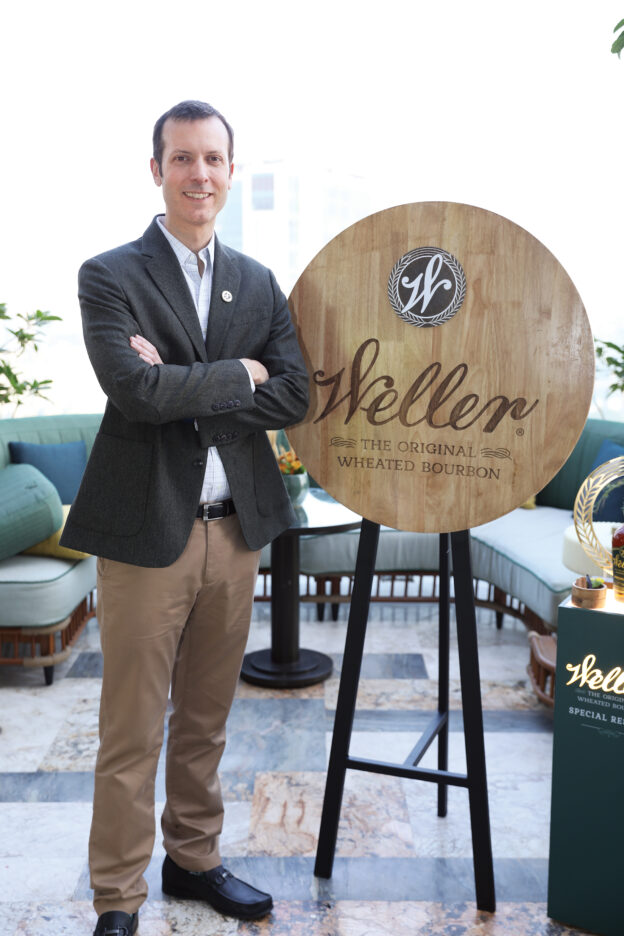
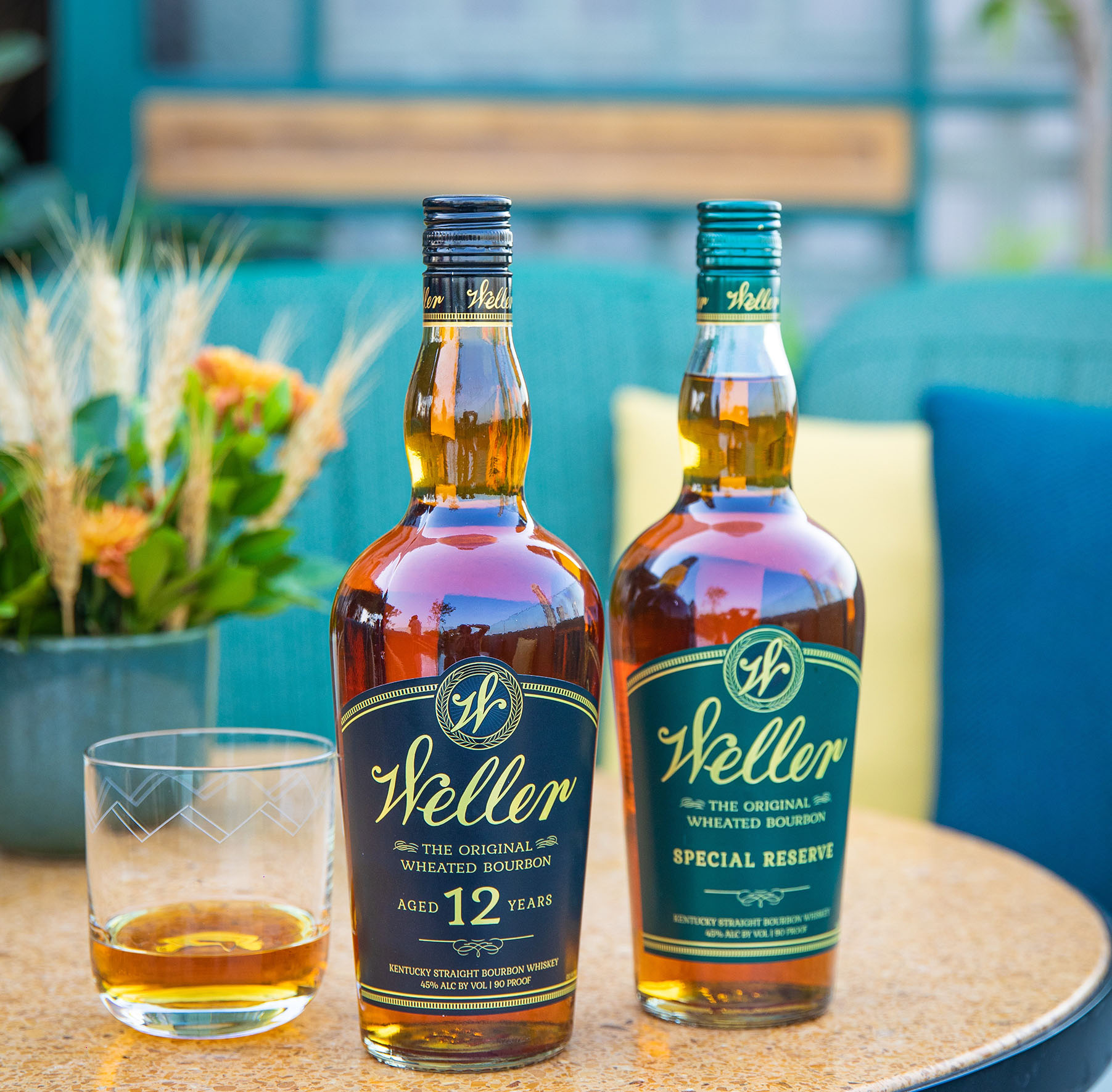
India, as the world’s largest whiskey market, is central to Sazerac’s long-term growth plans. Over the last few years specifically India has experienced an increase in interest in premium American whiskey. The recent launch of Weller Bourbon, one of the most awarded wheated whiskeys in the world, signals Sazerac’s commitment to introducing high-quality, premium spirits to Indian consumers to meet the growing demand in the country. While bourbon as a category is still in its early stages in India, we see tremendous potential for growth driven by favourable economic trends and policy reforms, as well as shifting consumer preferences.

The bourbon market in India is small compared to Scotch, what are the plans to grow this category?

India’s whiskey market, dominated by locally produced spirits and Scotch whisky, offers a unique challenge and opportunity for premium bourbons like Buffalo Trace Distillery’s Weller Bourbon. Buffalo Trace Distillery is the World’s Most Award-Winning Distillery, with over 1,000 accolades. Known for blending tradition with innovation, the distillery experiments with mash bills, barrel techniques, and wood types to continuously push the boundaries of bourbon-making. This commitment to quality and innovation ensures a dynamic and relevant portfolio for global whiskey enthusiasts.

Our goal is to drive awareness and elevate the bourbon category’s premium appeal by introducing interesting and varied expressions into the market. Educating consumers about the unique distillation process and various bourbon mashbills that make bourbon a distinct whiskey offering is a key piece of this.

With India’s premium spirits market poised for continued growth, Weller’s focus on heritage and storytelling, alongside collaborations with connoisseurs and bartenders, is helping position it as a premium yet accessible choice for spirits-enthusiasts.

Which brands of bourbon whiskey are you planning to bring to India?

Currently in India we offer Benchmark Bourbon, Buffalo Trace Bourbon and the recently launched Weller lineup of Weller Special Reserve and Weller 12-Year-Old. In the coming years we expect to continue to introduce Indian whiskey fans to even more of Buffalo Trace Distillery’s award-winning portfolio to meet the market’s increasing demand for luxury spirits and authentic storytelling.

Weller 12-Year-Old Bourbon, aged for over 12 years, offers a smooth, rich experience with notes of almond, creamed corn, and vanilla, best enjoyed neat or on the rocks. Priced at ₹5,400 in Haryana and ₹7,750 in Mumbai, it is India’s oldest age-stated bourbon.

Weller Special Reserve Bourbon features a smooth profile with flavors of honey, butterscotch, and soft wood, complemented by a sweet honeysuckle finish. Versatile for sipping or mixing, it’s priced at ₹2,500 in Haryana and ₹4,500 in Mumbai.

Sazerac is to ‘leverage’ its relationship with John Distilleries, could you explain how?

Sazerac currently holds a 60% stake in John Distilleries, and it has been a strong and productive partnership. John Distilleries’ deep understanding of the Indian market has been invaluable for Sazerac as we navigated India’s dynamic and highly regulated landscape. Through our partnership Sazerac has benefitted from the company’s well of industry knowledge and established practices specific to the Indian market.

With Bourbon duties cut from 150 to 100% in India, will we see a quantum jump in Bourbon sales?

The reduction in duties is a positive first step. We hope this will lead to more premium bourbon brands becoming available in India, helping to grow the category and educate the consumer about what bourbon is and why it deserves a place on their bar.

How will the duty cuts impact the Indian whisky market, per se? Will there be a price correction?

No comment.

“Bourbon, Welcome to India”

Ambrosia Magazine 2025 Awards jury member and global spirits expert shares his take on the future of Bourbon and American whisky in India. He is an award winning whisky expert, Keeper of The Quaich and Whisky Magazine Hall of Fame Member.

For the last twenty-five years whisky has enjoyed an unprecedented global growth in popularity, profit, expansion and appreciation in the alcobev industry, and among adult beverage consumers. While Scotch whisky has definitely dominated the landscape for decades, increasing – global travel, social media and global awareness has seen the world’s whisky industry explode. Whisky drinkers are now global explorers, enjoying flavours, aromas, enthusiasm and excitement from all over.

Nowhere is that more exciting than in India, the world’s largest whisky consuming and whisky producing country. India’s own export whiskies are gaining worldwide recognition, almost daily, as they continue to receive accolades and awards at major international competitions. The excitement is in India as well, not just for locally produced products but for whisky from other countries. The popularity of whisky continues to grow among Indian consumers as they explore outside the traditional boundaries. 

Bourbon, together with its sibling Tennessee whisky and with its cousin, American Rye whisky, is America’s most popular spirit and has been enjoying growth at home and abroad. Virtually every alcohol consuming culture has a whisky or two which uniquely identifies with the local ingredients, natural resources and climate. Some emulate Scotch whisky, as Scotch is iconic and renowned for its flavour and its traditions. Others celebrate their differences and use local grains and ingredients to achieve a whisky experience which reflects their origins.

Bourbon is a uniquely American spirit and, by law, regulation and international trade agreements, it is acknowledged and protected as such. To carry the label ‘Bourbon’, it must be made in the United States and distilled from at least 51% corn maize, which brings a sweet and fruity character all its own. The balance of grain, called a “mash bill” must be composed of cereal grains – generally rye or wheat – with some malted barley. Bourbon must be matured in new, charred oak containers. The production standards are very specific and while most Bourbon is produced in the state of Kentucky, it can be made in any part of the U.S.

What does the future hold for Bourbon globally and in India? The global Bourbon spirits market is experiencing strong growth, despite a current slowdown due to international tariffs and uncertainty, with projections indicating a rise from approximately $8.2 billion in 2022 to $12 billion by 2030, driven by factors like premiumisation, craft distilleries and international demand.

Here’s a more detailed look at the bourbon volume growth.

• Premiumisation:

Consumers in India and elsewhere are increasingly seeking higher-quality and premium whisky offerings, leading to growth in the high-end and super-premium categories.

• Craft Distillery Interest:

There is growth in craft distilleries and artisanal whisky production which caters to the demand for unique and distinctive spirits.

• International Demand:

Bourbon’s popularity is expanding internationally, with key export markets like Europe, Japan, and Australia showing significant recent gains.

• Popular Cocktail Culture:

The “Cocktail Revolution” continues to expand internationally. The growing popularity of Bourbon-based cocktails and the expansion of cocktail culture further fuels demand. Many classic whisky cocktails are quite adaptable to Bourbon. India is a current global hotspot for this revolution.

• Cross Demographic Appeal and Affordability:

Bourbon has two very important characteristics which make it particularly attractive. First, accessibility – there is the range of pricing from value brands, which are priced to compete with popular, less expensive spirits to ultra-premium labels which appeal to connoisseurs and collectors. The second, perhaps more important, appeal – Bourbon is transgenerational in its appeal and crosses the full range of enthusiasts of all ages, genders and economic classes. In India, this translates into a product which will appeal to younger, aspirational drinkers and explorers.

• Tourism and Distillery Visits:

With return to global travel and the unique relationship between The US and India, particularly in the tech industry where whisky enjoys exceptional popularity, there is resurgence of tourism and distillery visits, providing immersive experiences for consumers, contributes to market growth. This is particularly apparent in Kentucky and Tennessee just as it is also beginning to happen in India.

• Sustainability:

Many distilleries are embracing eco-friendly practices, aligning with consumer demand for environmentally responsible products.

Market Projections:

• Global Market Value:

The global bourbon spirits market is expected to reach $12 billion by 2030, growing at a compound annual growth rate (CAGR) of around 5.6% between 2023 and 2030.

• North America Dominance:

North America remains the dominant market for bourbon, benefitting from strong local demand and a well-established production infrastructure.

• India and Asia-Pacific Growth:

The Asia-Pacific region is projected to experience the fastest growth in the bourbon spirits market. The opportunities in India are exciting as US Bourbon currently enjoys an import duty advantage over its Scotch whisky competitors and cheaper local IMFL products, making it competitive.

• Producers such as DIAGEO, which makes the incredibly fast growing and much celebrated brand, Bulleit Frontier Whiskey Bourbon, as well as several other American whiskey brands, have a strong advantage because of their already well-established infrastructure and market presence in India as well as their familiarity with local whisky culture.

Specific Growth Figures:

•    In 2022, bourbon and Tennessee whiskey volumes in the U.S. grew by 4.2% to 29.7 million 9-liter cases, with revenues increasing by 10.5% to USD 4.5 Billion.

•    The global bourbon spirits market was valued at nearly US$ 8 billion in 2022 and is expected to reach US$ 15 billion by 2030.

•    The global Bourbon category is predicted to grow by 5% between 2022 and 2031.

•    The global bourbon spirits market was valued at $7.8 billion in 2021, and is projected to reach $12.8 billion by 2031, growing at a CAGR of 5% from 2022 to 2031.

The Bottom Line
– Bourbon’s Future in India

India is excited about American whiskey. A new, younger generation of educated, globally aligned consumers is energising the whisky market in India and Asia. Currently there are number of products available in India which includes Jack Daniel’s, Jim Beam, Woodford Reserve, Maker’s Mark, Gentleman Jack and Old Forester. And with the entry of Sazerac through John Distilleries Ltd as well as scores of other US companies, the Indian market will be flooded with bourbon and Tennessee whiskeys. Bourbon enjoys a particularly competitive advantage over other imported spirit products. My prediction – a bright and sunny future for Bourbon in India.

– Steve Beal

spiritsEUROPE deeply disappointed over EU announced Tariffs on US Whiskey & spirits

spiritsEUROPE has said that it is extremely concerned by the announcement of the European Union on rebalancing tariffs on US whiskey and other US spirits categories in response to US tariffs on steel and aluminium. It has urged the EU and the US to keep spirits out of unrelated disputes.

The announcement comes at a particularly difficult time for the spirits sector, amidst geopolitical tensions and a marked slowdown in many key markets. If implemented on 1 April, these tariffs will have a hugely damaging impact on the EU companies that produce US spirits, US companies that are heavily invested in Europe and all actors in the value chain, putting at risk the many jobs they support, including in rural areas.

“Yet again, spirit drinks have become collateral damage in an unrelated trade dispute. As highlighted in our numerous engagements with the European Commission over the last seven years, we fail to understand how this will help with the broader, unrelated dispute on steel and aluminium. The EU and US spirits sectors stand united in their steadfast commitment to maintaining transatlantic spirits trade tariff-free,” said Pauline Bastidon, Trade & Economic Affairs Director at spiritsEUROPE.

The 1997 reciprocal zero-for-zero agreement that eliminated tariffs on spirits led to a remarkable 450% growth in transatlantic trade until 2018, before retaliatory tariffs were first introduced. Their return would have devastating consequences for the sector and put at risk the strong transatlantic trade & investment flows that have benefitted both sides and created so many interconnections on both sides of the Atlantic.

“The clock is ticking. We urge the EU and the US to keep spirits out of unrelated disputes while they work on resolving their differences and protecting the vitally important transatlantic trade relationship,” she said.  

Indri’s Winning Streak Continues

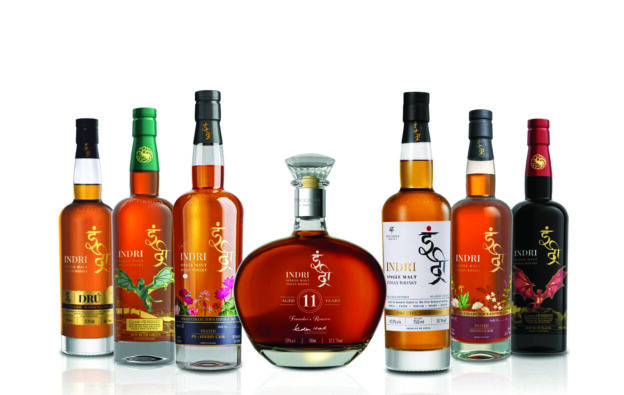
Piccadily Agro Industries Limited has once again made a resounding mark on the global whisky stage, winning six prestigious medals at the World Whiskies Awards 2025. The company’s flagship brand Indri Single Malt with its exclusive expressions, emerged victorious across various categories, reinforcing Piccadily Distilleries position as a trailblazer in the Indian and international whisky landscape.

Indri secured an impressive lineup of awards. They included Indri Founder’s Reserve Wine Cask 11 Years Old, 58.5% ABV (12 years and under – small batch) – Winner; Indri Refill Oloroso Sherry Cask Single Cask  03, 58.5% ABV (No Age Statement) – Winner; Indri 2024 Diwali Collector’s Edition, 58.5% ABV (No Age Statement – small batch) – Silver;  Indri Game of Thrones: House of the Dragon Exclusive Edition – House of Black, 46% ABV, (No Age Statement) – Silver; Indri Ex Sauternes Wine Cask Single Cask 47050, 58.5% ABV, (No Age Statement) – Silver; and Indri Game of Thrones: House of the Dragon Exclusive Edition – House of Green, 46% ABV (No Age Statement) – Bronze.

Since its launch, Indri has taken the international whisky scene by storm, challenging industry norms with innovative expressions that celebrate India’s terroir and expertise. With each award and accolade, Indri has established itself as more than just a brand—it’s a symbol of national pride and a testament to the potential of Indian single malts.

Shalini Sharma, Head of Marketing, Piccadily Agro Industries Limited said, “Indri’s journey has been nothing short of groundbreaking, and we are incredibly proud of these remarkable wins at the World Whiskies Awards 2025s. This recognition is a true testament to our relentless pursuit of excellence and our vision to firmly establish Indian single malts on the global whisky stage. Being recognised on such a prestigious international platform is not just a victory for Indri, but a triumph for Indian single malts as a whole. We are reshaping global perceptions, proving that Indian single malts can set world-class benchmarks and stand shoulder-to-shoulder with the finest whiskies across the globe.”