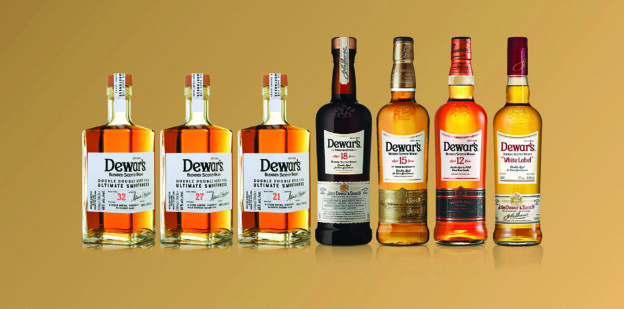
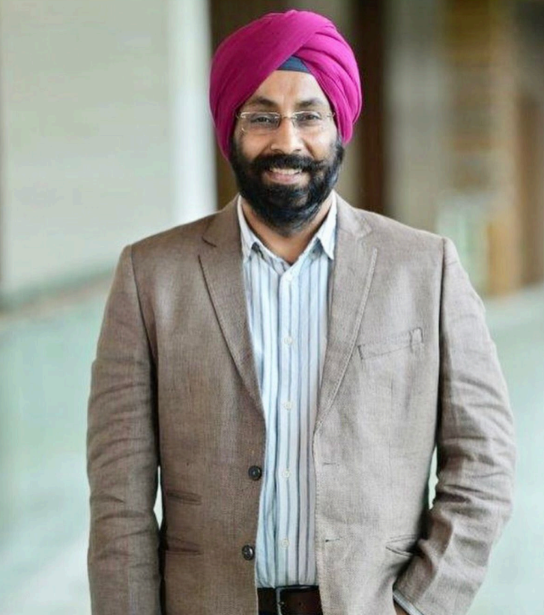
As India’s drinking culture evolves, the idea of indulgence is being quietly rewritten. Today’s consumer is no longer defined solely by what they drink, but how and why they drink it. Mindful moderation, premium non-alcoholic options, and experience-led consumption are reshaping bars, homes, and social rituals across the country. Bhavya Desai spoke to Inderjit Singh Dhingra, General Manager, Brown Spirits (India), Bacardi India on how DEWAR’S is navigating this transformation. Excerpts:
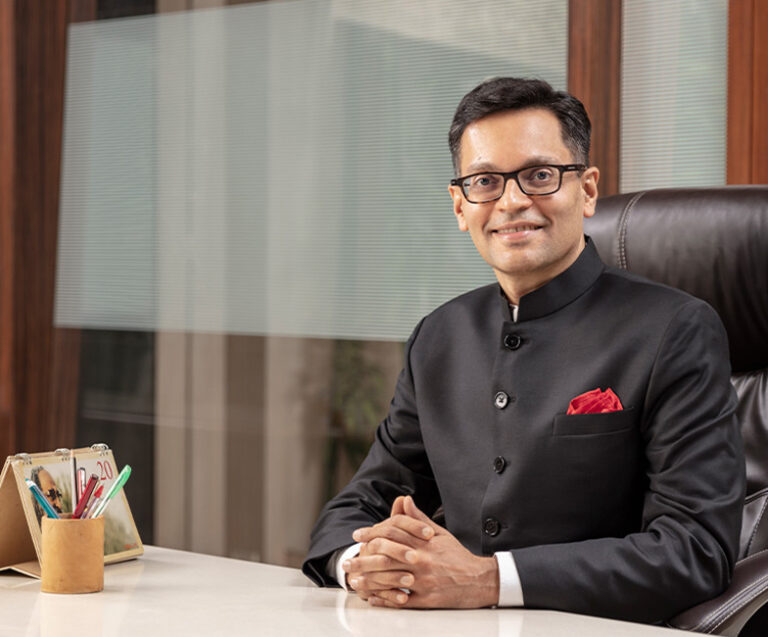
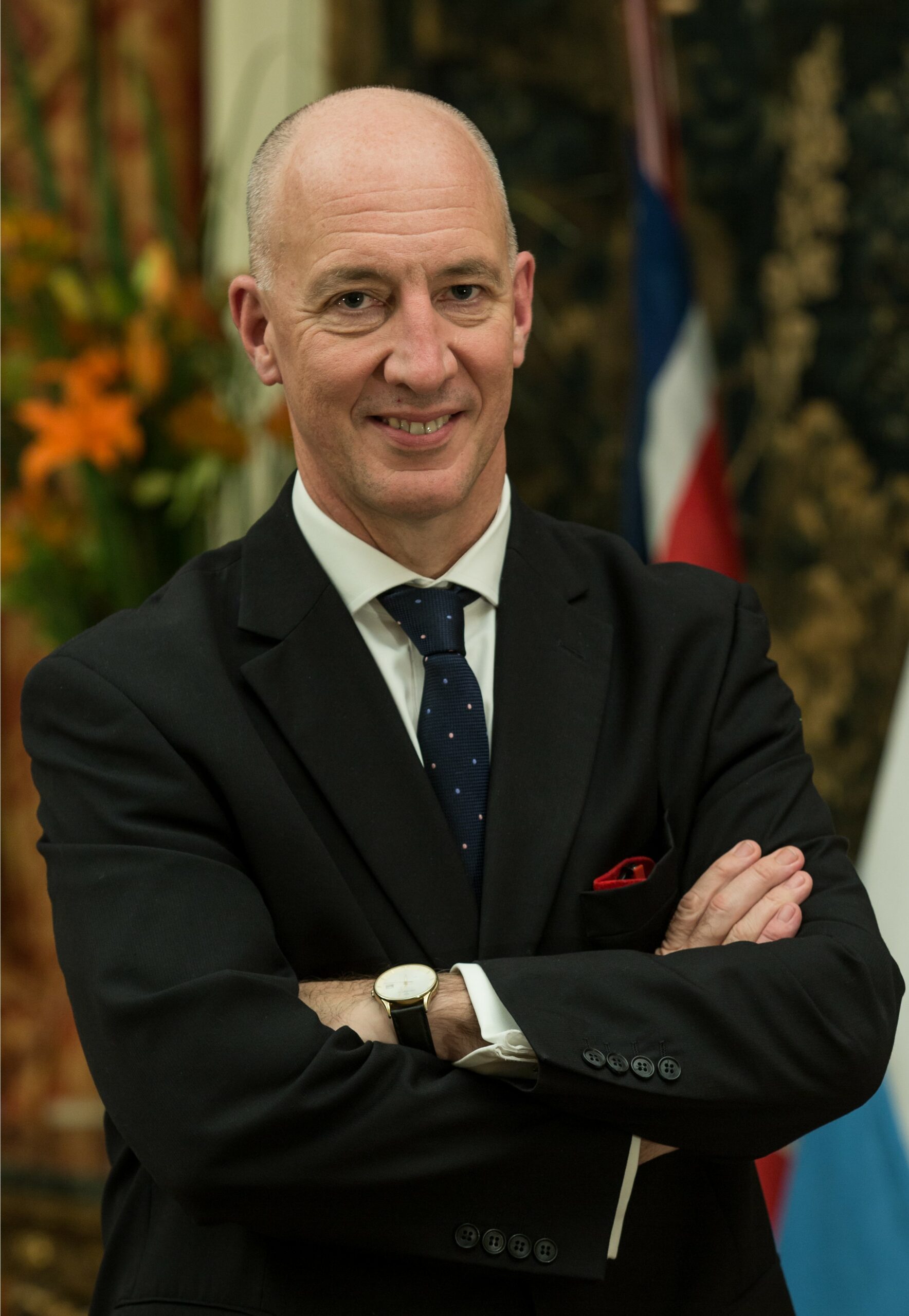
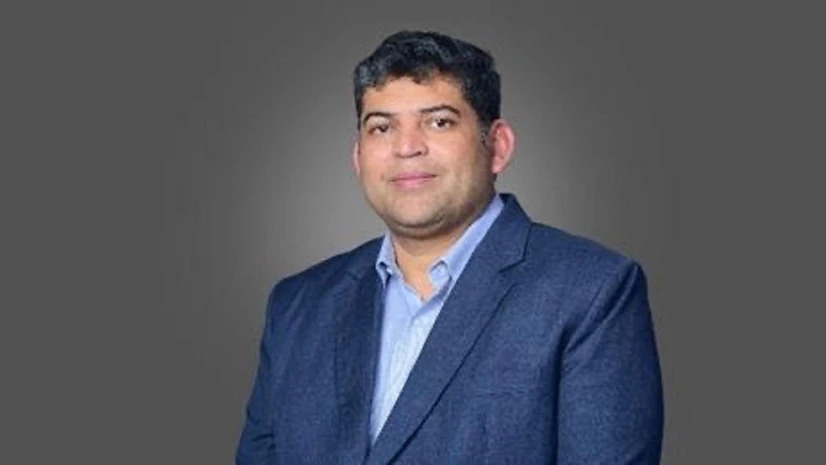
Inderjit Singh Dhingra, General Manager, Brown Spirits (India), Bacardi India
The non-alcoholic segment in India, Dhingra explains, is no longer a secondary choice or a compromise. Instead, it has emerged as one of the most dynamic spaces in the beverage landscape. Consumers today are making deliberate choices where they are choosing drinks that align with their lifestyles, moods, and social settings. And this ritual matters as much as the liquid. Glassware, presentation, complexity of flavour and the overall experience are now central to consumption—as much as the spirit.
This shift toward mindful moderation has prompted DEWAR’S to move beyond a traditional spirit-only mindset. The brand’s entry into premium mixers reflects a broader philosophy—one that ensures that every drink, alcoholic or otherwise, delivers the same standard of quality. Whether paired with a fine aged Scotch or enjoyed on its own, the aim is to make every moment feel elevated and intentional—and that Dhingra says is true to the DEWAR’S way.
What is particularly striking is how wide the appeal of this category has become. From younger consumers seeking visually appealing, well-crafted drinks, to seasoned whisky enthusiasts looking for balance without sacrificing quality, premium non-alcoholic options are finding a place across demographics. Even more traditional audiences are embracing these choices as part of modern socialising.
For DEWAR’S, this inclusivity fits naturally with its belief in experience-led drinking. Dhingra adds that for them every guest matters, and every serve should feel considered. By bringing craftsmanship and sophistication into mixers like soda and tonic water, the brand is extending its values beyond whisky— ensuring consistency in quality across the entire drinking occasion. Of course, that also gives them the fire power to do surrogate and expand the brand communication—an age old trick that many have used before.
Looking ahead to 2026, Dhingra points out that the way people drink is changing just as much as what they drink. Insights from Bacardi’s Cocktail Trends Report reveal a more intentional consumer—one who is trading up, learning more and engaging deeply with flavour and technique. Premiumisation is no longer reserved for special occasions; it has become an everyday expectation.
India’s consumers are also becoming increasingly cocktail-curious, eager to understand ingredients, methods and the stories behind their drinks. Social rhythms, too, are evolving. Earlier evenings, afternoon highballs and intimate gatherings are replacing late-night excess. The focus is shifting to meaningful connection— “day caps” instead of nightcaps—where quality trumps quantity. It is within this thoughtful, experience-first mindset that DEWAR’S feels most at home.
At the centre of DEWAR’S growth is a distinct consumer profile the brand calls “Life Explorers”. These are individuals who value authenticity, cultural awareness and enriching experiences over overt status symbols. Typically aged between 25 and 45, with higher disposable incomes, they invest in premium spirits and curated moments rather than fleeting trends. They are digitally engaged, socially active, and eager to share experiences—fuelling organic brand affinity.
Notably, DEWAR’S has also broadened its appeal beyond traditional whisky drinkers. As whisky appreciation becomes more inclusive, the brand has attracted a higher proportion of female consumers in India—around 34%, compared to the industry average of 24%. For these consumers, fulfilment comes from balance: success paired with freedom, and discovery paired with contentment.
Performance-wise, DEWAR’S continues to set benchmarks. It is currently the fastest-growing Scotch whisky in its segment, delivering a CAGR of over 30% in the last three years and maintaining year-to-date growth of over 25%. Yet, as Dhingra emphasises, what truly sets the brand apart goes beyond numbers.
DEWAR’S holds the distinction of being the world’s most awarded blended Scotch whisky—a testament to its unwavering commitment to quality. Central to this success is Master Blender Stephanie Macleod, whose ability to balance tradition with innovation has earned her the title of World’s Best Master Blender for six consecutive years. Her craftsmanship ensures that DEWAR’S remains timeless while continuing to resonate with today’s evolving consumer.
India, the world’s largest whisky market, represents a pivotal opportunity for the brand he adds. With the India–UK Free Trade Agreement expected to come into effect soon, Scotch whisky is poised to reach a wider consumer base than ever before he feels. For DEWAR’S, this makes India a must-win market.
The roadmap ahead focuses on consolidating leadership while sustaining momentum. Beyond scale and distribution, the brand is committed to building deeper connections through liquid innovation, immersive experiences, and culturally relevant storytelling. At its core, DEWAR’S remains anchored in its founding philosophy—creating moments and stories worth sharing.
He concludes that as India’s drinking culture continues to mature, DEWAR’S is not just raising a glass to growth, but to curiosity, craftsmanship, and connection. Here’s to discovering more. Here’s to the story.
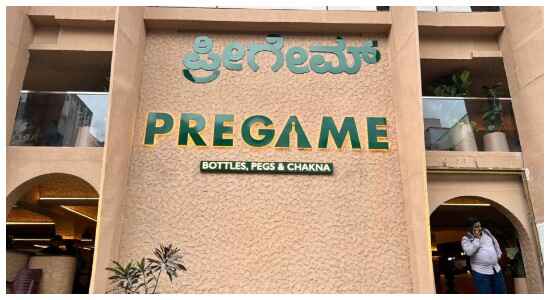
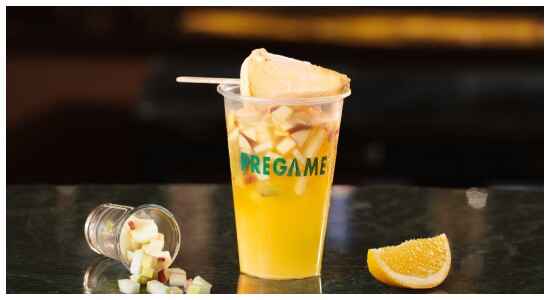
Bengaluru’s nightlife has never lacked imagination. Pubs are history, lounge bars are passe, microbreweries continue to vibe and now it’s the BYOB (bring your own booze or bottle, as you please) trend that’s making all the noise on social media. The city has long been India’s test lab for new drinking formats. Yet, the launch of ‘Pregame’ in Koramangala, a veritable waterhole, has added a fresh twist to that narrative, a hybrid concept that’s part liquor store, part bar, part restaurant, and entirely tuned into the city’s evolving drinking habits.
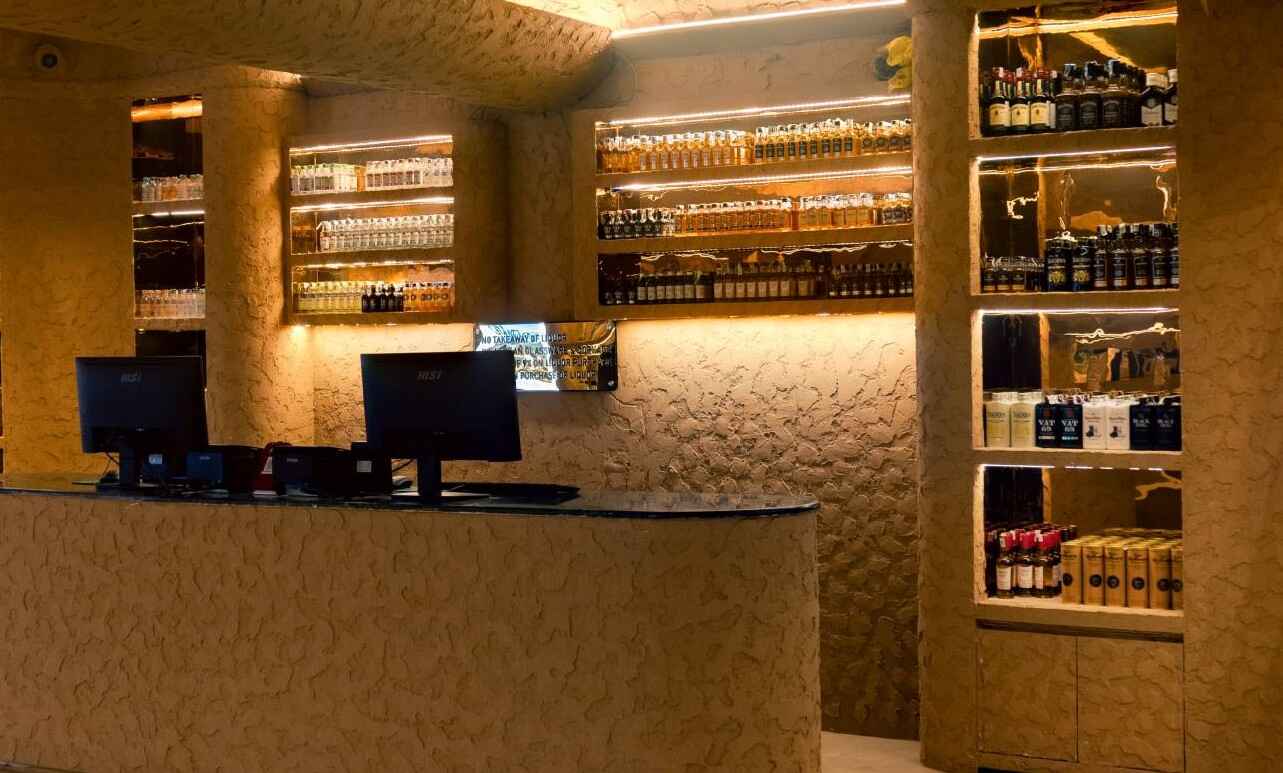
At first glance, ‘Pregame’ might look like another upbeat watering hole, neon signage, a buzzy crowd, a quick-serve menu, and loud playlists. But what sets it apart is its simple, subversive idea, “Bring your bottle, we’ll bring the vibe.” Customers can pick up a bottle from the liquor store on the ground floor or carry one they already own, and the venue takes care of the rest, the mixers, the glassware, the ice, the food, and the music. There is a minimal 9 per cent glassware and corkage fee.
Pregame founder S. Jagadish has created this space where people can shop, taste and experience the brands they prefer in a cool ambience and at prices that are so so reasonable. It is a go between a liquor shop and a pub, when it comes to pricing and experience.
It’s Bangalore’s newest “BYOB” (Bring Your Own Bottle) venue, but with a professional twist, legal, licensed, and curated for a safe, social, and Instagram-ready experience. And that’s precisely why it’s become a talking point across the city’s F&B circles.
Addressing a pain point
“We wanted to create a space that’s easy, social, and affordable,” adds Jagdish who describes Pregame as “an answer to the pre-drink dilemma.”
It’s a relatable pain point. In a city with soaring alcohol taxes and premium bar mark-ups, a night out can easily turn into a wallet-drainer. Many prefer gathering at home for a few drinks before heading to clubs later, hence the term “Pregame”. The founders simply turned that ritual into a business model.
At Pregame, guests can buy their bottle, pay a modest service fee, and enjoy the comforts of a bar without the inflated drink prices. The food menu is designed around the concept—shareable bar bites, skewers, sliders, and spicy chakhna. Add a DJ, community tables, and dim lighting, and you have a format that bridges the gap between home drinking and nightlife.
Bangalore’s Shifting Spirits Culture
The emergence of Pregame also signals a larger shift in the city’s drinking culture. Bangalore’s consumers, especially the 25–40 age group, are increasingly discerning about what they drink, how they drink it, and where.
Over the past five years, the city has seen a wave of premiumisation, the rise of craft gins, small-batch whiskies, and local rum brands. Artisanal spirits like Greater Than, Tamras, Samsara, and Short Story are now fixtures on retail shelves. Importantly, consumers are not just trading up, they’re also seeking control and creativity in their drinking experiences.
People are willing to pay for quality, but they also want flexibility. “The BYOB bar model like Pregame gives them both, they bring their own bottle, but still get the ambience and service of a bar. It’s clever and consumer-first.”
The BYOB concept is hardly new, but in India, it’s been a regulatory grey zone, with varying rules on liquor consumption in semi-commercial premises. Yet, states like Karnataka have slowly opened up to formats that blend retail and hospitality, provided they follow the correct licensing framework.
For Pregame, that’s where the innovation lies. The venue holds a retail licence, allowing the sale of alcohol to customers, and a separate dining space that offers the food and mixers. The result is a compliant, safe, and profitable middle-ground.
It’s not just about convenience. The social format itself has strong psychological appeal, shared ownership of the night. You bring your bottle, your friends bring theirs, and the venue turns it into a party. It makes the evening feel participatory rather than transactional.
This is also aligned with broader global trends. From London’s bottle clubs to New York’s mix-at-table lounges, post-pandemic nightlife has evolved toward personalisation and smaller, curated experiences rather than large-format drinking.
Changing Palates, Changing Playlists
Step into Pregame on a Friday evening, and you can sense the city’s evolving taste profile. The crowd isn’t ordering plain rum-and-coke anymore. Instead, they’re requesting tonics, ginger ales, low-sugar mixers, and even soda infusions with herbs or fruit. The cocktail menu focuses on refreshing spritzes, quick mixers, and easy pours that complement the BYOB ethos.
It reflects how Bengaluru’s drinkers have matured. The city’s residents, a mix of tech professionals, expats, and students, are increasingly health-conscious and mindful about consumption. The focus is less on quantity and more on quality and experience.
Low-alcohol and no-alcohol beverages are also making their way onto menus. Kombucha cocktails, flavoured sodas, and non-alcoholic G&Ts are regulars. This mirrors a larger urban trend—moderation as a lifestyle choice, not a compromise.
Experience is the Key
Another key reason behind Pregame’s buzz is its value proposition. With cocktail prices in premium bars often crossing ₹800–1,000, Pregame taps into a segment that seeks affordability without sacrificing atmosphere.
“Bangalore’s nightlife used to be binary, either dive bar or fine cocktail lounge,” says hospitality consultant Pranav Bhat. “Now, venues like Pregame sit neatly in the middle. They’re social, safe, and stylish, but they don’t intimidate you with luxury pricing.”
And that’s the sweet spot for Gen Z and millennial consumers. They’re drinking less, but better. They’re brand-aware, social-media-savvy, and eager to explore homegrown spirits. They prefer venues that feel authentic, communal, and experience-driven.
The timing couldn’t be better. Karnataka remains one of India’s largest alcohol-consuming state, and Bengaluru is its most lucrative market. Post-COVID, liquor retail sales in the city have surged, and premium spirits have seen double-digit growth.
This has also led to experimentation in how alcohol is retailed and served. Liquor boutiques with tasting counters, in-store mixology demos, and restaurant-linked stores are beginning to appear. The government’s push to formalise retail through better licensing has opened space for such innovation.
Industry analysts see formats like Pregame as part of a wider trend—the blending of retail, entertainment, and lifestyle. What used to be three separate industries are now converging.
If this experiment succeeds, it could redefine what a “bar” means in India’s metros. Not every social drinker wants a club or an expensive cocktail den. Some just want a table, their own bottle, good food, and better company, and that’s precisely the space Pregame is betting on.
In a city that loves its craft beer and boutique gins, the next phase of evolution might not be about what’s in the glass, but where and how that glass is raised.
Positions Itself as a Founder-Led Super-Premium Label
Roll out across Maharashtra, Goa, Hyderabad, and NCR initially and national market
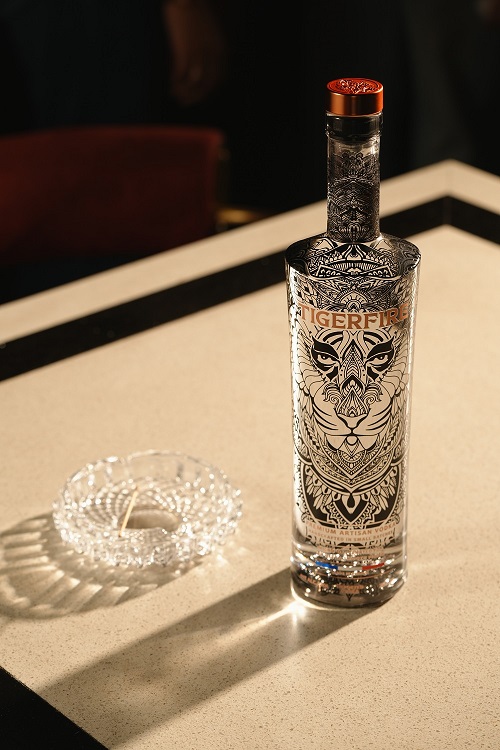
India’s premium spirits segment has a new entrant with the launch of TIGERFIRE Vodka, a French-crafted, super-premium brand co-created by actor Sanjay Dutt and entrepreneur Paresh Ghelani. After establishing a presence in the United States across premium retail and on-premise channels, the brand is now making its India debut with a strong focus on craftsmanship, design and founder-led authenticity.
Unlike celebrity endorsement-driven labels, TIGERFIRE is positioned as a brand built directly by its founders. Dutt spent four years working with master distillers in France to shape the liquid profile, which he describes as an expression of personal resilience and reinvention.
“TIGERFIRE is not a product, it is a piece of my story,” Dutt said. “It reflects the fire that has defined my journey and the belief that no matter how hard life hits, you never give in.”
Ghelani, who has led the brand’s strategic foundation and long-term planning, said India’s emerging consumer base is ready for spirits with global quality and a strong sense of purpose. “India’s new consumer is sophisticated, globally aware, and values authenticity. TIGERFIRE was built for that audience — crafted with precision and designed to endure.”
The brand’s core philosophy, “Never Give In,” draws on themes of grit, inner strength and second chances. Its design language is similarly rooted in storytelling. Led by global brand strategist Jason DeLand, the bottle went through two years of prototyping and features black-and-rose-gold detailing, intricate filigree inspired by Indian artistry and a distinctive mark of tiger eyes modeled on Dutt’s own.
Produced in France using 100% French winter pastry wheat, naturally limestone-filtered groundwater, triple distillation, triple charcoal filtration and micro-oxygenation, the vodka carries a 95/100 rating from the Beverage Testing Institute. TIGERFIRE is positioned as an artisan, character-driven spirit with a peppery warmth, silky texture and subtle smoky finish.
The brand is targeting the premium and lifestyle-driven vodka consumer, with a design and identity built around bold minimalism and a masculine, black-led aesthetic. TIGERFIRE will first roll out in Maharashtra, Goa, Hyderabad and the National Capital Region, followed by expansion into other Indian markets and select international duty-free locations.
With the launch, Dutt and Ghelani aim to build TIGERFIRE as a long-term global platform anchored in resilience and craftsmanship, rather than a momentary celebrity-led offering.
Launch marks entry into whisky for India’s largest brandy producer
Seven Islands is an Indo-Scottish 100% Pure Malt Whisky, made with four distinct single malts
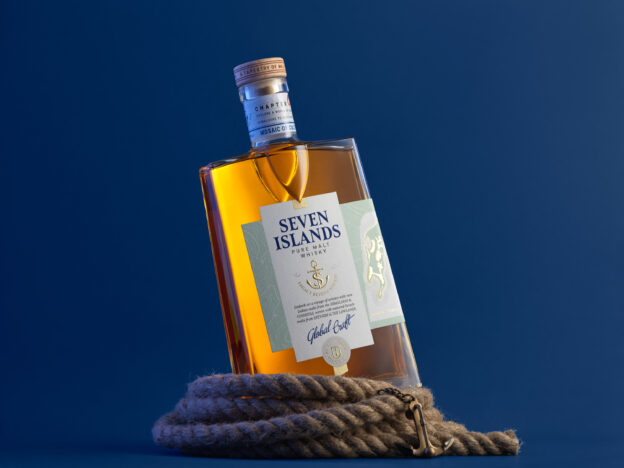
Tilaknagar Industries Ltd. (TI) has recently enterd into the premium whisky category with the launch of Seven Islands Pure Malt Whisky. Crafted from select Indian and Scottish malts, it is a distinct 100% pure malt expression.
The launch marks a significant strategic expansion for TI, best known for building India’s brandy market with icons like Mansion House and more recently, Monarch Legacy Edition, and comes on the heels of its announcement of the acquisition of Imperial Blue, the world’s third largest-selling whisky brand. With this, the 90-year-old company establishes whisky as its second major growth pillar alongside its long-standing leadership in brandy.
“India’s whisky story is evolving faster than ever, with growing consumer demand for premium and luxury expressions. Seven Islands marks TI’s entry into this dynamic category, bringing together Indian craftsmanship and global expertise to create a whisky that is both distinctly Indian and globally competitive. With whisky commanding over 60% of India’s spirits market, expanding into this category was the next natural step for us,” said Amit Dahanukar, Chairman and Managing Director, Tilaknagar Industries.
A New Style of Whisky
Seven Islands introduces a style that moves beyond the single-malt focus that has shaped recent conversations around Indian whisky. As a pure malt, it blends four single malts—two from India and two from Scotland, allowing it to draw unique characteristics from multiple distilleries, regions and maturation styles.
The Indian malts are sourced from the Himalayan foothills and the Vindhyan ranges, bringing the influence of high-altitude and tropical ageing. These are paired with malts from Speyside and the Lowlands, two of Scotland’s most recognised whisky regions. This Indo-Scottish duality creates a profile not possible through a single-region malt. With single malts driving recent premium growth, Seven Islands offers a new direction: a pure malt style shaped by two climates, two traditions, and a more complex blending philosophy.
A Tribute to Mumbai’s Seven Islands
Seven Islands takes its name from the archipelago of seven islands that once formed the city of Mumbai—the long-time home of Tilaknagar Industries and the backdrop to much of its growth. This connection is built into the bottle design. Two converging lines create the V-cut neck, hinting at the Indian and Scottish malts coming together, while fine cartographic lines reference the contours of the original islands. At the centre sits an anchor motif, a nod to Mumbai’s maritime heritage. The palette of sage, cream and gold keeps the design crisp, contemporary and quietly premium.
“Seven Islands reflects our vision for House of TI, our new vertical which includes our premium portfolio and investments arm. House of TI was created to shape our premium and craft-led portfolio, beginning with Monarch Legacy Edition. With Seven Islands, we wanted to bring a new perspective and style to Indian whisky. It felt like the right way to introduce something distinctive, and a meaningful step forward for us as we expand into the whisky category,” said Sanaya Dahanukar, Marketing Manager, Tilaknagar Industries.
The Whisky Opportunity in India
Whisky remains India’s most loved and aspirational spirits category, accounting for about 66% of total consumption in 2024 according to IWSR. By volume, Indian whisky grew 7% year-on-year in H1 2025, crossing 130 million cases and showing continued premiumisation. Exports are expanding as well, signalling rising global interest in Indian-made whiskies and premium expressions. For TI, a company that has built scale and expertise through long-standing leadership in brandy, the opportunity in whisky presents a clear and timely growth avenue.
Tasting notes:
Colour: Natural, brilliant, golden yellow.
Aroma: Smooth and inviting, with tropical fruits, dried nuts, and hints of French and American oak layered with Indian spice.
Taste: Full-bodied and balanced, with sweet, dried fruits, soft spice, creamy texture, and a touch of smoke.
Finish: Long, smooth, and warm, with lingering notes of oak, spice, and dried fruits.
Tilaknagar Industries Limited (TI) has registered robust volume growth, healthy profitability and continued strengthening of its balance sheet in Q2FY26.
During the quarter, TI’s sales volumes grew by 16.2% year-on-year, reaching 34.2 lakh cases, driven by strong consumer demand and market share gains across most key markets. TI’s net revenue stood at ₹398 crore, recording a 6.2% year-on-year growth. Adjusted for subsidy, the net revenue grew by 9.3% year-on-year, reflecting sustained brand momentum and portfolio premiumisation. The net sales realisation improved sequentially from ₹1,193 in Q1 FY26 to ₹1,215 in Q2 FY26.
The company reported an EBITDA of ₹60 crore and a Profit After Tax (PAT) of ₹53 crore, translating into an EBITDA margin of 15.1%. Adjusted for subsidy, the EBITDA grew by 8.2% year-on-year, while the PAT margin improved by 14 basis points to 13.2%.
Amit Dahanukar, Chairman & Managing Director
Amit Dahanukar, Chairman & Managing Director, Tilaknagar Industries said, “We continue to gain market share across key markets, supported by the strong performance of our core brands. The new launches are helping to expand our premium portfolio as well as our geographic footprint. Our established brandy portfolio, an emerging whisky saliency and a balanced regional mix are supporting our move to be a pan-India player and build a differentiated premium portfolio.”
For the first half of FY26, Tilaknagar Industries reported a 21% year-on-year growth in volumes, reaching 66.2 lakh cases. TI’s net revenue stood at ₹807 crore, up 17.4% year-on-year (adjusted for subsidy: 14.4% growth). EBITDA for H1 FY26 was ₹155 crore and PAT was ₹141 crore, representing an EBITDA margin of 19.2% (adjusted for subsidy: 15.1%) and a PAT margin of 13.2%, reflecting a 106-basis point expansion year-on-year. The Advertising & Promotional reinvestment rate (as a percentage of subsidy-adjusted net revenue) rose from 0.5% in H1 FY25 to 1.7% in H1 FY26, emphasising the company’s continued investments in strengthening its brand equity.
On the balance sheet front, the company continues to maintain a strong financial position with gross debt of ₹47 crore and a net cash position of ₹1,086 crore. The quarter also saw strong traction in new markets, with launches in Odisha, Telangana, Kerala and Karnataka, led by Mansion House Whisky, Monarch Legacy Edition Brandy and Spaceman Spirits Lab Pvt. Ltd. portfolio including Samsara Gin and Amara Vodka.
Renowned for its rich history, complex flavours, and timeless elegance, Scotch whisky has long been regarded as the pinnacle of distillation craftsmanship. The world’s love for Scotch is unmatched, more Scotch whisky is enjoyed globally than American, Japanese, and Irish whiskies combined. In 2024, Scotch whisky exports reached £5.4 billion, with an astonishing 43 bottles shipped every second to markets across the world.
Representing over 90 companies, from global spirits giants to family-owned distilleries and emerging producers, the Scotch whisky Association (SWA) is the principal voice of an industry that accounts for the vast majority of Scotch production. Its mission is clear: To secure a sustainable and thriving future for Scotch whisky.
Mark Kent, Chief Executive, SWA
In this interview with Ambrosia, SWA Chief Executive Mark Kent discusses the challenges and opportunities that lie ahead for the industry in India, particularly in the wake of the landmark Free Trade Agreement between the United Kingdom and India.
With the UK–India FTA set to halve the current 150% tariff on Scotch whisky when it comes into force in 2026, how does the Scotch whisky Association expect this landmark agreement to reshape export growth, market access and industry collaboration with Indian producers over the coming decade?
The UK-India free trade agreement has the potential to be transformational for many Scotch whisky producers in the coming decades. Scotch whisky’s largest export market by volume, India is also the biggest whisky market in the world, and Scotch has the potential to grow its share over the long term as the FTA comes into force. The current 150% tariff, which will halve once the deal enters into force in 2026, has been a significant barrier for many Scotch Whisky producers in accessing this important developing market.
The growth opportunities for the Scotch category in India has seen the SWA campaigning for a UK-India deal for many decades. Our current focus is on the deal coming into force, and on Scotch whisky producers—whether they are currently exporting to India, or are planning to—getting the support needed here at home, which will enable them to grow sustainably and develop their offering in what is a complex and vast market. The Indian market is already well educated in Scotch whisky and is forecast to keep growing over the coming years across multiple categories.
We anticipate that the FTA will, over time, increase diversity of choice for Indian consumers as more Scotch whisky producers enter the market. It will also boost opportunities for growing bulk exports, which are either bottled in India or used as an ingredient in Indian Made Foreign Liquor (IMFL) products, strengthening an already-established spirit of collaboration between the Scotch whisky sector and Indian producers. There is real potential for the FTA to signal an era of strategic partnership between whisky sectors on both sides, and we’ll look to collaborate further with our counterparts in India on issues that will support each of our industries.
How is the SWA working with both governments and industry partners to ensure smoother market access for Scotch in India—especially given the state-by-state regulatory complexity—and to help distillers, including smaller companies, benefit from the FTA?
Ensuring smooth market access, not just to India overall, but to individual states will be particularly important over the coming years, particularly for smaller companies for whom India is a huge and complex market. The SWA is working with Indian industry colleagues and in-market trade bodies, as well as the UK and Indian Governments, to ensure a smooth implementation of the deal that supports the needs of businesses and consumers in both markets. The UK Government have championed the Scotch whisky industry’s growth prospects through negotiations, and the implementation of the FTA will be a positive opportunity for Scotch whisky distillers to tap into the market.
Alongside business growth opportunities, the FTA has the potential to increase revenue for the Indian government at federal and state level through an increase in sales as the tariff is lowered, so it is in everyone’s interest to ensure that the deal can come into effect quickly. The SWA’s recent visits to India, in October and early November, focused on creating the building blocks and relationships for a smooth and fair implementation of the deal for both markets.
How is the SWA working to deepen Indian consumers’ understanding and appreciation of Scotch whisky while supporting both large and small Scotch producers as they introduce new expressions in a rapidly evolving market?
As the world’s largest whisky market, the Indian consumer is already very discerning, so a lot of groundwork in educating the market on Scotch is well established. While the presence of different Scotch whisky companies varies in the Indian market depending on their size and years in business, there are opportunities to grow consumers’ appreciation of Scotch as new expressions and brands are introduced to the market. As a trade body, we look to support all our members, who range from multinational companies to small independent distillers, to realise their ambitions in the Indian market regardless of scale.
The tariff reduction in the FTA will also benefit the domestic Indian industry and drive investment in India by providing greater access to bulk Scotch whisky used in IMFL products or for bottling. The growth of Indian Single Malts, both in India and the UK, is testament to the premiumisation of the Indian market, and the Scotch whisky industry is committed to working with Indian industry partners to deliver these shared opportunities. The FTA is a signal of that collaborative approach, and we want sectors on both sides to thrive as a result.
Indian whisky brands are growing rapidly, both at home and abroad. How does Scotch plan to differentiate and retain its heritage appeal in a market where Indian whiskies are gaining sophistication and global recognition?
It is really positive to see such interest in the entire whisky category in India, with Indian Single Malts also growing in popularity in the UK, and this growing appreciation can only be a good thing for the entire category. Both categories are benefiting from increased investment between the UK and India, and this will be further driven by the FTA, as well as the partnerships between the Indian and Scotch industries. As consumers in India explore the whisky category, Scotch is a natural step on the “whisky journey” due to its unique heritage, provenance and quality. Scotch whisky’s current share of the Indian whisky market is around 3%, and even as this grows over time through the implementation of the FTA, it will still retain a relatively small portion of the market. What’s exciting for our sector is the potential to increase the range of Scotch whisky brands and expressions available to the Indian consumer, which enhances the global appeal and reach of the Scotch category overall.
Sustainability is increasingly important for global consumers. How is the Scotch whisky industry integrating sustainability into its export growth strategy in India, particularly given the environmental challenges of expanding in new markets?
The Scotch whisky industry is committed to long-term sustainability from grain to glass, and our sector’s work to decarbonise our operations and supply chain run in tandem with our ambitions for growth. Ongoing dialogue with regulators here in the UK and around the world is important to ensure that the industry’s forward planning aligns with policies that address climate impact, always bearing in mind external factors such as the development of key growth markets.
How is the Scotch whisky industry working with Indian partners to explore deeper collaborations—whether in production, standards, sustainability, or tourism—and to unlock new cross-sector opportunities as the FTA opens up the market?
The Scotch whisky industry is keen to work with our colleagues in India on shared challenges and cross-sector opportunities for growth in both markets. This can include work to strengthen the definition of single malt and guarantee standards for consumers, to exploring the opportunities that a greater variety of bulk Scotch whisky can offer to Indian importers. During our recent visit to India, we met with representatives from across the Indian industry, discussing how we can continue to develop our partnerships to support sustainable growth and deliver on shared objectives, and we hope to be able to continue these conversations in Scotland next year. From driving sustainable production methods and encouraging responsible alcohol consumption, to tourism and hospitality promotional activities, collaboration should benefit and futureproof industries in both the UK and India and give consumers a greater access to the fantastic range of Scotch whiskies that the sector has to offer.
ABD Maestro has announced the launch of its homegrown contemporary spirit — RANGEELA Vodka, co-created with Ranveer Singh.
Priced at ₹2,400 for 750ML in Maharashtra, RANGEELA will be available across select outlets in the state, followed by roll outs in Goa, West Bengal, and key northern markets in the coming months.
The RANGEELA vodka is conceptualised under Ranveer Singh’s creative direction and much like him screams vibrant and expressive. The brand also draws inspiration from India’s colourful personality, lively, confident, and unapologetically bold, while aligning with the growing trend of premiumisation and cocktail experimentation among young Indian consumers.
The vodka is triple-distilled and platinum chill-filtered for exceptional smoothness and clarity, combining world-class technique with Indian flair.
Commenting on the launch, Ranveer Singh, Co-Founder and Creative Partner, ABD Maestro, shared,
“RANGEELA celebrates the spirit of India — colourful, creative, and full of life. It’s for those who express themselves freely and live with unfiltered energy.”
Bikram Basu, Managing Director, ABD Maestro, added,
“With Ranveer as Co-Founder and Creative Partner, RANGEELA aims to set a new benchmark for Indian vodka. It combines superior quality with innovative design and communication that celebrates colour, character, and fun — created for India and the world.”
With its vibrant design, smooth texture, and creative positioning, RANGEELA Vodka marks a bold new chapter for ABD Maestro, reaffirming the brand’s place at the forefront of India’s premium vodka movement. Stay tuned for a review.
Impacted by a stronger-than-usual monsoon, in a muted beer market UB gained market share (sell-out)
Overall, sell-in volume declined 3% with premium up 17%, continuing its growth trajectory ahead of the market
Net sales in Q2 down 3% where volume decline
Continue to invest behind brands (+22%) in line with its commercial strategy
Accelerating productivity agenda to drive sustainable & profitable growth
United Breweries Ltd (UBL) recently reported a subdued performance in the second quarter of FY26 as adverse weather conditions and muted demand in key markets weighed on beer sales, even as premium brands continued to gain traction.
The company’s consolidated revenue for the quarter ended September 2025 stood at ₹2,067.7 crore, down 2.8% year-on-year and sharply lower from the preceding quarter, reflecting the broader softness in consumption trends. Profit after tax declined 65% to ₹46.3 crore, while earnings per share slipped to ₹1.76 from ₹5.00 a year earlier. Operating margins came under pressure as input costs and a weak sales mix limited profitability, leading to a 63% year-on-year fall in profit before tax to ₹65.8 crore.
Vivek Gupta, Managing Director of UBL
The Managing Director of UBL, Vivek Gupta has said the company was gaining market share, adding nearly 100 basis points in the latest quarter and more than 100 basis points for the first half. “Our brand fundamentals are extremely strong.”
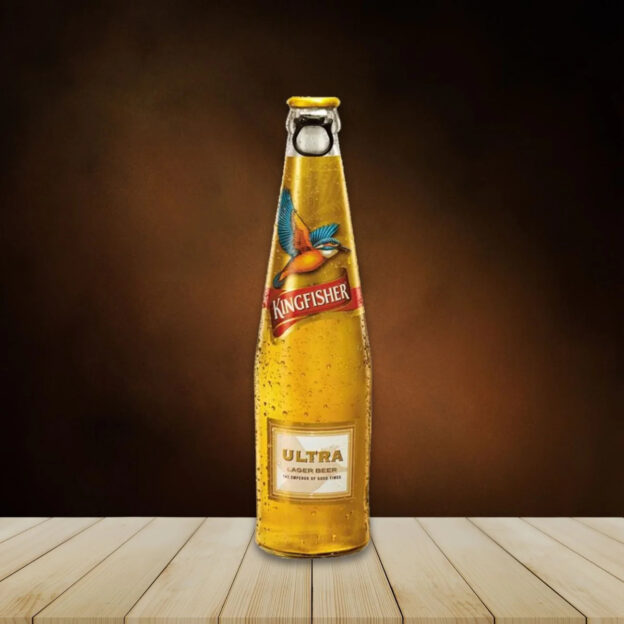
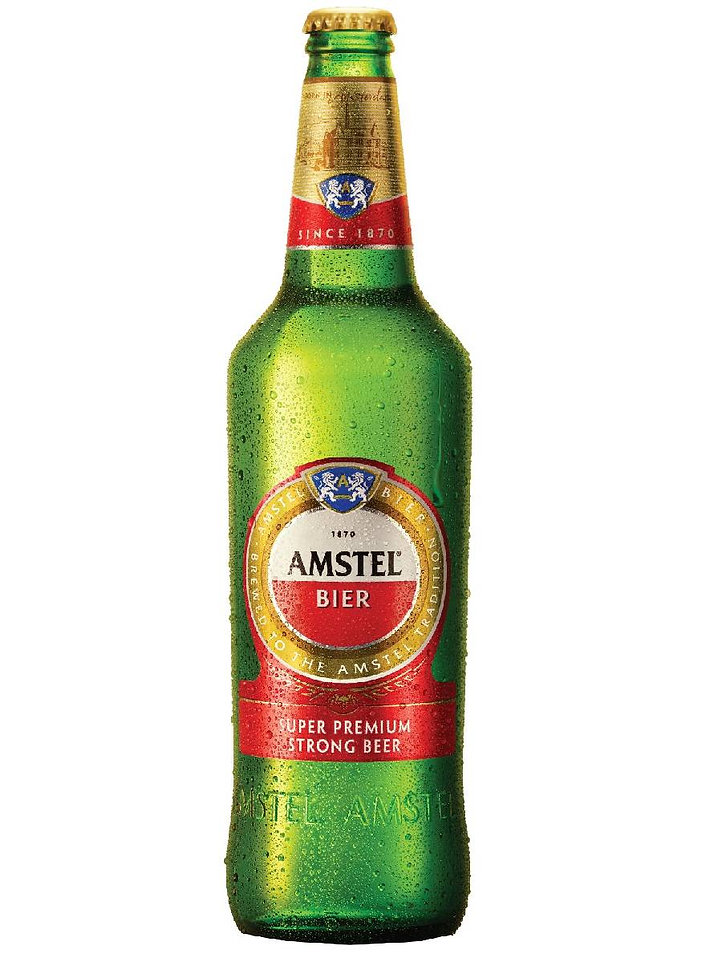
UBL attributed the slowdown largely to erratic monsoon patterns and weaker-than-expected offtake across western and southern states, traditionally its strongest beer markets. The company said that volumes were down about 3.4% year-on-year, marking one of its most challenging quarters since the post-pandemic recovery began. However, it underscored the resilience of its premium segment, which grew an impressive 17% in volume terms, driven by strong consumer demand for brands like Kingfisher Ultra, Heineken Silver and Amstel. This continuing “premiumisation” trend remains a bright spot, indicating a shift toward higher-value offerings even as overall consumption plateaued.
Total volume declined 3.4% in Q2, with growth in mainly Maharashtra, Andhra Pradesh and Assam more than off-set by adverse weather across its footprint as well as stock-building in Q2-FY25 following the peak season impacted by national elections.
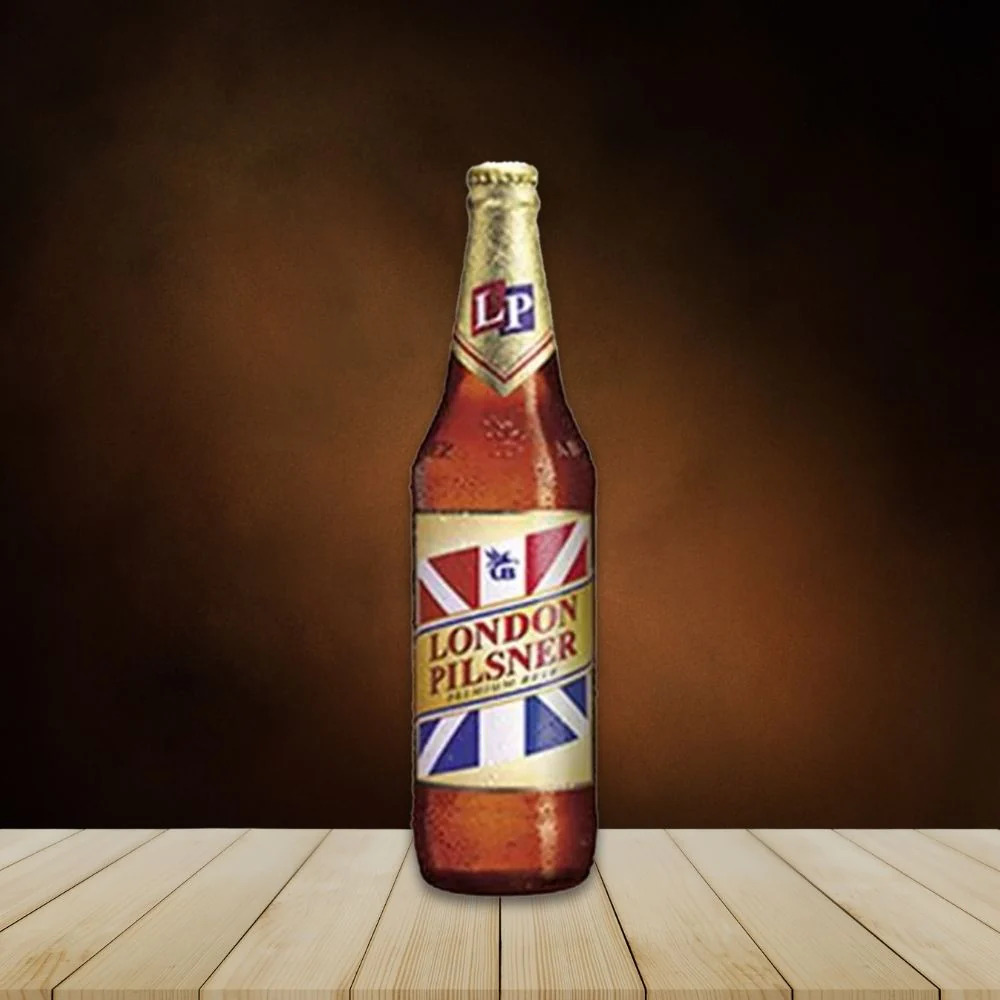
During the quarter UB launched London Pilsner in Orissa and Kalyani Black Label in West-Bengal to strengthen its portfolio in the value segment. Premium volume grew by 17% in the quarter bringing the HY growth rate to 33%. Within the segment, UB saw strong growth for Kingfisher Ultra, Kingfisher Ultra Max, and Heineken Silver. Gross profit grew 5% on a year-to-date basis vs last year, with EBIT declining 18% mainly driven by negative operating leverage in the second quarter as well as continued investments behind brands.
Investments in capex during the quarter were ₹293 Cr (+ ₹242 Cr vs LY), mainly linked to its new greenfield in Uttar Pradesh and commercial capex to drive future qualitative growth. In continuation of its network optimisation and productivity programme, the Mangalore unit was closed earlier this year, with further initiatives being implemented to drive operational excellence and cost efficiency across the organisation. “We remain optimistic about the industry’s long-term growth potential, driven by increasing disposable income, favourable demographics and premiumisation,” UB said.
On the cost side, raw material inflation—especially for packaging materials—continued to moderate, but the gains were offset by lower scale efficiencies and promotional spending to defend market share. Management maintained that pricing discipline and brand investments were essential to sustaining long-term growth. UBL also reiterated its medium-term confidence in the Indian beer market, pointing to favourable demographics, urbanisation, and rising disposable incomes that continue to support premium beer penetration. Capital expenditure during the quarter stood at ₹293 crore, with investments directed toward a new greenfield facility in Uttar Pradesh and capacity upgrades at existing breweries.
Gupta added that the company expects margins to improve from the third quarter onwards, aided by the localisation of 80% of the premium portfolio, which will help recover gross margins. The company, he mentioned, would continue monitor input cost pressures from higher barley and aluminium prices and limited pricing flexibility.
Analysts see the second-quarter numbers as a reminder of how climate volatility and state-level regulatory differences can impact the beer business, but they also note that UBL’s strategic focus on premiumisation and efficiency improvement could cushion margins in the coming quarters. While overall sales volumes slipped, the brand’s ability to hold its market leadership and grow its high-end portfolio suggests that the company’s long-term fundamentals remain intact.
Going forward, performance in the festive and winter seasons will be critical for recovery, with management expected to lean on new product launches, route-to-market optimisation, and operational cost control to restore profitability momentum. For now, the quarter captures a tale of two trends—a weak monsoon dampening demand and a growing taste for premium beer lifting hopes for a stronger second half of FY26.
As Diwali lights up homes across India, another sparkling trend is taking shape, premium liquor as the new-age festive gift. Once considered unconventional or even taboo, gifting fine spirits has now become a symbol of taste, status, and sophistication among urban consumers.
Whether it’s an aged single malt, a small-batch gin, or a limited-edition rum, curated liquor hampers are increasingly seen as a gifting option, away from traditional dry fruits and sweet boxes. High-end Indian craft brands, too, are getting their moment in the spotlight, from Paul John Whisky and Camikara Rum to Stranger & Sons Gin, all packaged in sleek, festive designs that make them ideal for gifting.
For corporates, especially in metros, premium alcohol has emerged as the “relationship gift” of choice, a token of appreciation that blends indulgence with exclusivity. Many retail chains and e-commerce players are also reporting a surge in demand for boutique and collectible labels ahead of the festive season.
However, gifting liquor in India still walks a fine line. With varying state laws and restrictions on alcohol gifting, most transactions occur discreetly, often in the form of personalised hampers or event-specific collections curated by licensed vendors. Despite the regulatory maze, the sentiment remains clear: Diwali is not just about lights and sweets, it’s also about raising a toast to good times and good company.
Here are some gifting options as well as recipes that will add to the sparkle of Diwali celebrations. From thoughtful pairings to ready-to-pour hampers, here are some must-haves to pick up on your way to the next celebration.
Godawan Artisanal Single Malt
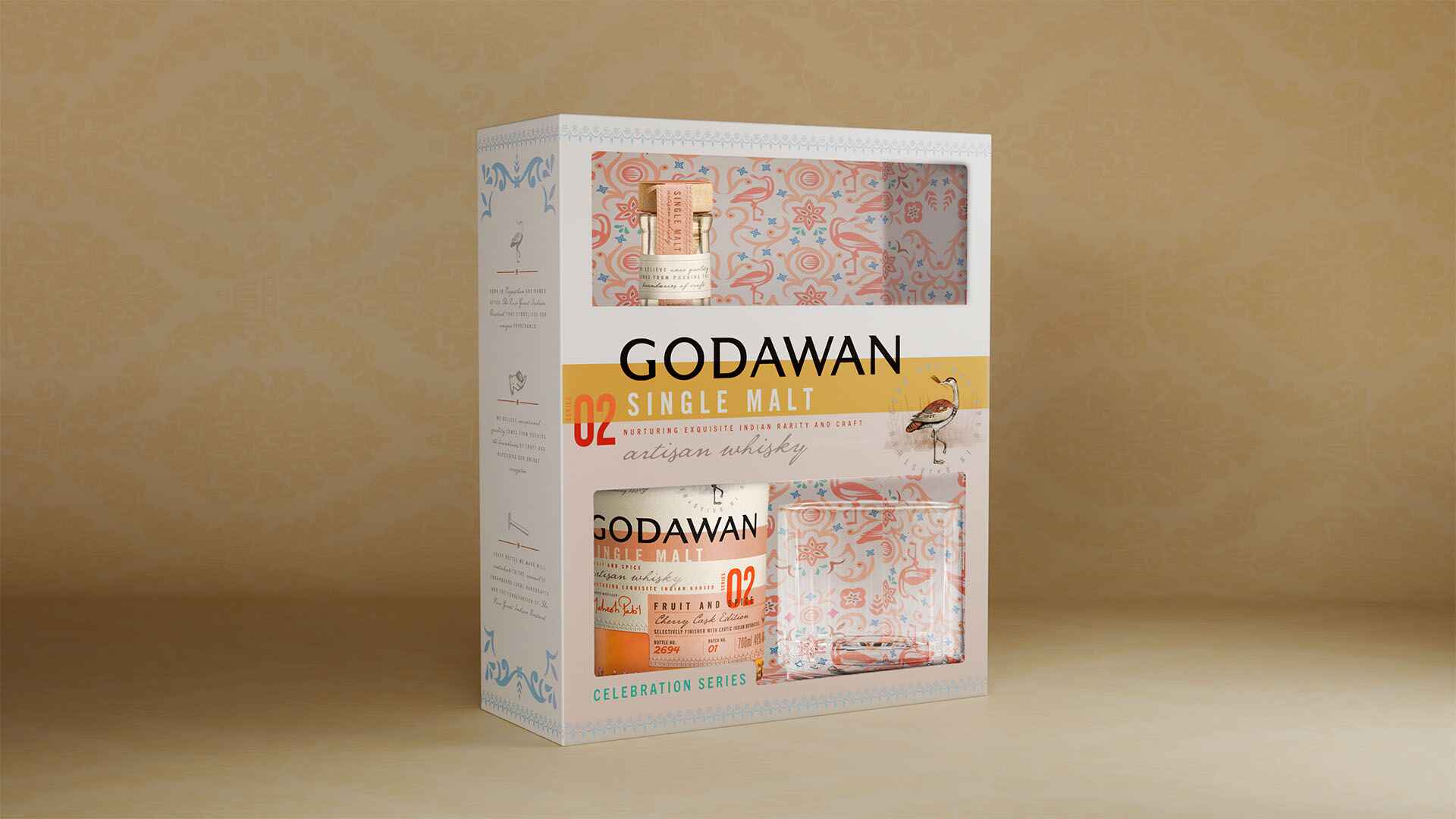
This festive season, Godawan Artisanal Single Malt—the most awarded Indian single malt in recent years—unveils an exclusive gift pack that captures the spirit of mindful luxury. Each pack features a bottle of your choice, either Godawan 01 Rich & Rounded or Godawan 02 Fruit & Spice, paired with a handcrafted crystal glass that elevates the whisky-drinking experience. Adorned with elegant ethnic motifs inspired by Rajasthan’s artistry, the pack is a refined celebration of craftsmanship, purpose, and timeless design—making it an ideal keepsake for the season.
Price & Availability: ₹2800-₹6000 in Delhi, Rajasthan, Karnataka, Punjab, Haryana, Uttar Pradesh, Maharashtra, Goa, Telangana, Assam, Chhattisgarh, and Madhya Pradesh.
Geist Brewing Compnay x Amrut Distilleries – Stout Cask Finish Indian Single Malt Whisky
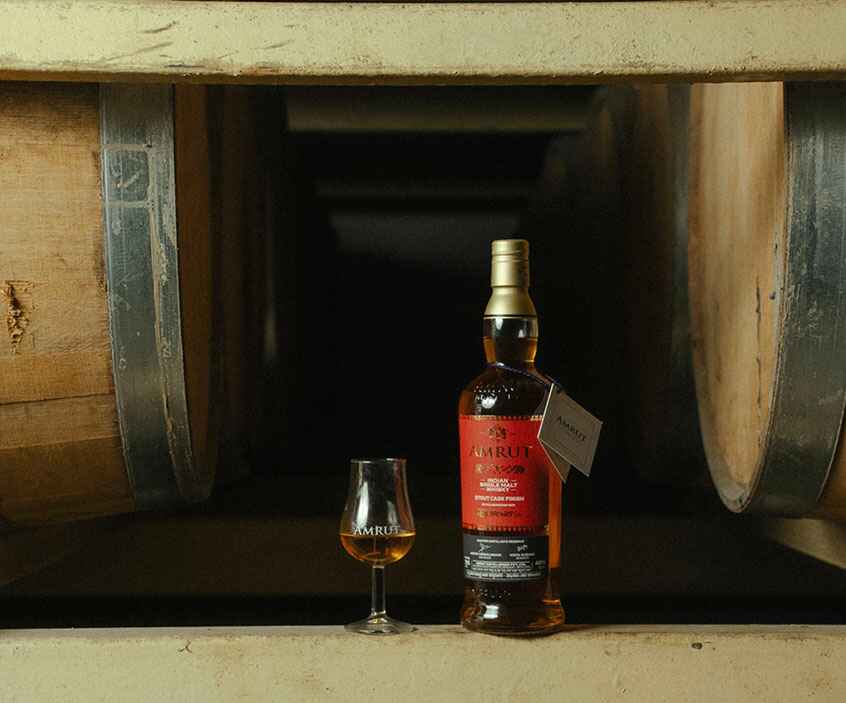
If there’s one bottle that captures Bangalore’s craft spirit this festive season, it’s the Geist Brewing Co. x Amrut Distilleries Stout Cask Finish. Limited to just 224 bottles, this collaboration brings together Geist’s bold Imperial Stout and Amrut’s world-renowned single malt expertise. The result is a rare stout cask–finished Indian single malt whisky that bridges the worlds of beer and whisky.
The story began when Amrut sent freshly emptied whisky barrels to Geist, where they were used to age the brewery’s Imperial Stout. Once the beer had picked up delicate whisky notes, the same barrels returned to Amrut, this time to finish their single malt. The result is a whisky layered with roasted malt, chocolate, and oak—bottled unfiltered at 46% ABV. Rich and complex, it’s an inventive expression of Bangalore’s craft culture.
Price and Availability: At select retail stores across Bangalore, priced at ₹7,500.
Diwali With Marriott Bonvoy
This Diwali, celebrate with the seventh edition of Diwali with Marriott Bonvoy, where traditions sparkle, artistry delights, and every mithai takes one to India’s diverse delicacies for Diwali. The specially curated festive boxes blend the richness of heritage with a contemporary touch. Available in options including the Box of 36 Sweets (₹2,800 + GST), Box of 18 Sweets (₹1,800 + GST), Variety Box of Nuts & Sweets (₹2,100 + GST), Festive Crunch Box (₹1,200 + GST), and Diwali Treasures (₹1,500 + GST) there’s something to make every moment special.
The exquisite festive boxes are available at Marriott Bonvoy hotels across India. Pre-booking is now open, with availability till Diwali.
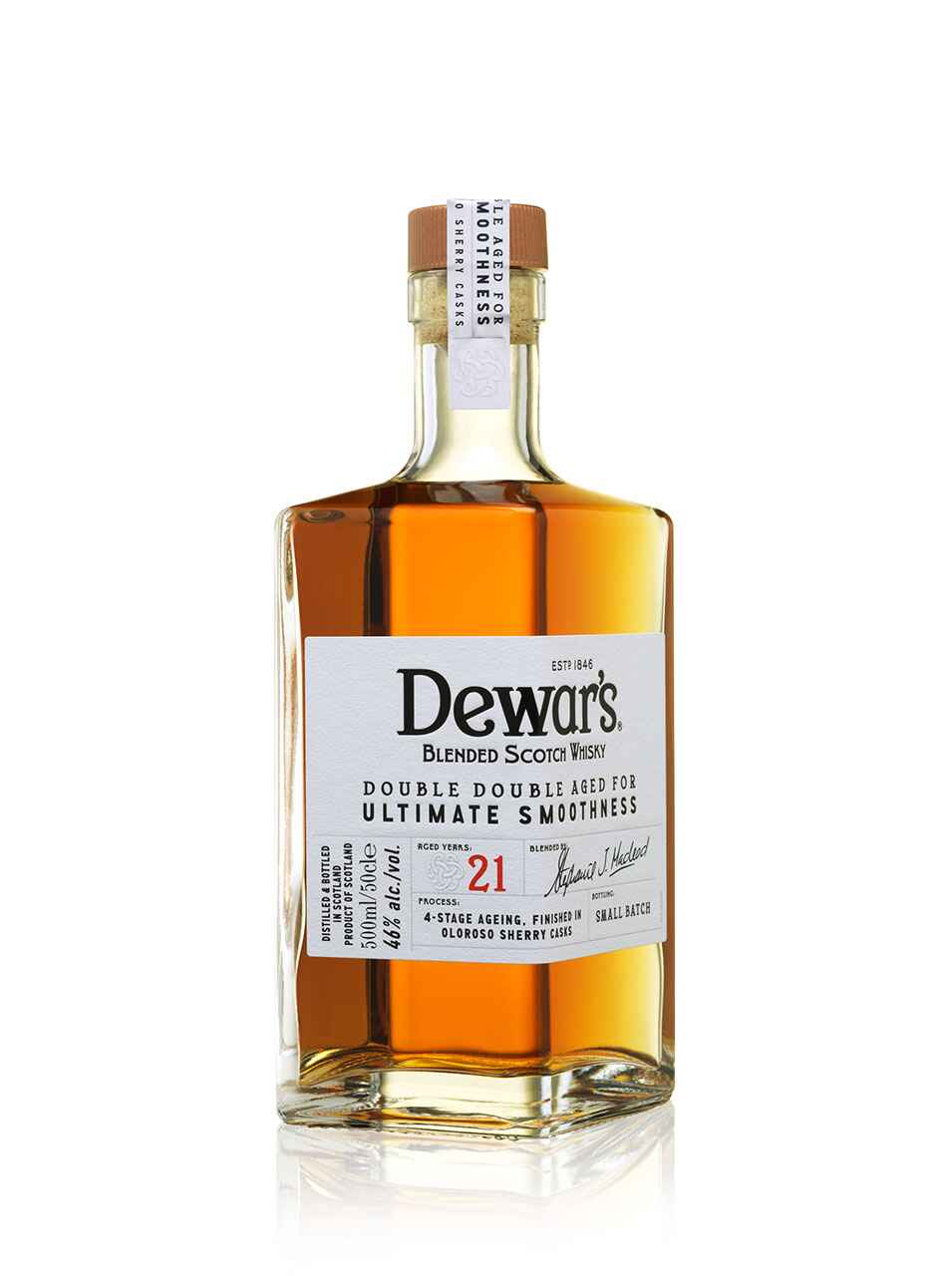
Dewar’s Double Double 21
Crafted using an innovative four-step aging process, Dewar’s Double Double 21 allows single grain and single malt blends to fuse multiple times in their oak casks before their final ageing together. This blended liquid is then processed in a selection of sherry casks that give subtle notes of cinnamon, ripe vine fruits, and a smooth, lingering finish.
Price: ₹17,500
Dewar’s 12-Year-Old – A Timeless Blend of Elegance and Flavour
Dewar’s 12-Year-Old is a masterfully crafted Scotch whisky, double-aged to enhance its smoothness and depth. A delightful harmony of honey, vanilla, and spice makes it a crowd-pleaser, whether served neat, on the rocks, or in a classic highball. Its well-balanced profile and creamy finish make it an excellent choice for those who enjoy a refined yet approachable whisky.
Price: ₹4,000
MONIN Introduces a New Indian Rasa Range Specially Curated for Diwali
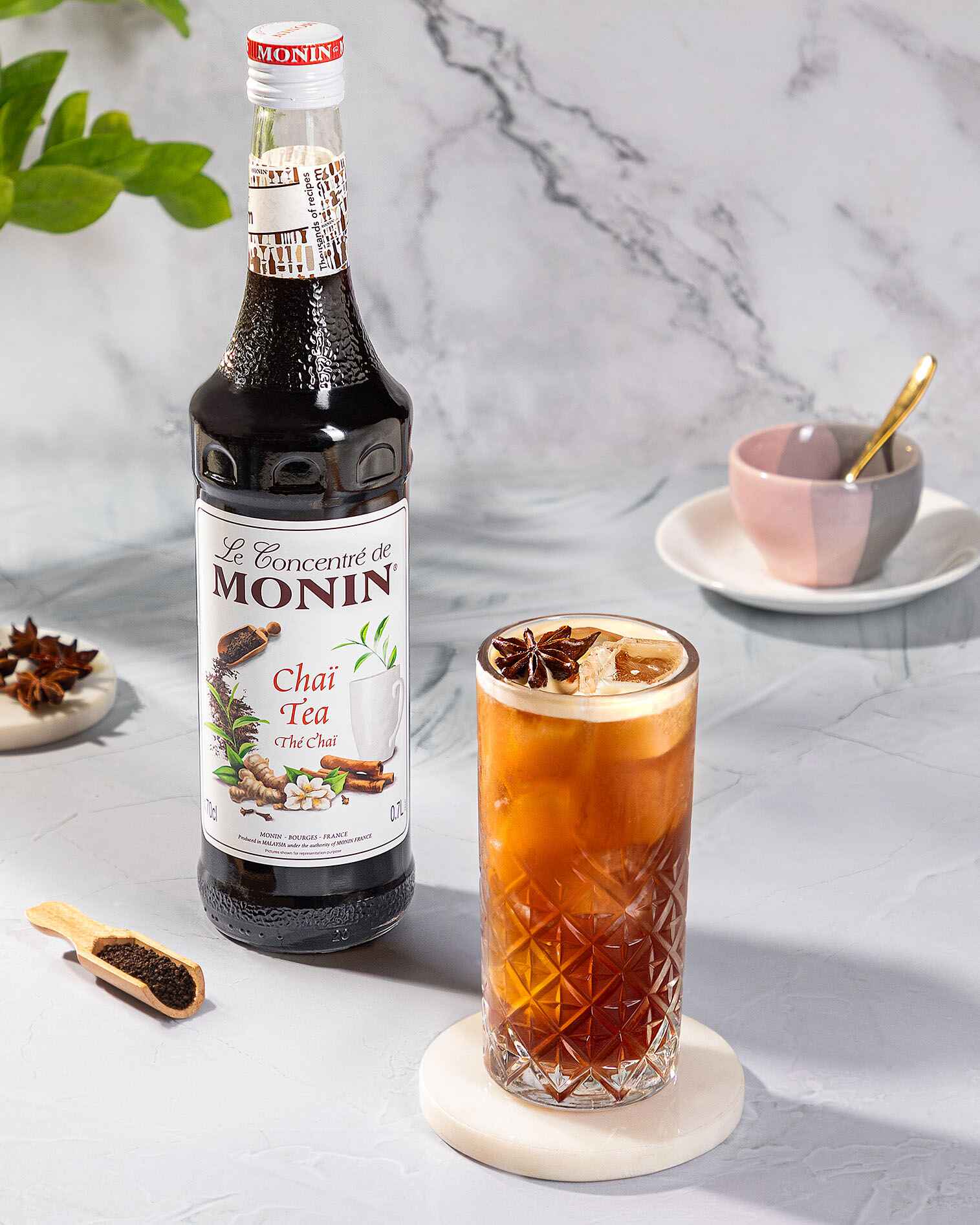
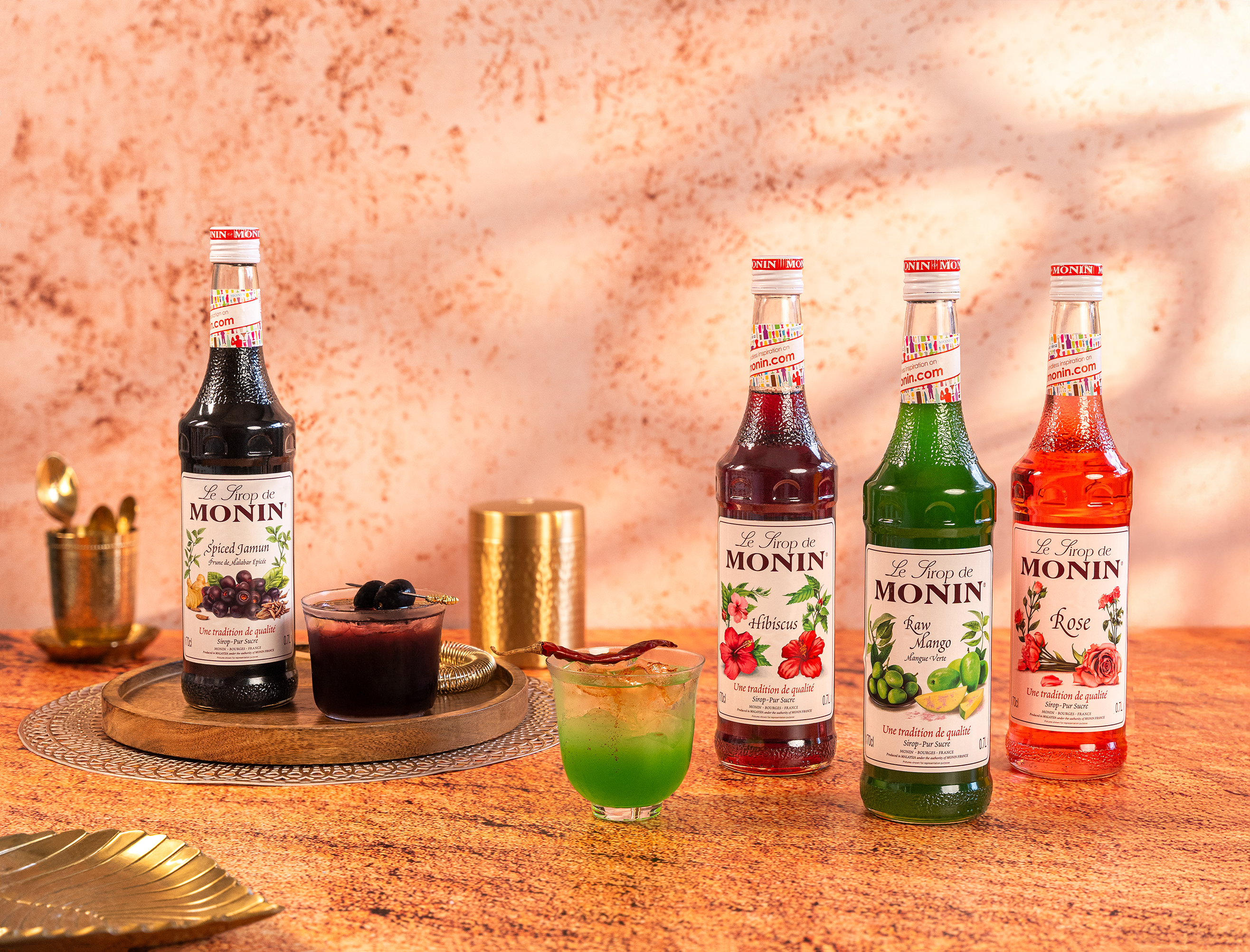
MONIN India brings its own touch of sparkle with the Indian Rasa Range, a collection that celebrates Indian flavours. Rooted in the campaign theme “Brighter With You”, the range reimagines India’s most beloved tastes through a modern lens—inviting chefs, baristas, mixologists, and home creators to rediscover the joy of flavour during the season of lights.
At the heart of the launch is MONIN’s Chai Tea Concentrate, a contemporary ode to India’s favourite comfort cup. Infused with the warmth of cardamom, cloves, and ginger, it’s as versatile as it is nostalgic, perfect for everything from spiced lattes to creamy desserts and festive cocktails.
The range includes Rose: Floral and fragrant, reminiscent of classic mithai; Spiced Jamun: Tangy and playful, a nod to India’s street-side indulgences; Raw Mango: A refreshing balance of sweet and sour, evoking summer nostalgia; and Hibiscus: Bright and floral, modern yet rooted in tradition.
The range has been designed in line with insights from MONIN India’s recent trend study, “Reimagining Indian Drinks and Desserts for Modern Hospitality Menus in 2025”, enabling chefs and baristas to bridge traditional flavours with global presentation.
“Diwali is a moment of gratitude for us at MONIN—a celebration of creativity, connection, and culture,” says Germain Araud, Managing Director, MONIN India. “With Brighter With You, we’re celebrating the people and partners who make our journey meaningful, and the flavours that make India truly special.”
Adding to this, Sai Harish, Head of Marketing, MONIN India, shares, “India’s beverage culture is constantly evolving—deeply rooted in tradition yet always open to reinvention. The Indian Rasa Range embodies that spirit, encouraging creators to reimagine familiar flavours in fresh, modern ways.”
Brighter With You: A Celebration of Collaboration – True to MONIN’s spirit of partnership, Brighter With You is an initiative that will see collaborations with cafés, bars, and restaurants across India, where chefs, baristas, and mixologists will craft limited-edition menus and tasting experiences inspired by MONIN’s Indian Rasa Range. Each collaboration will reinterpret festive flavours through a local lens—from spiced beverages and artisanal desserts to inventive cocktails and plated creations— showcasing how tradition can meet innovation on every table. Beyond the menu, select partners will host live demos, workshops, and pairing sessions, offering guests an immersive way to explore flavour and craftsmanship together.
Price & Availability: The Indian Rasa Range is available through select cafés, restaurants, and bars across India, as well as online via Amazon, Flipkart, Big Basket, Blinkit, Swiggy, and Zepto in 700ml and 250ml bottles.
ZOYA Premium Gin – Live. Love . Rejoice.
When the packaging itself becomes the gift, you can’t say no! ZOYA Premium Gin’s value added pack is with creative AI-generated packaging, making a perfect gift for the festive season. The goblet that comes with it, enhances the premium and immersive appeal.
Types of People You Meet at a Diwali Party – As Cocktails
Every Diwali house party has its own share of personalities who add the real spark. From the
meticulous host with the perfectly done up Pinterest board to the one still texting, “What’s the
address again?”, the best house parties are a perfect mix of people, stories, and spirits. And
what if this Diwali, they were re-cast cocktails?
Read on to discover your ultimate cocktail twin with these perfect pours to match every personality.
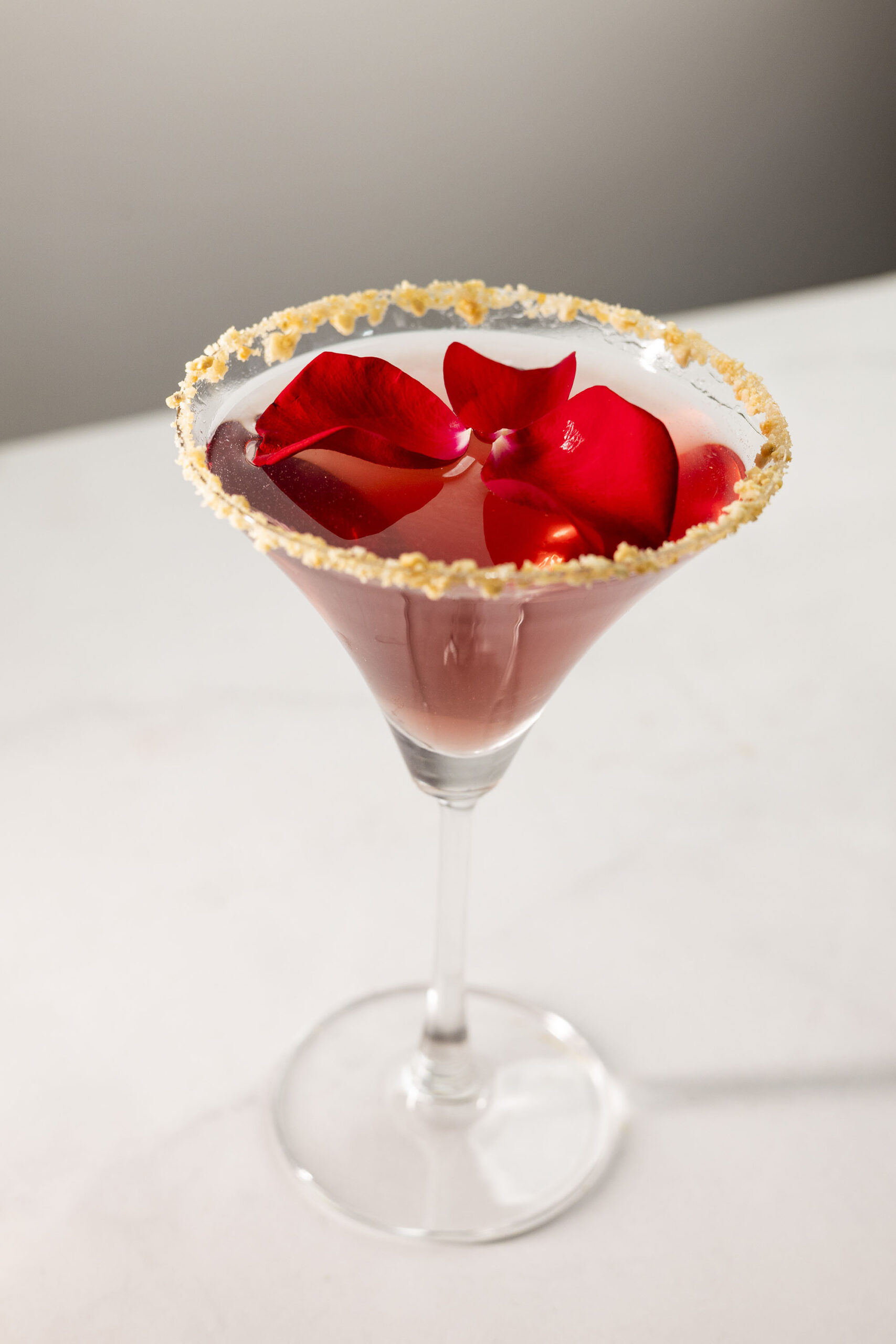
The Classy Hostess as Vanilla Gintini (ZOYA Premium Gin):
Elegant, composed, and effortlessly charming, this person knows how to make every detail
count, from her playlist to her glassware. Much like the Vanilla Gintini, they blend classic
sophistication with a hint of subtle charm that spells soft power in glass.
The Pour: Vanilla Gintini
Ingredients:
ZOYA Premium Gin (60 ml)
Vanilla Syrup (15 ml)
Cranberry Juice (15 ml)
Lime Juice (10 ml)
Garnish: Edible Flower 1 pc
Recipe:
Fill a martini glass with ice.
Stir all ingredients and garnish to enjoy.
The Old-School Charmer as Smoked Maple Old Fashioned (Woodburns Contempoary Whisky)
A storyteller with a sparkle in the eye and a love for the classics. They don’t rush their evenings or their whisky. The Smoked Maple Old Fashioned is all about this warmth, balance, and timeless taste—making it the perfect pour for the one with the slow sips and good stories shared by the diya light.
The Pour: Smoked Maple Old Fashioned
Ingredients:
Woodburns Contemporary Whisky (60 ml)
Maple Syrup (10 ml)
Angostura Bitters (3 dashes)
Recipe:
Burn a nutmeg and let the smoke come out. Cover that Nutmeg with a whisky glass.
Stir all ingredients in the whisky glass full of ice.
Garnish with orange peel and enjoy!
The Cool Creative as the ARTHAUS Straightpour (ARTHAUS Collective Blended Malt Scotch Whisky)
They arrive fashionably late, with a playlist that instantly takes over the aux. The posterboy for “chill”, this person embodies easy, breezy flair with a little unpredictable twist that ensures they don’t need to do anything to stand out. The ARTHAUS Highball mirrors their spirit —effortlessly smooth with an experimental and artistic edge.
The Pour: ARTHAUS Straightpour (60 ml – served on the rocks!)
The Life of the Party as the Spicy Mule (Russian Standard Vodka)
Fiery, confident, and impossible to ignore, the Spicy Mule channels this person’s infectious energy in every pour. All spark, no dull moment—when they are around, the night is always just getting started.
The Pour:
Ingredients:
Russian Standard Vodka (60 ml)
Jalapeño Brine (30 ml)
Jalapeño (2 pcs; muddled)
Lime Juice (15 ml)
Garnish: Mint Sprig
Recipe:
Shake all ingredients in a mixer filled with ice.
Pour into a Moscow Mule Glass to serve. Top up with non-alcoholic Ginger Beer to
enjoy.
The Midnight Philosopher as Midnight Cravings (SEGREDO ALDEIA Espresso Rum)
Find them on the balcony post-dessert, deep in conversation about the secret of life—or at least the secrets behind good coffee. The cocktail twin-flame for bittersweet thoughts with a silky finish, the Midnight Cravings cocktail is rich, dark, and delightfully introspective just like the midnight philosopher in your gang.
The Pour: Midnight Cravings
Ingredients:
SEGREDO ALDEIA Espresso Rum (60 ml)
Cold Brew (30 ml)
Dark Crème de Cacao (15 ml)
Demerara Syrup (15 ml)
Chocolate Bitters (2 dashes)
Garnish: Coffee beans and chocolate grated
Recipe:
Dry shake and ice shake all ingredients in a glass.
Garnish with coffee beans and grated chocolate to enjoy.
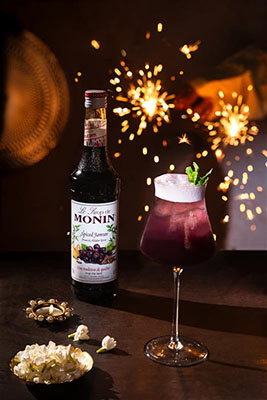
Royal Rangoli by MONIN
A vibrant, tangy refresher that blends MONIN Spiced Jamun and Glasco Lemon with cranberry and soda—bold, fruity, and the perfect citrus break from all your festive sweet munching.
Ingredients:
MONIN Spiced Jamun Syrup – 20ml
MONIN Glasco Lemon Syrup – 10ml
Cranberry juice – 60ml
Soda – 60ml
Ice cubes
Mint sprig (for garnish)
Method:
Add the syrups, cranberry juice, and ice to a shaker.
Shake well and pour into a red wine glass.
Top with soda and garnish with mint.
Meetha Patakha by MONIN
Sweet and fiery, this tequila-based cocktail blends MONIN Cherry and Blood Orange syrups with cranberry and soda for your palate that’s craving a little bit of that oomph factor.
Ingredients:
MONIN Cherry syrup – 20ml
MONIN Blood Orange syrup – 10ml
Tequila – 45ml
Cranberry juice – 60ml
Soda – 60ml
Orange peel (for garnish)
Method:
Combine both syrups, tequila, and cranberry juice with ice.
Shake and pour into a Collins glass.
Top with soda and garnish with an orange peel twist.
The culture of gifting in Southeast Asia is evolving, and luxury wines and spirits are at the centre of this trend. Once seen mainly as status symbols, premium bottles are now chosen for their stories, craftsmanship, and cultural resonance. From Singapore to Vietnam, gifting is growing, driven by changing preferences, digital commerce, and premiumisation of F&B.
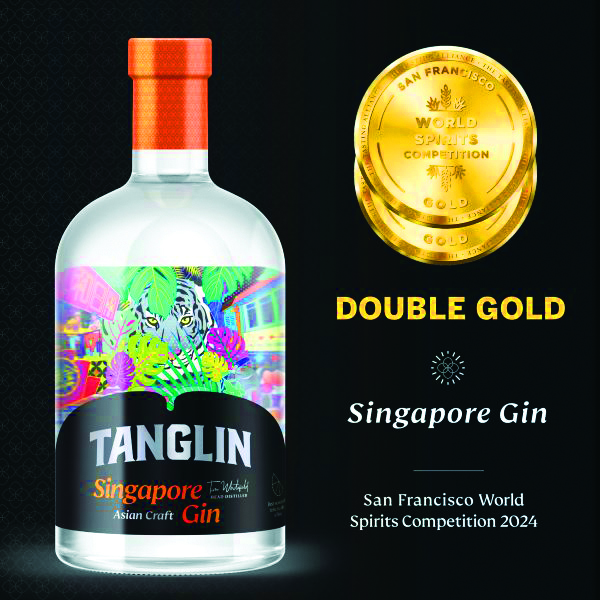
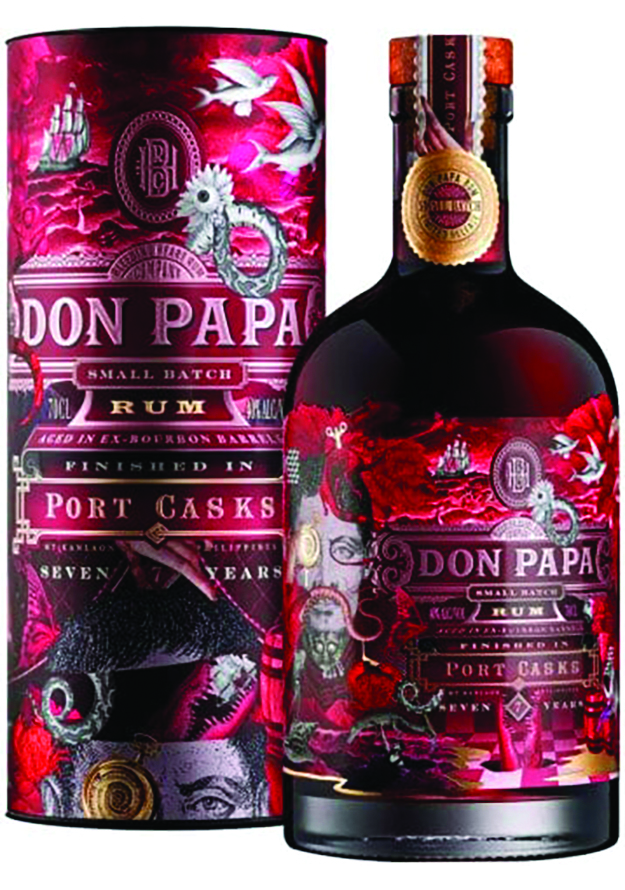
Affluent consumers are moving beyond imported classics to gifts that reflect local identity. Artisanal spirits such as Bali’s Iwak Arumery, Singapore’s Tanglin Gin, and Thailand’s Chalong Bay Rum showcase heritage-driven narratives through indigenous ingredients and traditional techniques. Similarly, the Philippines’ Don Papa rum draws on folklore and history to create an emotional bond.
Experiences Over Bottles
Packaging and presentation are increasingly as important as the liquid. Limited-edition bottles, collectible sets, and artistic collaborations elevate gifting, while immersive experiences with personalised labels and glassware turn a bottle into a celebration.
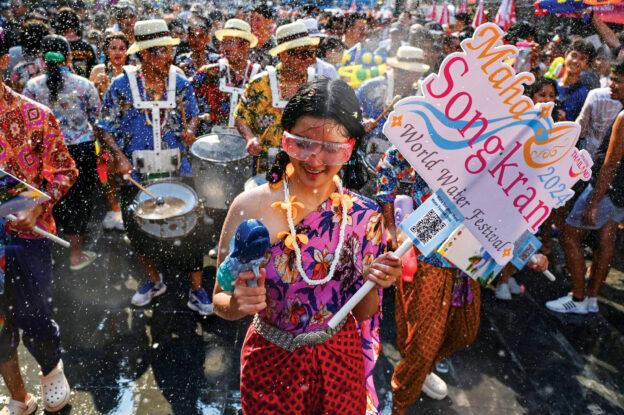
Festivals and milestones further drive demand. From Songkran in Thailand to Mid-Autumn Festival in Vietnam and weddings in Indonesia, luxury alcohol has become a prestigious part of celebrations. Corporate gifting, anniversaries, and personal milestones continue to be in vogue, often with bespoke sets.
E-commerce is fuelling the trend, offering curated packs, same-day delivery, and customisation such as engraved labels. The unboxing experience is now part of the value proposition, making online platforms vital for reaching affluent consumers in Singapore, Bangkok, Ho Chi Minh City, and Manila.
Sustainability Meets Premiumisation
Wealthier consumers are increasingly conscious of environmental and ethical practices. Eco-friendly packaging, sustainable sourcing, and transparent production are shaping gifting choices, blending luxury with conscience.
The luxury wine and spirits segment is poised for strong growth. Singapore continues to position itself as a regional hub, while Vietnam and Thailand are emerging as high-potential markets with expanding fine dining cultures. Even in traditionally conservative markets like Indonesia and Malaysia, discreet but premium gifting is gaining ground among urban elites.
Luxury gifting is no longer just about indulgence—it is about culture, story, and experience. With digital platforms enhancing accessibility, heritage brands adding authenticity, and sustainability guiding decisions, the future of gifting in Southeast Asia is premium, personalised, and meaningful.
Singapore: A Regional Hub for Premium Gifting As Southeast Asia’s financial hub, Singapore leads the luxury wine and spirits market with a strong corporate gifting culture. Premium wines, rare whiskies, and collectible editions dominate, particularly during Lunar New Year. With advanced e-commerce and duty-free at Changi, personalisation and curated sets are driving demand. Prestige brands like Dom Pérignon, Hennessy, Macallan, and Glenfiddich are go-to gifting staples.
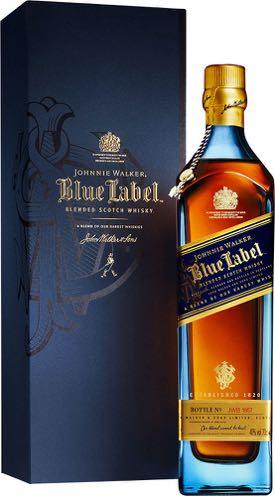
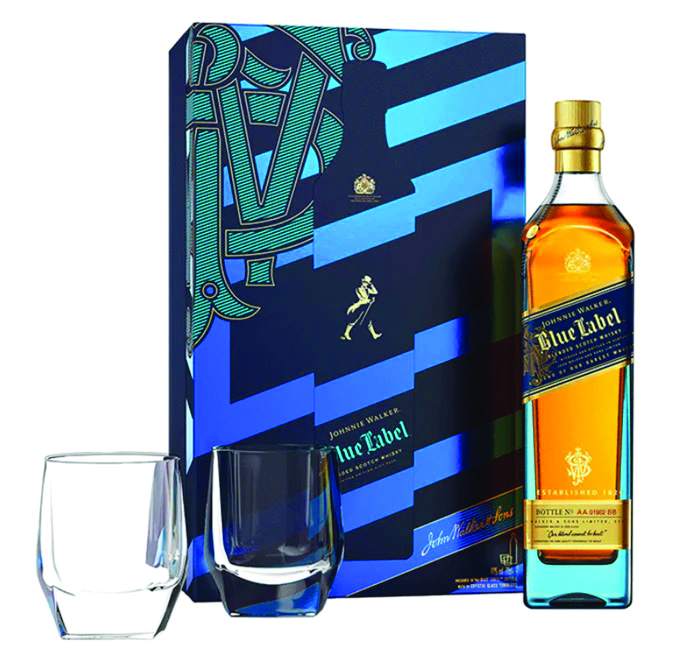
Thailand: Tradition Meets Celebration Thailand’s festive calendar, especially Songkran and year-end corporate occasions, drives gifting. Rum and whisky lead, with Johnnie Walker Blue Label and Moët & Chandon popular among elites. Local craft spirit Chalong Bay rum adds authenticity and cultural depth.
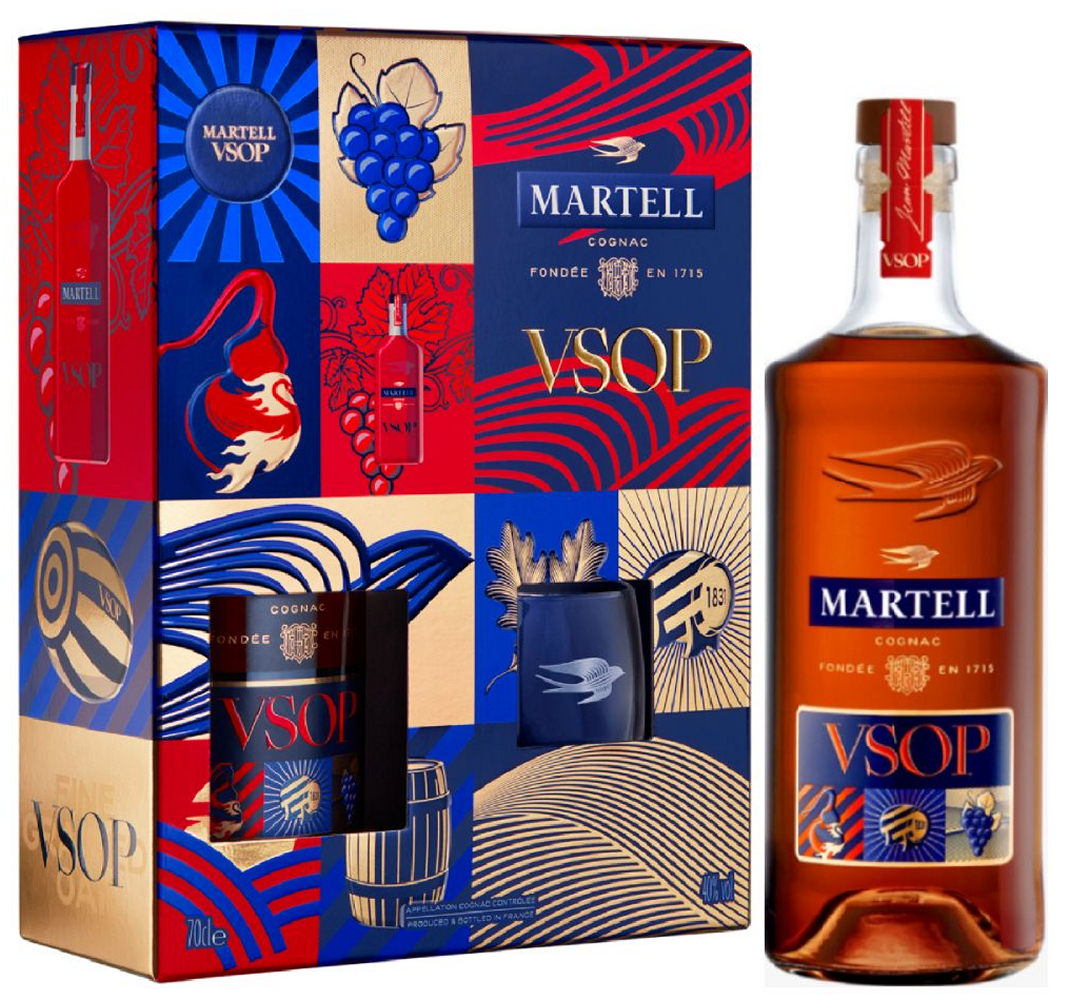
Vietnam: Emerging Fine Wine Market Vietnam is one of Asia’s fastest-growing wine markets, with Tet as the peak gifting season. French wines, especially Bordeaux and Burgundy, symbolise prestige, while Martell, Rémy Martin, and fine Cognacs remain staples. Younger professionals are also embracing alternatives like Don Papa rum for its storytelling appeal.
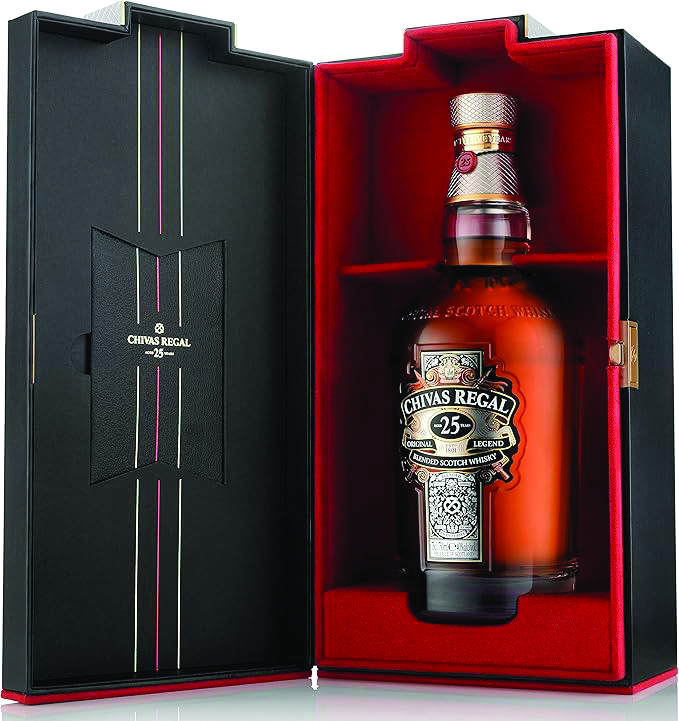
Indonesia & Malaysia: Discreet but Growing In stricter markets, luxury gifting is discreet but aspirational. Weddings, corporate milestones, and private parties feature Johnnie Walker Blue, Royal Salute, Chivas Regal 25, and Macallan Rare Cask, often gifted in bespoke or limited editions.
With cultural collaborations, limited editions, and experiential packaging, luxury wines and spirits continue to shape Southeast Asia’s gifting culture—premium, personal, and meaningful.