Tag Archives: premium spirits India

Buffalo Trace Brings Kentucky’s Bourbon Soul to India

  • Inside the distillery’s first-ever pop-up in Mumbai
  • Lineup in India includes Benchmark, entry-level bourbon; Buffalo Trace, the flagship; Weller Special Reserve, the wheated bourbon; and Weller 12, the longest age-stated bourbon

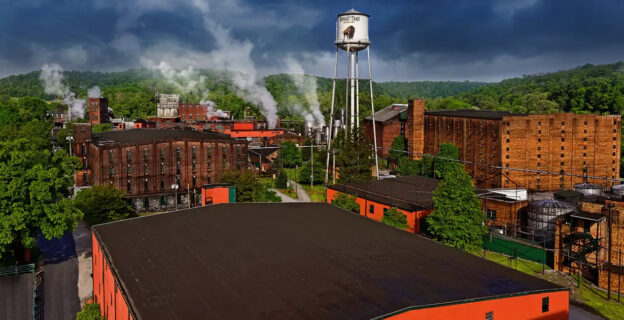
Buffalo Trace Distillery’s first-ever pop-up in India unfolded at Palladium Courtyard in Mumbai recently with the kind of anticipation usually reserved for a brand promotion. The pop-up held over three days, drew whiskey enthusiasts, bartenders, hotel beverage directors, curious newcomers and seasoned collectors, all of whom explored Buffalo Trace’s craftsmanship through a series of immersive zones that broke bourbon into its building blocks: mash bills, yeast strains, fermentation, distillation, warehouse aging techniques and the magical influence of Kentucky’s climate.

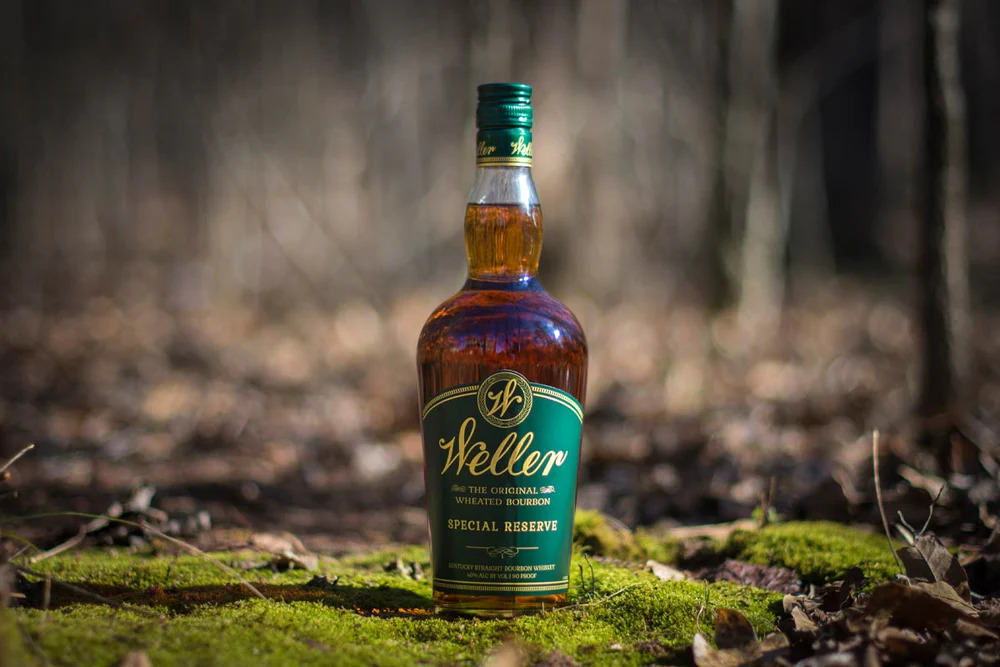
A scent bar helped decode nuances like vanilla, caramel, toasted oak, leather and spice, while an aroma-led tasting introduced visitors to the differences between Benchmark, Buffalo Trace’s flagship bourbon and the softer, sweeter profile of Weller Special Reserve, followed by the coveted Weller 12,  the longest age-stated bourbon currently sold in India, which became an instant favourite among guests discovering wheated bourbon for the first time.

There were interactive stations explaining how warehouse location can dramatically change a bourbon’s character; a leather workshop echoing the tactile craftsmanship of barrel-making; a chocolate station that paired artisanal chocolates with different bourbons to highlight how sweetness, bitterness and earthiness interact with aged whiskey; and guided sessions that delved into why bourbon tastes the way it does, how aging works, and why American whiskey has such a distinct flavour fingerprint compared with Scotch. Guests walked away with personalised keepsakes, embossed leather, tasting notes, curated scent cards.

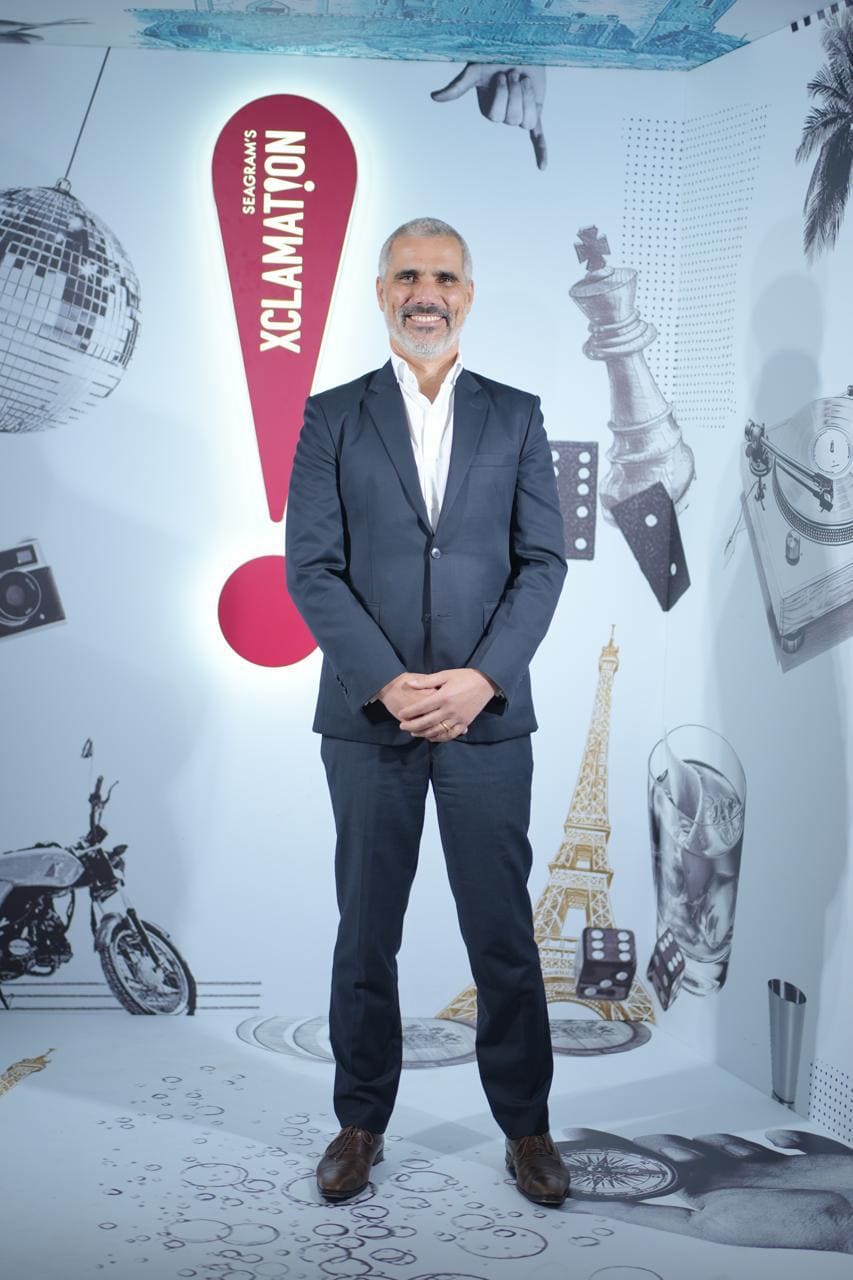
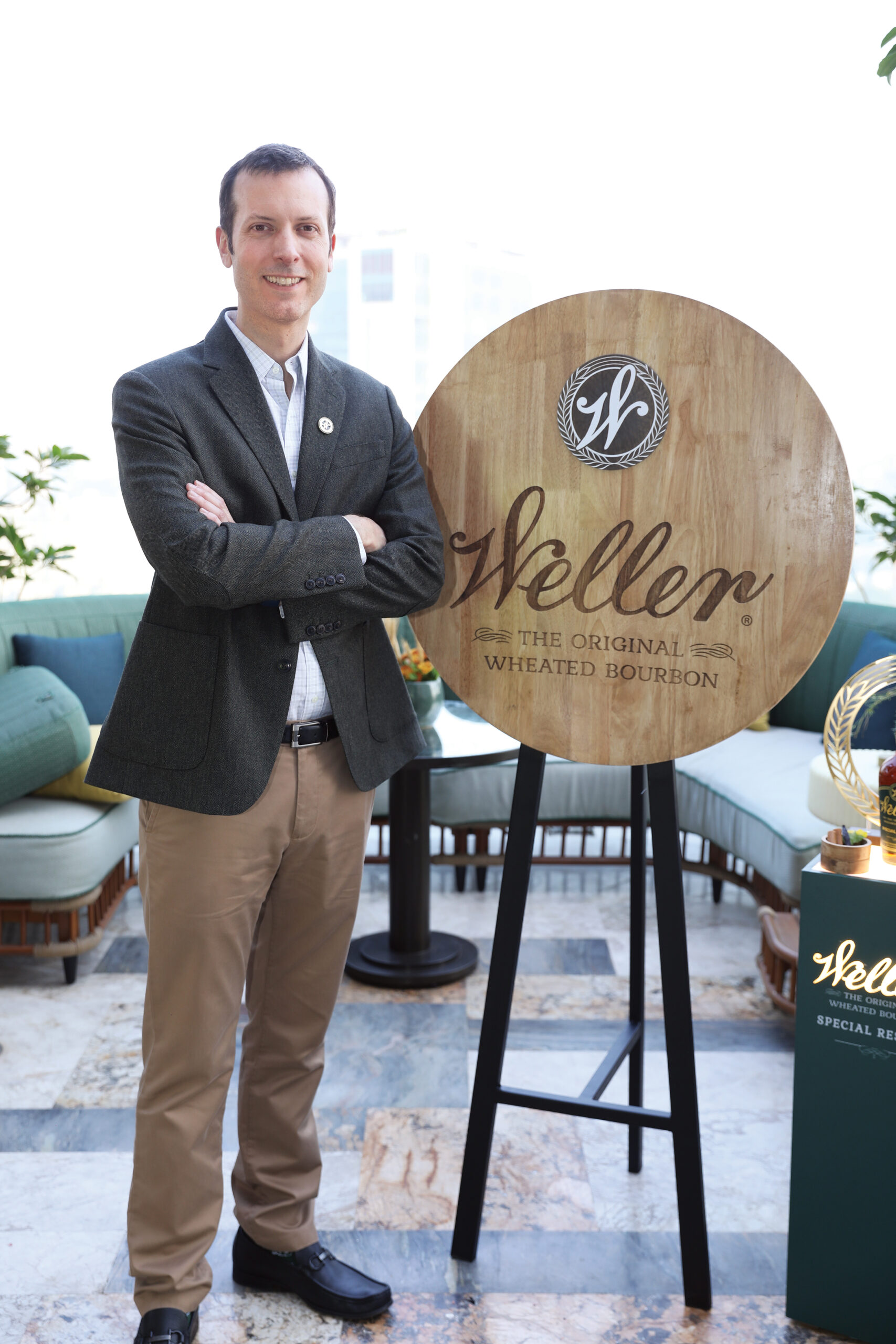
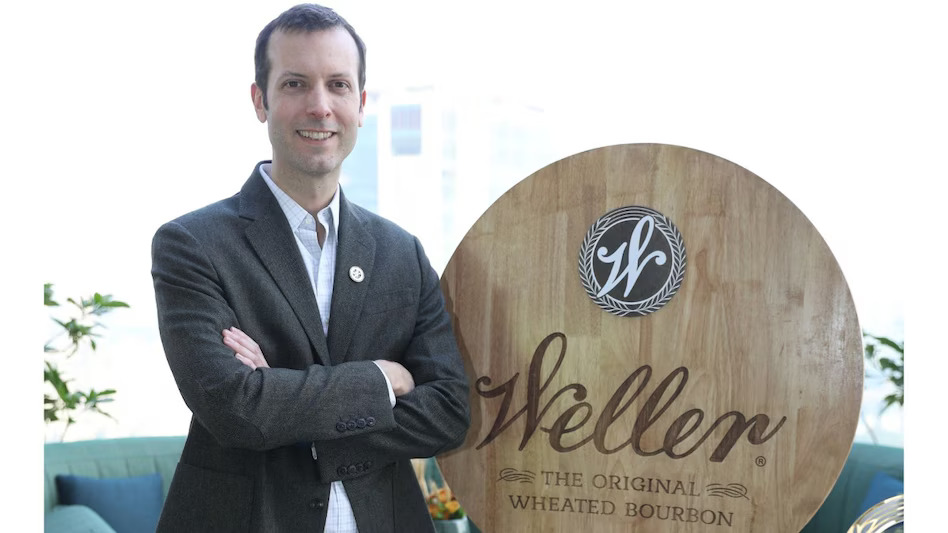
As Diego Bianchi, Vice President, Global Hubs at Sazerac, summed it up: “Buffalo Trace Distillery’s unwavering commitment to craftsmanship, aging and quality distilling has earned it fans across the globe, and we’re thrilled to finally share that experience with consumers in India. The energy and enthusiasm we witnessed in Mumbai was really encouraging, and we’re excited to bring similar immersive experiences to more cities across the country. Through these initiatives, we hope to deepen awareness and appreciation for our bourbon and the rich heritage of Buffalo Trace Distillery.”

Later in a telephonic interview Bianchi said, “For Buffalo Trace, this is not just another brand activation. It is the beginning of building personal, sensory connections with India’s next generation of spirits drinkers. This is our first pop-up, and it’s a big step because it finally allows us to start connecting with more consumers in a meaningful way.”

Bringing Kentucky to India — not through bottles, but through experience

“There is such incredible variety in bourbon,” he explains. “Different flavours emerge from different aging techniques, warehouse conditions, mash bills, all of these elements shape a bourbon’s character. The sensory and interactive zones are designed to help consumers understand this in a hands-on, immersive way.”

The goal is not just to showcase the brand, but to demystify the bourbon category for a market that has long been Scotch-dominant. “People shouldn’t just drink bourbon—they should understand it,” he says. “And India deserves that level of education and connection.”

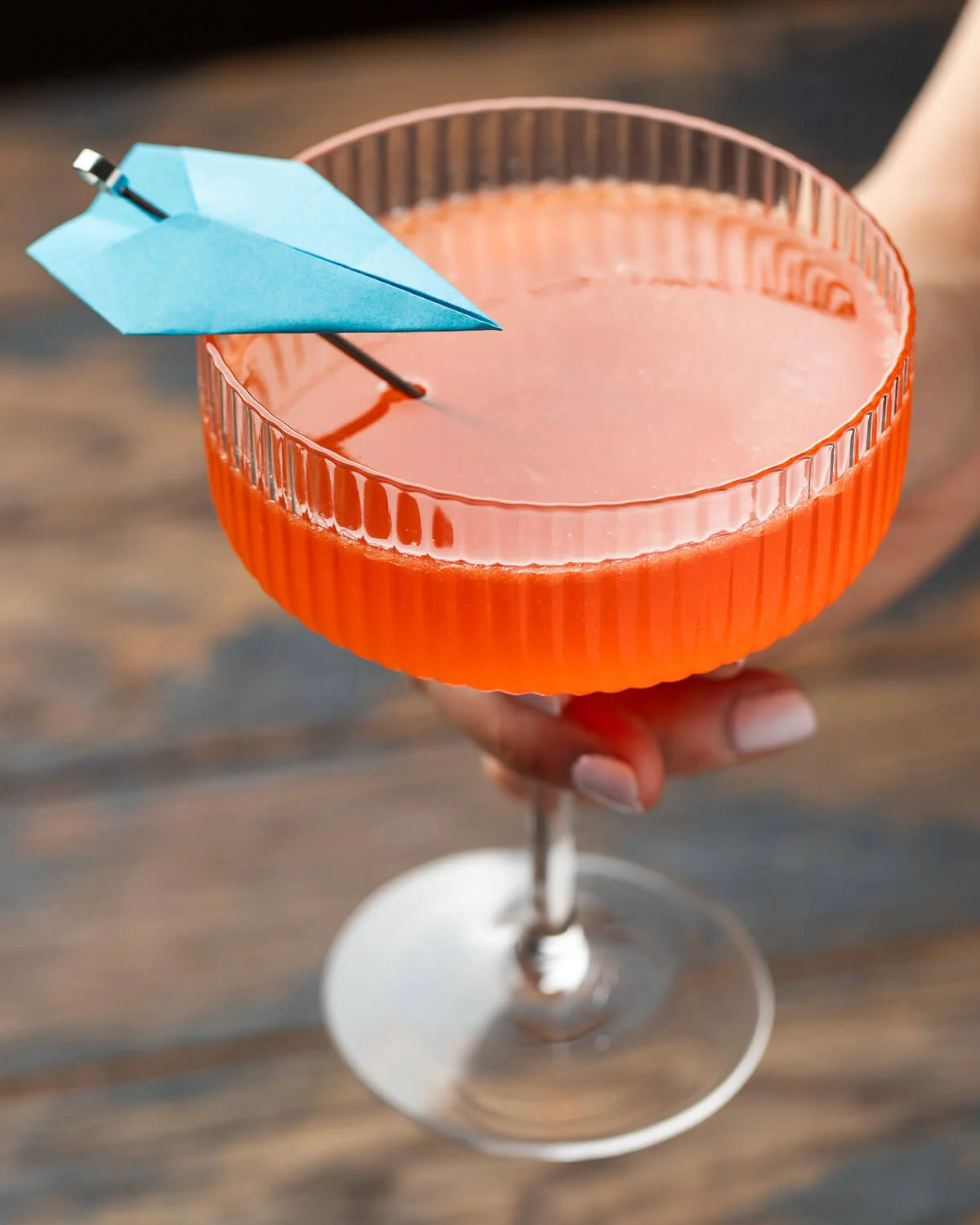
Every trip to India, he says, brings evidence of how quickly bourbon is finding its footing. Bartenders in leading bars and hotel chains report rising interest in bourbon-based cocktails, Paper Planes, Old Fashioneds, Whiskey Sours. Consumers are starting to ask for bourbon by name. “Our bourbons make excellent cocktails, and we’re hearing from bartenders that people are specifically requesting them,” he says. “Cocktail culture is booming in India, and that’s a huge gateway for bourbon.”

Bourbon comes with a flexible identity: neat, on ice, in highballs, or in craft cocktails. That versatility plays well with younger drinkers who are not bound by legacy drinking habits. At a time when millions of Indians enter the legal drinking-age segment annually, Buffalo Trace sees a generational opportunity: introducing bourbon at the very start of their spirits journey.

No competition drama, just category building

“There’s so much room,” Bianchi notes. “India is one of the fastest-growing economies. As disposable incomes rise, people want to try new things. Bourbon will be one of those new explorations.” What matters, he says, is showing India the depth, heritage, and craftsmanship of bourbon, not pitching it as a replacement for anything.

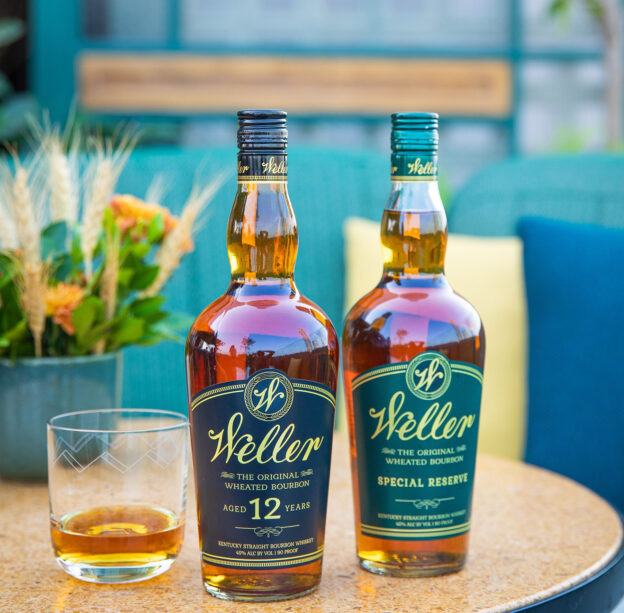
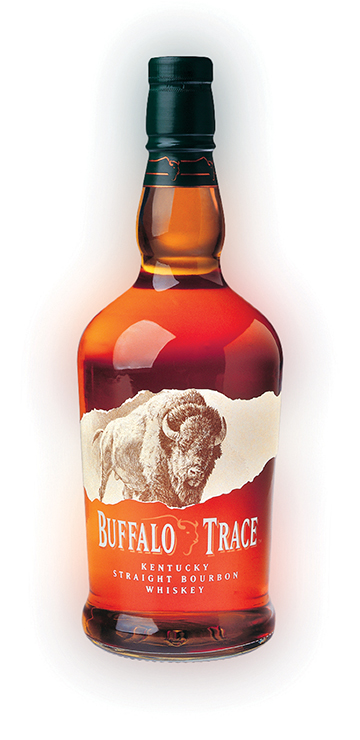
Buffalo Trace’s India portfolio is compact but strategic. The lineup includes Benchmark, an approachable entry-level bourbon; Buffalo Trace, the flagship, beloved for its balance and depth; Weller Special Reserve, the wheated bourbon that appeals to softer-palate drinkers; and Weller 12–the longest age-stated bourbon currently available in India.

Distribution today is across Mumbai, Delhi and Bengaluru, but plans for broader expansion are active. “We’re in the early stages, but every visit shows progress. We see more availability, more consumer awareness, more interest.”

As regards Pop-ups, he says, “There’s no reason why we can’t do this every year or even more often. These experiences are critical. They are the most effective way to ensure consumers truly understand and enjoy bourbon.”

Roku Gin – Sakura Bloom Edition in India from The House of Suntory

The House of Suntory recently introduced Roku Gin – Sakura Bloom Edition in India.  Inspired by the Sakura flower (also known as cherry blossom) and Japan’s world-renowned Hanami festival, which celebrates the tradition of “gazing at flowers”, this new edition brings the spirit of Japanese spring to life.

Rooted in the Japanese philosophy of Shun—the appreciation of each season’s best flavours—Sakura Bloom Edition captures the freshness and vibrancy of Springtime in Japan. Crafted with the soft, floral essence of Sakura flower, this gin evokes the timeless beauty of Hanami, the centuries-old tradition of gathering under blooming cherry blossom trees to appreciate nature’s transient beauty.

The gin features a delicate, sweet floral character, complemented by subtle salty notes from Sakura blossom leaves, creating a beautifully layered experience. Crafted with Roku’s signature blend of six Japanese botanicals, this edition enhances the natural sweetness of the Sakura, resulting in a delicately complex and perfectly balanced—Roku Gin – Sakura Bloom Edition.

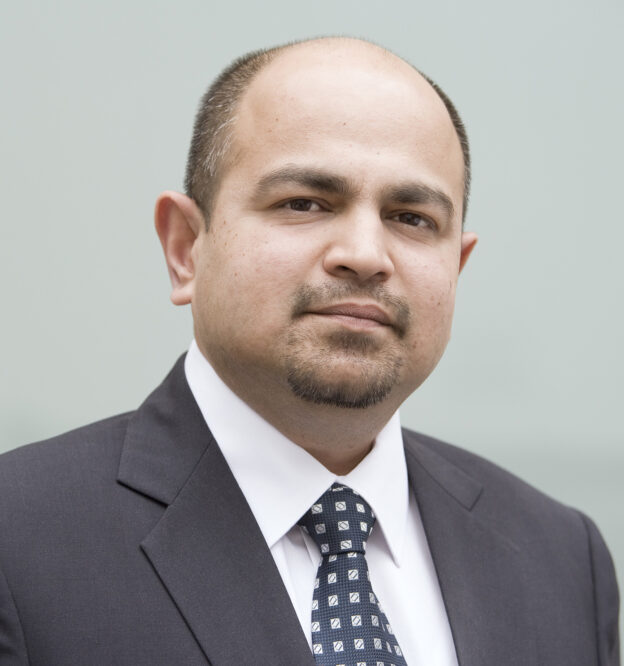
“With the global appetite for Japanese gin growing steadily, the introduction of Roku Gin – Sakura Bloom Edition in India is both timely and strategic,” said Rishi Walli, Senior Director – Marketing, Suntory Global Spirits. “As consumer preferences evolve toward more delicate and refined flavour profiles, this expression strengthens Roku’s premium standing in the category while offering Indian gin lovers a sensorial journey rooted in nature and seasonality. This truly special release marries Japanese craftsmanship with heritage, delivering a differentiated, high-quality experience that Indian consumers increasingly seek. It features a heightened Sakura-inspired profile with soft floral notes, subtle sweetness, and the elegance of cherry blossom, tailored to delight”

Following its limited-time debut in global travel retail earlier this year, across key Indian airports including Mumbai and Delhi Duty Free, The House of Suntory’s exquisite Roku Gin – Sakura Bloom Edition is now set to roll out in select cities across India, with plans to expand nationwide over time. Launching just as the country prepares for a vibrant festive and wedding season, Roku Sakura Bloom is a good gifting option.

Radico Khaitan, Nikhil Kamath Invest in SRK & Aryan Khan’s D’YAVOL Spirits

  • First Launch to be Premium Tequila
  • In 2022, Aryan Khan and Bunty Singh had launched luxury apparel and small-batch spirits
  • Radico Khaitan acquires 47.5% of D’YAVOL for Rs 40 crore

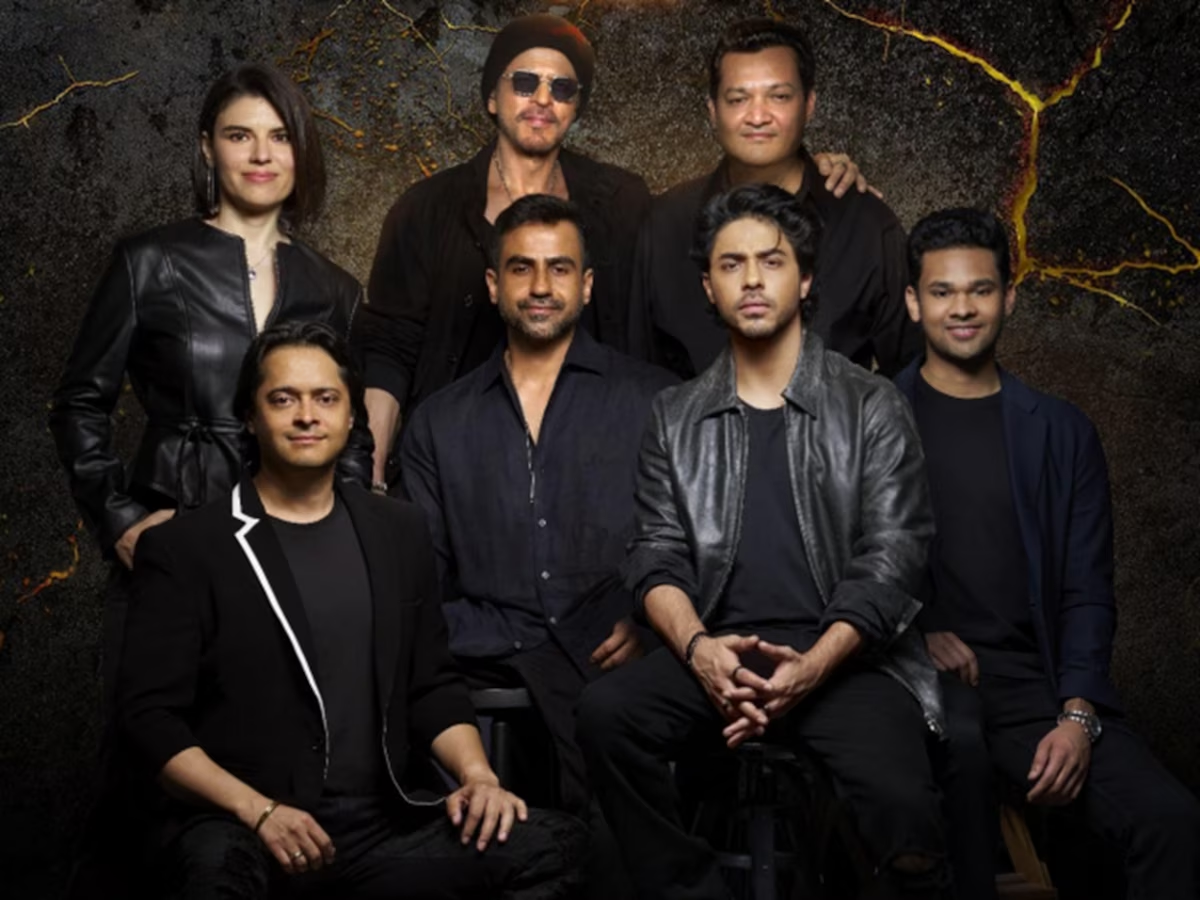
Radico Khaitan, one of India’s largest alcoholic beverage players, and Zerodha co-founder Nikhil Kamath have joined forces with Bollywood icon Shah Rukh Khan and his son Aryan Khan to scale up D’YAVOL Spirits, a luxury alcohol venture set to debut with a high-end tequila.

Launched in 2022 by Aryan Khan and Bunty Singh as a lifestyle label, D’YAVOL first offered luxury apparel and small-batch spirits, later expanding into fashion with D’YAVOL X. The new spirits-focused entity will operate independently under CEO Leti Blagoeva.

The strategic alliance brings together Radico Khaitan’s manufacturing and distribution scale, D’YAVOL’s premium brand positioning, and Kamath’s consumer market expertise. The company will focus on “bottled-in-origin” international products, targeting affluent consumers in India and overseas.

Radico Khaitan has acquired 47.5% of D’YAVOL for Rs 40 crore, making it the largest shareholder. Apart from the Khans, the other founders of D’YAVOL are their friends Harprit Singh and his wife Leti Blagoeva who is the CEO, the total holding comes to 47.5%. Nikhil Kamath has invested 5% in D’YAVOL Spirits.  

“With D’YAVOL Spirits, we are entering a bold new chapter—merging our blending, marketing, and distribution strengths with the charisma of Shah Rukh Khan, the entrepreneurial vision of Aryan Khan, and Nikhil Kamath’s disruptive approach,” said Abhishek Khaitan, MD, Radico Khaitan. “This is a long-term investment that aligns with our growth strategy while opening new avenues in luxury spirits.”

Khaitan added that Radico had no plans to enter tequila, “but when conversations happened with Shah Rukh… and when we saw the product created by them, we decided to partner with them.”

The first product, a premium tequila, is expected to hit the market within months, possibly before the fiscal year ends. Over time, the portfolio will expand to include more internationally sourced, high-end spirits.

Shah Rukh Khan said, “Every great idea needs the right energy behind it. With Abhishek’s experience, Nikhil’s passion, and our creative instinct at D’YAVOL, we are building something bold, relevant, and future-facing.”

India’s alcoholic beverage market is steadily moving upmarket, fueled by rising incomes and evolving tastes. Industry leaders are increasingly investing in design, provenance, and global appeal to capture the growing premium segment.

Radico Khaitan—known for Rampur Indian Single Malt and Magic Moments Vodka—has been expanding globally. The company says D’YAVOL Spirits will run alongside its existing portfolio, aiming squarely at younger, aspirational consumers.

Vinay Golikeri

Bacardi India, Engine of Growth for Bacardi Global: Vinay Golikeri

Bacardi Limited, the world’s largest privately held international spirits company with a portfolio comprising over 200 brands and labels. In a conversation with Bhavya Desai on a podcast, Vinay Golikeri, Managing Director of Bacardi India explains why India is a key market for Bacardi and more. Excerpts:

The market opportunities in India, both from a macro-economics and spirits perspective, are huge. Substantiating this Golikeri said, “In the global market place, premium spirits account for 50% of brands, while in India it is 5 to 6%, which means there is ample headroom to premiumise.” In India, between 2020 and 23, premium spirits had a growth of over 40% while globally it was around 7 to 8%.

Adding 20 million LDA every year

As regards Bacardi, Golikeri mentioned that vast majority of products were premium and ‘we have a long runway of growth for premium’ aided by factors such as rising affluence, consumers are drinking better, the demographic dividend (every year India is adding 20 million coming in to the legal drinking age (LDA) bracket), sea change in the retail environment, top notch bars, trading up is happening across price points. “Put all that together, the premium plus segment is really accelerating.” The median LDA in India is 28 whereas in the US and China it is over 40. “The number of affluent households is expected to more than double from 77 million in 2020 to over 177 million by 2030.”

Inflation-linked price mechanism needed

However, he said that two things from the regulators were essential – ease of doing business and consistency in policy, both of which will go a long way in driving growth for the industry and revenues for the government. “Several States have not given price increases for years. There is inflation and cost of raw material has gone up, affecting investment capabilities. The government should introduce inflation-linked price mechanism.”

With the alcobev sector in India being a highly regulated and complex market, Golikeri said, “It is like dealing with 28 countries rolled into one, policies change every year, route to market changes every year.” Taxes and duties are about 65 to 70% of the MRP (maximum retail price) and the rest goes to each level of the chain – wholesale, retail and brand owners. “Our taxes are significantly higher than anywhere in the world. We need inflation-linked pricing mechanism. We need to invest to grow the brand and for that to happen, price becomes critical.”

Best 10 Strategy

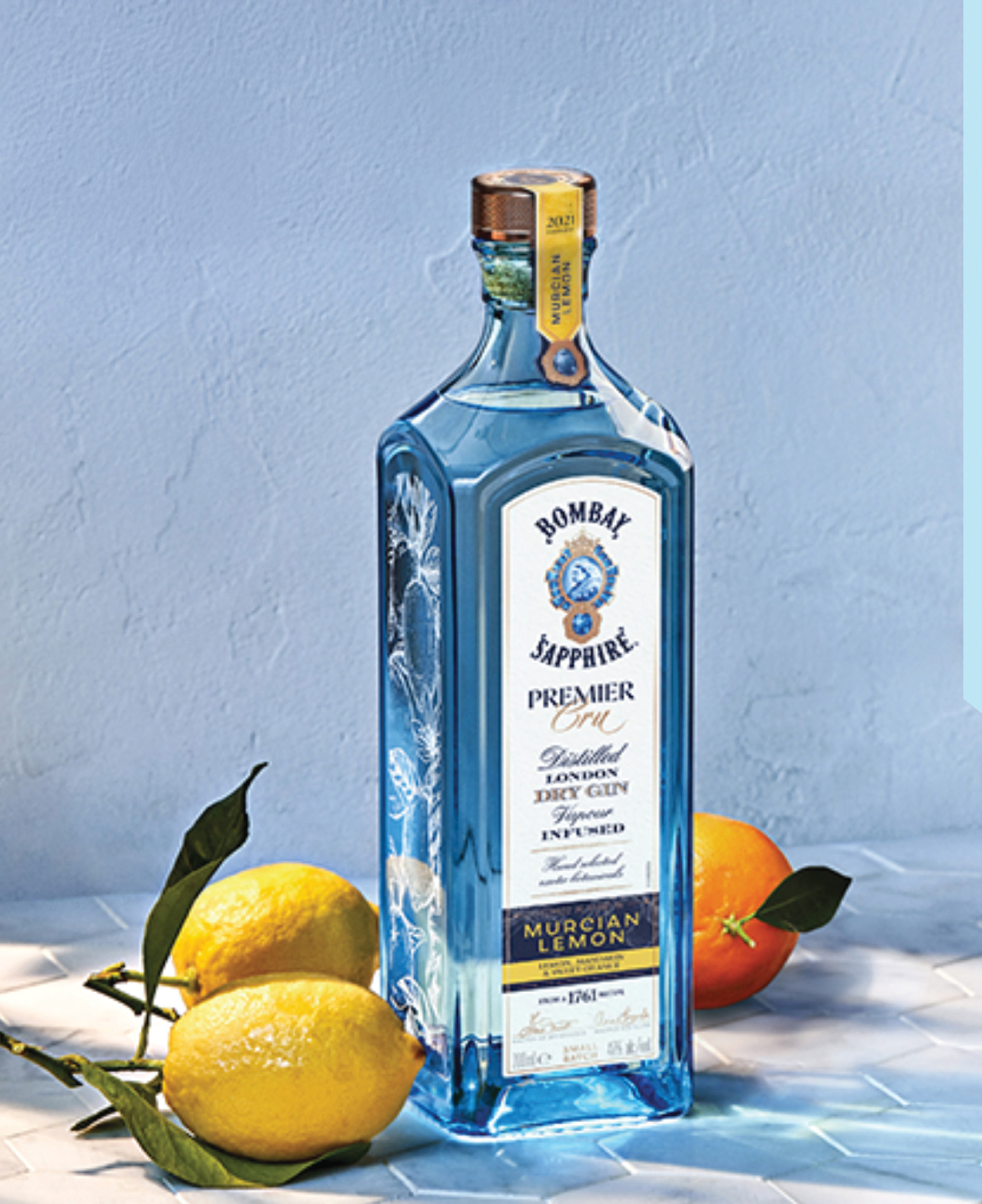
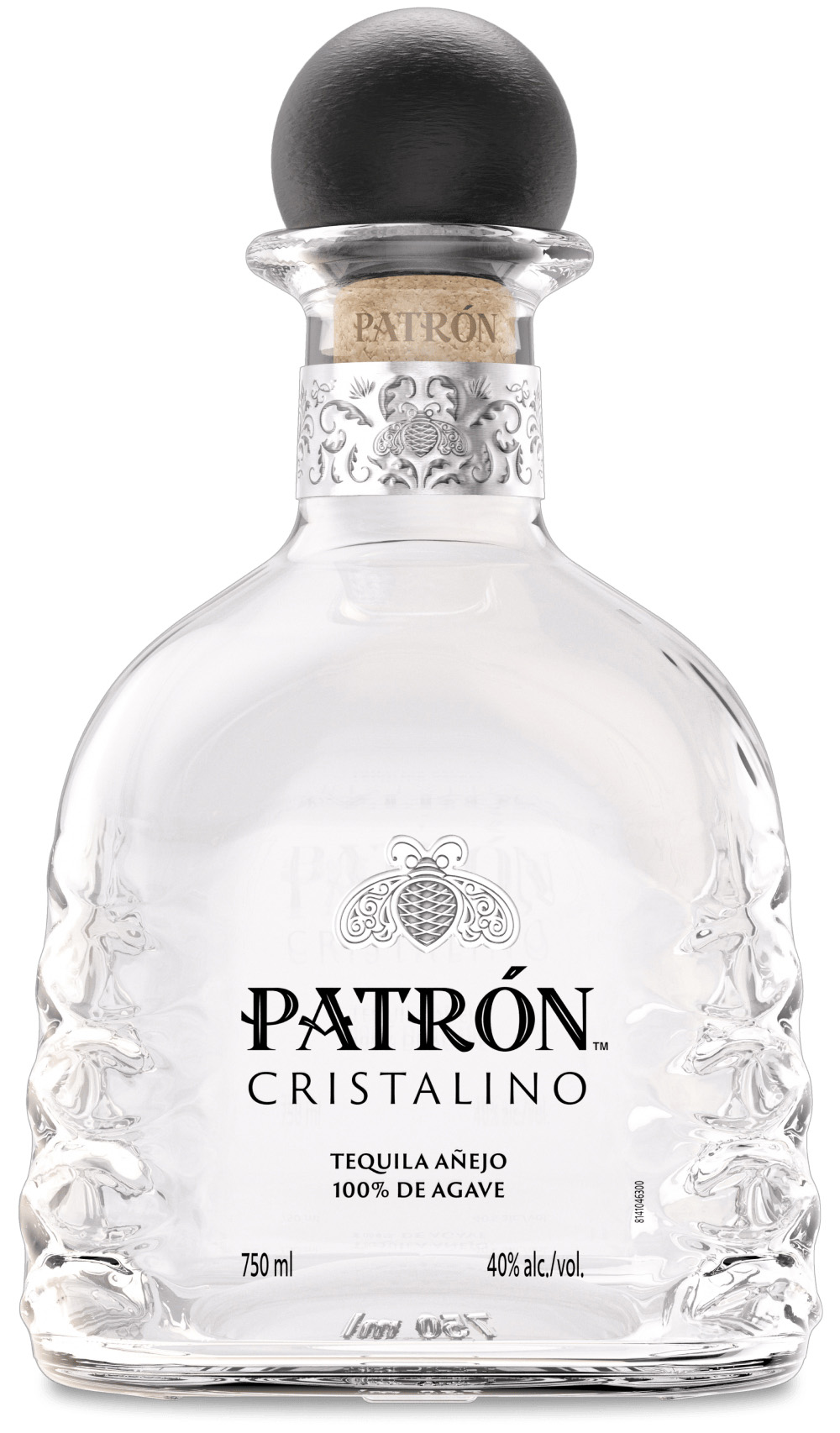
Continuing on Bacardi’s plans in India, Golikeri pointed out, “We started out in India in 1997-98 with Bacardi rum, then in early 2000s with Bacardi Breezer, mid 2010 with Bombay Sapphire, Grey Goose and a few years back with Patron. It’s being a great run. Bacardi India is an engine of growth for Bacardi globally.

“We at Bacardi are going along with our Best 10 strategy… that is making the next 10 years the best ones yet. We want to grow our India business six times by 2030. We have been having strong double-digit growth and we are on track. Experiential marketing is key for us. It is going to continue in importance as a growing number of consumers are experience-seeking. It is going to be equally about experience as much as the product.”

Cocktail Culture Evolution in India

“The bar scene in India has changed considerably, not just in metro, but also in Tier 2 cities. There is a lot of experimentation and we are seeing real evolution of the cocktail culture. It is not just Mumbai or Delhi. Recently, I had been to a bar in Guwahati and If I showed you their cocktail menu, you would think it was some bar in London or New York. Our products are positioned at half of the cocktail culture. This is an interesting opportunity for us to leverage the cocktail culture.”

Golikeri cited the sixth annual Bacardi Cocktail Trends Report, which identifies the five key trends poised to reimagine cocktail culture and the spirits industry in 2025. The report, created in collaboration with The Future Laboratory (TFL), draws on data from Bacardi-led and external research, consumer surveys, bartender interviews and TFL insights to reveal the movements that are influencing cocktail experiences, flavour profiles, and culture the coming year.

Quoting Mahesh Madhavan, the Bacardi CEO, Golikeri said the company has embraced the shift from consumption to curation, where consumers are not just seeking drinks, but meaningful experiences enjoyed over a cocktail.

Do What Moves You

Bacardi has launched a marketing push to launch its brand purpose ‘Do What Moves You’, which aims to “shine a spotlight on the brand’s belief in the power of self-expression”. “It has music experience, delicious cocktails, wonderful merchandise, its 360 degrees, bringing all together to a compelling experience. We amplify that digitally where a few experience, but gets seen by many.”

Legacy, Made in India

Talking about ‘Legacy’ whisky, the make-in-India product, Golikeri said its ‘tested, researched and produced in India’. “We have put the consumer in the heart of it. We have had strong results from the consumer to the product. We initially went into three States – Maharashtra, Uttar Pradesh and Telangana and we know we have a winner on hand. We will be rolling out in other states too and Legacy is a response to vocal for local.” The roll out plans include Goa, Pondicherry, Jharkhand, Odisha, Meghalaya, Assam, Tripura, Arunachal Pradesh, Kerala, and Rajasthan. The focus, Golikeri said, is going to be on Legacy, Irish whiskey brand Teeling; tequila brand Patron El Cielo, and vodka brand Grey Goose Altius.

However, he said that Bacardi rum which was introduced in 1997-98 continues to be popular. “For Bacardi Breezer, the main player in the RTD (ready to drink) segment, the market share in India is 90%. Launched in 2002-03, it is a great liquid and has had good activations. We had the winning recipe. We were an early entrant and we have cemented the product.”

Three F’s that Drive Bacardi culture

Asked about his experience so far in India, he said, “I came from Dubai in early 2023 and the first few months, I just travelled across the country, visiting almost all states, meeting with our teams, stakeholders and also consumers. It was an exercise to understand the challenges, the market and to help shape our strategy. I put all this on paper and took it to our board of directors. One of the learnings from the travels has been there is incredible opportunity for Bacardi to grow here.”

The company, he adds, encourages entrepreneurial mindset and helps in taking bold decisions, all coming from Bacardi’s focus on three F’s – Family; Founders and Fearless. “In Bacardi everyone is treated as family. We are all ‘Primos’ (cousins in Spanish), where we care for each other and help in making bold decisions. We are all a passionate team of Primos.

India, Golikeri adds, contributes hugely not just in terms of business, but also as a global talent hub. Bacardi has so many career programmes and India is a key pillar when it comes to talent sourcing.

Whyte & Mackay: Looking to Craft a Legacy in India’s Evolving Whisky Market

As the Indian whisky market evolves with the introduction of newer and more premium products, Indian consumers are increasingly gravitating toward ultra-premium spirits. Whyte & Mackay (W&M), originally acquired by USL (later Diageo) and eventually sold to the Philippines-based Emperador Distilleries, has made its offerings available in India through VBev. In a conversation with Bhavya Desai, James Cordiner, International Malt Specialist at W&M, and Sumedh Singh Mandla, CEO, AWS Global and VBev, shared perspectives on their portfolio, market strategy and future plans. Excerpts:

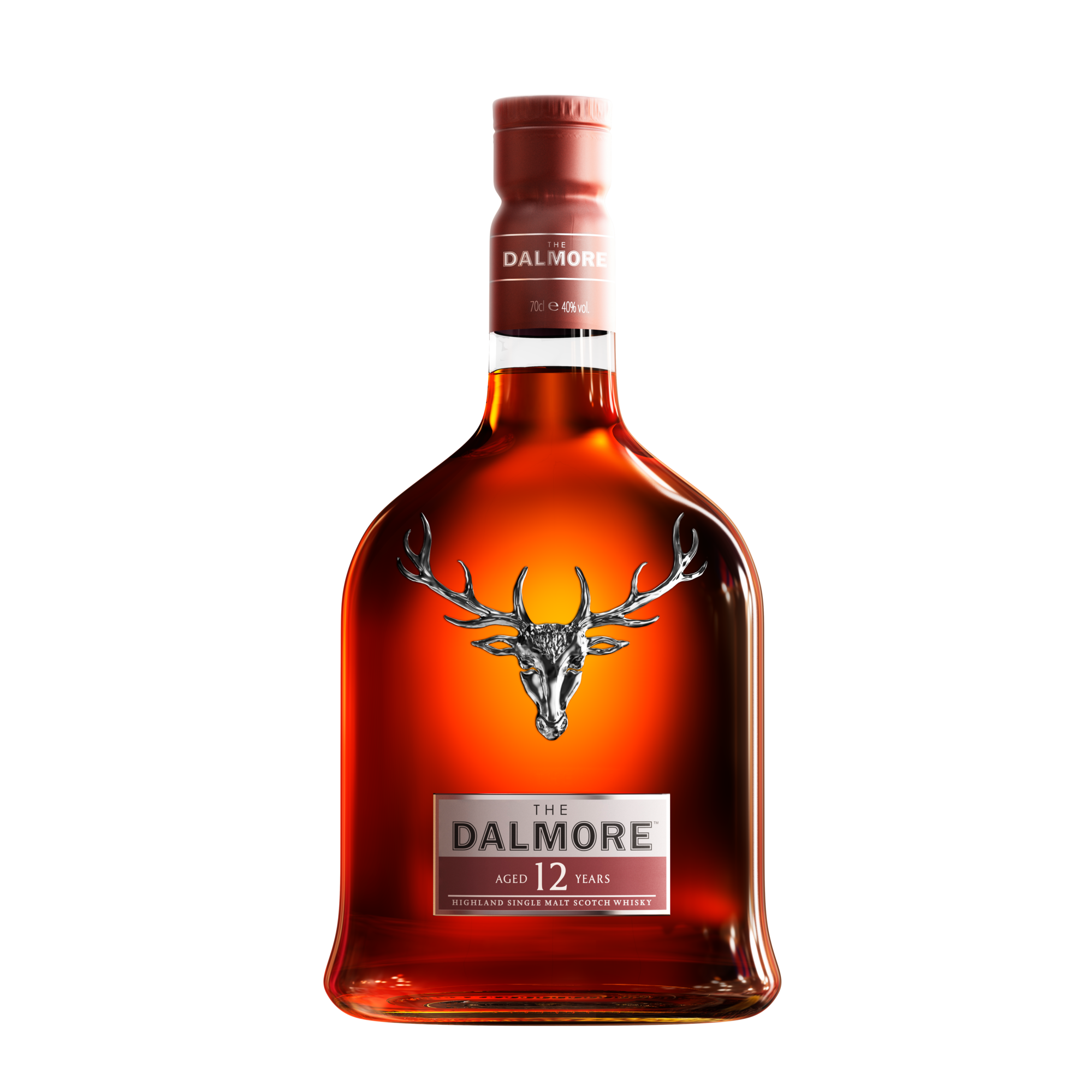
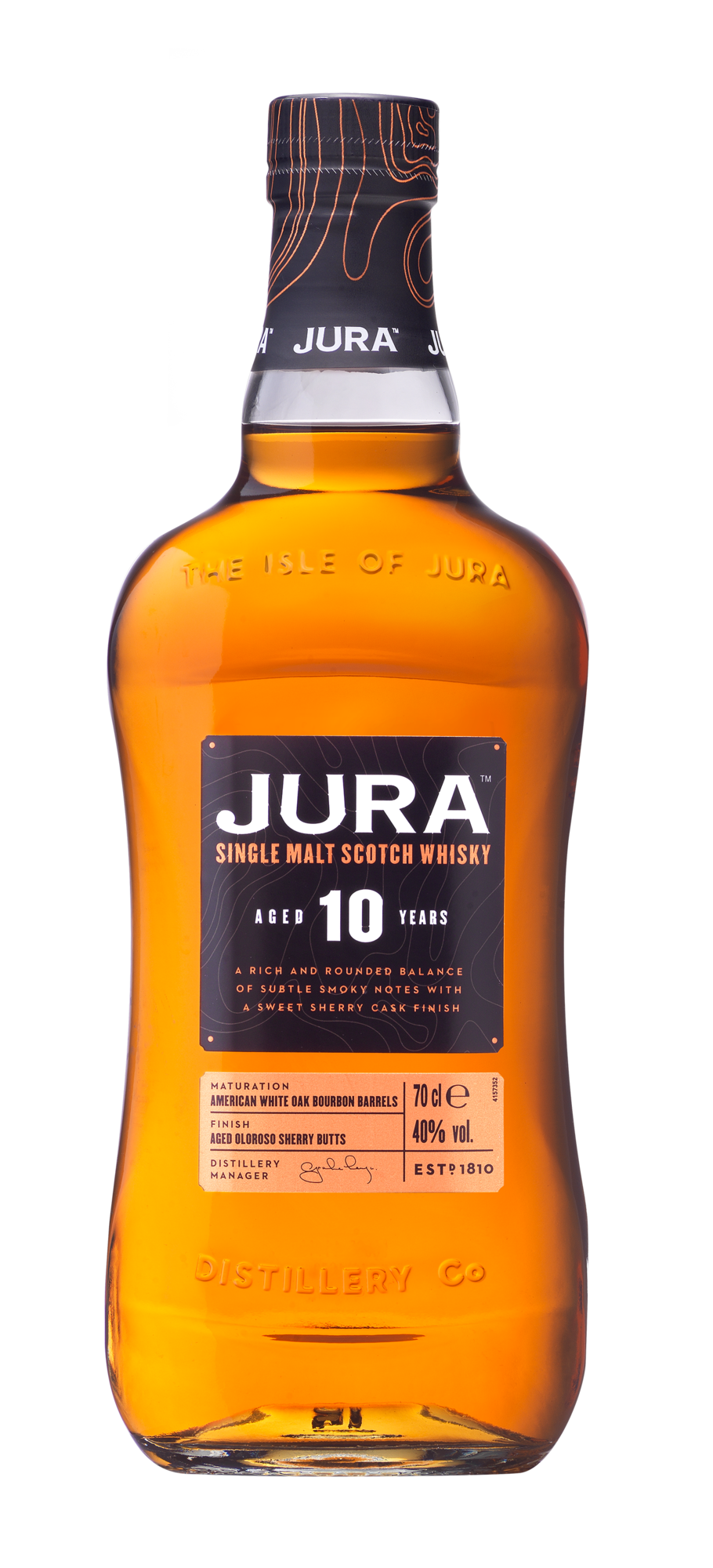
Whyte & Mackay’s current portfolio in India spans both the ultra-premium and premium segments. The lineup includes the renowned Dalmore single malt, available in age statements of 12, 15, and the Port Reserve edition, while the premium range features Jura single malt, offered in 10- and 12-year-old variants.

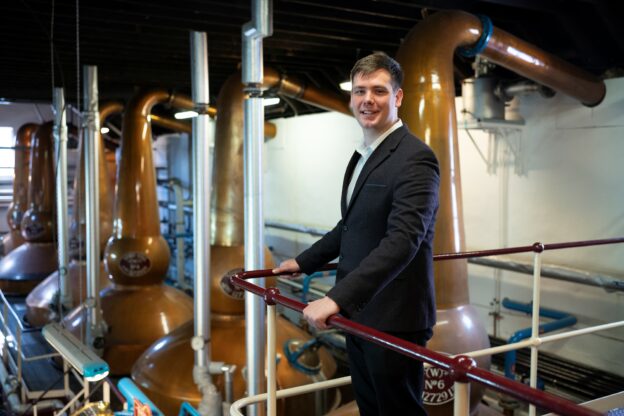
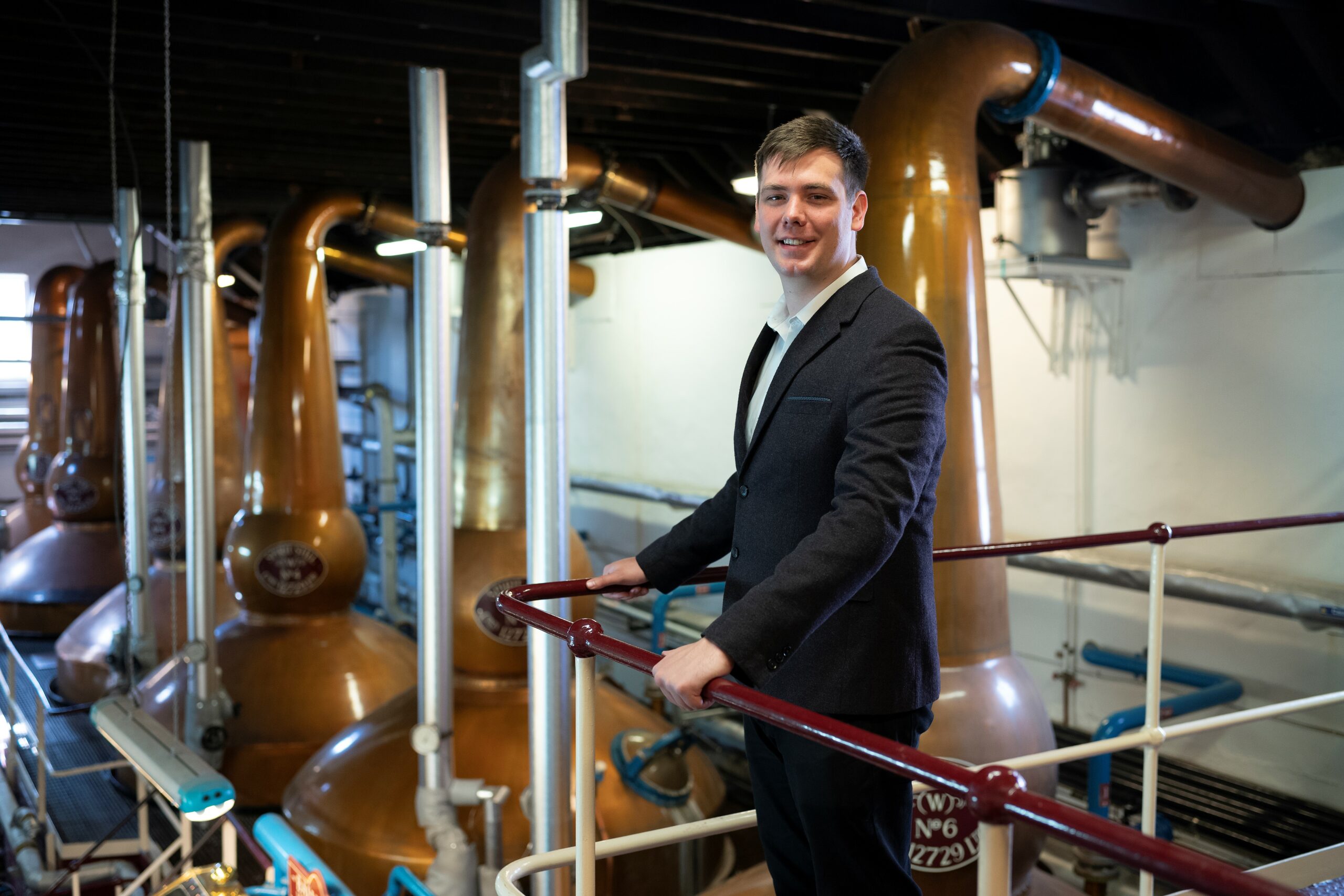
James Cordiner, International Malt Specialist at W&M

In addition to Dalmore and Jura, the company plans to launch the Tamnavulin single malt at the end of this year or early next year, with Fettercairn single malt also in the pipeline.

James Cordiner, who recently joined W&M, is no stranger to the Indian market, given his previous tenure at Bacardi. He is impressed by India’s passion for whisky. “It’s a huge whisky market and one that’s growing rapidly as consumers become more adventurous and curious,” he observes.

Sumedh Singh Mandla, CEO, AWS Global and VBev

Both James and Sumedh recognize that while Indian consumers are leaning toward premium spirits, Dalmore is positioned at a higher price point (₹14,300 per bottle in Mumbai). Nevertheless, they are optimistic that consumers will connect with the brand’s heritage, craftsmanship, and royal legacy dating back to 1839. James emphasizes that the cask selection and meticulous production process are what set these whiskies apart.

Despite the competition in the segment, Sumedh is confident that W&M’s products can carve out their own niche, particularly with the rise in consumers’ purchasing power. For those who find Dalmore’s price point steep, Jura offers a more accessible option.

Currently, the brand’s strategy includes advocacy and education initiatives targeted at on-trade establishments, with activities expected to commence soon. W&M products are now available in approximately 20 tier A and B cities, and they are also looking to go more vertical in the States that they are already available in. For instance, in Maharashtra –  expanding to other cities like Nagpur, Pune, Kolhapur etc apart from Mumbai. Although the top line products might not be made available in these markets, but they tend to surprise W&M in terms of aspiration and growth.

But growing that market comes with its challenges and fluctuating price points, shifting regulations in each State hamper the expanding market reach. Additionally, securing sufficient supply quotas for wider distribution also remains a concern, which a more streamlined regulatory framework could address.

Sumedh mentions an example: if a regulator requires a barcode to be repositioned on the bottle, it’s difficult to implement such changes after the labels have already been customized. A standardized policy would simplify these processes and accelerate growth across the segment.

James admires the progress of Indian single malts, noting, “You’ve got some fantastic whiskies being produced in India.” He points out that Scotland’s cold climate allows for extended maturation periods, resulting in more complex and nuanced flavour profiles that can develop over decades. By contrast, India’s warmer climate accelerates maturation, but might limit the depth of flavours that can be achieved within 10 to 12 years. Nonetheless, he believes that India’s single malt journey will play a key role in shaping the country’s luxury whisky market for the future.

Interestingly, the demand for luxury products is surging in smaller cities, with on-trade partners requesting more stock of premium offerings like Dalmore. Clearly, Dalmore is being positioned as an aspirational brand, catering to discerning consumers who appreciate fine spirits. But interestingly, their messaging isn’t solely targeted at men, but also at women who have reached a certain level of accomplishment in their professional and personal journeys. Moving forward, the brand plans to conduct more high-profile events to engage with affluent consumers and reinforce brand loyalty.

For those already familiar with single malts and seeking an elevated experience, W&M aims to meet their expectations. Even with Dalmore’s luxury pricing, Sumedh doesn’t see this as a major hurdle. He anticipates that as duties gradually decrease over time, products like Dalmore will become more accessible to a broader audience, growing India’s journey further.

It is clear that Whyte & Mackay’s legacy, which is built on over 175 years of whisky-making expertise, steeped in tradition and a pursuit of quality, has grown into one of the most respected names in Scotch whisky, renowned for its craftsmanship and innovative blending techniques. From the luxurious Dalmore with its rich heritage dating back to 1839, to the adventurous Jura and the approachable yet complex Tamnavulin, their current whisky portfolio offers whisky enthusiasts an option at every stage.

As the Indian whisky market continues to evolve, W&M’s commitment to delivering exceptional products, combined with its focus on storytelling and education, positions it in a strong footing for the future.