Tag Archives: Excise Policy

India’s Alcohol Economy in 2025: Scale, State Power, and Structural Friction

India’s alcoholic beverages sector moved through 2025 with steady demand and sharper value realisation. ICRA projected FY2025 volume growth at 4–5%, supported by easing input costs, while a later FY2026 update indicated revenue growth of 10–12% driven by higher realisations. Public estimates continue to place India’s drinks market near USD 60 billion.

State finances reinforced the sector’s importance. PRS Legislative Research highlights excise as a significant contributor to state revenues, with prohibition states as exceptions. Several states also accelerated digitisation and enforcement. Haryana’s rollout of QR-based track-and-trace systems, automated interest computation, and tighter compliance illustrates the administrative direction shaping operations nationwide.

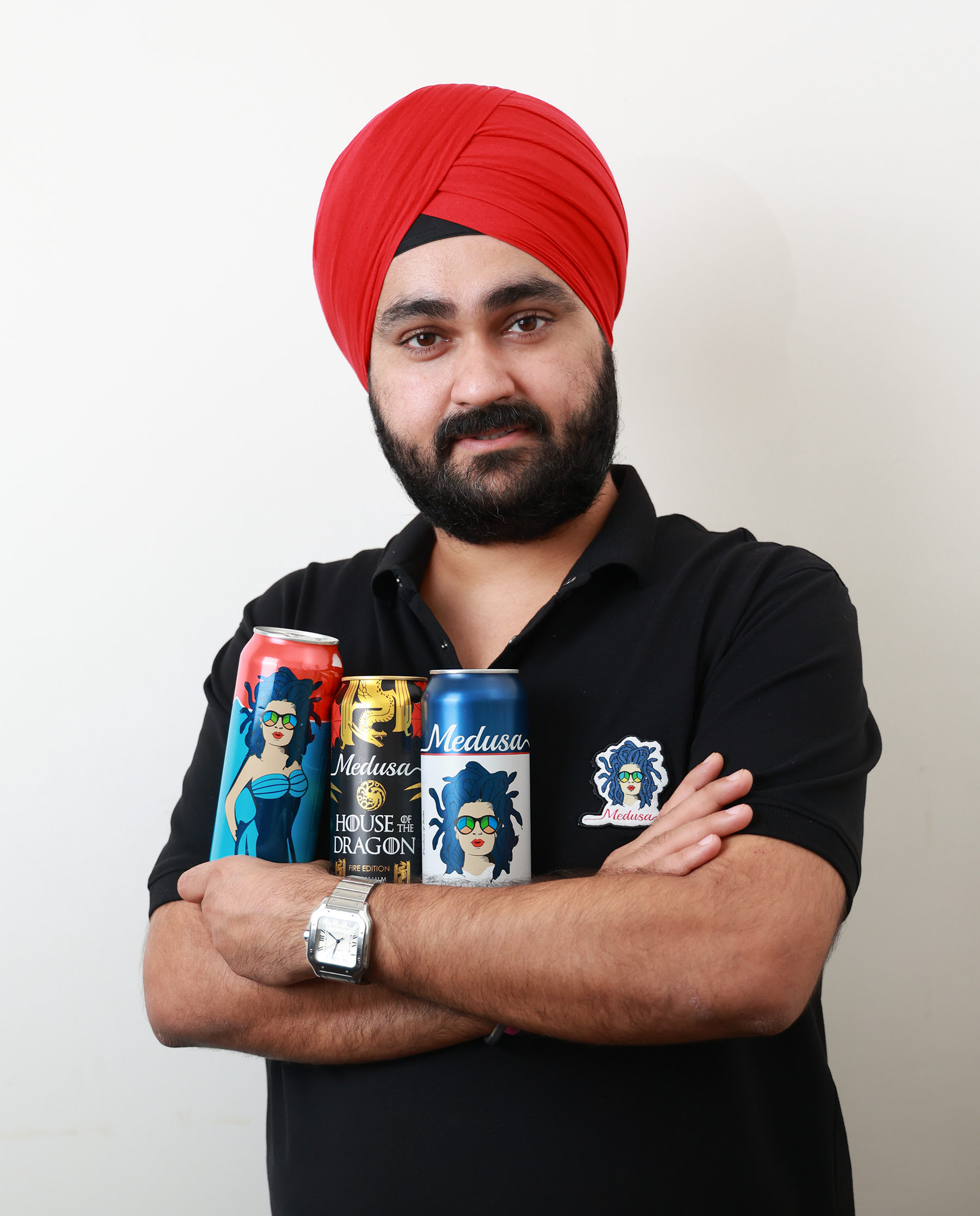
Avneet Singh, Founder & CEO, Medusa Beverages

Yet operating reality remained state-defined. Entry timelines, label registrations, wholesale structures, retail formats, and duty resets vary widely, pushing brands to plan with state granularity rather than national uniformity. Avneet Singh, Founder & CEO, Medusa Beverages, notes, “Taxes can be 60–80% of the final retail price depending on the state,” adding that excise changes shape pricing and supply planning.

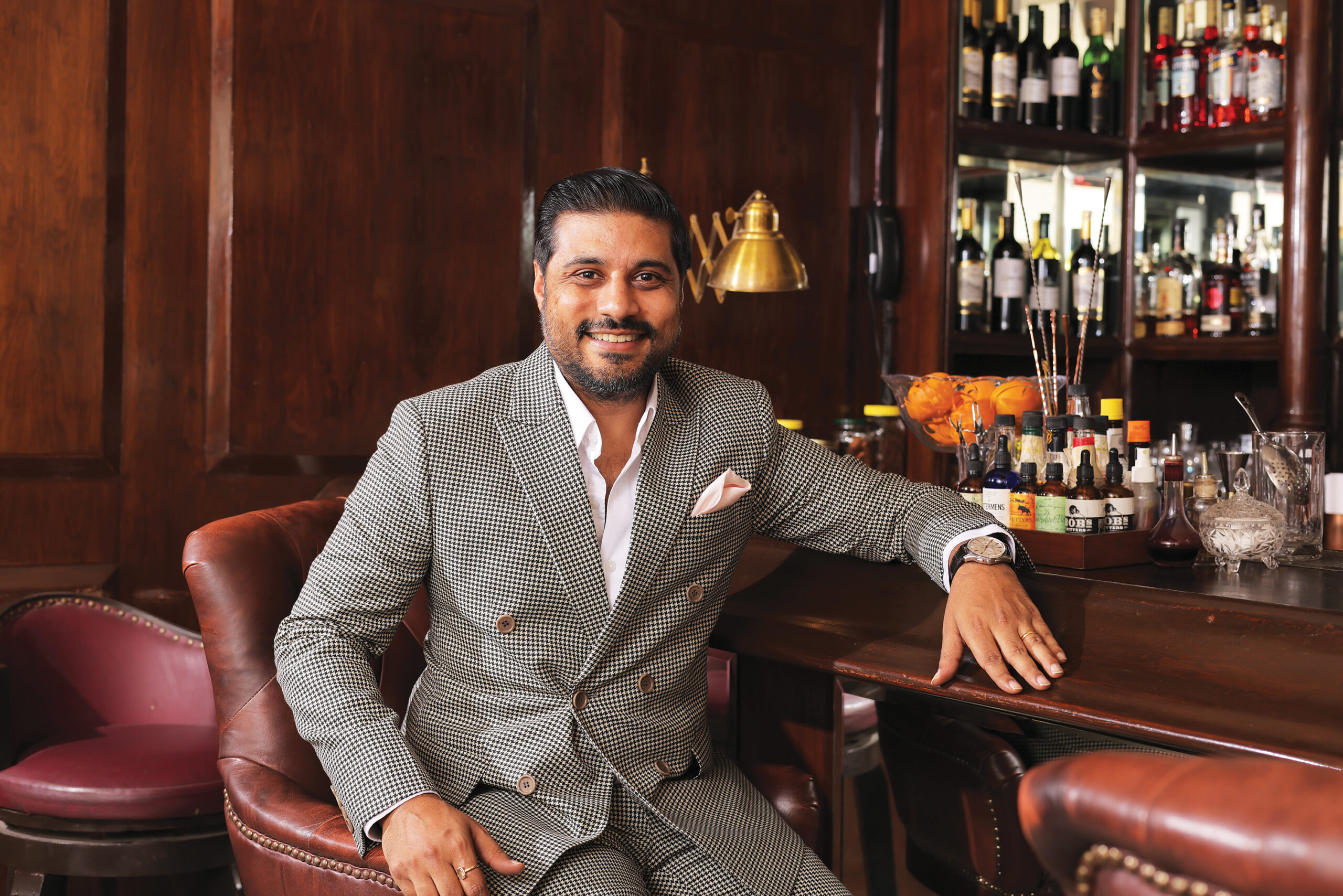
Hasan Bakhtawar, COO – Cased Business, Angus Dundee India

Hasan Bakhtawar, COO – Cased Business, Angus Dundee India, frames it as executional load: “Each state has its own unique regulations, permit requirements, and compliance processes,” with limited flexibility once excise terms are set.

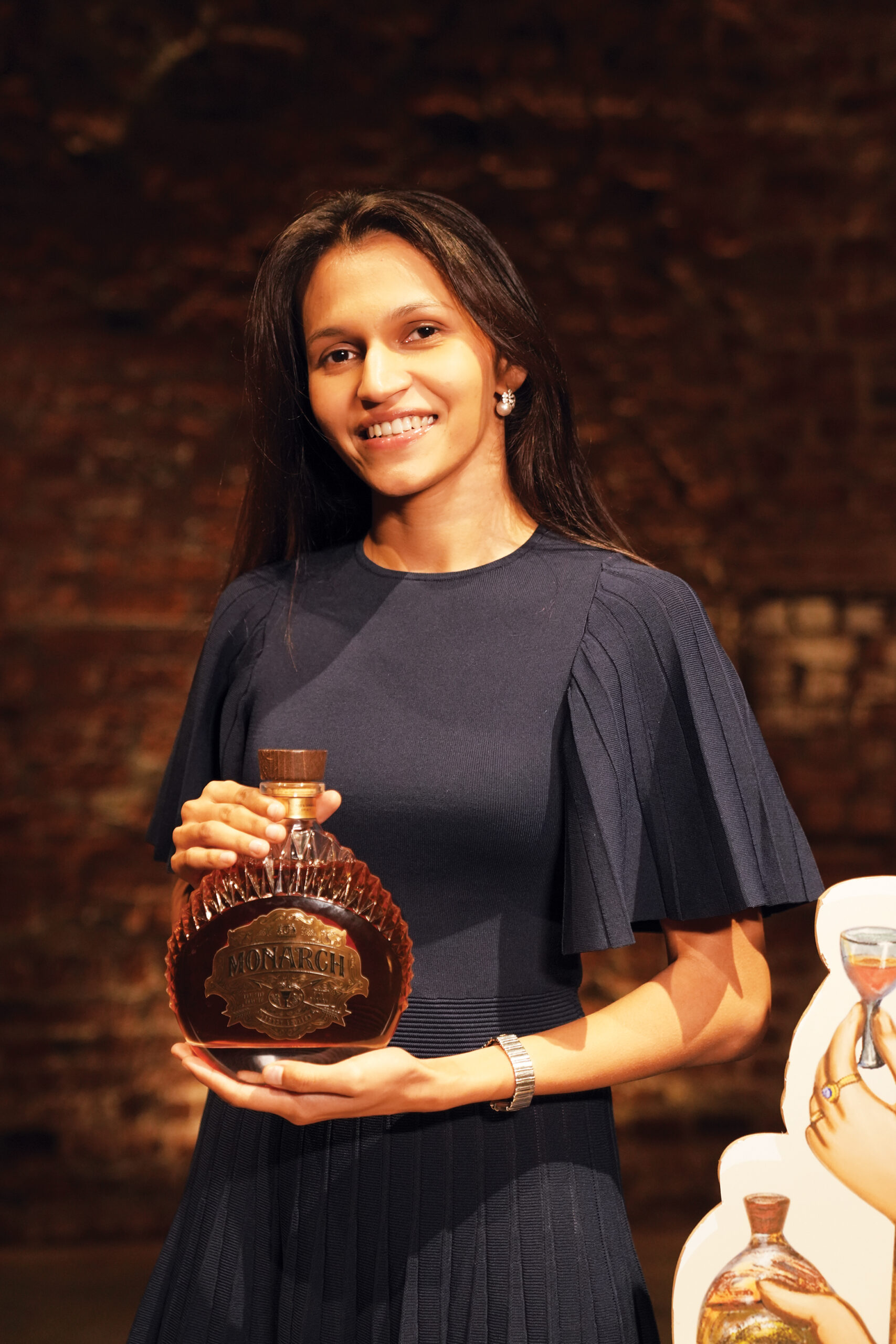
Rakshay Dhariwal, Founder & MD, Maya Pistola Agavepura

For newer brands, uncertainty compounds the challenge. Rakshay Dhariwal, Founder & MD, Maya Pistola Agavepura, says, “The real challenge isn’t the variation itself, it’s the unpredictability.”

Abhinav Jindal, CEO & Founder, BeeYoung Beer

Abhinav Jindal, CEO & Founder, BeeYoung Beer, calls regulatory volatility “the most material risk to long-term capital deployment.” Sharad Tibarewala, Brand Owner, MCKT Beverages, maintains that provenance and heritage offer stability even when policy varies.

Sharad Tibarewala, Brand Owner, MCKT Beverages

Despite friction, consumption patterns strengthened. Singh points to “quality-over-quantity drinking,” estimating 20–25% growth in premium beer, alongside rising mid-ABV and draught demand. Jindal describes a shift from volume-led to value-led consumption, while Tibarewala links premiumisation to identity and craftsmanship, anchoring Khukri Rum’s positioning in Himalayan provenance.

Sanaya Dahanukar, Marketing Manager, Tilaknagar Industries Ltd

“The mid-range segment followed a separate logic. Sanaya Dahanukar, Marketing Manager, Tilaknagar Industries Ltd., attributes 2025’s momentum to ‘disciplined price-tiering and price-laddering,’ driven by strong brandy familiarity in the South and a whisky strategy designed to guide consumers across price points. Hasan Bakhtawar adds that mid-price growth is being supported by value-seeking behaviour anchored in trusted regional brands.”

Portfolio strategy grew more disciplined. Excise slabs compress price bands, forcing brands into narrow MRP clusters. State-wise SKU pruning, excise-year timing, and distributor economics now dictate leaner, market-specific assortments. Many brands defer launches to avoid partial-year exposure, prioritising fewer, better-timed entries.

Innovation in 2025 favoured defensible ideas. Jindal calls this “disciplined innovation,” while Singh highlights launches sustained by story and visual identity in a restricted advertising environment. Dhariwal and Gadvi link packaging to meaning, usability, and education, especially for younger consumers.

Looking ahead, 2026 will hinge on predictability. While premium, craft, and low-ABV segments gain traction, fragmented excise architecture remains the sector’s defining constraint. Brands entering the next cycle with disciplined portfolios, operational readiness, and clear brand meaning are best placed to convert demand into durable growth.

To read full article sign up or subscribe to the magazine.

Karnataka to auction unused excise licences, to mop up additional Rs 1,000 crore revenue

  • In the 2025–26 Budget, Chief Minister Siddaramaiah proposed allotting unused liquor licences through e-auction
  • To boost the State’s additional resource mobilisation.

The Karnataka Excise Department has initiated the process of auctioning unused retail licenses, in the hope of raising additional revenue of nearly Rs. 1,000 crores. The State Government has issued a gazette notification on the e-auctioning of 579 unused CL-2A (retail liquor shops), CL-9A (bars & restaurants), and CL-11-C (government-owned Mysore Sales International Limited) licences.

The government on November 3 had issued the final notification on the amendment to the Karnataka Excise (General Conditions of Licences) Rules, 1967, Karnataka Excise (Lease of the Right of Retail Vend of Beer) Rules, 1976 and Karnataka Excise (Sale of Indian & Foreign Liquors) Rules 1968 for e-auctioning of defunct/unused licences.

The amended rules are now called the Second Amendment Rules, 2025 in the above three categories. Two new license categories, CL-2A for CL2 (retail liquor shops) and CL-9A for CL-9 (bars & restaurants) have been created for the unused licenses under consideration for auction.

“This is the first time unused and unallotted Excise licences are being auctioned to generate revenue. The government is expecting to earn around Rs 1000 crore through the e-auctioning process. Some licences that the department had issued to government-owned MSIL (CL-11C) and were not opened have been taken back and are being auctioned under the CL-2A (CL2 retail liquor shops) category only. The CL-9A licences (CL9 bars & restaurants) that are being auctioned were discontinued and hence brought under the auction pool,” Joint Commissioner, Excise, Indian Made Liquor (IML), T Nagarajappa has said.

He added that 182 out of 569 will be auctioned for the eight (Excise) districts in Bengaluru Urban District (BUD) alone. Majority of licences will be auctioned for Bengaluru city. The rest will be auctioned in corporations and other taluks. CL-9A is likely to be auctioned for corporation areas like Bengaluru, Mysuru, Mangalaru and Belagavi.

Registration for bidders began on December 22, while live e-bidding will take place between January 13 and January 20, 2026, according to the gazette notification. Bidders can participate only after completing registration and confirming online payment in their wallet. They have been advised to complete the registration process at least 48 hours before the start of the auction slot they wish to participate in.

Base bidding for the auction is likely to be pegged at Rs 1.5crore for licences in Bengaluru city. For other areas, it may be between Rs 80 lakh and Rs 1 crore. The process of e-auction is slated to be over by January 10, 2026. The government is likely to mop up around Rs 600 crore revenue through the auctions, according to sources.

Interested bidders must register on the MSTC Limited e-auction platform. A one-time registration fee of Rs 1,000 plus applicable GST must be paid online. The application fee for each licence is a non-refundable Rs 50,000. The government has provided reservations in the auction process: six per cent each for Scheduled Caste-A and Scheduled Caste-B categories, five per cent for Scheduled Caste-C, and seven per cent for Scheduled Tribes for CL-2A and CL-9A licences. Discontinued or unallotted CL-2 and CL-11C licences have been reclassified as CL-2A, while discontinued CL-9 licences have been reclassified as CL-9A. Accordingly, 477 CL-2A and 92 CL-9A licences are available for e-auction.

For participating in the auction, bidders have to pay a non-refundable application fee of around Rs 50,000 and refundable Early Money Deposit (EMD) of around 3% of the base bidding price. MSTC Limited, a Government of India enterprise, will conduct these auctions through a transparent electronic (e-auction) system.

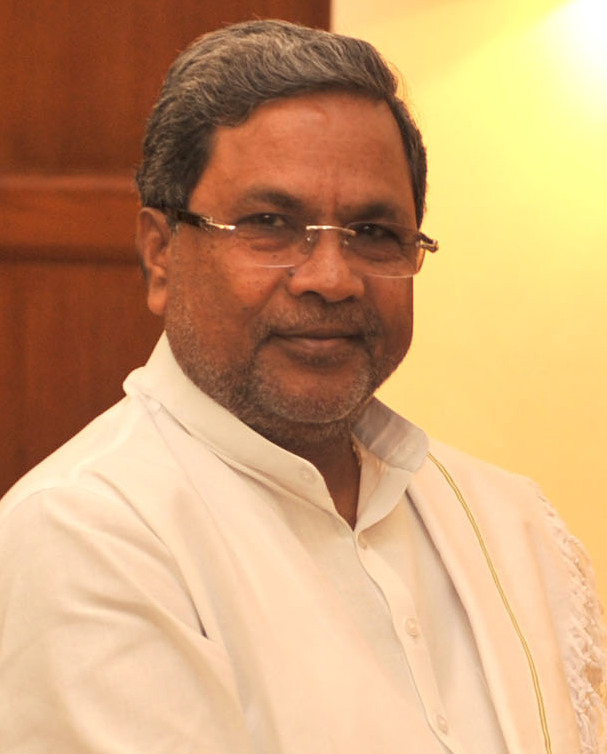
Shri Siddaramaiah, The Chief Minister of Karnataka

The Chief Minister Siddaramaiah had proposed allotting unused liquor licences through a transparent electronic auction to aid additional resource mobilisation for the State. He had made this statement while presenting the 2025-26 state budget. Details of the e-auction schedule are available on the Karnataka State Excise Department portal and the MSTC e-auction platform.

R.Chandrakanth

Ambrosia

Section 49 of Maharashtra Prohibition Act Invoked, Questions Locus Standi of ISWAI

• Government defends ‘Maharashtra Made Liquor’ (MML) policy citing increase in revenue by 17%

• On December 16, United Spirits Limited applies for new label license – McDowell’s Century Blended Whisky,under MML category

• 64% of the total liquor manufactured in 2024–25 is from nine potable liquor license (PLL) holders

• MML necessary to revive struggling domestic license holders, government contention

The Government of Maharashtra, on December 16, defended in the Bombay High Court its newly introduced Maharashtra Made Liquor (MML)’ policy, stating that it had led to a nearly 17 per cent increase in the excise revenue. The government informed the Court that it had invoked Section 49 of the Maharashtra Prohibition Act, which gives it ‘exclusive privilege on trade in excisable articles’, thus questioning the locus standi of the International Spirits and Wine Association of India (ISWAI) which has filed the petition challenging the MML policy.

The next hearing is on December 23. 

The government made the submission in response to thepetition of ISWAI which represents several companies including global giants such as Pernod Ricard, Diageo and Bacardi. 

The State Government took shelter under Section 49 of the Maharashtra Prohibition Act to argue that trade in excisable articles remains the exclusive privilege of the government, which may be conferred only upon license-holders for consideration.

While acknowledging that one ISWAI member, Pernod Ricard India, holds two potable liquor licenses (PLL), in Nashik and Kolhapur, the government affidavit said that most other members do not operate manufacturing units in Maharashtra.The State questioned ISWAI’s locus standi to challenge the policy, pointing out that ISWAI does not hold any potable liquor license.

“The State government has not imparted this privilege to ISWAI, it does not hold the right to bring an action against the policy decision on behalf of the alleged members of the association.”

Excise Revenues Surge

The Government representatives also made out a case of how excise revenue had surged post introduction of the policy. The excise collections between July and November 2025 rose from ₹9,665.64 crore in 2024–25 to ₹11,299.40 crore in 2025–26, it mentioned.

This growth contrasts with the average 12% rise recorded between April and June 2025, before duty revisions and the rollout of MML. “This shows positive growth after introduction of new policy,” the government said. The government further argued that the policy was aimed at addressing an uneven competitive landscape, promoting local liquor manufacturers and reviving idle capacities in domestic distilleries.

The government said that about 64% of the total liquor manufactured in 2024–25 came from nine potable liquor license (PLL) holders, many linked to ISWAI members or their subsidiaries. The State argued that these figures justified creation of the MML category and a reserved, incentive-based policy was necessary to revive struggling domestic license holders.

ISWAI had challenged the policy as arbitrary and discriminatory, arguing that it violates Article 14 of the Constitution by creating “a preferential class” of PLL holders who alone may manufacture MML, while excluding similarly placed licensees, including its members.

ISWAI argued that this criteria defeats the purported objectives of employment generation, investment promotion, full-capacity utilisation of distilleries and enhancement of excise revenue. It added that the same policy goals could be achieved by allowing all PLL holders to produce MML rather than reserving lower taxes and a price brand for a narrow class of locally structured licensees.

Even while, the Court is hearing the case, United Spirits Limited with unit in Chikhalthana in Aurangabad taluk has applied under MML category a label by name ‘McDowell’s Century Blended Whisky to be sold exclusively in Maharashtra.

Court Directs Department to Open Portal for Label Registration

On November 24, the Court had allowed the State and other stakeholders to go ahead with preparatory steps for execution of the policy decision, but clarified that the same will be without prejudice to the outcome of the case.

The Court had directed the Government representatives to open the portal for any alcobev player from within the state. However, till December 9, the excise department had not facilitated that process, forcing the Court to take notice of that and cautioning the government. A two-judge bench headed by Senior Judge Revathi Mohite Dere asked why the excise department had not followed the court directive and cautioned the government that it would take serious notice of the lapse. 

Department Holds Right to Accept or Reject Application

Sources in the Excise Department clarified that the portal is open for anyone to file an application for registering their labels, but it is the department’s prerogative to accept or reject the application. 

The ISWAI contention has been that the process for companies to get their labels registered is time-consuming, not less than 45 days, and with the court case going on there would be further delay. This, the ISWAI source mentionedwould give undue advantage to the eight players who have been granted licenses to set up MML units. They are already marketing MML in the price band of Rs. 160 and Rs. 205 where brand really does not matter to a particular segment of consumers. 

MML Category Doing Well

As of now, reports from the ground indicate that the products launched under the MML category are doing ‘extremely well’ with product quality being good. Some of the MML players or the consultants who are guiding them come with enormous experience in the liquor industry, either having worked in major companies or having bottling plants or ethanol units. Some of them also own retail shops across Maharashtra where they can give good shelf position for their products. 

The ISWAI source said that many of the players were ‘commodity players’ and not ‘brand players’ and they would flood the market having a good lead over the establishedcompanies. The source acknowledged that the MML players had drafted consultants who have had strong background in the liquor business and are helping the licensees to set up the businesses, thus giving ‘undue advantage’ to them. 

In mid-2025, the Maharashtra government introduced policy changes to incentivise local investment. It brought in the MML category, to include grain-based spirits produced exclusively by local manufacturers. The tax rate for MML is 270 per cent with zero foreign investment/ownership. The government believes that this will spur the local industry.

ISWAI then filed a lawsuit against the Maharashtra government, challenging the sharp hike in excise duty on premium affordable liquor brands and also for exclusion of brands of major players such as Diageo India and Pernod Ricard India from the newly-created lower tax category of MML. 

The court also asked the government lawyer why the report of the Varsha Nair Committee was not submitted earlier on MML. The report highlights certain salient points to encourage those distilleries which are closed or underutilised in Maharashtra to produce cheap liquor. The report added that this would generate additional revenue to the excisedepartment as well as generate employment provided it is made in Maharashtra for distribution in Maharashtra. It also prescribes certain minimum shareholding pattern for owners.

Eleven Licenses Approved, Several in the Pipeline

So far, the department has approved eleven MML licenses and many more are pending. Companies, both International and nation, are keen on jumping on to this MML bandwagon to produce economy liquor priced between Rs.160 and Rs.205 for the Maharashtra consumers even while their focus is on premium brands. These companies could launch similar products in this price range with some brand extensions and so on. 

The Government is represented by Advocate General Milind Sathe with government pleader Neha Bhide and additional government pleaders Shruti Vyas and GR Raghuwanshi.ISWAI is represented by senior advocate Rohan Shah and advocates Darshan Bora, Chirag Shetty, Anchal Mundada, Kanika Birje, Surabhi Prabhudesai, and Vidhi Shah. 

Trilok Desai / R.Chandrakanth

Ambrosia

No Liquor on May 21 in Karnataka, Industry Opposes Constant hikes in excise duty and license fee

  • As per draft notification the annual license fee has been increased from ₹27 lakh to ₹54 lakh
  • For distilleries and warehouses, it has been increased from ₹45 lakh to ₹90 lakh

Distilleries and liquor shops in Karnataka are up in arms against the Karnataka Government which has been raising excise duty and license fees at regular intervals. As a mark of protest, they have called for a strike on May 21 and retailers have decided not to purchase liquor from government depots.

On May 15, yet again, the Karnataka government issued a draft notification to double the license fee on May 15. Organisations such as the Karnataka Wine Merchants Association, the National Restaurant Association of India, and the Karnataka Brewery and Distilleries Association have opposed this move and have given a call to all liquor vends in the state to close on May 21. They said across the State almost 12,000 licensed liquor shops will down the shutters.

According to the draft notification the annual license fee has been increased from ₹27 lakh to ₹54 lakh. For distilleries and warehouses, it has been increased from ₹45 lakh to ₹90 lakh. The new fees will come into effect from July 1.

The associations said the repeated hikes by the government had rendered the business unviable, leading to closure of many liquor shops.

The Congress-I government has been increasing excise, milk prices, flat registration charges etc. as to fund the many freebies it announced during the elections. Excise officials say that the fee was increased this year to make up for the shortfalls of the previous financial year. The revenue target for the financial year 2024-25 was 38,525 crores. But only 35,530 crores could be collected. Retailers said the new license fee hike will hit budget segment sales and small outlets. They said that nearly 40 pubs in Bengaluru closed last year as doing business was becoming difficult.

ISWAI Commends State Governments for Implementing Progressive Excise Policies

  • Move will provide enhanced consumer experience and generate revenue opportunities
  • Premium-only and Smart Liquor Stores in Karnataka, Telangana, Haryana
  • Industry seeks De-regulation

The International Spirits and Wines Association of India (ISWAI), voice of the Indian Premium alcoholic beverage industry, has commended State governments for implementing progressive excise policies aimed at modernising retail formats, increasing revenue, and enhancing the overall consumer experience.

From Uttar Pradesh’s composite retail formats to Andhra Pradesh’s privatised model, Rajasthan’s premium mall-based stores, Madhya Pradesh’s single-bottle billing system, Haryana, Telangana, Karnataka, and Odisha’s premium-only retail formats, these progressive policies are redefining how the alcohol retail ecosystem operates across the country.

Welcoming the positive change, Sanjit Padhi, CEO of the International Spirits and Wines Association of India (ISWAI), said, “The reforms we are witnessing across different states in India, signal a paradigm shift in how the alcobev sector is perceived and managed, and reflects the state governments positive intent and commitment. Progressive excise policies are not only improving compliance and transparency, but also creating the foundation for sustainable, consumer-centric growth.”

UP’s reform-centric excise policy

ISWAI said at the forefront of this transformation is Uttar Pradesh, which has launched a reform-centric excise policy for FY 2025–26 with an ambitious revenue target of ₹55,000 crore, a 10% increase over the previous year. Structural changes like consolidating over 12,000 outlets into approximately 9,000 composite vends are doubling retail accessibility and ensuring broader market coverage. The adoption of a digital e-lottery system for retail licenses has already generated more than ₹2,250 crore, while retail license fees are expected to contribute over ₹4,200 crore, a testament to how digitization and transparency can directly drive state revenues.

Excise reforms are reshaping the alcobev landscape.

Speaking on these forward-looking changes, Sanjit Padhi said, “Uttar Pradesh has been a leader in driving structural reforms that have seen its revenue jump from ₹24,000 crore in FY 18/19  to a target of ₹55,000 crore in FY 25/26, growing at a rate of 13% CAGR. ISWAI members are the largest contributors to the state’s IMFL revenue (55%+), and we believe that the current changes are part of building a sustainable, growth-oriented revenue model that is also consumer-centric. The new outlets and investments in the retail infrastructure will result in a superior consumer experience.”

The reforms also offer greater operational stability for vendors. The state now grants two-year licenses via the e-lottery system, promotes fair competition by capping ownership at two outlets per individual, and fosters a level playing field for stakeholders.

Uttar Pradesh’s focus on premiumisation is reshaping consumer expectations and retail standards. New composite vends are being upgraded into well-lit, aesthetic, and secure outlets, particularly appealing to women consumers and supporting responsible consumption.

“We’re witnessing the rise of a more inclusive, modern alcobev ecosystem. From premium retail formats to safer consumer environments, these changes are aligning with global best practices and unlocking new growth opportunities. This will also provide consumers with high-quality premium brands and genuine products, deterring counterfeit products and encouraging responsible drinking. We hope that other states adopt the best practices of these progressive states to build consumer-centric, growth-oriented, sustainable revenue models,” added Sanjit Padhi.

Innovative Approaches by Andhra Pradesh, Rajasthan, Madhya Pradesh

Some states are following suit with their innovative approaches. Andhra Pradesh, through its privatised retail model, now supports 3,736 liquor vends and has witnessed a ₹1,800 crore surge in revenues and a 37% rise in Scotch sales, indicating strong premiumisation trends. Rajasthan has declared a four-year excise policy – a landmark reform that ensures stability in the sector. Speaking on this, Sanjit Padhi said, “The industry needs business stability as it allows room for building long-term investment plans. Rajasthan has taken this step, which we hope will inspire many other progressive states to evaluate and build this into their future planning process.”

The state of Rajasthan has already seen a 55% increase in IMFL sales since FY 2021, thanks to a retail overhaul that includes premium outlets at airports and shopping malls. States like Madhya Pradesh and Rajasthan are also experiencing significant volume growth—27% and 55% respectively—by embracing composite retail formats that ensure equitable access across urban and rural areas while reducing the prevalence of illicit trade and counterfeit products. Madhya Pradesh’s 2025–26 policy has also introduced features like stock carry-forward and single-bottle billing for premium brands, enhancing traceability and efficiency.

Premium-only and Smart Liquor Stores in other States

Similarly, Uttarakhand is launching Smart Liquor Stores in malls and department outlets, while Haryana, Telangana, Karnataka, and Odisha are promoting premium-only retail formats to meet rising urban demand.

Industry seeks Deregulation

Meanwhile, one of the biggest challenges the industry faces is pricing control. In this context, Sanjit Padhi emphasised the need for deregulation in the IMFL sector. “Market forces should determine pricing, and no company will risk its business by arbitrarily pricing itself out of the market,” he said. ISWAI strongly recommends the removal of pricing controls to liberate and unshackle the industry, encouraging greater investment and more robust contributions to state revenues.

In addition, leading states like Madhya Pradesh, West Bengal and UP have digitized their processes and significantly improved the ease of doing business. This is another area where other states can consider increasing efficiencies, which could lead to better resource utilisation.

As more states look to emulate these successful models, India’s alcobev landscape will continue to evolve into a refined, progressive ecosystem that balances public welfare, economic growth, and consumer preferences, marking a significant milestone for the industry.

ISWAI members largest revenue contributors

Members of ISWAI include global leaders Bacardi, Brown Forman, Campari Group, Diageo-United Spirits, John Distilleries, Moet Hennessy, Pernod Ricard, Suntory Global and William Grant & Sons and have almost 98% of the business produced in India through Indian Made Foreign Liquor (IMFL), Bottled-in-India (BII) products and Indian Single Malts, thereby making the sector strong proponents of the ‘Make in India’ ideology, generating employment and business opportunities, both directly and in ancillary services & industries, across states. ISWAI members are the largest revenue contributors, with over 45% share in volume and more than 55% share in value. With over 95 manufacturing plants in the country, ISWAI members have large investments in India.

Karnataka Beer Prices Hiked

Karnataka’s beer price linked to alcohol content

The Karnataka Government on January 8 has issued a final notification with regard to hike in beer prices. The draft notification on increase in duty on beer was made first on August 23 last year. According to the Excise Department, henceforth, beer prices will be linked to the content of alcohol in it.

This is the third revision in beer prices by the Congress government in the state since July 2023. The first hike was in the July 2023 budget in which the Chief Minister had announced a 10% hike in Additional Excise Duty (AED) on beer and 20% hike in AED on all the then 18 slabs of Indian Made Liquor (IML). In January 2024, AED on beer was increased by 10% – from 185% of the declared price to 195% of the declared price.

Beer pricing has been categorised into two slabs, depending on the alcohol content. The Excise Duty (ED) on mild beers with alcoholic content less than or equal to 5% v/v has been pegged at ₹12 per bulk litre (pbl) and ₹20 pbl for stronger beers containing 5-8% alcohol. Earlier, the ED on beer was ₹10 pbl, irrespective of alcohol content.

Karnataka has made it mandatory for breweries to prepare beer – fermented liquor “from malt or grain with or without sugar and hops, and include ale, black beer, porter, stout and spruce beer” and ensuring that the sugar content is “not more than 25% by weight.” Breweries have been asked to declare the ingredients of beer.

In Karnataka, nearly 75% of total beer sales is accounted for by strong beers and some of the breweries ferment using high sugar instead of malt.

The Congress government explained that the hike was necessary to plug the revenue gap in the excise department, despite increase in liquor sales. The President of the Federation of Wine Merchants’ Associations, Karunakar Hegde said the hike is going to impact the market adversely. He added that supplies of beer had been affected and production had slowed down.

Delhi extends Old Excise Policy by 6 Months

The Kejriwal led Delhi Government made an announcement today that the old excise policy for Delhi is being extended for further six months. In the interim the government is working on the new excise policy that has been in the news in recent times, following the recommendations made by LG VK Saxena after the CBI probe into the alleged irregularities in its implementation. 

The extension also marks as a blow to the Delhi private players who were looking to keep their shops open having invested heavily in procuring licenses. For the consumer this also means that the offers made by private players have also disappeared since the old policy uses government-run liquor vendors.

The former Deputy Chief Minister of Delhi was recently arrested alleging the irregularities in the new policy, which was believed to be favouring certain players. The ED in their case also stated that kickbacks were provided by the players to the government, which lead to the dismissal of 11 excise officials as well following the probe.

It is believed that Delhi was looking to compete with Haryana with its new policy offering lucrative discounts to the consumers, who often prefer liquor shops in Gurugram, since they offer massive discounts as opposed to most states in India.

Excise takes a hit in Delhi; Political battle between AAP and BJP

• Delhi government discontinues Excise Policy 2021-22 from August 1, 2022

• 468 private liquor shops operating in the city, shut from August 1 as licenses expire on July 31

•  Mad rush at liquor vends as supply chain affected

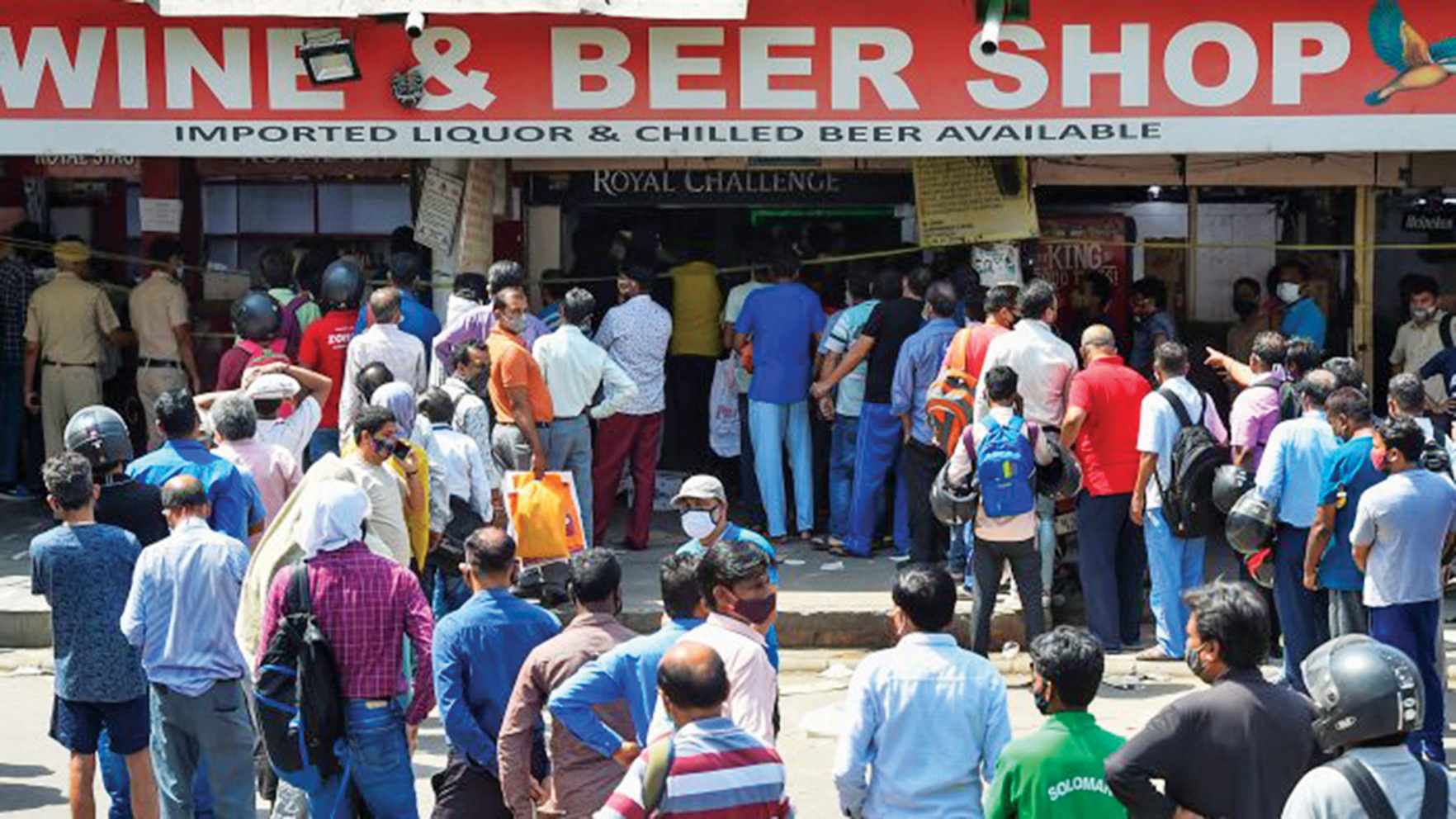
It is a massive political battle out in the National capital between the Bharatiya Janata Party (BJP) and the Aam Aadmi Party (AAP) and the casualty has been the liquor industry. While the battle rages on, there is short supply of liquor and with private vends closing down, there is mad rush for liquor of whatever that is left.

As such Delhi was experiencing short supply of liquor for some months now, but the government did not really pull up its socks.

While the situation was such, came another shocker for the AAP government when its Chief Secretary on July 8 reported that there has been ‘deliberate and gross procedural lapses to provide post tender undue benefits to liquor licensees for the year 2021-22’. The Chief Secretary’s report also pointed out to prima facie violations of GNCTD Act 1991, Transaction of Business Rules 1993, Delhi Excise Act-2009 and Delhi Excise Rules – 2010. 

Based on the Chief Secretary’s letter and the corruption murmur in the capital, the Delhi Lieutenant Governor,
Vinai Kumar Saxena recommended a probe by the Central Bureau of Investigation (CBI). 

Alcobev industry at its wits end

The alcobev industry which had hailed the Delhi Government’s new Excise Policy 2021-22 is at its wits end with the political battle going on. Many industry experts had hailed the policy but had complained that implementation was the stumbling block.

AAP blames BJP for the crisis

However, the Deputy Chief Minister of Delhi, Manish Sisodia in a press conference has put all the blame on the BJP for the excise crisis, stating that private vendors were threatened by the Enforcement Directorate and the CBI, forcing them to shut shop. The BJP, on the other hand, has alleged that the Delhi Government had doled out licenses to private vendors on a quid-pro-quo basis, charging AAP of large scale corruption. The two parties are leveling charges against each other while the alcobev sector and the end-consumer has to bear it all.

Government vends would be revived: Sisodia

Manish Sisodia said that the government vends would be back from August 1 as private vends were ‘scared’ to venture into this business. The number of government vends, would not exceed 850. Stating that there was an orchestrated campaign by the BJP to fail the new excise policy, he said only 468 shops were running and that number would further reduce drastically from August 1. “Their (BJP) plan is to stop legal sale of liquor and promote illegal sale of liquor in which the BJP has stake of thousands of crores of rupees,” he said and referred to the Gujarat model where there is prohibition, but illegal liquor trade is strong, leading to illicit liquor, consequently to hooch tragedies.

Citing that the AAP government had planned it’s vends to cater to the population without exceeding the number of vends from 850, he cited how in BJP-ruled States the number of vends was higher, thus encouraging liquor trade, both legal and illegal. There was one outlet for over 4,000 people in Gurugram; one for over 12,000 people in Bangalore; one for over 700 people in Goa, while in Delhi it was one outlet for over 22,000 people.

Another reason for the BJP to derail the Delhi policy, he said was as the former feared that the state revenue would jump from `6000 crore to `9,500 crore which would mean the success of the new policy.

BJP holds Sisodia responsible

Meanwhile, the BJP has upped its ante charging the AAP led government of corruption to which the Delhi Chief Minister has termed it as ‘false and that the BJP was afraid of AAP’s growth’. The BJP said the Excise Department, which is headed by Sisodia, reportedly gave a waiver of `144.36 crore to the licensees on the tendered license fee citing pandemic as an excuse. 

Policy was to give enriching customer experience, now going back to government vends

The 2021 policy was to pave the way for a range of sweeping reforms to boost excise revenue, crack down on the liquor mafia and to improve customer experience. The Government wanted to provide a ‘decent standard of customer experience commensurate to the stature of the National Capital’ and one of the most noticeable changes was abolishing the iron grills in front of the shops. The policy amendment also allowed for online sales in sync with the ‘new normal’.  There is no mention of what would happen to online sales, considering that the supply chain itself is adversely affected.

Framework for grant of licenses

The process of granting of the license was to ensure equitable coverage so that there is no instance of un-served and underserved areas in Delhi including Non-Conforming Areas. The number of retail liquor vends had been limited to 849, including five super premium retail vends, but absolutely no Government owned liquor vends for IMFL/FL.

The policy had ended on May 31 but extended by two months offering the retail licensees chance to renew their licenses paying fees on the pro rata basis for the extra period. However, many license holders did not opt for the extension and shut shops as they were already finding it difficult to reach break even after paying high license fees, some liquor traders have claimed.

Then there was the issue of some retailers giving massive discounts up to 40% to consumers while some big players offered ‘buy one, get one free’ schemes. The government intervened and capped the discount at 25%, but some retail shops went beyond that, some in the trade have complained.

Excise policy extant vs Delhi Master Plan rules

Under the excise policy extant, each licensee had to open three stores in each municipal ward. However, out of 272 municipal wards, 100 were non-conforming where the shops could not open due to action by civic bodies against violations of Delhi Master Plan rules, officials said thus leading to inadequate liquor stores.

CIABC hopes the policy will be tweaked

As mentioned there were many good features in the policy but the government failed to implement. The Director General of the Confederation of Indian Alcoholic Beverage Companies (CIABC), Mr. Vinod Giri has said that the industry had taken up the matter with the Delhi Government to reduce the size of the zones as to make the trade viable. He said by doing that it would have reduced the financial stake of licensees, improved loss bearing capacity and prevented monopolies. He attributed the failure of the policy to bureaucratic apathy towards trade, while the policy per se was good, befitting a modern metropolis such as Delhi. He was hopeful that the policy would be tweaked, but right now the political din has taken over.

There have been many such niggling issues that the Delhi Government did not iron out, while it kept patting itself on its back that it had come up with a ‘great policy’ that eliminated corruption and sale of seconds liquor. But the reality on the ground has been different, where actions did not match the words the AAP government kept bandying about. The capital is going to be mired with this controversy for some time now. The alcobev sector awaits new directives, till then the end consumer will have to find ways to quench his or her thirst.

Punjab looking at different state excise policies, to shore up exchequer

The newly formed Punjab government of the Aam Aadmi Party (AAP) is contemplating upon allotting liquor vends through a tender system in its bid to shore up revenues from excise. However, the traders are not open to this idea and want continuation of draw of lots. In Delhi where AAP has been ruling the new excise policy has been welcomed not just by the industry, but also consumers. The Minister of Finance, Harpal Singh Cheema has directed officials to study excise policies of other states and plans to roll out the policy soon. Punjab is likely to pick up inputs from Delhi and other states before it announces a new excise policy for 2022-23 sometime in June to be effective from July 1. The excise department has already initiated informal discussions with the trade to understand their requirements while boosting the exchequer.

Like many states, Punjab’s major source of revenue is from excise. It has estimated the revenues for the current financial year at ₹7,002 crores, with an increase of 20% from ₹5,794 crores of 2020-21. According to media reports, the excise department has already achieved the revenue target for 2021-22.

In end March, the AAP government renewed the 2021-22 policy for a period of three months to those existing licensees who will give 1.75% excess revenue over minimum guaranteed revenue (MGR) of financial year 2021-22 for their respective groups and zones in order to maintain stability in the liquor trade. The minimum guaranteed revenue of groups and zones is estimated at ₹1,440.96 crores for this three month window and the revenue target is expected to be ₹1,910 crores.

The MGQ of Punjab made liquor (PML) called desi, Indian made foreign liquor (IMFL), beer and imported foreign liquor (IFL) of each group and zone has been increased by 10% of the corresponding first quarter of last financial year of the respective group and zone. Further, to allow retail licensees to lift liquor as per their requirement, the amount of additional fixed license fee has also been increased. The ratio of fixed and open quota of PML shall be 30:70 as was prevalent during financial year 2021-22.

It may be mentioned here that the government of Capt. Amarinder Singh had allotted vends through a draw of lots till 2019-20 and in the last two years it extended the trade licenses of those who guaranteed generating 12% excess revenue over the fixed minimum guaranteed revenue. It is learnt that the government is planning to increase the reserve price and license fee of liquor vends and also to increase the size of the group up to ₹20 crore, having 7 to 10 vends.

The government is on a mission mode to fill the coffers. The Finance Minister is on record stating that despite high liquor consumption in the state, it has been able to generate enough for the exchequer. “This is our mission now. We have to fill the coffers.” While lauding the Delhi excise policy, the Minister talked about basic difference between liquor consumers in Delhi and Punjab. “While Delhi consumes Indian Made Foreign Liquor (IMFL), Punjabis consume Punjab Medium Liquor (PML). We will have to work out our policy taking into consideration all these points.”

AAP national convenor and Delhi Chief Minister, Arvind Kejriwal had stated during the run up to the election that the AAP government would look at liquor and sand for generating funds.