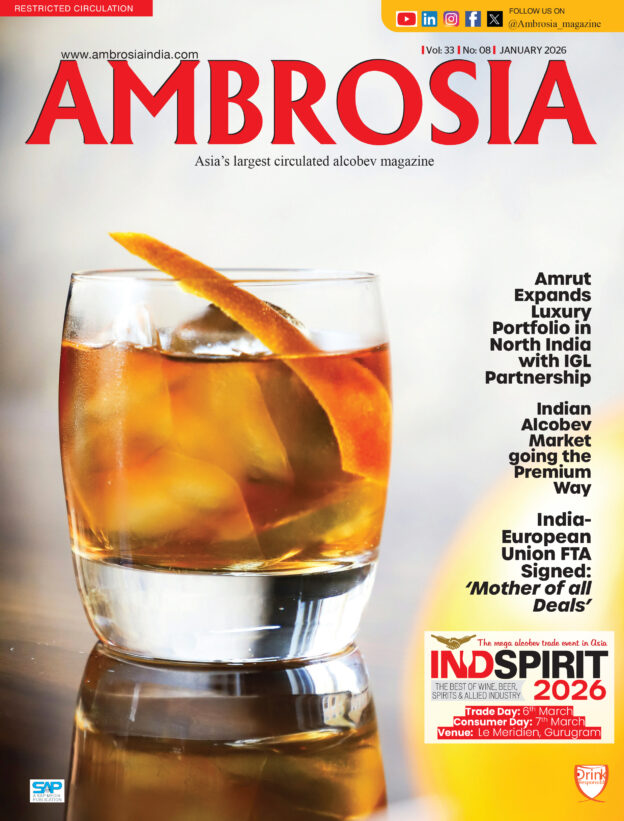
It features engaging and insightful articles such as:
• India-European Union FTA Signed: Mother of All Deals • Indian Alcobev Market going the Premium way • @amrutmalt.global Expands Luxury Portfolio in North India with IGL Partnership • Why India Matters to HiteJinro (@hitejinrobeverage) Now and How Monika Alcobev fits into Jinro (@jinro_global) Soju’s plan jinro • @airindia unveils a refreshed beverage colection featuring celebrated wines and spirits from across the world • Johnnie Walker Blonde Lemonade (@johnniewalkerindia) sponsors Lollapalooza India (@lollaindia) 2026 • Maharashtra signs ₹500-crore Investment MoU with @carlsbergindia at Davos • Exclusive interviews with Heemanshu Ashar, Global Ambassador for Paul John Single Malt, Karishma Manga Bedi, Founder & CEO of Those Good Distillers and more.
Read 1 year of the e-magazine for FREE — register on www.ambrosiaindia.com
India-EU FTA Signed: Has the Game Officially Changed?
With the ink now dry on the India-EU Free Trade Agreement, the alcobev industry has crossed a threshold it has waited decades for. This is no longer a policy discussion or a negotiation headline-it is a structural reset for how India trades, consumes and thinks about wine and spirits. At the centre of the agreement lies a long-standing friction point: import duties. While the FTA does not open the floodgates overnight, it formally commits both sides to phased and predictable tariff reductions on wines and spirits from the European Union. That clarity alone is transformative. For the first time, global producers, Indian importers, and domestic players can plan with certainty rather than hope. While the detailed provisions of the agreement are awaited, the initially released agreement indicates that the proposed reduction in import tariffs from the current 150% to 75% across all EU spirits & wines categories from the entry into force of the agreement, is a clearly welcome development. The agreement further outlines that the tariffs will then be lowered to 40% for spirits and as low as 20% on wines in a phased approach. For European alcobev companies, India has officially moved from ‘high-potential but high-risk’ to strategic priority market. Reduced duties allow portfolios—not just prestige labels—to enter India meaningfully. Expect greater depth across categories: accessible Scotch and Irish whiskies, wider Cognac ranges, Champagne beyond celebration moments, and European wines that finally sit at dinner tables rather than behind glass cabinets. Indian producers, understandably, will feel the heat. But this deal is not a death knell for domestic brands—it is a reality check. Protectionism has limits, and Indian distillers have already shown they can compete on quality, narrative, and innovation. The FTA will accelerate a necessary shift: from surviving behind barriers to winning on merit. Wine may be the biggest long-term beneficiary. With duties easing, imported wines are likely to enter more realistic price brackets, fuelling everyday consumption and education. However, this could also possibly mean curtains for many Indian Wine producers. And that matters because wine builds culture before it builds volume—and India needs both. Of course, the agreement does not erase India’s internal complexities. State taxes, distribution bottlenecks, and regulatory fragmentation remain. But the FTA wasn’t designed to solve everything. It was designed to set direction. And the direction is clear. India has chosen integration over insulation. Europe has chosen engagement over hesitation. For the alcobev industry, this isn’t just a trade deal—it’s the moment the market officially grew up.
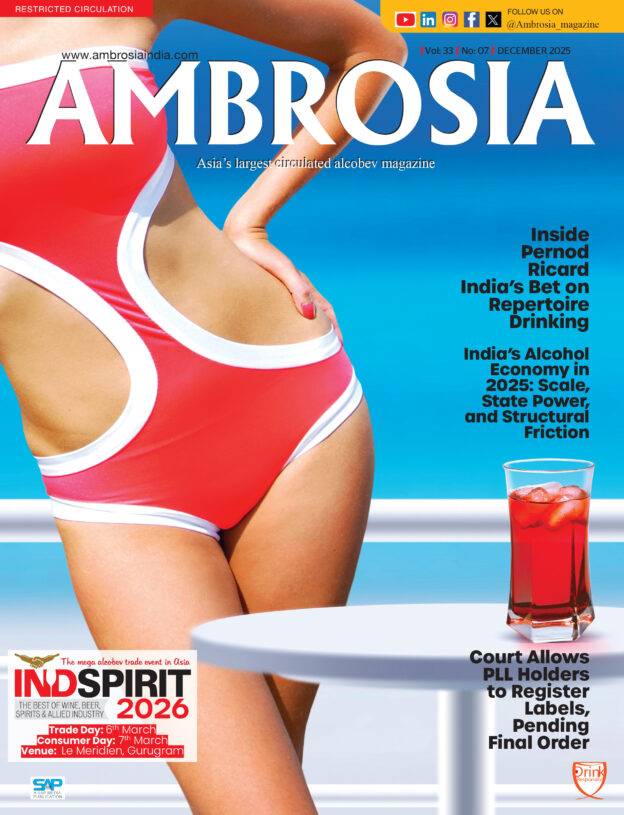
The December 2025 issue of Ambrosia Magazine is here!
It features engaging and insightful articles such as:
• INDSPIRIT 2026 • What to expect in 2026 • Updates on the MML vs ISWAI case • Pernod Ricard: India’s bet on repertoire drinking • India’s alcohol economy in 2025: Scale, state power, and structural friction • Court allows PLL holders to register labels, pending final order • Exclusive interviews with Pernod Ricard and Bacardi, and many more
As 2026 Beckons: Reading the Signals of a Changing Alcobev India
INDSPIRIT 2026 and Tunes & Tonic Announced
If the final month of this year is anything to go by, 2026 promises to arrive with more than just optimism — it comes with momentum. The year gone by has been anything but quiet for India’s alcobev industry. From the Maharashtra government’s face-off with ISWAI to intense conversations around state control, taxation, and regulatory balance, 2025 has underlined how scale, state power, and structural friction continue to define this business. Yet, amid these challenges, the industry has also demonstrated resilience, adaptability, and an unmistakable appetite for growth.
Throughout the year, Ambrosia has stayed at the forefront of these developments — tracking policy shifts, decoding consumer behaviour, and spotlighting growth stories that make India’s alcobev landscape one of the most dynamic in the world. It is an industry shaped as much by regulation as it is by aspiration, and one that continues to evolve at a pace few global markets can match.
And speaking of consumer behaviour, 2026 will also mark the 21st edition of INDSPIRIT 2026, alongside the debut of Tunes & Tonic, a new consumer-facing experience set to take place in Gurugram on 6–7 March 2026. Together, these events promise to be bigger, bolder, and more immersive — celebrating the industry’s achievements while creating an energetic, music-led atmosphere that resonates with today’s experience-driven consumer.
In this issue, we continue that focus. Our editorial lens turns firmly toward the year ahead, unpacking insights that help decode where the Indian consumer is headed in 2026. From changing drinking occasions and premiumisation to the growing influence of moderation, mixers, and experience-led consumption, these stories are designed to help brands, distributors, and industry stakeholders plan better — whether that means sharper portfolios, smarter strategies, or more meaningful consumer engagement.
For those looking to understand the year that was, our feature India’s Alcohol Economy in 2025 offers a comprehensive snapshot of the forces that shaped consumption, regulation, and market sentiment. Built on perspectives from industry leaders, the article captures both the pressures and possibilities that defined the past year.
Equally compelling are our conversations with Jean Touboul, CEO of Pernod Ricard India, and Inderjit Singh Dhingra of Bacardi. Their insights shed light on how consumer preferences are shifting, how brands are responding, and what trends are likely to shape portfolios and conversations in the year ahead.
As the industry steps into a new year, one thing is clear — 2026 will reward those who listen closely to the market, adapt swiftly to change, and remain committed to quality and relevance. The challenges are real, but so are the opportunities. At Ambrosia, our endeavour remains unchanged: to inform, to question, and to provide clarity in a fast-evolving landscape. As the next chapter unfolds, we look forward to chronicling an industry that continues to redefine itself — one decision, one policy, and one drink at a time.
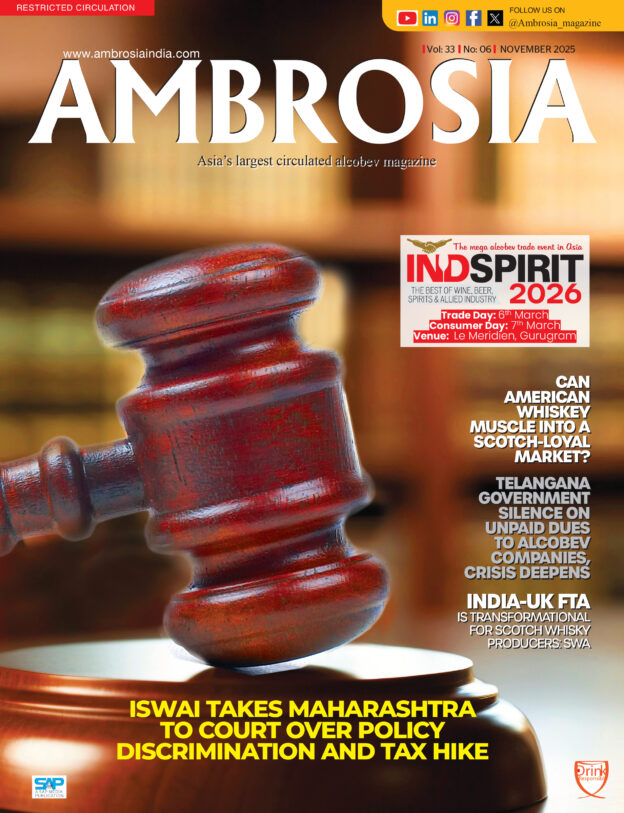
• ISAWI takes Maharashtra to court over policy discrimination and tax hike
• Can American whiskey muscle into a Scotch-loyal market?
• Telangana government silence on unpaid dues to alcobev companies, crisis deepens
Our e-magazine for 1 year is now free — just register and start reading or read the current issuehere
Stars are lining up
What began with Sanjay Dutt entering the alcobev industry with The Glenwalk Blended Scotch has quickly escalated into a full-throttle wave of Bollywood stars and cricketers stepping into the space. In recent months, Ranveer Singh, Badshah and Rana Dagabuthi have also expanded their entrepreneurial pursuits, launching beverages crafted around their favourite tipples with Vivek Oberoi and Yuvraj Singh set to enter the market as well.
But even as Bollywood’s big names make their presence felt, the homegrown market is undergoing its own transition. With an increasing number of States pushing to promote local products, ISWAI has taken the Maharashtra Government to court over its recently introduced Maharashtra Made Liquor (MML) over Policy Discrimination and Tax Hike. We’ve covered the issue in depth in this edition, outlining the petition, its implications, and the industry’s major pain points. Meanwhile, as both international and domestic players navigate challenges in Maharashtra, the Scotch Whisky Association (SWA) is optimistic. The India–UK FTA promises a tariff reduction on Scotch imports to 75% starting 2026. In an exclusive conversation with Mark Kent, Chief Executive of the SWA, we explore the opportunities unlocked by this landmark agreement and what it could mean for the industry’s future. And while Scotch continues to dominate India’s whisky landscape, Bourbons and American spirits are gearing up for a stronger push into the market. Though they don’t yet enjoy the popularity of Scotch, DISCUS CEO Chris Swonger hopes to change that trajectory in the coming years. Tasked with championing American spirits globally, he tells us why it’s time for India to “Set Whiskey Free”.
Despite India being a high-priority market for nearly every global manufacturer, worldwide consumption volumes have dipped by 1% – a decline largely driven by the US and China. We’ve analysed this trend in a detailed report within this issue. All in all, this edition brings you a sharp, well-rounded and insightful look into the alcobev world – packed with developments, perspectives, and data that matter.
• Panel discussion on FTA seeks reduction in tariffs
• Company of The Year is Allied Blenders & Distillers
• Corporate Leader of the Year is Nilesh Patel of Global Beverages Group
• Business leader of the Year is Davide Aiudi of Guala Closures India
• Lifetime Achievement Award goes to Satpal Chaudhry who has held key positions in Mohan Meakins, United Breweries, Shaw Wallace, Empee Distilleries, Him Neel Breweries, and Khoday India.
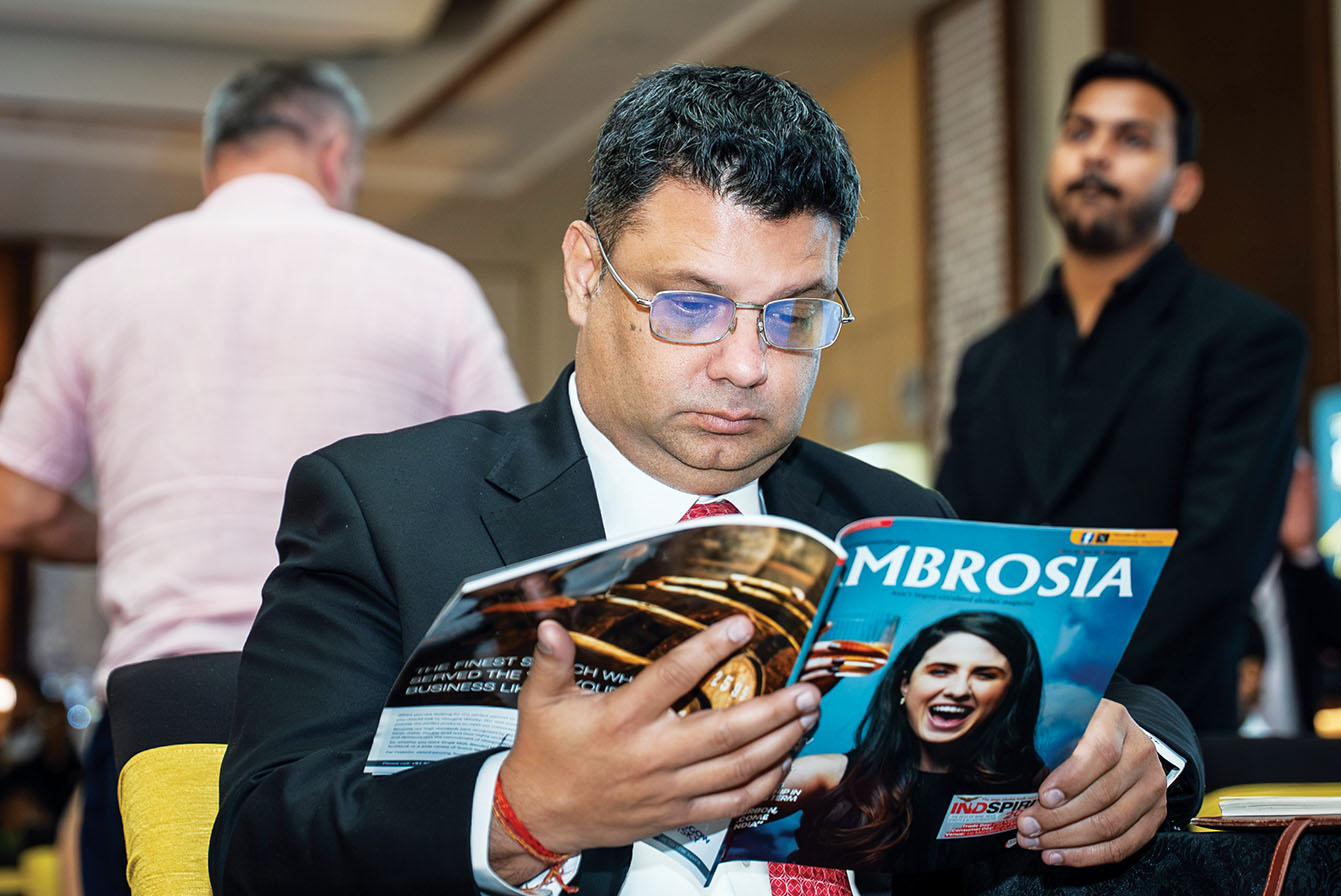
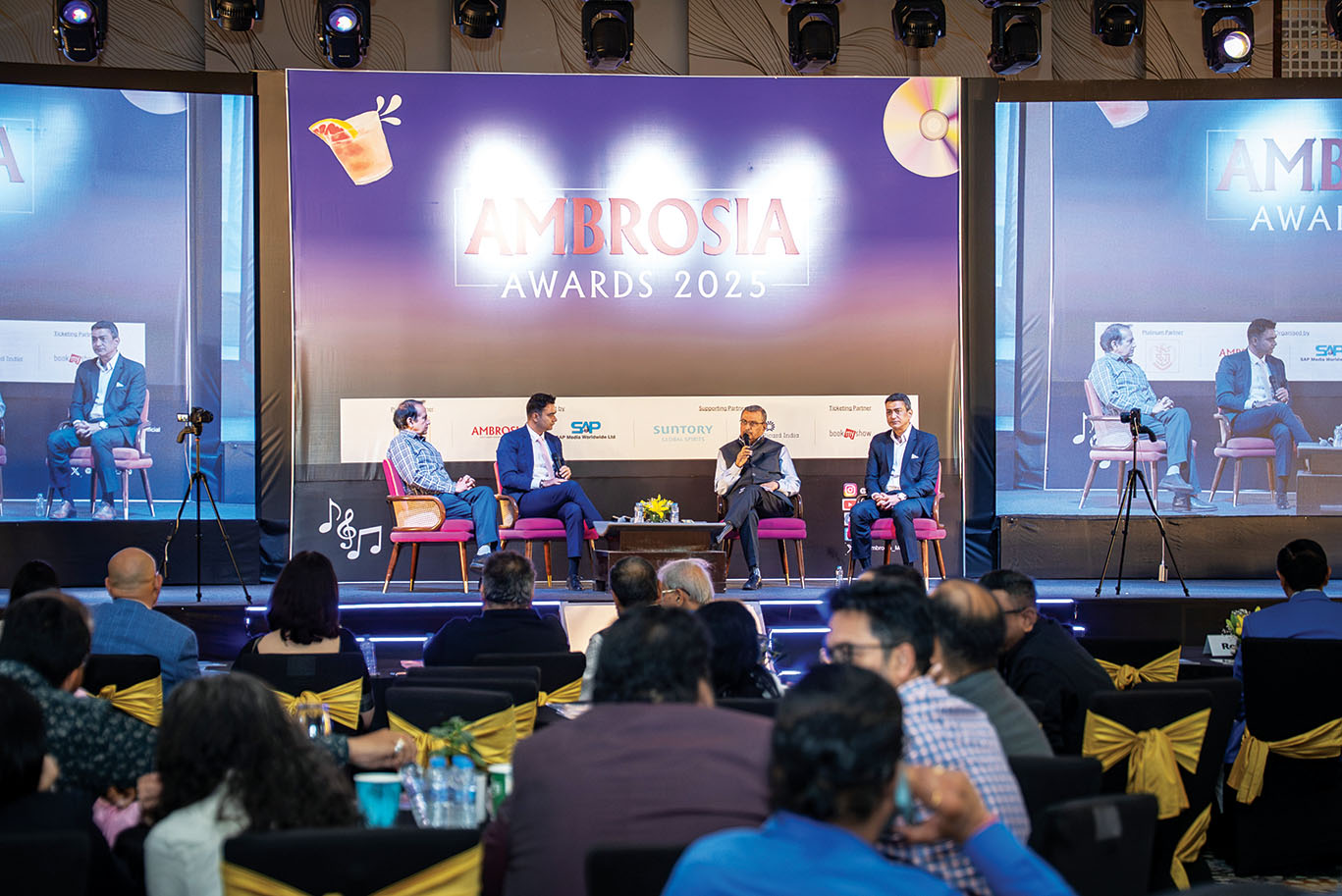
With India’s alcobev sector showing exceptional growth, SAP Media Worldwide, the publishers of Ambrosia magazine among other publications, reached yet another milestone. On March 21 and 22, it hosted the 20th edition of INDSPIRIT 2025 at Le Meridien, Gurugram. The two-decade journey of INDSPIRIT is a highpoint, reflecting the challenges and opportunities the sector has been navigating all through. And when industry peers met to network, exchange ideas and to chill, it was truly a celebration.
INDSPIRIT is an amalgamation of conference, exhibition, networking and AMBROSIA Awards, organised by Ambrosia. This year the panel discussion was on ‘Free Trade Agreements: Gateway or Roadblock for Indian Alcobev Industry’. The 20th edition also featured a consumer-day, to connect the industry with the end-consumer to taste the many different brands. INDSPIRIT 2025 was powered by Platinum Partner SNJ Group and supporting partners Diageo India and Pernod Ricard.
This year INDSPIRIT had an open consumer day on March 22 wherein consumers got to taste a variety of spirits. Lifting the spirits were DJ Veronika and DJ Zorin, followed by sumptuous buffet. It was day 1 of IPL 2025 cricket and SAP Media ensured that there was live coverage, adding to the zing.
Eminent Jury
The AMBROSIA awards were adjudged by an eminent panel of jury members and they included Stephen Beal (London) – Founding Sr. Consultant, Master of Whisky International Drinks Specialists; Bernhard Schafer (Germany) – A Whisky Expert, Spirit Consulting and A Master of Quaich; Ajoy Shaw – DipWSET Wine Maker & Consultant; Binod Maitin – Independent Technical Consultant; Julie Lee (Taiwan) – Industry Expert and Entrepreneur; and Katsuhiko Tanaka (Japan) – Director, Japan Import System Co.
The jury members for the Packaging category of awards were Prof. K Munshi – Industrial Design Centre, IIT Powai; Shekhar Amberkar – Asst. Director, Indian Institute of Packaging & Head of International Packaging Centre and Jigna Shah Oza – Communication Designer | Design Educator.
Panellists seek rationalisation of tariffs
The panel discussion was moderated by Bhavya Desai, Group Head and CEO of SAP Media Worldwide and the panellists were Suresh Menon, Secretary General of International Spirits and Wines Association of India (ISWAI); Ajay Srivastava, Founder, Global Trade Research Initiative; and Rajnish Singh of Dhvaen Law Practice and consultant on FTA to the Government.
The panellists were in consensus that tariffs on alcobev products are extremely high. Ajay Srivastava said that Donald Trump, the US President was right when he mentioned that India charged 150% tariff on alcohol-based products, followed by passenger cars, while agriculture products it ranged between 30 and 40% and industrial products between 7 and 12%. Trump, he added, was disrupting the world economy with a tariff war.
Suresh Menon said the FTA negotiations were ongoing with the UK and the position of ISWAI members has been that there should be a reduction in tariff on spirits in whatever form they were imported – either bulk or bottled. There was unwanted fear that there would be dumping by cheap Scotch whisky and that would disrupt the domestic market, he said and added that with the trend of premiumisation, this was unlikely to happen. Rajnish Singh advocated a threshold level of tariffs as to bar cheaper products from entering into the country, thus in a way protecting the domestic industry which has been investing substantially in the sector. He referred to the Economic Cooperation and Trade Agreement with Australia which has a threshold level to ensure that cheap wines are not dumped in the Indian market.
The panellists also referred to the Scotch Whisky Association which since 1915, stated that to be called Scotch Whisky, the spirit has to be aged no less than 3 years, malt or grain – replacing the old early 1900s limit of 2 years. The panellists opined that as the rule on 3 year maturation is not going to change and that Indian whisky manufacturers who wanted to export had to keep this in mind, even though the whiskies in India matured faster due to the hot climate.
India third largest alcobev market
Bhavya Desai talked about how India is the third largest alcobev market and was valued at over 52 billion dollars in 2024 and expected to touch 64 billion dollars by 2028, growing at a CAGR of 6.8%.
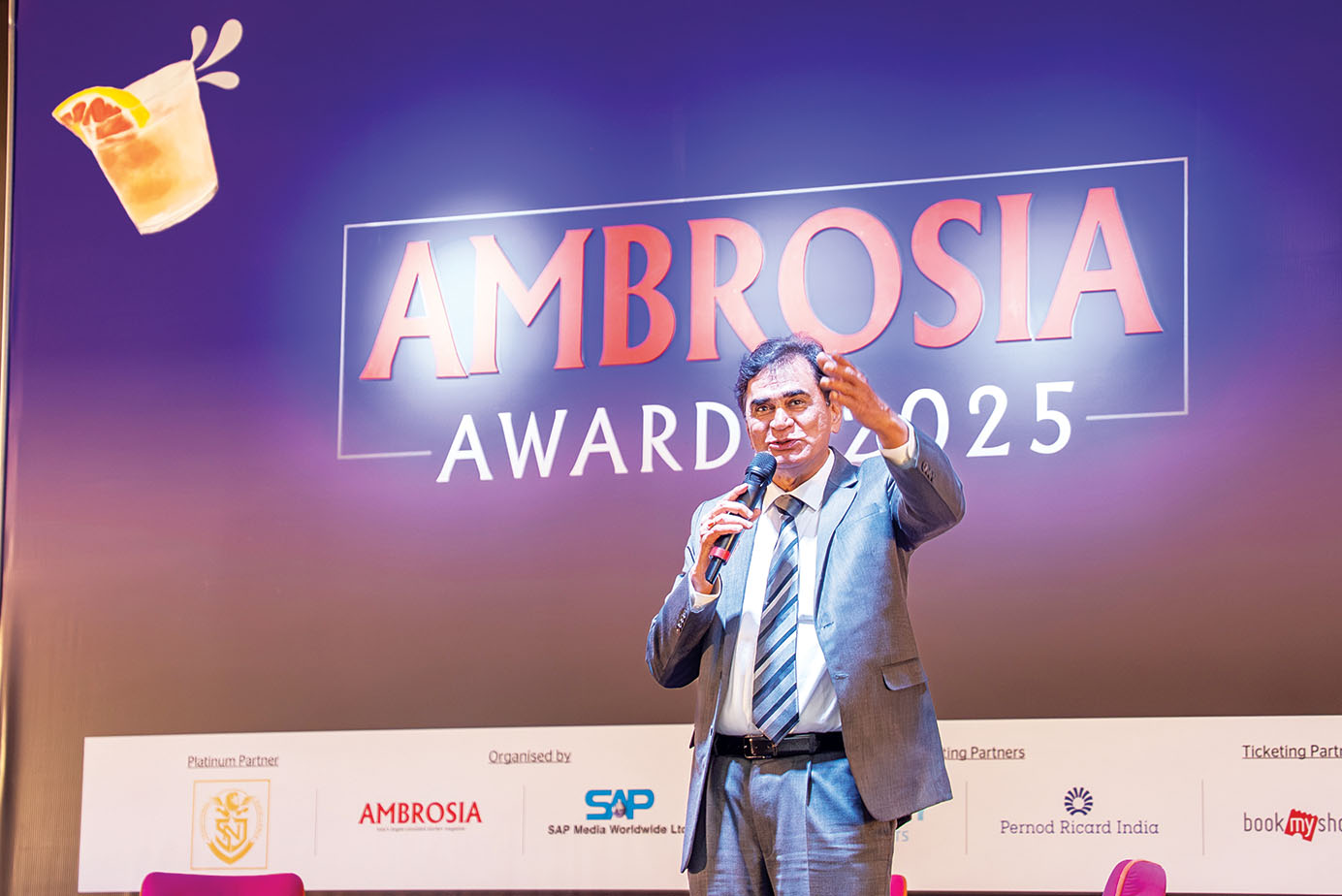
The panel discussion was followed by the much-awaited AMBROSIA Awards. In his opening address before the awards, the Managing Director and Publisher of SAP Media Worldwide, Trilok Desai said, “Despite operating in a highly regulated environment, the industry is witnessing remarkable growth. But with this growth comes a sense of uncertainty. Domestic players are increasingly concerned about the impact of reduced tariffs on Bourbon and the potential phased reduction on Scotch. The worry isn’t limited to premium Scotch—it extends to more affordable Bourbons and Tennessee whiskies, which could directly challenge mid-range IMFL brands.”
Global alcobev giants dominate
Desai added, “Currently, the Indian alcobev market stands at around 410 million cases, growing at a modest rate of 5%. The beer market is slightly larger at approximately 425 million cases, with a healthy growth rate of 8% to 10%, while the country liquor market is around 250 million cases. The world’s top nine alcobev companies operating in India hold a market share of over 52% by value and 43% by volume of the total Indian alcobev market.
Global alcobev giants operating in India bring deep experience from multiple international markets, significantly contributing to the industry’s growth. However, we shouldn’t overlook our own strengths. Indian companies are producing exceptional IMFL products, world-class single malts, and premium gins, along with competitive, high-quality beers that stand toe-to-toe with international brands. That’s something Indians should be incredibly proud of.”
Success of Indian single malts
Referring to the success of Indian single malts on the global map, Desai mentioned how they are inspiring even multinational companies to invest in producing premium spirits within India. “Many are now not only crafting outstanding single malts here, but also looking to export them globally — a true testament to the growing stature of Indian spirits.”
Talking about the AMBROSIA Awards, Desai said, “They are not just about recognition—they’re a celebration of the hard work, creativity, and dedication that have driven the industry forward over the past year.
Tonight, we honour excellence—from outstanding products and innovative packaging to groundbreaking marketing strategies. Over the past 30 years, Ambrosia has witnessed the transformation of the alcobev industry. What was once a market dominated by a few players has become a vibrant and competitive landscape, with Indian and multinational companies alike driving innovation and quality.”
He said that the AMBROSIA Awards have stood for excellence for three decades, thanks to a rigorous and unbiased judging process. “Each year, we assemble an international jury whose expertise ensures that only the very best are recognised. Their insights have highlighted significant improvements in product quality across various categories. Beyond the products, the jury has also acknowledged the remarkable advancements in packaging and design. From labels and bottle shapes to overall presentation, Indian brands are not just meeting global standards—they are often exceeding them.”
Ambrosia launches ASEAN Edition
Desai talked about Ambrosia magazine which has completed 33 years of successful publishing and in 2024 the ASEAN Edition of Ambrosia was launched. The ASEAN edition, launched from Singapore is being circulated across nine ASEAN countries—making Ambrosia the world’s largest combined circulated alcobev magazine. But we’re not stopping there. We’re also exploring the possibility of hosting an international exhibition and awards in Singapore—a significant milestone for the brand.
After Desai’s speech, the AMBROSIA Awards were presented by Air Marshal (Retd) Anil Chopra, a highly decorated officer of the Indian Air Force.
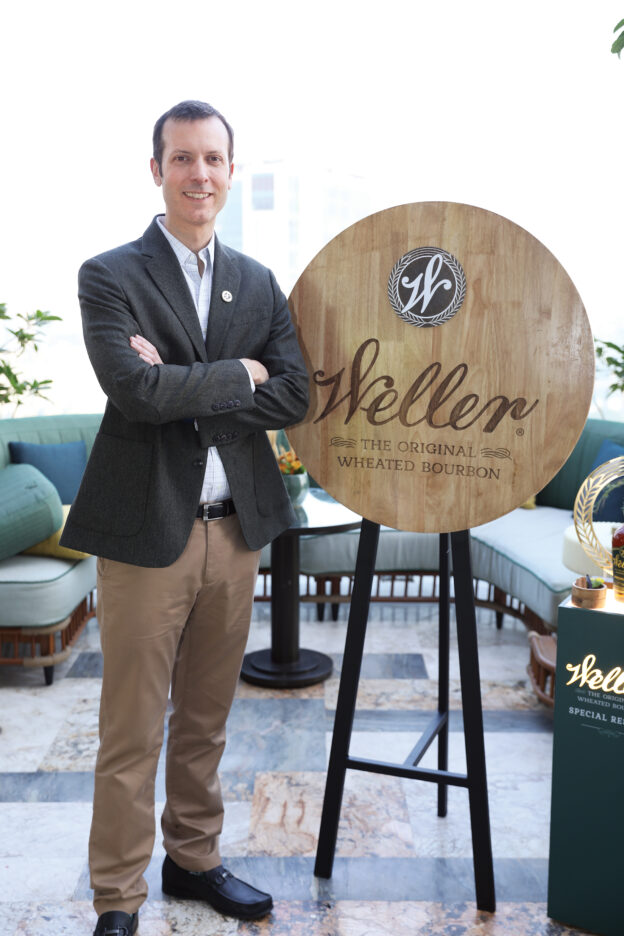
The Sazerac Company, one of the world’s largest distilled spirits companies, has major plans for India. The company which has got some fine distilleries across the globe, including in Goa, India, continues to expand its business across continents. To know their rich history and strong distilling capabilities, one can visit Buffalo Trace Distillery in Kentucky, United States; at Domaine Sazerac de Segonzac in Cognac, France; and at Paul John Distillery in Goa, India. Sazerac has additional impressive locations in New Orleans, Montréal, London, Cork and Sydney, to name a few. Sazerac, a family-owned company with nearly 400 years of history, is striving hard to bring the finest spirits to consumers and communities around the world. With renewed interest in Bourbon whiskey in India and Sazerac’s plans, in an interview with Ambrosia, Diego Bianchi, General Manager of Emerging Markets & Barrel Select at Sazerac gives an insight into what is brewing at Sazerac.
What is the potential of the bourbon market in India? What percentage has it been growing in India?
India, as the world’s largest whiskey market, is central to Sazerac’s long-term growth plans. Over the last few years specifically India has experienced an increase in interest in premium American whiskey. The recent launch of Weller Bourbon, one of the most awarded wheated whiskeys in the world, signals Sazerac’s commitment to introducing high-quality, premium spirits to Indian consumers to meet the growing demand in the country. While bourbon as a category is still in its early stages in India, we see tremendous potential for growth driven by favourable economic trends and policy reforms, as well as shifting consumer preferences.
The bourbon market in India is small compared to Scotch, what are the plans to grow this category?
India’s whiskey market, dominated by locally produced spirits and Scotch whisky, offers a unique challenge and opportunity for premium bourbons like Buffalo Trace Distillery’s Weller Bourbon. Buffalo Trace Distillery is the World’s Most Award-Winning Distillery, with over 1,000 accolades. Known for blending tradition with innovation, the distillery experiments with mash bills, barrel techniques, and wood types to continuously push the boundaries of bourbon-making. This commitment to quality and innovation ensures a dynamic and relevant portfolio for global whiskey enthusiasts.
Our goal is to drive awareness and elevate the bourbon category’s premium appeal by introducing interesting and varied expressions into the market. Educating consumers about the unique distillation process and various bourbon mashbills that make bourbon a distinct whiskey offering is a key piece of this.
With India’s premium spirits market poised for continued growth, Weller’s focus on heritage and storytelling, alongside collaborations with connoisseurs and bartenders, is helping position it as a premium yet accessible choice for spirits-enthusiasts.
Which brands of bourbon whiskey are you planning to bring to India?
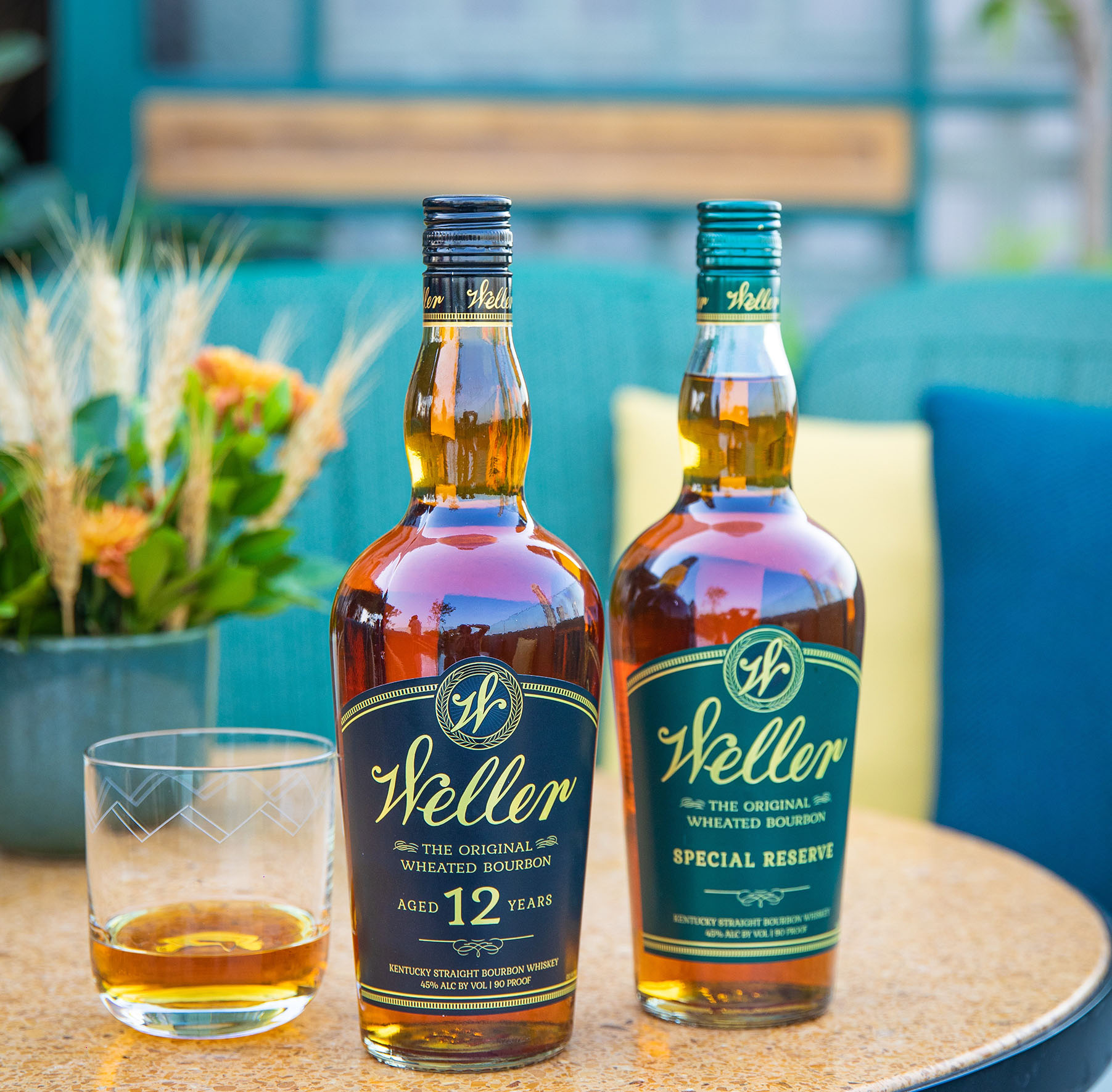
Currently in India we offer Benchmark Bourbon, Buffalo Trace Bourbon and the recently launched Weller lineup of Weller Special Reserve and Weller 12-Year-Old. In the coming years we expect to continue to introduce Indian whiskey fans to even more of Buffalo Trace Distillery’s award-winning portfolio to meet the market’s increasing demand for luxury spirits and authentic storytelling.
Weller 12-Year-Old Bourbon, aged for over 12 years, offers a smooth, rich experience with notes of almond, creamed corn, and vanilla, best enjoyed neat or on the rocks. Priced at ₹5,400 in Haryana and ₹7,750 in Mumbai, it is India’s oldest age-stated bourbon.
Weller Special Reserve Bourbon features a smooth profile with flavors of honey, butterscotch, and soft wood, complemented by a sweet honeysuckle finish. Versatile for sipping or mixing, it’s priced at ₹2,500 in Haryana and ₹4,500 in Mumbai.
Sazerac is to ‘leverage’ its relationship with John Distilleries, could you explain how?
Sazerac currently holds a 60% stake in John Distilleries, and it has been a strong and productive partnership. John Distilleries’ deep understanding of the Indian market has been invaluable for Sazerac as we navigated India’s dynamic and highly regulated landscape. Through our partnership Sazerac has benefitted from the company’s well of industry knowledge and established practices specific to the Indian market.
With Bourbon duties cut from 150 to 100% in India, will we see a quantum jump in Bourbon sales?
The reduction in duties is a positive first step. We hope this will lead to more premium bourbon brands becoming available in India, helping to grow the category and educate the consumer about what bourbon is and why it deserves a place on their bar.
How will the duty cuts impact the Indian whisky market, per se? Will there be a price correction?
Chief Blender Shinji Fukuyo recognized as ‘Master Blender of the Year’ for the first time
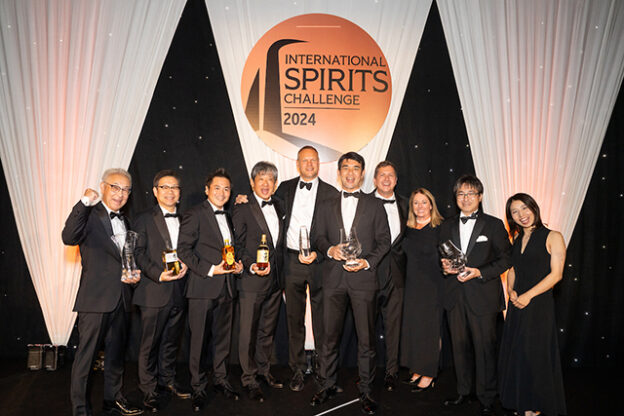
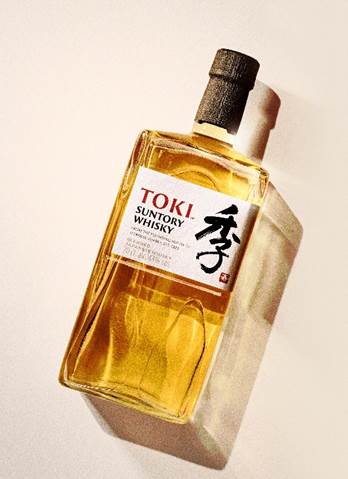
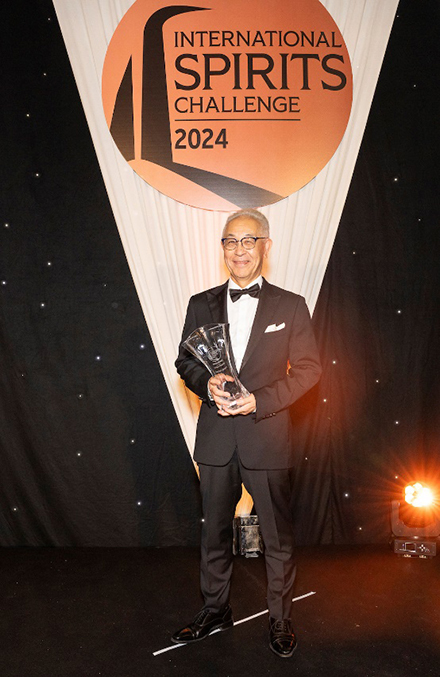
Suntory Spirits – Toki and Yamazaki Whisky’s recently have been recognized at the International Spirits Challenge 2024 Awards in London. Toki Suntory Whisky was awarded the Gold in the Tasting Awards – Japanese Whisky category while the Suntory Single Malt Whisky Yamazaki 12 Years Old was awarded the Supreme Champion Spirit. Suntory’s Chief Blender Shinji Fukuyo was also awarded the ‘Master Blender of the Year’ for the first time at the awards.
Toki Suntory Whisky was awarded the Gold in the Tasting Awards – Japanese Whisky category
This esteemed recognition reaffirms yet another significant achievement among for these products. Toki Whisky has earned over 20 international awards while Yamazaki 12 Years Old award to the highest scoring Trophy winner of the competition, the top award in the Japanese Whisky category, and was also selected as the most outstanding product out of thousands of entries among all categories.
Suntory’s Chief Blender Shinji Fukuyo was also awarded the ‘Master Blender of the Year’ for the first time at the awards
This marks the first time that Yamazaki 12 Years Old has been awarded as the Supreme Champion Spirit and the second consecutive year for a Suntory Whisky brand to achieve this accolade following Yamazaki 25 Years Old last year.
These recognitions are a testament for the company’s excellent blending skills and the pursuit of perfection in quality for its whisky making, further cementing the reputation of Japanese Whisky added the company.
Octaga Green introduced Master’s Imperial and Captain’s Select, two premium whiskies that embody the brand’s philosophy of blending sustainability with time-honoured craftsmanship. The Master’s Imperial whisky is priced at Rs. 1,815 for a 750 ml bottle, while Captain’s Select is available for Rs. 1,245 for a 750 ml. Both products are available for purchase throughout India and M.O.D. (Ministry of Defense) across 18 states and 5 countries.
Master’s Imperial is a premium blended Scotch whisky tailoured for discerning consumers who seek quality whiskey without a hefty price tag. This blend combines rare grain spirits with 6-year-aged, imported scotch malt delivering a smooth and unique taste. The aging process imparts a distinctive depth and complexity to the final product.
At the same time, Captain’s Select Whisky is a top-tier malt whisky that delivers a smooth and unique flavour. The blend features rare grain spirits and malts aged for 3 years, this classic whisky has been rewarded with a Silver Medal at the IWSC London in 2018.
“At Octaga Green, our vision is to shape a sustainable future while delivering world renowned spirits. True quality goes beyond the product; it’s about creating a positive environmental impact,” said Basab Paul, CEO and Managing Director, Octaga Green.
First Travel Retail Exclusive for Bengaluru Duty Free
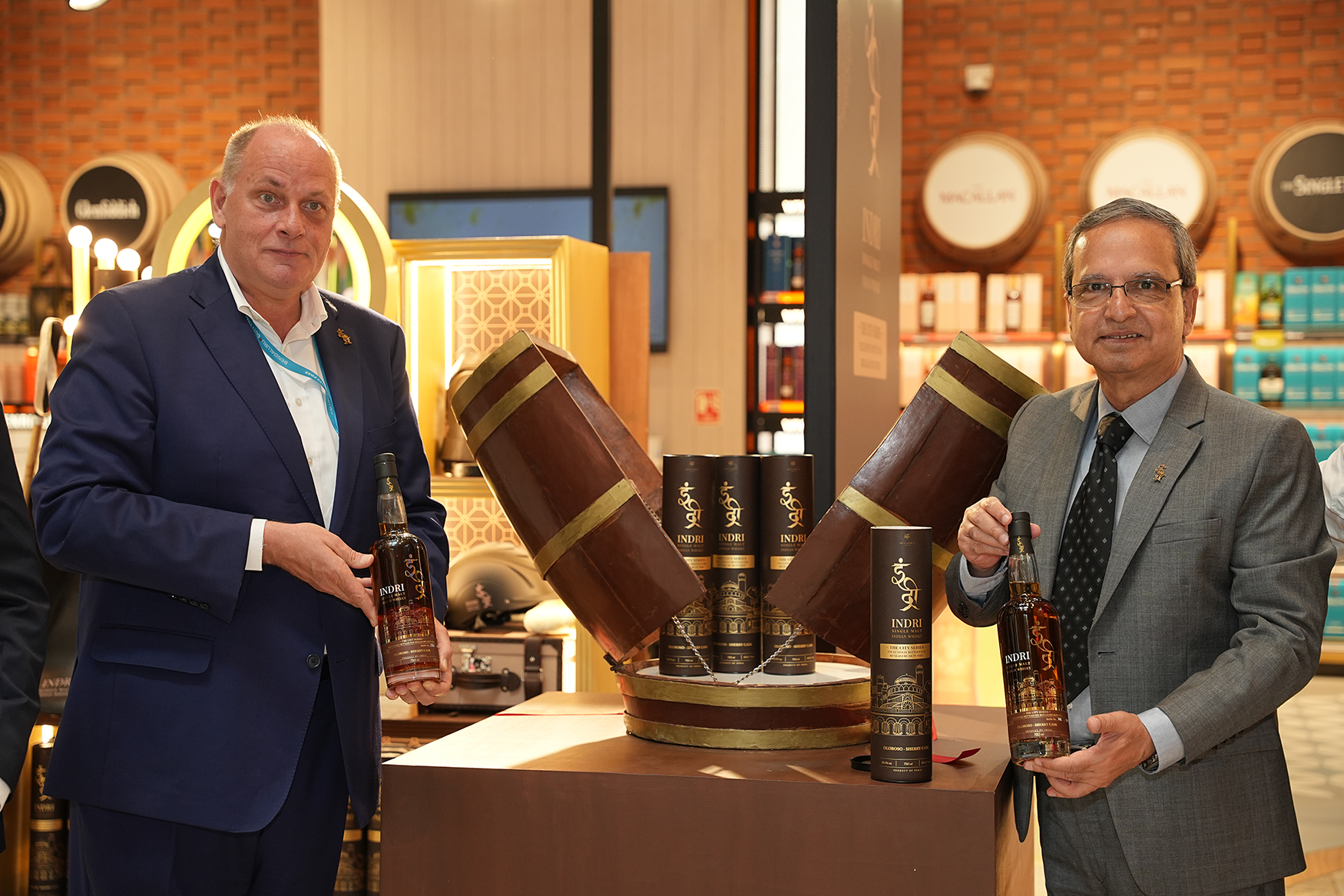
Indri single malt launched its first travel retail exclusive ‘City Series’ with the debut Oloroso-Sherry cask expression exclusively crafted for Bengaluru Duty Free. The limited edition is solely available for travel retail and is also the first in a series of bespoke single cask expressions, where each release will embody the spirit and essence of a different Indian city, available solely through select duty-free outlets across India and the world.
This travel retail exclusive single malt whisky is specially made, designed, and bottled for Bengaluru Duty Free, celebrating the city in every bottle. The 750 ml bottle of the Indri Single Malt Bengaluru Duty Free Expression is Rs. 9,500 and will have an ABV of 58.8%. The exclusive edition is also available only in the Duty Free, Terminal 2 Departure, Kempegowda International Airport, Bengaluru.
David Grady, Country General Manager, Avolta with Surrinder Kumar, Master Distiller & Blender, Piccadily Agro Industries Ltd.,
The Bengaluru Duty Free Expression captures the spirit and essence of Bengaluru, paying homage to its blend of vibrant modernity and rich traditions. It showcases the intricate craftsmanship Indri is known for, presented with iconic Bengaluru landmarks incorporated into the bottle design.
The makers state that each sip of this Oloroso-Sherrysingle cask expression offers a taste of the city, combining complexity and warmth with layers of tradition and innovation. This expression boasts a rich and full-bodied nose, revealing sweet caramel, fresh red fruits, and gentle spices, all beautifully intertwined with nutty, caramelized notes and earthy undertones.
On the palate, it offers a warming and balanced experience, featuring fresh red berries, subtle toffee, vanilla, and nuttiness, complemented by soft spices and a gentle dryness. The finish is long and smooth, with lingering flavours of sweet vanilla, spice, and fruity undertones, creating a lasting impression of depth and complexity.
“We are thrilled to unveil the first expression of our ‘City Series’ with Bengaluru Duty Free. Each expression of this series is a celebration of India’s diverse cities, their unique essence, and cultural richness,” said Siddhartha Sharma, Promoter, Piccadily Agro Industries Limited. Piccadily plans to launch each expression of the ‘City Series’ that will be an ode to a city’s unique culture, essence, and personality. City specific expressions will be released at other exclusive duty-free outlets, allowing travellers to embark on a flavourful journey through India.
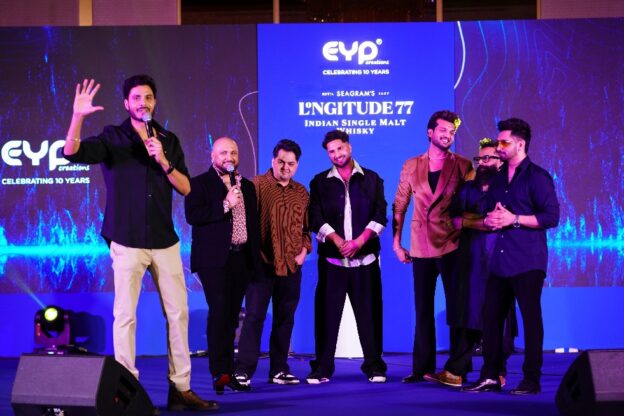
Pernod Ricard India has launched Longitude 77 in Punjab offering seekers of authentic, contemporary Indian luxury a memorable experience which was marked by a launch event at the 10th anniversary of EYP Creations. The launch was held at the 10-year celebration of EYP Creations, which specializes in handling Punjabi music artist.
EYP Creations manages Punjabi artist like Parmish Verma, Jassie Gill, B Praak, Babbal Rai, and others out of which the event witnessed the presence of B Praak, Gurnazar, and Jassie Gill.
With the availability of Longitude 77 in Maharashtra, Goa, Haryana, Chandigarh, Rajasthan, Uttar Pradesh, Dubai, and at Delhi Duty Free, the brand is further making its way in the Indian markets with the launch in Punjab. It is aimed at providing a premium convivial experience while establishing a new benchmark for Indian whisky drinkers in Punjab.
The culinary experience featured Punjab’s bold flavours, reimagined in contemporary, experimental dishes. The event culminated in an exclusive Longitude 77 tasting experience, featuring serves along the Longitude such as Punjab Old Fashion that highlighted the finest local ingredients, recognized with GI tags for their exceptional uniqueness.
Kartik Mohindra, Chief Marketing Officer, Pernod Ricard India said, “We are proud to bring Longitude 77 to Punjab, a region known for its deep appreciation of authenticity and grandeur. This launch marks an exciting chapter as we continue to share this unique spirit of India with connoisseurs across the country.”Nikhil Dwivedi, Founder & Director, EYP Creations said, “As we celebrate a decade of EYP Creations, it’s truly exciting to mark this milestone by partnering with such a prestigious brand like Longitude 77 for their launch in Punjab. The brand reflects the same values we stand for.”
Campari Group has completed the acquisition from ODC (BidCo) Limited of a 14.6% minority stake in Capevin Holdings Proprietary Limited, the South African holding company indirectly owning, in particular, 100% of CVH Spirits Limited, a Scottish company operating in the production and commercialisation of renowned Single Malt Whiskies Bunnahabhain, Deanston, Tobermory and Ledaig, and Blended Whiskies Scottish Leader and Black Bottle.
Campari Group also holds distribution rights for brands from CVH Spirits Limited portfolio in France and South Korea. In accordance with Capevin Holdings Proprietary Limited’s memorandum of incorporation, Campari Group has exercised its right to appoint a board member and has additional governance rights to protect its minority position. The purchase price paid amounted to GBP 69.6 million (corresponding to €82.6 million at the exchange rate of the transaction date). The transaction was financed using available cash.