
Author Archives: Bhavya Desai

Alcohol-Induced Blackout


Abstract For a long time, alcohol was thought to exert a general depressant effect on the central nervous system (CNS). However, currently the consensus is that specific regions of the brain are selectively vulnerable to the acute effects of alcohol. An alcohol-induced blackout is the classic example; the subject is temporarily unable to form new long-term memories while relatively maintaining other skills such as talking or even driving. A recent study showed that alcohol can cause retrograde memory impairment, that is, blackouts due to retrieval impairments as well as those due to deficits in encoding. Alcoholic blackouts may be complete (en bloc) or partial (fragmentary) depending on severity of memory impairment. In fragmentary blackouts, cueing often aids recall. Memory impairment during acute intoxication involves dysfunction of episodic memory, a type of memory encoded with spatial and social context. Recent studies have shown that there are multiple memory systems supported by discrete brain regions, and the acute effects of alcohol on learning and memory may result from alteration of the hippocampus and related structures on a cellular level. A rapid increase in blood alcohol concentration (BAC) is most consistently associated with the likelihood of a blackout. However, not all subjects experience blackouts, implying that genetic factors play a role in determining CNS vulnerability to the effects of alcohol. This factor may predispose an individual to alcoholism, as altered memory function during intoxication may affect an individual’s alcohol expectancy; one may perceive positive aspects of intoxication while unintentionally ignoring the negative aspects. Extensive research on memory and learning as well as findings related to the acute effects of alcohol on the brain may elucidate the mechanisms and impact associated with the alcohol-induced blackout. Keywords: blackout, alcohol, memory

1. Introduction Alcohol is a threat to global health, accounting for 4% of the global health burden, a proportion that is comparable to tobacco and hypertension [1]. Dysfunctions of multiple organ systems brought on by chronic alcohol use, including the brain, have long been the focus of medical concern, and are well documented in the public health literature. Nevertheless, alcohol continues to be a part of human culture. Acute effects of alcohol intoxication are a common, often voluntary experience and not necessarily considered a problem in itself. The alcoholic blackout, however, is one phenomenon of acute alcohol intoxication that merits special attention. Initial research in the 1950s reported that such blackouts are a hallmark of progressive alcoholism [2,3]. However, further research has proved otherwise, and blackouts are no longer considered as a signal of irreversible alcoholism [4]. Perhaps because the majority of people experiencing an alcoholic blackout are not clinically alcohol dependent, alcoholic blackouts may have been relatively neglected in terms of treatment intervention. Rather, legal matters have been the focus of cases where violations of the law are committed under intoxicated, amnesic states. The mechanisms of an alcohol-induced blackout may be crucial in understanding its clinical implications. For a long time the effect of alcohol was thought to be a generalized depression of neural activity causing global impairment of cognitive, psychological, and behavioral domains [5–7]. An alcoholic blackout was perceived as the extreme manifestation of this effect. However, the blackout, characterized by amnesia during episodes of intoxication where the subject is conscious and able to carry on conversations or even drive a vehicle [8,9], is a manifestation of the selective effects of alcohol on specific brain systems. Previously, ethanol, a short chain lipid soluble compound, was thought to affect cells by a nonspecific lipid membrane disordering effect [5,6,10]. However, it is increasingly evident that alcohol interacts with specific neurotransmitter receptors, and current consensus is that specific regions of the brain are selectively vulnerable to acute effects of alcohol [5,10–15]. We need to make the memory staging terms clear as follows: immediate memory is also termed acquisition memory; short-term is also called retention memory; recent is called also consolidation memory and finally remote is referred to as also retrieval memory. Progress has been made in elucidating the mechanism of various memory systems and how they are affected by alcohol. There is increasing evidence that repeated alcoholic blackouts actually serve as a mechanism that facilitates alcoholism [2,16]. In this paper we aim to describe and discuss the alcoholic blackout to improve the understanding of this phenomenon and recognize its many faceted implications in medical practice and public health.

2.Methods The PubMed database was searched (1965 to 2009) for epidemiological, pathophysiological, and social studies related to the alcoholic blackout, using the terms blackout, alcohol and memory, episodic memory, hippocampus and alcohol, and alcohol and the nervous system. The bibliographies of selected articles were used to extend the search. Articles were screened for their relevance to the specific topic of alcoholic blackout and related memory deficits on the basis of the title and abstract.

3.Clinical and Physiological Characteristics 3.1. Definition An alcoholic blackout is amnesia for the events of any part of a drinking episode without loss of consciousness. It is characterized by memory impairment during intoxication in the relative absence of other skill deficits. It is not to be confused with ‘passing out’ [9]. Early documentation from Alcoholics Anonymous describes a variety of blackout behavior, especially in the en-bloc type, which includes driving for long distances or carrying on apparently normal conversations at parties. Subjects often report waking in strange places without any memory of how they got there. Criminal acts including murder, have been reported [17]. Although some have criticized these extremes, stating that such behavior is “exaggerated and a form of selective memory or denial to avoid guilt and confrontation over antisocial behavior brought on by drinking” [9], it nevertheless portrays the selective impairment of memory during an alcohol-induced blackout.

3.2. Types of Alcoholic Blackouts An alcoholic blackout may be complete (en-bloc) or partial (fragmentary, or grayout) [2,9]. An en bloc blackout is complete amnesia for significant events otherwise memorable under usual circumstances. The defining characteristic of a complete blackout is that memory loss is permanent and cannot be recalled under any circumstances. Fragmentary blackouts occur more frequently [18,19]. In fragmentary blackouts, recall is usually possible and can be aided by cueing. Although initially the subject may be unaware that memory is missing, reminders usually help the subject remember forgotten events [9]. It is, however, difficult for investigators to be totally accurate because people may often fail to remember having a blackout, or do not attend to all circumstances in which they might have had a blackout, particularly fragmentary blackouts. Therefore, metamemory deficit is an issue in this type of research.

4.Epidemiology A high frequency and volume of alcohol use is the single factor most closely related to experiencing blackouts [7]. In contrast to the older misconception that blackouts are an unlikely consequence of heavy drinking in nonalcoholics, anyone who drinks too much and too fast may experience a blackout [4]. For instance, 35% of trainees in a large pediatric residency program had reported experiencing at least one blackout [20]. In addition, 33% of first year medical students interviewed in another study acknowledged experiencing at least one blackout [8]. A survey of 2,076 Finnish males concluded that 35% experienced at least one blackout in the year before the survey [21]. Cultural and socioeconomic backgrounds are associated factors. The college campus is one subculture where excessive drinking is tolerated, if not encouraged. In a survey of 772 undergraduates, approximately one-half of those that had ever consumed alcohol reported experiencing at least one blackout during their lives, and 40% experienced one the year before the survey [22]. However in a four year follow up of young blackout drinkers, only 32% of respondents that were experiencing blackouts in the initial survey continued to experience them four years later. Alcoholic blackouts in this group appeared to have resolved spontaneously when the subjects graduated college, got married, or successfully entered the adult work force. Spontaneous resolution of blackout drinking appears to result from an interaction between informal support and objective social conditions such as full-time employment and a positive financial situation. To a certain extent, life transitional changes such as assuming adult roles appear to be a strong influence on the process of disengagement from problem drinking. Those who continued to experience blackouts after four years were male, comparatively young, unmarried, and with a lower socioeconomic status. The most salient predictor of chronic blackout drinking was the number of alcoholic relatives [9].

4.1. Risk Factors Although a high blood alcohol concentration is required to induce a blackout, many drinkers reminisce that they have drank much more and not had a blackout [7]. A rapid rate of increase in blood alcohol concentration (BAC) is most consistently associated with the occurrence of an alcoholic blackout [7,23,24]. Therefore, gulping drinks, drinking on an empty stomach, or drinking liquor (opposed to beer) are risk factors of an alcoholic blackout [7]. However, not all subjects who drink rapidly and excessively experience blackouts, suggesting that there are individual that are genetically more vulnerable to alcohol-induced memory impairment [2,7,25]. Alcohol-induced blackouts are not necessarily the result of an underlying cognitive dysfunction; in a study of fragmentary blackouts, there was no baseline memory differences among the subjects that did or did not experience an alcohol-induced blackout [2]. This means that a baseline memory function does not seem a risk factor of blackouts.

5. Pathophysiology A blackout is the result of alcohol-induced disruption of memory formation. The formation of memory involves the following processes: encoding, the initial registration and interpretation of stimuli; storage, consolidation and maintenance of encoded stimuli; and retrieval, which is the search and recovery of stored stimuli [2]. Alcohol has its greatest effects on encoding [26]. Short-term memory, which functions over a period of seconds, is relatively spared even during an en-bloc blackout, and recall of long-term memory, which applies on the scale of days to years, established before intoxication is also maintained [7]. Amnesia for events during intoxication involves impairment of episodic memory [3,7]. Episodic memory, by definition, includes the time, place, and other interrelated circumstances in which the event occurred. This contextual information is a prerequisite for formation of episodic memories [27,28]. Alcohol’s effect on encoding may disrupt the processing of context for the formation of an episodic memory. Because the episode was encoded with faulty context, free recall of this memory may be particularly difficult [29,30] or, depending on the degree of encoding impairment, even impossible, as in the case of en-bloc blackouts. In a fragmentary blackout, a striking feature is that cueing aids recall. Reminding a subject of events during the blackout often brings on more forgotten memories [4]. Such reminders, or cues, may provide contextual information during which a memory was formed, giving access to memory that was deficiently encoded.

The cellular mechanism by which a context is generated has been partially elucidated by observation of ‘place cells’ in rodents. Place cells are cells in the rodent brain which fire when the animal is in a particular location in the environment [31]. These location-specific cells ultimately create a spatial map in the brain, serving as a framework for event memories created in that environment. These cells are found in the CA1 pyramidal cell layer of the hippocampus. Alcohol profoundly suppresses activity of these cells. The dose-dependent suppression of CA1 pyramidal cells is consistent with dose-dependent effects of alcohol on episodic memory formation [28,32]. Evidence suggests that cognitive abilities mediated by the hippocampus might be particularly sensitive to the effects of moderate doses of alcohol [32]. In humans, hippocampal damage results in profound impairments in episodic memory with relative preservation of other functions in a way that is remarkably similar to an episode of an alcoholic blackout [10,31,33].

The molecular mechanisms of the effects of alcohol on the hippocampus are not clear. However, one leading candidate for a cellular substrate of memory formation is long-term potentiation (LTP), which is the establishment of long lasting heightened responsiveness to signals from other cells [7,34,35]. Alcohol inhibits establishment of LTP by potently antagonizing N-methyl-D-aspartate (NMDA) receptor activity [32,36,37]. The NMDA receptor is necessary for LTP induction in area CA1 of the hippocampus. Ethanol’s effect on LTP in area CA1 of the hippocampus is thought to involve both inhibition of the NMDA receptor and potentiation of the ?-aminobutyric acid A (GABAA) receptor transmission, which leads indirectly to further NMDA receptor inhibition [7,35,36].

Theories proposing that alcohol-related amnesia is a result of state-dependent effects of alcohol suggest that forgotten memories of events during intoxication may be recalled by returning to that intoxicated state [18]. However, in a study on fragmentary blackouts, participants that experienced fragmentary blackouts exhibited poor recall even after returning to an intoxicated state [38]. Although alcohol may act as a subjective, physiologic cue [2], a much more influential effect is its impairment of encoding [7,38].

Nevertheless, memory formation and retrieval are also influenced by other cognitive factors such as attention and motivation [39]. Some studies suggest that alcohol may have detrimental effects on certain aspects of retrieval [2]. A recent animal research paper showed that alcohol can cause retrograde memory impairments. Rats were allowed to learn while sober, but if that learning was followed by a very high dose of alcohol, then the next day or two they showed severe memory impairment. This suggests that blackouts are not always due to deficits in encoding, attention or other memory-related processes but also can be due to consolidation or retrieval impairments. The implication is that, for example, a person might be sober during an episode such as a conversation with someone, but then if this is followed by binge drinking this conversation might not be remembered even though there was no alcohol on board at the time. This retrograde amnesia was found to be prevented by caffeine and related agents, implicating the adenosine A2A receptor and phosphodiesterase [40]. The inconsistent study results underscore the need for further investigation to elucidate the role of alcohol in the development of blackouts.

6. Treatment Implications Conventionally, an alcohol-induced blackout has been thought to be an essential early warning sign of problematic drinking, occurring very rarely in non-alcoholics. Previously, blackouts were ranked among the top three indicators of alcoholism, its course remaining relatively stable over time [3]. Although now it is clear that blackouts are not limited to alcoholics, it is a strong indicator of rapid and excessive drinking. A great majority of alcoholics experience blackouts during the early phase of addiction [41]. Even in young social drinkers, those that experience blackouts are characterized by more days of drinking, frequent heavy drinking, and a greater number of drinks per day. The influence of heavy drinking on the blackout incidence is even more compelling considering the fact that heavy drinkers are known to minimize self-reported estimates of drinking [9].

Although the alcohol-induced blackout itself may not be an indicator of progressive alcohol dependence, the way in which an individual views the experience of a blackout may be influential in determining future drinking behavior. Social learning theory implies that drinking patterns are maintained by biased beliefs about alcohol and one’s own behavior [2,42,43]. Among college students that experienced alcoholic blackouts, the majority was frightened by the amnesia and as a result decreased their intake of alcohol. Failure to appropriately modify drinking behavior after a blackout, in other words, chronic blackouts, may be a serious sign of alcoholism [4]. One’s drinking experience should play a role in determining one’s alcohol expectancy, but limited recall of events associated with intoxication may confuse one’s bases for outcome expectancies [2]. Alcohol’s initial effects are euphoria, which is then followed by more sedative effects [2,44,45]. It is reported that positive effects of alcohol occur more reliably among heavy drinkers [46] and that these positive effects occur at lower BAC [44]. Accordingly, positive expectancies are generally endorsed more strongly by heavy drinkers [47]. The variant aldehyde dehydrogenase 2 gene allele (ALDH2*2) is well known to be associated with negative physiological responses in normal samples in past research. A recent study showed, however, that the psychological expectancies associated with drinking are more positive and less negative in persons with alcoholism that have the ALDH2*1/*2 genotype [48]. This result implies that the positive expectancies associated with drinking alcohol appear to override the usual discomfort or negative effects associated with protection against drinking alcohol. Blackouts are associated with rising BAC, and recall of a drinking episode may reflect the initial positive effects better than the later negative effects. Those experiencing fragmentary blackouts have been reported to perceive a greater likelihood of positive alcohol effects compared to those who have not experienced blackouts, indicating that memory impairment during intoxication may produce a cognitive bias with regard to the alcohol associated experiences.

In addition, those reporting en bloc blackouts had strong positive alcohol expectancies [2]. As mentioned above, the alcoholic blackout is a sign of brain dysfunction that results in memory impairment. In order to prevent alcohol-induced blackouts, the following is recommended: drink alcohol slowly, drink modestly, drink infrequently, drink with side dishes, and abstinence or moderation in drinking is especially important in high-risk groups, that is, persons with a large number of alcoholic relatives. Since alcoholic blackouts occur early in the course of disease and the blackout itself may act to facilitate problematic drinking resulting in another blackout, psychoeducation targeting episodes of alcoholic blackouts may be effective in preventing further episodes and the evolution to full-blown alcoholism.

Acknowledgments This study was supported by a grant of the Korea Healthcare technology R&D Project, Ministry for Health, Welfare & Family Affairs, Republic of Korea (5-2009-A0048-00060).
Dice loaded in favour of Kasino Bar

With an array of experiential restaurants making a mark in today’s time, it takes more for a meal than just good taste to stand out. Keeping the city’s nightlife in mind, Malad’s newest addition — Kasino Bar — takes pride in being India’s first casino themed restaurant and lounge. What makes this restaurant truly one of its kind is the eclectic flow of vegetarian and vegan dishes that are specially curated to suit the contemporary tastes of the public today. We have a very global cuisine, says Anki Talati, Director, Kasino Bars. Patrons can relish a round of drinks as well as carefully concocted cocktails & mocktails to accompany the continental fare in store at Kasino Bar. The 225 cover restaurant boasts of its voguish, dark themed interiors, that incorporates elements of hues and blues along with subtle neon lights to suit a crowd of all ages. Strategically located in an upcoming locality in Malad, Kasino Bar’s chic, snazzy vibe brings together a metropolitan crowd unlike its competitors in the vicinity. An idiosyncratic feature of Kasino Bar allows guests to indulge in invigorating Kasino Virtual Games, that give you the look at feel of playing at a real casino bar. Patrons participating can win discounts that include upto 100% cash-backs, fun goodies and so much more that’s on their list. They get a real feel of Casinos which are generally there on week days. Themes like Arabian nights and many otheres also draw in the crowds and weekends are crowded so the big spacious outlet has no room for roulettes, says Talati. The big open windows is also a delight for those who like to watch the sunset. Ideal for a night out with friends or a game night with family, Kasino Bar’s interactive feature makes sure nobody loses, and you don’t go home with a frown! Patrons can revisit and keep note of their score with its newly introduced loyalty memberships as well. So, unwind and indulge in a round of roulette along with a plethora of sumptuous grub at your disposal — Kasino Bar promises to be an experience unlike any other, and will have you returning with a smile on your face for yet another game next time around! Started with an investment of `3 crore, we plan to have 10 more outlets. The plan is to open two or three more and then take the franchising route, says Talati.

For celebrating 50 years with Carlsberg, a painted portrait

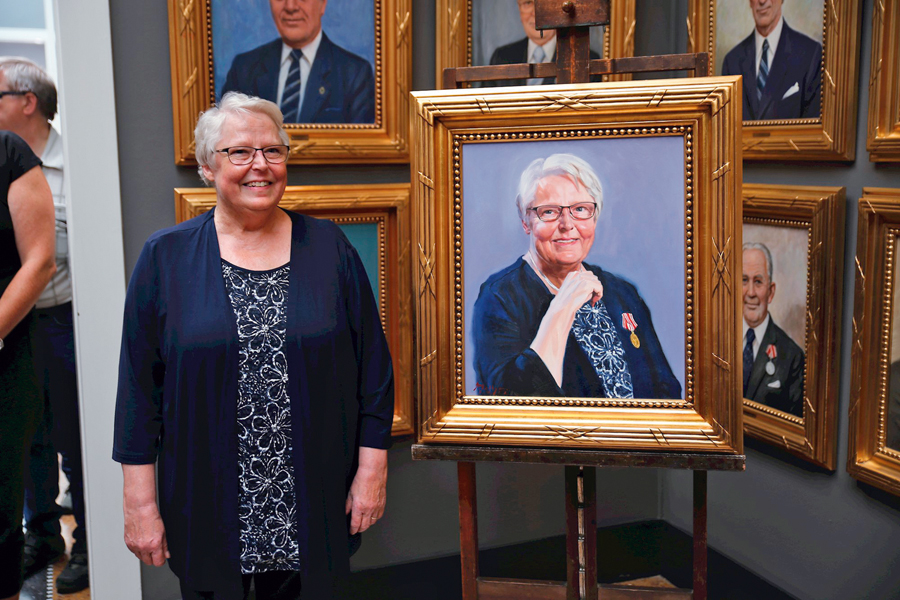
On August 1, Karin Dalgaard experienced something reserved for the few. 50 years at the same company. Recently celebrated at the Carlsberg Museum where Karin’s anniversary was crowned with a handpainted portrait.

“I didn’t walk through the doors at Carlsberg at the age of 16 and think this is where I would spend the rest of my life. But after my time as a trainee, where I was moved around in eight different departments, I got a job in our export department. I enjoyed it there and so the years passed by one by one,” says Karin.

One year has over time turned into 50, and so Carlsberg celebrated Karin with a reception at the Carlsberg museum. Carlsberg has a long-standing tradition of honouring jubilees who celebrate 50 years at Carlsberg by hanging their portrait in the museum. Yesterday, Karin’s portrait, painted by Danish artist Mikael Melbye, was unveiled as friends, family and, last but not least, colleagues gathered at the Carlsberg museum to toast to and congratulate Karin.

Speaking at the ceremony in Copenhagen, Karin said, “I’m honoured, overwhelmed and humbled by today’s celebration and the recognition from Carlsberg and my colleagues. For the 50 years I have been looking at these portraits, I never imagined that my face would one day join them. They’ve always been special to me, so to see myself on the wall feels almost surreal.”

The tradition itself started with Carl Jacobsen, son of brewer J.C. Jacobsen, who ordered paintings of those retiring employees that he especially valued. Characterising these employees was the fact that they had been employed by him most of their working life. Altogether, Carl Jacobsen had 5 paintings of former employees done.

The tradition was brought up again in 1928, but this time the paintings were ordered to honour jubilees, who could celebrate 50 years with Carlsberg. The majority of jubilees are men, with all sorts of professions. Karin is the 4th woman in Carlsberg’s 171 years history that reach the 50 years jubilee, and the last time we had a 50 years jubilee was back in 2009.

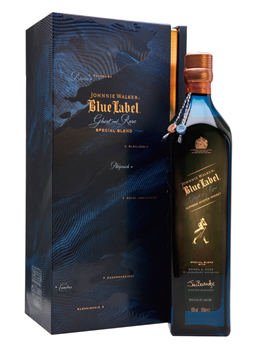
Johnnie Walker announces the arrival of Johnnie Walker Blue Label Ghost and Rare Port Ellen


Johnnie Walker Blue Label Ghost and Rare Port Ellen is the second in a series of special editions crafted using irreplaceable ‘ghost’ whiskies and other incredibly rare whiskies from the Johnnie Walker Blue Label reserves used to create the award-winning Johnnie Walker Blue Label. At the heart of this limited edition lies the highly sought-after Islay single malt, Port Ellen – a ‘ghost’ distillery that shut its doors in 1983.

Johnnie Walker Blue Label Ghost and Rare Port Ellen follows the exciting release of Johnnie Walker Blue Label Ghost and Rare Brora last year. Each edition in the series offers a fleeting opportunity to savour the depth of character of whiskies from distilleries whose spirit lives on in their dwindling stocks.

For Johnnie Walker Master Blender Jim Beveridge and his small team of expert blenders the Johnnie Walker Blue Label Ghost and Rare series is an exciting exploration of flavour. Jim says, “These whiskies deliver a fascinating glimpse into another world, exploring the unique, inimitable character of whiskies from a small number of iconic, closed distillieries that lend something very special to every drop of Johnnie Walker Blue Label. It’s really interesting to be able to put a spotlight on the character of these whiskies.”

Even though the Port Ellen distillery is now silent, Jim is excited to recapture the memory of the precious cargo of smoky Island single malts that was once carried on ships sailing from this famous distillery by balancing its unique character with other incredibly rare whiskies. Jim explains, “‘Ghost’ whiskies from Caledonian and Carsebridge add layers of creamy, vanilla sweetness whilst rare malts from Mortlach, Dailuaine, Cragganmore, Blair Athol and Oban deliver rolling waves of waxy citrus, rich malt and tropical fruit flavours – all perfectly balanced by the distinctive maritime smokiness of Port Ellen that lingers in the long and warming finish.”

Johnnie Walker Blue Label Ghost and Rare Port Ellen is bottled at an ABV of 43.8% and will be available globally in October with an RRP of 275 GBP for a 70cl bottle.

Chivas brings 15 Year Old Scotch to the celebration occasion

Chivas is shaking up the Scotch whisky category with the launch of Chivas XV – a 15 year old blend that challenges conventions around how and when to enjoy Scotch whisky. Created to be enjoyed as part of a high-energy, celebratory moment, Chivas XV proves that a serious whisky doesn’t need a serious setting to be enjoyed.

Continuing Chivas’ tradition for expert blending, Chivas XV is aged for a minimum of 15 years and selectively finished in Grande Champagne Cognac casks, bringing together two of the world’s most prestigious spirits to seamlessly blend tradition and innovation. The use of Grande Champagne Cognac casks delivers a rich, refined and velvety interpretation of the traditional Chivas house style.

This combination provides the perfect taste profile for a wide range of contemporary serving styles, encouraging whisky fans to enjoy their favourite spirit in a whole new way – from Chivas XV shots to cocktails designed to emphasise the quality and rich flavour of the whisky during high-energy celebrations.

Chivas XV, named in a nod to both the age statement and the style of traditional Cognac classification, features a contemporary new look, while also sharing the same iconic bottle shape that helps to make Chivas whiskies so recognisable around the world. Chivas XV is available in two formats to cater for different occasions: an eye-catching gold bottle stands out from the crowd during moments of celebration, while a clear bottle with a sophisticated gold outer carton makes the perfect celebratory purchase or gift.

Richard Black, Global Marketing Director at Chivas Regal, explains, “We know that Scotch whisky fans love Chivas’ generous house style, but are also looking to experiment with new tastes, and find new ways in which to enjoy their favourite spirit. Enter Chivas XV – the perfect expression for those who want to celebrate life with a truly luxurious and unique spirit that has been designed specifically with the energy of the consumption occasion in mind. A disruptive move for the category, Chivas XV presents a more contemporary side to Scotch, and encourages whisky drinkers to create memorable experiences that live on long after the celebration.” Chivas XV will be on sale exclusively in Global Travel Retail from 1st July, 2018 at an RRP of $69 for 1L and rolled out globally from 1st October, 2018.

Unibev targets premium spirits market

After spending decades as the leader of India’s biggest spirit company, Vijay Rekhi is ready for a new innings with an investment in a new company Unibev, a joint venture with Globus Spirits Limited.


How was Unibev born and what is the equity structure of the company? Unibev was born out of the striking gap in the premium Indian whiskies market in India that was deluged with me-too products with cosmetic packaging differentiators. Every now and then international research throws up the premiumisation silver lining for the industry that has mostly grown at its belly. But no player including international players in India took up the challenge to create a highly differentiated and aspirational blend. We spotted this opportunity and conceived Unibev Limited as a platform for Premium Spirits offerings. Unibev is a start up in collaboration with Globus Spirits Limited where I have a stake of 10% in the venture.

What kind of investment you are making to develop these brands? And what is the expected gestation period? Investments to meet brand needs for development, placement and promotions are planned for different phases of launch. In Phase -1, Unibev is focused on the Southern Indian States for its whisky and brandy portfolio. We have identified high throughput outlets to ensure quick placement and movement of stocks. Southern Indian launch operations are funded through internal accruals. We hope to sell 100,000 cases by the end of year 1 in the market.

What synergies do you expect to attain from Globus Spirits? Globus Spirits is led by a highly experienced team in the beverage alcohol industry. The company has the largest grain based distillery in India which augurs well for Unibev’s premium brands portfolio. Globus is growing 25% year on year. The company is cash positive. Unibev will draw from Globus financial stability.

Which are the brands that you have launched and do you have more in the pipeline? Also what are the price points of your brands?  In Phase -1 we have launched two Premium Whiskies and one Premium Brandy. Governor’s Reserve infused with 12 YO Scotch in Semi Premium whisky category is priced cross lined to Royal Challenge and Royal Stag Barrel Select. Oakton Barrel Aged whisky infused with 18 YO scotch is priced cross lined to Blenders Pride and Signature Premier. L’Affaire Napoleon Premium Grape Brandy infused with 3 YO French Grape Spirit is priced cross lined to Morpheus and Kyron brands. We will also be launching whiskies with higher aged Scotch shortly. Premium Rum and Premium Vodkas are in the pipeline.

The market is crowded in all the segments, how are your brands different from those in the market place?  IMFL whiskies blended with 12 YO and 18 YO aged Scotch have never before in the history of Indian alcohol industry been offered to the consumers. IMFL Brandy with aged grape spirit is an equally rare phenomena for connoisseurs in India. We have had very encouraging response from retail and consumers wherever we have launched the products.

What is the distribution plan for your brands and when are you likely to be pan India? In Phase -2 we plan expansion in North, East and Western markets in a gradual and calibrated manner. We will look at 2020 window for national distribution.

What are the key objectives/targets for the company? Our vision is to offer aspirational Super Premium and Premium blends and brands cross lined to price and brand leaders in the market place to evolved and responsible consumers. To this end, we will continue to innovate and explore ramping up our portfolio with different IMFL and imported spirits categories

The market is highly regulated as well as competitive, what kind of challenges you are likely to face to push these products? Having insights of the spirits market and regulations, we will be compliant with all that is needed. As far as competition is concerned, in a growing market of Premium Spirits there is enough room for additional premium brands where consumers have a choice. Therefore, we will be in a position to meet challenges from competitors.

Accord Group emerges as one of the most Elite companies in Tamil Nadu

Quality is the name of the game for the Accord Group.

With its sales in beer and brandy growing by leaps and bounds, the Chennai based Accord Group of Companies has been bolstering its presence in the alcobev industry in Tamil Nadu. Valued at `10,000 crore (2 billion USD), the group had made its advent with stainless steel and leather, and is expanding its horizons by delving in to education, information technology, reality, health care and hospitality and alcoholic beverages.

Elite Distilleries Private Limited, the company’s foray into the liquor industry, has recorded sales of 7.4 lakh cases per month, along with a 16% market share. “The success of our brands is mainly because of quality,” says PK Das, Group CEO of Chennai based Accord Group. “It has been always the endeavor of the company to give value for money to its consumer. Company has stringent policy and practices to maintain the consistency in the quality of blends, Company believe in spending more money on the blends, (which is actually consumed) than on lavish packing and packaging.

All the premium brands of the company are blended with cognac and imported special spirits.” “In Tamil Nadu, companies get orders each month based on an average of the last three months sales,” Das points out. The company, known for its penchant for brandy, manufactures Indian made foreign spirit near Kanchipuram, with a capacity to manufacture one million cases per month. The company’s forte is its premium brandy brand, Hollandas, which is reportedly a market leader in the economy, coupled with being one of the top brands in Tamil Nadu. Das, who has been in the alcoholic beverages industry for more than two decades, has been instrumental in expanding the business to the union territories of Pondicherry and Goa, besides overseas markets. The company is now set to expand its brands to the neighbouring states of Kerala, Andhra Pradesh and Telengana. It is his concerted efforts that has catapulted Hollandas and the company’s other premium product, Royal Accord, as some of the most sought after liquor brands in Tamil Nadu. The company’s other brands include Age de Oak (Premium), Missionary Monk, Royal Accord Gold, Blender Magic, King Nap, Accord French, Wonderland, Accord No. 1, and Evening Walker. This liquor unit’s turnover is about `18 billion (USD 280 millions), reportedly one of the most profitable liquor units of Tamil Nadu. The distillery is valued at `700 crore (USD 1.1 million). The group has also recently purchased a liquor unit styled Fortune Distillers and Vintners Private Limited in Goa in order to sell liquor to Kerala, Puducherry, Andhra, Telengana, Orissa, besides the local sales. This unit is exporting liquor and is also licensed to manufacture wine, which will be taken up shortly. Tamil Nadu marks a sale of 45 lakh cases every month, marking its presence as one of the major markets for liquor companies. The sales volume for these companies, according to sources in TASMAC, have gone up by eight per cent as against last year. However, overall market has remained flat for most of the companies except Elite, SNJ and KALS. The growth by TASMAC is due to increase in prices and increase in rental of the shops. While most companies have capacity constraints, especially older distilleries, Elite, SNJ and KALS are underutilized. After taking over the Imperial of Coimbatore, KALS has excess capacity in beer as well as liquor. TASMAC procures Indian made foreign spirits, beer and wine from 11 IMFS manufacturing units, seven beer making plants, and one winery functioning across the state. Currently, TASMAC has 5700 retail vending shops depending on these breweries and distilleries. The beer industry in Chennai has shown a growth of almost 60% in sales in 2018 as against 2017, from 19.5 lakh cases to a whopping 30.8 lakh cases. Of this, strong beer constitutes 88%, and 12% of light beer is available across the 5,700-odd outlets in the state. So, it only follows that the company’s ripples in sales are not limited to brandy alone. AM Breweries, also owned by the group, is a 300 HL automatic brewery, complete with modern technology that has been installed from Meura of Belgium. It was further integrated into a full process house primarily with Ziemann Technology of Germany, and modified to Indian requirements by Praj Industries of India. Armed with a market share of 11% in Tamil Nadu, it has been growing at 20% rate year on year. Out of AM Breweries’ market share of 11% in Beer in Tamil Nadu, 6% is its own beer and the rest 5% is of Elephant, the brand owned by Carlsberg for which the group has been bottling in Tamil Nadu. Of late, they have started producing Tuborg and it has also applied license for the export. The unit can produce million cases per month and has an exclusive tie-up with Carlsberg of Denmark, to produce and sell their brands like Tuborg and Elephant in Tamil Nadu and to export them to other states of India. “Nearly one lakh cases of Carlsberg products are sold each month. We have only started marketing last month and the response has been very good,” says Das. AM Breweries’ brands include 10,000 Volts in the Super Strong category with about 6% market share, and Royal Accord Super with two per cent market share. The unit is currently capable of producing 1 million hectolitres per annum, which translates to 1 million cases per month. With the addition of further Mash Vessels and Unitanks for fermentation, the unit can reach 1.50 million HL per annum, which is 1.5 million cases per month. However, beer capacities in Tamil Nadu are underutilised by around 40% and the government has now permitted companies to export beer to other states, Das points out. Das has been the key factor in setting up the group’s one Million Hectolitres PA Brewery with modern technology and achieving exclusive tie ups with Carlsberg, Denmark, to produce and sell products in Tamil Nadu, apart from exporting them to the other states of India. The Bottling Hall has been equipped with machineries from German Principals like KHS, Krones, harmonised with an imported conveying system and Indian Pasteurisation system with auto PU controls. The unit is currently valued at around 500 crore, equivalent to USD 75 million. Apart from its investment in the alcobev industry, the group has carved a niche in education, and it also owns medical and engineering colleges, hospitals and the like. They have also diversified into software, print and broadcast media. Plans to undertake several projects of pharmaceuticals, thermal power and hospitality industry are also underway.

D’Two States

D’Two States The best of Maharashtrian and Punjabi cuisines  

D’Two States

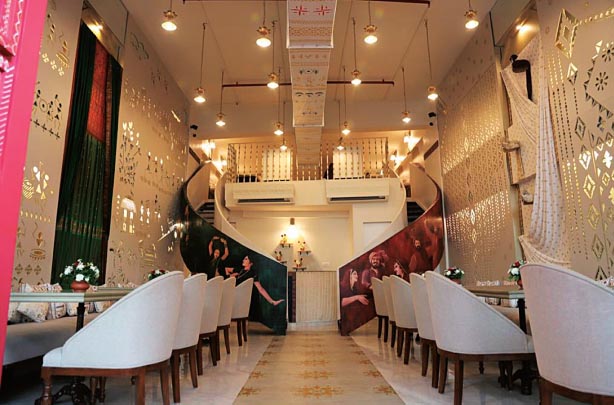
  Two people met and decided to get married. But there is a twist to the tale. They decided to take their union to another level and D’Two states was born. A unique restaurant in terms of décor, ambience, hospitality, and food. A huge red antique door greets you and the décor on one side is Maharashtrian and the other side is Punjabi blending perfectly that you need to have a close look to know the difference. Ethnic wear of Maharashtra and Punjab dorn the walls on the ground floor while traditional gold Maharashtrian jewellery and Punjabi Kirpans are on the first level. This is a pathbreaking amalgamation of two cultures, D’Two States; one of its kind of restaurant as they bring a creative mix of Punjabi and Maharashtrian — not just on your plates, but in the ambience as well. Owned by a young, independent women, Preeti Gupte, who is a psychologist turned into an entrepreneur. Like every young women she wished depict her story in the concept of restaurant. She believes that the fading roots of Indian culture may have a chance of revival with their subtle attempt. For her food is the perfect remedy to all ills. Food is all cooked at her home in the next building, while Preeti prepares the desserts and ochestrates the food preparation. Some of the signature dishes are prepared by me at home, she says. The unique concept that involves the use of traditional Phulkari (originating from Punjab), as well as Warli (originating from Maharashtra) art in the decor. Maharashtrian girl marrying a Punjabi boy, who believes in preserving the heritage of Indian culture after spending some time abroad resulted into one of its kind of concept. At D’Two States, you will find a medley of sumptuous Punjabi and Maharashtrian cuisines on your menu, which will whisk you away on an unique voyage of cultures in every bite. Innovations include Pomfrets stuffed with prawns instead of chutney or laced with masala, spicier butter chicken, Promoting women empowerment, one will be attended by a women hostess at the restaurant to make all their guests feel at home. The restaurant was inaugurated by well known actor, director Mr. Sachin Khedekar.

Alcohol and the heart

Alcohol and the heart

Large observational studies have found beneficial cardiovascular effects with moderate alcohol consumption. The effect of alcohol con­sumption on the cardiovascular system has been the source of much debate over the past few years. Heavy alcohol consumption is associated with detrimental effects on many of the body’s systems, as well as with an increased risk of addiction, motor vehicle accidents, trauma, violence, cancer, and suicide. However, large epidemiological studies also point to a multitude of potential beneficial effects with chronic moderate alcohol consumption – defined here as up to two standard alcoholic drinks (44 mL spirits, 148 mL wine, or 355 mL beer) per day for men and up to one drink per day for women. Observational studies have compared subjects abstaining from alcohol with subjects consuming alcohol and found differences in all-cause mortality and mortality due to cancer, stroke, and coronary artery disease. Despite some adverse effects on arrhythmogenesis and blood pressure, alcohol has been found to generally benefit vascular health and to lower the risk of coronary artery disease. Evidence re­garding the effects of alcohol on the cardiovascular system indicates that moderate consumption of up to two drinks per day for men and one drink per day for women is associated with the greatest potential benefit at the lowest overall risk. How­ever, randomised controlled trials are still needed to determine whether the observed associations result from alcohol consumption alone and whether the benefit found relates to the kind of alcoholic beverage consumed. Heavy alcohol consumption is associated with detrimental effects on many of the body’s systems, as well as with an increased risk of addiction, motor vehicle accidents, trauma, violence, cancer, and suicide. However, large epidemiological studies also point to a multitude of beneficial effects with chronic moderate alcohol consumption. Evidence regarding the effect of surrounding moderate alcohol consumption on the cardiovascular (CV) system is well worth considering. Definitions Many different definitions are used in the literature for a “standard” drink and “moderate” alcohol consumption. In this article we use the Department of Health and Human Services and the US Department of Agriculture defin­ition for a standard drink, which is 17.74 mL or 14 g of alcohol. This represents 44 mL (1.5 fl. oz.) of 80-proof spirits, 148 mL (5 fl. oz.) of wine, or 355 mL (12 fl. oz.) of beer. Moderate alcohol consumption is defined in the same guideline as up to two alcoholic drinks per day for men and up to one alcoholic drink per day for women. Alcohol and mortality The relationship between alcohol consumption and all-cause mortality has been found to conform to a J-shaped curve, which is attributed to a combination of the beneficial and harmful effects of chronic alcohol consumption. This was clearly demonstrated in a large meta-analysis involving the study of over 1 million subjects.[1] The greatest benefit on all-cause mortality was observed in subjects consuming 6 g of alcohol per day (approximately half a drink per day), while parity with abstainers was reached with subjects consuming around 44 g per day (ap­proximately three drinks per day). Thereafter, higher levels of alcohol consumption were associated with an increase in all-cause mortality. While both sexes benefitted from chronic alcohol consumption, the authors noted a gender difference with respect to degree of benefit and level of consumption. Although the observ­ed maximum protection of alcohol was similar between the sexes (18% in women and 17% in men) the slopes of the two curves differed, as seen in Figure 1. Whereas up to three drinks per day remained protective in men, wo­men only derived benefit if they consumed less than two drinks per day. Multiple studies have attempted to subquantify the effect of alcohol consumption on the various modalities of death with remarkably similar results. When taken together, the risk of dying a cardiovascular death appears to conform to an inverse or L-shaped mortality curve, with apparent risk reductions even with consumption of more than two drinks per day.[2,3] The beneficial effects of increasing alcohol consumption on cardiovascular mortality seem to apply to most subtypes of cardiovascular disease, and are generalisable to the elderly and those with a lower baseline risk or type 2 diabetes.[2-4] Unfortunately, the cardiovascular benefit of increasing alcohol consumption is offset by an increase in noncardiovascular death.[2,3] Specifically, there is a significant association between increasing alcohol consumption and risk of death from cirrhosis, trauma, and cancer (Figure 2).[2,3] Not surprisingly, alcohol-related cancers (mouth, esophagus, pharynx, larynx, and liver) increase in frequency with increasing consumption (RR 1.5 for two to three drinks per day [confidence interval (CI) 1.1–2.1 for men and 0.9–2.5 for women]; RR 2.8 [CI 2.1–3.8] in men and 3.0 [CI 1.7–5.3] for women for more than four drinks per day). Somewhat unexpectedly, there was an observed increase in breast cancer mortality for women who consumed even one drink per day (RR 1.3 [CI 1.1–2.6]). There was no ob­served relationship between colon cancer risk and alcohol consumption.[2] When compared with either heavy consumption or abstinence, moderate alcohol consumption is associated with a lower risk of all-cause mortality. With increasing consumption, the risk of cardiac mortality continues to de­crease, but the risk of noncardiac mortality (hemorrhagic stroke, cancer, cirrhosis, trauma) increases. The benefit of moderate alcohol consumption ap­plies to the middle-aged and the elderly, as well as to those with diabetes. A gender difference exists, with women deriving less benefit than men at in­creasing levels of alcohol consumption.