Author Archives: Bhavya Desai

Spirits Producers & Producer Organisations formally unite as the World Spirits Alliance

Global spirits producers unite to get a global voice.


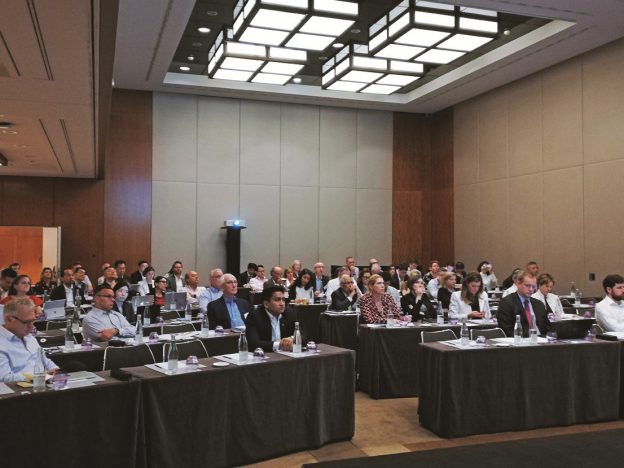
Spirits producers and producer organisations from across the world joined forces recently in Geneva for the formal creation of the World Spirits Alliance (WSA), an international trade association dedicated to representing the views and interests of the spirits sector at the international level. Following many years of successful cooperation, members decided to set up a dedicated, formal organisation to act as the common global voice for the distilled spirits sector.

WSA will act as a representative partner and interlocutor before international organisations, such as the World Trade Organisation (WTO), the World Health Organisation (WHO) and the United Nations (UN). WSA and its members will continue to pursue the elimination of tariff, non-tariff barriers, and discriminatory taxes, fair, transparent and evidence-based regulation, adequate excise tax structures, proportionate evidence-based public health measures for distilled spirits and ambitious strategies to combat illicit alcohol.

“Many of us have been working together for nearly two decades, hence setting up a formal trade association to act as a united global voice on the integrity and social responsibility of our spirits industry is a natural and important step forward. Distilled spirits are a vibrant and highly dynamic sector with a unique diversity of products and producers across the world,” said Marie Audren who will act as Secretary General for the WSA.


“The aims of the WSA are to create a common platform for exchange and have a representative body that will allow us to comment on issues of global relevance, particularly in the areas of trade and regulatory policy, and help develop a positive environment for the sustainable success of the sector,” said Rodolfo González González (Camara Nacional de la Industria Tequilera) who was elected as first President of the WSA.


WSA members represent producers of products such as Baiju from China, Tequila from Mexico, Brazilian Cachaça, Indian IMFL, Cognac and internationally traded whiskies like Scotch Whisky, Irish Whiskey and American Bourbon (to name but a few).

“Distilled spirits are celebrated and responsibly enjoyed around the globe and generate jobs, economic growth and tax revenue in the countries where they are produced. At the same time, in many markets around the world, distilled spirits are heavily taxed and regulated, and we face trade barriers that are only applicable, or applied more excessively, to distilled spirits. This situation needs to be reviewed and addressed,” said Amrit Kiran Singh (International Spirits & Wines Association of India) who was elected Vice President.


“We want to demonstrate to national authorities that we are committed to responsibility and that advancing fair treatment of spirits products in the marketplace will have a positive impact on their economies,” concluded Chris Swonger, President and CEO of the Distilled Spirits Council of the United States (DISCUS).

WSA and its individual members are committed to responsible production, advertising and marketing practices and to encouraging adults who choose to consume spirits, to do so responsibly and in moderation.

The WSA membership includes trade associations and producers of distilled spirits from across the world:

• spiritsEUROPE
• Asia Pacific International Wines & Spirits Alliance Limited
• Camara Nacional de la Industria Tequilera
• The Scotch Whisky Association
• Association of Canadian Distillers
• Pernod Ricard
• DIAGEO
• International Spirits & Wines Association of India
• Japanese Spirits Liquor Makers Association
• Brown-Forman
• Distilled Spirits Council of United States
• Spirits New Zealand
• Rémy Cointreau
• Beam Suntory
• Spirits & Cocktail Australia
• Campari
• Edrington

Sterren Beer bags coveted award in Malaysia

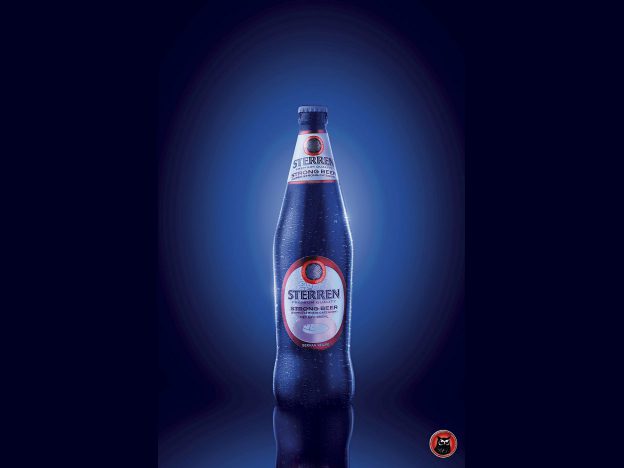
Sterren Beer with its authentic German recipe produced in India under the guidelines of German Standards has been selected as the Prestigious Rising Brands of Asia 2019-20.

Incorporated in 2012, by the Chairman and Managing director, Mr. Vasudevan S, who established Sterren under the entity KALS Breweries.

Triumph of Celebration:

The KALS Group of Companies has varied interest spanning liquor retailing, motor fuel and lube, transport and logistics as well as FMCG distribution. With a grand vision to be successful in building a professional team with focused endeavors in the vertical and horizontal expansion of the Group, KALS Distilleries, KALS Beverages and KALS Breweries were formed by the visionary. Their products have already made their imprint in the states of Tamil Nadu, Kerala, AP, Andaman, Karnataka, Chhattisgarh, UP, and Puducherry and with global presence in UAE, Singapore, Malaysia, and Central Africa. Mr. Vasudevan’s visionary thought of Going Global has enabled the Product Life-Cycle Excellence of this product.

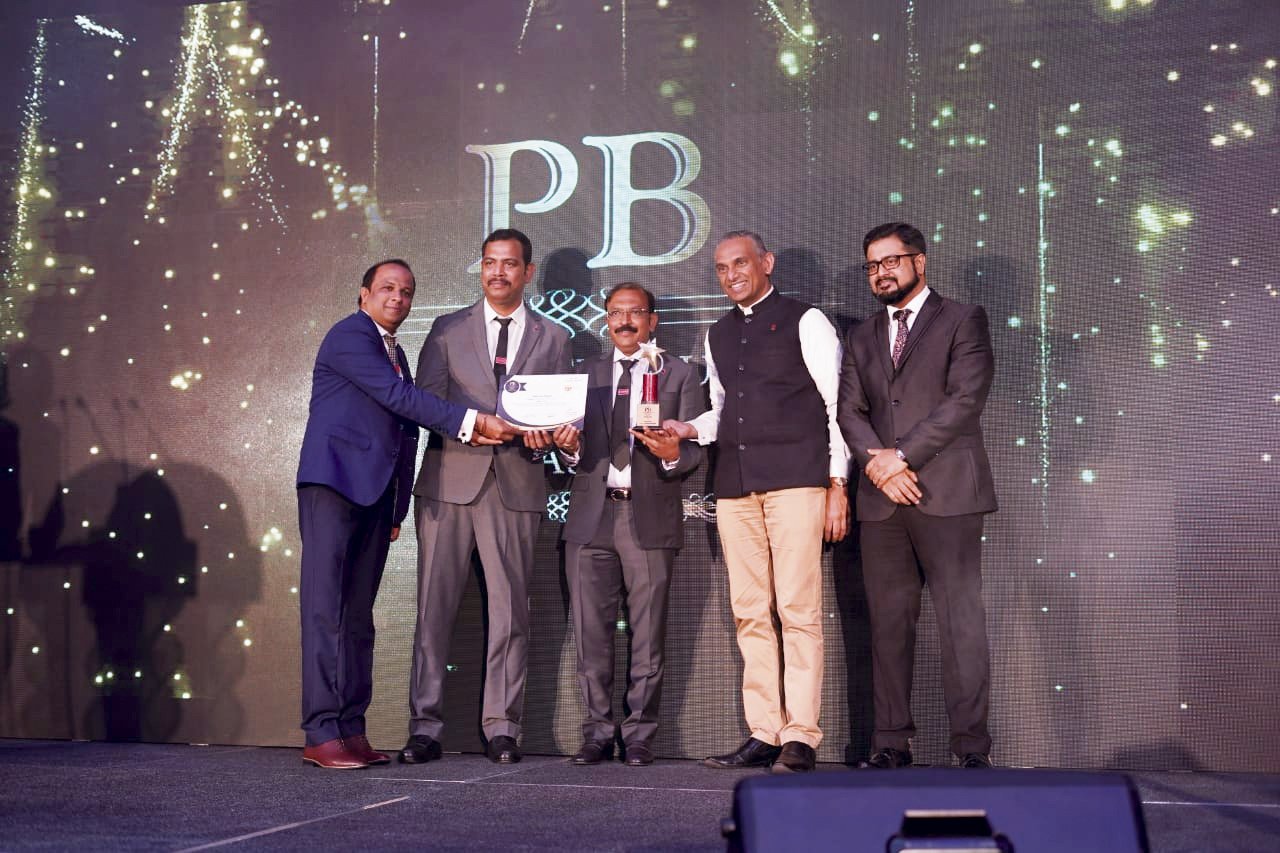
L to R: Dr. Uppilliapan Gopalan, COO, Mr. Arulmani Sekaran – Director and Mr. Rajasekaran S – Director of KALS Group, Dr. A.T. Kumara Raja – Chief Economic Advisor to Malaysian Government, Mr. Amit Sengupta – Indian Economist – Cabinet of Parliament to Modi and Chief Editor of Deccan Herald

Brand Quotient

With the headquarters in Chennai, under the stewardship of Mr. Vasudevan S, the brand Sterren celebrates more than 20% market share in this segment in TN and KALS employs more than 3000 employees. Sterren is an entry into ultra-premium with proud variants that fits the choice of all.

Sterren 6 – Premium Quality Beer (Wheat-base Beer)

Sterren 7 – Premium Quality Strong Beer (Lager Beer)

Sterren 8 – Premium Quality Extra Strong Beer (Extra Strong Beer)

Sterren- Authentic Sporty German Word-a Royal Blend of Excellence with Contemporised Brew which are available in three variants of ABV 6%, 7% and 8%. Its quality is simply stellar with an orange citrusy note and available in 650ml, 500 ml and 330 ml beverage grade cans.

Sterren 8 – Premium Strong Beer is enroute to ultra-premiumisation. Sterren -8 indeed is a mix that is consciously branded as a blend of contemporary touch with traditional pitch. Flavour and imported hops makes it a perfect top-notch that rollickingly touches the sentiments of millennials and youths. Sterren is manufactured under the aegis of an agreement through a Technology Transfer Programme from VLB (Berlin) with GMPs complying with the standards of Food Safety Management Systems (ISO 22001:2015), Environmental Management Systems (ISO 14001:2015), & QMS, & BRC AA Standards of International Food Safety Norms

Trailblazing

Practicing brand values like trust, respect, passion and commitment, they strive to create an organisation that delights customers and associates creating a higher recall in every market present. Using their unique German technology and German Recipe they have earned a turnover of 590 million USD. Their recipe is certified under the German Standards. In order to be part of the growing consumption of the beer business and also to be a full-spectrum alcoholic beverage company they strive to deliver integrity, quality and consistency with Sustainable Brand Augmentation for customer loyalty. Their brewery plant is a fully-automatic plant best-in-class in the country with end-to-end manufacturing. It is one of the few brewery plants in the country with Can Beer Line, which services the export market.

Cutting Edge

The German quality of Sterren Beer embarks the taste, flavour and texture on the taste-buds of the consumers. They have invested in research and surveys as they strongly believe in feedback resulting satisfaction and an opportunity of loyalty. The brand interacts and engages with their customers through influential marketing, participation in Oktober fest in Chennai (India), Beer fests and organising Sterren Nights. Their impeccable quality and product packaging also contribute to the high customer acceptance.

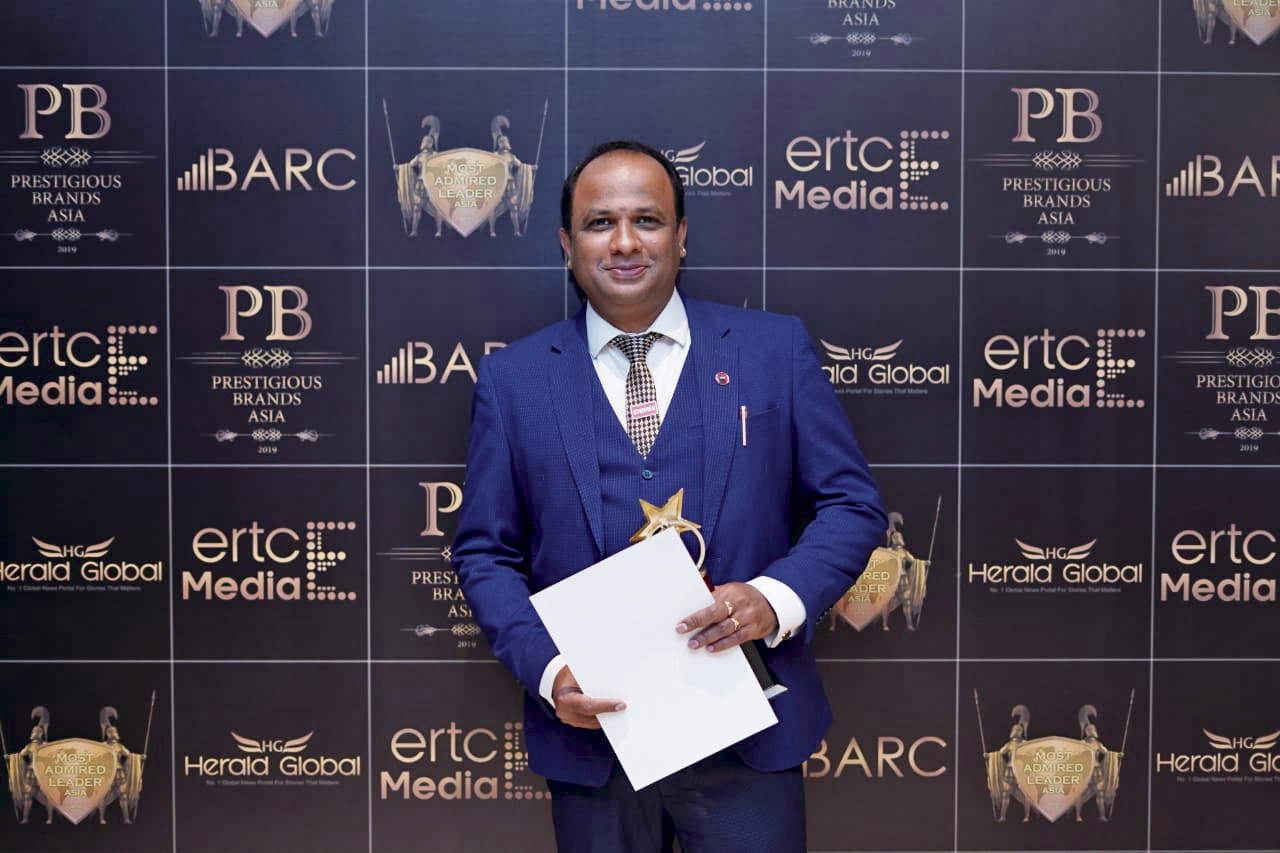
Dr. Uppiliappan Gopalan – awarded Most Admired Business Leader for 2019

The winners of the awards for most Admired Leaders 2019 and Prestigious Brands of Asia 2019 were announced at the Malaysia, Global Business Symposium organized by Herald Global at Hotel Inter Continental recently.

The event was attended by honourable guests from all over Asia. The guest of Honour included Datuk Seri Garry Chua – President, Malaysia Retail Chain Association, Datuk AT Kumararajah – Deputy President, Malaysian Associated Indian Chambers of Commerce and Industry (MAICCI), Datuk Munirah Abdul Hamid – Founder, Pertiwi Soup Kitchen, Dr Zainab, Malaysia Palm Oil Board and Mr. Surendran Menon from Malaysia Indian Business council. They shared their respective opinions and perspective alongwith all the leaders and brands in a quick byte session about the topic “One Asia – One Vision, One Identity, One Culture” for improving relations to maintain integrity between Asian nations.

Dr. Uppiliappan Gopalan

After a sharing views, eminent personalities and brands from all over Asia were awarded for their achievements and promising future. Dr. Uppiliappan Gopalan, COO of KALS Group – awarded as most admired Business Leader for the year 2019. Other people who bagged the awards are Ms. Larissa Ping, Miss World Malaysia, Mr. Georg Sparschuh, President of SCHOTT tubing, Mr. Vishen Lakhiani, Mr. Uday Kotak – CMD of Kotak Mahindra Bank, Mr Mukesh Amabani – CEO of Reliance Industries Limited and Mr. Sachin Tendulkar – Indian Cricketer Dr Uppiliappan Gopalan- Group COO (KALS Group), an astute strategist with impeccable business acumen, is a Chemical Engineer (B Tech) and an Post Diploma in Management from IIM-Bangalore with Finance & Operations Specialization. He holds an Executive Diploma in Advanced Financial Analytics from globally renowned London Business School (LBS). He also holds a Doctorate Degree in Supply Chain & Finance Integration. Dr Uppiliappan is also Prestigious awardee of Peter Drucker Award for the year 2016 for the outstanding performance in Finance & Business Process Automation Category of Automotive Sector during his stint with M/s Bhatia Brothers Group as COO, an AED 1.8 Mn Conglomerate in UAE with presence in 10 Countries. Dr. Gopalan is a strategic think-tank cum implementer with recognised proficiency in spearheading operations/business with an aim to accomplish corporate plans and goals successfully. Dr. Gopalan is a well-known adjuct faculty for Finance & Supply Chain and has been invited by various forums as Conference Speaker & Conference Chair. Currently, he serves as Technical Advisory Committee – Titanium Finance Conference for Finance Professionals (Ireland). He was a Keynote Speaker – Northwest Business Group Conference in Mastering Human Capital (Istanbul) – Role of TQM in Value Addition for Business; Session Planery Speaker –ARTDO – Manila (Asia-Pacific- Re-engineering Towards a Strategic and Driven Workforce; and Conference Co-Chair for 17 International Symposium of Banking, Finance, & Economics (Singapore). Under Gopalan’s guidance, organisations attained various expertise in financial services and solutions. Being the Top 100 Globally acclaimed SAP Certified Resource for Finance, Treasury, & Supply Chain Modules & Top 10 Operational Excellence Certified Professional in APAC, Dr Gopalan’s core strength lies in Strategy Planning, Mergers and Acquisitions, Emerging Markets Development, Techno-commercial Evaluations, Financial Modelling and Business Valuations, Project Management (Greenfield / Brown Field), and Blue Ocean Strategies. With the hands-on expertise in handling a revenue size of 600 Million USD, Dr. Gopalan is versatile on P & L Management, Operational Excellence, Excellence in Financial Management, & Projects Management.

Budget sets a clear action plan for making India $5 trillion economy


India is cruising towards becoming a $5 trillion economy. Indian alcobev industry stalwarts add credence to FICCI’s take on the budget.


Commenting on the Union Budget 2019-20 recently presented by the Finance Minister Ms Nirmala Sitharaman, Mr Sandip Somany, President, FICCI said, “Directionally the budget is good, and it takes forward the plan that was laid out by the government during the Interim budget. There are several positives in the budget, and it provides a set of benefits for most segments of the society. We see a clear action plan for realising the vision of making India a US$ 5 trillion economy over the next few years with a focus on ease of living.”
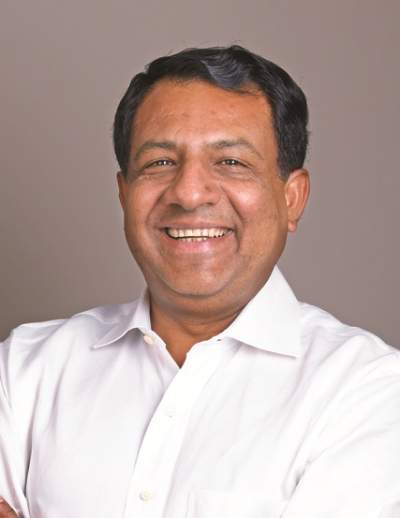

Anand Kripalu


“A balanced budget that draws from a long-term vision for the country! Through policy reforms to rejuvenate investment, ‘Make in India’ and Ease of Doing Business, as well as measures to tackle the country’s water shortage and climate change, the budget lives up to the government’s vison of a New India that aims at inclusive growth. The acknowledgement of India Inc’s role as the nation’s job and wealth creators is heartening. Operating with the high standards of compliance, in a sector that is in urgent need of regulatory reform, we are delighted at the Government’s vision of ‘Minimum Government Maximum Governance’, which we hope the Centre will encourage States to adopt towards the alcoholic beverages sector,” points out Anand Kripalu, Managing Director and CEO, Diageo India.

The budget maintained its focus on infrastructure development. While the government would continue with its existing major national programmes like Bharatmala, Sagarmala, Rural roads, Udan and Inland waterways scheme, the vision of taking connectivity to the next level through ‘One Nation One Grid’ for electricity and a similar plan for gas grids, water grids, i-ways and regional airports is indeed ambitious and would be transformational in its impact. “FICCI has been advocating the need for such networks and would work with the government on realising this vision. We are also encouraged by the Minister’s focus on promoting public-private partnership for modernisation and upgradation of the nation’s railway infrastructure,” added Mr Somany.

The MSME sector also got its due focus in the budget. Availability of finance and delay in payments are the two key issues faced by MSMEs. The government has attempted to address these through allocation of `350 crore for interest subvention scheme for GST registered MSMEs and creation of a payments platform to enable filing of bills and payment thereof on the platform itself. Also noteworthy is the suggestion to set up a social stock exchange for listing of social enterprises and voluntary organisations. This is expected to open up new avenues for funding for entities working in the social sectors.

Neeraj Kumar


With the Indian economy poised to become a $3 trillion economy in 2019, the Union Budget balanced prudently between focus on enablers for near term growth with a visionary 10 year road map to sustain and scale this growth.

Closer to our category, the announcement to develop 17 iconic world-class tourist sites is good news. We continue to expect greater transparency and ease of doing business in states and central regulatory framework to enable sustainable and compliant growth for our sector, says Neeraj Kumar, MD Beam Global Spirits & Wine India.      
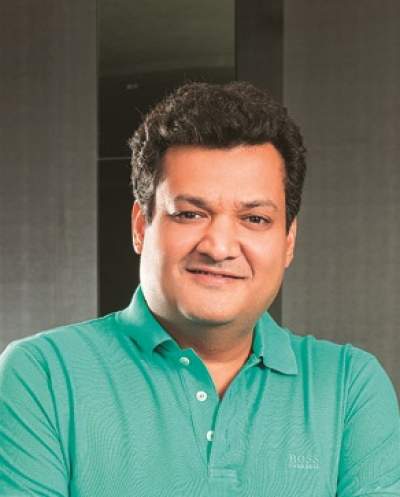
Abhishek Khaitan


The industry sees a confident and clear articulation to boost growth by reduction in corporate tax and sops to housing sector and startups. The focus on sustainability with electric vehicles and water is visionary but enabling infrastructure needs to be implemented.

“The budget is focussed on vision and inclusive growth,” believes Mr Abhishek Khaitan, Managing Director, Radico Khaitan Limited. The new government till date has pursued pro-growth initiatives and, I believe, this budget will continue the impetus to further boost economic growth and investor confidence. The government is well positioned for a swift and efficient execution of progressive initiatives. Smt Nirmala Sitharaman’s maiden Budget – the first to be presented by a female Finance Minister — emphasises on infrastructure development, freeing up liquidity to troubled NBFCs, generating jobs in the MSME sector, and generally enhancing the ease of doing business. As a listed corporate, we believe that having a 35% public float is positive in terms of better corporate governance standards and valuations and carries a potential of increasing India’s weight in the global indices.

The budget is equally focused on welfare, health, sanitation, water, transformation, standard of living and support to farmers.

Nirmala Sitharaman ji stressing on the ‘Gaon, Garib and Kisan’ aims at enabling the rural economy through multiple schemes. With the aim of boosting the agricultural sector in the country, the government’s plan to reassess the implementation of zero budget farming has the potential of nearly doubling farmers’ income. Additionally, 10 thousand new farmer producer organisations will be set up for ensuring market reach for the farmers. The other schemes announced in the budget such as Pradhan Mantri Matsya Sampada Yojana, cluster-based rural industrialisation for promoting 50,000 artisans, 75000 skilled agri entrepreneurs and overall focus on dairy sector are all very laudable.
The vision of each house having water, electricity and cooking gas by 2022 is commendable and there is a very close interdependence between water, sanitation, health, nutrition, and human well-being. We view water as a central resource for a sustainable India and the thrust to provide piped water to all rural households by 2024 is what inclusive growth is all about.

To conclude I commend Ms Sitharaman for appreciating the contribution of India’s private sector in the fantastic rise of the country’s economy. While the fiscal balance has been managed well with the deficit aimed at just over 3%, the overall, the budget is pro-poor, pro-rural and pro-ease of doing business. The simplification of the GST, the simplification of tax reforms and indirect taxes and the support to startups not only will help in bringing in more capital and employment, it will significantly benefit society at large and help achieve aspirations of millions of Indians.

“I would emphasise that the government has taken due cognisance of the funding needs of a growing economy and this is reflected in a series of measures announced to deepen the country’s capital markets as well as help increase inflows both through the institutional investment and direct investment route. In our pre-budget consultation, FICCI had suggested the need to look at FDI norms in sectors such as insurance, animation, gaming etc. and we are glad this found a mention in the budget,” said Mr Somany. Additionally, to attract cross border investments, the statutory limit of FPI in a company is proposed to be increased from the current 24% to the sector foreign investment limit.

The announcement to further provide `70,000 crore for capital infusion into public sector banks along with measures to strengthen the governance processes within the banks should help in improving the credit flow to the industry. “The NBFC sector has been in focus on account of the stress being faced due to liquidity crunch in the last few months. Acknowledging the important role played by NBFCs, some key measures have been taken which should help ease the liquidity situation for the fundamentally sound NBFCs going ahead. As this happens, we hope to see greater amounts being sanctioned and disbursed by the para-banks particularly in the MSME and retail segment,” said Mr Somany.

Another novel feature of the budget is to marry the benefits of rural infrastructure development with sustainable livelihood opportunities. Having achieved tremendous success over the last five years in terms of promoting connectivity, housing, provision of electricity and clean energy in rural areas, the focus now is to promote traditional resource-based industries and create avenues for self-employment and entrepreneurship. “From the point of view of the farm community, the decisions to set up 10,000 farmer producer organisations and fully leverage the benefits of e-NAM for getting fair and remunerative price are welcome. In FICCI’s Agenda for the New Government, both these points were highlighted, and we had urged the government that these are essential components of any strategy aimed towards doubling income of our farmers over the next few years,” said Mr Somany. To strengthen the education system in the country, FICCI had suggested that the government finalises and implements the National Education Policy, sets up a National Science, Technology and Human Research Foundation; and hasten the setting up of Higher Education Commission of India. FICCI would like to thank the government for having incorporated these suggestions in the budget proposals.

On the disinvestment front, FICCI welcomes the government’s decision to enhance the target for the current year to `1.05 lakh crore. We had of course suggested that given the demands on exchequer, government should look at a target of `1.5 lakh crore. Additionally, the government’s decision to consider divesting its stake in select public sector units to below 51% is interesting and we look forward to details on this subject. “On the taxation front, while we are happy to note the decision to raise the turnover limit from `250 crore to `400 crore for companies that would attract a corporate tax rate of 25%, we had hoped that this rate will be applicable to all firms. Given the way tax policies are evolving globally, we need to be competitive if we are to attract and retain investments at a high level. With the Economic Survey also highlighting the critical role played by private investments in addressing concerns related to growth and employment, a bigger boost to the corporate sector was expected,” said Mr Somany.

Enhanced deduction for interest payments on loan taken for affordable housing, clarification on Angel Tax and the thrust on speedier resolution of legacy tax disputes in the indirect tax segment are some of the other important announcements on the tax side.

Finally, government has remained focussed on making India a ‘cash-lite economy’ and once again we saw in this budget a couple of suggestions that would help the country move ahead on this track.

Arundeep looks at Brew Pubs to be a game changer

After successfully being a promoter, that launched Rock & Storm Distilleries is now branching out to start Brew Pubs under the brand name “The Brew Estate” across the country. Arundeep Singla, from Sunam in Punjab, who had launched Rock & Storm Distilleries in 2015 with a clutch of regular, prestige and premium segment beverage alcohol brands, is now onto his second venture establishing the largest chain of brew-pubs in the country under the banner of The Brew Estate. Arun prides himself in the innovative flavours of freshly brewed beer ingredients for which he imports from Germany and UK. Currently, The Brew Estate Network consists of 7 outlets across Punjab, Haryana and Himachal Pradesh, soon to be followed by other markets in the North, West and Southern regions of the country.


The venture is self funded till now. Given the market opportunity and success rate of The Brew Pub since its first launch in 2016 in Chandigarh, Arun is upbeat about attracting investors to fund his expansion.

Arun is the first generation entrepreneur in the beverage alcohol industry. His education in Australia was also instrumental in his entry into the liquor business with special interest in craft beer. Arun is an avid traveller to world brew pub markets to learn and imbibe global best practices in consumer engagement by some of the top leading craft beer brands and brew pubs.

In an interview with Ambrosia, he unveils his plans

What makes you so bullish about brew pubs?

The abundant opportunity in India both in metro and non metro cities for innovative, out of home drinkng experiences will fuel the growth of brew pubs.

What is your impression of the beer market and in particular the emerging craft beer market?

Industry and consumers need to understand craft beer – that which is artisanal, not bulk or mass. Today beer sold in bottles is called craft beer, something that defeats the purpose of introducing craft spirits. Artisanal beer is the future of the spirits industry on the innovation parameter. Large established players in the beer space have little headroom in this category. The consumer for artisanal beers is looking at reinventing his palate experience with beer every few months. Brew pubs like The Brew Estate who have introduced 60-80 flavours in the last three years, are uniquely poised to create a loyal base of consumers purely with the ability to innovate, taste, quality and the whole fine dining experience.

What is the type of pub grub would you like to pair with craft beer?

Fusion cuisine that brings out international varieties with local nuances.

What is the response to the current outlets you have?

Consumers have great brand recall and affinity for The Brew Estate for its ambience, innovation and experience. Brew pub is an evolving category. Consumers are evolving too. Regional variations from North to South need to be factored in when introducing new flavours. The Brew Estate can claim the fastest expansion in the brew pub category compared to any other player. This is a validation of consumer confidence in our brand.  

What is the current ratio of F&B in your outlets?

60/40 ratio for beverages to food. What is the kind of investment you have made in brew pub and expected for your expansion? Currently self funded, we are looking at an investiment of USD 8-10 million for the next phase of expansion.

How is the return on investment in brew houses looking at the competition in cities like Gurgaon and Bangalore? And how will you be different than others?
We have been able to control costs so far as we have stayed away from big cities. Our flavor innovations will drive footfalls and ease out cost pressures when we launch in other markets especially metros.

How many outlets you are looking for in another five years from now?

We are targeting to launch 30 outlets in three years.

The Industry Today And The Opportunities Of The Future

The first guest speaker at the TFWA Asia Pacific Conference was Andrew Ford, President of the Asia Pacific Travel Retail Association. He detailed the four areas of his organisation’s activity – advocacy and helping the industry to defend itself, research, (including a report on young China produced in partnership with TFWA), training, and events. With more and more issues facing the industry, and the policy changes that have been taking place in Europe coming to Asia, airports are, he said, more engaged and more aware of the need for advocacy. The association’s Economic Impact report will, he stated, provide valuable insight into the scale and scope of the industry in Asia.

Copyright: TFWA Press Office

A thought-provoking keynote address from The Economist’s Foreign Editor Robert Guest looked at how the geopolitical climate is affecting trading relationships between the world’s superpowers. He spoke of how societies can be ‘open’ or ‘closed’. Travel, he said, can only be good for the world as it broadens the mind. When you let people in, he concluded, you get the benefit of their ideas and culture – and that makes the world more prosperous.

Next on stage, Kate Ancketill, CEO of GDR Creative Intelligence offered fascinating insight into how ‘new retail’ (combining online, offline logistics and data across a single value chain) will define the retail landscape of the future. Multi-tracking, which sees the same retail space adapted and regularly updated to suit a wide range of consumers, is one of the most important movements that is shaping today’s retail.

3Sixty’s Executive Vice President Roberto Graziani spoke of the retail revolution that started with e-commerce and accelerated with the development of smartphone technology. With 25% of all e-commerce sales in the US already being carried out on a mobile, online channels will soon overtake offline. Effective partnerships to leverage data, strong use of data analytics and innovation are essential for omnichannel to truly elevate travel retail.

Offering an airline’s perspective, Campbell Wilson, SVP of Sales and Marketing at Singapore Airlines said that the airline is usually the anchor in any data consortium. He said that sales can no longer only take place on board, and airlines must go online to give travellers what they want, when they want it.

Copyright: TFWA Press Office

Przemyslaw Lesniak, CEO of Lagardère Travel Retail Pacific stated that in the current travel retail market, being a superb retailer is no longer enough. He outlined how he had adopted the welcoming and fun characteristics of the local culture within his own business. More than a brand or retailer, we should actually strive to be ‘an unforgettable host’, he said.

Dong-ik Shin, Director of Concession Planning Team at Incheon International Airport explored the role of retail in the airport of the future. He described a virtuous cycle, in which revenue from travel retail is used to improve facilities and maintain lower charges. This helps airlines to become more competitive and bring in more passengers, which in turn increases retail revenues. Already enjoying duty free revenues which are growing much faster than passenger traffic, his airport’s vision is, he said, to become the world’s best for shopping and dining by 2025.

Duty Free World Council’s President Frank O’Connell took to the stage to announce the launch of an industry-wide training platform, created in partnership with the Institute of International Retail. While face-to-face training can be costly and takes staff off the sales floor, the new programme is a cost-effective way to deliver an internationally recognised educational programme. It will provide clear career pathways which will help to improve staff retention, and build a community of loyal staff which will positively impact returns.

Moving on to the highly pertinent subject of sustainability, Vanessa Wright, Group Vice President of Pernod Ricard stated that increasingly consumers want to work for and buy from companies that ‘do the right thing’. There are a number of simple measures that the travel retail industry can take, such as offsetting, but sustainability should be the responsibility of all in an organisation, not simply that of one department. Her own company’s action plan detailed a commitment to strive for sustainability ‘from grain to glass’.

Gemma Bateson, JTI Worldwide Duty Free Corporate Affairs Director examined the challenges arising from the legislative constraints encroaching on brands’ capacity to market themselves effectively. While regulation is not per se a ‘bad thing’, that regulation, which is often designed for the different circumstances of the domestic market, must be proportionate and sensible. The demand for regulation relating to product labelling will affect all categories, and she called for a united approach in combatting the threat.

Nestlé International Travel Retail’s General Manager Stewart Dryburgh said that there was plenty of room for growth in his category, and confectionery & fine food could be worth US $10 billion in 10 years’ time. Key to this growth is meeting consumers’ three core needs, which are Deeper Connections (meaning how connected consumers are to friends and family); Better for You (the ability to choose healthier products); and Elevated Experiences (which means enjoying a bigger and better experience).

The day concluded with a look into the future of technology from Alan Brennan, Managing Director at creative commercial tech agency dcGTR. He said success within the duty free and travel retail industry will be affected by our ability to research and establish what our customers want. Virtual reality technology can enable us to understand how customers would behave in a store, and what choices they would make, without the need to invest in a physical building.

Worldwide Alcohol Consumption Declines -1.6%

IWSR 2018 Global Beverage Alcohol Data shows growth in spirits, but beer and wine volume is down; market expected to grow by 3% over next five years.
Beverage alcohol drinkers across the globe consumed a total of 27.6bn nine-litre cases of alcohol in 2018, but while that number represents a decrease of -1.6% from the year prior, new data from the IWSR forecasts that total alcohol consumption will steadily increase over the next five years, to 28.5bn cases in 2023. In terms of retail value, the global market for beverage alcohol in 2018 was just over $1tn, a number which the IWSR expects to grow 7% by 2023 as consumers continue to trade up to higher-quality products. These figures – and more than 1.5m other points of data – are included in the just-released IWSR Drinks Market Analysis Global Database, which also shows:
Gin was the Leading Global Growth Category in 2018, and Forecasted to Reach 88m Cases by 2023
The largest gain in global beverage alcohol consumption in 2018 was in the gin category, which posted total growth of 8.3% versus 2017. Pink gin was a key growth driver, helping the category sell more than 72m nine-litre cases globally last year. In the UK alone, gin was up 32.5% in 2018, and the Philippines (the world’s large

st gin market) posted growth of 8%, fueled by a booming cocktail scene and premiumisation of the market. By 2023, the gin category is expected to reach 88.4m cases globally, with particular strong growth in key markets such as the UK, Philippines, South Africa, Brazil, Uganda, Germany, Australia, Italy, Canada and France. Notably, Brazil has emerged as a new hotspot for the categ ory, with volumes there more than doubling last year and forecasted to grow at 27.5% CAGR 2018-2023, as the gin-and-tonic trend has increased in upmarket bars of São Paulo and Rio de Janeiro.
Consumption of Whisky and Agave-Based Spirits Continues to Increase
Spurred by innovation in whisky cocktails and highballs, the global whisky category increased by 7% last year, driven in large part by a strong Indian economy (whisky grew by 10.5% in India, as consumers continue to trade up in the category). The US and Japan posted 5% and 8% growth, respectively. The IWSR forecasts whisky to grow by 5.7% CAGR from 2018 to 2023, to almost 581m nine-litre cases. Also, continued interest in tequila and mezcal (especially in the US), and innovation in more premium variants and cocktails, drove the agave-based spirits category to 5.5% global growth in 2018 – and is expected to post 4% growth over the next five years (2018-2023 CAGR).
Mixed Drinks and Cider Grow
The mixed drinks category (which includes premixed cocktails, long drinks, and flavoured alcoholic beverages) grew 5% globally in 2018. By 2023, it is projected that more than 597m nine-litre cases of mixed drinks will be consumed across the world. The growth is backed by continued strong gains in ready-to-drink (RTD) cans in the US an d Japan, the category’s two largest markets. In Japan, most RTDs are locally made and almost exclusive to Japan. Their popularity is partly due to the fact that they are relatively dry, which makes them more food-friendly and sessionable. In the US, the popularity of alcohol seltzers has been a tremendous engine for growth in the RTD market. In the cider category, as investment levels in those products continue to rise, almost 270m cases are expected by 2023, a 2.0% CAGR 2018-2023. Both of those categories (mixed drinks and cider) are taking share from beer as perceived accessibility increases (less bitter, easier to drink).
Vodka, Liqueurs, and Cane Spirits are in Decline
Vodka lost volume in 2018 (-2.6%) as the market for lower-priced brands continued its decline in Russia and the Ukraine (two of the largest markets for this spirit). Higher-priced vodkas, however, showed a more positive trend last year. Nonetheless, the outlook for total vodka over the next five years remains sluggish as the category is forecasted at -1.7% CAGR 2018-2023. Also in decline is the flavoured spirits category (liqueurs), which dropped by -1.5% globally in 2018, and is expected to continue to slip in 2019 before rebounding slightly in 2020. Cane spirits (primarily Brazilian cachaça) was down -1.6% last year, and is forecasted to lose another 4.5m cases by 2023.
Beer Continued to Lose Volume in 2018, but is Expected to Rebound
Global beer declined -2.2% in 2018, impacted greatly from volume decreases in China (-13%). Other large markets such as the US and Brazil also fell (-1.6% and -2.3%, respectively), while Mexico and Germany saw growth (6.6% and 1%, respectively). The future outlook for beer, however, paints a more positive picture, as the category is expected to show a slight increase in 2019 and post a 0.7% CAGR 2018-2023.
Wine Volume Declines, but Value Increases
Wine, which had posted strong global growth in 2017, lost -1.6% in volume in 2018 as wine consumption declined in major markets such as China, Italy, France, Germany and Spain (the US market was flat). However, though consumers are drinking less wine, they’re increasingly drinking better – pushing wine value to increase. Globally, the retail value of wine is projected at $224.5bn by 2023, up from $215.8bn in 2018. The one bright spot in wine volume is the sparkling wine category, which is expected to show a five-year CAGR of 1.17% 2018-2023, driven in large part by prosecco.
Low- and No-Alcohol Products on the Rise
Low- and no-alcohol brands are showing significant growth in key markets as consumers increasingly seek better-for-you products, and explore ways to reduce their alcohol intake. Growth of no-alcohol beer is expected at 8.8%, and low-alcohol beer at 2.8%. No-alcohol still wine is forecasted at 13.5%, and low-alcohol still wine at 5.6%. Growth of no-alcohol mixed drinks is predicted at 8.6%. (Above figures are all CAGR 2018-2023.)
Top Ten Performing Global Markets, 2018-2023
A look at the world’s fastest-growing beverage alcohol markets shows an emergence across a variety of developing countries. A combination of growing legal-drinking-age populations and healthy economies is driving some of this growth, which is expected to continue over the next five years. “Every year our analysts spend months traveling the world to speak with suppliers, wholesalers, retailers, and other beverage alcohol professionals to assess what is happening market by market in this fast-changing business,” says Mark Meek, the IWSR’s CEO. “The raw data we collect is enormously valuable, but equally important is what that data tells us in terms of trends, challenges, and opportunities facing the industry.”

Beam Suntory India targets $1 billion in sales by 2030

With leading brands like Teacher’s and Jim Beam, Neeraj Kumar, Managing Director, Beam Suntory, India, is given the ambitious goal of reaching $1 billion in sales by 2030.

As the new MD of India what is your first order of business?

In keeping with our global objective to be the world’s most admired and fastest growing premium spirits company, our ambition in India will be to further develop our business here and join the US and Japan as one of Beam Suntory’s largest markets.

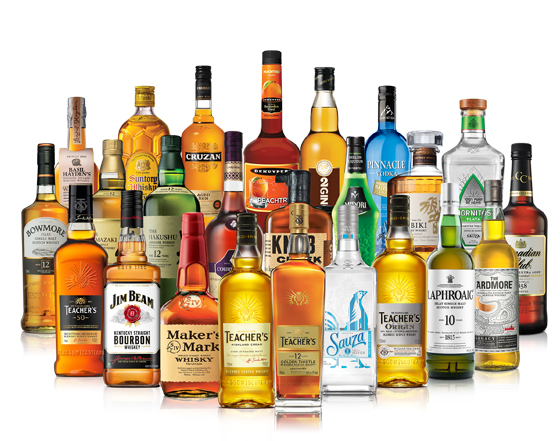
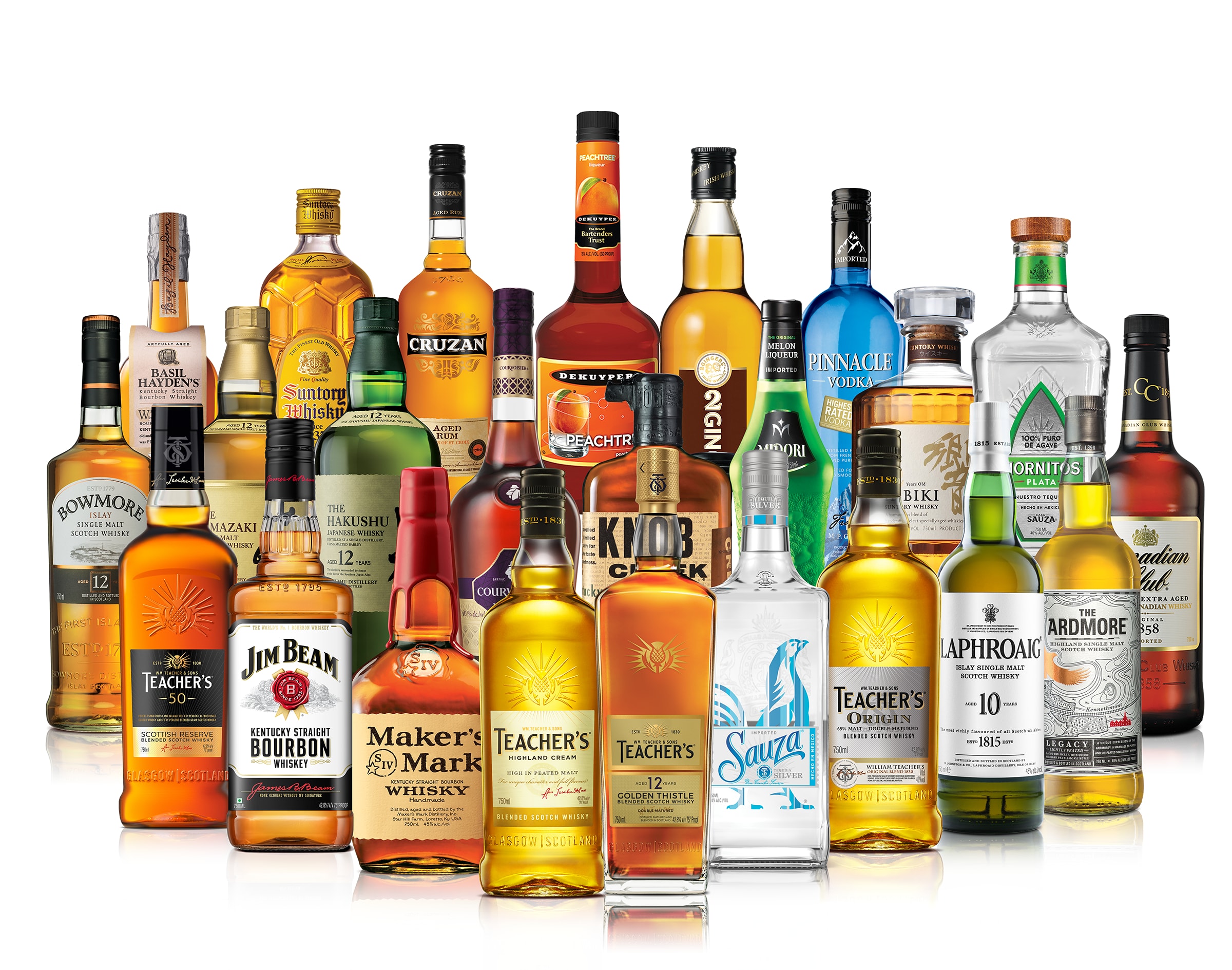
To help achieve our ambition and ensure focus, we have simplified our International region structure and India is now one of three Business Units that comprise Beam Suntory’s International region. In India, with leading brands like Teacher’s, Jim Beam, The Ardmore, Laphroaig, Bowmore, Sauza and premium brands under our House of Suntory portfolio, we have an aspiration of reaching $1 billion in sales by 2030. Our most immediate priority is to build on the current momentum of our premium portfolio across different consumer occasions by leveraging our East-Meets-West competitive advantage. We will also continue to leverage the passion of our people for water and the environment by continuing to commit to initiatives supporting environmental sustainability.

What are the goals and objectives that you have set for the company this year?

We continue to develop our presence in India as a growth engine of the future by unlocking new growth opportunities to build scale. Our Vision into Action strategy leverages three pillars: Creating Famous Brands, Building Winning Markets and Fueling our Growth. This strategy provides continuity with an added emphasis on premiumisation and doing business the right way. Like in our other geographies, we’re demonstrating the unique power of East-meets-West. We blend the best of the East – including an unparalleled commitment to quality, continuous improvement and Dreaming Big – with the best of the West, reflected in an entrepreneurial, innovative and winning mindset.

While the Indian market presents a great opportunity, there are also a number of challenges. Can you highlight both in your company’s case? Firstly, we see an incredible opportunity with the growing LDA consumer base and premiumisation being witnessed in the market where consumers prefer quality over quantity. The Spirits category is large, yet the route to market can be complex and potentially pose challenges across the various markets in India. Our focus is to build brands which can be trusted and delight our consumers in a responsible manner. A key challenge is to be able to build brands in a scalable and sustainable manner.
How do you plan to get Teacher’s to attain its past growth and market share?

Teacher’s is one of the strongest and most loved Scotch brands in India. It has a resilient brand equity. We continue to see great momentum with Teacher’s and over the past few years we have focussed our efforts and resources to create premium innovations like the Teacher’s Golden Thistle 12YO which has found tremendous acceptance across markets in India. Teacher’s remains a strong consumer choice and in the last few years has grown in line with our category footprint – including during disruptive events like the highway bars ban a couple of years ago.

Which are the other brands you would like to focus on for the Indian market?

We believe Jim Beam has a huge potential in the Indian market especially because of the growing number of Legal Drinking Age consumers who like to experiment with new tastes. Jim Beam is a versatile serve and can be enjoyed with a variety of mixers or just straight. It’s differentiated taste is perfectly suited for young metro consumers who are looking to up-trade to high quality Bourbon whiskey. Globally and in Asia, Bourbon is a fast-growing segment and we intend to build Jim Beam into a fun and vibrant brand.

We are also very excited to scale up our premium portfolio and building The Ardmore, our newly introduced Scotch Single Malt which was voted the best BIO Single Malt in India in the 2019 Ambrosia Awards. The Ardmore is a balanced smoky Single Malt and a new taste for Indian consumers.

While Hibiki Whisky is globally recognised for its taste and quality, in India it still isn’t a very popular name. Do you have any plans to promote it since India is primarily a Whisky drinking market?

Japanese whiskies continue to draw very high attention and interest globally thanks to their exclusive taste and craftsmanship. We are assessing the India market opportunity to decide what would be the right time to introduce our luxury Japanese whisky portfolio in India. Our parent company Suntory is fully committed to support the re-introduction of these brands in India.
Gin is also a growing category in India. What are your plans for the same with Roku being a popular product?

Roku has been a huge success globally since its launch. It is already a familiar name amongst the gin consumers in India thanks to its spectacular presence in duty free and other global markets. We are exploring the India market opportunity to finalise the appropriate time to introduce the House of Suntory luxury portfolio in India.

Which are the major regions that Beam Suntory could see good growth in the Indian market? Are you looking at new territories?

We would like to consolidate our presence in the major whisky markets in India. While the metro cities in India present a showcase and consumption opportunity, the growth in mini metros and towns is spectacular. Teacher’s and Jim Beam enjoy strong distribution and availability across domestic and duty-free channels.

What new marketing initiatives you would like to initiate to take advantage of the growing market?

Growing our presence at the On Trade and Horeca channel is a high priority. Building Sales force effectiveness and focussing on vital consumer touchpoints will be another initiative. We are committed to the strengthening of brand equity and share gains for Teacher’s and drive trials of Jim Beam & The Ardmore At the very top end, consumers can expect our luxury whisky and gin portfolio in top accounts.

Despite the challenges in India, how important is the Indian market for Beam Suntory?

As I mentioned earlier, India is a strategic priority for Beam Suntory. We have an ambitious growth agenda commensurate with our demographic dividend and leading emerging market status. Our robust investments on feet on street, talent and channel expansion reflect a strong commitment from Beam Suntory to the Indian market. Additionally, we are committed to deliver our vision of Growing for Good, protecting water and the environment, giving back to our communities and promoting responsible consumption of our products.

Thibault Cuny appointed as the new CEO for Pernod Ricard India

Thibault Cuny has been appointed as the new CEO for Pernod Ricard India. He has held the position of CEO and President of Pernod Ricard, Brasil since 2012. He has also previously worked at Pernod Ricard Holding in Paris as Audit and Development Manager and as Executive Vice President – Finance at Pernod Ricard South Asia since 2006.

Cuny has been under the Pernod Ricard umbrella since 2003 and has held various job titles in the company. Pernod Ricard is the world’s co-leader in wines and spirits with consolidated sales of € 8,558 million in 2014/15 and the fastest growing multinational beverage alcohol company in India with a business spanning the entire length and breadth of the country delivering quality products to its discerning consumers.

With leading brands in each segment, Pernod Ricard India holds one of the most comprehensive and Premium portfolios in the industry led by Indian whiskies such as Royal Stag, Blenders’ Pride and Imperial Blue, along with the home grown Wine sold under the brand name Nine Hill and Indian vodka – Fuel. The company also distributes some of the leading international brands including Chivas Regal, Seagram’s 100 Pipers, Ballantine’s, The Glenlivet and Royal Salute Scotch whiskies, Jameson Irish whiskey ABSOLUT Vodka, Havana Club rum, Beefeater gin among white spirits category, Martell  cognac, Jacob Creek wine, Kahlúa and Malibu liqueurs and G.H. Mumm champagne.