March 2022
Leave a reply

Spokesperson: Mr. Ankit Gupta, Gov Body Member, ASPA (Authentication Solution Providers’ Association)
What has been the counterfeiting scenario in the spirits industry during the Covid crisis?
During the Covid crisis, alcohol in India has emerged as the sector with the largest number of counterfeiting incidents. This includes adulteration, trademark infringement, fake liquor, fraud, and other ways to copy products. According to ASPA counterfeit news repository study, alcohol continues to be in the top five sectors in 2018, 2019 and 2020 facing these risks. The same trend continued through 2021. Alone in Uttar Pradesh officials had seized approximately 12.57 lakh litre illicit liquor till November 2021 (Source: Aabkari Times, December 2021).
Despite being one of the most regulated sectors, in normal circumstances also alcohol industry is one of the biggest victims of counterfeiting and illicit trade. During the pandemic the industry was hit badly as sales through restaurants, hotels, etc. was adversely affected. Drinking at home became more acceptable and picked up but was still not enough to substitute the lost revenues. While the industry was struggling with low demand, criminals exploited the demand-supply gap to sell more quantities of counterfeit liquor, creating an even bigger threat to human well-being.
Why is the alcohol industry one of the top targets for counterfeiters and illicit trade?
Criminals are attracted to the alcohol industry because of various reasons e.g. high profitability, evasion of taxes, low consumer awareness, lack of universal pricing in India as well as high demand. In addition to this, the easy availability of raw material Methyl Alcohol, which is widely used for industrial purposes is another reason.
The margins for criminals are considerably huge and despite regulations, the task of counterfeiting and illicit trade is not being made challenging enough for them. During lockdowns, restricted access to and availability of good quality liquor gave a bigger push to the sale and purchase of counterfeit or illicit liquor. In some cases, it was observed that people saw the acquisition of liquor in difficult times at higher rates as social status or public image booster.
The danger has increased as criminals are using more reckless methods of producing and smuggling alcohol. For instance, many incidents of liquor being produced from sanitizers or ethyl alcohol or spirits from petrol and diesel mixed with colour being sold in copycat or discarded packaging surfaced across the country. These products are hazardous.
How can counterfeiting be controlled effectively post-pandemic?
Development of a solution always starts with recognising the problem and assessing its magnitude. Counterfeiting has been underestimated and this has prevented the development of a robust strategy and solution to curtail it. The fight against counterfeiting and illicit trade needs to be fought from three fronts – policy, brand, and consumer. A policy framework that guides support and nurtures an ecosystem which strong against counterfeiters. It should protect businesses and consumers against counterfeiting malice while enabling effective law enforcement and effective punishment to those who commit the crime.
Being an integral part of the system, brands should take solid steps to protect their products by building an adequate defence of anti-counterfeiting solutions and traceability infrastructure. For instance, multi-layered protection through packaging by implementing anti-counterfeiting solutions which make it almost impossible to copy – one-time break seals and sleeves. Supported by smart solutions such as tax stamps, digitally readable labels, QR Codes, etc. Made more effective by awareness which educates consumers about how they can safeguard themselves from counterfeit products.
Consumers can play an important role in the fight against fakes, they are their first line of defence. A little bit of carefulness and attentiveness on their part while buying liquor can save them from getting cheated.
Can the online sale of alcohol be a welcomed trend? Can it help in curbing the sale of counterfeit liquor in the country?
The pandemic crisis has encouraged discussions about the online sale of liquor in many states. According to a survey by YouGov National survey findings, almost 60% of consumers are eager to purchase alcohol online. Safety and convenience have been cited as key reasons to prefer the e-commerce channel to buy alcoholic beverages. While the online channel offers consumers more choice leading to innovation within the category and incremental revenue opportunities for state governments, we need comprehensive regulations and safeguards for selling liquor online and need to tread with a lot of caution. The process and compliance regulations for alcohol delivery will vary from the delivery of groceries or essentials. Moreover, the possibility of alcohol being seized during transit and the adulteration of alcohol by criminals cannot be ruled out either. The authentication industry can offer technology-enabled packaging and anti-counterfeiting solutions that can plug these risks and challenges. The digital footprint cn help in traceability and if done with proper provisions it can ease the process of identifying and catching frauds.
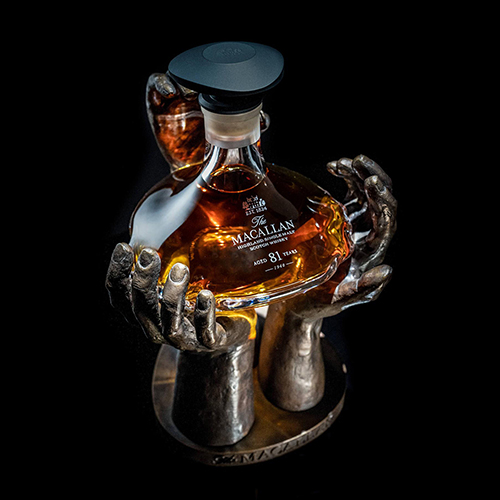
The Macallan has unveiled The Reach, an incomparable single malt whisky that reflects an extraordinary moment in time and exemplifies the enduring spirit that has been at the heart of the brand for almost 200 years.
Crafted during the Second World War in a period of increasing hardship, The Reach was laid to rest in 1940 before The Macallan was compelled to close its doors for the first time in its history.
Its very existence is testament to the care and commitment to uncompromised excellence that has driven The Macallan since it was founded in 1824. It also pays tribute to those who strived amid great adversity to resume distilling The Macallan’s spirit, as well as the crafts people today who continue to uphold the brand’s values.
A rare single malt at 81 Years Old, The Reach is the oldest whisky ever released by The Macallan, crafted from a single, sherry seasoned oak cask. The dark, precious whisky is encased in an exquisite decanter created from mouth-blown, hot glass, cradled on a bronze sculpture of three hands.
Each hand represents characters in The Macallan’s history and their unique story. One commemorates the Distillery workers of 1940 who crafted the spirit into existence, in challenging times, over eight decades ago. Another is the hand of one-time chairman, Allan Shiach, whose grandfather headed the company when this remarkable spirit was first consigned to its cask. The third is that of today’s Master Whisky Maker, Kirsteen Campbell, who carefully selected the 1940 cask used to create The Reach, deciding that now was the time to share this precious whisky with the world.
Kirsteen Campbell, Master Whisky Maker, The Macallan, said, “It is an honour to introduce The Reach. Created during a turbulent time in the world, this extraordinary expression showcases The Macallan’s history, ingenuity and unmistakable strength of character.
“The creation of many hands, The Reach has been a truly collaborative effort. It’s also a tribute to the people who made this precious whisky, and their enduring spirit which never wavered.
“Its deep auburn hue is the first hint of this remarkable whisky’s astonishing depth. Offering notes of dark chocolate, sweet cinnamon and aromatic peat, leading on to treacle toffee, crystalised ginger and charred pineapple, before giving way to an intensely rich, sweet and smoky finish.”
Reflecting its rarity and significance, The Reach is presented in unique packaging brought together by a collective of Scottish artisans. A tale of collaboration and connectivity, the result is a handcrafted quartet of liquid, glass, bronze and wood that is a fitting tribute to this very special whisky.
Sculptor Saskia Robinson created the timeless sculpture featuring three hands, producing countless drawings from every perspective before working in a physical medium. The veins, nails and skin detail are recorded in extraordinary accuracy, modelled on an artist’s impression of a hand of one of those original still men. The sculpture is cast in bronze and the glimmer of the metal contrasts beautifully with the amber whisky.
The surface of the glass decanter features subtle indentations that match the fingerprints of the bronze hands which support it, while a beautiful cabinet crafted using wood from an alien elm tree, which is thought to have been on The Macallan Estate in 1940, houses the decanter.
A film has been created by renowned London-based photographer Nadav Kander working closely with his art director, Matt Willey, who was previously the art director at The New York Times Magazine. Featuring original music composed and recorded by Scottish band Mogwai, recently shortlisted for the prestigious Mercury Prize, it tells the story of The Macallan’s legacy and the collaborative process behind The Reach.
Highly limited to only 288 decanters worldwide, The Reach will be on display at The Macallan Estate Boutique from 9th February 2022 and later in The Macallan domestic and travel retail Boutiques. The RSP is $125,000/£92,000/€110,000.
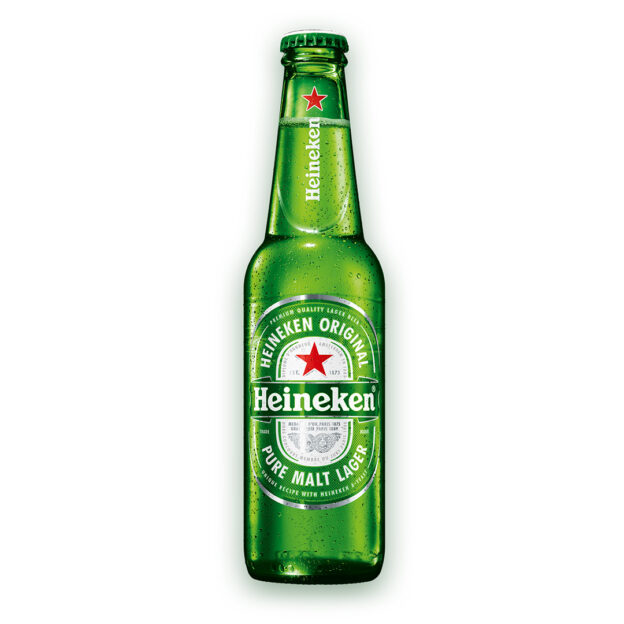
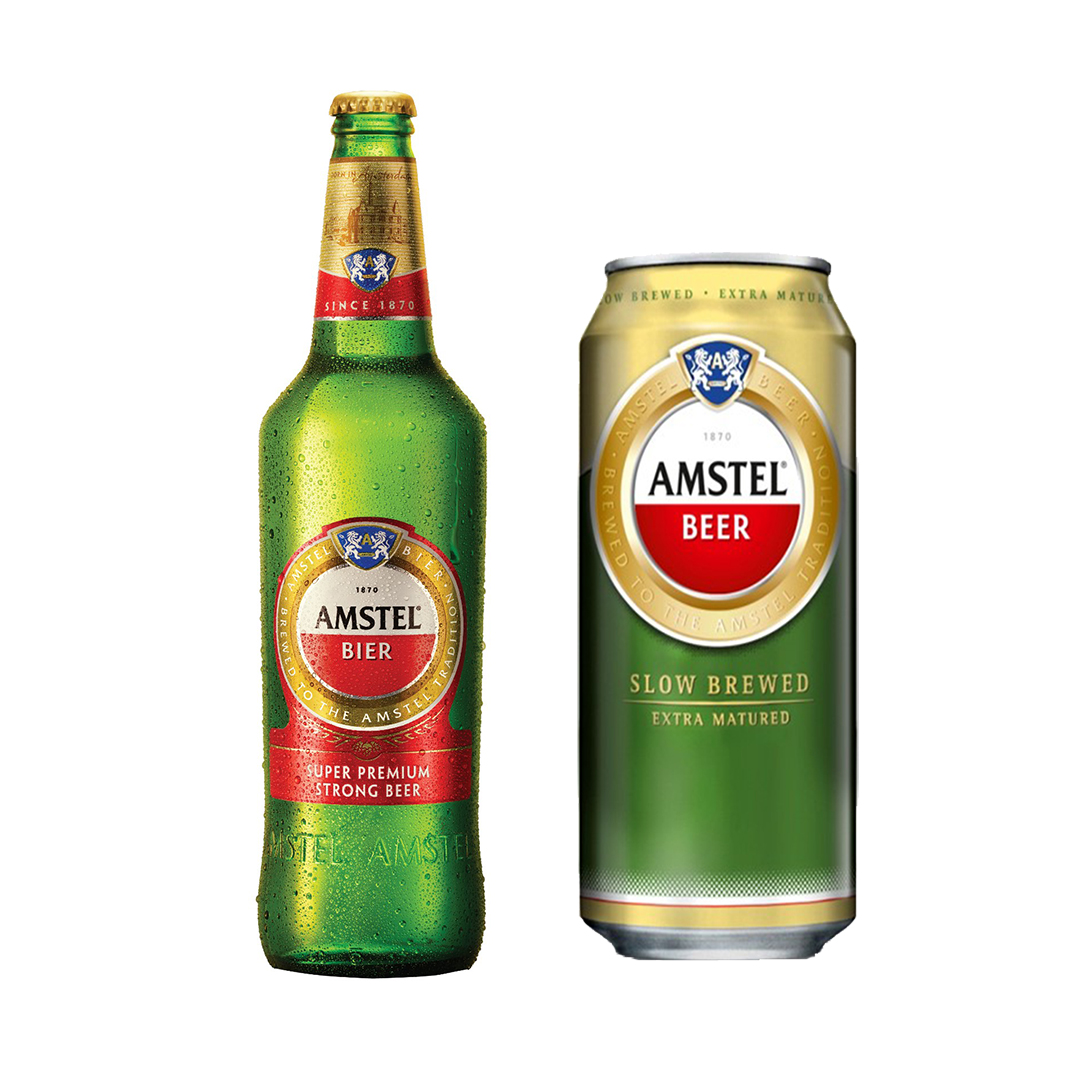
The Chief Executive Officer of Heineken NV, Dolf van den Brink said that, in India, beer volume grew in the thirties, outperforming the market, following a progressive recovery and returning back to pre-pandemic levels in the fourth quarter. Premium volume grew ahead of the total portfolio, led by Kingfisher Ultra, Heineken and Amstel.
Overall, he said the company “delivered a strong set of results in 2021 in a challenging and fast-changing environment. I am proud of how our colleagues, customers, and suppliers continued to adapt, support one another, and deliver these results.
We made a big step towards recovering to pre-pandemic levels, and in parts going beyond. I am pleased with the great momentum of the Heineken brand, the renewal of our brand and product portfolio, the acceleration of our digital transformation and how we are strengthening our footprint with the acquisition of UBL in India and our announced intentions for Southern Africa. We raised the bar on sustainability and responsibility and are making big strides in right-sizing our cost base.”
He said that operating profit grew by 476.2% mainly due to the exceptional gain this year from the remeasurement to fair value of the previously held equity interest in UBL in India, and the exceptional losses from last year’s impairments and restructuring provisions.
Looking ahead
“Although the speed of recovery remains uncertain and we face significant inflationary challenges, we are encouraged by the strong performance of our business and how EverGreen is taking shape. This gives me confidence we are on course to deliver superior and balanced growth to drive sustainable long-term value creation,” he said.
Net revenues up by 12%
Net revenue (beia) for the full year 2021 increased by 12.2% organically, with total consolidated volume growing by 3.6% and net revenue (beia) per hectolitre up 8.3%. The underlying price-mix on a constant geographic basis was up 7.1%, driven by assertive pricing and premiumisation, with the regions Americas and Africa, Middle East and Eastern Europe (AMEE) growing double-digits. Currency translation negatively impacted net revenue (beia) by €515 million or 2.6%, mainly driven by the Brazilian Real and the Nigerian Naira. The consolidation of United Breweries Limited (UBL) in India positively impacted net revenue (beia) by €280 million or 1.4%.
In the second half of the year, net revenue (beia) grew 10.6% organically. We took further pricing actions and accelerated net revenue (beia) per hectolitre growth to 11.0%. Underlying price-mix in the second half was up 8.8% primarily driven by Nigeria, Brazil, Mexico and Europe, the latter benefiting from an improved channel mix. Total consolidated volume declined slightly by 0.3%, mainly impacted by the restrictions in the Asia Pacific region.
Beer volumes grow nearly 5%
Beer volume grew 4.6% organically for the full year. In the fourth quarter, beer volume grew 6.2%, benefitting from fewer restrictions in Europe relative to last year, continued momentum in the Americas and AMEE, and a sequential recovery in Asia Pacific (APAC) relative to the third quarter.
Operating profit (beia) grew 43.8% organically with a strong recovery in Europe, AMEE and the Americas, partially offset by the impact of the pandemic in APAC. Currency translation negatively impacted operating profit (beia) by €98 million, or 4.0%, mainly driven by the Brazilian Real, the Surinamese Dollar, the Vietnamese Dong and the Ethiopian Birr.
Outlook
“We launched our EverGreen strategy in February 2021 to future-proof our business and deliver superior, balanced growth for sustainable, long-term value creation. It requires us to constantly navigate the long-term transformation with the short-term financial delivery under fast-changing external circumstances. We are encouraged by the progress made, witnessed by the strong performance of our business in 2021 and how EverGreen is taking shape.
In 2022, we will continue to navigate an uncertain environment and expect Covid-19 to still have an impact on revenues. Our plans assume markets in APAC to progressively bounce back during the year, yet full recovery of the on-trade in Europe may take longer.
We also expect to be significantly impacted by inflation and supply chain resilience pressures. More specifically, we expect our input cost per hectolitre (beia) to increase in the mid-teens given our hedged positions and the sharp increase in the prices of commodities, energy, and freight. We will offset these input cost increases through pricing in absolute terms, which may lead to softer beer consumption.
Reflecting our confidence in the long-term, we intend to reverse the cost mitigation actions undertaken in 2021 and to further step up our investments in brand support and our digital and sustainability initiatives. This investment will be partially offset by further delivery of gross savings from our productivity programme. These changes are expected to have a greater impact in the first half of the year.
Overall, we expect a stable to modest sequential improvement in operating profit margin (beia) in 2022. Whilst continuing to target 17% operating margin (beia) in 2023 and operating leverage beyond, there is increased uncertainty given current and evolving economic and input cost circumstances. Therefore, we will update the 2023 guidance later in the year.”
It may be mentioned here that UBL was started nearly 73 years by the late Vittal Mallya, father of Vijay Mallya. Heineken took control of United Breweries, the erstwhile flagship brand of the UB Group. This follows Heineken’s acquisition of additional ordinary shares in UBL on June 23, 2021, taking its shareholding in UBL from 46.5 % to 61.5%.
UBL has a proud history
Dolf van den Brink had then said, “UBL has a proud history dating back more than a century as an influential shaper of the beer industry in India. It built its position as the undisputed market leader in India with a strong network of breweries across the country and a fantastic portfolio led by its iconic Kingfisher brand family, complemented more recently by a strong Heineken international brand portfolio. We are honoured to build on this legacy and look forward to working with our colleagues at UBL to continue to win in the market, delight consumers and customers and unlock future growth.”
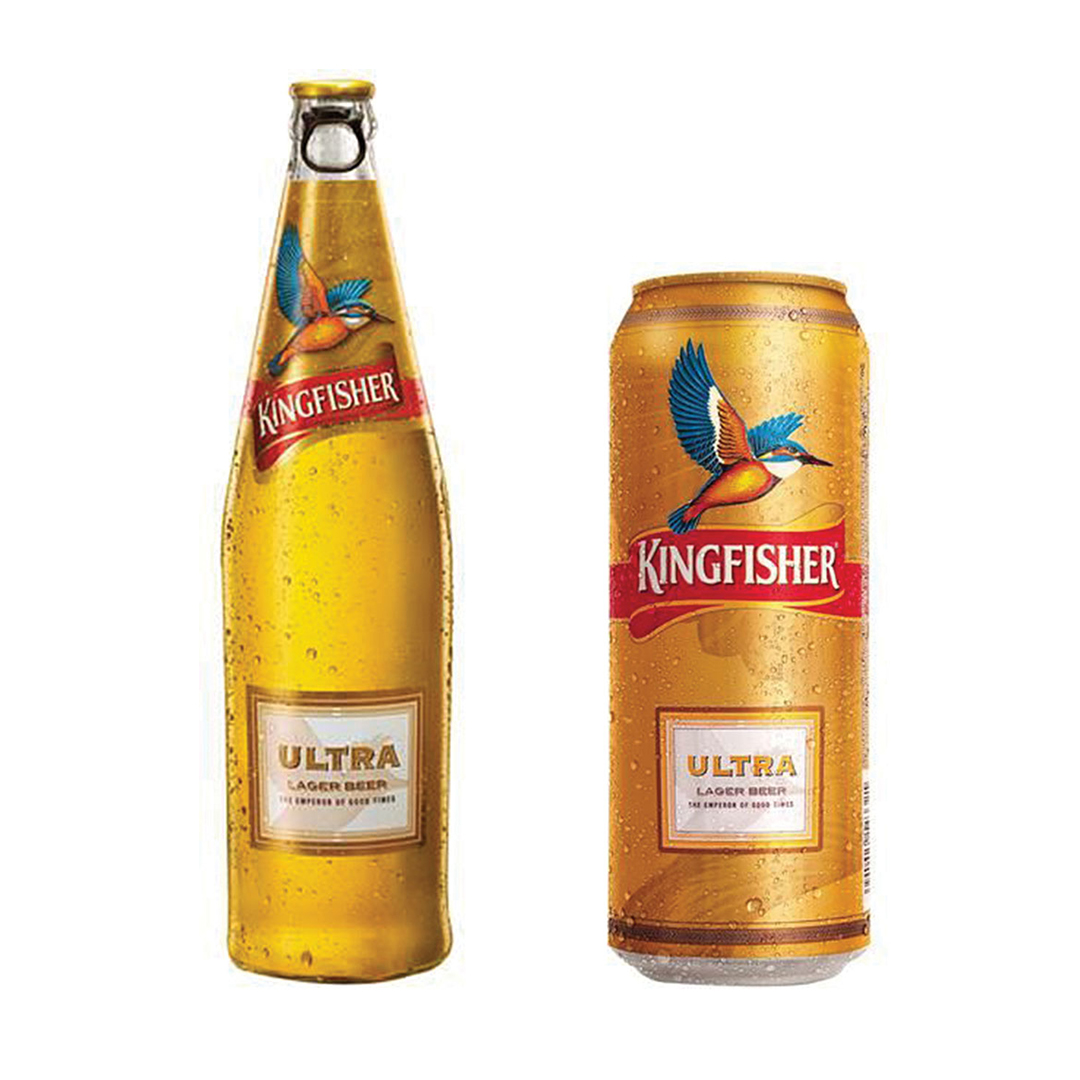
India offers an exciting long-term growth opportunity as per capita beer consumption is low at 2 litres per annum. Its growing population of nearly 1.4 billion people includes a strong emerging middle class, enabling further premiumisation, Heineken said.
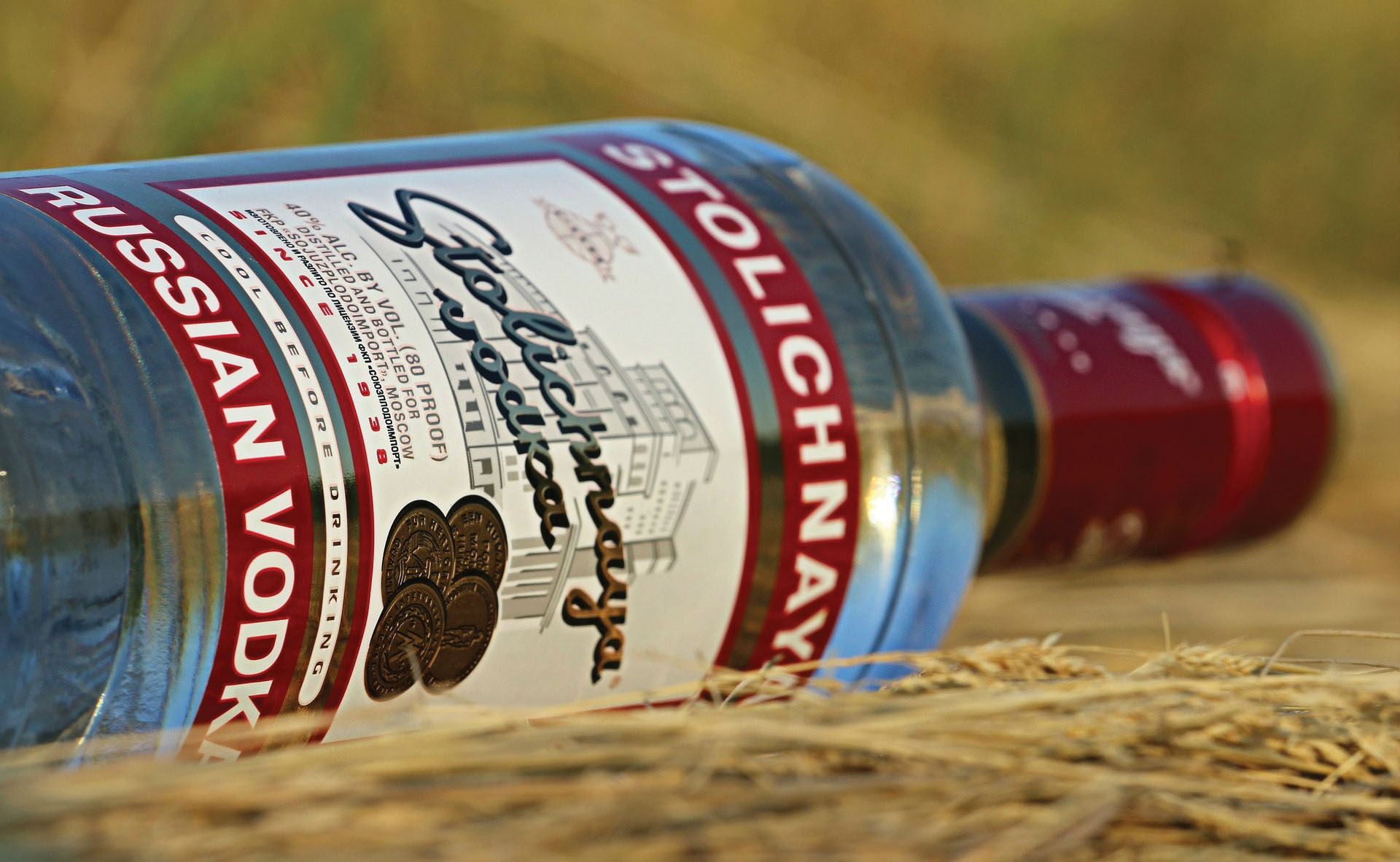
As vodka comes under the spotlight amidst Russia’s invasion of Ukraine, IWSR takes a deeper look at the Russian alcohol market.
Russia is the 4th largest alcohol market in the world in terms of volume, with imports accounting for 9% of total consumption. Whisky makes up 5% of Russia’s spirits consumption, and a third of its spirits imports. 91% of Russia’s whisky consumption is from imported whisky. While there have been calls to ban Russian-made goods in light of the country’s invasion of Ukraine, boycotts of Russian vodka brands will have a fairly minimal impact on Russian vodka producers. Any significant impact is more likely to be symbolic.
While Russia is the largest vodka producer in the world, with over 30% of global production, the vast majority (over 90%) of Russian-made vodka is consumed domestically.
Outside of Russia, the UK, Germany, the US and Israel round out the top five markets for Russian-made vodka, although volumes are relatively small.
Russian vodka accounts for under 3% of all vodka consumed in Europe (excluding CIS) by volume.
In the US, the world’s second largest vodka market by volume, Russian vodka accounts for less than 1% of all vodka consumed. Approximately half of all vodka consumed in the US is made in the US. While vodka is the country’s largest export, Russia is also a relatively large producer of beer and wine – though much of this is consumed domestically.
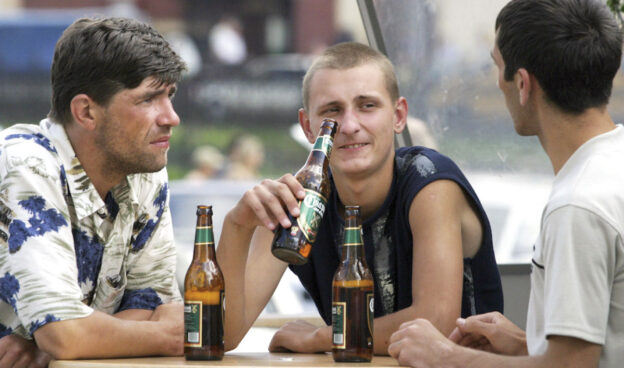
Russian beer makes up 1% of the global beer market. Over 99% of Russian beer is consumed domestically.
Similarly, Russia produces 2% of the world’s still wine, with almost all of it consumed locally.
Russia also produces 6% of the world’s sparkling wine, with 99% of it consumed domestically.
Following complaints of congestion outside vents and the ongoing danger of COVID-19, the excise commissioner of Delhi advised liquor outlets in the city on Monday to cease giving discounts and rebates on alcohol brands. In an order, the government urged licensees to stop offering concessions, rebates, or discounts and threatened action against shops that did.
Crowds were observed thronging the vends as booze stores offered discounts and incentives such as ‘buy one get one free.’ There were also reports of law-and-order difficulties, and police were sent in to quell the mob. People in Jagatpuri, where a liquor store refused discounts, had lately resorted to throwing stones, breaking the shop’s glass panes, and injuring the employees.
“It has been brought to the notice of the excise department that as a result of discounts being offered by the licensees through their retail vends, instances were reported of large crowds gathering outside the liquor stores leading to law-and-order problems and causing inconvenience to locals,” the order by the excise commissioner stated.
As a result of liquor retailers lowering prices on various brands of alcohol by up to 40%, many consumers began acquiring and storing significant quantities, believing that the programmes would be discontinued at the end of the current fiscal year. According to the ruling, the Excise Department also learned that the programmes and discounts given at liquor stores were contributing to “unhealthy” market practises. The Covid pandemic is not ended, and the risk of infection remains, according to the directive, which adds that large crowds are expected to exacerbate the issue in Delhi.
“Commissioner Excise hereby orders that all L7Z licensees shall neither give concession, rebate or discount on the maximum retail price of liquor and hereby directs all L7Z licensees to strictly abide by Rule 54(3) of Delhi Excise Rules 2010. If any such instance of discount/rebate/ concession is brought to the knowledge of the undersigned, action as per Rules and Act as well as penal action as per tender document will be taken against defaulting licensees,” read the order.
The intent of the government in allowing discounts by retailers was to promote consumer choice and healthy competition and determination of price by market forces, it said. “The discounting of this nature was not the objective of the government while permitting the discounts in the new excise regime. The licensees are seen indulging in various promotional activities through social media and banners, hoardings outside the stores which is a non-permissible activity under the Delhi Excise Act, 2009 and Delhi Excise Rules, 2010.”
Last year, the Delhi Government adopted the Excise Policy 2021-22, as well as the terms and circumstances for the award of several kinds of licences. On November 17, 2021, the policy went into force. According to the Excise Department’s tender document for issuing 849 retail liquor licences, licensees are permitted to provide a rebate/discount/concession on the maximum retail price of liquor set by the Excise Commissioner. According to the ruling, under clause 15.2 of the tender document, the Department of Excise may, in its sole discretion, but without any obligation to do so, update, revise, or supplement the information in the tender document issued last year.
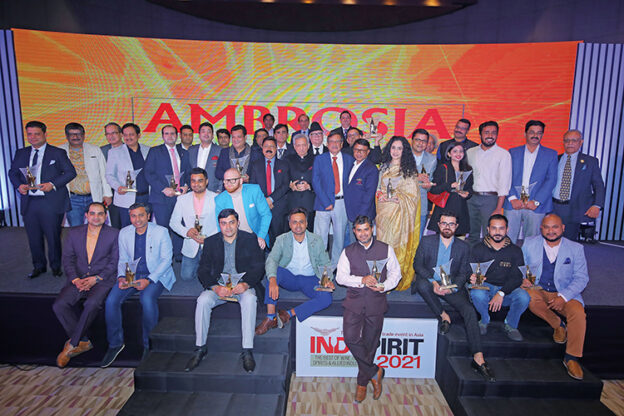
The Ambrosia Awards 2021, held on December 17 at Hotel Andaz, New Delhi, was an extraordinary event, held during extraordinary times. The alcobev industry was starved of any networking event for nearly two years with the pandemic in full play. The Ambrosia Awards night came as refreshing breather to an industry which needed all the booster shots it could get. The Ambrosia Awards and the day-long Indspirit 2021 conference provided that perfect platform for the sector to not only network, but also to strategise going forward.
It was a packed awards night. There was one common refrain among the award winners as they were delighted to win as it endorsed and encouraged their efforts in keeping the focus of the industry going through resilience, strategising differently, innovation and above all the ‘never say die’ spirit.
That spirit was summed by the Ambrosia Business Leader of the Year 2021, Mr. Abhishek Khaitan, the Managing Director of Radico Khaitan Limited. While thanking Ambrosia for honouring him with the award, he thanked his team for growing the company. “With the team of ours we have been able to create over 15 premium brands in the country including a single malt whisky which is retailing at `1 lakh per bottle. This is a proud moment not only for me, but the entire team at Radico.”
Team spirit echoes at Awards Night
This ‘team spirit’ sentiment echoed through the huge gathering which had descended upon the venue to cheer the alcobev sector. Each of the awardees had a story to tell, even if it was just a ‘thank you’. It was not easy for the esteemed panel of judges who had to sift through so many deserving players. The panel of judges included: Mr. Bernard Schaefer, whisky expert and consultant; Mr. Ajoy Shaw, wine maker and consultant; Mr. Binod K. Maitin, independent consultant; Mr. Graeme Bowie, Scotch whisky expert; and Ms. Sheetal Kadam, wine promoter and consultant; and the judges for the packaging segment were Dr. Santosh Kshirsagar, Dean of J.J. School of Arts; Mr. Pranav Bhide, Sr. Creative Director, Leo Burnett; Mr. Shekar Ambedkar, Head of International Packaging Centre; and Prof. K. Munshi, former Head of Design Department, IIT.
Alcobev industry stands solidly behind the community
It hasn’t been easy for SAP Media Worldwide and its leader, Mr. Trilok Desai, to ensure the success of this event after a couple of postponements which the industry well understood. The Awards Night began with 30 seconds silence in memory of those from the industry who had lost their lives to Covid-19. In his address at the Awards Night, Mr. Trilok Desai talked about how the alcobev industry – be it Diageo, Pernod Ricard, Beam Suntory, Radico Khaitan, Jagatjit and several others – stood solidly behind to help the alcobev community overcome the Covid-19 crisis in whatever way possible. “Now, the worst period in the history of the alcobev industry is over. And we pray that Omicron does not turn out to be that dangerous.”
Mr. Desai was optimistic. There is a positive outlook on all fronts for the alcobev industry including the announcement of industry-friendly policies by the governments of Maharashtra and West Bengal. He singled out the efforts of the Delhi government which has revamped the excise policy and taken government out of the liquor business, a welcome move.
India, a global hub for alcoholic beverages
“India is fast becoming a global hub for alcoholic beverages as many of the world’s biggest brands continue to move to the nation in a bid to sell their products; compete with local distillers and producers. The reason is not far-fetched, India remains the world’s fastest growing major economy and, according to the International Monetary Fund (IMF), the country will continue to lead in economic growth at 8.5% in 2022 following an impressive growth of 9.5% in 2021.
All these have been possible with the Indian economy growing at a decent rate of 8.5% with the third largest PPP- purchasing power parity- and over millions of young consumers who have high purchasing power. India’s ever increasing number of high networth individuals (HNIs) is also contributing to the growth of high-end whiskies; scotches and single malts, besides wine. The society is lot more liberal now and has started accepting social drinking culture for the past few years.”
Centre, State now more amenable to industry needs
Mr. Desai mentioned how the alcobev industry has been contributing to almost all the State exchequers and how a few states have had to reverse prohibition within months of enforcing it, given the challenges of the huge revenue losses. The alcobev sector also creates millions of jobs directly and indirectly and contributes in no small measure to the growth of the industry. “The Central and the State governments have started understanding these aspects and several states are responding positively in the interest of the alcobev industry, thanks to the continuous efforts of CIABC; ISWAI; AIBA and AIDA. Let’s give them a big round of applaud for their efforts.”
Changing dynamics
The Indian alcobev industry has become more innovative with more single malts rolling out of the stables, not only concentrating in the Indian market, but have performing well in exports. “More crafted spirits; flavoured spirits; increasing number of gins and several start-ups during the past two years have attracted investors and kept the industry buoyant.”
India’s increased requirement of ethanol blending in petrol of 20% by 2025 to control pollution and reduce the bill on import of oil has fuelled the investment in the sugar and distillery industry for the ethanol production. This will lead to increased employment in the sugar producing states like UP and Maharashtra.
Ambrosia Awards instituted 28 years ago
Talking about Ambrosia Awards per se, he recalled how they were instituted 28 years ago and how over the years it has earned recognition and credibility as it has maintained a strict criteria and parameters for their evaluation. We have been continuously investing in this property over the years.
“The evaluation process is very stringent and the international jury has expressed their satisfaction at the judging process as we maintain strict international standards. The jury is highly reputed and is recognised in their respective fields. They have also been surprised at the quality of products over the last five years. They feel that IMFL products quality is constantly improving and they offer the best value on an average price of 6/7 dollars a bottle.”
While thanking the staff for the success of the event, Mr. Desai mentioned how Ambrosia has come to be one of Asia’s highest circulated wine and spirits magazine and is in its 28th year of publication. It was the first English language magazine launched in Asia in the alcobev sector and we continue to maintain the leadership position. The publication is owned by SAP Media Worldwide Ltd which has several other titles like Asian Photography and International Aerospace, Show Dailies and so on besides many other verticals like conferences, awards etc. In certain segment of the industry like Aerospace & Defense we are the 4th highest circulated magazine in the world and we publish dailies under the title SHOW DAILIES in several countries like Japan; Korea; UK (Farnborough); France (Paris); UAE (Dubai); Singapore and so on during the year.
Over the years, Ambrosia has evolved and has even moved on to publishing the first Coffee Table Book and now the 3rd edition of the Coffee Table Book is under preparation with lot of additions and deletions looking at the continuous changes in the markets.
Mr. Bhavya Desai, Group Head and CEO, talked about how the Ambrosia Awards and Indspirit 2021 conference had been planned to not only stimulate one’s thinking but one’s senses. He mentioned that a record number of entries had come for this year’s awards, despite the many challenges that surfaced due to the pandemic.
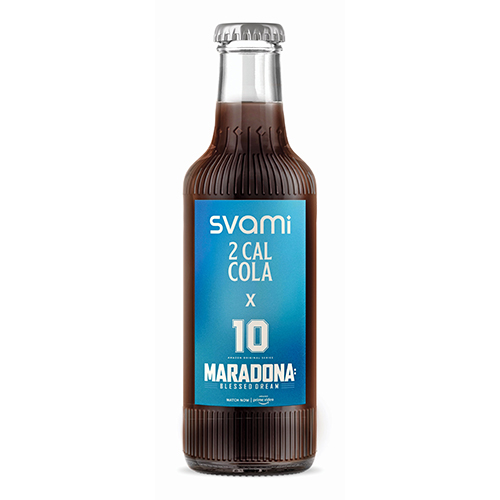
Svami, a brand in the non-alcoholic beverage segment, has teamed recently with Amazon Prime Video’s most anticipated football series on the legendary player, Diego Maradona. Svami has launched a Limited-Edition bottle for 2 Cal Cola in honour of Maradona’s No. 10 jersey. The partnership also commemorates Maradona’s birth anniversary, as the series premiered on the same day. The series premiered exclusively on Amazon Prime Video on October 29, 2021, across 240 countries and territories.
This collaboration between Svami and Amazon Prime Video is a one-of-a-kind partnership in which Svami’s varied selection of beverages and mixers, especially the new limited edition 2 Cal Cola, is the ideal choice of refreshment while watching the all-new exhilarating series at the edge of one’s seat. Through this collaboration, the brands aim to reach out to a larger football fanbase across the various metros of India. They have an exclusive retail tie up with Foodhall pan India and engagement on social media by involving the Maradona fan base has been on the cards. The brand will also run a digital ad to announce this partnership.
Aneesh Bhasin, Cofounder at Svami further added that, “Svami always has a different taste when it comes to collaborations. When we got to know that Maradona: Blessed dream was going to be launched on Amazon Prime Video, it was a no-brainer for us to onboard and thereby engage our football fan base via this collaboration. The launch of 2 Cal Cola Limited Edition, is our way of paying a tribute and celebrating the No 10 associated with this legend.”
Svami is spearheading the category of mixers and non-alcoholic drinks for adults. Svami’s comprehensive portfolio of drinks ranges from products like tonics to non-alcoholic rum and cola, giving people choices for great tasting drinks on all occasions. In a short period, Svami has become the default choice for bars and restaurants and retails in 40+ cities in India, Singapore and Hong Kong.
Maradona: Blessed Dream follows the controversial life of legendary footballer Diego Armando Maradona. A boy from Argentina with a dream of greatness, made his mark in the international football league, earning himself a well-deserved place in history. Living a life strewn with drugs, sex and public scrutiny, he played by his own rules regardless of the consequence.