Tag Archives: Premium Spirits

From Bar Counter to Global Stage

Great drinks aren’t made by accident. They take skill, patience, and someone who knows exactly what they’re doing. Akhilesh Sheoran is one of those people. Whether it’s crafting a cocktail that wins championships or introducing whisky lovers to some of the finest spirits, he knows his way around a bar… and a bottle.

His journey started behind the counter, shaking and stirring his way through some of the toughest global competitions. Now, as Brand Ambassador – Craft Spirits at Diageo India, he’s the face behind some of the most talked-about labels, including Godawan Single Malt, crowned the Best Single Malt in the World (2024), and United’s Epitome Reserve.

In this chat, he spills stories from his career, shares tips on spotting a great bottle, and even talks about disastrous food pairings. Whether you’re a whisky enthusiast or someone who just wants to sound smarter at the bar, there’s plenty to take away from this conversation.

From mixology to brand ambassadorship, your journey has been remarkable. What inspired you to enter the world of craft spirits, and how has your path evolved over the years?

Working with different styles of spirits and engaging with consumers, I realised there’s so much that goes into bringing these incredible spirits to the bar. This curiosity led me to explore the other side of the industry as a Brand Ambassador, a dynamic and challenging role that allows me to bridge the gap between brands and consumers.

Which of your victories holds the most significance for you and why?

All competitions hold their own importance, as any win comes with new insights and a responsibility to push the boundaries further. However, Diageo World Class India stands out as one of the most demanding and rewarding experiences. Its rigorous structure truly tests creativity, technical skill, and adaptability, making it an unforgettable milestone.

The alco-bev space is constantly evolving. What are some of the biggest changes you’ve seen in the industry over the last decade, especially in India?

India’s drinking culture is evolving, driven by a younger, growing middle class that’s showing a stronger preference for premium homegrown brands. More people are exploring craft spirits and beers, and embracing new flavours and experiences. This move highlights a greater appreciation for quality, creativity, and the narratives behind bottles, shaping a more sophisticated and adventurous approach to what we drink.

What makes a spirit truly “craft,” and how do you see India’s role in this global movement?

Craft spirits are defined by their small-batch production, emphasis on high-quality ingredients, and hands-on distillation techniques that prioritise authenticity over mass production. Craft producers often experiment with distinctive botanicals, innovative ageing techniques, and transparent but unique production methods. More than just a process, craft spirits are about the people, leaders who challenge conventional rules. India’s role in the global craft movement is growing rapidly, with a surge in homegrown distilleries that merge heritage with modern innovation.

With whisky gaining a younger audience in India, how do you see the preferences of Indian consumers evolving when it comes to single malts and premium spirits?

Over the past decade, Indian consumers, especially younger consumers have developed a refined taste for single malts and premium spirits. This shift is driven by rising affluence, global exposure, and a desire for more authentic, high-quality drinking experiences. What’s even more exciting is the growing appreciation for domestically produced single malts, which are now competing on the world stage, reflecting a sense of national pride and recognition of India’s craftsmanship.

What’s the best way to appreciate and savour a good single malt?

The best way is to explore different styles from various regions and find what suits your palate. However, the right technique makes all the difference.

Use a Glencairn or tulip-shaped glass to concentrate aromas.

Observe the whisky’s colour.

Nose the whisky gently, keeping your mouth slightly open to catch nuanced aromas like vanilla, spice, fruit, or smoke.

Take a small sip and let it coat your tongue, identifying layers of flavour; sweetness, spice, peat.

The finish, or how long the flavours linger, tells you a lot about its depth and complexity.

Adding a few drops of water can open up hidden notes, making the whisky more approachable.

Ultimately, whisky should be enjoyed slowly, in a relaxed setting, where each sip reveals something new.

There’s a growing curiosity about how to identify a high-quality whisky. What are the key characteristics one should look for while selecting a bottle?

For me, specifics matter; from the packaging to the liquid inside.

But key factors to consider include: cask type and ageing process (although older doesn’t always mean better), alcohol by volume (ABV), and distillery and production methods. Look for anything that talks about tasting notes and flavour profile, brand philosophy and heritage behind the whisky. A well-crafted whisky tells a story before you even take the first sip.

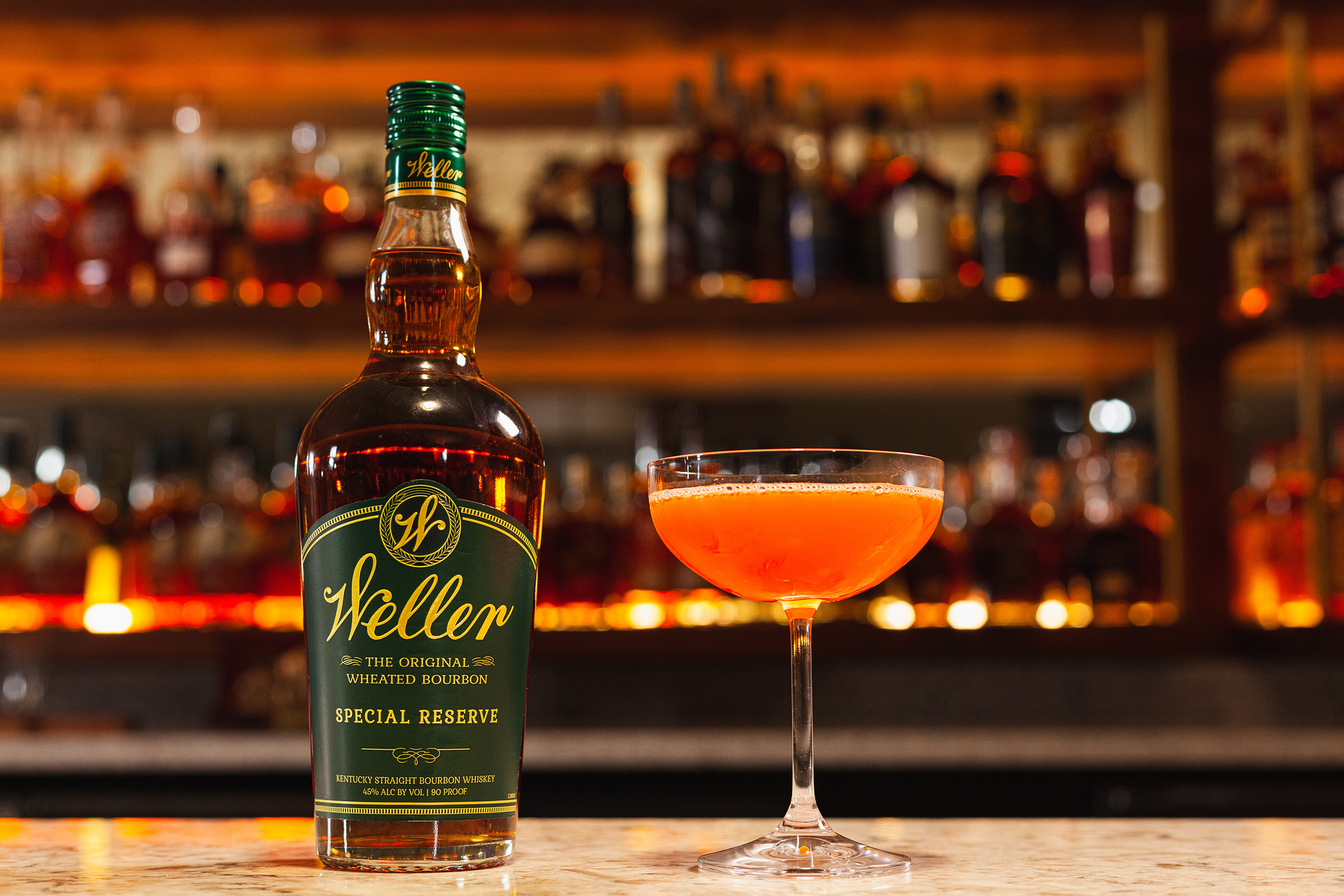
“Bourbon, Welcome to India”

Ambrosia Magazine 2025 Awards jury member and global spirits expert shares his take on the future of Bourbon and American whisky in India. He is an award winning whisky expert, Keeper of The Quaich and Whisky Magazine Hall of Fame Member.

For the last twenty-five years whisky has enjoyed an unprecedented global growth in popularity, profit, expansion and appreciation in the alcobev industry, and among adult beverage consumers. While Scotch whisky has definitely dominated the landscape for decades, increasing – global travel, social media and global awareness has seen the world’s whisky industry explode. Whisky drinkers are now global explorers, enjoying flavours, aromas, enthusiasm and excitement from all over.

Nowhere is that more exciting than in India, the world’s largest whisky consuming and whisky producing country. India’s own export whiskies are gaining worldwide recognition, almost daily, as they continue to receive accolades and awards at major international competitions. The excitement is in India as well, not just for locally produced products but for whisky from other countries. The popularity of whisky continues to grow among Indian consumers as they explore outside the traditional boundaries. 

Bourbon, together with its sibling Tennessee whisky and with its cousin, American Rye whisky, is America’s most popular spirit and has been enjoying growth at home and abroad. Virtually every alcohol consuming culture has a whisky or two which uniquely identifies with the local ingredients, natural resources and climate. Some emulate Scotch whisky, as Scotch is iconic and renowned for its flavour and its traditions. Others celebrate their differences and use local grains and ingredients to achieve a whisky experience which reflects their origins.

Bourbon is a uniquely American spirit and, by law, regulation and international trade agreements, it is acknowledged and protected as such. To carry the label ‘Bourbon’, it must be made in the United States and distilled from at least 51% corn maize, which brings a sweet and fruity character all its own. The balance of grain, called a “mash bill” must be composed of cereal grains – generally rye or wheat – with some malted barley. Bourbon must be matured in new, charred oak containers. The production standards are very specific and while most Bourbon is produced in the state of Kentucky, it can be made in any part of the U.S.

What does the future hold for Bourbon globally and in India? The global Bourbon spirits market is experiencing strong growth, despite a current slowdown due to international tariffs and uncertainty, with projections indicating a rise from approximately $8.2 billion in 2022 to $12 billion by 2030, driven by factors like premiumisation, craft distilleries and international demand.

Here’s a more detailed look at the bourbon volume growth.

• Premiumisation:

Consumers in India and elsewhere are increasingly seeking higher-quality and premium whisky offerings, leading to growth in the high-end and super-premium categories.

• Craft Distillery Interest:

There is growth in craft distilleries and artisanal whisky production which caters to the demand for unique and distinctive spirits.

• International Demand:

Bourbon’s popularity is expanding internationally, with key export markets like Europe, Japan, and Australia showing significant recent gains.

• Popular Cocktail Culture:

The “Cocktail Revolution” continues to expand internationally. The growing popularity of Bourbon-based cocktails and the expansion of cocktail culture further fuels demand. Many classic whisky cocktails are quite adaptable to Bourbon. India is a current global hotspot for this revolution.

• Cross Demographic Appeal and Affordability:

Bourbon has two very important characteristics which make it particularly attractive. First, accessibility – there is the range of pricing from value brands, which are priced to compete with popular, less expensive spirits to ultra-premium labels which appeal to connoisseurs and collectors. The second, perhaps more important, appeal – Bourbon is transgenerational in its appeal and crosses the full range of enthusiasts of all ages, genders and economic classes. In India, this translates into a product which will appeal to younger, aspirational drinkers and explorers.

• Tourism and Distillery Visits:

With return to global travel and the unique relationship between The US and India, particularly in the tech industry where whisky enjoys exceptional popularity, there is resurgence of tourism and distillery visits, providing immersive experiences for consumers, contributes to market growth. This is particularly apparent in Kentucky and Tennessee just as it is also beginning to happen in India.

• Sustainability:

Many distilleries are embracing eco-friendly practices, aligning with consumer demand for environmentally responsible products.

Market Projections:

• Global Market Value:

The global bourbon spirits market is expected to reach $12 billion by 2030, growing at a compound annual growth rate (CAGR) of around 5.6% between 2023 and 2030.

• North America Dominance:

North America remains the dominant market for bourbon, benefitting from strong local demand and a well-established production infrastructure.

• India and Asia-Pacific Growth:

The Asia-Pacific region is projected to experience the fastest growth in the bourbon spirits market. The opportunities in India are exciting as US Bourbon currently enjoys an import duty advantage over its Scotch whisky competitors and cheaper local IMFL products, making it competitive.

• Producers such as DIAGEO, which makes the incredibly fast growing and much celebrated brand, Bulleit Frontier Whiskey Bourbon, as well as several other American whiskey brands, have a strong advantage because of their already well-established infrastructure and market presence in India as well as their familiarity with local whisky culture.

Specific Growth Figures:

•    In 2022, bourbon and Tennessee whiskey volumes in the U.S. grew by 4.2% to 29.7 million 9-liter cases, with revenues increasing by 10.5% to USD 4.5 Billion.

•    The global bourbon spirits market was valued at nearly US$ 8 billion in 2022 and is expected to reach US$ 15 billion by 2030.

•    The global Bourbon category is predicted to grow by 5% between 2022 and 2031.

•    The global bourbon spirits market was valued at $7.8 billion in 2021, and is projected to reach $12.8 billion by 2031, growing at a CAGR of 5% from 2022 to 2031.

The Bottom Line
– Bourbon’s Future in India

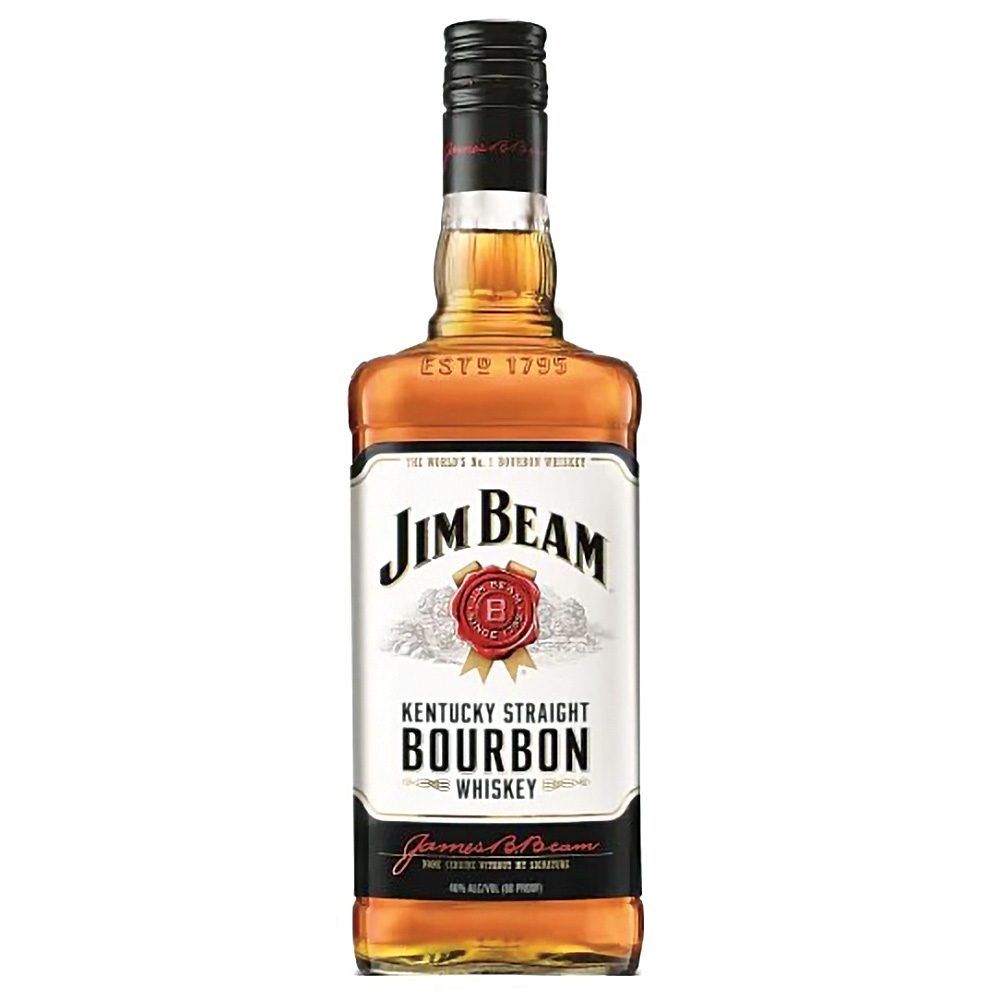
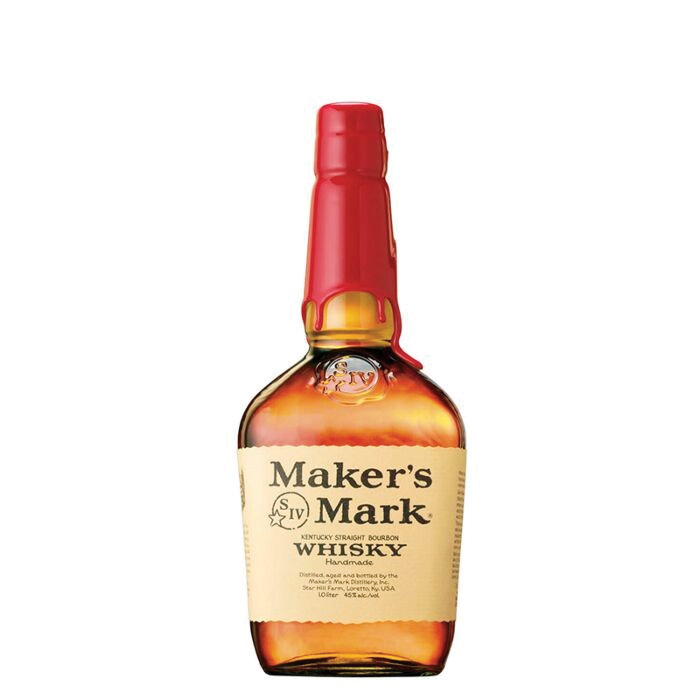
India is excited about American whiskey. A new, younger generation of educated, globally aligned consumers is energising the whisky market in India and Asia. Currently there are number of products available in India which includes Jack Daniel’s, Jim Beam, Woodford Reserve, Maker’s Mark, Gentleman Jack and Old Forester. And with the entry of Sazerac through John Distilleries Ltd as well as scores of other US companies, the Indian market will be flooded with bourbon and Tennessee whiskeys. Bourbon enjoys a particularly competitive advantage over other imported spirit products. My prediction – a bright and sunny future for Bourbon in India.

– Steve Beal

Radico Khaitan, eyeing ₹500 crore from premium brands

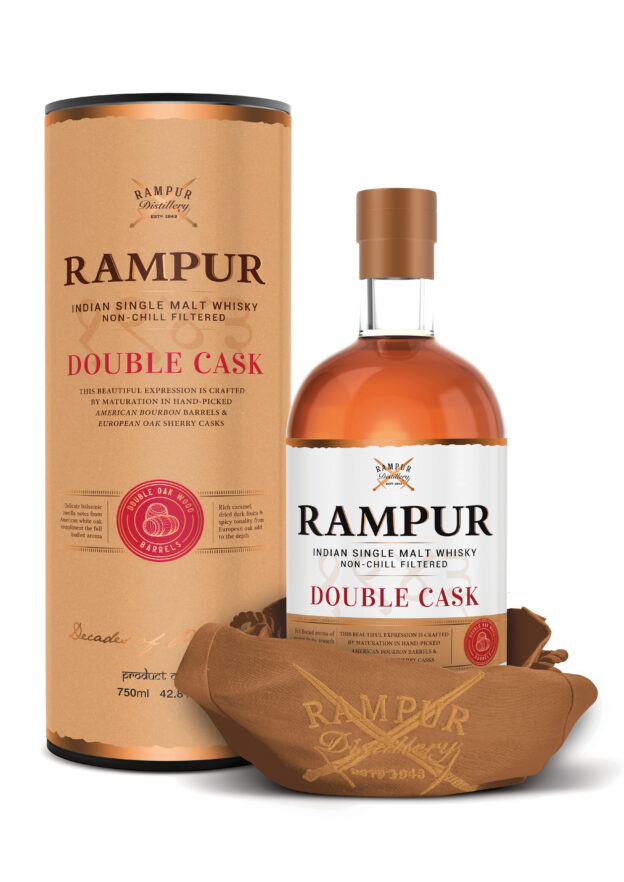
Radico Khaitan expects sales of ₹500 crore from its luxury brands in the next fiscal, according to its Managing Director Abhishek Khaitan. The premium brands are the famous Indian single malt ‘Rampur’ and the artisanal gin Jaisalmer Indian craft gin. The company has plans to add to more brands in the next fiscal.

The company has been experiencing robust sales and expects 8 to 9% growth in volumes and by 12 to 15% in terms of value. The prestige and above segments have been registering double digit growth and the company expects to close in the same range of about 15%.

Radico Khaitan’s luxury portfolio consists of Rampur Indian Single Malt, Jaisalmer Indian Craft Gin, Sangam World Malt and Spirit of Victory 1999 Pure Malt. “For the first time in Q3 (December quarter) we achieved a turnover of ₹100 crore (from premium) and for the nine months of FY’24, we have achieved ₹250 crore (turnover). We are very confident that for FY’26, Radico Khaitan should achieve ₹500 crore of turnover, just for the luxury segment only,” said Khaitan.