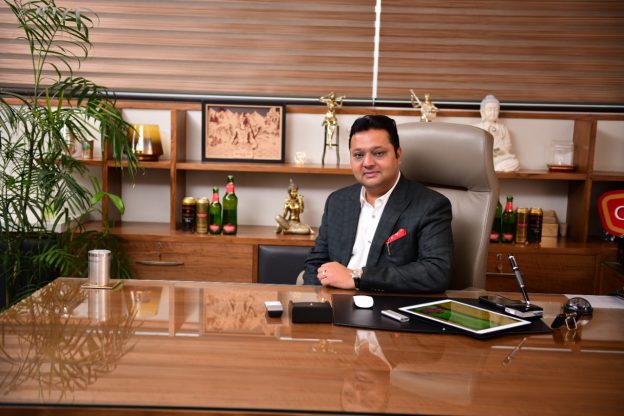
In what is seen as a a partnership that formed Amara Breweries, the newly registered company is making an impact in the growing Indian Alcobev Industry. A partnership between Mr. Arvind Singla of the Singla Group and Mr. Hirdesh Chopra, the latest entrant into the Indian liquor industry, Amara was incorporated in June 2019 as the newest member of the Singla Group. Based out of Chandigarh, Amara is quickly making its presence felt in the Indian liquor industry.
The Singla Group was amongst the earliest pioneers in the Indian alcohol industry. From humble beginnings in pre-independence India, the Group today boasts of a rich legacy and heritage that only a handful of business houses can claim. With an operational history dating back over 70 years, the Group has not just kept pace with the changing times, but has moved smartly .
Today, the Singla Group comprises of three IMFL bottling units, 15 wholesale and over 800 retail vends across Punjab and Chandigarh. At the helm of the business is Mr. Arvind Singla, the Group’s leading light and current Managing Director, says the Singla Group’s total turnover is to the tune of approx. `1500 crores and apart from liquor, the Group’s varied business interests include hospitality, mining and C&F for multinational B.I.O.
Mr. Arvind Singla has ambitious plans for the Singla Group. He actively runs his decades old family business with a keen eye on future growth. A man of few words, he says the secret to his success is to work hard and an open mind to the changing business environment, markets, and consumers that help him take the best decisions for his company. Mr Singla admits his strength lies in prudent financial planning, treasury management, compliance and internal controls.
“We have seen the business evolve and change over the years. As it has changed, we have adapted with it. We rapidly implement reforms inside and outside the Group. We are cognizant that ultimately, the customer is the king. Our policies as a company have always evolved to work for the highest benefit of our consumers. And we have done this with our heads held high and an unwavering commitment to grow and expand the business,” says Singla
A quick look at Mr. Hirdesh Chopra’s credentials reveal an impressive professional background. For more than 30 years, he has held prestigious leadership positions at India’s top IMFL companies. Amara Breweries is well on its way to realise the lofty ambitions it has set for itself.
“Amara Breweries is the newest entrant in the Indian liquor industry. But the standards we have set for ourselves are at par or even better than leading international brands. In all areas of our operations, we will lead with industry’s best practises, be it in manufacturing, sourcing, product consistency and quality, packaging, distribution or marketing, Amara Breweries aims to be the best amongst the best,” says Mr. Hirdesh Chopra, Director, Amara Breweries.
Rise of the next generation
The stalwarts may hold the reins to the fortunes of Amara Breweries, but the next generation is not far behind. Mr. Hirdesh Chopra firmly believes in grooming and nurturing the next generation of entrepreneurs to take their vision forward. One of the young stars in Amara’s management is Mr. Ish Chopra, an architect by training, and in the liquor business by passion. Despite being new to the industry, Ish says he has gained insights into the liquor business, from his father Mr. Hirdesh Chopra’s long experience in the liquor industry.
“I think the trend to create and market beers in niche variants has been well accepted in india. However, one should not ignore the opportunity to produce and promote a balanced, well-carbonated, high quality and interestingly packaged beer for the mass markets.” Ish Chopra, Head, Business Development, Amara Breweries.
Ish adds that the gradual shift towards modest drinking amongst all age groups and a social, healthier lifestyle will prove a boost to the beer industry. The industry is currently growing at a healthy double digit rate in India. Ish has set ambitious goals for the future of his products. He believes that even though these goals seem lofty, they are very much achievable with the right strategy, planning, and flawless execution of that strategy.
This is amongst the biggest state-of-the-art bottling plants in India today with a current capacity of eight lakh cases per month of bottled and canned beer, with an extended capacity of 12 Lakh cases per month. Set up with the latest brewing, processing and bottling machinery from Germany and Italy.
Ginsberg – The Premium Strong Beer
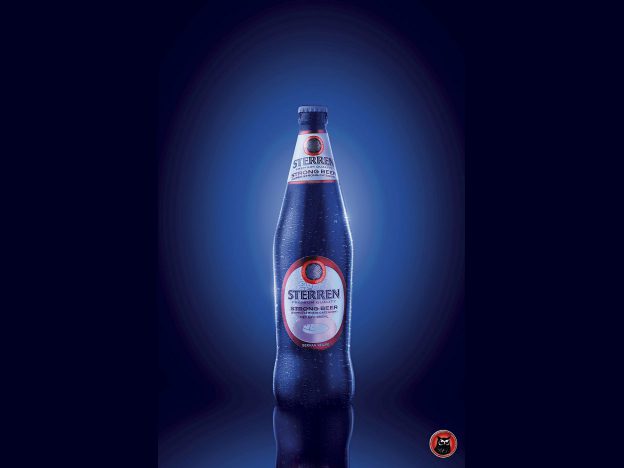
The brand is currently being brewed and shipped out from Amara’s first brewery. Going by the name of Ginsberg, this strong yet smooth beer is produced using 100% Argentinian 2 Row Malts and the finest imported hops and yeasts from Europe. Amara claims that Ginsberg is the smoothest beer in the strong beer category in its price range.
Not just in production, Ginsberg will be aggressively marketed as well. The brand is drawing up plans to establish an imposing presence in the pubs and bars segment with kegs and draught beer product extensions. Currently available in Punjab, Haryana, Chandigarh and U.P., Ginsberg will be available all over north India within the next 6 months have a pan India presence within 1 year. After establishing a national presence, Ginsberg plans to export to international markets as well. The company says that talks are already underway in key markets like the US, Europe and Australia.
Closer at home, Ginsberg will soon announce a known face from Bollywood as a Brand Ambassador to help its marketing efforts. The brand is already active on Social Media and will be rolling out a pan India marketing initiative in the very near future.
In an interview Mr. Arvind Singla, provides insights about the company’s game plan.
What was the rationale behind the company’s brewery project? What is the overall project cost?
Beer is one of the largest consumer categories in India around $7 billion in market size. It is also one of the fastest growing consumer categories, growing at double digit CAGR for the last 10 years.
People are shifting to modest drinking and beer being one of the most recession resilient industries in the market, with market growing at a pace of 10-12% each year in India.
Considering the large consumer base and the modest consumption of 5 litre per capita compared to regional average of 20.9 litre and 110 litres in developed countries, we look at the huge scope in the growth of beer across India with a big chunk of young population with high disposable income. Considering this, we are confident, so we have planned to set up a world class brewery.

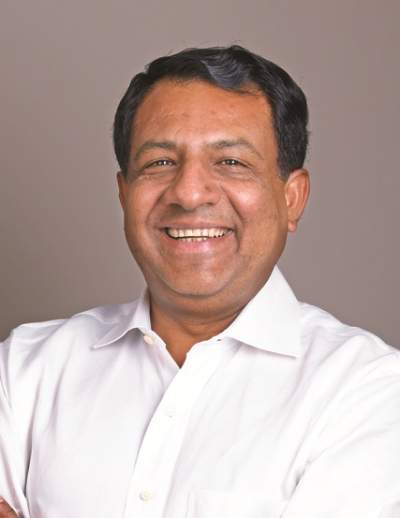
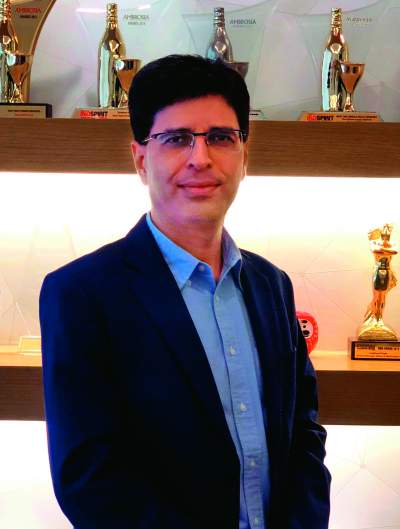
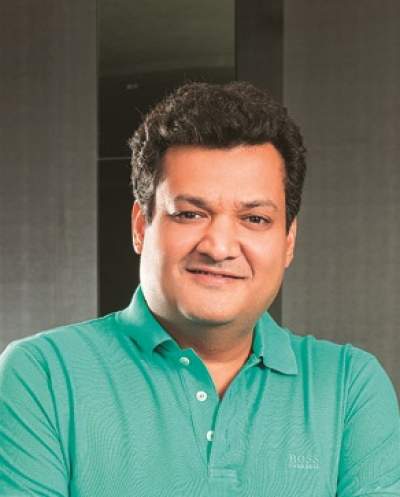
Mr. Arvind Singla and Mr. Hirdesh Chopra
What are the important features of your greenfield project brewery?
Strategic location- within the heart of Punjab: 25 kms from Haryana; 45 kms Chandigarh; 200 kms from Delhi/UP and Rajasthan, 150 km from Uttrakhand and 75kms from Himachal Pradesh. This will make logistics cost very economical.
As the brewing industry is a heavy water consumption industry and the country is facing the ground water shortages across the nation, we are the only company using canal water, which is supposed to be the purest form of water source for any type of liquor with permission from the Punjab government. The water is coming from uphills, having a lot of minerals and the canal is full of water across the year.
What is the capacity of the brewery and what are the expansion plans for the future? Will excess capacity be offered for contract manufacturing?
Current capacity is 0.8 million cases per annum. Expansion is possible upto 1.3 million cases per annum as per existing design plan. Yes, we already are in talks with multi nationals for tie ups for current capacity and future capacity
Which states do you plan to initially distribute your brands? When do you plan to go pan India?
We have opened markets for Punjab, Haryana, Chandigarh, Uttar Pradesh and we plan to open markets for Delhi and Rajasthan soon. We aim to go Pan India in the financial year 2020-21.
What are the major features that will make your product stand out in the crowded market place?
In times of craft beers and light beers buzzing the market and being promoted tremendously well, somewhere the original identity of a rich in taste and a smooth STRONG BEER was lost.
Through our brands Ginsberg and Hophead, we plan to revolutionise the industry with a strong beer which is as smooth possible.The product is also reasonably priced.
Strong beer still has the biggest share in the country as compared to its other variants.
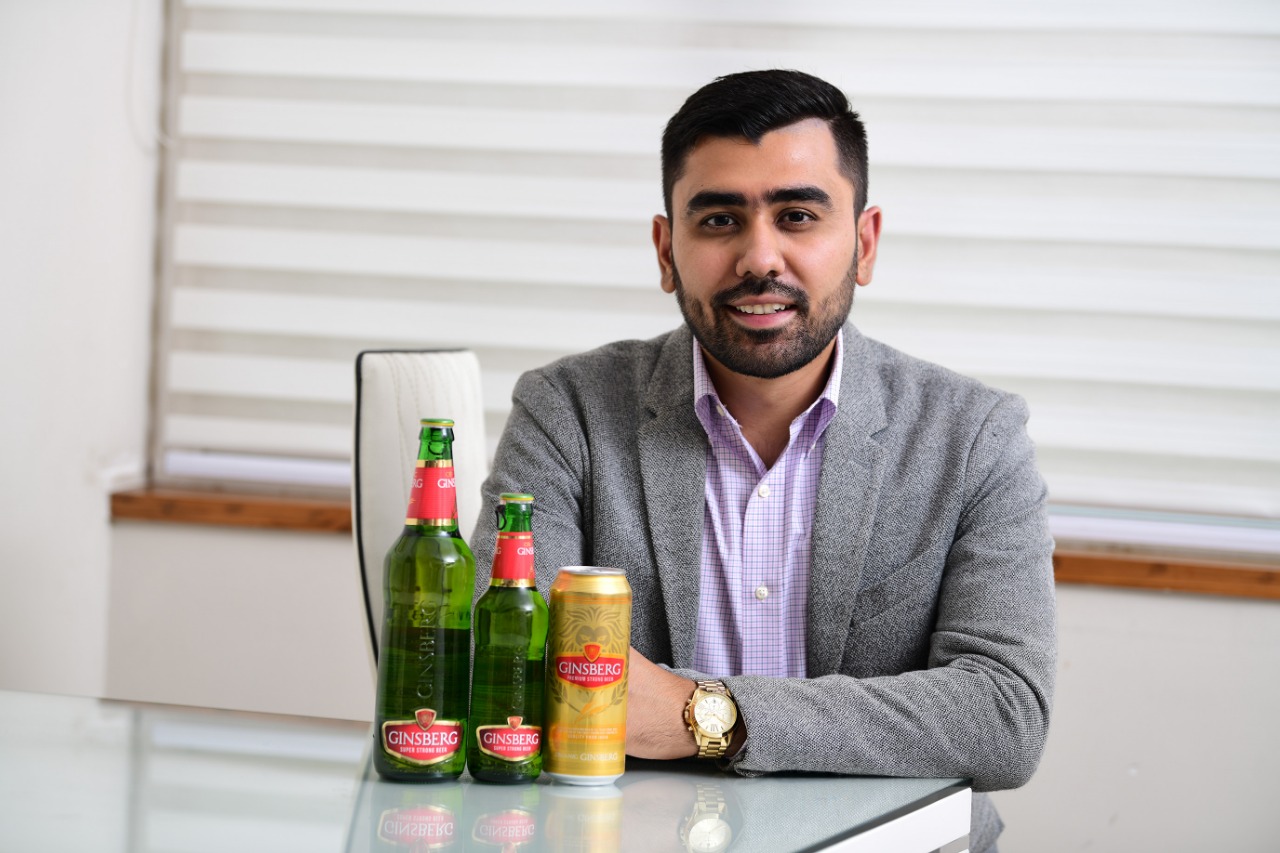
Ish Chopra
What are your immediate targets for your beer brands and what marketing initiatives have you lined-up to meet your targets?
Immediate targets are to make our brand establish itself in the market and prove the industry that we are here to last long.
This is only possible by using best quality raw material to ensure smoothness in a strong variant that our consumers will like. We are importing two row barley from Argentina.
We have hired one of the best and biggest marketing agency for our promotions and branding and that will be visible both online and offline in the next one month in all states where we are operational.
Do you plan to have a strong beer, canned beer and any plans for craft beers?
We are already producing strong beer in two variants Ginsberg and Hophead which are creating a boom in the market.
We also plan to introduce a lighter craft beer segment in late October. We have huge plans for the latter product which I hope to share when it is really close to launch.
What major challenges do you foresee in the beer industry?
We are new in the brewery business, but not new in the alcobev industry. Our philosophy and understanding of the market is that the consumer should get the right product at the right price. Our belief is that the consumer deserves the best of every penny he/she spends for the product.
Also considering the market trend, if we talk state wise, there is a shortfall in supply of beer in the season time and hence we believe with our future expansion prospects, not only in the state of Punjab, but across the nation and overseas, we would overcome this challenge in the years to come.
Beer being a volume game, will you plan for a brewery elsewhere in India?
Yes, as we plan to open markets down South, West and East, where we would be going both for our own plants and bottling arrangements in the respective states.

 Sales of spirits through e-commerce may not be as pronounced as wine, but IWSR research shows that around US$6.5b of spirits were sold online in 2018, a figure that represents 2% of all global spirits’ value sales. For example, ecommerce is reported to now be Pernod Ricard’s fastest growing channel.
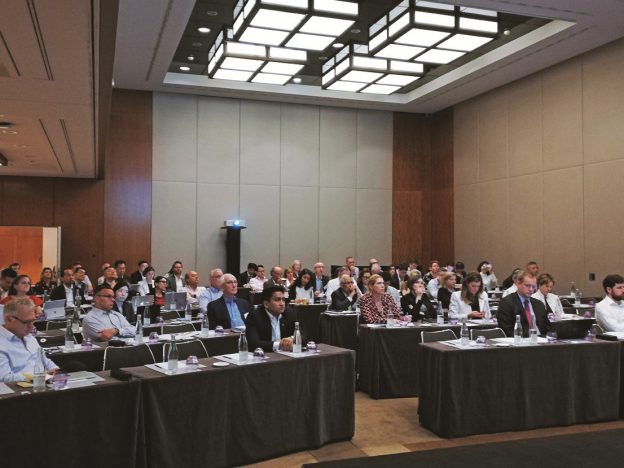
 “Many of us have been working together for nearly two decades, hence setting up a formal trade association to act as a united global voice on the integrity and social responsibility of our spirits industry is a natural and important step forward. Distilled spirits are a vibrant and highly dynamic sector with a unique diversity of products and producers across the world,” said Marie Audren who will act as Secretary General for the WSA.
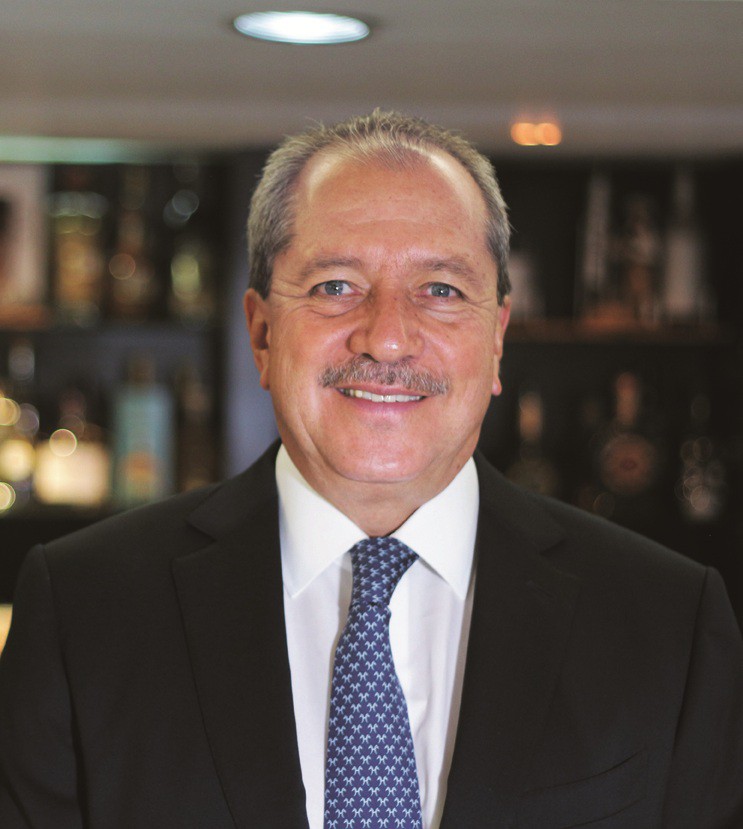 “The aims of the WSA are to create a common platform for exchange and have a representative body that will allow us to comment on issues of global relevance, particularly in the areas of trade and regulatory policy, and help develop a positive environment for the sustainable success of the sector,” said Rodolfo González González (Camara Nacional de la Industria Tequilera) who was elected as first President of the WSA.
 “Distilled spirits are celebrated and responsibly enjoyed around the globe and generate jobs, economic growth and tax revenue in the countries where they are produced. At the same time, in many markets around the world, distilled spirits are heavily taxed and regulated, and we face trade barriers that are only applicable, or applied more excessively, to distilled spirits. This situation needs to be reviewed and addressed,” said Amrit Kiran Singh (International Spirits & Wines Association of India) who was elected Vice President.
 The vision of each house having water, electricity and cooking gas by 2022 is commendable and there is a very close interdependence between water, sanitation, health, nutrition, and human well-being. We view water as a central resource for a sustainable India and the thrust to provide piped water to all rural households by 2024 is what inclusive growth is all about.

 d Japan, the category’s two largest markets. In Japan, most RTDs are locally made and almost exclusive to Japan. Their popularity is partly due to the fact that they are relatively dry, which makes them more food-friendly and sessionable. In the US, the popularity of alcohol seltzers has been a tremendous engine for growth in the RTD market. In the cider category, as investment levels in those products continue to rise, almost 270m cases are expected by 2023, a 2.0% CAGR 2018-2023. Both of those categories (mixed drinks and cider) are taking share from beer as perceived accessibility increases (less bitter, easier to drink).
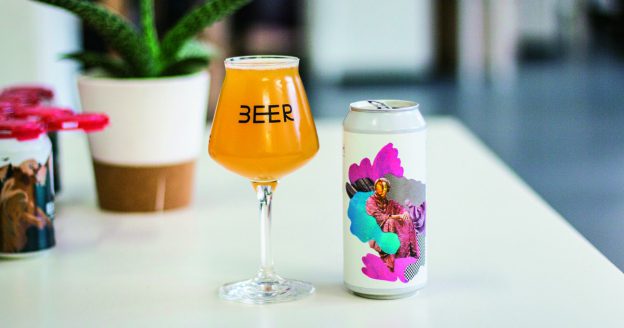
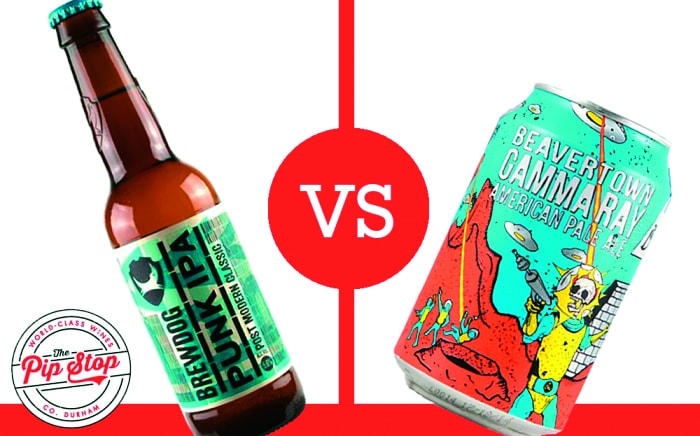 The margins created by retailing your beer instead of selling it wholesale have sustained the growth of microbreweries. This successful approach has succeeded in generating phenomenal growth in the industry.
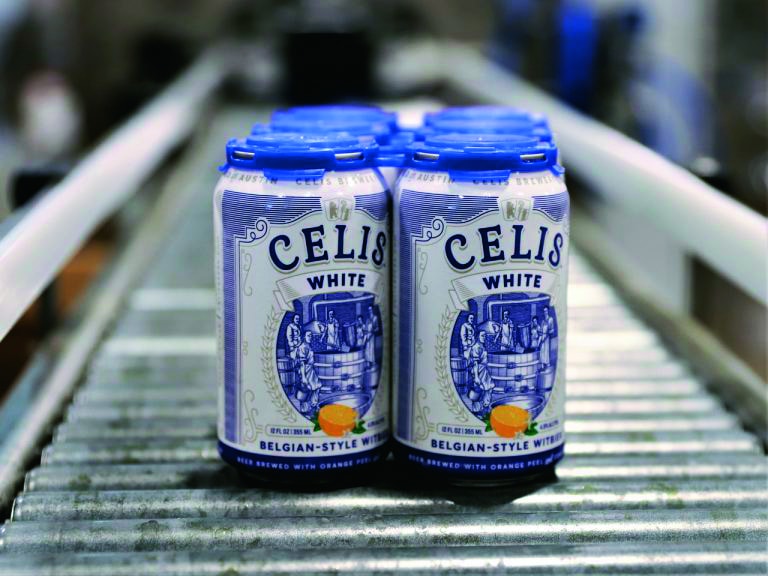 Many of your clients will also want to enjoy their favourite beer at home or on a picnic. And you need to serve them, or they will buy their tipple from the competition. Therefore you need to satisfy this type of consumption by offering bottled beer, pretty soon after starting your brewery. Initially the quantities to be bottled are relatively modest – maybe only 500 or 1000 bottles at a time for each of your various recipes. Initially, therefore, the easy way, although an expensive way, is to contract bottle outside the premises. This seems the way to go. Contract bottling has many disadvantages and could eat into your margins because of extra logistics cost and scheduling. In-house bottling could be the solution. Bottling in-house requires generally more money than anticipated.
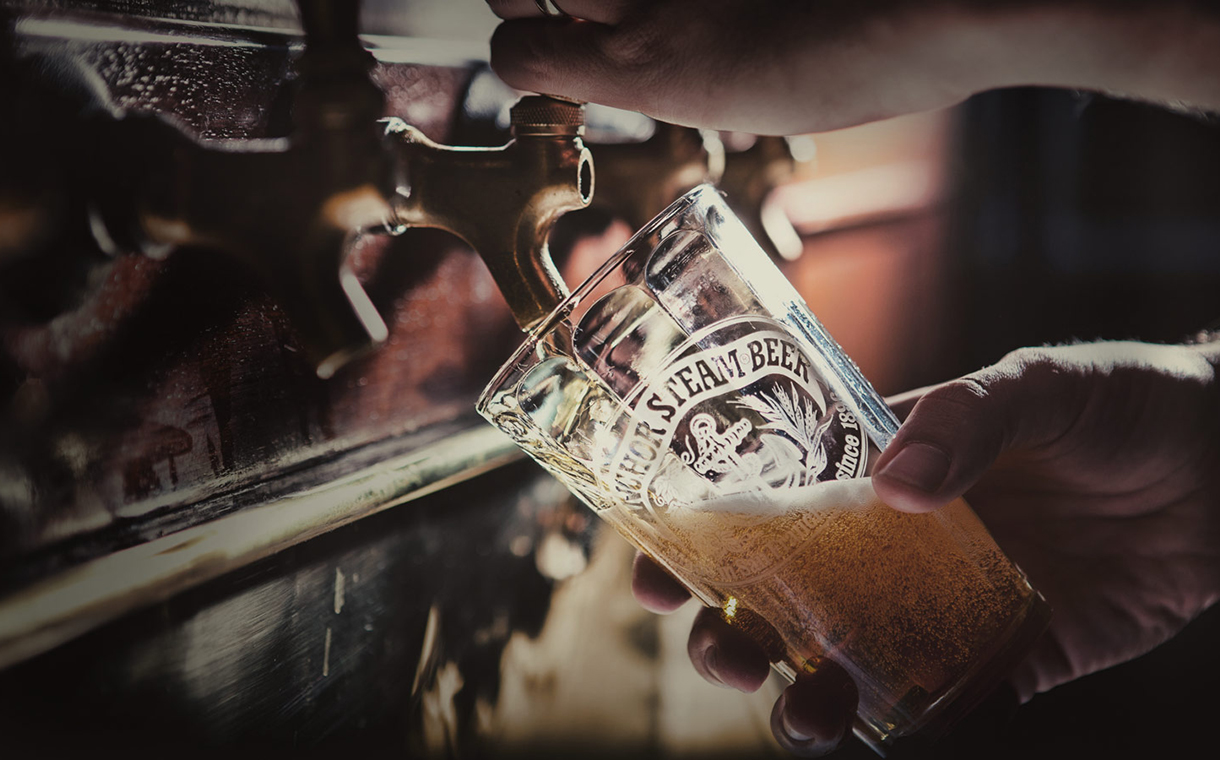 The metal touching your lips is still a factor in terms of flavour, but most craft brewers suggest pouring out beer into a glass before sipping, whatever package it comes in. It may be coolness, or it may be convenience, but the bottom line is, cans are getting cheaper. Bottling in-house remains a simpler, cheaper process. The Brewers Association estimates just 3% of craft beer on the shelves is in a can. Sixty percent still goes out in bottles, and the rest is sold in kegs. Glass has been a very reliable package and tradition will prove itself well that glass is not going anywhere.
 India’s craft beer industry accounts for 2-3% of the country’s beer market which is largely skewed towards the stronger version. The surge of interest in craft beer has been driven by millennials, many particularly interested in this form of beer that is more authentic, premium and has a complex flavour compared to regular lager sold by MNCs.
 sign that the Scotch Whisky industry remains confident about the future. This is great news for our many employees, our investors, supply chain and, of course, for our consumers all over the world, who love Scotch.
“This report also highlights the high rate of domestic tax that Scotch Whisky faces in the UK. In the US, Scotch and other whiskies are taxed at just 27% of the rate that HM Treasury taxes us here at home. We will continue to press the Chancellor for fairer treatment of Scotch Whisky in our domestic market, which reflects the vital economic contribution the thousands of people who work in whisky make to the UK economy every day.”
sign that the Scotch Whisky industry remains confident about the future. This is great news for our many employees, our investors, supply chain and, of course, for our consumers all over the world, who love Scotch.
“This report also highlights the high rate of domestic tax that Scotch Whisky faces in the UK. In the US, Scotch and other whiskies are taxed at just 27% of the rate that HM Treasury taxes us here at home. We will continue to press the Chancellor for fairer treatment of Scotch Whisky in our domestic market, which reflects the vital economic contribution the thousands of people who work in whisky make to the UK economy every day.”
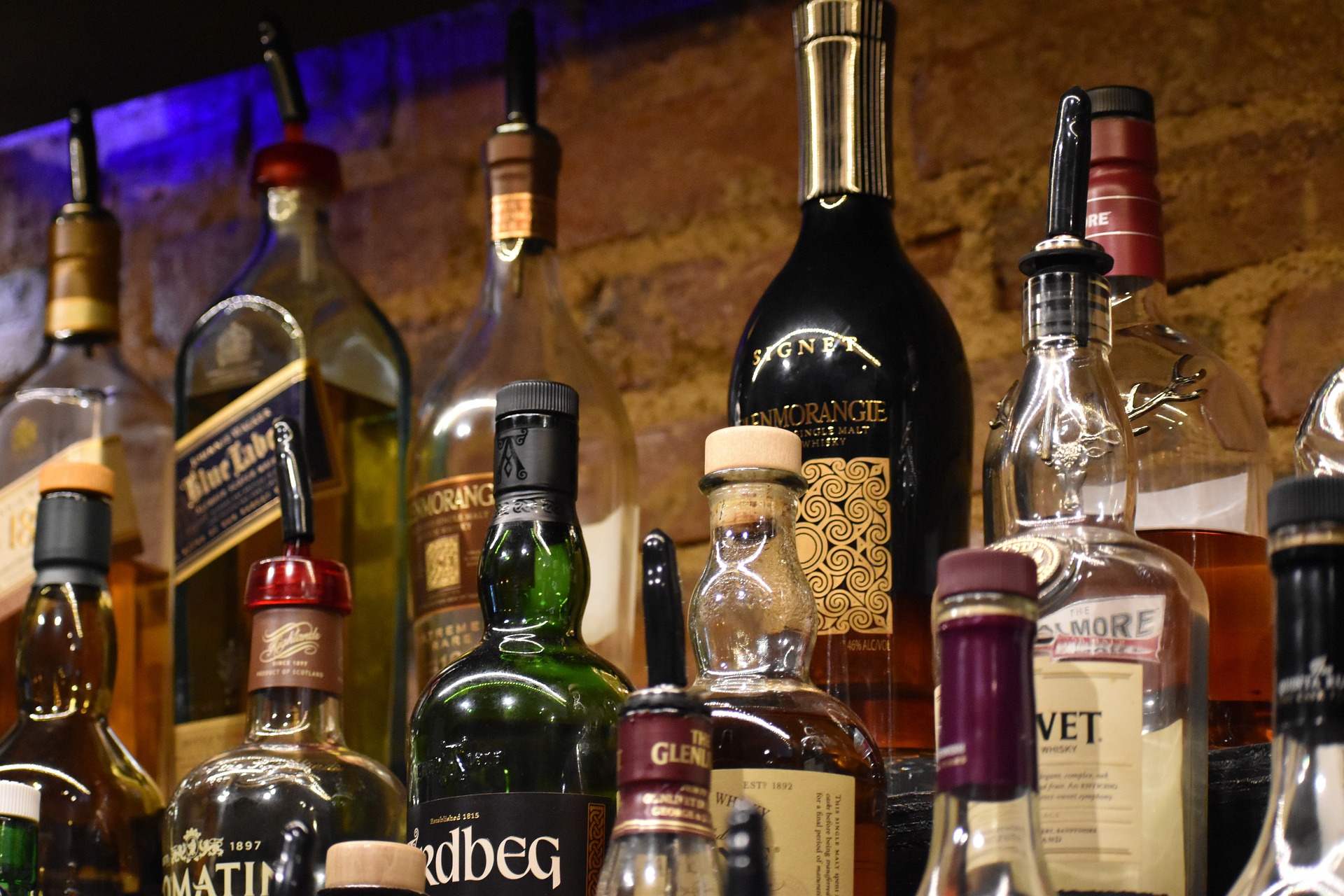 contributes more than double than life sciences (£1.5bn) to the Scottish economy, supporting more than 42,000 jobs across the UK, including 10,500 people directly in Scotland, and 7,000 in rural communities.
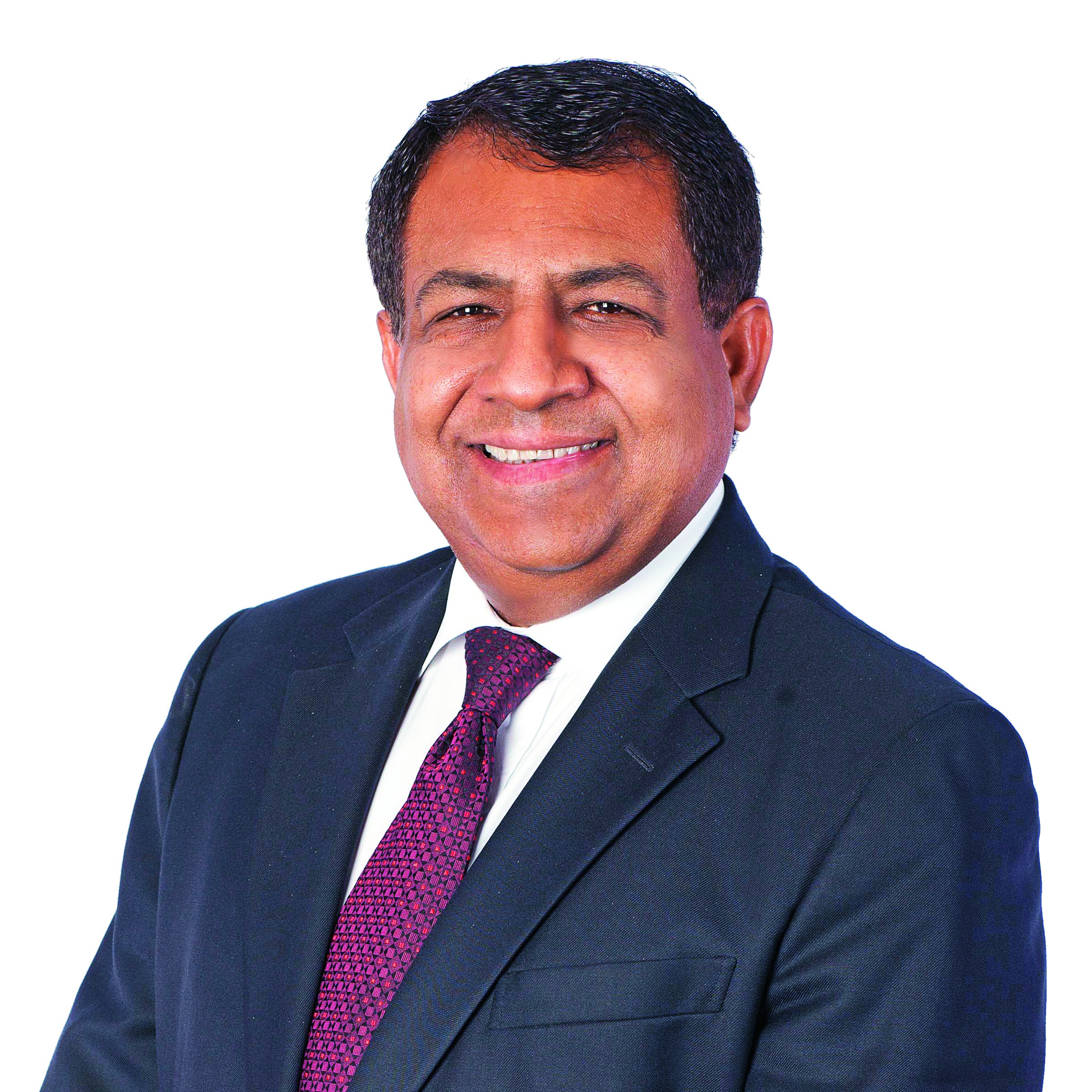 “A stable government is indeed welcome for the nation and economy. We hope that the new government will reinforce its progressive policies towards the industry, and usher in the next phase of reforms to promote ease of doing business and ‘Making in India’. We also look towards the Federal government to encourage states to urgently bring comprehensive regulatory reform into key state- GDP contributing sectors such as alcoholic beverages,” says, Anand Kripalu, Managing Director and CEO, Diageo India.
 The beer industry has its fair share of challenges. And with the competition heating up and input prices rising it is becoming difficult to invest in growth. “With a strong mandate that the government has received, we look forward to sustained reforms that will spur further growth in the economy. We also look forward to continued emphasis on ease of doing business,” says Shekhar Ramamurthy, Managing Director, United Breweries Ltd.
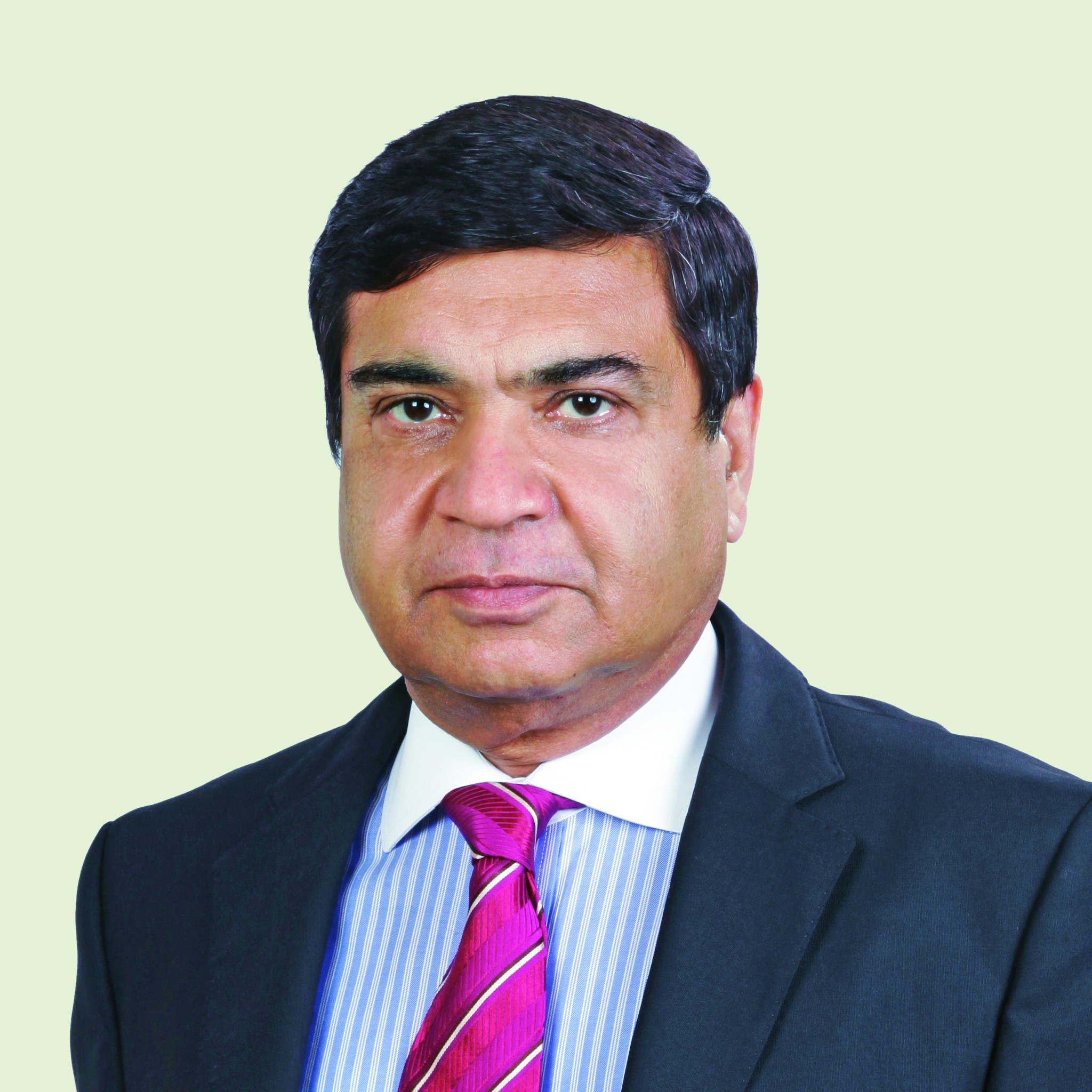 “It is indeed a blessing that India has elected a strong and stable Goverment and I look forward to more structural reforms so that India can continue on a strong growth trajectory with gainful employment for all its citizens. I also expect the federal goverment to build consensus amongst all states to include potable alcohol in GST,” said Deepak Roy, ABD Vice Chairman.
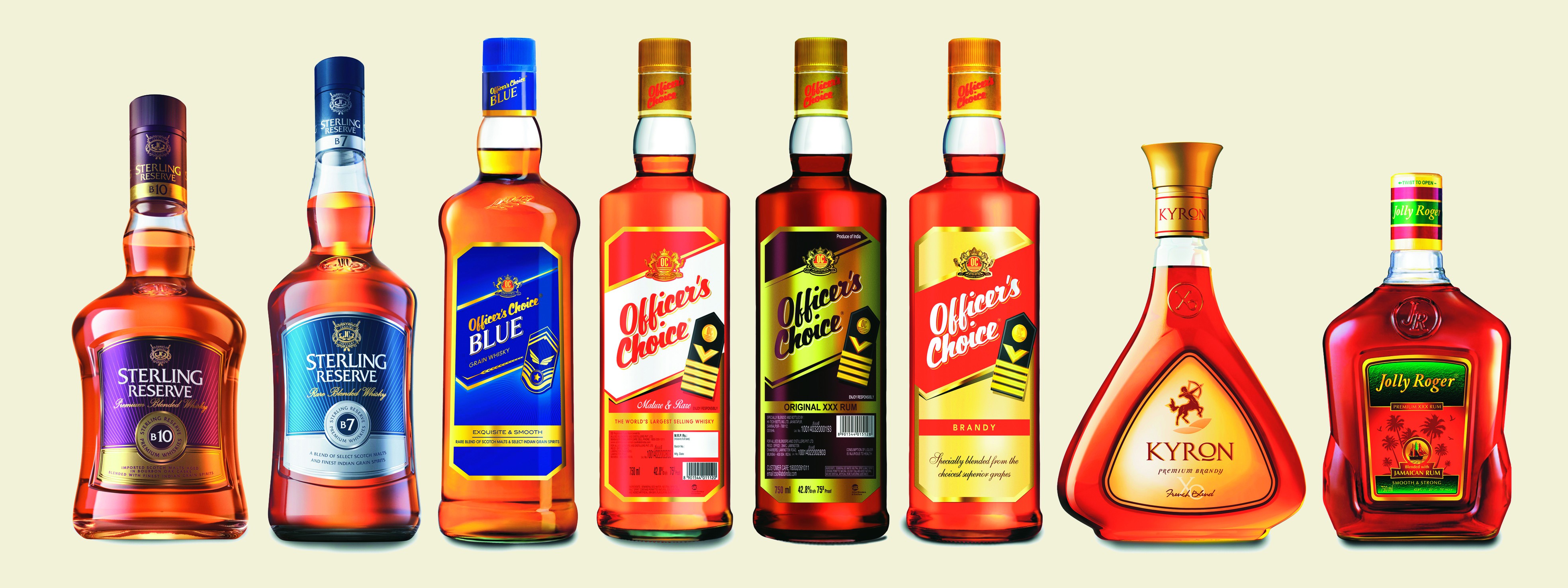 But now companies are scaling down their volumes where the margins are thinner, introducing premium brands and focussing on profits. Diageo is working to get consumers to ‘premiumise’. The company is working to taking a long term view and creating business value. The history associated with Diageo’s iconic brands, too, bears testimony to such far-sightedness.
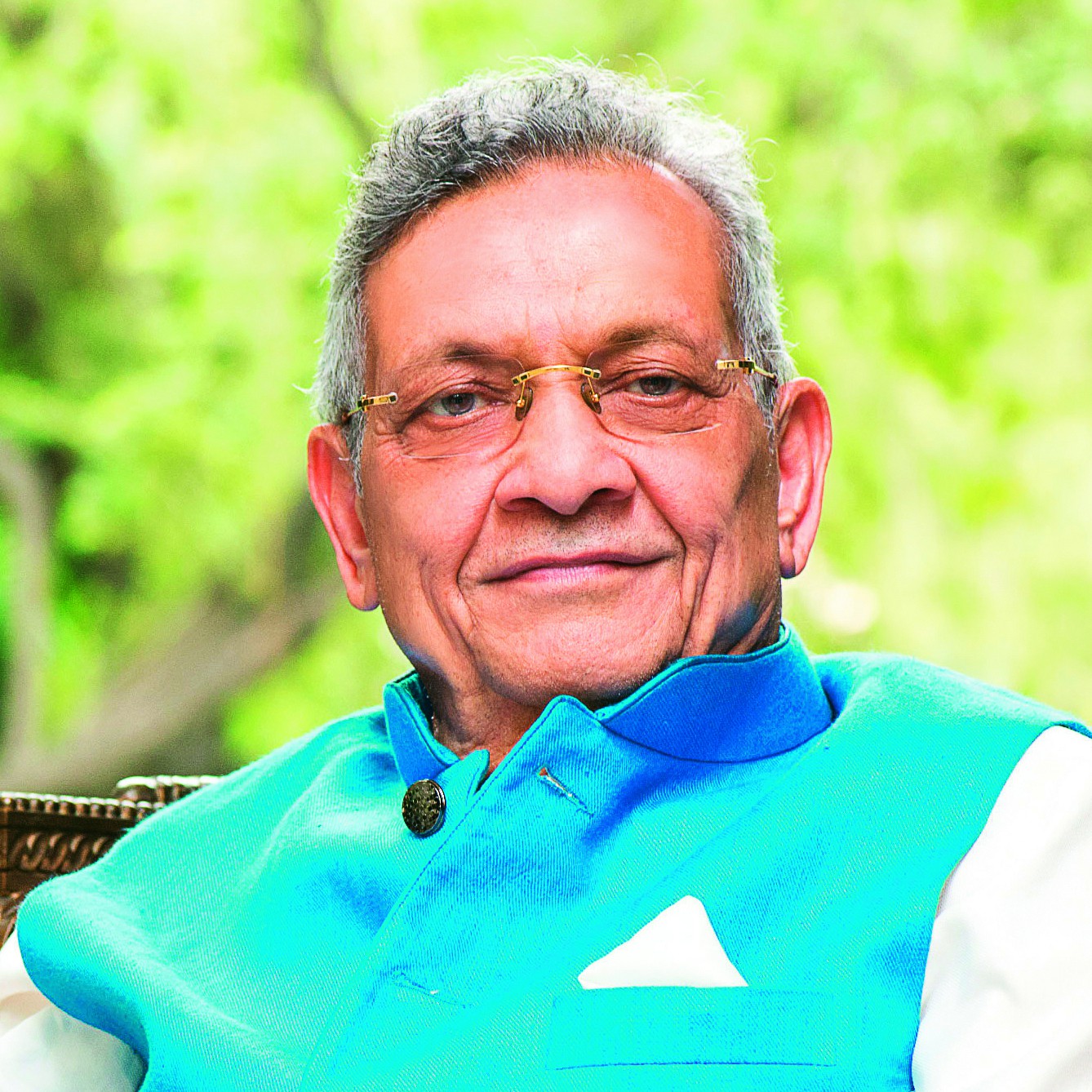 While congratulating on the grand come back of PM Narendra Modi, Dr. Lalit Khaitan, Chairman of Radico Khaitan Ltd. says, “The voters have endorsed Modi’s decisive leadership, his ability to take the country from red tape to red carpet, his government’s multiple schemes to pull out millions from abject poverty and provide them essential services like electricity, cooking gas, bank accounts and free health services.”
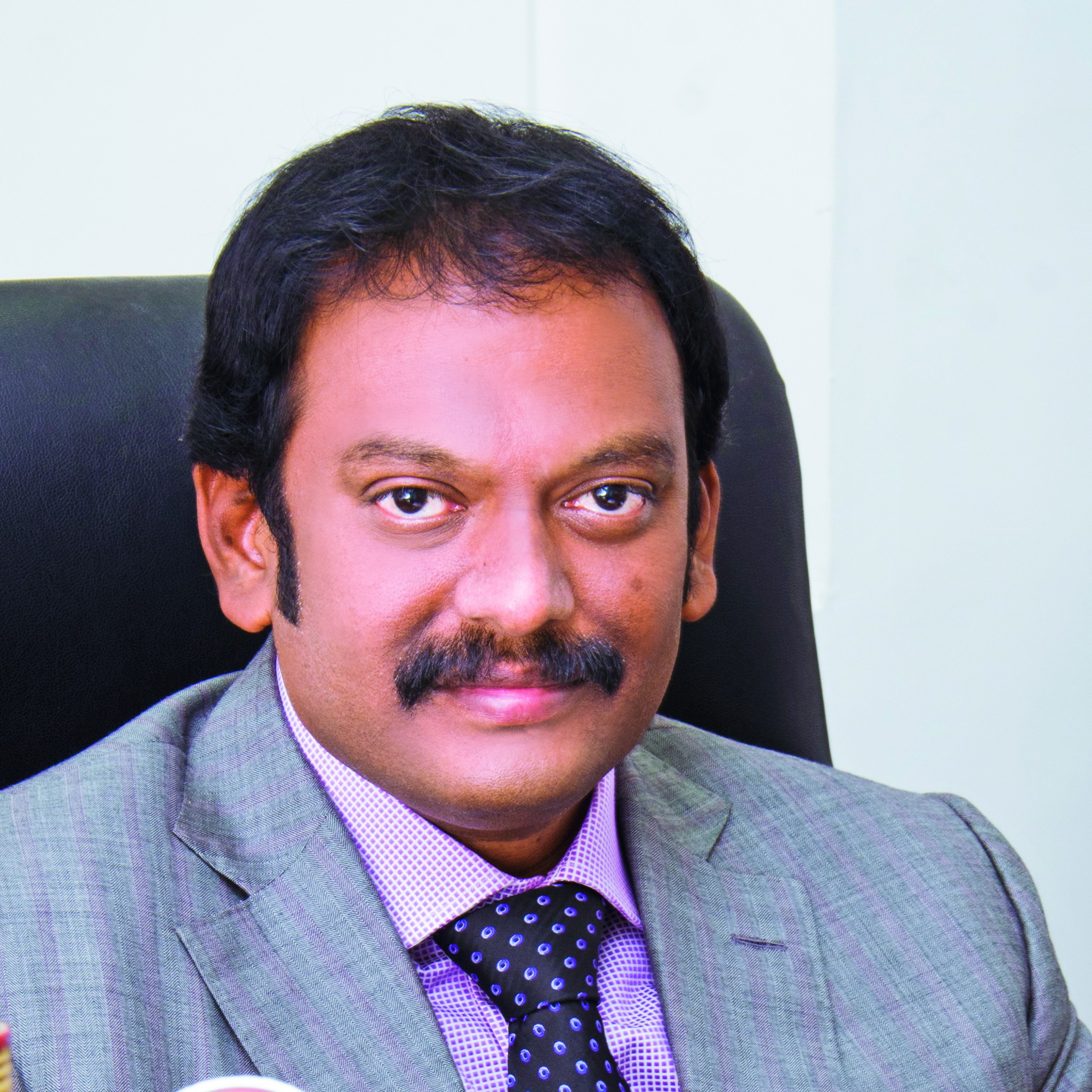 KALS CMD Mr.S Vasudevan says on the historic victory of the NDA government, “I wish our Honourable Prime Minister Mr. Modi for his impeccable victory. This is a well-deserved victory for transforming our nation in terms of controls, governance, and GDP growth. I personally look forward to having reforms in the IMFL Industry as well that contributes significant revenue to the respective states. I wish the new government all the very best and I’m confident under the leadership of our Honourable PM, India will get into the strides of excellence.”
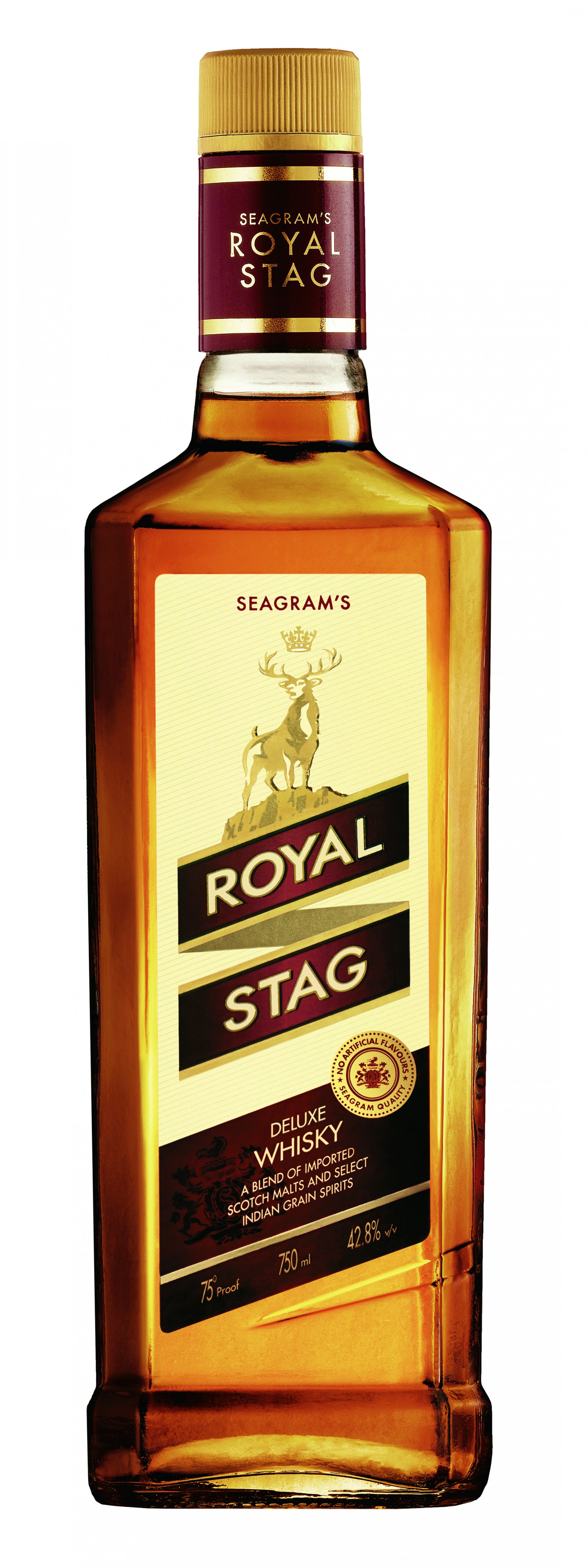 And having overcome the legacy issues associated with the USL acquisition, Diageo claims to have set itself the ambitious target of “changing the alcohol industry in India”. Much of that effort revolves around a campaign to inculcate the spirit of ‘responsible drinking’, which translates into reinforcing moderation, and in promoting road safety in collaboration with State governments.