Tag Archives: Free Trade Agreement

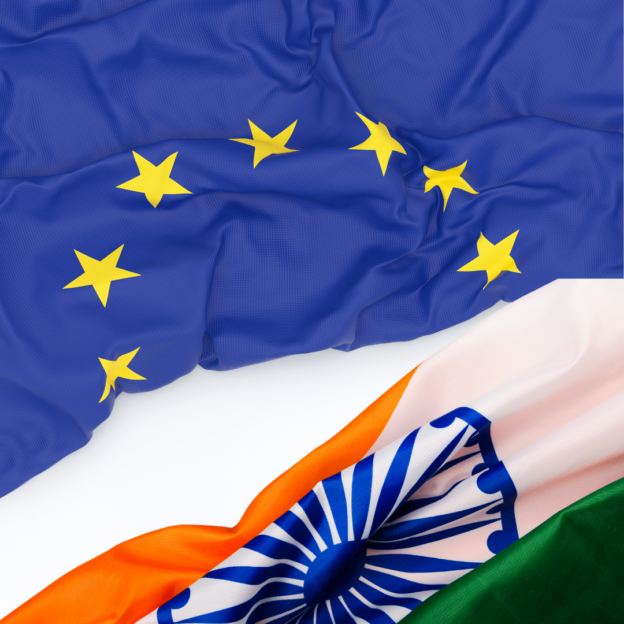
India-European Union FTA Signed: ‘Mother of all Deals’

  • Indian duties on wines, currently at 150%, will be cut to 75% upon entry into force and gradually reduced further to 40%
  • EU and India already trade over €180 billion worth of goods and services annually
  • FTA to come into effect early 2027
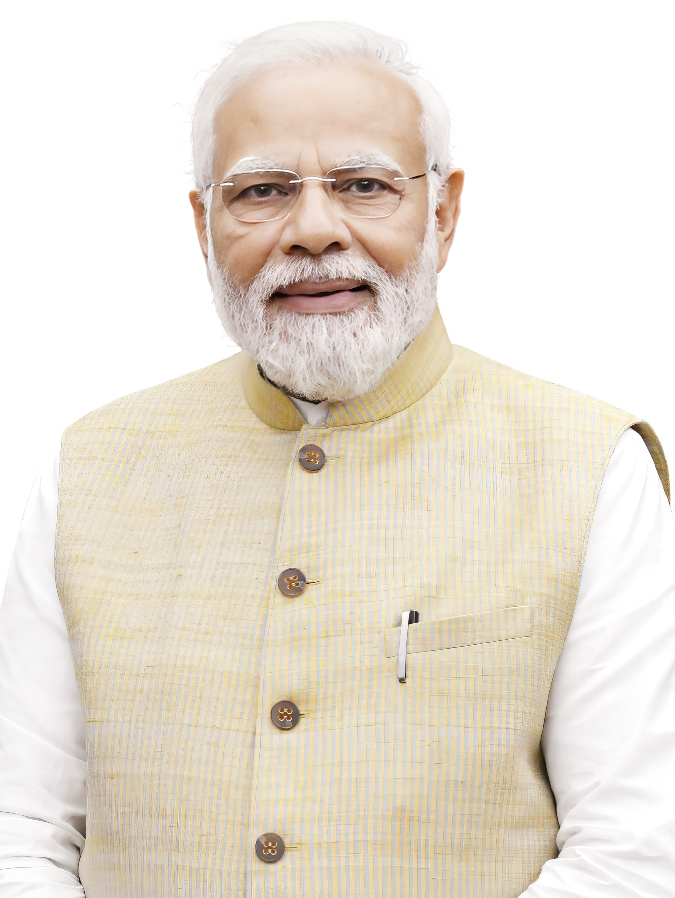
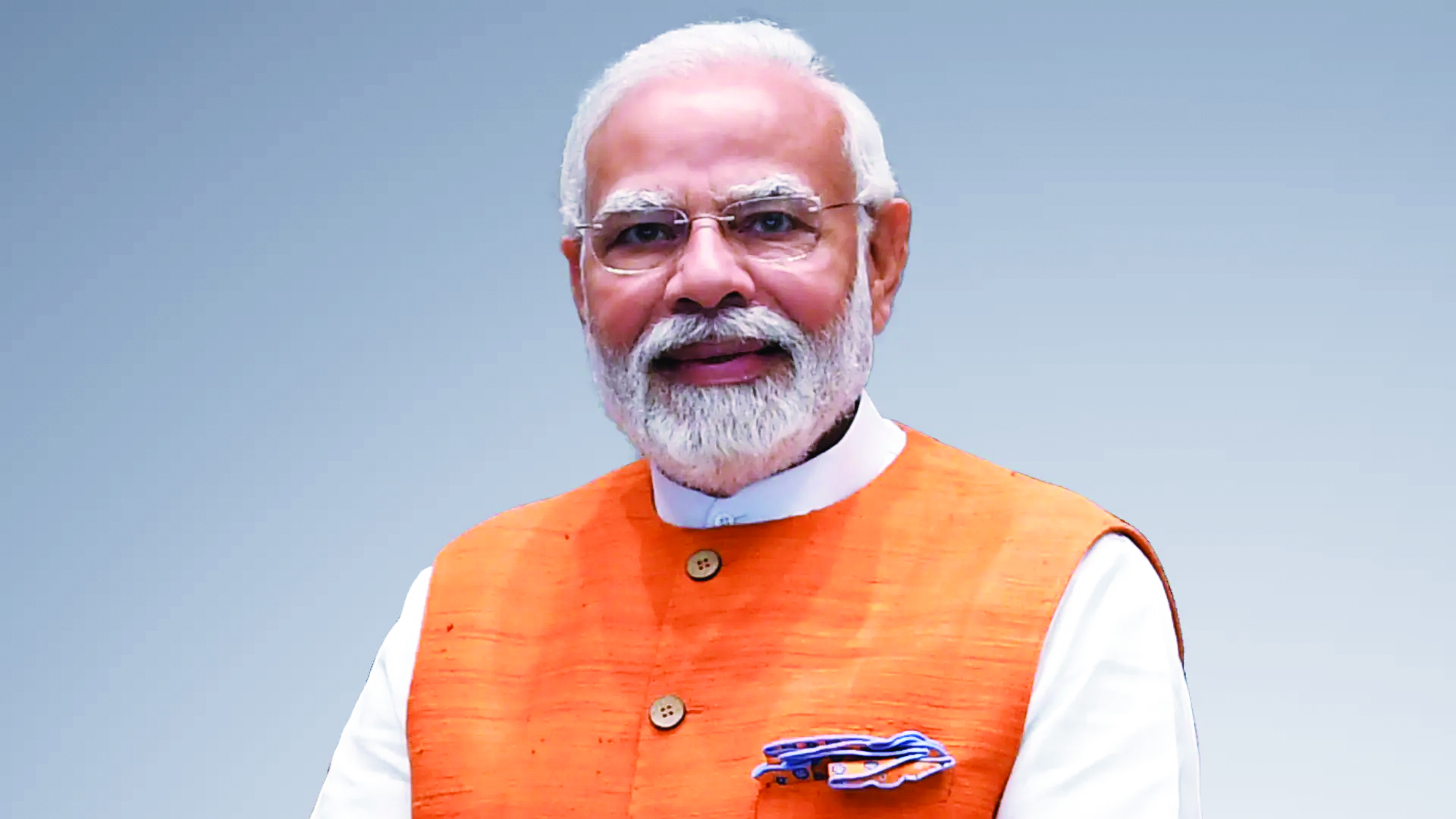
Narendra Modi, Prime Minister of India

The India–European Union Free Trade Agreement (FTA) was formally concluded on January 27, 2026, marking what leaders on both sides described as a historic reset in economic relations between two of the world’s largest democratic economies. Prime Minister Narendra Modi confirmed the signing while addressing Indian Energy Week, calling it a “significant agreement” that has opened up “a lot of opportunities for 140 crore Indians and crores of Europeans.” The deal, he said, was already being discussed as the “mother of all deals”, underlining its scale and strategic importance.

Ursula von der Leyen, European Commission President

European Commission President Ursula von der Leyen echoed that sentiment, describing the agreement as a landmark in rules-based global trade. “The EU and India make history today, deepening the partnership between the world’s biggest democracies. We have created a free trade zone of 2 billion people, with both sides set to gain economically. We have sent a signal to the world that rules-based cooperation still delivers great outcomes,” she said. The agreement, she added, is only the beginning of a stronger and more comprehensive partnership. “We did it. We delivered the mother of all deals,” she emphasised.

Commerce and Industry Minister Piyush Goyal, who has steered India’s recent trade negotiations with several developed economies, was emphatic about the scale of the breakthrough. Having concluded trade agreements with the UAE, Australia, the UK, Oman, New Zealand, Mauritius and the four-nation European Free Trade Association (EFTA), Goyal described the India–EU pact as the most consequential yet. “I have done seven deals so far. All with developed economies. This one will be the mother of all,” he said during his recent visit to Brussels, where final negotiations were completed.

A Historic and Ambitious Agreement

The India–EU FTA is the largest trade deal ever concluded by either side and will come into effect early 2027. It eliminates or reduces tariffs on over 96 percent of EU goods exports to India and is expected to potentially double EU goods exports to India by 2032. The tariff reductions are estimated to save around €4 billion annually in duties on European products.

The agreement comes at a time of geopolitical uncertainty and shifting global supply chains. It strengthens economic and political ties between the world’s second and fourth largest economies, creating a free trade zone covering nearly 2 billion people. The EU and India already trade over €180 billion worth of goods and services annually. In 2024, the EU was India’s largest trading partner, accounting for €120 billion worth of goods trade—about 11.5% of India’s total trade. India, in turn, was the EU’s ninth-largest trading partner.

Trade in services has also grown rapidly, reaching €59.7 billion in 2023, nearly doubling from €30.4 billion in 2020. The FTA grants privileged access to the Indian market of 1.45 billion people, with an annual GDP of €3.4 trillion and projected growth above 6 percent, making it one of the fastest-growing large economies in the G20.

The agreement also significantly reduces agri-food tariffs. Indian duties on wines, currently at 150%, will be cut to 75% upon entry into force and gradually reduced further to as low as 20%.

SpirtsEUROPE and ISWAI welcome FTA

Sanjit Padhi, CEO, International Spirits & Wines Association of Indian (ISWAI)

The CEO, International Spirits & Wines Association of Indian (ISWAI), Sanjit Padhi said, “Following the successful conclusion of the IND-UK FTA, the India–EU FTA marks another significant milestone for the alcobev sector. This agreement not only deepens trade ties between India and the EU, but also fosters stronger collaboration and strategic partnership in the industry. It underscores the shared commitment to fair, balanced, and mutually beneficial trade that drives sustainable growth for both regions.”

 On tariff reduction and mutually beneficial trade: “While the detailed provisions of the agreement are awaited, the initially released agreement indicates that the proposed reduction in import tariffs from the current 150% to 75% across all EU spirits & wines categories from the entry into force of the agreement, is a clearly welcome development. The agreement further outlines that the tariffs will then be lowered to 40% for spirits and as low as 20% on wines in a phased approach. Taken together, these measures under the India- EU FTA offer significant strategic benefits for both markets. India’s increasingly aspirational and discerning consumers will gain improved access to premium international brands at more accessible price points. This broader choice is expected to enhance the overall consumer experience, accelerate premiumisation within the alcobev sector, support growth in allied sectors such as tourism and hospitality, and contribute positively to state revenues.” 

“A progressive FTA reinforces India’s position as a compelling investment destination and a growing export market for the alcobev sector. As the industry scales new heights, continued government support through tariff rationalisation and improved market access will be critical to sustaining growth momentum. The Indian alcobev industry is rapidly transitioning from a price-sensitive market to one driven by value creation and premiumisation, with Indian single malts leading this transformation and competing successfully with global benchmarks. The FTA will further enable Indian brands and Bottled-in-India products to access international markets, strengthen global partnerships, and truly advance the vision of ‘Make in India’ on the world stage.”

spiritsEUROPE calls it transformational deal

spiritsEUROPE has called the EU-India Free Trade Agreement (FTA), a transformational deal for the EU spirits sector that will significantly improve access to one of the world’s most important spirits markets.

Mark Titterington, spiritsEUROPE Director General

 “This agreement is a real game changer for our sector,” said spiritsEUROPE Director General Mark Titterington. “Cutting tariffs from 150% to 40% will unlock long-term growth, create new jobs across the value chain, and give Indian consumers greater choice through a complementary, rather than competing, offering. The deal benefits both sides: a stronger EU presence will support market diversification, boost revenues, attract investment, and generate downstream employment in India, without displacing domestic production.”

India is the second-largest spirits market globally by volume, after China, and its consumers drink more spirits than beer or wine. While the market remains primarily whisky-driven, growing demand for quality, authenticity, and premium products means all EU spirits categories stand to gain.

 Under the agreement, tariffs on EU spirits will be cut by half upon entry into force, followed by a gradual reduction to 40%. This represents a step change for the sector, building on a decade in which the value of EU spirits exports to India increased sixfold, despite historically high tariffs and regulatory barriers.

spiritsEUROPE also welcomes the creation of a dedicated EU-India Working Group on Wine and Spirits, which will allow both sides to deepen regulatory dialogue, enhance mutual understanding and address market access concerns.

 “The EU-India FTA opens a new chapter for spirits trade,” Mark Titterington added. “We look forward to working closely with authorities on both sides to ensure swift implementation. This agreement demonstrates how strong partnerships and open trade can deliver tangible growth and benefits for both economies.”

Alcobev Sector in Focus

Among the sectors expected to see transformative impact is alcoholic beverages (alcobev), an area that has long been constrained by steep tariffs and regulatory complexity. Barring agriculture, the FTA covers technology, pharmaceuticals, automobiles, textiles, steel, petroleum products, electronics and the alcobev sector. For European wine and spirits producers, India represents one of the last major high-growth markets still guarded by triple-digit tariffs.

India currently imposes some of the highest import duties globally on alcoholic beverages. Basic customs duties on wines and spirits can reach 150 percent, before state excise duties, additional levies and distribution mark-ups are applied. These high tariffs have historically restricted volumes and confined imported products largely to affluent urban consumers.

Yet the Indian alcobev market is undergoing structural change. The industry is witnessing premiumisation, with consumers in metro and tier-one cities increasingly trading up from mass-market domestic brands to premium and imported labels. Rising disposable incomes, exposure to global lifestyles, growth of organised retail and e-commerce (where permitted), and a younger demographic are reshaping consumption patterns.

Imports of distilled spirits into India were valued at approximately $572 million in 2023, reflecting steady growth in demand for premium international brands. Trade data for FY 2023–24 shows India imported wines worth about $412.4 million from the EU and spirits and liqueurs valued at $22.3 million. In contrast, India’s exports to the EU in wines were around $1.5 million and spirits and mixed products approximately $64.9 million. The asymmetry highlights both the EU’s dominance in premium alcohol categories and the untapped export potential for Indian producers.

Globally, the EU exported nearly €29.8 billion worth of alcoholic beverages in 2024, with wine accounting for the largest share, followed by spirits and liqueurs. India currently accounts for only a small fraction of these exports, underscoring the headroom for expansion if tariff barriers are eased.

Trade FlowProduct CategoryValue (Approximately)
India-EU ExportsWinesUSD 1.5 m
 Spirits and Mixed ProductsUSD 64.9 m
EU-India ImportsWines    USD 412.4 m
 Spirits & LiqueurUSD 22.3 m

FY 2023–24 trade data Ministry of Commerce

Tariff Rationalisation and Market Access

Under the FTA, phased tariff reductions on wines and spirits are expected to improve price competitiveness for European brands. While final schedules will determine the pace and depth of liberalisation, even gradual reductions could significantly narrow price gaps between imported and domestic premium products.

European producers—including wine exporters from France, Italy and Spain and spirits companies from France, Ireland, Germany and the Netherlands — view the agreement as a pathway to expand beyond niche luxury segments into broader premium categories. Multinational companies such as Pernod Ricard, Diageo, Rémy Cointreau and Beam Suntory have consistently advocated for lower duties and greater regulatory clarity in India.

From the EU’s perspective, the agreement is not solely about tariff cuts. Industry stakeholders have long sought improvements in regulatory predictability, faster label approvals and clearer distribution norms across Indian states. Alcohol in India is regulated at the state level, leading to a patchwork of excise structures, registration requirements and marketing restrictions. Greater transparency and streamlined processes under the FTA framework could reduce compliance costs and encourage deeper market penetration.

Lessons from UK and Australia Agreements

India’s approach to alcohol liberalisation has been cautious and calibrated, as seen in its recent trade agreements. Under the India–Australia pact, duties on premium Australian wines were reduced significantly, leading to improved competitiveness without overwhelming domestic producers. The India–UK FTA included phased duty reductions on certain spirits but maintained a protective stance toward wines.

The India–EU FTA, given the EU’s global leadership in wine exports, is expected to be broader in scope. European negotiators have pushed for meaningful tariff reductions, while Indian industry bodies such as the Confederation of Indian Alcoholic Beverage Companies (CIABC) have advocated safeguards such as minimum import prices, strict rules of origin and anti-dumping protections. These measures aim to prevent under-invoicing and trans-shipment while ensuring domestic manufacturers are not destabilised.

Opportunities for Indian Producers

For Indian alcobev companies, the FTA presents both competitive pressure and strategic opportunity. Lower import duties could intensify competition in premium segments such as single malts, gins, brandies and boutique wines, where European brands enjoy strong heritage appeal. However, Indian producers have been steadily upgrading quality and brand positioning.

Indian single malts and craft gins have gained international recognition in recent years, winning awards in global competitions. Companies with export ambitions see the EU as an attractive destination, offering a sophisticated consumer base and established distribution networks. While EU tariffs on alcohol are relatively low, non-tariff barriers, branding challenges and limited market access have constrained Indian penetration. Stronger intellectual property protections and improved services access under the FTA could ease some of these hurdles.

The agreement’s provisions on IP protection are particularly relevant for premium spirits, where trademarks, geographical indications and brand identity are central to market success. Enhanced enforcement mechanisms could help both European and Indian producers safeguard their brands against counterfeiting and misuse.

Structural Transformation and Long-Term Impact

The timing of the FTA aligns with broader shifts in India’s alcobev landscape. Urbanisation, hospitality sector growth, premium retail expansion and rising tourism are all contributing to category development. A more open trade regime could stimulate investment in distribution, warehousing and marketing infrastructure.

At the same time, policymakers must balance revenue considerations. Alcohol taxation is a significant source of income for Indian states. Any tariff rationalisation must be calibrated to avoid fiscal disruption while promoting trade expansion.

Ultimately, the India–EU Free Trade Agreement has the potential to reshape the alcohol trade between the two regions. For European producers, it opens the door to one of the most promising long-term growth markets in the world. For Indian companies, it presents a dual challenge: compete more effectively at home while leveraging improved market access to expand abroad.

Trilok Desai and R. Chandrakanth

India-UK FTA is Transformational for Scotch Whisky Producers: SWA

Renowned for its rich history, complex flavours, and timeless elegance, Scotch whisky has long been regarded as the pinnacle of distillation craftsmanship. The world’s love for Scotch is unmatched, more Scotch whisky is enjoyed globally than American, Japanese, and Irish whiskies combined. In 2024, Scotch whisky exports reached £5.4 billion, with an astonishing 43 bottles shipped every second to markets across the world.

Representing over 90 companies, from global spirits giants to family-owned distilleries and emerging producers, the Scotch whisky Association (SWA) is the principal voice of an industry that accounts for the vast majority of Scotch production. Its mission is clear: To secure a sustainable and thriving future for Scotch whisky.

Mark Kent, Chief Executive, SWA

In this interview with Ambrosia, SWA Chief Executive Mark Kent discusses the challenges and opportunities that lie ahead for the industry in India, particularly in the wake of the landmark Free Trade Agreement between the United Kingdom and India.

With the UK–India FTA set to halve the current 150% tariff on Scotch whisky when it comes into force in 2026, how does the Scotch whisky Association expect this landmark agreement to reshape export growth, market access and industry collaboration with Indian producers over the coming decade?

The UK-India free trade agreement has the potential to be transformational for many Scotch whisky producers in the coming decades. Scotch whisky’s largest export market by volume, India is also the biggest whisky market in the world, and Scotch has the potential to grow its share over the long term as the FTA comes into force. The current 150% tariff, which will halve once the deal enters into force in 2026, has been a significant barrier for many Scotch Whisky producers in accessing this important developing market.

The growth opportunities for the Scotch category in India has seen the SWA campaigning for a UK-India deal for many decades. Our current focus is on the deal coming into force, and on Scotch whisky producers—whether they are currently exporting to India, or are planning to—getting the support needed here at home, which will enable them to grow sustainably and develop their offering in what is a complex and vast market. The Indian market is already well educated in Scotch whisky and is forecast to keep growing over the coming years across multiple categories.

We anticipate that the FTA will, over time, increase diversity of choice for Indian consumers as more Scotch whisky producers enter the market. It will also boost opportunities for growing bulk exports, which are either bottled in India or used as an ingredient in Indian Made Foreign Liquor (IMFL) products, strengthening an already-established spirit of collaboration between the Scotch whisky sector and Indian producers. There is real potential for the FTA to signal an era of strategic partnership between whisky sectors on both sides, and we’ll look to collaborate further with our counterparts in India on issues that will support each of our industries.

How is the SWA working with both governments and industry partners to ensure smoother market access for Scotch in India—especially given the state-by-state regulatory complexity—and to help distillers, including smaller companies, benefit from the FTA?

Ensuring smooth market access, not just to India overall, but to individual states will be particularly important over the coming years, particularly for smaller companies for whom India is a huge and complex market. The SWA is working with Indian industry colleagues and in-market trade bodies, as well as the UK and Indian Governments, to ensure a smooth implementation of the deal that supports the needs of businesses and consumers in both markets. The UK Government have championed the Scotch whisky industry’s growth prospects through negotiations, and the implementation of the FTA will be a positive opportunity for Scotch whisky distillers to tap into the market.

Alongside business growth opportunities, the FTA has the potential to increase revenue for the Indian government at federal and state level through an increase in sales as the tariff is lowered, so it is in everyone’s interest to ensure that the deal can come into effect quickly. The SWA’s recent visits to India, in October and early November, focused on creating the building blocks and relationships for a smooth and fair implementation of the deal for both markets.

How is the SWA working to deepen Indian consumers’ understanding and appreciation of Scotch whisky while supporting both large and small Scotch producers as they introduce new expressions in a rapidly evolving market?

As the world’s largest whisky market, the Indian consumer is already very discerning, so a lot of groundwork in educating the market on Scotch is well established. While the presence of different Scotch whisky companies varies in the Indian market depending on their size and years in business, there are opportunities to grow consumers’ appreciation of Scotch as new expressions and brands are introduced to the market. As a trade body, we look to support all our members, who range from multinational companies to small independent distillers, to realise their ambitions in the Indian market regardless of scale.

 The tariff reduction in the FTA will also benefit the domestic Indian industry and drive investment in India by providing greater access to bulk Scotch whisky used in IMFL products or for bottling. The growth of Indian Single Malts, both in India and the UK, is testament to the premiumisation of the Indian market, and the Scotch whisky industry is committed to working with Indian industry partners to deliver these shared opportunities. The FTA is a signal of that collaborative approach, and we want sectors on both sides to thrive as a result.

Indian whisky brands are growing rapidly, both at home and abroad. How does Scotch plan to differentiate and retain its heritage appeal in a market where Indian whiskies are gaining sophistication and global recognition?

It is really positive to see such interest in the entire whisky category in India, with Indian Single Malts also growing in popularity in the UK, and this growing appreciation can only be a good thing for the entire category. Both categories are benefiting from increased investment between the UK and India, and this will be further driven by the FTA, as well as the partnerships between the Indian and Scotch industries. As consumers in India explore the whisky category, Scotch is a natural step on the “whisky journey” due to its unique heritage, provenance and quality. Scotch whisky’s current share of the Indian whisky market is around 3%, and even as this grows over time through the implementation of the FTA, it will still retain a relatively small portion of the market. What’s exciting for our sector is the potential to increase the range of Scotch whisky brands and expressions available to the Indian consumer, which enhances the global appeal and reach of the Scotch category overall.

Sustainability is increasingly important for global consumers. How is the Scotch whisky industry integrating sustainability into its export growth strategy in India, particularly given the environmental challenges of expanding in new markets?

The Scotch whisky industry is committed to long-term sustainability from grain to glass, and our sector’s work to decarbonise our operations and supply chain run in tandem with our ambitions for growth. Ongoing dialogue with regulators here in the UK and around the world is important to ensure that the industry’s forward planning aligns with policies that address climate impact, always bearing in mind external factors such as the development of key growth markets.

How is the Scotch whisky industry working with Indian partners to explore deeper collaborations—whether in production, standards, sustainability, or tourism—and to unlock new cross-sector opportunities as the FTA opens up the market?

The Scotch whisky industry is keen to work with our colleagues in India on shared challenges and cross-sector opportunities for growth in both markets. This can include work to strengthen the definition of single malt and guarantee standards for consumers, to exploring the opportunities that a greater variety of bulk Scotch whisky can offer to Indian importers. During our recent visit to India, we met with representatives from across the Indian industry, discussing how we can continue to develop our partnerships to support sustainable growth and deliver on shared objectives, and we hope to be able to continue these conversations in Scotland next year. From driving sustainable production methods and encouraging responsible alcohol consumption, to tourism and hospitality promotional activities, collaboration should benefit and futureproof industries in both the UK and India and give consumers a greater access to the fantastic range of Scotch whiskies that the sector has to offer.

ISWAI, Scotch Whisky Association and industry call FTA ‘a game-changer’

  • ISWAI says Cheers to India-UK FTA as a Historic Moment
  • Tariff Reduction may provide Greater Choice and Access To Premium Products

The International Spirits and Wines Association of India (ISWAI), has applauded the signing of the India-UK Free Trade Agreement (FTA) calling it as a historic moment that underscores the shared commitment of both nations to strengthen economic ties and advance fair trade. ISWAI said – that for the alcobev sector, this agreement paves the way for a more balanced and equitable trade environment, particularly given that Indian alcohol exports to the UK have zero import duties.

Key Highlights
– Total Customs Duty to reduce from 150% to 75%, followed by a progressive reduction to 40% over the next decade
– Revised tariff structure to apply on both Bottled-in-Origin (BIO) and bulk imports
– India sells over 400+ million cases of Indian alcoholic spirits annually
– Scotch around 81% of the overall imports of 10.9 million cases of alcoholic spirits

Under the agreement, the Total Customs Duty on imported alcoholic spirits, limited to whisky and gin from the UK, will be halved at the first stage of entry-into-force from 150% to 75%, followed by a progressive reduction to 40% over the next decade. The revised tariff structure will apply to both Bottled-in-Origin (BIO) and bulk imports which are used for making Bottled in India (BIO) products as well as blending with IMFL.

Sanjit Padhi, CEO, ISWAI said, “The India-UK Free Trade Agreement is a historic moment in bilateral relations between the two countries and can become a trendsetter for other FTAs. ISWAI and its members welcome the deal.” Adding further, Padhi said, “For the alcobev sector, the immediate tariff reduction on Scotch whisky and gin imports from 150% to 75%, and subsequent reduction to 40% over the decade, will open up and expand market opportunities for the industry. The deal will significantly benefit Indian consumers, as premium international spirits will become more accessible, thereby accelerating the ongoing trend of premiumization. It will also stimulate growth across ancillary sectors such as hospitality, tourism, and retail, while potentially increasing revenue for Indian states. At a macro level, the agreement will leverage mutual synergies and competencies of both nations. As Indian Single Malts gain global recognition, improved market access can create mutual benefits, just as Scotch whiskies gain better accessibility in India, Indian whiskies can expand their footprint abroad.”

India, one of the world’s largest alcobev markets, which sells over 400+ million cases of Indian alcoholic spirits annually.  Yet imported spirits – Bottled in Origin and Bulk Bottled in India, account for a mere 2.6% of the total market. The imported category is dominated by whisky with Scotch being around 81% of the overall imports of 10.9 million cases of alcoholic spirits.

The reduction in import tariffs will also bring a huge benefit to all manufacturers in the Indian Made Foreign Liquor (IMFL) industry as 79% of the Scotch imported into the country is in Bulk form, which is used for bottling in India and for blending by local brands of whisky in the IMFL category.

Padhi added, ‘The FTA agreement is an important step by the Government of India towards facilitating equitable market access while safeguarding domestic industry interests through a calibrated and phased approach.

SWA says FTA will bring long-term benefits

The Chief Executive of the Scotch Whisky Association, Mark Kent, said “The Scotch Whisky industry has long championed a free trade agreement between the UK and India. The signing of the FTA is an historic moment and is an important milestone to reducing tariffs on Scotch Whisky in a growing market. This will contribute to the government’s growth objective, by laying the foundations for further investment and jobs.

“The FTA will bring long-term benefits for the industry, but the industry needs immediate support in order to realise the deal’s full potential. Distillers, especially smaller ones, are under significant pressure now – including as a result of tariffs in the US and a growing tax burden in the UK.

“Action by the UK government to alleviate these pressures will ensure distillers are in the best position to take advantage of the UK-India FTA once it comes into force.”

Diageo calls it ‘great moment’

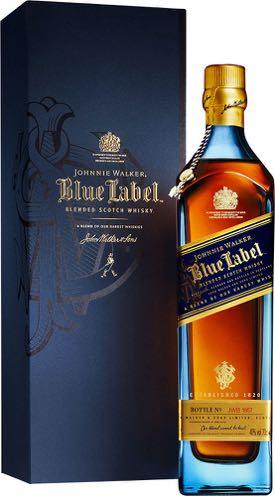
Nik Jhangiani, Interim Chief Executive, Diageo, saidThis agreement marks a great moment for both Scotch and Scotland, and we’ll be raising a glass of Johnnie Walker to all those who have worked so hard to get it secured.”

Chivas Brothers says it’s a ‘Sign of Hope’

Jean-Etienne Gourgues, Chairman and CEO, Chivas Brothers saidSignature of the UK-India FTA is a sign of hope in challenging times for the spirits industry.  India is the world’s biggest whisky market by volume and greater access will be an eventual game changer for the export of our Scotch whisky brands, such as Chivas Regal and Ballantine’s.”

The deal will support long term investment and jobs in our distilleries in Speyside and our bottling plant at Kilmalid and help deliver growth in both Scotland and India over the next decade. Let’s hope that both governments will move quickly to ratification so business can get to work implementing the deal!

India-EU FTA Talks on May 12; Will there be trade-off between textiles and alcobev?

The next round of free trade agreement (FTA) talks between India and the European Union is slated from May 12 to 16 and both sides are pushing for early resolution of FTA with the latter seeking reduced tariffs on key exports such as whisky, wine, and automobiles, while India is wanting tariff drop on textiles.

The EU is negotiating on tariffs on cars, whisky and wine to be brought down from 150% to 100%. Away from the EU, Australia was able to negotiate a deal with India for reduced duties for premium wines. However, European exporters opine that India remains one of the toughest wine markets due to state-level excise duties that further raise costs.

India, on the other hand, is pushing for reduced tariff on textile exports. Presently, India is hit by an additional 10% tariff on textile exports, in the absence of an FTA. Bangladesh and Vietnam, strong textile markets, are benefitting, as the former concluded in 2001 an EU-Bangladesh Cooperation Agreement, while Vietnam and EU signed the FTA in 2020.

After an eight-year hiatus, talks between India and the EU resumed in June 2022. The bilateral trade between the two surpassed US$200 billion in 2023. India exported US$75.18 billion in goods and US$31.13 billion in services to the EU, while imports from the EU stood at US$63.44 billion in goods and US$31.35 billion in services.

The Additional Secretary in the Department of Commerce L Satya Srinivas said that the tenth round of talks focussed on areas like market access offers in goods, services, investment. He said, “Both sides have agreed to accelerate efforts to advance the negotiations.”

FTA between India and the UK likely in early 2025

On December 3, the second India-UK 2+2 Foreign and Defence Dialogue was convened in New Delhi. The Indian delegation was led by Piyush Srivastava, Joint Secretary, Europe West, Ministry of External Affairs, and Vishwesh Negi, Joint Secretary, International Cooperation, Ministry of Defence. The UK delegation was led by Ben Mellor, India Director, Indian Ocean Directorate, Foreign, Commonwealth & Development Office and Shimon Fhima, Director Strategic Programmes, Ministry of Defence.

Both sides discussed the entire gamut of India-UK comprehensive Strategic Partnership and emphasised the importance of sustained high-level engagement to advance the dynamic partnership between the two countries. The delegations reviewed progress under the India-UK Roadmap 2030 and agreed on the need to revitalise the partnership by identifying new focus areas of collaboration and work towards a refreshed roadmap.

The discussions covered key priorities including strengthening economic and trade ties with focus on early conclusion of mutually beneficial FTA, bolstering defence and security ties including in areas of cyber and counter terrorism, fostering innovation in critical and emerging technologies, deepening cooperation in clean and green energy and technology, health and enhancing cultural, educational and people to people linkages.

It was agreed that the third edition of the dialogue will be held in the UK at a mutually convenient date in 2025. The two sides unveiled the 10-year roadmap in 2021 to expand ties in the key areas of trade and economy, defence and security, climate change and people-to-people connections among others.

Narendra Modi, Prime Minister of India

It may be mentioned here that during the recent G20 summit in Rio de Janeiro, Prime Minister, Narendra Modi and the British Prime Minister Keir Starmer, the latter had stated that the negotiations for the FTA would be relaunched in 2025.  The FTA talks had been paused because of elections in both the countries.

Keir Starmer, Prime Minister of the United Kingdom

The India-UK talks for the proposed FTA began in January 2022. The two sides have held 14 rounds of negotiations on it so far. Both countries aim to strengthen their existing £42 billion (US$52.05 billion – ₹4.48 trillion) annual trade partnership.

Keir Starmer had said, “Boosting economic growth is key to improving living standards for working people. A new trade deal with India will support jobs and prosperity in the UK – and represent a step forward in our mission to deliver growth and opportunity across our country.” Welcoming the statement, India’s Minister of Commerce and Industry, Piyush Goyal hoped that the FTA would be a win-win for both.

UK-India trade

As per reports, the trade between India and the UK was USD21.34 billion as of 2023-24 with UK exports to India accounting for a substantial chunk of that at USD16.6 billion. India, in turn, aims to expand its exports to the UK, targetting USD30 billion by 2030. Mineral fuels, machinery, precious stones, pharmaceuticals, apparel, iron and steel, and chemicals form the bulk of India’s exports to the UK, contributing 68.72% of the total export value.

Britain is aiming to touch USD36 billion by 2035. The UK has been wanting an agreement that includes cutting tariffs on exports of British-made cars and Scotch whisky.

According to Volza’s India Import data, India imported 7,922 shipments of Scotch whisky during March 2023 to February 2024. These imports were supplied by 169 foreign exporters to 159 Indian buyers, marking a growth rate of 3% compared to the preceding twelve months. Within this period, in Feb 2024 alone, India imported 489 Scotch whisky shipments. This marks a year-on-year growth of -16% compared to Feb 2023, and a -9% sequential increase from Jan 2024. India imports most of its Scotch whisky from the United Kingdom, Singapore and the United Arab Emirates.

India leads in Scotch Whisky imports

Globally, the top three importers of Scotch whisky are India, United States and Peru. India leads the world in Scotch whisky imports with 77,806 shipments, followed by United States with 13,417 shipments, and Peru taking the third spot with 2,489 shipments.

It is important to understand how the FTA would impact both the countries. Firstly, it would lead to tariff reductions on Scotch whisky and other products coming from the UK, while India is seeking better access to its goods and professionals. The UK has been negotiating for reduced import duty on Scotch whisky from 150% to 75% immediately when signing the FTA and thereafter to 30% over a period of three years. While Indian whisky makers are open to a reduction, they are opposed to the scale proposed by the UK negotiators.

SWA bats for reduced tariffs

The Scotch Whisky Association has stated that Scotch whisky is the world’s number one internationally traded spirit with exports worth over £5.6bn in 2023. 43 bottles of Scotch Whisky are shipped every second to around 168 global markets, totalling the equivalent of 1.35bn bottles (70cl @40% ABV).

As in 2022, Asia-Pacific continued to dominate as Scotch whisky’s largest regional market by value in 2023, supported record value exports to China, a market up 165% on 2019, and value uplifts Singapore (19%) and Taiwan (8%). Premiumisation of Scotch whisky remains a driver in these key markets: single malt Scotch whisky continued to rise in popularity among a growing cohort of consumers, with double digit growth in China and Singapore on 2022.

The Association cited 2023 exports to India which fell in volume and value compared to 2022, the fall coming against a backdrop of ongoing UK-India FTA talks and the Scotch whisky industry’s calls for a trade agreement which lowers the 150% tariff on Scotch imports into India, which would lead to significant export growth to the market.

Mark Kent, The Association Chief Executive, The Scotch Whisky Association

India is Scotch whisky’s second largest export market by volume, with the equivalent of more than 219 million bottles exported there in 2022. The volume of Scotch whisky exports to India have grown by more than 200% in the past decade alone, and whisky is hugely popular in India. In fact, India is the largest whisky market in the world. But while many Indian consumers are keen to add a bottle of Scotch to their shelves, bars and collections, Scotch whisky has just a 2% share of the Indian whisky market. There is huge potential for that to grow.

The Association Chief Executive, Mark Kent said, “The negotiations offer new hope for reducing the longstanding 150% tariff on Scotch Whisky in India. The UK/India trade talks are a golden opportunity to reach an ambitious tariff reduction in an early harvest deal that could grow Scotch whisky exports to India by £1 billion over five years. Tackling the tariff and State level regulatory issues would open the market up to smaller producers who are effectively locked out by the substantial barriers to trade. Improved market access for Scotch would enable an increasing number of Indian consumers to enjoy our premium product. It would also be good for our industry and Indian government tax revenues – a win-win for all.”

Barriers to export success

The Association added that Scotch Whisky is popular among Indian consumers, but a 150% tariff on imports of Scotch Whisky into India mean that it’s significantly more expensive to buy Scotch over Indian whiskies. As a result, India sees many ‘fake’ Scotch whiskies on the market, produced cheaply and traded on the reputation of Scotch whisky as a premium product. This unfair competition, alongside the 150% tariff and combined with the complexity of exporting whiskies into India, mean that many Scotch whisky producers are unable to enter this important market. Breaking down these barriers to trade in India would open up huge opportunities for Scotch whisky exports. 

Potential for USD1.3 billion over next five years

The Association added that a UK-India trade deal has the potential to increase Scotch whisky exports to the country by £1bn over the next five years. “Reducing the 150% tariff on Scotch Whisky would make it more affordable in India, while still remaining a high-end, premium product. If the tariff were liberalised, Scotch whisky’s market share could treble to 6%, giving greater access to Scotch whisky products for Indian consumers, but still allowing Indian whiskies and other spirits to retain the dominant share of the market.”

Good for Scotland and the UK

Many more Scotch whisky companies – including smaller and independent producers – would gain access to the Indian market to sell their whiskies. If the tariff were reduced and exports were to rise, India would overtake France as Scotch Whisky’s second largest market by value worldwide, second only to the United States.

Boosting access to the Indian market would secure jobs and investment in the Scotch whisky industry across Scotland into the future. The industry’s contribution to the economy would rise by more than £300 million to nearly £6bn. Higher exports mean higher production – there would be a significant impact into the supply chain in Scotland and across the UK, also growing jobs and investment.

Good for India

The Association mentioned that “bringing down the 150% tariff on Scotch whisky would increase Indian government tax revenue at federal and state level by £3.4 billion annually through an increase in sales. Scotch whisky would be able to compete fairly alongside Indian whiskies, which will continue to dominate the Indian whisky market.

Because a lot of the whisky exported to India is sent in bulk (some for bottling as Scotch whisky, most for use in Indian whisky) bringing down the tariffs would also support domestic producers, reducing their costs and boosting employment in the Indian industry.” However, the Indian whisky manufacturers are opposed to the scale of reduction and are ok with tariffs reduced progressively to 50% over the next 10 years. The negotiations are going to be tough and it remains to be seen who will stand to benefit.

UK wants to say Cheers with Scotch despite tariffs

In a recent visit to India, UK Ex-Prime Minister Boris Johnson decided to push for a Free Trade Agreement. The idea was to have fewer trade barriers between the two countries. In other words, an agreement that would help both countries ship products and services without excessive taxes.

For the UK Scotch whisky is the elixir perhaps because of Brexit. UK voted to leave the European Union and perhaps what went unnoticed was third of the country’s whisky exports -  £1.3 billion ($1.65 billion) worth actually, went to EU countries. Post-Brexit however, that isn’t the case. The move has cost the scotch whiskey industry £5 million ($6.3 million) every week. And now they’re being forced to work with every EU country independently. They have to deal with different shipping norms, separate customs requirements and a whole host of packaging regulations.

It turns out that all these issues have prompted the UK to think differently and find newer markets. First, they targetted Australia and struck a deal — to remove a 5% tariff on scotch whisky. Elsewhere the UK managed to obtain the coveted “protected status” for its whisky by inking separate deals with Japan, Norway, Iceland and Liechtenstein. This will protect their scotch whisky from imitation, misuse, or any other forms of intellectual abuse.

And the focus shifted to India, a country that consumes more whiskey than any other country in the world. One in every two bottles of whiskey is now sold in India and the UK wants to make up for the loss in sales in the European Union by growing its market in India.

The UK allows ALL imports of Alcoholic Beverages into the country to be taxed to NIL customs duty and this is not just from India, it’s from 70+ other countries, that supply AlcoBev to the UK. Similarly, the conditions about a minimum three-year maturity, type of substrate used, the absence of additives, etc. are all equally applicable to Whiskies from all supplying countries, including the UK. So, there are no India-specific barriers that some players are seeking removal of. On the other hand, India imposes customs duty of 150% on all imports of Alcoholic Spirits, from all countries including the UK (which has the largest share of such imports), says I P Suresh Menon, Secretary General, ISWAI (International Spirits and Wine Association of India).

But the whiskey definitely dominates the Indian market, almost contributing 60% of sales to the IMFL (Indian Made Foreign Liquor) segment. But if you’re a person who enjoys a glass every now and then, you’d know there’s a difference between Indian whiskey and Scotch whisky.

Scotch whiskey is typically of Scottish origin and made from grains - primarily barley. On the other hand, IMFL is made from molasses, a by-product of sugar production and grains. It is much cheaper. So in some ways, IMFL liquor outsells its foreign counterpart in a massive way. But there’s another roadblock for foreign manufacturers - Taxes! See, taxing liquor is a wonderful source of revenue for the Indian government. For instance, five southern states namely Andhra Pradesh, Telangana, Tamil Nadu, Karnataka, and Kerala generate 10% of their revenues from taxes on liquor sales alone. And you can see why they want to impose even higher taxes on imported liquor. In fact, import duties can go as high as 150% in some cases. And that means, even though Scotch Whisky imports in the country have risen 200% in the past decade, it still only commands a tiny 2% market share in the Indian markets.

Now imagine if the tariffs were removed completely. What would that mean for the UK and Scotch Whisky industry. Well market sources contend that the market share could reach as high as 6%.

And so you can see why this makes total sense for whiskey manufacturers in the UK. But do Indians benefit in any way?

Well, for starters Scotch Whisky will likely become more affordable and more Indian whisky producers will use more Scotch in their IMFL and will premiumise their brands to an extent that the difference between Scotch and IMFL would not be much different. So it will mean that Indian consumers will get a product as good as Scotch at a favourable price. But cutting importing duties could also bump up revenues for the government. For instance, last year, the Maharashtra government slashed excise duty by 50% on imported liquor. And it now expects revenue to rise by ₹150 crores — from the sale of imported scotch annually.

And finally, with over 19 million new consumers coming of “legal drinking age” each year, India is definitely a market that liquor makers would like to tap into. Guess it will be a win-win situation for consumers. The Indian government may be tempted to go ahead with deal as the possibility of revenues rising in a sustainable manner is a good possibility.

According to Director General of the Confederation of Indian Alcoholic Beverage Companies (CIABC apex body for domestic liquor firms), Vinod Giri, this FTA also holds significant importance for India in the scope of future trade with the United Kingdom as trade competitors like Bangladesh, Sri Lanka, and Pakistan enjoy duty-free merits under the UK’s generalised scheme of preferences. Indian liquor producers are keen to enjoy newer markets for their products in the United Kingdom but are hindered by the stipulation that whiskey exported to the Brits should be Grain based and aged for three years. At the same time, liquor produced in India is not aged.

  • Refined Oil (9.7% of all UK goods imported from India)
  • Clothing (9.6%)
  • Medical and pharmaceutical Products (5.6 %)
  • Miscellaneous Metal Manufactures (5.1%)
  • Textile Fabrics (5.0%)

All these products were the primary imports to India from the United Kingdom, but as the pact stands on the brink of either collapse or being executed after several reconsiderations. A recent list had brought forward 240 odd items which would face trade duty deductions once the agreement is executed. From this pool of 240 things, a few that stand out are whisky, cars, vaccines, basmati rice, wool, and tea premix. As of now, no indication has been released about the possible way out of the situation, but in the coming future, it’s possible that the pact might be passed with several reconsiderations and follow-up procedures. Currently, diplomatic negotiations of the highest level are going on between the countries.

Amid reports of the UK seeking massive tariff concessions on imports of scotch whiskey during ongoing free trade agreement (FTA) negotiations, liquor sector association Confederation of Indian Alcoholic Beverage Companies (CIABC) has written to the government strongly objecting to any plans to slash Basic Customs Duty (BCD).

A reduction in BCD, it said, will adversely affect Indian Made Foreign Liquor (IMFL) brands since imports already dominate the Indian alcoholic beverages market. CIABC has been part of several recent meetings hosted by the Ministry of Commerce with stakeholders before the trade talks with the UK.

“India exports just ₹5 crore worth of alcoholic beverages annually to the UK against an import of ₹1,300 crores. Exports to the UK constitute only 0.2% of India’s total exports of alcoholic beverages whereas imports from the UK are 24% of India’s total import of alcoholic beverages,” said Vinod Giri, DG, CIABC.

Giri further noted that “restrictive” trade policies are also hampering the growth of Indian exports. “While the export of alcoholic beverages from India stood at 7.3 million cases (9 litre each) in the year 2019-20, exports to the entire EU (including the UK) were less than 30,000 cases which consisted of Indian super premium malt whiskies,” he pointed out.

CIABC said that the United Kingdom should also remove restrictions such as a minimum three years’ maturation period for whiskey and rum, since it has been scientifically established that in warm Indian conditions, spirit ages 3-3.5 times faster than in the UK. Giri added that a BCD cut would skew the balance of trade.

A notion worth dispelling is that Scotch whiskies are costlier to produce; it is 50% more expensive to produce it in India than in Scotland.

In wake of the Indo-UK trade discussions, many ‘experts’ argue for reduction in tariff, particularly slashing custom tariffs on imported Scotch and on ‘Intermediate’ products which they say are nothing but high-strength, potable, undenatured ethyl alcohol used for bottling and blending in India.

They argue on three main grounds. One, that India has a large trade surplus in the category and can afford greater imports; two, customs duty reduction on intermediate products will encourage ‘Make in India’; and three, even if tariff is reduced the bulk of consumption will remain locally produced whiskies — so why bother.

This industry contributes nearly ₹250,000 crore in taxes and for most states it constitutes 15-30% of revenue. Customs duty is not even ₹5000 crore in comparison. Second, this industry uses agricultural products as primary raw material and nearly 50 lakh farmers depend on it. It provides employment to 20 lakh people. Any disruption will have widespread ramifications for the government, farmers and labour market.

The problem with the first argument is that it hides the true balance of trade on alcoholic beverages using a wider head of ‘Food and Drinks’. If one separates alcoholic beverages/products for human consumption from the wider clubbing of ‘Food and Drinks’, a very different picture emerges.

As per DGFT data for 2018-19, India exports only ₹5 crore worth of alcoholic products/beverages to the UK, against import of ₹1300 crore. Clubbing alcohol under a much bigger ‘Food & Drink’ category to claim favourable balance of trade is highly misleading.

The second argument is also a misconception. Scotch Whisky goes through two major stages of productions — distillation and bottling. The ‘Intermediate’ Scotch whisky is actually the output of the first stage, it has been produced and matured in Scotland. What happens in India is only bottling. Therefore, while incentivising intermediate products through reduced or zero duty will lead to an increase of usage of bottling plants in India, which will be a big loss for Indian farmers and manufacturers.

The third argument misses out on three vital points. One, in product categories with multiple price segments like whisky, consumers seamlessly shift to the next category up or down depending on affordability.

So, when a Scotch whisky is sold at a lower price it takes away consumers from products in the price segment, starting a domino effect that makes the domestic industry the net loser. Two, introduction of Scotch whisky at lower price attacks the profit driving end of portfolio of Indian companies, thus jeopardising their viability. Third, Indian premium whiskies like Amrut, Paul John or Rampur are now regarded amongst the best in the world but are unable to make the same headway in the domestic market due to an unsupportive regime and reducing customs duty further just will not help.

Another notion worth dispelling is that Scotch whiskies are costlier to produce. Rather, it costs at least 50% more to produce a whisky of similar quality in India than in Scotland. This is primarily on account of a higher cost of capital and higher taxes in India, interstate restrictions and higher evaporation losses.

Also, many states offer concessionary taxes on imported products, but reduction in customs tariffs cannot be done without removing compensatory state-based concessions as otherwise it will create a hugely discriminatory tax regime against Indian products.

If we talk about reciprocal duty concessions, the problem is that barriers put up by the UK are not tariff based but non-tariff ones. India, being a sugar producing country, has evolved whisky recipes based on spirit distilled from molasses. The UK does not accept this as it is not “recipe standards”. The result of these non-tariff barriers is that of the 70 lakh cases of whisky exported from India every year, the whole of the EU including the UK accounts for less than 30,000!

Indian industry is not against reducing customs duty on alcohol, but it should be in a phased manner and up to a point where it creates a level playing field.

Accordingly, it has put forward its recommendation to reduce import taxes, aggregate of customs duty and AIDC, from 150% to 100% now and to 75% in five years’ time. It has also recommended a threshold import price for taxation at $5 per bottle, and reciprocal concessions from the UK allowing whiskies from India to be allowed in the UK market as ‘Indian Whisky’ without minimum maturity conditions.