Tag Archives: iswai

India-European Union FTA Signed: ‘Mother of all Deals’

  • Indian duties on wines, currently at 150%, will be cut to 75% upon entry into force and gradually reduced further to 40%
  • EU and India already trade over €180 billion worth of goods and services annually
  • FTA to come into effect early 2027
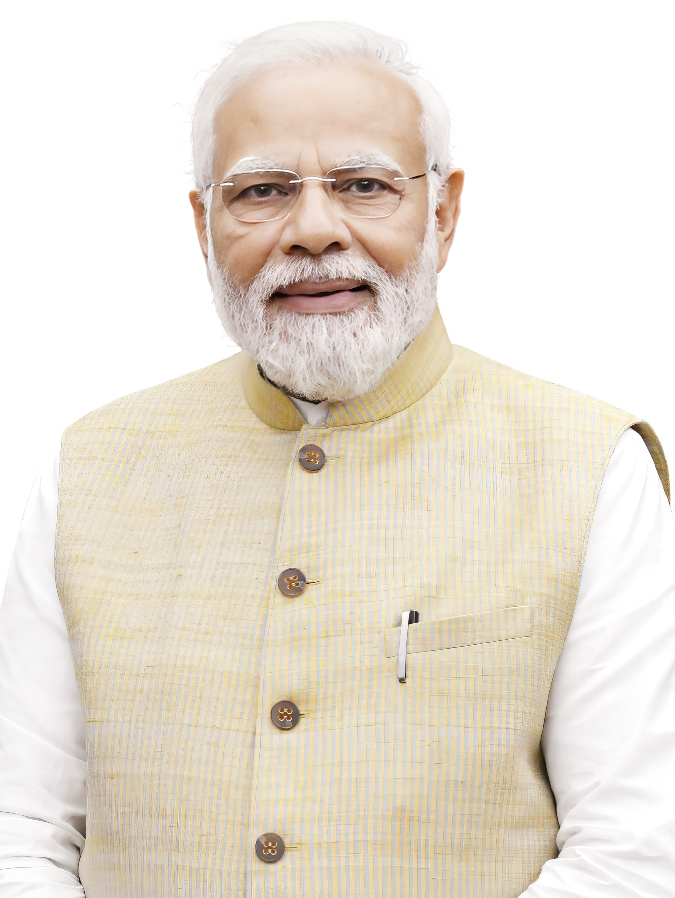
Narendra Modi, Prime Minister of India

The India–European Union Free Trade Agreement (FTA) was formally concluded on January 27, 2026, marking what leaders on both sides described as a historic reset in economic relations between two of the world’s largest democratic economies. Prime Minister Narendra Modi confirmed the signing while addressing Indian Energy Week, calling it a “significant agreement” that has opened up “a lot of opportunities for 140 crore Indians and crores of Europeans.” The deal, he said, was already being discussed as the “mother of all deals”, underlining its scale and strategic importance.

Ursula von der Leyen, European Commission President

European Commission President Ursula von der Leyen echoed that sentiment, describing the agreement as a landmark in rules-based global trade. “The EU and India make history today, deepening the partnership between the world’s biggest democracies. We have created a free trade zone of 2 billion people, with both sides set to gain economically. We have sent a signal to the world that rules-based cooperation still delivers great outcomes,” she said. The agreement, she added, is only the beginning of a stronger and more comprehensive partnership. “We did it. We delivered the mother of all deals,” she emphasised.

Commerce and Industry Minister Piyush Goyal, who has steered India’s recent trade negotiations with several developed economies, was emphatic about the scale of the breakthrough. Having concluded trade agreements with the UAE, Australia, the UK, Oman, New Zealand, Mauritius and the four-nation European Free Trade Association (EFTA), Goyal described the India–EU pact as the most consequential yet. “I have done seven deals so far. All with developed economies. This one will be the mother of all,” he said during his recent visit to Brussels, where final negotiations were completed.

A Historic and Ambitious Agreement

The India–EU FTA is the largest trade deal ever concluded by either side and will come into effect early 2027. It eliminates or reduces tariffs on over 96 percent of EU goods exports to India and is expected to potentially double EU goods exports to India by 2032. The tariff reductions are estimated to save around €4 billion annually in duties on European products.

The agreement comes at a time of geopolitical uncertainty and shifting global supply chains. It strengthens economic and political ties between the world’s second and fourth largest economies, creating a free trade zone covering nearly 2 billion people. The EU and India already trade over €180 billion worth of goods and services annually. In 2024, the EU was India’s largest trading partner, accounting for €120 billion worth of goods trade—about 11.5% of India’s total trade. India, in turn, was the EU’s ninth-largest trading partner.

Trade in services has also grown rapidly, reaching €59.7 billion in 2023, nearly doubling from €30.4 billion in 2020. The FTA grants privileged access to the Indian market of 1.45 billion people, with an annual GDP of €3.4 trillion and projected growth above 6 percent, making it one of the fastest-growing large economies in the G20.

The agreement also significantly reduces agri-food tariffs. Indian duties on wines, currently at 150%, will be cut to 75% upon entry into force and gradually reduced further to as low as 20%.

SpirtsEUROPE and ISWAI welcome FTA

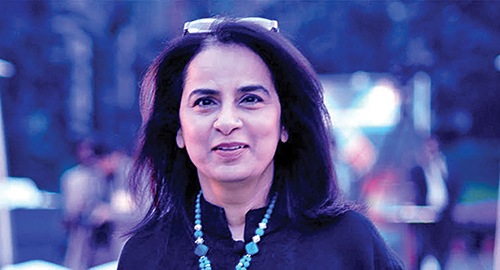
Sanjit Padhi, CEO, International Spirits & Wines Association of Indian (ISWAI)

The CEO, International Spirits & Wines Association of Indian (ISWAI), Sanjit Padhi said, “Following the successful conclusion of the IND-UK FTA, the India–EU FTA marks another significant milestone for the alcobev sector. This agreement not only deepens trade ties between India and the EU, but also fosters stronger collaboration and strategic partnership in the industry. It underscores the shared commitment to fair, balanced, and mutually beneficial trade that drives sustainable growth for both regions.”

 On tariff reduction and mutually beneficial trade: “While the detailed provisions of the agreement are awaited, the initially released agreement indicates that the proposed reduction in import tariffs from the current 150% to 75% across all EU spirits & wines categories from the entry into force of the agreement, is a clearly welcome development. The agreement further outlines that the tariffs will then be lowered to 40% for spirits and as low as 20% on wines in a phased approach. Taken together, these measures under the India- EU FTA offer significant strategic benefits for both markets. India’s increasingly aspirational and discerning consumers will gain improved access to premium international brands at more accessible price points. This broader choice is expected to enhance the overall consumer experience, accelerate premiumisation within the alcobev sector, support growth in allied sectors such as tourism and hospitality, and contribute positively to state revenues.” 

“A progressive FTA reinforces India’s position as a compelling investment destination and a growing export market for the alcobev sector. As the industry scales new heights, continued government support through tariff rationalisation and improved market access will be critical to sustaining growth momentum. The Indian alcobev industry is rapidly transitioning from a price-sensitive market to one driven by value creation and premiumisation, with Indian single malts leading this transformation and competing successfully with global benchmarks. The FTA will further enable Indian brands and Bottled-in-India products to access international markets, strengthen global partnerships, and truly advance the vision of ‘Make in India’ on the world stage.”

spiritsEUROPE calls it transformational deal

spiritsEUROPE has called the EU-India Free Trade Agreement (FTA), a transformational deal for the EU spirits sector that will significantly improve access to one of the world’s most important spirits markets.

Mark Titterington, spiritsEUROPE Director General

 “This agreement is a real game changer for our sector,” said spiritsEUROPE Director General Mark Titterington. “Cutting tariffs from 150% to 40% will unlock long-term growth, create new jobs across the value chain, and give Indian consumers greater choice through a complementary, rather than competing, offering. The deal benefits both sides: a stronger EU presence will support market diversification, boost revenues, attract investment, and generate downstream employment in India, without displacing domestic production.”

India is the second-largest spirits market globally by volume, after China, and its consumers drink more spirits than beer or wine. While the market remains primarily whisky-driven, growing demand for quality, authenticity, and premium products means all EU spirits categories stand to gain.

 Under the agreement, tariffs on EU spirits will be cut by half upon entry into force, followed by a gradual reduction to 40%. This represents a step change for the sector, building on a decade in which the value of EU spirits exports to India increased sixfold, despite historically high tariffs and regulatory barriers.

spiritsEUROPE also welcomes the creation of a dedicated EU-India Working Group on Wine and Spirits, which will allow both sides to deepen regulatory dialogue, enhance mutual understanding and address market access concerns.

 “The EU-India FTA opens a new chapter for spirits trade,” Mark Titterington added. “We look forward to working closely with authorities on both sides to ensure swift implementation. This agreement demonstrates how strong partnerships and open trade can deliver tangible growth and benefits for both economies.”

Alcobev Sector in Focus

Among the sectors expected to see transformative impact is alcoholic beverages (alcobev), an area that has long been constrained by steep tariffs and regulatory complexity. Barring agriculture, the FTA covers technology, pharmaceuticals, automobiles, textiles, steel, petroleum products, electronics and the alcobev sector. For European wine and spirits producers, India represents one of the last major high-growth markets still guarded by triple-digit tariffs.

India currently imposes some of the highest import duties globally on alcoholic beverages. Basic customs duties on wines and spirits can reach 150 percent, before state excise duties, additional levies and distribution mark-ups are applied. These high tariffs have historically restricted volumes and confined imported products largely to affluent urban consumers.

Yet the Indian alcobev market is undergoing structural change. The industry is witnessing premiumisation, with consumers in metro and tier-one cities increasingly trading up from mass-market domestic brands to premium and imported labels. Rising disposable incomes, exposure to global lifestyles, growth of organised retail and e-commerce (where permitted), and a younger demographic are reshaping consumption patterns.

Imports of distilled spirits into India were valued at approximately $572 million in 2023, reflecting steady growth in demand for premium international brands. Trade data for FY 2023–24 shows India imported wines worth about $412.4 million from the EU and spirits and liqueurs valued at $22.3 million. In contrast, India’s exports to the EU in wines were around $1.5 million and spirits and mixed products approximately $64.9 million. The asymmetry highlights both the EU’s dominance in premium alcohol categories and the untapped export potential for Indian producers.

Globally, the EU exported nearly €29.8 billion worth of alcoholic beverages in 2024, with wine accounting for the largest share, followed by spirits and liqueurs. India currently accounts for only a small fraction of these exports, underscoring the headroom for expansion if tariff barriers are eased.

Trade FlowProduct CategoryValue (Approximately)
India-EU ExportsWinesUSD 1.5 m
 Spirits and Mixed ProductsUSD 64.9 m
EU-India ImportsWines    USD 412.4 m
 Spirits & LiqueurUSD 22.3 m

FY 2023–24 trade data Ministry of Commerce

Tariff Rationalisation and Market Access

Under the FTA, phased tariff reductions on wines and spirits are expected to improve price competitiveness for European brands. While final schedules will determine the pace and depth of liberalisation, even gradual reductions could significantly narrow price gaps between imported and domestic premium products.

European producers—including wine exporters from France, Italy and Spain and spirits companies from France, Ireland, Germany and the Netherlands — view the agreement as a pathway to expand beyond niche luxury segments into broader premium categories. Multinational companies such as Pernod Ricard, Diageo, Rémy Cointreau and Beam Suntory have consistently advocated for lower duties and greater regulatory clarity in India.

From the EU’s perspective, the agreement is not solely about tariff cuts. Industry stakeholders have long sought improvements in regulatory predictability, faster label approvals and clearer distribution norms across Indian states. Alcohol in India is regulated at the state level, leading to a patchwork of excise structures, registration requirements and marketing restrictions. Greater transparency and streamlined processes under the FTA framework could reduce compliance costs and encourage deeper market penetration.

Lessons from UK and Australia Agreements

India’s approach to alcohol liberalisation has been cautious and calibrated, as seen in its recent trade agreements. Under the India–Australia pact, duties on premium Australian wines were reduced significantly, leading to improved competitiveness without overwhelming domestic producers. The India–UK FTA included phased duty reductions on certain spirits but maintained a protective stance toward wines.

The India–EU FTA, given the EU’s global leadership in wine exports, is expected to be broader in scope. European negotiators have pushed for meaningful tariff reductions, while Indian industry bodies such as the Confederation of Indian Alcoholic Beverage Companies (CIABC) have advocated safeguards such as minimum import prices, strict rules of origin and anti-dumping protections. These measures aim to prevent under-invoicing and trans-shipment while ensuring domestic manufacturers are not destabilised.

Opportunities for Indian Producers

For Indian alcobev companies, the FTA presents both competitive pressure and strategic opportunity. Lower import duties could intensify competition in premium segments such as single malts, gins, brandies and boutique wines, where European brands enjoy strong heritage appeal. However, Indian producers have been steadily upgrading quality and brand positioning.

Indian single malts and craft gins have gained international recognition in recent years, winning awards in global competitions. Companies with export ambitions see the EU as an attractive destination, offering a sophisticated consumer base and established distribution networks. While EU tariffs on alcohol are relatively low, non-tariff barriers, branding challenges and limited market access have constrained Indian penetration. Stronger intellectual property protections and improved services access under the FTA could ease some of these hurdles.

The agreement’s provisions on IP protection are particularly relevant for premium spirits, where trademarks, geographical indications and brand identity are central to market success. Enhanced enforcement mechanisms could help both European and Indian producers safeguard their brands against counterfeiting and misuse.

Structural Transformation and Long-Term Impact

The timing of the FTA aligns with broader shifts in India’s alcobev landscape. Urbanisation, hospitality sector growth, premium retail expansion and rising tourism are all contributing to category development. A more open trade regime could stimulate investment in distribution, warehousing and marketing infrastructure.

At the same time, policymakers must balance revenue considerations. Alcohol taxation is a significant source of income for Indian states. Any tariff rationalisation must be calibrated to avoid fiscal disruption while promoting trade expansion.

Ultimately, the India–EU Free Trade Agreement has the potential to reshape the alcohol trade between the two regions. For European producers, it opens the door to one of the most promising long-term growth markets in the world. For Indian companies, it presents a dual challenge: compete more effectively at home while leveraging improved market access to expand abroad.

Trilok Desai and R. Chandrakanth
December 2025 Issue

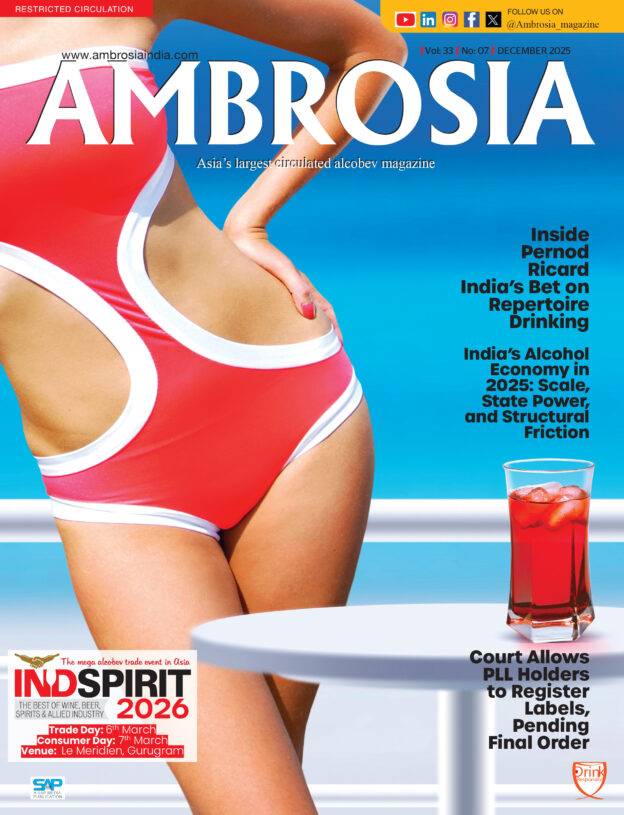
The December 2025 issue of Ambrosia is now live! (Click here)

The December 2025 issue of Ambrosia Magazine is here!

It features engaging and insightful articles such as:

• INDSPIRIT 2026
• What to expect in 2026
• Updates on the MML vs ISWAI case
• Pernod Ricard: India’s bet on repertoire drinking
• India’s alcohol economy in 2025: Scale, state power, and structural friction
• Court allows PLL holders to register labels, pending final order
• Exclusive interviews with Pernod Ricard and Bacardi, and many more

As 2026 Beckons: Reading the Signals of a Changing Alcobev India

INDSPIRIT 2026 and Tunes & Tonic Announced

If the final month of this year is anything to go by, 2026 promises to arrive with more than just optimism — it comes with momentum. The year gone by has been anything but quiet for India’s alcobev industry. From the Maharashtra government’s face-off with ISWAI to intense conversations around state control, taxation, and regulatory balance, 2025 has underlined how scale, state power, and structural friction continue to define this business. Yet, amid these challenges, the industry has also demonstrated resilience, adaptability, and an unmistakable appetite for growth.

Throughout the year, Ambrosia has stayed at the forefront of these developments — tracking policy shifts, decoding consumer behaviour, and spotlighting growth stories that make India’s alcobev landscape one of the most dynamic in the world. It is an industry shaped as much by regulation as it is by aspiration, and one that continues to evolve at a pace few global markets can match.

And speaking of consumer behaviour, 2026 will also mark the 21st edition of INDSPIRIT 2026, alongside the debut of Tunes & Tonic, a new consumer-facing experience set to take place in Gurugram on 6–7 March 2026. Together, these events promise to be bigger, bolder, and more immersive — celebrating the industry’s achievements while creating an energetic, music-led atmosphere that resonates with today’s experience-driven consumer.

In this issue, we continue that focus. Our editorial lens turns firmly toward the year ahead, unpacking insights that help decode where the Indian consumer is headed in 2026. From changing drinking occasions and premiumisation to the growing influence of moderation, mixers, and experience-led consumption, these stories are designed to help brands, distributors, and industry stakeholders plan better — whether that means sharper portfolios, smarter strategies, or more meaningful consumer engagement.

For those looking to understand the year that was, our feature India’s Alcohol Economy in 2025 offers a comprehensive snapshot of the forces that shaped consumption, regulation, and market sentiment. Built on perspectives from industry leaders, the article captures both the pressures and possibilities that defined the past year.

Equally compelling are our conversations with Jean Touboul, CEO of Pernod Ricard India, and Inderjit Singh Dhingra of Bacardi. Their insights shed light on how consumer preferences are shifting, how brands are responding, and what trends are likely to shape portfolios and conversations in the year ahead.

As the industry steps into a new year, one thing is clear — 2026 will reward those who listen closely to the market, adapt swiftly to change, and remain committed to quality and relevance. The challenges are real, but so are the opportunities. At Ambrosia, our endeavour remains unchanged: to inform, to question, and to provide clarity in a fast-evolving landscape. As the next chapter unfolds, we look forward to chronicling an industry that continues to redefine itself — one decision, one policy, and one drink at a time.

Court Allows PLL Holders to Register Labels, Pending Final Order

  • Government defends ‘Maharashtra Made Liquor’ (MML) policy citing increase in revenue by 17%
  • On December 16, United Spirits Limited applies for new label license – McDowell’s Century Blended Whisky, under MML category
  • 64% of the total liquor manufactured in 2024–25 is from nine potable liquor license (PLL) holders
  • MML necessary to revive struggling domestic license holders, government contention
  • Section 49 of Maharashtra Prohibition Act Invoked, Questions Locus Standi of ISWAI

The Bombay High Court in its hearing on December 23 has allowed all companies to apply and directed the Excise Department to process their application for Maharashtra Made Liquor (MML) license, irrespective of earlier conditions. The Interim direction is subject to the final order.

The Court has posted the next hearing to January 19, 2026.

Justice Revathi Mohite Dere and justice Sandesh Dadasaheb Patil are hearing the case. It must be mentioned here that Justice Dere has been recommended as Chief Justice of Meghalaya starting mid January.

The December 23 directive basically states that all potable liquor licenses (PLL) holders should be allowed to apply for production and sale of MML and the Department must process their applications as if the exclusionary clauses 2 and 3 of the Government Regulations don’t exist (examples being Registered Office should be in Maharashtra; minimum 25% locally resident Directors; no foreign investment etc). 

Department Cites Revenue Increase

On December 16, the Government of Maharashtra, had defended in the Court the MML policy, stating that it had led to a nearly 17 per cent increase in excise revenue. The government informed the Court that it had invoked Section 49 of the Maharashtra Prohibition Act, which gives it ‘exclusive privilege on trade in excisable articles’, thus questioning the locus standi of the International Spirits and Wine Association of India (ISWAI) which has filed the petition challenging the MML policy.

The government made the submission in response to the petition of ISWAI which represents several companies including global giants such as Pernod Ricard, Diageo and Bacardi.

The State Government took shelter under Section 49 of the Maharashtra Prohibition Act to argue that trade in excisable articles remains the exclusive privilege of the government, which may be conferred only upon license-holders for consideration.

While acknowledging that one ISWAI member, Pernod Ricard India, holds two potable liquor licenses (PLL), in Nashik and Kolhapur, the government affidavit said that most other members do not operate manufacturing units in Maharashtra. The State questioned ISWAI’s locus standi to challenge the policy, pointing out that ISWAI does not hold any potable liquor license.

“The State government has not imparted this privilege to ISWAI, it does not hold the right to bring an action against the policy decision on behalf of the alleged members of the association.”

Excise Revenues Surge

The Government representatives also made out a case of how excise revenue had surged post introduction of the policy. The excise collections between July and November 2025 rose from ₹9,665.64 crore in 2024–25 to ₹11,299.40 crore in 2025–26, it mentioned.

This growth contrasts with the average 12% rise recorded between April and June 2025, before duty revisions and the rollout of MML. “This shows positive growth after introduction of new policy,” the government said. The government further argued that the policy was aimed at addressing an uneven competitive landscape, promoting local liquor manufacturers and reviving idle capacities in domestic distilleries.

The government said that about 64% of the total liquor manufactured in 2024–25 came from nine potable liquor license (PLL) holders, many linked to ISWAI members or their subsidiaries. The State argued that these figures justified creation of the MML category and a reserved, incentive-based policy was necessary to revive struggling domestic license holders.

ISWAI had challenged the policy as arbitrary and discriminatory, arguing that it violates Article 14 of the Constitution by creating “a preferential class” of PLL holders who alone may manufacture MML, while excluding similarly placed licensees, including its members.

ISWAI argued that this criteria defeats the purported objectives of employment generation, investment promotion, full-capacity utilisation of distilleries and enhancement of excise revenue. It added that the same policy goals could be achieved by allowing all PLL holders to produce MML rather than reserving lower taxes and a price brand for a narrow class of locally structured licensees.

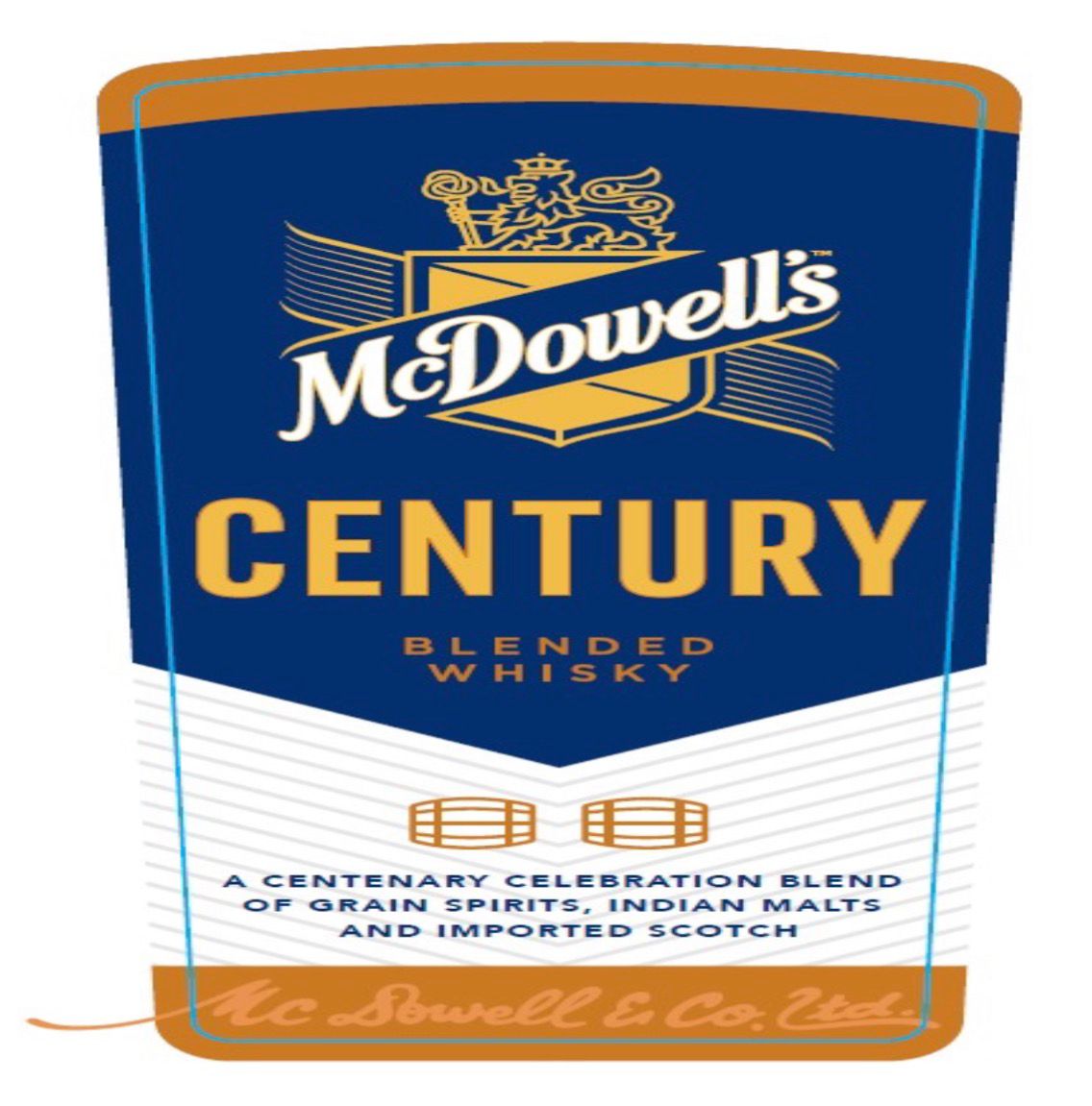
Even while, the Court is hearing the case, United Spirits Limited with unit in Chikhalthana in Aurangabad taluk has applied under MML category a label by name ‘McDowell’s Century Blended Whisky to be sold exclusively in Maharashtra.

Court Directs Department to Open Portal for Label Registration

On November 24, the Court had allowed the State and other stakeholders to go ahead with preparatory steps for execution of the policy decision, but clarified that the same will be without prejudice to the outcome of the case.

The Court had directed the Government representatives to open the portal for any alcobev player from within the state. However, till December 9, the excise department had not facilitated that process, forcing the Court to take notice of that and cautioning the government.  A two-judge bench headed by Senior Judge Revathi Mohite Dere asked why the excise department had not followed the court directive and cautioned the government that it would take serious notice of the lapse.

Department Holds Right to Accept or Reject Application

Sources in the Excise Department clarified that the portal is open for anyone to file an application for registering their labels, but it is the department’s prerogative to accept or reject the application.

The ISWAI contention has been that the process for companies to get their labels registered is time-consuming, not less than 45 days, and with the court case going on there would be further delay. This, the ISWAI source mentioned would give undue advantage to the eight players who have been granted licenses to set up MML units. They are already marketing MML in the price band of Rs. 160 and Rs. 205 where brand really does not matter to a particular segment of consumers.

MML Category Doing Well

As of now, reports from the ground indicate that the products launched under the MML category are doing ‘extremely well’ with product quality being good. Some of the MML players or the consultants who are guiding them come with enormous experience in the liquor industry, either having worked in major companies or having bottling plants or ethanol units. Some of them also own retail shops across Maharashtra where they can give good shelf position for their products.   

The ISWAI source said that many of the players were ‘commodity players’ and not ‘brand players’ and they would flood the market having a good lead over the established companies. The source acknowledged that the MML players had drafted consultants who have had strong background in the liquor business and are helping the licensees to set up the businesses, thus giving ‘undue advantage’ to them.

In mid-2025, the Maharashtra government introduced policy changes to incentivise local investment. It brought in the MML category, to include grain-based spirits produced exclusively by local manufacturers. The tax rate for MML is 270 per cent with zero foreign investment/ownership. The government believes that this will spur the local industry.

ISWAI then filed a lawsuit against the Maharashtra government, challenging the sharp hike in excise duty on premium affordable liquor brands and also for exclusion of brands of major players such as Diageo India and Pernod Ricard India from the newly-created lower tax category of MML.

The court also asked the government lawyer why the report of the Varsha Nair Committee was not submitted earlier on MML. The report highlights certain salient points to encourage those distilleries which are closed or underutilised in Maharashtra to produce cheap liquor. The report added that this would generate additional revenue to the excise department as well as generate employment provided it is made in Maharashtra for distribution in Maharashtra. It also prescribes certain minimum shareholding pattern for owners.

Eleven Licenses Approved, Several in the Pipeline

So far, the department has approved eleven MML licenses and many more are pending. Companies, both International and nation, are keen on jumping on to this MML bandwagon to produce economy liquor priced between Rs.160 and Rs.205 for the Maharashtra consumers even while their focus is on premium brands. These companies could launch similar products in this price range with some brand extensions and so on. 

The Government is represented by Advocate General Milind Sathe with government pleader Neha Bhide and additional government pleaders Shruti Vyas and GR Raghuwanshi. ISWAI is represented by senior advocate Rohan Shah and advocates Darshan Bora, Chirag Shetty, Anchal Mundada, Kanika Birje, Surabhi Prabhudesai, and Vidhi Shah.

Trilok Desai / R.Chandrakanth

Ambrosia


Section 49 in The Maharashtra Prohibition Act

Exclusive privilege of Government to import, etc., intoxicants, etc., and fees levied include rent or consideration for grant of such privilege to person concerned.

Notwithstanding anything contained in this Act, the State Government shall have the exclusive right or privilege of importing, exporting, transporting, manufacturing, bottling, selling, buying, possessing or using any intoxicant, hemp or toddy, and whenever under this Act or any licence, permit, pass, thereunder any fees are levied and collected for any licence, permit, pass, authorisation or other permission given to any person for any such purpose, such fees shall be deemed to include the rent or consideration for the grant of such right or privilege to that person by or on behalf of the State Government.

Section 49 of Maharashtra Prohibition Act Invoked, Questions Locus Standi of ISWAI

• Government defends ‘Maharashtra Made Liquor’ (MML) policy citing increase in revenue by 17%

• On December 16, United Spirits Limited applies for new label license – McDowell’s Century Blended Whisky,under MML category

• 64% of the total liquor manufactured in 2024–25 is from nine potable liquor license (PLL) holders

• MML necessary to revive struggling domestic license holders, government contention

The Government of Maharashtra, on December 16, defended in the Bombay High Court its newly introduced Maharashtra Made Liquor (MML)’ policy, stating that it had led to a nearly 17 per cent increase in the excise revenue. The government informed the Court that it had invoked Section 49 of the Maharashtra Prohibition Act, which gives it ‘exclusive privilege on trade in excisable articles’, thus questioning the locus standi of the International Spirits and Wine Association of India (ISWAI) which has filed the petition challenging the MML policy.

The next hearing is on December 23. 

The government made the submission in response to thepetition of ISWAI which represents several companies including global giants such as Pernod Ricard, Diageo and Bacardi. 

The State Government took shelter under Section 49 of the Maharashtra Prohibition Act to argue that trade in excisable articles remains the exclusive privilege of the government, which may be conferred only upon license-holders for consideration.

While acknowledging that one ISWAI member, Pernod Ricard India, holds two potable liquor licenses (PLL), in Nashik and Kolhapur, the government affidavit said that most other members do not operate manufacturing units in Maharashtra.The State questioned ISWAI’s locus standi to challenge the policy, pointing out that ISWAI does not hold any potable liquor license.

“The State government has not imparted this privilege to ISWAI, it does not hold the right to bring an action against the policy decision on behalf of the alleged members of the association.”

Excise Revenues Surge

The Government representatives also made out a case of how excise revenue had surged post introduction of the policy. The excise collections between July and November 2025 rose from ₹9,665.64 crore in 2024–25 to ₹11,299.40 crore in 2025–26, it mentioned.

This growth contrasts with the average 12% rise recorded between April and June 2025, before duty revisions and the rollout of MML. “This shows positive growth after introduction of new policy,” the government said. The government further argued that the policy was aimed at addressing an uneven competitive landscape, promoting local liquor manufacturers and reviving idle capacities in domestic distilleries.

The government said that about 64% of the total liquor manufactured in 2024–25 came from nine potable liquor license (PLL) holders, many linked to ISWAI members or their subsidiaries. The State argued that these figures justified creation of the MML category and a reserved, incentive-based policy was necessary to revive struggling domestic license holders.

ISWAI had challenged the policy as arbitrary and discriminatory, arguing that it violates Article 14 of the Constitution by creating “a preferential class” of PLL holders who alone may manufacture MML, while excluding similarly placed licensees, including its members.

ISWAI argued that this criteria defeats the purported objectives of employment generation, investment promotion, full-capacity utilisation of distilleries and enhancement of excise revenue. It added that the same policy goals could be achieved by allowing all PLL holders to produce MML rather than reserving lower taxes and a price brand for a narrow class of locally structured licensees.

Even while, the Court is hearing the case, United Spirits Limited with unit in Chikhalthana in Aurangabad taluk has applied under MML category a label by name ‘McDowell’s Century Blended Whisky to be sold exclusively in Maharashtra.

Court Directs Department to Open Portal for Label Registration

On November 24, the Court had allowed the State and other stakeholders to go ahead with preparatory steps for execution of the policy decision, but clarified that the same will be without prejudice to the outcome of the case.

The Court had directed the Government representatives to open the portal for any alcobev player from within the state. However, till December 9, the excise department had not facilitated that process, forcing the Court to take notice of that and cautioning the government. A two-judge bench headed by Senior Judge Revathi Mohite Dere asked why the excise department had not followed the court directive and cautioned the government that it would take serious notice of the lapse. 

Department Holds Right to Accept or Reject Application

Sources in the Excise Department clarified that the portal is open for anyone to file an application for registering their labels, but it is the department’s prerogative to accept or reject the application. 

The ISWAI contention has been that the process for companies to get their labels registered is time-consuming, not less than 45 days, and with the court case going on there would be further delay. This, the ISWAI source mentionedwould give undue advantage to the eight players who have been granted licenses to set up MML units. They are already marketing MML in the price band of Rs. 160 and Rs. 205 where brand really does not matter to a particular segment of consumers. 

MML Category Doing Well

As of now, reports from the ground indicate that the products launched under the MML category are doing ‘extremely well’ with product quality being good. Some of the MML players or the consultants who are guiding them come with enormous experience in the liquor industry, either having worked in major companies or having bottling plants or ethanol units. Some of them also own retail shops across Maharashtra where they can give good shelf position for their products. 

The ISWAI source said that many of the players were ‘commodity players’ and not ‘brand players’ and they would flood the market having a good lead over the establishedcompanies. The source acknowledged that the MML players had drafted consultants who have had strong background in the liquor business and are helping the licensees to set up the businesses, thus giving ‘undue advantage’ to them. 

In mid-2025, the Maharashtra government introduced policy changes to incentivise local investment. It brought in the MML category, to include grain-based spirits produced exclusively by local manufacturers. The tax rate for MML is 270 per cent with zero foreign investment/ownership. The government believes that this will spur the local industry.

ISWAI then filed a lawsuit against the Maharashtra government, challenging the sharp hike in excise duty on premium affordable liquor brands and also for exclusion of brands of major players such as Diageo India and Pernod Ricard India from the newly-created lower tax category of MML. 

The court also asked the government lawyer why the report of the Varsha Nair Committee was not submitted earlier on MML. The report highlights certain salient points to encourage those distilleries which are closed or underutilised in Maharashtra to produce cheap liquor. The report added that this would generate additional revenue to the excisedepartment as well as generate employment provided it is made in Maharashtra for distribution in Maharashtra. It also prescribes certain minimum shareholding pattern for owners.

Eleven Licenses Approved, Several in the Pipeline

So far, the department has approved eleven MML licenses and many more are pending. Companies, both International and nation, are keen on jumping on to this MML bandwagon to produce economy liquor priced between Rs.160 and Rs.205 for the Maharashtra consumers even while their focus is on premium brands. These companies could launch similar products in this price range with some brand extensions and so on. 

The Government is represented by Advocate General Milind Sathe with government pleader Neha Bhide and additional government pleaders Shruti Vyas and GR Raghuwanshi.ISWAI is represented by senior advocate Rohan Shah and advocates Darshan Bora, Chirag Shetty, Anchal Mundada, Kanika Birje, Surabhi Prabhudesai, and Vidhi Shah. 

Trilok Desai / R.Chandrakanth

Ambrosia

Bombay High Court Directs Maharashtra to Open Portal for Label Registration

The Bombay High Court has directed the Government of Maharashtra to open the excise department portal for online registration of labels for all alcobev companies, a request filed by the advocates representing the International Spirits and Wines Association of India (ISWAI). This is a temporary directive, pending the hearing of the case filed by ISWAI against the State Government. The next hearing of the case is on December 16. ISWAI went to court, seeking, among other issues, a level playing field in the manufacture of ‘Maharashtra Made Liquor’ (MML).
The Court on November 24 had directed the Government representatives to open the portal for any alcobev player from within the state. However, till December 9, the excise department had not facilitated that process, forcing the Court to take notice of that and cautioning the government. A two-judge bench headed by Senior Judge Revathi Mohite Dere asked why the excise department had not followed the court directive and cautioned the government that it would take serious notice of the lapse.Sources in the Excise Department clarified that the portal is open for anyone to file an application for registering their labels, but it is the department’s prerogative to accept or reject the application.
Only the application for label registration will be accepted once the applicant fits in into the Guideline criteria set by the government. As of now 13 manufacturers are eligible and got the permission to produce MML.

The ISWAI contention has been that the process for companies to get their labels registered is time-consuming, not less than 45 days, and with the court case going on there would be further delay. This, the ISWAI source mentioned would give undue advantage to the eight players who have been granted licenses to set up MML units. They are already marketing MML in the price band of Rs. 160 and Rs. 205 where brand really does not matter to a particular segment of consumers.
As of now, reports from the ground indicate that the products launched under the MML category are doing ‘extremely well’ with product quality being good. Some of the MML players or the consultants who are guiding them come with enormous experience in the liquor industry, either having worked in major companies or having bottling plants or ethanol units. Some of them also own retail shops across Maharashtra where they can give good shelf position for their products.
The ISWAI source said that many of the players were ‘commodity players’ and not ‘brand players’ and they would flood the market having a good lead over the established companies. The source acknowledged that the MML players had drafted consultants who have had strong background in the liquor business and are helping the licensees to set up the businesses, thus giving ‘undue advantage’ to them.
ISWAI went to the court stating that some domestic and international players were producing brands in Maharashtra and selling exclusively in the state and hence should be considered a local player, a criteria to get MML license.
In mid-2025, the Maharashtra government introduced policy changes to incentivise local investment. It brought in the MML category, to include grain-based spirits produced exclusively by local manufacturers. The tax rate for MML is 270 per cent with zero foreign investment/ownership. The government believes that this will spur the local industry.
ISWAI then filed a lawsuit against the Maharashtra government, challenging the sharp hike in excise duty on premium affordable liquor brands and also for exclusion of brands of major players such as Diageo India and Pernod Ricard India from the newly-created lower tax category of MML. ISWAI is represented by Darius Khambatta and Rohan Shah.
The court also asked the government lawyer why the report of the Varsha Nair Committee was not submitted earlier on MML. The report highlights certain salient points to encourage those distilleries which are closed or underutilised in Maharashtra to produce cheap liquor. The report added that this would generate additional revenue to the excise department as well as generate employment provided it is made in Maharashtra for distribution in Maharashtra. It also prescribes certain minimum shareholding pattern for owners.

So far, the department has approved 13 licenses and many more are pending. Companies like Radico Khaitan; Diageo India; Pernod Ricard India and some more are keen on jumping on to this bandwagon to produce economy liquor priced between Rs.160 and Rs.205 for the Maharashtra consumers even while their focus is on premium brands. These companies could launch similar products in this price range with some brand extensions and so on.
The State government is insisting that the policy changes will fetch in more revenue, encourage local industry and create new jobs. MML category is expected to fetch additional excise revenue of Rs. 3,000 crores.

ISWAI, Scotch Whisky Association and industry call FTA ‘a game-changer’

  • ISWAI says Cheers to India-UK FTA as a Historic Moment
  • Tariff Reduction may provide Greater Choice and Access To Premium Products

The International Spirits and Wines Association of India (ISWAI), has applauded the signing of the India-UK Free Trade Agreement (FTA) calling it as a historic moment that underscores the shared commitment of both nations to strengthen economic ties and advance fair trade. ISWAI said – that for the alcobev sector, this agreement paves the way for a more balanced and equitable trade environment, particularly given that Indian alcohol exports to the UK have zero import duties.

Key Highlights
– Total Customs Duty to reduce from 150% to 75%, followed by a progressive reduction to 40% over the next decade
– Revised tariff structure to apply on both Bottled-in-Origin (BIO) and bulk imports
– India sells over 400+ million cases of Indian alcoholic spirits annually
– Scotch around 81% of the overall imports of 10.9 million cases of alcoholic spirits

Under the agreement, the Total Customs Duty on imported alcoholic spirits, limited to whisky and gin from the UK, will be halved at the first stage of entry-into-force from 150% to 75%, followed by a progressive reduction to 40% over the next decade. The revised tariff structure will apply to both Bottled-in-Origin (BIO) and bulk imports which are used for making Bottled in India (BIO) products as well as blending with IMFL.

Sanjit Padhi, CEO, ISWAI said, “The India-UK Free Trade Agreement is a historic moment in bilateral relations between the two countries and can become a trendsetter for other FTAs. ISWAI and its members welcome the deal.” Adding further, Padhi said, “For the alcobev sector, the immediate tariff reduction on Scotch whisky and gin imports from 150% to 75%, and subsequent reduction to 40% over the decade, will open up and expand market opportunities for the industry. The deal will significantly benefit Indian consumers, as premium international spirits will become more accessible, thereby accelerating the ongoing trend of premiumization. It will also stimulate growth across ancillary sectors such as hospitality, tourism, and retail, while potentially increasing revenue for Indian states. At a macro level, the agreement will leverage mutual synergies and competencies of both nations. As Indian Single Malts gain global recognition, improved market access can create mutual benefits, just as Scotch whiskies gain better accessibility in India, Indian whiskies can expand their footprint abroad.”

India, one of the world’s largest alcobev markets, which sells over 400+ million cases of Indian alcoholic spirits annually.  Yet imported spirits – Bottled in Origin and Bulk Bottled in India, account for a mere 2.6% of the total market. The imported category is dominated by whisky with Scotch being around 81% of the overall imports of 10.9 million cases of alcoholic spirits.

The reduction in import tariffs will also bring a huge benefit to all manufacturers in the Indian Made Foreign Liquor (IMFL) industry as 79% of the Scotch imported into the country is in Bulk form, which is used for bottling in India and for blending by local brands of whisky in the IMFL category.

Padhi added, ‘The FTA agreement is an important step by the Government of India towards facilitating equitable market access while safeguarding domestic industry interests through a calibrated and phased approach.

SWA says FTA will bring long-term benefits

The Chief Executive of the Scotch Whisky Association, Mark Kent, said “The Scotch Whisky industry has long championed a free trade agreement between the UK and India. The signing of the FTA is an historic moment and is an important milestone to reducing tariffs on Scotch Whisky in a growing market. This will contribute to the government’s growth objective, by laying the foundations for further investment and jobs.

“The FTA will bring long-term benefits for the industry, but the industry needs immediate support in order to realise the deal’s full potential. Distillers, especially smaller ones, are under significant pressure now – including as a result of tariffs in the US and a growing tax burden in the UK.

“Action by the UK government to alleviate these pressures will ensure distillers are in the best position to take advantage of the UK-India FTA once it comes into force.”

Diageo calls it ‘great moment’

Nik Jhangiani, Interim Chief Executive, Diageo, saidThis agreement marks a great moment for both Scotch and Scotland, and we’ll be raising a glass of Johnnie Walker to all those who have worked so hard to get it secured.”

Chivas Brothers says it’s a ‘Sign of Hope’

Jean-Etienne Gourgues, Chairman and CEO, Chivas Brothers saidSignature of the UK-India FTA is a sign of hope in challenging times for the spirits industry.  India is the world’s biggest whisky market by volume and greater access will be an eventual game changer for the export of our Scotch whisky brands, such as Chivas Regal and Ballantine’s.”

The deal will support long term investment and jobs in our distilleries in Speyside and our bottling plant at Kilmalid and help deliver growth in both Scotland and India over the next decade. Let’s hope that both governments will move quickly to ratification so business can get to work implementing the deal!

ISWAI Urges Review of Maharashtra’s Excise Duty Hike on IMFL

Prices of IMFL products expected to increase by up to 65%

In the wake of the current increase in excise duty on Indian Made Foreign Liquor (IMFL) by the Maharastra government, International Spirits and Wines Association of India (ISWAI) has raised strong apprehensions over the government’s recent decision The announcement has triggered concern amongst the stakeholders in the industry with prices of IMFL products expected to increase by up to 65%. For instance, the price of a 180 ml bottle can now be expected to increase by ₹100–130, something that is already doing rounds by consumers on social media. ISWAI and industry experts anticipate this increase having far-reaching economic and social consequences.

Currently the alcobev industry contributes ₹23,290 crore annually to the Maharastra Government, which has seen a robust 11% CAGR in total revenues and a 35% CAGR in the premium segment between FY20 and FY24. The industry stakeholders feel that this might derail this momentum and ISWAI is urging an urgent review of the new policy. 

Although the review seems unlikely since the new FTA between UK-India have brought down the imported liquor duty from 150% to 75% initially. 

Sanjit Padhi, CEO, ISWAI, said, “This unprecedented hike is likely to push consumers towards cheaper alternatives, including unregulated and potentially unsafe liquor.” Coupled with the high arbitrage with neighbouring states, this raises the risk of market infiltration by illicit products, posing a serious public health threat and undermining consumer safety he added.

This can also have more far etching implications according to ISWAI. Some of which include:

  • A potential decline in IMFL volumes may reduce demand for grain-neutral spirit (GNS), adversely affecting rural grain-supplying farmers
  • Likely downward trade for consumers to lower-end or cheaper products
  • This will impact expected incremental revenue to the government will be marginalised
  • Workforce rationalization at manufacturing units could result in job losses
  • Significant disruptions of ancillary sectors like logistics, packaging and bottling
  • Reduced footfall and revenue in bars and restaurants

There is a heightened risk of unintended consequences, including a surge in the consumption of illicit liquor and cross-border smuggling, particularly from neighbouring states like Goa and Madhya Pradesh, driven by the significant price arbitrage. This infiltration could severely impact both revenue collections and public safety.

ISWAI is also cautioning that the recent price hike may undermine the government’s revenue objectives by fueling non-compliance and expanding the illicit trade network. Rather than generating higher tax collections, the move could result in revenue leakages, as consumers turn to unregulated and untaxed sources of alcohol.

While the government has introduced a new category – Maharashtra Made Liquor (MML) – targeted at the ₹150–205 price range for 180ml, this segment is being vacated by existing IMFL brands, which are moving up to the ₹205+ bracket. However, with MML production expected to take over six months to ramp up, the interim period is likely to create a market vacuum, leading to potential revenue losses for the state.

“A balanced policy will not only ensure steady revenue inflow but also safeguard the interests of stakeholders across the value chain,” adds Sanjit Padhi. The industry, while supportive of reform, advocates a sustainable and revenue-positive model that balances fiscal goals with market realities.

Trump The Economic Disruptor

• Impacts Alcobev Sector

• Economic Uncertainty Prevails

The second term of Donald J. Trump as the United States President which began early this year has disrupted the world economic order. Trump’s sweeping tariffs on imports from almost all countries, including the US’s allies, has led to an international trade war, the ramifications of which are being felt in the stock markets, in trade disruption and creating economic uncertainty globally.

However, on April 9, under severe pressure from the bloodbath in the global stock markets and world leaders criticizing his move, Trump has paused for 90-days most of his exorbitant tariff hikes to 57 countries but with a baseline tariff of 10% while going aggressive on China by imposing an astounding 125% tariff.

India termed ‘Tariff-King’

As regards India, which is one of the US’s biggest trading partners in Asia, Trump has imposed a ‘discounted’ reciprocal tariff of 26%, while calling India the ‘tariff king’. Trump has claimed that the reciprocal tariff is aimed at countering unfair trade practices. The 26% tariff came into effect from April 9. Though he claimed that the Prime Minister, Narendra Modi is a great friend of his, Trump said India was charging 52%, while the US was charging almost nothing.

India subsequently slashed duty on bourbon whiskey from 150% to 100%, making the Indian liquor manufacturers take up the issue. The Director General of the Confederation of Indian Alcoholic Beverage Companies (CIABC), Anant S. Iyer said the Indian alcoholic beverage industry is already at a disadvantage compared to manufacturers from developed countries due to high capital and operational costs, evaporation losses, and restrictive licensing regimes. He said, “The government needs to safeguard the interests of Indian liquor manufacturers when deciding on issues related to customs duty cuts and other concessions under FTAs.”  The CIABC wanted the state governments to withdraw all excise concessions given to imported liquor, arguing that the customs duty cuts announced would harm Indian products in both the spirits and wine categories.

Bilateral Trade

The bilateral trade between India and the US was pretty balanced at 10.73% till the Trump disruption. America accounted for about 18% of India’s total goods exports, 6.22% in imports with about 30 sectors (6 in agriculture, 24 in industry) exporting to the US. As regards alcohol, wine and spirits, the tariff hike at 122.10% has come into effect. As per the data from the Export Import Data Bank (EIDB) of the Ministry of Commerce & Industry, in FY24, India imported spirits worth $23.09 million against exports of only $8.03 million with companies such as Radico Khaitan, Amrut Distilleries, Piccadilly Industries, being the prominent ones.

The concern among Indian companies is that lower import duties might push the prices of premium liquor down, thus making Indian premium liquor face stiffer competition. However, at a panel discussion organised by Ambrosia during INDSPIRIT 2025, the Secretary General of the International Spirits and Wines Association of India (ISWAI), Suresh Menon clearly stated that there was need to rationalise the tax structure, while agreeing that the Indian import duties on spirits was exceptionally high.

Scotch Whisky Association ‘disappointed’

Globally, the tariff war is impacting almost all sectors, including the alcobev sector. The Scotch Whisky Association expressed disappointment with Trump’s tariff moves. With Trump announcing import duties, including a 10% levy on all UK goods and a steeper 20% rate for imports from the European Union, taking effect on April 5, the alcobev sector was going to be adversely impacted. “The move, one of the most aggressive protectionist measures in recent years, has sparked concern across multiple sectors, including scotch whisky producers. A spokesperson for the Scotch Whisky Association said,”The industry is disappointed that Scotch Whisky could be impacted by these tariffs. We welcome the intensive efforts by the UK government to reach a deal with the US administration, and we continue to support this measured and pragmatic approach towards a mutually beneficial resolution.”

Wine sector concerned

It is not just the Scotch whisky producers who are worried, even the bourbon industry from the US is. The bourbon industry which is the backbone of Kentucky economy fears that it may get caught in the crossfire of the trade war, if other countries impose tariffs on American whiskey. There has been a lot of noise on how in the short-term Scotch whisky and European wines may become that much costlier. France’s Bourgogne Wine Board (BIVB) has said that the levies have “pushed our wines past a psychological price threshold”. French wines are subject to 20% tariffs under the new tariff rates.  

The IWSR, in its analysis, has said that the new import tariffs will have serious consequences for beverage alcohol in the US, but the exact picture is complex, nuanced and subject to a host of uncertainties.

The IWSR said that with tariffs introduced on imports from Canada and Mexico and potential EU tariffs in discussion, a number of single origin beverage alcohol categories are most at risk – products with a legally protected designation of origin, meaning that they cannot be “re-shored” and produced in the US. These include agave spirits, Canadian whisky, Irish whiskey, Cognac, Champagne and Prosecco. Mexican beer imports would also be affected. The UK is trying to negotiate a separate trade deal with the US to head off tariffs to cover categories such as Scotch whisky.

“The second Trump Administration’s policies on tariffs will almost certainly be net negative for total beverage alcohol (TBA) in the US market, with global implications likely to be more limited, but there is major uncertainty about the extent of the impact,” says Marten Lodewijks, President IWSR US.

ISWAI propagates rationalisation of duties and policies

Ms. Nita Kapoor, CEO, International Spirits and Wines Association of India ( ISWAI, gives a holistic view and shares insights on various issues the industry faces on account of high taxes, inflation, and interstate duties. The way forward is E-commerce, low duties via the FTA route, Maharashtra State duty cuts, Delhi Excise Policy model and premiumisation of liquor.

What role has ISWAI played to boost the interest of its members?

ISWAI is an apex body of the premium alcobev sector, promoted by multinational alcoholic beverage companies having investments and business operations in India. Founded in 2004, ISWAI strives to transform the Indian spirits and wines industry, upholding the highest level of quality, responsibility and ethical business practices.

ISWAI is actively engaging with state government and policymakers and committed to a supportive, predictable, harmonised, and progressive policy environment that enables member companies to thrive in India and build economic value for the States where they operate. ISWAI and its members advocate for responsible alcohol consumption by creating conversations about the negative impact of misuse, spurious and counterfeit products, illicit products, drinking and driving, and underage drinking.

Members of ISWAI include global leaders in both the spirits and wine industries, like Bacardi, Beam Suntory, Brown Forman, Campari, Diageo-United Spirits, Moet Hennessy, Pernod Ricard, and William Grant & Sons. Taken together, ISWAI’s members account for a substantial part of the revenue generated from alcoholic beverages across the country.

How have the international beverage companies coped with the Covid phenomenon?

Covid-19 has affected almost all businesses across sectors. The alcobev brands manage disruptions caused by Covid by focussing on efficient supply to ensure stock availability. The service of outlets is in line with the lockdown timings and guidelines laid down by each state. The alcobev companies also urge the state governments to consider home delivery of alcobev products as a regular service. It will minimise the disruption of retail businesses and improve job opportunities at the last mile route to consumers.

What is the strategy being adopted by the international beverage companies post-Covid?

In addition to what we mentioned above, ISWAI and its members engage with the state governments through regular consultations, which are essential to forging a predictable and progressive policy framework.

We have also seen a trend of premiumisation in the alcobev sector, which has further accelerated during the pandemic. The alcoholic beverages consumers are opting for better and premium quality brands. At-home consumption is paving the way for home delivery, social acceptance, and a rise in women consumers on account of home delivery during the pandemic.

Besides this, we are already seeing trends play out with consumers experimenting with craft gin, red wine and ready-to-drink (RTDs), which are anchored on differentiated and low alcohol content.

Do you see other states following suit by cutting duties like Maharashtra did?

West Bengal has already reduced its duties, and yes, we would expect other states to rationalise the additional duties on Bottled In Origin (BIO) products as a 150% customs duty is already levied, and any additional tax is a ‘tax on tax’ that artificially inflates the price of BIO products making it unaffordable for the consumer and thereby creating economic leverage for the counterfeit and spurious products. The reduction of duty in Maharashtra will lead to curtailment of counterfeit products, improve state revenues on account of minimal cross border inflow of spurious products.

The alcobev industry in India is witnessing significant changes influenced by a global culture leading to a trend towards premiumisation. Indian consumers are increasingly opting for ‘Bottled in Origin’ (BIO), and geographical indication (GI) tagged niche products, which carry a stamp of premium quality. The Maharashtra government has taken cognizance of the emerging growth trends of BIO in the alcobev segment and the importance of GI-tagged products, which is commendable. The decision by the Maharashtra government to halve the duty on imported alcoholic products (from 300% to 150%) will bring price rationalisation, disincentivise, if not eliminate, inter-state product smuggling, and increase volume offtake, thereby boosting the state excise revenue.

How is the Delhi government’s new policy likely to impact the international alcoholic beverage companies?

ISWAI believes that extended hours for on-premise alcobev outlets, reduction in the number of dry days, super-premium vends, an overhaul of consumer experience by privatising retail, auctioning of retail outlets, are all steps in the right direction and in keeping with Delhi’s image of a modern and bustling city that caters to a large number of young residents and tourists. It would also provide relief to the hospitality industry that has been hit hard by the pandemic.

As per the new policy, only private liquor shops will run in the city, and each municipal ward has 2-3 liquor vends. The Delhi government’s new policy is a welcome move. It is likely to curb illicit practices by equitably redistributing liquor shops, improving the consumer experience, and reducing corruption besides increasing government revenue. Every liquor outlet in the city will provide a unique walk-in experience to its customers, who will have multiple choices of brands. The entire selection and sale process will be completed within the vend premise.

Is all-around inflation likely to impact the industry?

Yes, inflation has affected the alcobev industry significantly. The triple whammy of suppressed volumes, runaway inflation, and reducing supplier share of the consumer rupee, makes it very hard for alcobev manufacturers to sustain their business operations.

The industry needs a predictable policy, a regulatory overhaul and an inflation-embedded approach to pricing. This would consider various factors such as differences in operating conditions between states, such as state levies, cost of materials, transportation, route-to-market, etc.

For example, the costs of a fast-moving brand in the value segment have increased by ₹60 per case compared to the previous year (A case is twelve bottles of 750ml each).

As per the estimates by the ISWAI, wet alcoholic ingredients, such as ENA and Scotch, are now 5% more expensive than last year, while the cost of packaging materials such as glass bottles rose by 8%, cartons by 37%, and labels and closures by 5% and 15% respectively, in just one year (FY21 and FY22 (est)). Additionally, transportation costs have shot up by 68% between FY18 and FY22.

With most states holding onto the historical lowest EDPs, no price increase leeway has been provided to the industry over the years, resulting in the Indian alcobev sector facing a sustainability crisis.

However, the need of the hour is to allow alcobev manufacturers to seek price increases recognising the supply chain and inflationary pressures. The excise policies of the states need to adjust for inflation.

Do online sales of alcobev products have a future in India?

In a pandemic-induced environment of social distancing, offering home delivery of liquor to curb counterfeit, spurious products, transparent pricing and simultaneously limiting crowding at shops is highly recommended. We believe that if the services are handled maturely by the retail trade and with all the necessary regulations in place, this could become a potential channel for the growth of revenue for states.

ISWAI urges state governments to consider ex-retail home delivery of liquor as a sustainable and long-term model. The state government can consider allowing home delivery to be included as a permanent feature of the excise policies of the states to cater to consumer demands and minimise industry disruptions during the Covid surge. It would enhance livelihood opportunities and unlock the potential of an alternative channel towards state revenues.

Has the premiumisation of liquor grown the sales of foreign liquor?

The premiumisation trend across beverage alcohol has been going on for some time. While Covid-19 has greatly impacted the alcohol industry in 2020, premiumisation appears to continue as consumers adopt new purchasing habits. Disposable income spent on going out to eat and drink before the pandemic was redirected to premium-and-above products for at-home consumption. As per IWSR Drinks Market Analysis data, total sales volume (all alcobev) declined about 29% to 474 million cases in 2020 from 668 million in 2019. Sales of spirits (which include whiskey, gin, vodka, rum and brandy) were down 20% to 277 million cases in 2020. The industry is yet to recover to pre-Covid levels and the jury is out there to confirm the growth of foreign liquor sales.

What is the possible outcome of the FTA between the UK and India?

We are encouraged by the forthcoming outlook shared by the Union Minister for Commerce and Industry, Piyush Goyal and the UK Secretary of State for International Trade, President of The Board of Trade, Anne-Marie Trevelyan, during the launch of the India- UK Free Trade Agreement (FTA) on January 13th,2022 in Delhi. The schedule to complete the early harvest agreement in the coming months is what we look forward to. Both ministers assured that the two nations would proactively and regularly engage with each other, deliberating on the trade deal’s scope and coverage.

Mr. Goyal said, “Atmanirbhar Bharat is about opening India’s doors wider so that India engages with the world from a position of strength, on equal, fair & reciprocal terms.” He calls for enhancing sectoral cooperation by addressing market access issues and removing trade restrictions.

Together with the Scotch Whisky Association (SWA), ISWAI has proposed a reduction in the customs duty, for products above a price threshold, from 150% to 75% immediately, and a final resting rate of 30% at the end of 5 years. Improved market access for Scotch would enable an increasing number of Indian consumers to enjoy these premium products. A similar reduction of duties on Bulk Spirit would also be good for our industry to step up the quality of its products by blending with aged Scotch, step up exports, and increase Indian government tax revenues – a win-win for all.