
Tag Archives: whisky exports

India-UK FTA is Transformational for Scotch Whisky Producers: SWA

Renowned for its rich history, complex flavours, and timeless elegance, Scotch whisky has long been regarded as the pinnacle of distillation craftsmanship. The world’s love for Scotch is unmatched, more Scotch whisky is enjoyed globally than American, Japanese, and Irish whiskies combined. In 2024, Scotch whisky exports reached £5.4 billion, with an astonishing 43 bottles shipped every second to markets across the world.

Representing over 90 companies, from global spirits giants to family-owned distilleries and emerging producers, the Scotch whisky Association (SWA) is the principal voice of an industry that accounts for the vast majority of Scotch production. Its mission is clear: To secure a sustainable and thriving future for Scotch whisky.

Mark Kent, Chief Executive, SWA

In this interview with Ambrosia, SWA Chief Executive Mark Kent discusses the challenges and opportunities that lie ahead for the industry in India, particularly in the wake of the landmark Free Trade Agreement between the United Kingdom and India.

With the UK–India FTA set to halve the current 150% tariff on Scotch whisky when it comes into force in 2026, how does the Scotch whisky Association expect this landmark agreement to reshape export growth, market access and industry collaboration with Indian producers over the coming decade?

The UK-India free trade agreement has the potential to be transformational for many Scotch whisky producers in the coming decades. Scotch whisky’s largest export market by volume, India is also the biggest whisky market in the world, and Scotch has the potential to grow its share over the long term as the FTA comes into force. The current 150% tariff, which will halve once the deal enters into force in 2026, has been a significant barrier for many Scotch Whisky producers in accessing this important developing market.
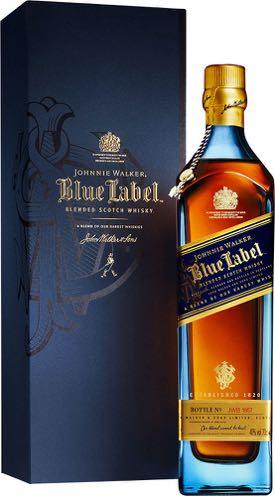
The growth opportunities for the Scotch category in India has seen the SWA campaigning for a UK-India deal for many decades. Our current focus is on the deal coming into force, and on Scotch whisky producers—whether they are currently exporting to India, or are planning to—getting the support needed here at home, which will enable them to grow sustainably and develop their offering in what is a complex and vast market. The Indian market is already well educated in Scotch whisky and is forecast to keep growing over the coming years across multiple categories.

We anticipate that the FTA will, over time, increase diversity of choice for Indian consumers as more Scotch whisky producers enter the market. It will also boost opportunities for growing bulk exports, which are either bottled in India or used as an ingredient in Indian Made Foreign Liquor (IMFL) products, strengthening an already-established spirit of collaboration between the Scotch whisky sector and Indian producers. There is real potential for the FTA to signal an era of strategic partnership between whisky sectors on both sides, and we’ll look to collaborate further with our counterparts in India on issues that will support each of our industries.

How is the SWA working with both governments and industry partners to ensure smoother market access for Scotch in India—especially given the state-by-state regulatory complexity—and to help distillers, including smaller companies, benefit from the FTA?

Ensuring smooth market access, not just to India overall, but to individual states will be particularly important over the coming years, particularly for smaller companies for whom India is a huge and complex market. The SWA is working with Indian industry colleagues and in-market trade bodies, as well as the UK and Indian Governments, to ensure a smooth implementation of the deal that supports the needs of businesses and consumers in both markets. The UK Government have championed the Scotch whisky industry’s growth prospects through negotiations, and the implementation of the FTA will be a positive opportunity for Scotch whisky distillers to tap into the market.
Alongside business growth opportunities, the FTA has the potential to increase revenue for the Indian government at federal and state level through an increase in sales as the tariff is lowered, so it is in everyone’s interest to ensure that the deal can come into effect quickly. The SWA’s recent visits to India, in October and early November, focused on creating the building blocks and relationships for a smooth and fair implementation of the deal for both markets.

How is the SWA working to deepen Indian consumers’ understanding and appreciation of Scotch whisky while supporting both large and small Scotch producers as they introduce new expressions in a rapidly evolving market?

As the world’s largest whisky market, the Indian consumer is already very discerning, so a lot of groundwork in educating the market on Scotch is well established. While the presence of different Scotch whisky companies varies in the Indian market depending on their size and years in business, there are opportunities to grow consumers’ appreciation of Scotch as new expressions and brands are introduced to the market. As a trade body, we look to support all our members, who range from multinational companies to small independent distillers, to realise their ambitions in the Indian market regardless of scale.

 The tariff reduction in the FTA will also benefit the domestic Indian industry and drive investment in India by providing greater access to bulk Scotch whisky used in IMFL products or for bottling. The growth of Indian Single Malts, both in India and the UK, is testament to the premiumisation of the Indian market, and the Scotch whisky industry is committed to working with Indian industry partners to deliver these shared opportunities. The FTA is a signal of that collaborative approach, and we want sectors on both sides to thrive as a result.

Indian whisky brands are growing rapidly, both at home and abroad. How does Scotch plan to differentiate and retain its heritage appeal in a market where Indian whiskies are gaining sophistication and global recognition?

It is really positive to see such interest in the entire whisky category in India, with Indian Single Malts also growing in popularity in the UK, and this growing appreciation can only be a good thing for the entire category. Both categories are benefiting from increased investment between the UK and India, and this will be further driven by the FTA, as well as the partnerships between the Indian and Scotch industries. As consumers in India explore the whisky category, Scotch is a natural step on the “whisky journey” due to its unique heritage, provenance and quality. Scotch whisky’s current share of the Indian whisky market is around 3%, and even as this grows over time through the implementation of the FTA, it will still retain a relatively small portion of the market. What’s exciting for our sector is the potential to increase the range of Scotch whisky brands and expressions available to the Indian consumer, which enhances the global appeal and reach of the Scotch category overall.

Sustainability is increasingly important for global consumers. How is the Scotch whisky industry integrating sustainability into its export growth strategy in India, particularly given the environmental challenges of expanding in new markets?

The Scotch whisky industry is committed to long-term sustainability from grain to glass, and our sector’s work to decarbonise our operations and supply chain run in tandem with our ambitions for growth. Ongoing dialogue with regulators here in the UK and around the world is important to ensure that the industry’s forward planning aligns with policies that address climate impact, always bearing in mind external factors such as the development of key growth markets.

How is the Scotch whisky industry working with Indian partners to explore deeper collaborations—whether in production, standards, sustainability, or tourism—and to unlock new cross-sector opportunities as the FTA opens up the market?

The Scotch whisky industry is keen to work with our colleagues in India on shared challenges and cross-sector opportunities for growth in both markets. This can include work to strengthen the definition of single malt and guarantee standards for consumers, to exploring the opportunities that a greater variety of bulk Scotch whisky can offer to Indian importers. During our recent visit to India, we met with representatives from across the Indian industry, discussing how we can continue to develop our partnerships to support sustainable growth and deliver on shared objectives, and we hope to be able to continue these conversations in Scotland next year. From driving sustainable production methods and encouraging responsible alcohol consumption, to tourism and hospitality promotional activities, collaboration should benefit and futureproof industries in both the UK and India and give consumers a greater access to the fantastic range of Scotch whiskies that the sector has to offer.

DeVANS’ GianChand Collection Positions Indian Single Malt on the Global Map

Three whiskies—GianChand, Adambaraa, and Manshaa—trace the brand’s gradual climb from heritage to international acclaim.

Indian single malts have entered a stronger phase. Once the outsiders of the whisky world, they now find recognition among collectors and bartenders alike. Across India, distillers are treating whisky-making as both science and art; experimenting, observing, and letting the climate define their spirits’ tone and temperament.

That same focus filled the evening at The Quorum, Gurgaon, where DeVANS Modern Breweries Ltd. hosted an immersive tasting session for a select audience. The spotlight was on GianChand, the brand’s single malt range, introduced in three distinct variants: GianChand, Adambaraa, and Manshaa. Each bottle told a different story, tied by a common pursuit of integrity and finesse.

Later, I interacted with Prem Dewan, Chairman and Managing Director of DeVANS Modern Breweries Ltd., who outlined the brand’s journey and the meticulous ethos behind its whiskies.

A heritage that progressed with time

DeVANS’ step into the single malt category came from decades of hands-on expertise, not impulse. “For more than thirty years, we supplied matured and fresh malt spirits to various companies across India,” Prem Dewan said. “The quality of our matured stocks was exceptional. Eventually, we decided to bottle them ourselves rather than sell them away. That decision led to the birth of GianChand.”

The name, he explained, carried both sentiment and symbolism. “We wanted an identity that reflected Indian origins,” he said. “Our founder, Shri Gian Chand, had begun as a journalist before entering the liquor business in the 1940s. He built DeVANS on ethics, precision, and quality; values we continue to uphold. The single malt honours that legacy.”

Three whiskies, one intention

At the tasting, guests sampled the three expressions sequentially, noting how each carried a separate flavour identity. “GianChand has a gentle peat layer and matures for around four years,” Prem Dewan explained. “Adambaraa and Manshaa age for over seven. Adambaraa is unpeated, while Manshaa introduces peat for the first time in our lineup.”

All are matured in once-used American bourbon barrels. “We work with first-fill casks because they provide richness and subtle sweetness,” he added. “They lend character without overpowering the malt.”

Adambaraa delivers notes of barley, caramel, and dried fruit; Manshaa introduces restrained smoke with malt sweetness and earthy undertones. The original GianChand balances spice and soft oak. “Our whiskies carry a texture people instantly recognise,” Prem Dewan mentioned. “It’s refined and coherent across the collection.”

Technique moulded by terrain

Prem Dewan described DeVANS’ process as faithful to traditional whisky-making yet flexible to Indian realities. “The fundamentals remain constant: fermentation, distillation, maturation,” he said. “We allow natural fermentation, letting yeast perform at its own rhythm. Distillation is where innovation thrives. That’s where we influence the spirit without losing authenticity.”

The company’s custom-built copper pot stills help preserve uniformity and definition. Jammu’s natural environment does the rest. “Summers are warm, winters are crisp, and both have strong day–night contrasts,” he explained. “This variation promotes ideal interaction between wood and spirit. Our water source, pure and mineral-rich, adds clarity to the whisky.”

India’s temperature accelerates maturation, but Jammu’s geography adds poise. “One year of ageing here equals several elsewhere,” Prem Dewan said. “Yet it happens with balance, not haste. The outcome is layered complexity rather than intensity.”

Recognition and practice

Acknowledgement soon followed. DeVANS’ single malts have earned international distinction, reinforcing the quiet discipline behind their creation. Adambaraa won Best Indian Single Malt at the IWC 2025 in Las Vegas, while Manshaa received International Whisky of the Year at ISW 2025 in Germany.

“Such honours affirm years of disciplined work and a clear production philosophy,” Dewan said. Yet he quickly grounded the discussion. “Awards matter,” he said, “but maintaining quality is our real goal. We have detailed systems and trained teams ensuring each batch meets our benchmark. The bottles reflect a process we never compromise.”

From Jammu to the wider world

DeVANS’ legacy in brewing continues to influence its approach to whisky. “Brewing taught us control and hygiene,” Dewan said. “Those same principles guide our distilling operations. Precision ensures consistency, and consistency builds trust.”

Exports have expanded steadily. “We’re now present in the United States and Australia,” he said. “Canada and several other markets are in line. The response has been remarkable. International buyers appreciate our structure and purity, while Indian consumers feel pride seeing homegrown malts performing globally.”

Looking forward

Before we concluded, I asked Dewan about upcoming releases. He offered a glimpse without revealing too much. “Our production units are actively developing new ideas,” he said. “Fresh expressions and limited editions are in progress. Once ready, they’ll extend the GianChand narrative. Innovation is ongoing; it’s a part of our DNA.”

As the evening drew to a close, one thing was evident: Indian whisky no longer seeks validation. It has earned its standing through intent, technical precision, and an unwavering commitment to progress. GianChand represents that maturity; an Indian malt that speaks clearly, without excess, and leaves an impression built on substance.

India – UK FTA: A New High or Hard Hangover for Indian Premium Spirits?

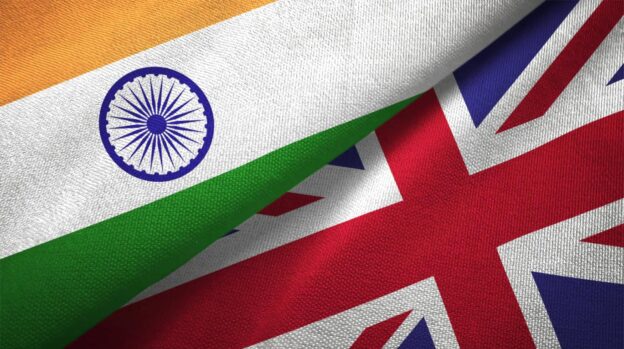
India and UK signed a historic FTA recently and while some in the Indian Alcobev landscape lauded and applauded the move for reduction on import tariffs from 150% to 75% on scotches and bulk imports, many are up in arms anticipating the impact it can have on the homegrown products. At Ambrosia we have covered this topic extensively over the past few months and in this article Bhavya Desai spoke to industry leaders to understand and ascertain the sentiments of both, domestic as well as international players. Excerpts:

Anant S. Iyer, Director General, CIABC

In a country like India – where the consumer landscape is witnessing a paradigm shift and premiumisation atop of most manufacturers list, Anant S. Iyer, Director General, Confederation of Indian Alcoholic Beverage Companies (CIABC) says, “Imported Scotch already enjoys a strong foothold in India’s premium segment and with the new India-UK FTA, and Scotch whisky likely to become 20–30% cheaper, the impact could be asymmetric and policy-skewed.”

To substantiate this, he points to the fact that, in 2024, bottled-in-origin (BIO) and bottled-in-India (BII) Scotch collectively accounted for more than 80% of the premium-and-above whisky segment. BII holds 59%, BIO 21%, while Indian-made premium whisky (IMFL) was left with just 20%.

The concern, as Iyer outlines, is less about competition and more about a ‘policy imbalance’. Imported whiskies already enjoy tax and label registration fee advantages in many states like Maharashtra, Kerala, Odisha and Delhi. And he urges that, “States should now remove the discriminatory policies vis-à-vis IMFL compared to BIO brands.”

As Scotch becomes more affordable, Indian premium brands – especially in the ₹1,200–₹2,500 segment – may find their shelf space and margins under pressure. And according to him it is not just whisky, but also the premium Indian gins priced between ₹800 to ₹3,000 could also feel the squeeze.

While the jury is still out on the longterm impact, but he could be right – if makers take the same route as the Americans. Sources close to Ambrosia state that atleast 2-3 bourbon companies are likely to set up a bottling plant in India following its reduction to 50% this year. Whether they are able to capture the imagination of the consumer, remains to be seen, considering the bourbons aren’t very popular amongst Indian consumers.

However, to counteract potential market flooding, Iyer emphasises the need for a Minimum Import Price (MIP) of $4 per 750ml for BIO spirits and higher thresholds for wine. “Without this safeguard, cheaper imported spirits could flood the market, undoing years of progress by Indian premium brands.”

But Indian spirit makers aren’t backing down.

“Our members are ready to compete, but on fair terms,” says Iyer. Strategies range from enhanced consumer engagement to stronger retail execution (RTM) and even launching new premium SKUs. “The consumer will be spoiled for choice as FTAs materialise,” he adds.

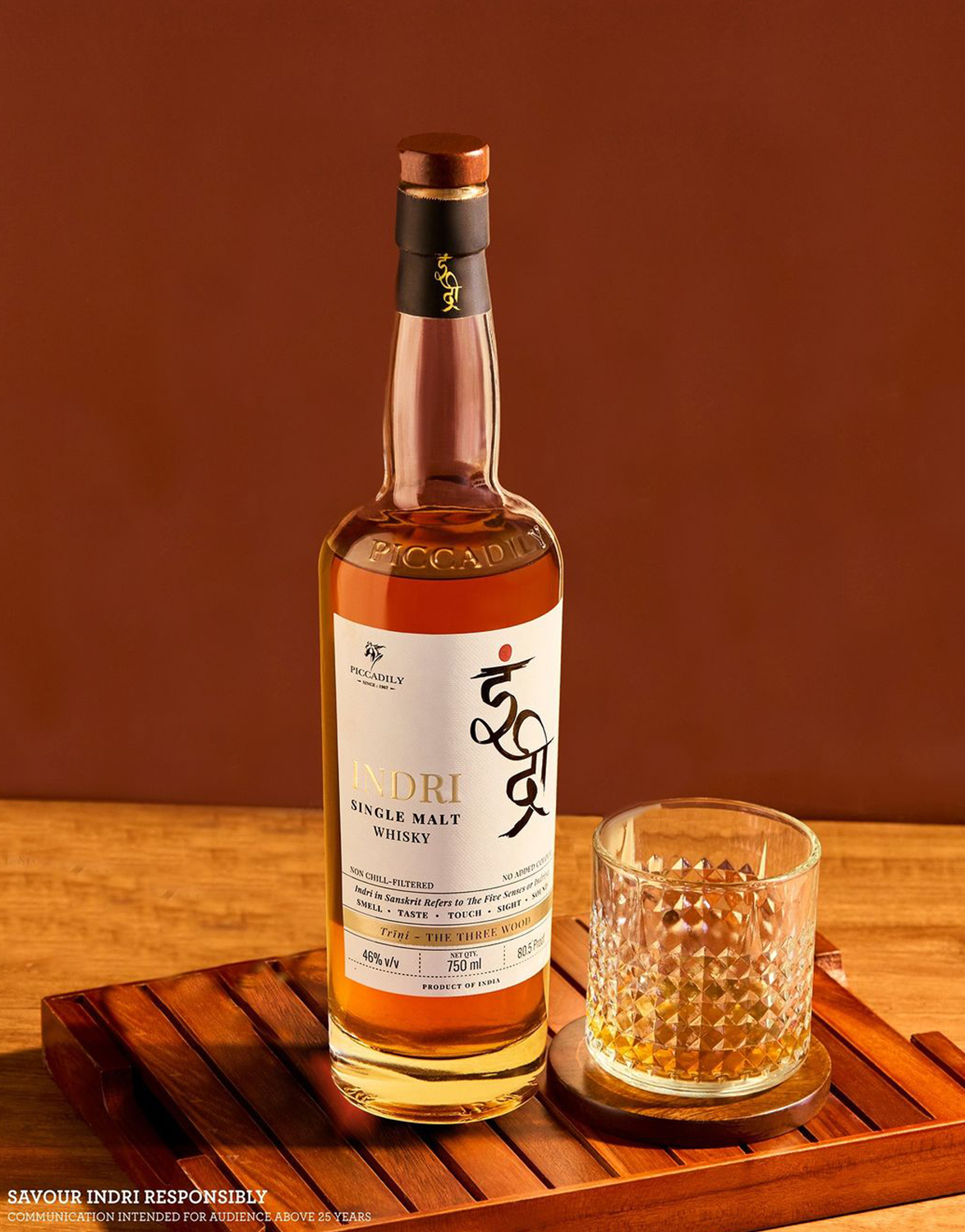
And what’s interesting is that Indian Single Malts like Amrut, Rampur, Indri, Gianchand and others have already begun outselling Scotch Single Malts in India. “Our brands are winning international awards and are now on duty-free shelves globally,” Iyer notes, calling for removal of non-tariff barriers (NTBs) to help Indian brands expand into developed markets like the UK, EU, and Australia.

Sanjit Padhi, CEO, International Spirits and Wines Association of India (ISWAI)

A sentiment echoed by Sanjit Padhi, CEO, International Spirits and Wines Association of India (ISWAI), “As Indian Single Malts gain global recognition, improved market access can create mutual benefits, just as Scotch whiskies gain better accessibility in India, Indian whiskies can expand their footprint abroad.”

What India has to Say?

But not all of the Indian companies are concerned with the FTA. Ideally the bigger the better.

Abhishek Khaitan, Managing Director, Radico Khaitan Ltd.

For instance, Abhishek Khaitan, Managing Director, Radico Khaitan Ltd. takes a pragmatic view. “The FTA signals a momentous growth opportunity. As one of India’s largest Scotch importers, we expect strategic and cost advantages, particularly with requirements estimated at ₹250 crore in FY26.”

And that figure of ₹250 crore is surely inclined to tip the scales for the better for Radico.

Khaitan also believes that lower duties could accelerate premiumisation in the domestic market. “This agreement is a win-win – empowering Indian enterprises while showcasing India’s excellence on the global stage.”

Prem Dewan, Managing Director, DeVANS Modern Breweries

But not everyone is convinced that cheaper Scotch will flood the market. Prem Dewan, Managing Director, DeVANS Modern Breweries notes, “Indian consumers are selective. Indian single malts are already available in all ranges – including premium editions costing over ₹1 lac. We should not assume all Scotch whiskies are palatable for the Indian market.”

He adds that bulk Scotch imports for blending could actually enhance Indian whiskies, neutralising the pricing advantage. However, he warns that ‘undue state-level duty advantages for imported liquor, driven by lobbying, continue to hamper domestic players’, a concern highlighted by Iyer earlier as well.

Is Dumping a Possibility?

Like many industries, a question on everyone’s mind is – if dumping cheaper spirits is going to be a possibility and Iyer is unequivocal. “Yes, and it’s already visible. Scotch bottles retail at ₹900-1,100 in Haryana despite high MRPs. That suggests under-invoicing or transfer pricing.”

Abhishek Modi, Managing Director, Modi Illva

He isn’t alone in this concern. Abhishek Modi, Managing Director, Modi Illva acknowledges that opportunistic brands may attempt price-led disruptions. “Some players might introduce aggressively priced Scotch-heavy blends to lure price-sensitive consumers.” But he also quick to highlight that such moves are short-term and that the premiumisation trend will stay intact.

Modi also stresses that rising input costs (barley, energy) and a weakening rupee already compress margins for Scotch producers. “Scotch isn’t likely to become drastically cheaper in reality. The cost advantage may not even trickle down to consumers due to the rising input costs.”

Praveen Someshwar, Managing Director and CEO, Diageo India

International Players Toast the Opportunity

Understandably, for global players the enthusiasm runs high.

Praveen Someshwar, Managing Director and CEO, Diageo India, hails the FTA as ‘a historic treaty that reignites growth and offers greater choice to Indian consumers’.

Neeraj Kumar, Managing Director, India, Suntory Global Spirits

And Neeraj Kumar, Managing Director, India, Suntory Global Spirits echoes the sentiment. “This is a pivotal development and it improves affordability and strengthens bilateral trade, paving the way for greater innovation and investment.”

Padhi adds, “The deal will also stimulate growth across ancillary sectors such as hospitality, tourism and retail, while potentially increasing revenue for Indian states. At a macro level, the agreement will leverage mutual synergies and competencies of both nations.”

The Future?

Some industry pundits visualise the distant future, where the duty will reduce to 40% over the next decade as India being the most matured and developed spirits market globally. And if trends are anything – we are surely seeing that push currently.

As Anant Iyer puts it, atleast for the immediate future, “the momentum of Indian brands won’t stop. But we need policy support – both at the Centre and in States – to sustain it”.

The India–UK FTA might open doors to new markets and consumer segments. But it also lays bare the need for a level playing field, long-overdue reforms and robust checks to prevent policy-led distortions.

Whether this agreement becomes a toast to opportunity or a sobering challenge depends on how well Indian regulators, producers and consumers navigate the spirit of the deal.