B9 Beverages founder and Chief Executive Officer, Ankur Jain is said to have offered to step down from the leadership of the company for the ‘sake of the company’. According to media reports, this offer was made during the protracted discussions with investors. Some employees and investors have been seeking his ouster, even as Bira91 continues to be in a freefall.
It is reported that the company’s investors have had several rounds of talks to get the company back on track, minus Jain. The talks are said to be in an advanced stage and indications are that there is likelihood of an external professional taking over the reins of B9 Beverages. The talks also have revolved around how to unlock potential revival or rescue funding for the company. Jain who was initially reluctant to step down, but with probable investors putting conditions, his exit seems imminent.
In October, more than 250 employees submitted a formal representation to the company’s board and key shareholders, including Kirin Holdings and Peak XV Partners, urging the removal of Jain from his role as founder and CEO. The communication was also sent to Anicut Capital, the company’s largest lender.
Employees alleged shortcomings in corporate governance, inadequate transparency, delayed salary payments and failures to meet statutory obligations. They further cited unpaid vendor bills and ongoing creditor disputes as signs of a company under mounting financial strain.
According to people familiar with the matter, Jain had raised personal borrowings in the past to buy out stakes from existing shareholders, increasing his financial exposure to the company. In at least one transaction, an entity linked to Jain is said to have borrowed funds from a trust connected to industrialist Sunil Munjal, using Bira shares as security. Those shares were reportedly invoked in October, intensifying apprehensions among investors about financial stress at both the promoter and company levels.
Operational issues have compounded these worries. B9 Beverages has reportedly not remitted tax deducted at source (TDS) collected from employee salaries to the income tax department for over six months, underscoring persistent cash flow challenges. The lapse has raised questions around statutory compliance and internal financial controls.
For Bira to regain momentum in 2026, the business would need to be stabilised well ahead of the summer season, which accounts for a large share of annual beer consumption in India. Prolonged uncertainty around leadership or delayed capital infusion could significantly weaken its ability to leverage this peak demand period.
The financial picture has added to investor unease. B9 Beverages reported a net loss of `748 crore in FY24 against revenues of `638 crore, while volumes are estimated to have fallen to 6–7 million cases from 9 million cases in the previous financial year. The absence of filed FY25 results has further added to the uncertainty.
In an attempt to tighten execution, the company announced a leadership overhaul in July 2025, naming Vikram Qanungo as chief financial officer and strengthening senior ranks across manufacturing and sales functions.
As negotiations with investors near a decision point, stakeholders are keen to resolve leadership questions swiftly to make space for a turnaround effort. The outcome is expected to be important in determining the future of Bira brand over the next year.
The genesis of the crisis was changing name from a ‘Private Limited’ to a ‘Limited’
Every state excise department operates as a separate ecosystem, compliance accordingly matters
B9 Beverages Limited reported accumulated losses of Rs. 1,904 crore for FY2024
Once the toast of India’s new-age alcoholic beverages market, Bira91, the youth-focused beer brand that helped popularise craft brewing across urban India, is now in deep trouble, hit by a combination of regulatory missteps, cash flow pressure, employee unrest and investor anxiety.
The company, B9 Beverages Limited, which built its image around fun branding and innovative brews, is battling a perfect storm that has left operations disrupted, morale shaken, and market share eroding across key states. The auditor of B9 Beverages has reported that the company’s net worth has fully eroded. In its report for the fiscal year 2024, the auditor noted that the group is exposed to market risk, credit risk and liquidity risk, impacting the fair value of its financial instruments.
What first began as a routine legal formality converting from a “Private Limited” to a “Limited” company ahead of a proposed IPO, quickly snowballed into a full-blown crisis. Under India’s highly fragmented and state-driven excise regime, even a small change in company name triggers a cascade of fresh licensing, label registration and regulatory approvals. Bira91 was caught in the regulatory mess.
The state excise departments treated the name change as a new entity altogether, effectively blocking the sale of its products until new clearances were obtained. Overnight, inventory worth an estimated Rs. 80 crore was rendered unsellable because packaging and labels carried the old entity name. Warehouses piled up with stock that couldn’t be invoiced, distributors were left stranded, and sales teams were left explaining to retailers why one of India’s most visible beer brands had suddenly vanished from shelves.
Regulatory Bottlenecks Lead to Financial Distress
As regulatory bottlenecks dragged on for months, the financial impact deepened. For FY24, it reported accumulated losses of Rs. 1,904 crore, negative cash flow of Rs. 84 crore, and liabilities exceeding assets by Rs. 619.6 crore as of March 31, 2024. The company is yet to file its financials for fiscal 2025.
Volumes have dropped from roughly nine million cases to about six million. For a company that once prided itself on doubling output every year, the reversal is steep and painful.
Liquidity quickly became the next casualty. Employees across multiple offices began complaining of delayed salaries and reimbursements, vendors said payments were months overdue, and even statutory dues like provident fund contributions and TDS remittances reportedly lapsed. In an effort to bridge working capital gaps, the company turned to fintech platforms such as KredX to raise short-term funds by discounting trade receivables, but even those arrangements began showing strain, with some investors reporting delayed interest payouts.
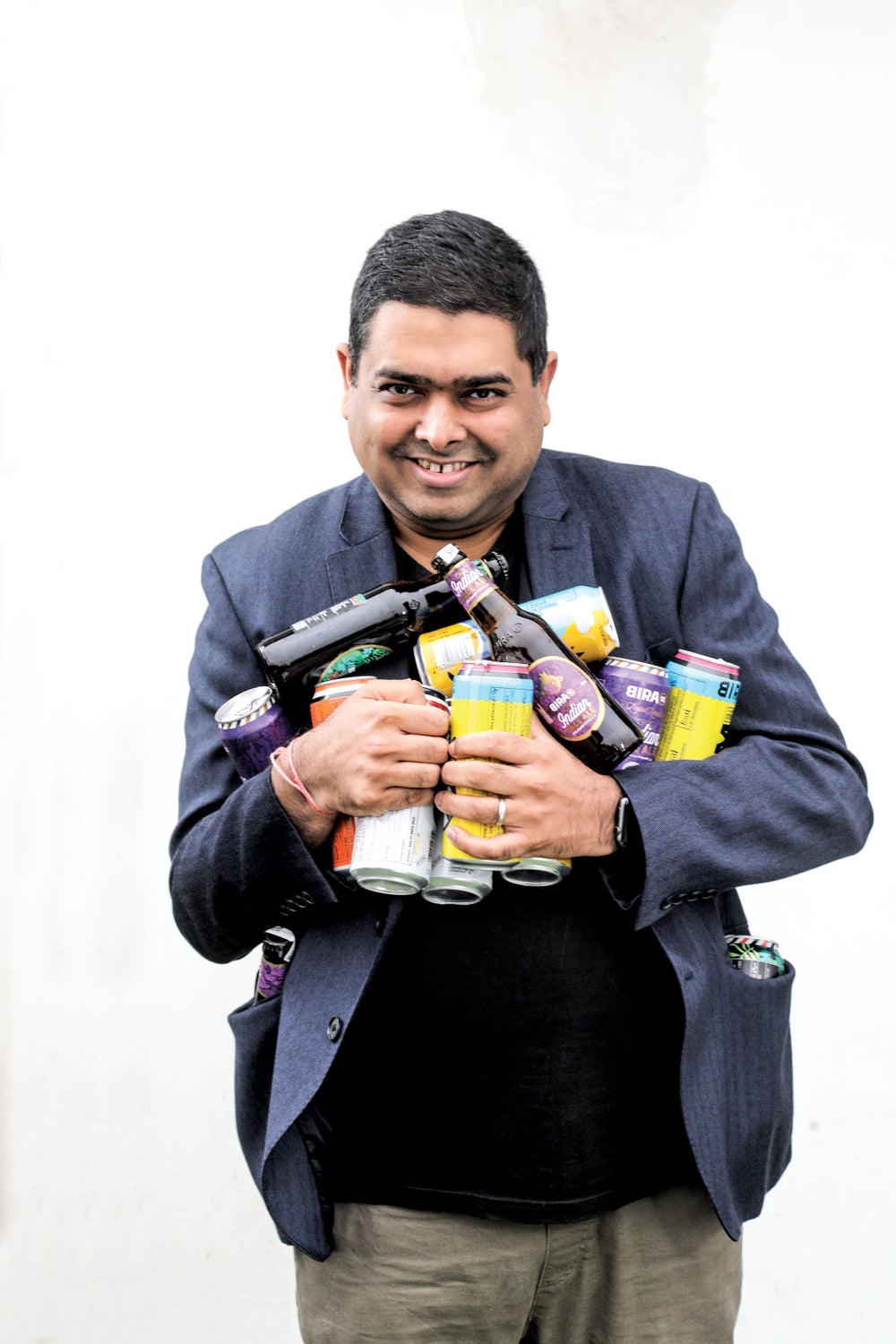
Ankur Jain, Founder-CEO, BIra91
Internally, the crisis has sparked serious governance turmoil. In September this year, over 250 employees signed a petition demanding the removal of Founder-CEO Ankur Jain, alleging lack of transparency, poor communication and non-payment of dues. The employee strength of the company has come down drastically from over 700 to barely 260. “There’s no clarity from the top, and even HR doesn’t have answers,” one former mid-level executive lamented.
For investors, the crisis has not been any different. Bira91 had attracted marquee backers including Japan’s Kirin Holdings, Peak XV Partners (formerly Sequoia India), and Sofina. The brand was widely viewed as a rare Indian startup that had cracked the consumer lifestyle code, blending bold design with mass appeal. The proposed 2026 IPO was to be its coming-of-age moment, a chance to exit early investors and showcase scale profitability. Instead, the company finds itself firefighting on multiple fronts, scrambling to raise fresh funds to simply stay afloat. Reports suggest negotiations are underway for a Rs. 500-crore structured debt infusion from BlackRock through the promoter group, but those close to the talks say due diligence has been protracted given the scale of losses and ongoing regulatory uncertainties.
Damage Control Mode On
According to some reports, the company has been in damage control mode, restarting sales in some states, cutting fixed costs, and resetting its compliance roadmap. Delhi and Uttar Pradesh markets are reportedly back online, though Haryana and a few others remain mired in paperwork. The company brought in Vikram Qanungo as Chief Financial Officer, replacing Meghna Agrawal. It is working on streamlining operations and putting in place new governance protocols. Insiders say the focus now should be on cost rationalisation and restoring confidence among distributors and employees.
Industry observers see the episode as a cautionary tale for India’s alcobev sector, where every regulatory nuance matters. A name change that would be routine in most industries became a nightmare because excise laws treat such events as new entities altogether. In the alcobev sector if one is operating in 10 or 12 states, that means one has to reset one’s business that many times. The case underscores the fragility of scaling in a market where compliance, not consumer demand, often determines survival.
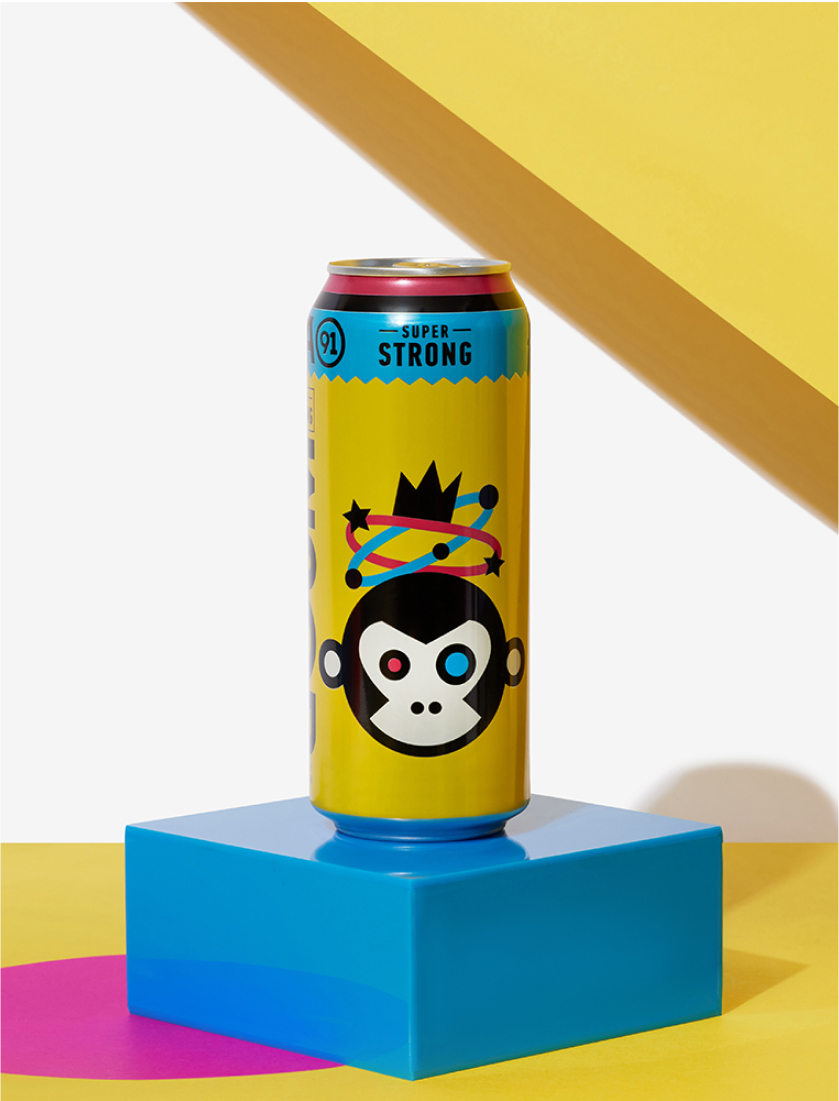
For years, Bira91 symbolised the aspiration of India’s urban millennials, fun, contemporary, and proudly local. Its colourful monkey logo became an icon of the “new India” bar culture. The brand’s rapid rise between 2015 and 2020 was driven by aggressive marketing, smart positioning and flavour experimentation, from white ale to IPA, making beer cool again for a generation raised on mass lagers. But the same velocity that powered its rise also resulted in its fall. The push for rapid expansion ahead of an IPO, without sufficient compliance buffers or cash discipline, left the company over-leveraged and exposed.
The immediate challenge now is survival, ensuring that distributors return, vendors get paid, and employees regain trust. But the question is, can it rebuild credibility with investors and regulators alike? Analysts say the fundamentals of the Indian premium beer segment remain strong, with per-capita consumption still among the lowest in Asia and rising disposable incomes driving steady growth. Bira91 could yet stage a comeback if it can stabilise operations and re-establish regulatory compliance. That is a big ask, as of now.
Rebuild Compliance Network
The company has to focus on a few key points—rebuild compliance network by mapping every state’s regulatory nuance before corporate actions; exercise tighter cash flow management with full transparency on employee and statutory dues; prioritise core markets where licences are active and distributors loyal; and restore governance credibility. Bira still has brand equity, though dented, as of now.
The broader takeaway for the industry is clear: the alcobev business in India is not just about branding and flavour, it’s about regulatory foresight and disciplined execution. Even large, well-funded players can falter if they underestimate how state excise frameworks respond to structural changes. With every state operating as a separate ecosystem, a single oversight can cascade into months of paralysis. For startups and established companies alike, the lesson is that growth must be matched by governance.
As things stand, Bira91’s journey reads like a case study in how quickly success can unravel in a sector where compliance is king. The brand that once defined India’s craft beer movement now faces the challenge of its life, navigating the quagmire of regulation, rebuilding financial credibility, and re-earning the trust of the very people who made it a good brand. The next couple of months is going to be critical for the brand. Will it emerge from the crisis, it remains to be seen.