Author Archives: Chandrakanth

SOM Distilleries Reports Sequential Growth in Q3 FY26

SOM Distilleries and Breweries Limited has reported a steady sequential improvement in its third quarter performance for FY26 while delivering a strong nine-month showing that underlines sustained scale and profitability momentum, according to its unaudited consolidated financial results for the quarter and nine months ended December 31, 2025, reflecting resilience in a dynamic and competitive alcoholic beverages market.

For the quarter ended December 31, 2025, the company posted consolidated revenue from operations of ₹48,254.94 lacs, marking a sequential increase over ₹47,636.17 lacs recorded in Q2 FY26, signalling stable demand conditions across key markets and disciplined execution strategies despite industry headwinds. Profit before tax for the quarter stood at ₹741.19 lacs while profit after tax came in at ₹548.47 lacs, translating into earnings per share, both basic and diluted, of ₹0.26. The sequential uptick in revenue indicates that the company has been able to maintain traction across its core categories, leveraging its established distribution network and diversified product portfolio to sustain volumes and pricing discipline.

The nine-month consolidated performance further reinforces the company’s growth narrative, with revenue from operations reaching ₹1,84,345.74 lacs during the period, reflecting the benefits of scale and consistent market demand across states. Profit before tax for the nine months stood at ₹9,324.30 lacs while profit after tax was reported at ₹6,704.95 lacs, with basic earnings per share at ₹3.23. The numbers point to sustained profitability and operational stability, underscoring the company’s ability to manage input costs, optimise production efficiencies and protect margins in a business environment that continues to see regulatory shifts and evolving consumer preferences.

Significantly, the standalone performance presents an even sharper picture of growth momentum. In Q3 FY26, standalone revenue from operations was reported at ₹15,599.76 lacs, while profit after tax stood at ₹747.46 lacs, resulting in earnings per share of ₹0.36. The standalone profitability in the quarter highlights stronger margin delivery at the core operating entity level, reflecting efficiency improvements and tighter cost controls.

For the nine months ended December 31, 2025, standalone revenue from operations rose to ₹78,020.08 lacs, higher than ₹76,219.57 lacs recorded in the corresponding previous period, demonstrating continued topline expansion. More notably, standalone profit after tax surged to ₹6,130.12 lacs compared with ₹4,174.33 lacs in the corresponding previous period, reflecting a substantial improvement in profitability and operational leverage. Earnings per share for the nine-month standalone period increased to ₹2.95 from ₹2.14 in the previous corresponding period, underscoring improved shareholder returns and a stronger margin profile.

The growth in standalone profitability suggests enhanced efficiency across manufacturing operations, improved product mix and potentially stronger performance from higher-margin segments within the company’s portfolio. The margin expansion also indicates disciplined cost management at a time when input prices and regulatory costs remain key variables for the alcoholic beverages industry.

With a diversified portfolio spanning premium beers, spirits and ready-to-drink offerings, SOM Distilleries continues to focus on strengthening operational efficiencies and expanding its footprint across domestic and export markets. The company’s strategic emphasis on disciplined cost control, manufacturing optimisation and calibrated market expansion appears to be supporting stable earnings momentum even as industry dynamics evolve.

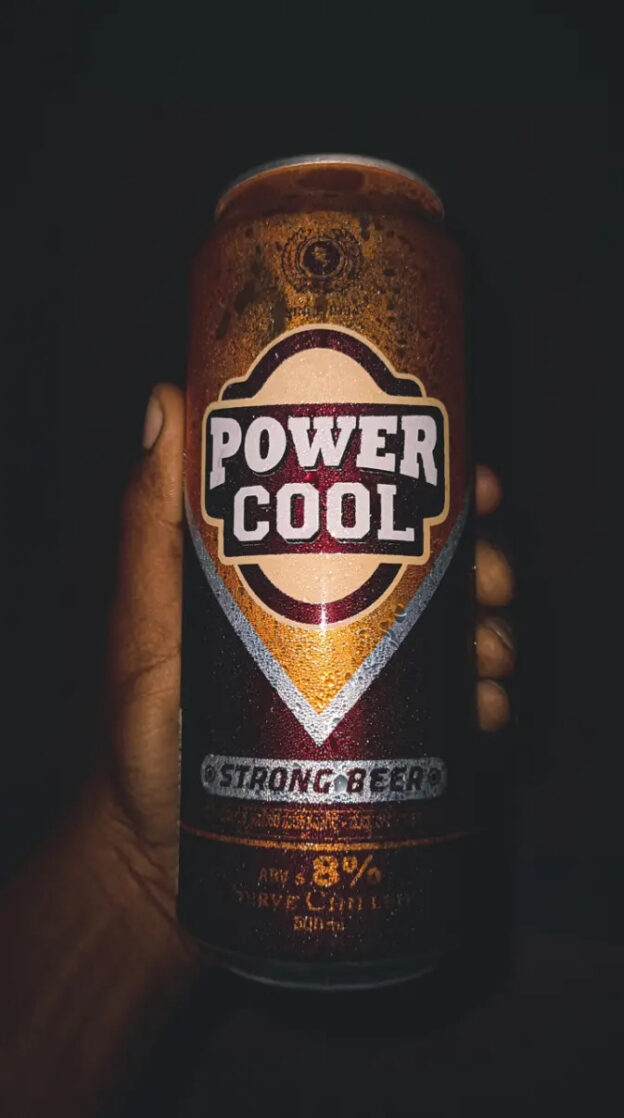
Headquartered in Bhopal, Madhya Pradesh, SOM Group of Companies has established itself as one of India’s leading alcoholic beverage manufacturers with a strong presence across multiple states and exports to international markets. Its portfolio includes flagship brands such as Mahavat Whisky and Bhimbetka Single Malt, along with popular beer brands including Hunter, Sunny Beaches, Power Cool, Black Fort and Woodpecker, among others. Backed by state-of-the-art manufacturing facilities and ongoing investments in capacity and distribution, the company continues to position itself for sustainable long-term growth in India’s expanding beverage alcohol market.

Overall, the Q3 FY26 sequential revenue growth combined with robust nine-month standalone profitability signals that SOM Distilleries is maintaining operational resilience while strengthening its earnings trajectory, reinforcing its standing within India’s competitive alco-bev landscape and signalling continued focus on scale, efficiency and profitable expansion.


Malabar Distilleries soon to Launch Affordable IMFL Brand

Malabar Distilleries, Kerala government’s second distillery, is working on brand registration for an affordable Indian Made Foreign Liquor (IMFL) brand. The Excise department is expected to give clearance for the same soon.  After the launch of the low-cost ‘Jawan’ brand by Travancore Sugars and Chemicals in Thiruvalla, the Kerala State Beverages Corporation (Bevco) is working on the new IMFL brand to be produced at Malabar Distilleries

A public contest to suggest a brand name and logo had triggered controversy. Following High Court intervention, court approval became mandatory for finalising the name. Over 10,000 suggestions were received from the public of which 100 have been shortlisted and the final name will be decided at the BEVCO board meeting.

According to reports, construction of the blending unit is progressing rapidly. Storage facilities for extra neutral alcohol (ENA), water and blended liquor are ready. The three-line blending unit will have a daily production capacity of 13,500 cases.

Meanwhile, Malabar Distilleries has agreed to pay Rs 4.47 crore in provident fund dues of the defunct Menonpara Cooperative Sugar Factory. The first instalment of Rs 1.61 crore has been paid.  Once the remaining amount is cleared, the dues can be settled, and the factory’s land reclaimed by clearing the lien.

Royal Stag Reveals the #RS Code in partnership with Rohit Sharma and Paddy Upton

At a time when cricket fever is at its peak, Seagram’s Royal Stag Packaged Drinking Water has unveiled the Royal Stag Code of Large (#RS Code), a first-of-its-kind, data-backed initiative with brand ambassador and former team India captain Rohit Sharma and mental conditioning coach Paddy Upton.

The #RSCode is the outcome of an in-depth data analysis of Rohit Sharma’s career using data science combined with Royal Stag’s brand ethos centered around celebrating the philosophy of Living in the moment and Living it Large. The process unearthed 4 unique personality traitsthat lay the foundation of decoding success, the manifestation of which would be unique to every individual.

The four defining traits consistently underpin Rohit’s success — traits that are a true reflection of Royal Stag’s long-standing philosophy.

To bring credibility to the whole initiative, the campaign features Paddy Upton, who anchors the initiative as a subject-matter expert, translating performance data into meaningful insights.

This RS Code is built on four traits — Selfless, where team success always outweighs personal milestones; Driven where every moment is celebrated and is seen as the stepping stone for a new beginning; Fearless, which tests one’s ability to adapt to higher responsibilities and Inspiring, where one’s leadership is not only motivational but contagious. Together, these form the Royal Stag Code of Large, #RSCode, a philosophy that transcends beyond cricket and applies to life.

The RS Code is brought to life through a phased, digital-first campaign designed to build intrigue and engagement. It began with a teaser by Rohit Sharma and Paddy Upton, which sparked curiosity around the RS Code, followed by the official reveal through a high-impact Talk show between Rohit Sharma, Paddy Upton hosted by Vikram Sathe. It seamlessly blends data-backed insights with storytelling and real moments, including a surprise appearance by Suryakumar Yadav that reinforces the ‘Inspiring’ trait of the RS Code.

The campaign is powered by an innovative AI‑driven #RSCode Finder that invites audiences to discover their own personalised Code of Large. By answering a few simple questions, consumers can decode their unique code, which is then revealed through a personalised video message from Rohit Sharma – creating a highly engaging and personal brand experience.

Speaking about the campaign, Debasree Dasgupta, Chief Marketing Officer, Pernod Ricard India, said, “Speaking about the campaign, Debasree Dasgupta, Chief Marketing Officer, Pernod Ricard India, said, “Royal Stag as a partner of ICC, allows us to deliver a truly “Live it large” experience to die-hard cricket fans everywhere. This year, we are giving each fan the power to craft their own Live It Large Story through this unique AI platform that integrates with the brand’s commitment to relishing every moment in their journey to success. The Royal Stag Code brings our ‘Live It Large’ philosophy to life in a meaningful way. By decoding Rohit Sharma’s success through a data driven approach, we are empowering individuals to follow their own path to success and live life large.”

AB InBev India Plans 16,000 Tons of Domestic Barley Procurement in 2026

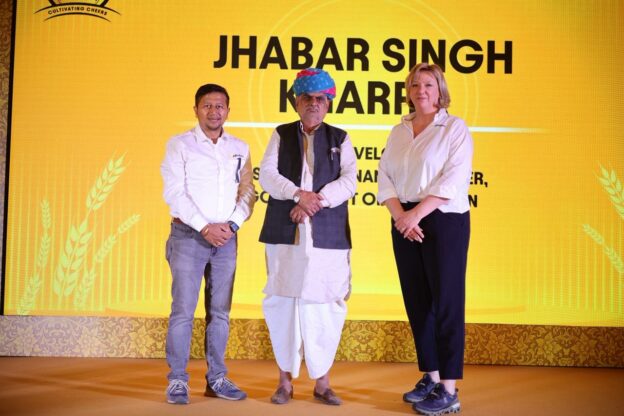
AB InBev India on February 10 marked the 6th Annual Barley Growers Day in Chomu, Rajasthan, in the presence of Jhabar Singh Kharra, Minister of Urban Development & Self-Governance, Government of Rajasthan, reinforcing its commitment to strengthening India’s barley ecosystem through its flagship SmartBarley Programme.

The initiative continues to empower over 2,000 farmers across Rajasthan, Haryana and Uttar Pradesh, while advancing sustainable agriculture, scientific farming practices and resilient local supply chains. In India, the SmartBarley programme has delivered results over the last decade across its three core pillars, farmer skill development, digital connectivity and financial empowerment.

Commenting on this edition, Ingrid De Ryck, Chief Sustainability Officer, AB InBev said, “SmartBarley reflects how sustainability comes to life at AB InBev, through strong local partnerships, innovative agriculture practices and a deep commitment to farmers’ livelihoods. We are grateful to our farmer partners for their leadership and openness to innovation. By investing in skills, connectivity and sustainable agriculture practices, we are helping farmers build resilience while advancing our global ambition to source high quality ingredients and strengthen agricultural ecosystems for the long term.”

The 2026 edition of Barley Growers Day brought together farmers, agronomists, research experts, supply-chain partners and policymakers for a full day of knowledge-sharing, innovation showcases and farmer recognition. The event spotlighted AB InBev India’s focus on technology-enabled, sustainable barley cultivation, at a time when domestic malt-quality barley is becoming increasingly critical for India’s agri and beverage value chain.

Globally, AB InBev operates agriculture programmes across key barley-growing regions to support farmers with science-based agronomy, sustainable agriculture practices, digital tools and stronger market access. In India, this global approach is translated into deep, long-standing partnerships with barley farmers. In India, AB InBev has been working with barley farmers since 2009, with the SmartBarley framework formally launched in 2016. The company said it will continue to expand the programme into new regions, increase per-farmer land allocation to malt-quality barley and deepen long-term farmer partnerships.

“We thank our farmer partners for their trust and adoption-led regenerative practices. Their partnership is what turns ambition into measurable outcomes and builds the resilient barley supply chains of the future,” said Arun Jacob Mathews, Director – Procurement & Sustainability, AB InBev India. “We have proven that when farmers are equipped with regenerative agriculture practices and timely insights, they build the resilient supply chains of the future.”

As part of its broader commitment to farmer well-being, AB InBev India is also supporting a vision care intervention for barley farmers in Rajasthan. In partnership with VisionSpring Foundation, the company is facilitated vision screenings and prescription eyeglass provision for 400+ barley farmers in Chomu, addressing a critical yet often overlooked factor affecting farm productivity and safety. The initiative builds on insights from a previous pilot, which revealed that a significant proportion of farmers were living with uncorrected vision impairments despite the vision-intensive nature of agricultural work. Research-backed evidence indicates that correcting vision can improve productivity by up to 30%, while also enhancing comfort, confidence and workplace safety. Through targeted, high-impact health interventions, AB InBev India aims to remove structural barriers that limit farmer potential and strengthen resilience across its agricultural value chain.

SmartBarley continues to scale as AB InBev India’s farmer‑first platform, linking science, digital tools and market access to strengthen domestic barley sourcing. The company said it will advance evidence‑based interventions, and 2026 procurement plans to build more resilient, local supply chains. Barley Growers Day 2026 is part of AB InBev’s global ‘Cheers to Farmers’ platform, underscoring that resilient agricultural systems are foundational to sustainable business growth, delivering measurable outcomes for farmers, supply chains and the broader agri‑economy.

New Alcohol Labelling Rules, July 2026 Rollout

The Food Safety and Standards Authority of India (FSSAI) has notified sweeping changes to alcohol regulations, mandating clearer labelling norms and expanding category definitions across segments. The new rules will come into effect from July 1, 2026, giving manufacturers, importers and state excise authorities time to transition to the revised framework. The changes are being positioned as a move to bring greater transparency to the market and empower consumers with clearer information about what they are drinking.

One primary change is mandatory disclosure on labels. Alcoholic beverage companies will now be required to clearly mention the number of standard drinks contained in a bottle. A standard drink has been defined as containing 10 grams of pure ethanol. The declaration must be easy to read and printed in a manner that allows consumers to quickly understand how much alcohol they are consuming. This marks a significant shift from earlier practices where such disclosures were either absent or inconsistent across brands and states.

Making it easy for Consumers

FSSAI officials say the objective is simple. Consumers should know the strength of the product and the quantity of alcohol in a format that is comparable across beer, wine and spirits. India’s alcohol labels traditionally focused on alcohol by volume, or ABV, which many consumers do not fully understand. By converting this into standard drinks per bottle, regulators believe the information becomes more practical and relevant. The move also aligns India more closely with international labelling practices seen in markets such as Australia and parts of Europe.

Expanded Definitions

Alongside labelling reforms, FSSAI has expanded and clarified definitions of several alcohol categories. Emerging segments such as mead, flavoured wines, wine-based beverages and ready-to-drink spirit mixes now have more precise definitions under the regulations. Craft products and hybrid beverages that previously fell into grey areas will now be classified under clearer standards. The changes are expected to reduce ambiguity and disputes over product categorisation, especially for newer brands entering the market.

The wine segment in particular sees tighter specification norms. Definitions around sparkling wine, fortified wine and flavoured wine have been refined. Limits on ingredients and production standards have been more clearly outlined. Similar clarity has been introduced in the beer and spirits categories. Industry executives say this will help streamline approvals, though it will require careful scrutiny of formulations to ensure compliance.

Redesigning Labels

For the alcohol industry, the transition will involve logistical and financial adjustments. Companies will have to redesign labels, exhaust old inventory and seek fresh approvals where required. Given that alcohol remains a state subject in India, coordination between central FSSAI regulations and state excise labelling requirements will be crucial. Many states mandate their own warning statements, excise stamps and pricing declarations. Manufacturers will now need to incorporate the new standard drink information without violating state-specific rules.

Large multinational companies are expected to adapt relatively smoothly. Most already operate in markets with similar labelling requirements. However, smaller distillers, craft brewers and boutique wineries may face higher compliance costs. Printing new labels, recalibrating packaging lines and updating regulatory filings will add to operational expenses. Industry bodies have welcomed the extended deadline, saying it provides breathing room to plan production cycles and manage existing stock. The International Spirits and Wine Association of India (ISWAI) hassignalled support for steps aimed at improving transparency and aligning Indian norms with broader global practices, including better labelling and consumer information, particularly as the market grows and evolves.

India-specific labels

Importers will also have to ensure that overseas suppliers adjust packaging for the Indian market. Imported wines and spirits will need India-specific labels that include the mandatory standard drink declaration. This could increase turnaround time and costs for foreign producers looking to access the Indian market.

Public health advocates have largely supported the move. They argue that clearer labelling will encourage responsible consumption. When consumers can see the number of standard drinks in a bottle, they may be more conscious of intake. The measure is part of a broader global trend towards greater transparency in alcohol marketing and labelling. While the regulations do not impose new restrictions on advertising or availability, they signal a stronger emphasis on informed choice.

Industry representatives, meanwhile, stress that awareness campaigns will be important. Simply printing the number of standard drinks may not be enough if consumers do not understand what it means. Some companies are considering educational initiatives to explain how standard drinks translate into responsible drinking guidelines.

The reforms also come at a time when India’s alcohol market is evolving rapidly. Premiumisation is on the rise. Craft spirits and artisanal beers are gaining popularity. Ready-to-drink cocktails are expanding in urban centres. Clearer definitions could encourage innovation by giving entrepreneurs confidence about how their products will be classified. At the same time, stricter compliance will ensure that products meet uniform safety and quality benchmarks.

FSSAI has described the changes as part of its ongoing effort to strengthen food safety and consumer protection. Alcoholic beverages fall under the broader food safety framework, and regulators have been gradually updating standards to reflect market realities. By formalising definitions and standardising disclosures, the authority aims to reduce confusion in the marketplace.

As July 2026 approaches, the industry will focus on implementation. Companies will be reviewing artwork, recalculating alcohol content in terms of standard drinks and coordinating with printers and excise officials. Retailers may also need to update point-of-sale information. While the transition may pose short-term challenges, many stakeholders believe that clearer rules ultimately create a more predictable business environment.

For consumers, the most visible change will be on the bottle. There will now be a clearer indication of how many standard drinks the container holds. Regulators hope this small addition will make a meaningful difference. In a market as large and diverse as India’s, even incremental improvements in transparency can have wide impact.

The new regulations represent both a compliance exercise for the industry and a consumer awareness initiative for the public. Whether the standard drink declaration changes drinking behaviour remains to be seen. What is certain is that India’s alcohol sector is entering a more structured and clearly defined regulatory phase, with transparency at its core.

Godawan Artisanal Single Malt Whisky Wins Triple Gold

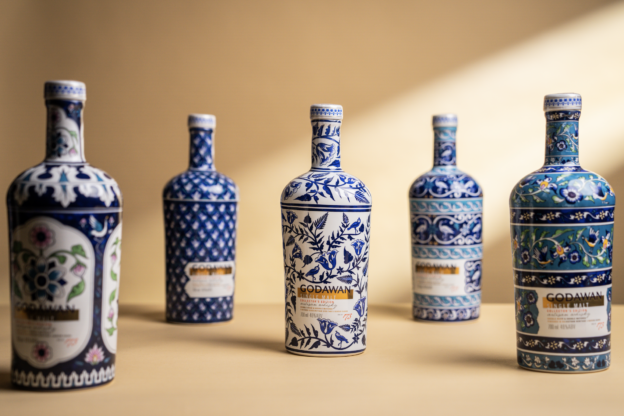
Godawan Artisanal Single Malt Whisky has achieved global recognition at the International Taste Institute’s Superior Taste Awards 2026, with three entries earning the highest possible distinction, Triple Gold (Three Stars) from the world’s leading chefs and sommeliers. 

 The jury of the International Taste Institute awarded Godawan Single Malt Whisky 01 – Rich & Rounded: Triple Gold, score 92.8; Godawan Single Malt Whisky 02 – Fruit & Spice: Triple Gold, score 90.1; and Godawan 173 The Collector’s Edition: Triple Gold, score 91.

Among the wins, Godawan 173 marks a historic milestone by becoming the world’s first Indian liqueur cask–finished whisky to receive a Triple Gold (Three-Star) rating from the International Taste Institute. Matured for over nine years across ex-bourbon American oak, European Oloroso and PX Sherry casks, and finally finished in heritage Asha liqueur casks seasoned with 42 ingredients, Godawan 173 represents a rare convergence of heritage, innovation, and purpose. Limited to just 173 bottles, the release honours the rise of critically endangered Great Indian Bustard that have grown to being 173 in number. 

“Every recognition for Godawan reinforces the appreciation for Indian single malts made with care and character. Crafted in Rajasthan and shaped by its distinctive climate and landscape, Godawan carries a strong sense of place in every expression. We are proud to see this story resonate globally, and it motivates us to stay true to our craft and continue making whisky with honesty, consistency and purpose,” said Vikram Damodaran, Chief Innovation Officer, Diageo India.  

Equally significant is the consistent Triple Gold recognition for both of Godawan’s core expressions, 01 Rich & Rounded and 02 Fruit & Spice. Scoring above 90 points each, these awards underscore the depth of liquid quality, and excellence that define Godawan’s whisky-making philosophy. 

Blisswater Launches Salty Nerd Vodka with Three Expressions

Blisswater Industries, the Bengaluru-headquartered alcobev and lifestyle company, has launched vodka brand, Salty Nerd, across Karnataka. The brand will be available in liquor stores across the state right in time for the Valentine’s celebration.

Distilled from premium grains and charcoal-filtered for a clean, smooth finish at 42.8% ABV, the vodka is crafted to be enjoyed chilled and neat, while also offering versatility for cocktail experiences.

In Karnataka, Salty Nerd is being introduced in three distinct variants — Classic, Imperial Salted Caramel and Capitalistic Cola. While the Classic offers a crisp and smooth profile, Imperial Salted Caramel delivers a rich, balanced sweet-salty finish, and Capitalistic Cola brings the awesomeness of Cola. Together, the range reflects the brand’s flavour-led approach and its focus on offering something unconventional yet premium.

Commenting on the Karnataka launch, Varna Bhat, Founder & CEO, Blisswater Industries, said, “People in Karnataka let’s raise a glass! Our Salty Nerd Vodka range is here and we are extremely happy to share this creation of ours with such a vibrant market that loves well crafted and premium spirits. There is a nerd in all of us and Salty Nerd is crafted for all individuals who enjoy making confident choices and expressing their personality through what they drink. Launching the brand in our home state is an important milestone as we continue to expand our presence across India.”

Pawan Kalyan Warns AP Retailers of Action if Liquor Sold Above MRP

Andhra Pradesh Deputy Chief Minister K. Pawan Kalyan has directed Excise Department officials to crack down on liquor shops charging prices above the Maximum Retail Price (MRP), calling the practice a clear violation of rules and a blow to the credibility of the government.

In a post on X on February 3, Kalyan said he had received complaints from across the State, including Kakinada district, alleging that certain outlets were selling liquor at inflated rates. Similar grievances, he noted, had been reported from several other districts.

After reviewing the complaints, the Deputy Chief Minister made it clear that liquor retailers must strictly adhere to government-prescribed pricing norms. “Selling liquor above MRP is not only against the rules but also damages the credibility of the government,” he observed, underlining that enforcement cannot be lax in a regulated sector like excise.

He instructed officials to maintain continuous surveillance of liquor outlets statewide and to initiate stringent action against shop owners found violating pricing norms. Enforcement, he emphasised, must be firm, consistent and visible to deter repeat offences. The State government, he asserted, would not tolerate deviations from prescribed rules and remains committed to ensuring transparency and compliance in the excise system.

Andhra Pradesh’s evolving excise landscape

The warning comes at a time when Andhra Pradesh’s excise policy is under renewed scrutiny. Over the past few years, the State has maintained tight control over the retail liquor trade, with the government playing a dominant role in retail operations and pricing structures. The policy framework has aimed at regulating consumption, curbing illicit trade, and increasing revenue mobilisation through calibrated pricing and monitored distribution.

Excise remains one of the State’s largest sources of tax revenue. In 2025, the state’s excise revenue was projected to reach  ₹33,882 crore. The excise revenue has seen a rise due to increased liquor sales and a new excise policy implemented in 2024. Periodic revisions in duty structure and retail pricing have been used both to shore up revenues and to streamline the product mix available in government-run outlets.

In recent policy cycles, the government has sought to balance revenue considerations with consumer transparency. Measures have included clearer display of MRP at retail counters, digitised billing systems in many outlets, and tighter monitoring of supply chains to prevent diversion and overcharging. Officials have also indicated that enforcement drives would focus on ensuring that consumers are not charged beyond the printed price, particularly in semi-urban and rural areas where monitoring gaps can emerge.

The latest directive from the Deputy Chief Minister signals a push to reinforce consumer-friendly practices within the existing framework. By stressing strict adherence to MRP and continuous surveillance, the government appears keen to send a message that revenue generation cannot come at the cost of regulatory discipline or public trust.

With complaints surfacing from multiple districts, the coming weeks are likely to see intensified inspections and possible penalties for errant retailers, as the administration seeks to tighten compliance across Andhra Pradesh’s vast excise network. ————-

ABD Maestro Unveils Limited Edition 34-Year-Old Single Malt Priced at ₹11 Lakhs

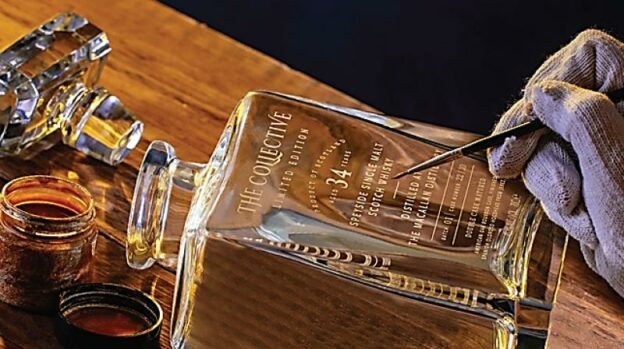
ABD Maestro Pvt. Ltd., the super-premium and luxury spirits brand company and a subsidiary of Allied Blenders & Distillers (ABD), has unveiled ‘The Collective’ Limited Editions in India. The first expression launched is a rare 34-year-old Speyside Single Malt, Distilled at Macallan Distillery in 1991.

At a MRP of ₹11 Lakhs for 700ML in Maharashtra, the expression has been custom-made for ABD Maestro in collaboration with Speyside Capital, Glasgow, Scotland as brand and project partner. It will be available in Travel Retail and a few major cities in India. The Collective Limited Edition is available for pre-orders now.

The Collective’s Speyside Single Malt Scotch Whisky, matured for well over three decades, balances delicate florals, soft citrus, and malty notes with added depth and sherry-led richness.  

A total of 60 hand-filled decanters only, each individually numbered, engraved and manually gold-lettered in Scotland, honours the spirit that it holds. Each wooden outer box is handmade with evidence of touch and individuality.

This release offers a rare opportunity to own one of the finest independently bottled distilled at Macallan Distillery, expressions of the modern era with a personally signed letter from Ranveer Singh. 

Commenting on the launch, Bikram Basu, Managing Director, ABD Maestro, said: “ABD Maestro curates the very best in Luxury spirits. With the first expression of ‘The Collective’, we present rare, limited editions that are not sold, but acquired – exclusively on pre-order. Defined by quiet luxury and uncompromising craftmanship, each release speaks as much to the collector or connoisseur and those who understand exclusivity as value in itself”.

United Breweries targets 3–6% Annual Savings in Major Cost Overhaul

United Breweries Ltd (UBL) recently announced a productivity and cost-effectiveness programme aimed at delivering sustained annualised savings of 3% to 6%, as it seeks to bolster margins in a high-tax, tightly regulated operating environment.

In a regulatory filing, the company said the savings would be generated through a broad restructuring of operations, including portfolio rationalisation, logistics optimisation, greater reuse of bottles, higher domestic sourcing of raw materials and tighter management of fixed costs. Several initiatives are already underway, UBL noted, adding that the savings would be reinvested to drive growth and strengthen capabilities.

The transformation plan also includes a reorganisation of key business functions. Sales and supply chain roles are being streamlined, while focused teams are being created in corporate affairs, customer service and logistics to enhance execution and stakeholder engagement.

On the manufacturing front, UBL is optimising its brewery network. The company has commissioned a new greenfield facility in Uttar Pradesh, shut its Mangalore plant, and entered into strategic partnerships in priority markets to improve capacity utilisation and supply efficiency.

India remains a structurally under-penetrated beer market with long-term growth potential, but brewers continue to face steep state-level excise duties, rigid price controls and rising input costs. At the same time, competition has intensified, with both domestic and global players vying for share amid relatively muted demand growth. The industry has struggled to fully pass on inflationary pressures to consumers, putting profitability under strain despite steady volume expansion in recent years.

“Recognising current affordability pressures in the India beer category, we are intensifying our investment in building robust brands and consumer engagement programmes,” the company said. “Our overarching aim is to enhance profitability and competitiveness by refining processes and maintaining strict cost discipline.”

UBL added that it remains confident about the long-term opportunity in India’s beer market and will continue to invest in premium brands, localised production and consumer engagement, even as it sharpens operational efficiency. The company said it will provide periodic updates as the transformation programme progresses.

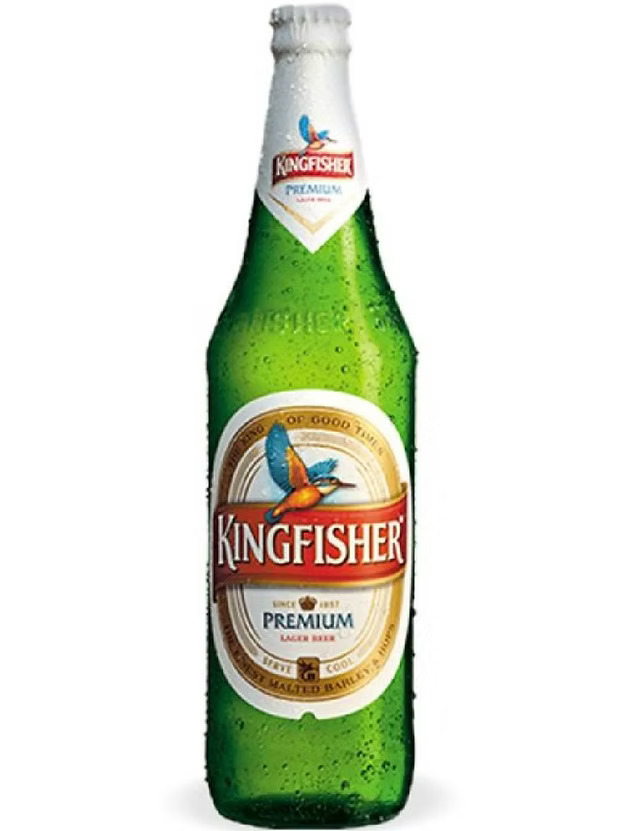
The cost reset aligns with broader trends in India’s alcobev sector, where companies are increasingly focusing on premiumisation, supply chain efficiencies and local sourcing to offset regulatory constraints and input volatility. For UBL, a market leader with brands such as Kingfisher, the margin focus signals a calibrated shift from pure volume growth to sustainable, profitability-led expansion.