Tag Archives: Brand Storytelling

How DEWAR’S Is Redefining the Modern Drinking Experience

As India’s drinking culture evolves, the idea of indulgence is being quietly rewritten. Today’s consumer is no longer defined solely by what they drink, but how and why they drink it. Mindful moderation, premium non-alcoholic options, and experience-led consumption are reshaping bars, homes, and social rituals across the country. Bhavya Desai spoke to Inderjit Singh Dhingra, General Manager, Brown Spirits (India), Bacardi India on how DEWAR’S is navigating this transformation. Excerpts:
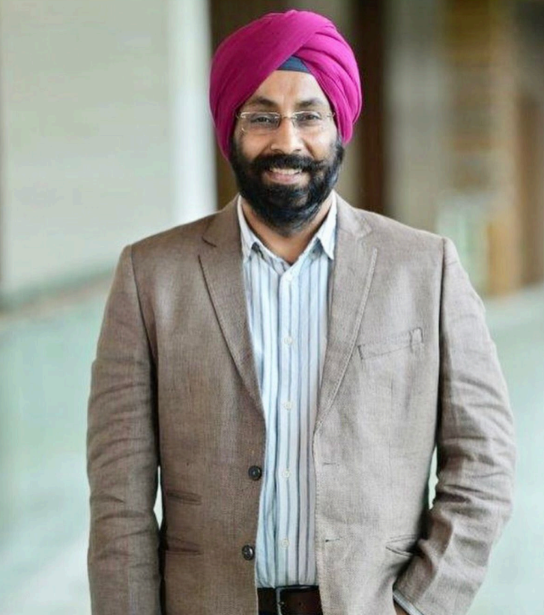
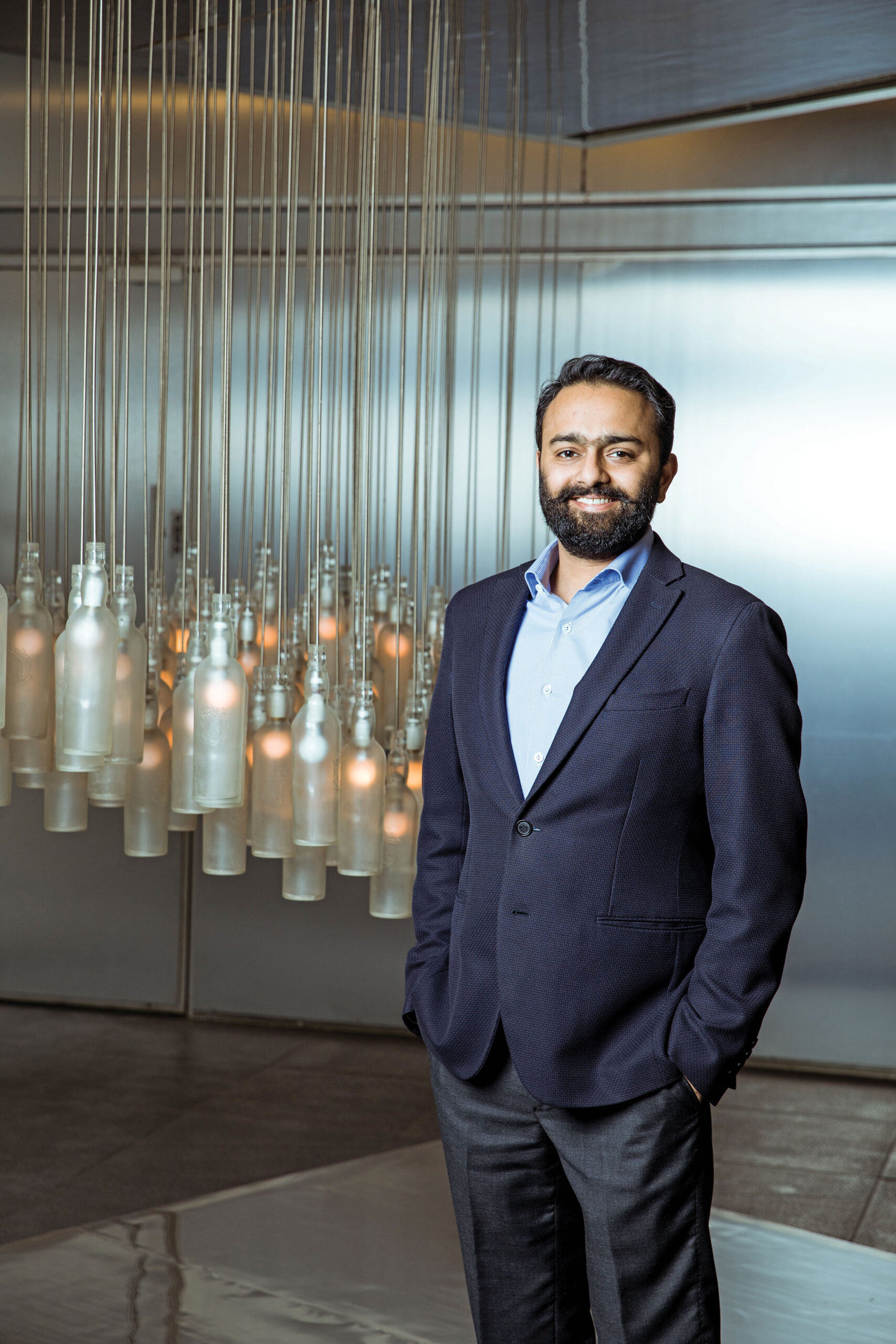
Inderjit Singh Dhingra, General Manager, Brown Spirits (India), Bacardi India

The non-alcoholic segment in India, Dhingra explains, is no longer a secondary choice or a compromise. Instead, it has emerged as one of the most dynamic spaces in the beverage landscape. Consumers today are making deliberate choices where they are choosing drinks that align with their lifestyles, moods, and social settings. And this ritual matters as much as the liquid. Glassware, presentation, complexity of flavour and the overall experience are now central to consumption—as much as the spirit.

This shift toward mindful moderation has prompted DEWAR’S to move beyond a traditional spirit-only mindset. The brand’s entry into premium mixers reflects a broader philosophy—one that ensures that every drink, alcoholic or otherwise, delivers the same standard of quality. Whether paired with a fine aged Scotch or enjoyed on its own, the aim is to make every moment feel elevated and intentional—and that Dhingra says is true to the DEWAR’S way.

What is particularly striking is how wide the appeal of this category has become. From younger consumers seeking visually appealing, well-crafted drinks, to seasoned whisky enthusiasts looking for balance without sacrificing quality, premium non-alcoholic options are finding a place across demographics. Even more traditional audiences are embracing these choices as part of modern socialising.

For DEWAR’S, this inclusivity fits naturally with its belief in experience-led drinking. Dhingra adds that for them every guest matters, and every serve should feel considered. By bringing craftsmanship and sophistication into mixers like soda and tonic water, the brand is extending its values beyond whisky— ensuring consistency in quality across the entire drinking occasion. Of course, that also gives them the fire power to do surrogate and expand the brand communication—an age old trick that many have used before.

Looking ahead to 2026, Dhingra points out that the way people drink is changing just as much as what they drink. Insights from Bacardi’s Cocktail Trends Report reveal a more intentional consumer—one who is trading up, learning more and engaging deeply with flavour and technique. Premiumisation is no longer reserved for special occasions; it has become an everyday expectation.

India’s consumers are also becoming increasingly cocktail-curious, eager to understand ingredients, methods and the stories behind their drinks. Social rhythms, too, are evolving. Earlier evenings, afternoon highballs and intimate gatherings are replacing late-night excess. The focus is shifting to meaningful connection— “day caps” instead of nightcaps—where quality trumps quantity. It is within this thoughtful, experience-first mindset that DEWAR’S feels most at home.

At the centre of DEWAR’S growth is a distinct consumer profile the brand calls “Life Explorers”. These are individuals who value authenticity, cultural awareness and enriching experiences over overt status symbols. Typically aged between 25 and 45, with higher disposable incomes, they invest in premium spirits and curated moments rather than fleeting trends. They are digitally engaged, socially active, and eager to share experiences—fuelling organic brand affinity.

Notably, DEWAR’S has also broadened its appeal beyond traditional whisky drinkers. As whisky appreciation becomes more inclusive, the brand has attracted a higher proportion of female consumers in India—around 34%, compared to the industry average of 24%. For these consumers, fulfilment comes from balance: success paired with freedom, and discovery paired with contentment.

Performance-wise, DEWAR’S continues to set benchmarks. It is currently the fastest-growing Scotch whisky in its segment, delivering a CAGR of over 30% in the last three years and maintaining year-to-date growth of over 25%. Yet, as Dhingra emphasises, what truly sets the brand apart goes beyond numbers.

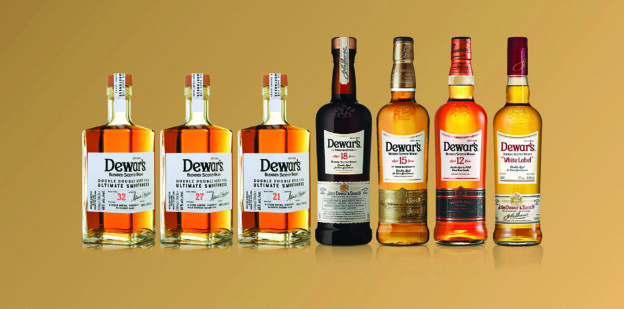
DEWAR’S holds the distinction of being the world’s most awarded blended Scotch whisky—a testament to its unwavering commitment to quality. Central to this success is Master Blender Stephanie Macleod, whose ability to balance tradition with innovation has earned her the title of World’s Best Master Blender for six consecutive years. Her craftsmanship ensures that DEWAR’S remains timeless while continuing to resonate with today’s evolving consumer.

India, the world’s largest whisky market, represents a pivotal opportunity for the brand he adds. With the India–UK Free Trade Agreement expected to come into effect soon, Scotch whisky is poised to reach a wider consumer base than ever before he feels. For DEWAR’S, this makes India a must-win market.

The roadmap ahead focuses on consolidating leadership while sustaining momentum. Beyond scale and distribution, the brand is committed to building deeper connections through liquid innovation, immersive experiences, and culturally relevant storytelling. At its core, DEWAR’S remains anchored in its founding philosophy—creating moments and stories worth sharing.

He concludes that as India’s drinking culture continues to mature, DEWAR’S is not just raising a glass to growth, but to curiosity, craftsmanship, and connection. Here’s to discovering more. Here’s to the story.
Labels That Lead: Inside India’s Evolving Beer Aesthetic

Popular homegrown beer makers share how visual design choices affect what lands in the cart and why.

The Indian beer industry is moving through an exciting phase of transformation. With an estimated 720 million young consumers influencing buying patterns, and the market projected to grow from INR 444.6 billion in 2024 to INR 802.5 billion by 2033, beer brands are navigating a fiercely competitive space with creative agility. In a country where direct advertising is heavily regulated, packaging has emerged as the most influential communication tool for alcoholic beverages. Visual identity, storytelling, convenience, and shelf presence are now essential.

Packaging as Brand Language

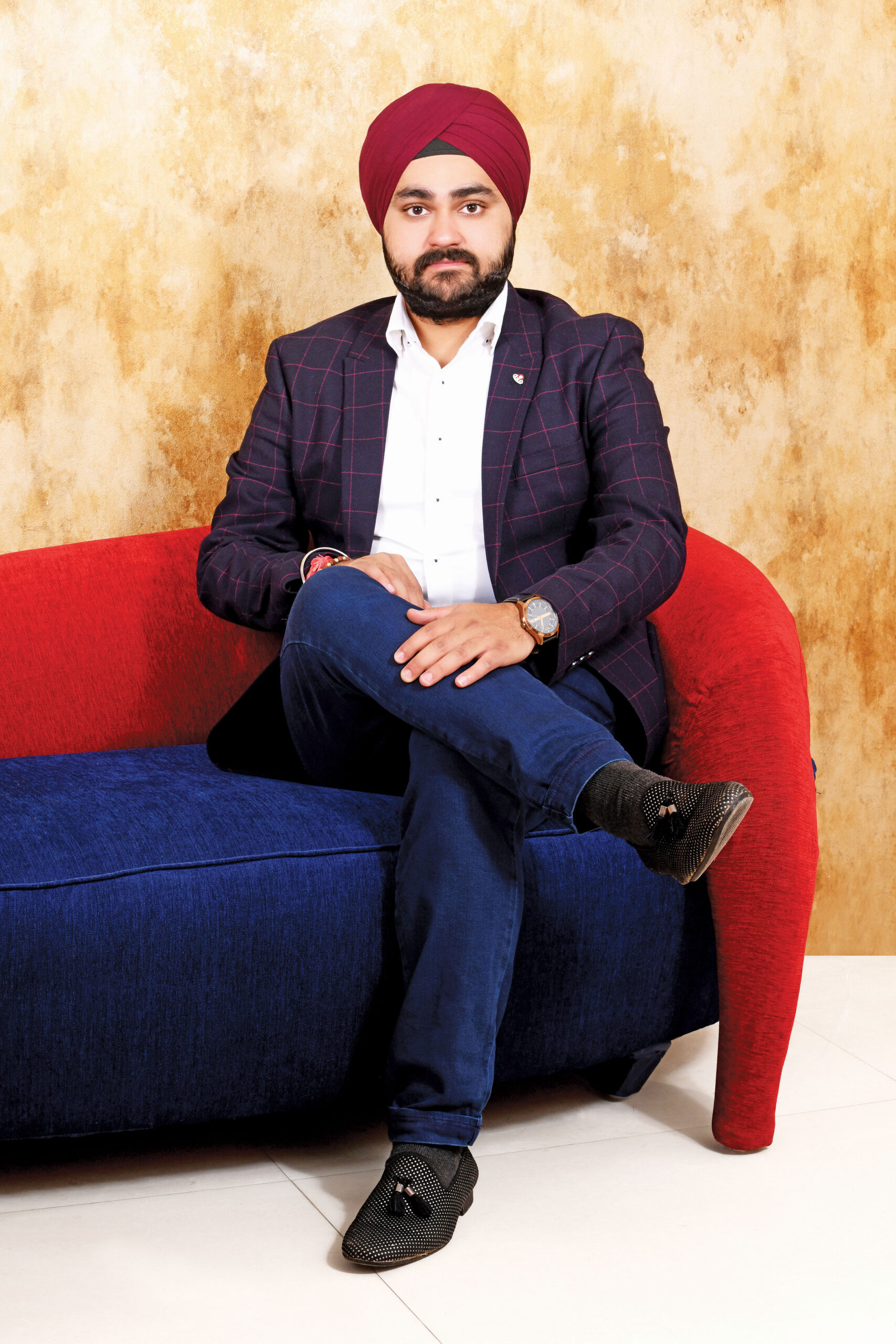
Avneet Singh, Founder and CEO, Medusa Beverages

In the absence of traditional media outreach, the label does the talking. For Avneet Singh, Founder and CEO of Medusa Beverages, packaging is a strategic asset. “It’s the frontline of brand communication. We treat our can like a silent salesman. It signals our ethos, style, and appeal to a youthful, confident Indian identity.”

Arjit Ghosh, Vice President-Sales, Lone Wolf

At Lone Wolf, Vice President-Sales Arijit Ghosh speaks of a similar emphasis noting that packaging becomes a crucial touchpoint. It reflects their philosophy and values, and they aim to connect emotionally with the consumer through design.

Sachin Abrol, Co-founder and CEO of Prisco Potion Private Limited, adds that packaging is the most direct interface between the buyer and the brand. “We treat it as a canvas to build emotional connection and communicate the brand story.”

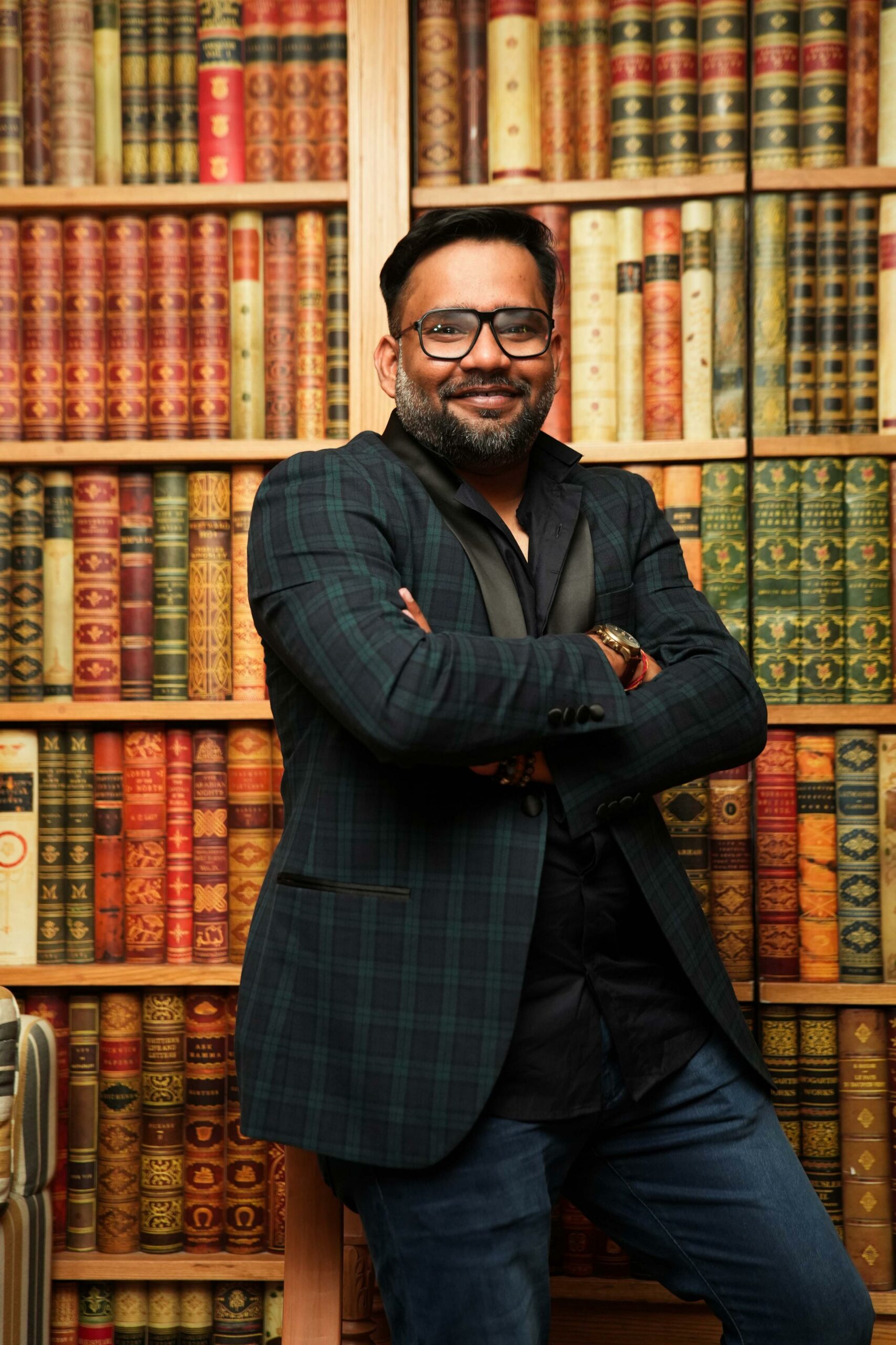
Intekhab Aslam, Head of Marketing, SOM Distilleries

Intekhab Aslam, Head of Marketing at SOM Distilleries, notes that the twist cap on Woodpecker Beer was developed to prioritise ease of use and comfort. Their design strategy emphasises intuitive experiences and functionality that serve immediate consumer needs.

Abhinav Jindal, Founder and CEO of BeeYoung

Packaging has become the handshake between brand and buyer. And as beer buying becomes more experiential, packaging performs both at point-of-sale and post-purchase.

Abhinav Jindal, Founder and CEO of BeeYoung, sees packaging as the product’s storyteller: “The can must evoke emotion and aspiration. It should reflect who we are brewing for.”

Shekhar Swarup, Joint Managing Director at Globus Spirits Limited

Shekhar Swarup, Joint Managing Director of Globus Spirits, which introduced Carib Premium Strong Beer to the Indian market, believes packaging is no longer just the outer shell; it’s the identity. With advertising restrictions in place, Swarup sees packaging as the lead storyteller, capturing the ethos of the Caribbean-inspired brand. For Carib, bright yellow tones, sunray motifs, and blue waves aren’t mere visuals; they convey vitality, cultural roots, and a shared love for cricket that connects India and the Caribbean. “It’s often the first and most lasting impression,” he notes.

The Design Process

Creating packaging that reflects brand character is a nuanced process. Design decisions reflect ongoing interpretations of consumer preferences and brand evolution.

Medusa draws inspiration from mythology and pop culture to mould its visual story. Singh shares that symbols like Medusa and bold metallics are intended to resonate with a new-age Indian mindset.

Ghosh highlights Lone Wolf’s minimal aesthetic. Their use of black for lighter beers and white for stronger ones helps create standout presence. “That’s a deliberate strategy. The hashtag #unfollow encapsulates our philosophy,” he says.

Prisco Potion’s approach is built on emotion, according to Abrol. From identifying the feeling to translating it through material, colour, and texture, their aim is to anchor authenticity.

Carib’s packaging reflects the vibrant personality of its origins. Swarup explains that the design team focused on infusing Caribbean identity into every element. The choice of colours, the batsman icon, and the “United by Cricket” tagline are a nod to shared sporting passions between regions. It’s a packaging narrative that seeks familiarity while bringing freshness to Indian consumers.

SOM’s yellow Glide and black Crest caps ensure ease of recognition. Aslam mentions that the bottle design supports everyday usability.

Jindal explains that BeeYoung Beyond’s matte finish and copper tones borrow from international design while incorporating ingredients such as Doon basmati rice to ground it locally. “The design must echo the beer’s character,” he says.

Seasonal Editions and Engagement

Seasonal releases and festive packaging have become effective tools to spark buzz and deepen brand engagement. Medusa’s House of the Dragon collaboration featured collector’s edition cans with dragon-scale motifs. “This became part of pop culture discourse,” notes Singh. The collaboration led to spikes in digital engagement and store-level demand.

At Prisco Potion, limited-edition packaging is part of the plan. According to Abrol, these drops boost visibility and consumer interaction, especially across visual-first platforms. “We design packaging people want to post about,” he says.

BeeYoung also uses its microbrewery Brewgarden to trial seasonal brews. “Each label or tap handle reflects the season. These become conversation pieces and content for organic reach,” explains Jindal.

SOM launches festive gift packs during key holidays. Aslam views these as purposeful extensions of their visual presentation.

At Lone Wolf, Ghosh shares that their engagement focus lies in crafting seasonal cocktail recipes rather than altering packaging.

Swarup mentions that Carib is currently focussed on strengthening its presence with its core product identity. While festive or limited-edition designs hold promise for the future, the brand aims to first cement recognition and familiarity with its core aesthetic.

Shelf Presence vs Store Rules

In a fragmented market, shelf presence presents ongoing hurdles. Indian alcohol retail follows state-specific policies that affect everything from SKU dimensions to display permissions. As the beer segment grows with frequent product introductions, those who align packaging with both regulation and retail shelf design stay more noticeable.

“Shelf real estate is often monopolised by larger players,” says Singh. “Our solution: bold fonts, high-gloss finishes, and compact layouts that work in dimly lit stores.”

Swarup notes that packaging design isn’t revisited only during product launches. It remains a continual exercise. Collaboration with Carib International ensures that feedback loops, retail behaviour, and shifting trends are considered regularly, helping the brand stay relevant amid regional constraints.

Prisco Potion believes that standout packaging delivers instant impact and layered detail. It should catch the eye quickly but also reveal thoughtful design choices upon closer inspection.

BeeYoung considers distance viewing. “Our design stands out from five feet away in a crowded store. That requires both form and function,” states Jindal.

Lone Wolf reflects on differing conditions across regions. “In cities like Goa, design contributes more due to visibility. In others like Delhi and Chandigarh, the effect is different,” says Ghosh.

Instagram-Ready, Shelf-Ready

With discovery now influenced heavily by digital content, brands are aligning packaging for both physical and virtual impact. Singh explains that Medusa’s mock-ups are reviewed in influencer grids and visual simulations before hitting shelves. “If it doesn’t capture interest visually, it doesn’t move forward.”

While Jindal focusses on tactile detail, ensuring BeeYoung’s cans have distinctive textures and rich colours, Abrol at Prisco Potion considers shareability key. “Packaging that photographs well ends up being reposted and remembered.”

Carib’s packaging has been tailored to appeal across both in-person and social formats. According to Swarup, the objective was to create an experience that resonates with younger, urban consumers who often make snap decisions. The brand’s visual personality supports both tactile recall and online curiosity.

Ghosh values consistency. Lone Wolf’s labels are curated to stay recognisable on shelf and screen alike, while Aslam views packaging as a premium artefact; pleasing in person and polished for digital appeal.

This dual-readiness enhances brand exposure, as packaging increasingly enters the frame of everyday consumer storytelling.

Innovation and Future Directions

India’s beer packaging sector aligns with broader international trends. According to IMARC Group, the global beer packaging market stood at USD 25.9 billion in 2024 and may reach USD 33.9 billion by 2033. Rising craft beer demand, aesthetic focus, and sustainability preferences are redefining packaging goals.

Medusa is introducing AR-enabled packaging and collaborating with artists. “We’re curating design stories connected to regional culture and independent creators,” says Singh. Their internal R&D team is also exploring new finishes that react to temperature changes,creating a dynamic visual experience. This could lead to limited runs tailored for summer or festive seasons.

Prisco Potion is working on immersive packaging solutions. “We’re integrating augmented reality and eco-responsible materials to match evolving expectations,” informs Abrol. The team is experimenting with smart codes embedded into cans, allowing consumers to access exclusive content and loyalty programmes with a scan.

BeeYoung is building on sustainability and regional sourcing wherein they are highlighting ingredient origins through local artist collaborations and biodegradable formats. The brand is also studying reusable packaging models, particularly for urban taproom distributions.

SOM is simplifying visual design while embracing environmental goals. Their new labels reduce ink use and they are exploring partnerships that support visual storytelling. “Discussions are underway with packaging innovators to create water-repellent labels that maintain clarity in chilled environments,” shares Aslam.

Lone Wolf maintains its clarity-first philosophy. “Our designs take time and careful thought. We modify only when it adds real value,” notes Ghosh. They are currently conducting market tests with alternate materials that offer higher shelf life while preserving design sharpness.

Swarup shares that innovation in packaging remains a critical area of exploration for Carib. While the brand has taken a steady approach in its India rollout, the future may see the introduction of smart features and sustainability-led formats as they adapt to local market cues and global directions.

With the Indian beer market expanding at an annual growth rate of 6.72%, packaging innovation is becoming a key tool for market relevance and recall. From fostering shelf standout to shaping digital conversations, it’s become central to beer’s story in India, crafted as thoughtfully as the brew inside.