Tag Archives: American Whiskey

Set Whiskey Free

The import tariffs for Bourbons have been reduced to 100% for bottled products, while bulk imports and other segments still attracting 150% duty structure. In a conversation with Trilok and Bhavya DesaiChris Swonger, President & CEO, Distilled Spirits Council of the United States (DISCUS) speaks about the evolving dynamics between American and Indian alcobev markets, the impact of tariff reductions and the growing global appetite for premium spirits. Excerpts:
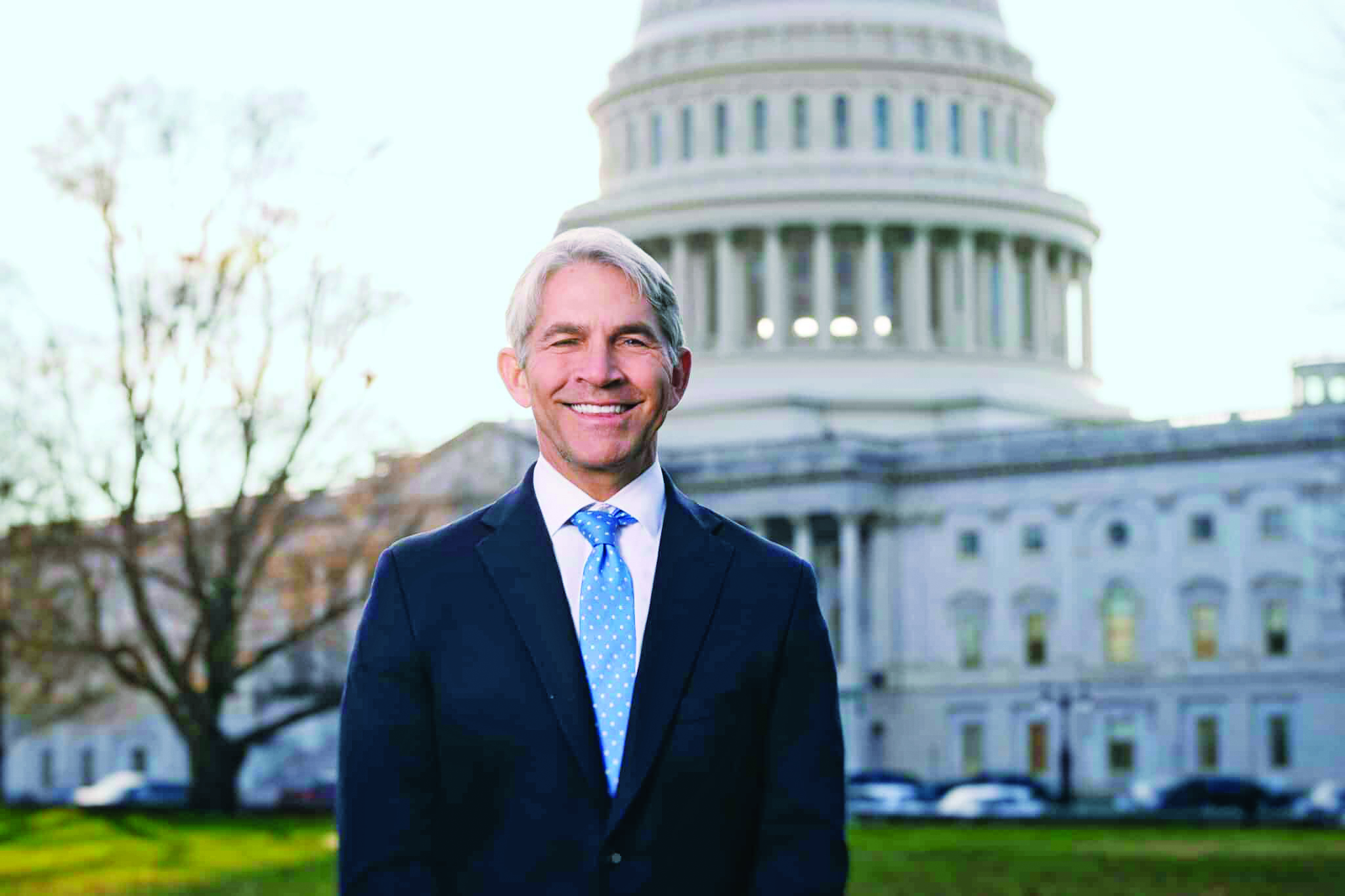
Chris Swonger, President & CEO, Distilled Spirits Council of the United States (DISCUS)

Trilok Desai (TD): The tariff on American whiskey has recently been reduced under the new trade framework. How significant is this change for U.S. distillers looking to expand in one of the world’s biggest whiskey markets?

The excitement is immense. With the Prime Minister and the President working together to reduce the tariff on bottled bourbon from 150% to 100%, it marks a major milestone. Of course, 100% is still high, but it’s a strong start. This creates real opportunities—we’ve seen in other markets that when tariffs drop to zero, both sides benefit. We believe this move opens the door for significant growth and stronger US–India trade relations.

The ultimate goal is to eventually move toward zero-for-zero tariffs, though that might take time—perhaps a decade. But it’s a step in the right direction. Both Indian and American consumers will gain from this exchange of distinctive products and cultures.

Bhavya Desai (BD): Have there been any further discussions between DISCUS, the U.S. government and the Indian government regarding further tariff reductions?

Yes, absolutely. We are in regular communication with the administration, the U.S. Trade Representative and the Department of Commerce. They are well aware of our aspirations. For context, between 1997 and 2018, the U.S. and EU maintained zero-for-zero tariffs, and trade in spirits grew by over 450%. That’s the kind of growth we hope to replicate between India and the U.S.

TD: Traditionally, India has been a Scotch-dominated market. How do you plan to position and expand American whiskey against such strong competition?

We work closely with the Scotch Whisky Association, and there’s no rivalry between us—in fact, our relationship is collaborative. My counterpart, Mark Kent, and I share the belief that standards matter—whether it’s American whiskey, Scotch or Indian whisky. All the economic data shows that when tariffs are reduced, every side benefits.

BD: How do you plan to raise awareness for bourbon in India? Scotch and Indian whiskies are already well established, but bourbon still feels relatively new here?

It’s really about bottle by bottle, sip by sip. The more Indian consumers get to experience American whiskey, the more they’ll appreciate its diversity and craftsmanship.

And awareness starts with accessibility. The recent tariff reduction is an encouraging first step, because it encourages American distillers to invest in this market. We’ve seen six leading American distillers participate at the recent exhibition, showcasing everything from bourbon and rye whiskey to Tennessee and American single malt.

TD: But India is a price-sensitive market and bourbon tends to be more expensive than Scotch—atleast the current ones?

That’s true, largely due to tariffs and import costs. However, premiumisation is an important global trend. Consumers here increasingly seek quality and authenticity. For those who want to experience something distinctive, American whiskey is worth it.

TD: Are American distillers exploring the possibility of bottling in India, like some Scotch producers do?

Some are certainly exploring that. A few already have arrangements to bottle locally or import in bulk. It’s an evolving opportunity, and companies are evaluating how best to bring their products closer to Indian consumers.

BD: Beyond tariff reductions, what other near-term goals does DISCUS have for the coming year?

Education—that’s our top priority. From bartenders and mixologists to retail professionals, we want to build understanding about American whiskey: its heritage, its role in classic cocktails, and its versatility.

American whiskey has a proud history—even George Washington was a distiller. Educating both the trade and consumers about this legacy will be essential to our long-term success.

BD: With ongoing trade tensions between India and the U.S., do you see these issues posing a challenge to your efforts in the alcobev space?

While there are certainly broader geopolitical challenges, we remain optimistic. The relationship between both governments is constructive, and recent dialogues have been encouraging. We’re confident that continued collaboration will bring positive results.

The key is recognising that our industry is interconnected. American whiskey can only be made in the U.S., Scotch in Scotland, and Indian whisky in India. We’re not competitors—we’re collaborators in a shared global culture of spirits.

TD: How is Indian whiskey perceived in the United States?

There’s a tremendous opportunity to introduce Indian whisky to American consumers. Just as we hope more Indians will discover American whiskey, the reverse should happen too. Both industries can benefit from a cultural exchange rooted in craftsmanship and appreciation.

TD: Some small U.S. distilleries have recently closed. What’s driving that trend?

The U.S. market has grown rapidly—from just 60 distilleries 25 years ago to over 3,000 today. Naturally, some smaller operations face challenges due to market pressures. Still, the overall growth of craft distilleries remains a major success story.

We now have craft distilleries in nearly every state. It’s a vibrant ecosystem, much like what’s emerging here in India.

TD: Do you think the growing popularity of Irish whiskey globally has affected bourbon’s market share?

Not necessarily. Irish whiskey’s growth has actually helped expand the overall whiskey category. More variety leads to more consumer interest. Removing trade barriers and increasing accessibility benefits everyone—from bourbon to Scotch to Indian whisky.

BD: Over the years, spirits have overtaken beer and wine in U.S. market share. What’s behind that shift?

Twenty-five years ago, spirits had about 28.7% of the beverage alcohol market. Today, that’s over 42% by value. We’re even projected to surpass beer by volume by 2031. That growth comes from authenticity, innovation and the rise of craft distilling.

Chris: Let me ask you both—why did India historically impose such high tariffs on imported spirits?

TD: Mainly to protect the domestic industry. The tariffs used to be even higher—around 250% years ago—and were gradually reduced to 150%, and now 100%. The plan is to lower them further over the next decade. It’s about giving Indian producers time to mature and strengthen their market presence.

BD: Exactly. India’s spirits sector has evolved rapidly. Domestic producers are now competing in premium segments and exporting globally. Once the industry fully matures, we’ll likely see a more open and balanced playing field.

TD: American whiskey, being corn-based, has a sweeter profile. Do you think that suits Indian palates?

Absolutely. India is a sweet-loving market—rum and sweeter Scotch profiles are already popular. We believe bourbon’s natural sweetness will resonate very well here.

If I may add an analogy—just as parents must eventually set their children free to learn and grow, markets must also open up. India should set its whisky free, allowing it to compete and thrive alongside global peers. When that happens, both Indian and international spirits will flourish together.
Buffalo Trace Brings Kentucky’s Bourbon Soul to India

  • Inside the distillery’s first-ever pop-up in Mumbai
  • Lineup in India includes Benchmark, entry-level bourbon; Buffalo Trace, the flagship; Weller Special Reserve, the wheated bourbon; and Weller 12, the longest age-stated bourbon

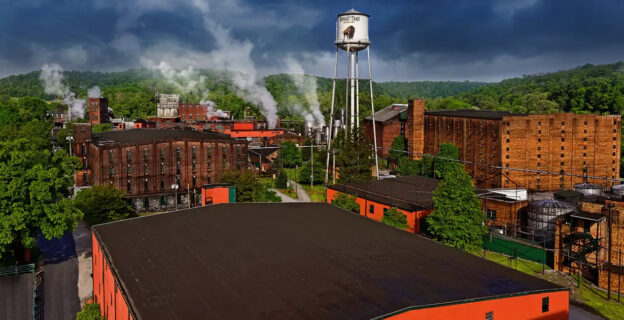
Buffalo Trace Distillery’s first-ever pop-up in India unfolded at Palladium Courtyard in Mumbai recently with the kind of anticipation usually reserved for a brand promotion. The pop-up held over three days, drew whiskey enthusiasts, bartenders, hotel beverage directors, curious newcomers and seasoned collectors, all of whom explored Buffalo Trace’s craftsmanship through a series of immersive zones that broke bourbon into its building blocks: mash bills, yeast strains, fermentation, distillation, warehouse aging techniques and the magical influence of Kentucky’s climate.

A scent bar helped decode nuances like vanilla, caramel, toasted oak, leather and spice, while an aroma-led tasting introduced visitors to the differences between Benchmark, Buffalo Trace’s flagship bourbon and the softer, sweeter profile of Weller Special Reserve, followed by the coveted Weller 12,  the longest age-stated bourbon currently sold in India, which became an instant favourite among guests discovering wheated bourbon for the first time.

There were interactive stations explaining how warehouse location can dramatically change a bourbon’s character; a leather workshop echoing the tactile craftsmanship of barrel-making; a chocolate station that paired artisanal chocolates with different bourbons to highlight how sweetness, bitterness and earthiness interact with aged whiskey; and guided sessions that delved into why bourbon tastes the way it does, how aging works, and why American whiskey has such a distinct flavour fingerprint compared with Scotch. Guests walked away with personalised keepsakes, embossed leather, tasting notes, curated scent cards.

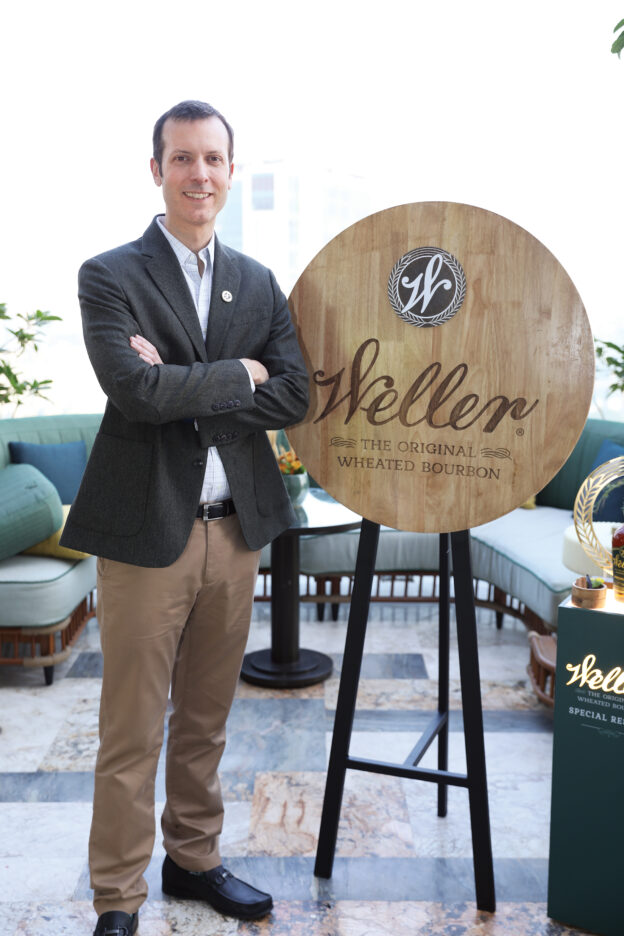
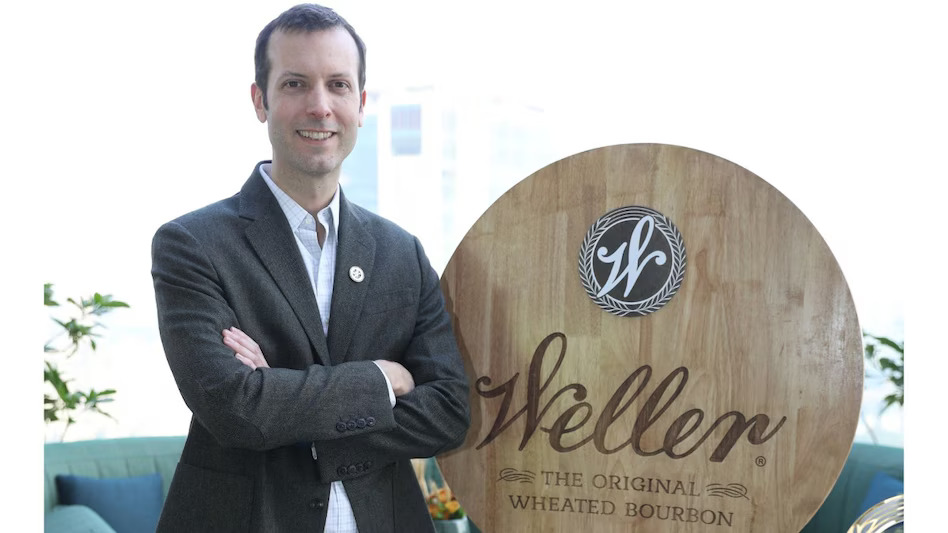
As Diego Bianchi, Vice President, Global Hubs at Sazerac, summed it up: “Buffalo Trace Distillery’s unwavering commitment to craftsmanship, aging and quality distilling has earned it fans across the globe, and we’re thrilled to finally share that experience with consumers in India. The energy and enthusiasm we witnessed in Mumbai was really encouraging, and we’re excited to bring similar immersive experiences to more cities across the country. Through these initiatives, we hope to deepen awareness and appreciation for our bourbon and the rich heritage of Buffalo Trace Distillery.”

Later in a telephonic interview Bianchi said, “For Buffalo Trace, this is not just another brand activation. It is the beginning of building personal, sensory connections with India’s next generation of spirits drinkers. This is our first pop-up, and it’s a big step because it finally allows us to start connecting with more consumers in a meaningful way.”

Bringing Kentucky to India — not through bottles, but through experience

“There is such incredible variety in bourbon,” he explains. “Different flavours emerge from different aging techniques, warehouse conditions, mash bills, all of these elements shape a bourbon’s character. The sensory and interactive zones are designed to help consumers understand this in a hands-on, immersive way.”

The goal is not just to showcase the brand, but to demystify the bourbon category for a market that has long been Scotch-dominant. “People shouldn’t just drink bourbon—they should understand it,” he says. “And India deserves that level of education and connection.”

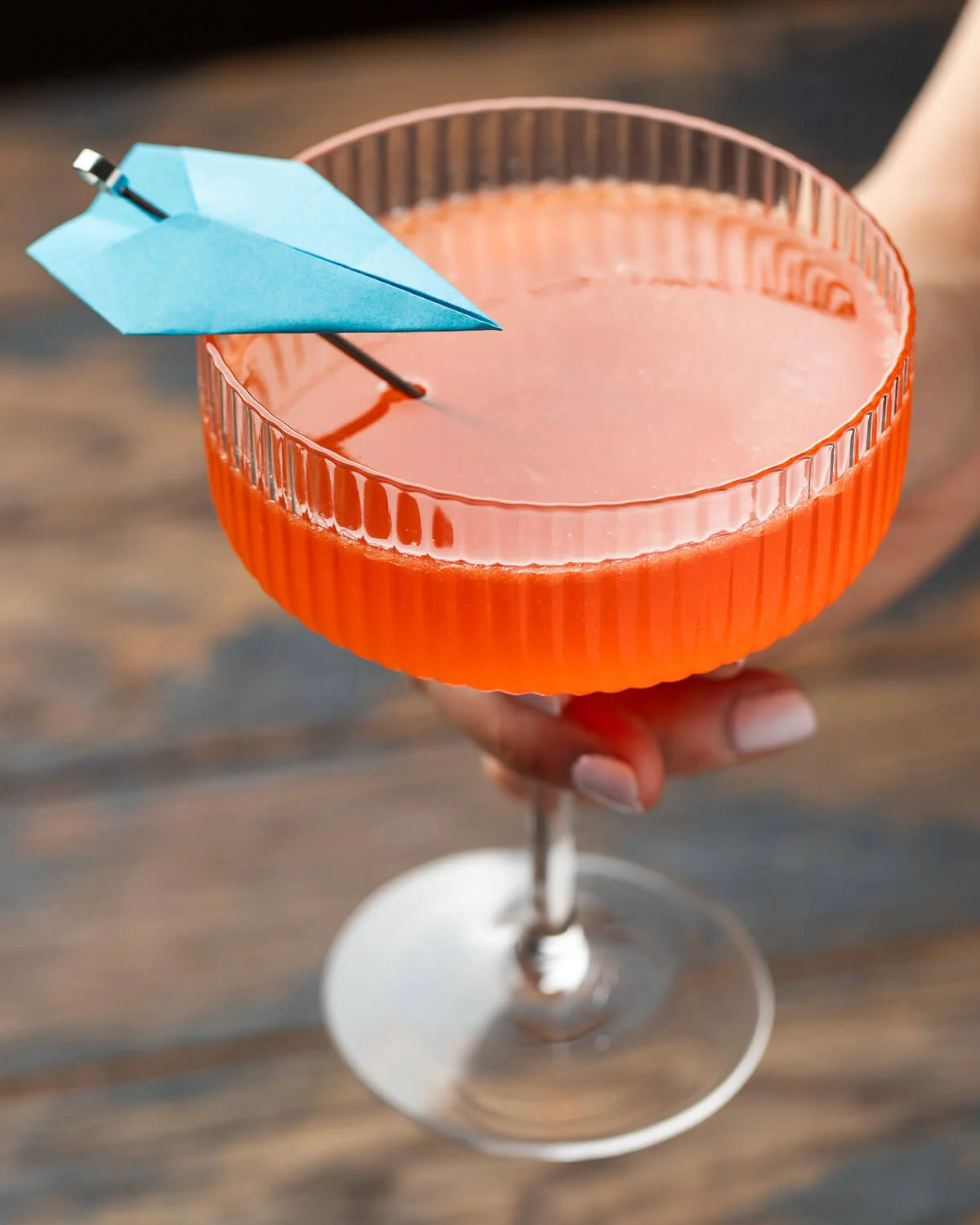
Every trip to India, he says, brings evidence of how quickly bourbon is finding its footing. Bartenders in leading bars and hotel chains report rising interest in bourbon-based cocktails, Paper Planes, Old Fashioneds, Whiskey Sours. Consumers are starting to ask for bourbon by name. “Our bourbons make excellent cocktails, and we’re hearing from bartenders that people are specifically requesting them,” he says. “Cocktail culture is booming in India, and that’s a huge gateway for bourbon.”

Bourbon comes with a flexible identity: neat, on ice, in highballs, or in craft cocktails. That versatility plays well with younger drinkers who are not bound by legacy drinking habits. At a time when millions of Indians enter the legal drinking-age segment annually, Buffalo Trace sees a generational opportunity: introducing bourbon at the very start of their spirits journey.

No competition drama, just category building

“There’s so much room,” Bianchi notes. “India is one of the fastest-growing economies. As disposable incomes rise, people want to try new things. Bourbon will be one of those new explorations.” What matters, he says, is showing India the depth, heritage, and craftsmanship of bourbon, not pitching it as a replacement for anything.

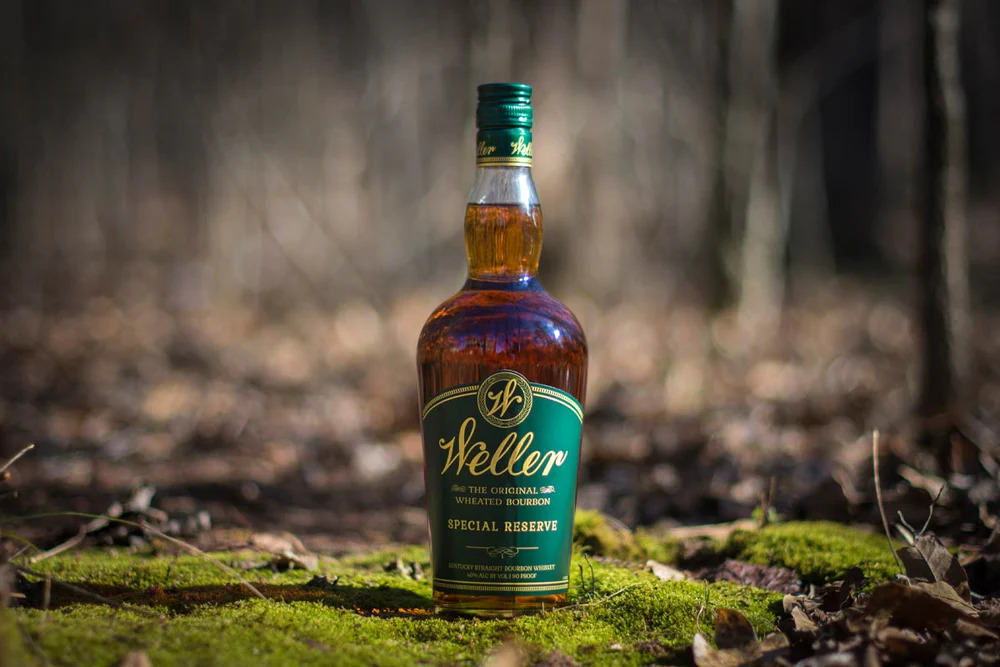
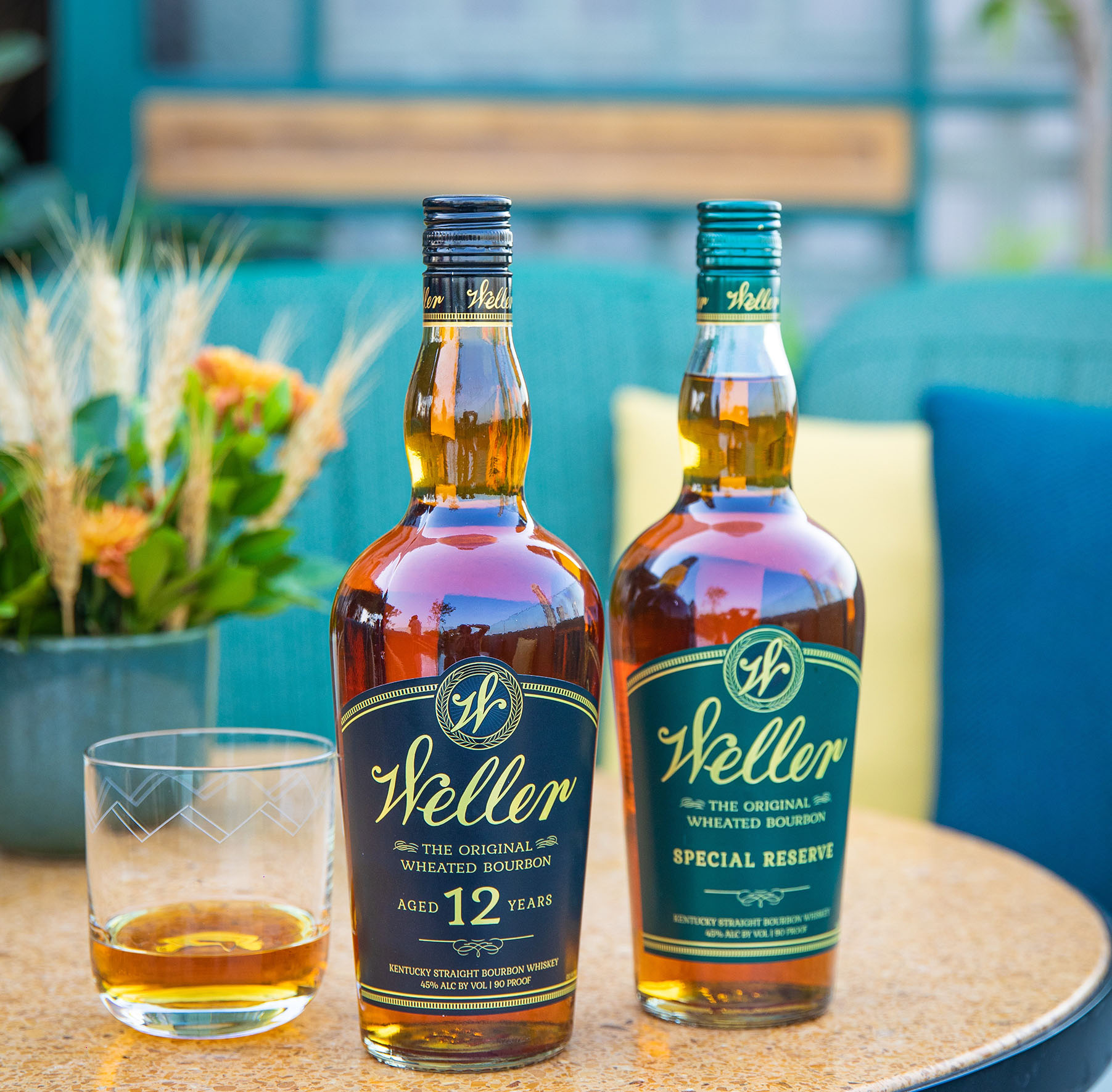
Buffalo Trace’s India portfolio is compact but strategic. The lineup includes Benchmark, an approachable entry-level bourbon; Buffalo Trace, the flagship, beloved for its balance and depth; Weller Special Reserve, the wheated bourbon that appeals to softer-palate drinkers; and Weller 12–the longest age-stated bourbon currently available in India.

Distribution today is across Mumbai, Delhi and Bengaluru, but plans for broader expansion are active. “We’re in the early stages, but every visit shows progress. We see more availability, more consumer awareness, more interest.”

As regards Pop-ups, he says, “There’s no reason why we can’t do this every year or even more often. These experiences are critical. They are the most effective way to ensure consumers truly understand and enjoy bourbon.”

India, Central to Sazerac’s Growth Plans

The Sazerac Company, one of the world’s largest distilled spirits companies, has major plans for India. The company which has got some fine distilleries across the globe, including in Goa, India, continues to expand its business across continents. To know their rich history and strong distilling capabilities, one can visit Buffalo Trace Distillery in Kentucky, United States; at Domaine Sazerac de Segonzac in Cognac, France; and at Paul John Distillery in Goa, India. Sazerac has additional impressive locations in New Orleans, Montréal, London, Cork and Sydney, to name a few. Sazerac, a family-owned company with nearly 400 years of history, is striving hard to bring the finest spirits to consumers and communities around the world. With renewed interest in Bourbon whiskey in India and Sazerac’s plans, in an interview with Ambrosia, Diego Bianchi, General Manager of Emerging Markets & Barrel Select at Sazerac gives an insight into what is brewing at Sazerac.

What is the potential of the bourbon market in India? What percentage has it been growing in India?

India, as the world’s largest whiskey market, is central to Sazerac’s long-term growth plans. Over the last few years specifically India has experienced an increase in interest in premium American whiskey. The recent launch of Weller Bourbon, one of the most awarded wheated whiskeys in the world, signals Sazerac’s commitment to introducing high-quality, premium spirits to Indian consumers to meet the growing demand in the country. While bourbon as a category is still in its early stages in India, we see tremendous potential for growth driven by favourable economic trends and policy reforms, as well as shifting consumer preferences.

The bourbon market in India is small compared to Scotch, what are the plans to grow this category?

India’s whiskey market, dominated by locally produced spirits and Scotch whisky, offers a unique challenge and opportunity for premium bourbons like Buffalo Trace Distillery’s Weller Bourbon. Buffalo Trace Distillery is the World’s Most Award-Winning Distillery, with over 1,000 accolades. Known for blending tradition with innovation, the distillery experiments with mash bills, barrel techniques, and wood types to continuously push the boundaries of bourbon-making. This commitment to quality and innovation ensures a dynamic and relevant portfolio for global whiskey enthusiasts.

Our goal is to drive awareness and elevate the bourbon category’s premium appeal by introducing interesting and varied expressions into the market. Educating consumers about the unique distillation process and various bourbon mashbills that make bourbon a distinct whiskey offering is a key piece of this.

With India’s premium spirits market poised for continued growth, Weller’s focus on heritage and storytelling, alongside collaborations with connoisseurs and bartenders, is helping position it as a premium yet accessible choice for spirits-enthusiasts.

Which brands of bourbon whiskey are you planning to bring to India?

Currently in India we offer Benchmark Bourbon, Buffalo Trace Bourbon and the recently launched Weller lineup of Weller Special Reserve and Weller 12-Year-Old. In the coming years we expect to continue to introduce Indian whiskey fans to even more of Buffalo Trace Distillery’s award-winning portfolio to meet the market’s increasing demand for luxury spirits and authentic storytelling.

Weller 12-Year-Old Bourbon, aged for over 12 years, offers a smooth, rich experience with notes of almond, creamed corn, and vanilla, best enjoyed neat or on the rocks. Priced at ₹5,400 in Haryana and ₹7,750 in Mumbai, it is India’s oldest age-stated bourbon.

Weller Special Reserve Bourbon features a smooth profile with flavors of honey, butterscotch, and soft wood, complemented by a sweet honeysuckle finish. Versatile for sipping or mixing, it’s priced at ₹2,500 in Haryana and ₹4,500 in Mumbai.

Sazerac is to ‘leverage’ its relationship with John Distilleries, could you explain how?

Sazerac currently holds a 60% stake in John Distilleries, and it has been a strong and productive partnership. John Distilleries’ deep understanding of the Indian market has been invaluable for Sazerac as we navigated India’s dynamic and highly regulated landscape. Through our partnership Sazerac has benefitted from the company’s well of industry knowledge and established practices specific to the Indian market.

With Bourbon duties cut from 150 to 100% in India, will we see a quantum jump in Bourbon sales?

The reduction in duties is a positive first step. We hope this will lead to more premium bourbon brands becoming available in India, helping to grow the category and educate the consumer about what bourbon is and why it deserves a place on their bar.

How will the duty cuts impact the Indian whisky market, per se? Will there be a price correction?

No comment.

‘Jim Beam has been crafted with unparalleled expertise for 230 years’

One of the most notable recent developments in the Indian alcobev industry is the reduction of import tariffs on bourbon. In February 2025, the Indian government reduced import tariffs on bourbon whiskey from 150% to 100%, aiming to strengthen trade relations with the United States. This move is expected to make bourbon more competitively priced in the Indian market, potentially increasing its availability and boosting consumer interest. Bhavya Desai spoke with Neeraj Kumar, Managing Director of Suntory Global Spirits India, about the impact, growth potential, and more. Excerpts:

Before the tariff cut, bourbon imports into India were relatively modest, with the country importing around $2.5 million worth of bourbon during the 2023–24 fiscal year. The U.S., holding the GI (Geographical Indication) tag for bourbon, has been the primary supplier, accounting for nearly a quarter of these imports. The tariff reduction is expected to encourage more imports from American producers, enhancing their competitiveness against other international and domestic
spirits.

According to Neeraj, the reduction is well-timed, given the bourbon market’s strong growth potential in India, driven by shifting consumer preferences and a rapidly expanding alcoholic beverage industry. “Jim Beam, our leading bourbon whiskey, has seen strong double-digit growth in recent years, securing market leadership in the American whiskey category across key Indian cities. This reflects a growing appetite for bourbon among Indian consumers.”

Neeraj attributes this growth to bourbon’s versatility, which appeals to both neat drinkers and cocktail lovers, offering a unique opportunity to engage a new generation of whiskey enthusiasts. He also sees the tariff reduction as a strategic step toward strengthening trade ties between the world’s two largest democracies, supporting bourbon’s growing market presence and meeting increasing demand for premium whiskey experiences.

That said, the bourbon market in India is still relatively niche compared to scotch. While the tariff reduction is a positive step, more effort will be needed to grow the category. Neeraj acknowledges this, noting that the reduction marks a significant step toward expanding bourbon’s footprint, encouraging investment from American distillers, and improving accessibility for Indian consumers. Bourbon exports to India have already been growing at 20% annually, and the tariff reduction is expected to accelerate this trend.

Suntory Global Spirits is proud to be the custodian of the world’s #1 bourbon, Jim Beam, Neeraj emphasises. “Jim Beam has been crafted with unmatched expertise for 230 years, each bottle carrying the legacy of generations of dedication and craftsmanship. We are committed to building scale and momentum for the brand through premium experiences tailored to Legal Drinking Age (LDA) consumers, including differentiated activations centered around bourbon refreshment moments. Our ‘Jim Beam Highball’ strategy aims to deliver a refreshing and memorable drinking experience.”

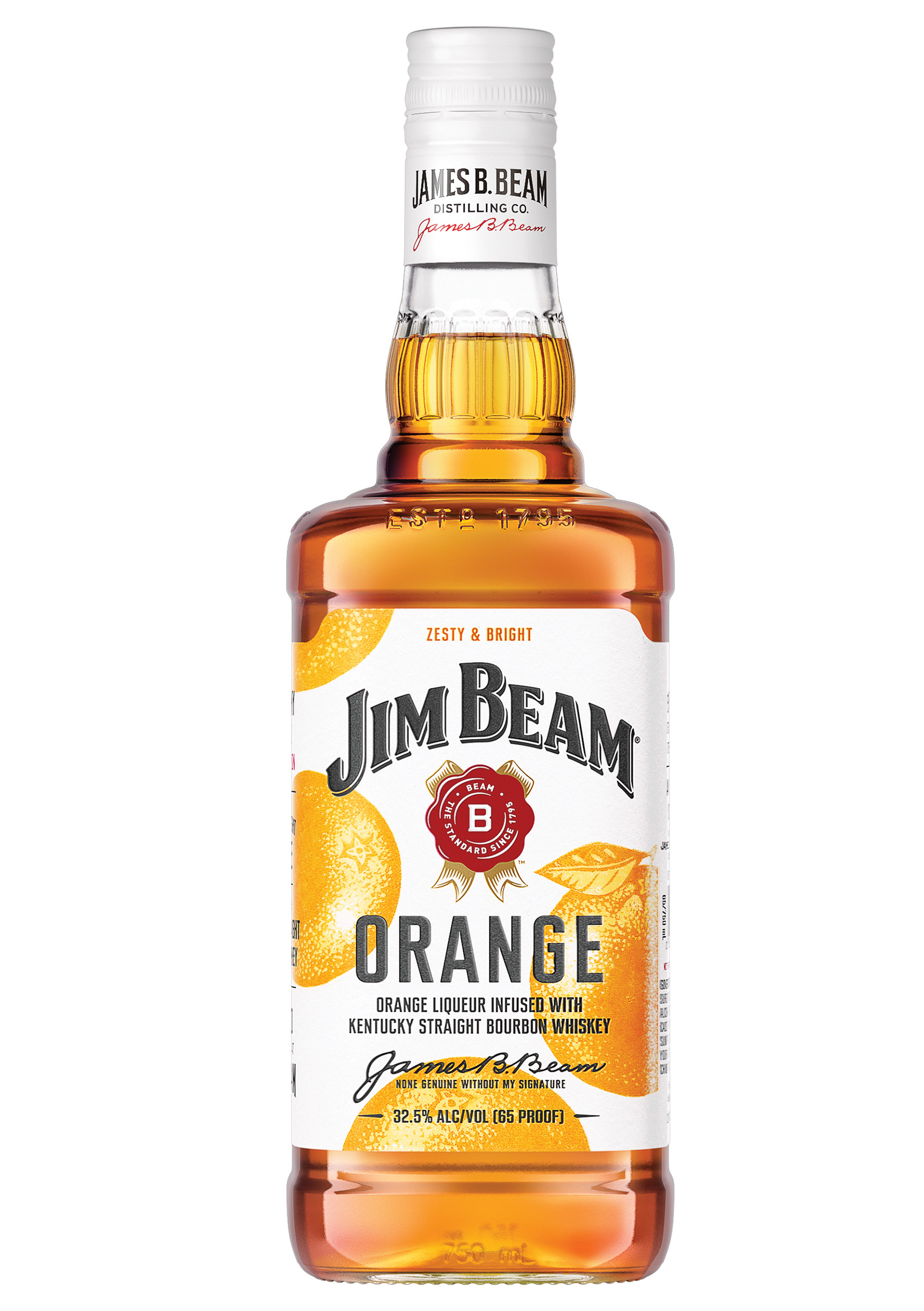
Suntory Global Spirits is also looking to expand its portfolio in India, introducing more offerings under the Jim Beam label and other spirits like Maker’s Mark. The current Jim Beam lineup in India includes Jim Beam White and Jim Beam Black Kentucky Straight Bourbon Whiskeys, along with the recently launched Jim Beam Honey and Jim Beam Orange flavours — both of which have been well received by consumers and bartenders, particularly for bourbon-based cocktails.

It’s clear that Suntory Global Spirits is eager to make its mark (pun intended) and secure a larger share of the Indian spirits market. Neeraj’s enthusiasm reflects the company’s strong commitment to India as a priority market. “We are dedicated to meeting the growing demand in this market,” he says.

Jim Beam remains a major focus for the company in India, with momentum building steadily over the past two years. The launch of Jim Beam Honey and Jim Beam Orange has received a promising response from both consumers and bartenders, reinforcing bourbon’s growing popularity in India.

Globally, Suntory Global Spirits’s bourbon portfolio also includes Legent, Basil Hayden, and Knob Creek. The company continues to assess opportunities for expanding in India — though Neeraj stresses that timing will be key.

So, is local bottling on the table? Neeraj’s response is measured: “Our approach to bottling follows strict global standards to ensure the highest quality across all our brands. Each bourbon has its unique characteristics, influenced by GI norms, blending techniques, and precise recipes for seasoning, maturation, and bottling. Any decision on local bottling will be carefully evaluated to maintain the integrity and authenticity of our products and deliver the best experience to Indian consumers.”

The tariff reduction comes at an interesting time, aligning with India’s broader strategy to negotiate a comprehensive trade agreement with the U.S. — one that aims to double bilateral trade to $500 billion by 2030. Overall, the reduction in bourbon tariffs marks a significant shift for India’s alcobev market, promising greater consumer choice and a more diverse spirits industry. And perhaps, this could pave the way for a similar shift in the Scotch market too — who knows?