Tag Archives: Alcoholic Beverages

India–EU FTA to Unlock Opportunities in Alcobev Sector

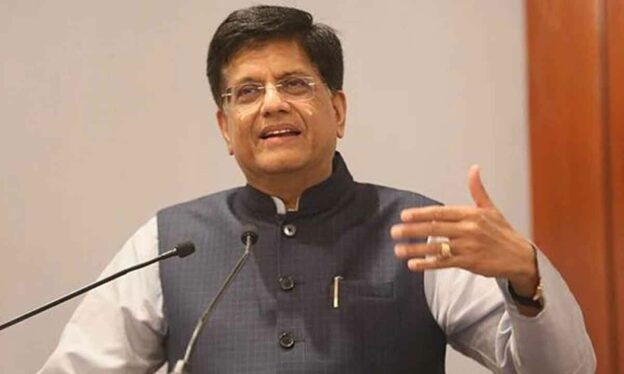
The Union Minister of Commerce and Industry, Piyush Goyal, who concluded a significant two-day visit to Brussels on January 8, as part of the India-European Union Free Trade Agreement negotiations has said this will be the ‘mother of all deals.’ Negotiations are in the final phase and several media reports suggest that the historic FTA will be signed January end.  

“I have done seven deals so far. All with developed economies. This one will be the mother of all,” the minister said. Goyal has successfully negotiated FTAs with UAE, Australia, the UK, Oman, New Zealand, Mauritius and the four-nation free trade association (Iceland, Norway, Switzerland, and Liechtenstein).

During their engagement, Union Minister Piyush Goyal and Commissioner Šefčovič carried out detailed deliberations across key areas of the proposed agreement. Both sides took note of the steady progress achieved across various negotiating tracks including Market Access for Goods, Rules of Origin, Services etc. Both sides emphasized the strategic importance of concluding a fair, balanced, and ambitious agreement that aligns with their shared values, economic priorities, and commitment to a rules-based trading framework.

Barring agriculture, the FTA will include technology, pharmaceuticals, automobiles, textiles, steel, petroleum products, electronics and alcobev sectors.

As regards the alcobev sector, India’s alcoholic beverages industry, analysts believe, will be a significant beneficiary of the proposed India–European Union FTA. The EU agreement is shaping up at a time when India’s domestic alcobev market is undergoing structural change, marked by premiumisation, urban consumption growth and a growing acceptance of imported wines and spirits in metro and tier-one cities. Together, these shifts create a fertile backdrop for a recalibration of tariff and market-access rules governing alcohol trade between India and the 27-nation EU bloc.

Imported $572 million in 2023

The distilled spirits market in India is also fast expanding, with imports valued at $572 million in 2023, indicating a growing demand for both wine and spirits from the EU. Worldwide, the EU exported nearly €29.8 billion worth of alcoholic beverages in 2024, with wine dominating and spirits/liqueurs as a major category, but only a small fraction is accounted for by India.  

But, India is fast opening up as a strategically attractive market for European spirits (large population, rising middle class), though there are tariffs & regulatory barriers which have historically constrained trade expansion.

Trade FlowProduct CategoryValue (Approximately)
India-EU ExportsWinesUSD 1.5 m
 Spirits and Mixed ProductsUSD 64.9 m
EU-India ImportsWines    USD 412.4 m
 Spirits & LiqueurUSD 22.3 m

FY 2023–24 trade data Ministry of Commerce

At present, India imposes some of the world’s highest import duties on alcoholic beverages, with basic customs duties on wines and spirits going as high as 150 percent, even before state-level taxes and mark-ups are added. These tariffs have historically limited volumes but have not dampened European producers’ interest in India, given the country’s long-term consumption potential and rising disposable incomes.

According to trade data, the EU is already India’s largest source of imported wines and a major supplier of premium spirits, with imports dominated by France, Italy and Spain in wines, and by producers from countries such as France, Ireland, Germany and the Netherlands in spirits and liqueurs. European companies see the FTA as a pathway to improve price competitiveness and expand beyond niche, high-end consumption into broader premium segments.

Hoping for Faster Label Approvals

From the EU’s perspective, the agreement is not only about tariff reductions but also about regulatory predictability, faster label approvals and clearer rules on distribution and state-level taxation in India. Large multinational players such as Pernod Ricard, Diageo, Rémy Cointreau and Beam Suntory, along with leading wine exporters from France, Italy and Spain, have long argued that India’s current duty structure distorts pricing and restricts category development.

A phased reduction in customs duties under the FTA could make European wines and spirits more accessible to Indian consumers who are increasingly trading up from mass-market domestic brands to premium and international offerings.

For Indian producers, the India–EU FTA presents a more nuanced picture. On the one hand, lower duties on imported alcohol could intensify competition in the premium and luxury segments, particularly in wines, brandies, gins and liqueurs, where European producers enjoy strong heritage and brand recall. On the other hand, the agreement could significantly improve export opportunities for Indian spirits and wines in the EU market, where tariffs are already low but non-tariff barriers, branding challenges and distribution costs have limited India’s presence. Indian companies with premium aspirations see the EU as an important destination for Indian-made whiskies, craft gins, rums and niche wines, especially as global consumers show greater openness to new origins and styles.

The likely structure of alcohol concessions under the India–EU FTA is expected to draw lessons from India’s recent trade agreements with the United Kingdom and Australia. Under the India–UK FTA, India agreed to phased duty reductions on certain spirits and limited concessions on beer, while keeping wines largely outside the scope of tariff liberalisation. The agreement reflected India’s cautious approach to protecting domestic wine producers and managing state-level sensitivities around alcohol pricing and availability.

The India–Australia trade pact, which came into force earlier, went further on wines, with duties on premium Australian wines reduced substantially from earlier levels, improving their competitiveness in the Indian market and providing a clear example of how tariff relief can stimulate category growth without overwhelming domestic producers.

Tariff Reductions?

In comparison, the India–EU FTA is likely to be broader in scope given the EU’s dominance in global wine exports and its diverse portfolio of spirits and liqueurs. European negotiators are expected to push for meaningful, though phased, tariff reductions on wines and spirits, Indian industry bodies such as the CAIBC (Confederation of Indian Alcoholic Beverage Companies) have advocated a calibrated approach that links duty cuts to minimum import prices, safeguards against under-invoicing and strong rules of origin to prevent trans-shipment. These demands reflect concerns that overly aggressive liberalisation could disrupt domestic manufacturing and state revenues, even as policymakers recognise the need to align with global trade norms.

Ultimately, the India–EU Free Trade Agreement has the potential to be more transformative for the alcohol sector than India’s recent FTAs. For European producers, it represents access to one of the world’s most promising premium alcohol markets. For Indian companies, it offers both competitive pressure and the opportunity to scale exports to a sophisticated, high-value consumer base. As negotiations move closer to the finish line, the alcohol industry on both sides is watching closely, aware that the final contours of the agreement could shape drinking patterns, brand strategies and investment flows for years to come.

Proost Beer Achieves Rs. 115 Crore Revenue in FY25

Grano69 Beverages, makers of beer brand Proost, has registered revenues of over Rs. 115 crores for FY25, achieving EBITDA breakeven. This marks 174% growth over last year’s revenue of Rs. 42 crore and a sharp rise in volumes from 2.5 Lakhs cases in FY24 to 8 lakhs cases in FY25.  

Tarun Bhargava, Co-Founder & CEO, Proost

A key contributor to this year’s performance has been Proost Strong Beer.  The brand expanded its footprint to six states, Delhi, Punjab, Uttar Pradesh, Kerala, Karnataka and Jharkhand while strategically deepening market share in its core regions. The company is set to introduce new products shortly to further strengthen its lineup. Tarun Bhargava, CEO and Co-Founder of Proost Beer, said, “Growing from around 42 crores in FY24 to 115 crores in FY25 and turning EBITDA-Breakeven is a validating moment for the team. It proves that a beer brand in India can be built sustainably, with discipline and capital efficiency, without burning irrational amounts of cash. For us, this milestone represents years of learning, pivots, setbacks, and belief. And honestly, it still feels like day one.”  

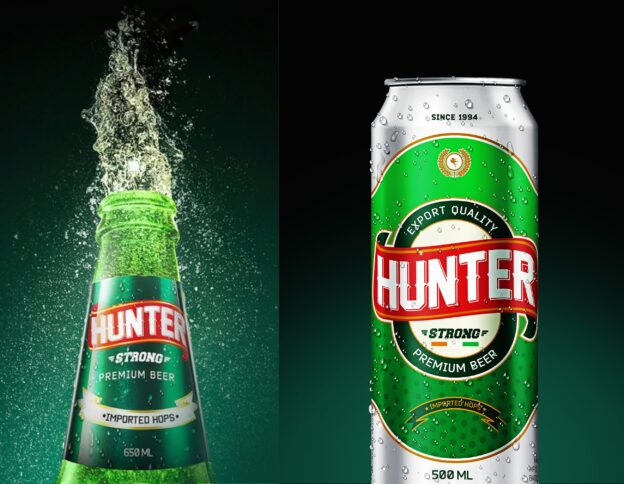
Hunter Achieves 7 Crore Bottles Average Yearly Sales

Hunter Beer, the flagship brand of SOM Group of Companies, has achieved two milestones this year – celebrating 25 years and registering average yearly sales of 7 crore bottles.  Hunter Beer is known for its smooth yet strong taste and unapologetically confident identity, representing India’s new-agenbeer drinker: bold, ambitious, and ready for the next big moment.
First launched in 1994 and repackaged in 2016, Hunter operates in the mainstream strong segment (MSS), competing with category leaders. Hunter’s presence spans over multiple states across India, including key markets like Madhya Pradesh, Odisha, Delhi, Karnataka, and Jharkhand.
“World Beer Day isn’t just about beer- it’s about the stories we create with every sip,” said Deepak Arora, CEO, SOM Group of Companies. “Hunter Beer has become a part of those stories- from late- night rooftop conversations to weekend getaways with friends. It’s a celebration of bold flavour and fearless living. With annual sales crossing 7 Crore bottles now, Hunter has built a loyal consumer base across metros and rising Tier-II cities. Its success is rooted in uncompromised quality, vibrant branding, and an iconic flavour profile that speaks directly to India’s bold, independent generation.”
SOM Group of Companies offers a diverse portfolio of premium beers, spirits, and ready-to-drink products. Headquartered in Bhopal, the company has a strong presence across multiple states and exports to several international markets. Its flagship brands are Mahavat Whisky, Bhimbetka Single Malt, and popular beer brands are Hunter, Woodpecker, Power Cool & Black Fort.

HEINEKEN names Vineeth Suresh as India GCC Head

HEINEKEN N.V., the Netherlands based brewing conglomerate has confirmed appointment of Vineeth Suresh to lead its India GCC in Hyderabad, HEINEKEN Business Services India Private Limited.

Vineeth most recently was a Partner with KPMG, leading the GCC sector in Consumer Markets & Retail. An experienced and transformative leader in the GCC space, he has previously been in leadership roles with other large organisations such as Diageo and Tesco.

Confirming the news, Ákos Magyari – Director HEINEKEN Business Services, stated that the appointment showcases the company’s strong commitment to use India as a strategic delivery and transformation hub. HEINEKEN Business Services India is an addition to HEINEKEN’s existing global network of connected hubs that will provide essential services and capabilities to Operating Companies within HEINEKEN. The business services network plays an important part in HEINEKEN’s EVERGREEN strategy.

India’s First Homegrown Vermouth Launches in Bangalore

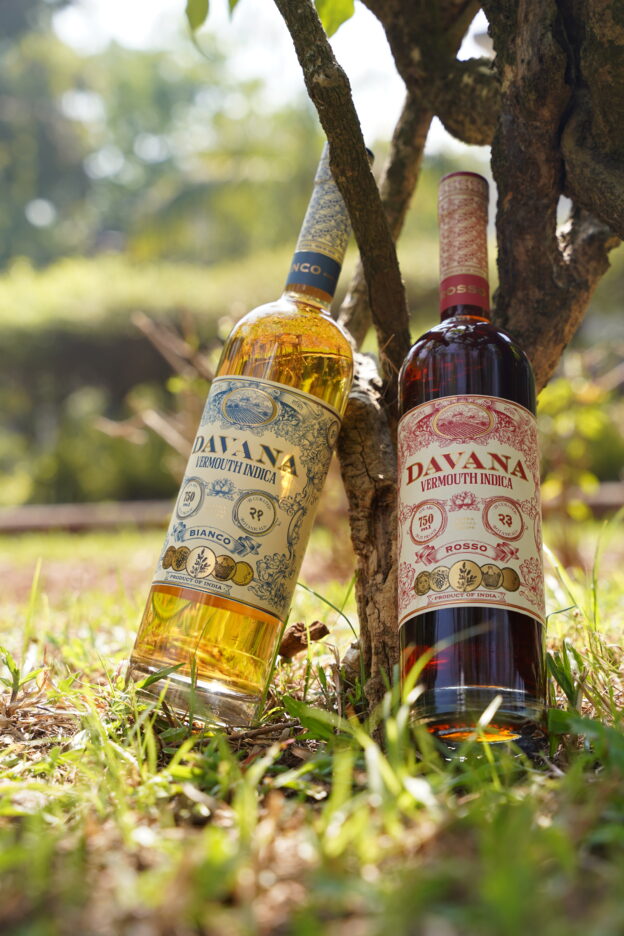
After a successful debut in Goa, Davana Vermouth Indica – India’s first 100% homegrown vermouth, is now available in Bangalore. This expansion brings the brand’s expressions, Bianco and Rosso, to the garden city.

Davana is crafted using a Chenin Blanc wine base and infused with 21-23 native botanicals, including its namesake ‘Indian wormwood’ known as ‘davana’. Available in two distinct styles — Bianco, a light and floral blend with citrus and spice, and Rosso, a deep, spiced, and bittersweet offering — the brand presents an aperitif that’s versatile, elegant, and unmistakably Indian. 

While vermouth has long held its place in cocktails like the Negroni, Martini, and Manhattan, it has rarely taken centre stage in Indian bars or conversations. Davana is looking to change that. The brand is not only looking to offer a local alternative to imported vermouths but also aims to educate consumers about vermouth as a category — as a pre-dinner ritual, a low-ABV sipping experience, and a key cocktail component. 

Adarsh Gadvi, Co-Founder, Davana Vermouth Indica, says, “After Goa, we decided to bring Davana to a market that would spark conversations around vermouth. We’re excited to showcase a new generation of Indian spirits made for the world — but rooted at home.” 

Founded by Adarsh Gadvi and Evgenii Savvateev, Davana took shape after over two years of development and more than 50 recipe trials. The bottle is a visual ode to India — adorned with intricate illustrations of lotus, peacocks, tigers, and the aromatic davana herb. The embossed Devanagari logo on the textured, cork-sealed bottle embodies bold design, artisanal craftsmanship.  

Tilaknagar Industries reports 82% PAT growth in Q2

  • Expansion plans in East and North-East markets
  • TI leverages Samsara brand equity, soon to launch range of luxury products

Leading Indian-Made Foreign Liquor (IMFL) manufacturer, Tilaknagar Industries Limited (TI) has reported a profit after tax excluding exceptional items (PAT) of ₹58.2 crore, implying a growth of 82.4% over the ₹31.9 crore PAT reported in the corresponding quarter last year. The earnings before interest, tax, depreciation and amortisation (EBITDA) at ₹66 crore grew 39% over the ₹47.4 crore EBITDA reported in Q2 of the previous year.

Significantly, the company’s EBITDA margin expanded 422 basis points year-on-year (YoY) to 17.6%. Adjusted for the subsidy income, EBITDA came in at ₹56 crore, at a margin of 15.3%, showing 188 basis points expansion YoY. This growth in profitability was witnessed despite muted growth in net revenue from operations, at 5.8%, to ₹374.9 crore due to a temporary slow-down in growth, caused by policy transition in one of company’s key markets, Andhra Pradesh, which has recently opened liquor retail to private parties in the state.

Amit Dahanukar, Chairman and Managing Director, Tilaknagar Industries said, “With retail going private in Andhra Pradesh mid-October onwards, we expect to continue with our industry-beating growth trajectory, achieved through a combination of doubling down on our market share gains from our brandy portfolio as well as our new product launches across categories.”

The company that has a strong foothold in key markets of South India, as well as certain markets in East India, recently launched Mansion House Gold Barrel Whisky in Assam. With this launch, the company plans to further expand into the East and the North-East markets where whisky enjoys an 80% share of IMFL market in the East and North-East markets.

TI’s flagship brand Mansion House Brandy is India’s highest selling brandy and the eighth-largest selling spirits brand across categories, while its second millionaire brand, Courrier Napoleon Brandy has emerged as the third-fastest growing spirits brand globally. The company plans to creatively invest in advertising and sales promotion to provide a meaningful share of voice to the brandy category in the overall IMFL market.

During the quarter under reference the company become net debt free, nearly six months ahead of its original target date for achieving the net debt-free status. “From a peak debt more than ₹1,100 crore in March 2019, to achieving the net debt free status, we have come a long way. This transformation was achieved through a combination a financial prudence and achieving industry-beating profitable growth,” Dahanukar added.

The company attributes the growth in profitability to superior brand-mix as well as effective cost-optimisation initiatives. With the worst of the inflationary cycle over, the company anticipates further growth in profitability in the upcoming quarters.

Recently, the company moved to increase its investment in Spaceman Spirits Lab Pvt. Ltd. (SSL), maker of Samsara Gin and Sitara Rum, to 20% from the earlier 10%. TI will leverage the Samsara brand equity to showcase a robust luxury portfolio, along with its soon-to-be launched range of luxury products.