Author Archives: Chandrakanth

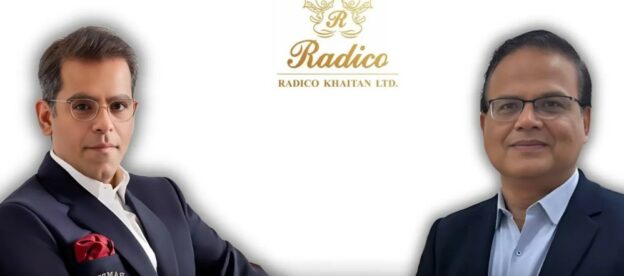
Radico Khaitan elevates Sudhir Upadhyay and Kunal Madan

Radico Khaitan has promoted Sudhir Upadhyay as Chief Sales Officer and Kunal Madan as Chief
Marketing Officer, in its bid to internally cultivate leadership as it prepares for its next growth phase.
Upadhyay, who brings more than 25 years of industry experience and previously served as National
Sales Head, will now spearhead distribution expansion and execution across markets. Madan, a 20-
year veteran in global sales and marketing, will steer brand strategy and the company’s premium
portfolio push, including travel retail.
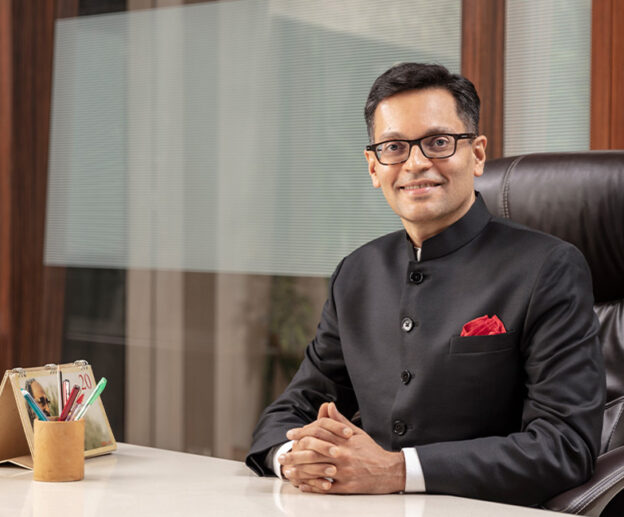
Managing Director Abhishek Khaitan said the move reflects a core philosophy: leadership is best
grown, not hired. He emphasised that empowering internal talent strengthens institutional
continuity while ensuring the company stays agile and globally competitive.
The reshaped leadership bench also marks a transition with Amar Sinha, Chief Operating Officer,
moving to a different company. Khaitan acknowledged his contributions, calling his tenure
instrumental in strengthening the company’s trajectory. To bolster its premium on-trade presence,
Radico had last year brought in Ajay Kakkar, a distribution specialist with over two decades of
experience across modern and institutional channels.

ABD Records Strong Profits Led by Robust Premiumization

Allied Blenders and Distillers Limited (ABD) has announced its unaudited financial results for the
quarter Q3FY26. The steady improvement in profitability for the third quarter of FY26 is driven by
sustained premiumisation and expansion across domestic and international markets.
The company posted an EBITDA of ₹137 crore in Q3FY26, marking a 14.1% year-on-year (YoY)
growth. Profit after tax (PAT) stood at ₹64 crore, up 10.9% YoY, reflecting margin expansion
supported by a richer product mix and operational efficiencies.
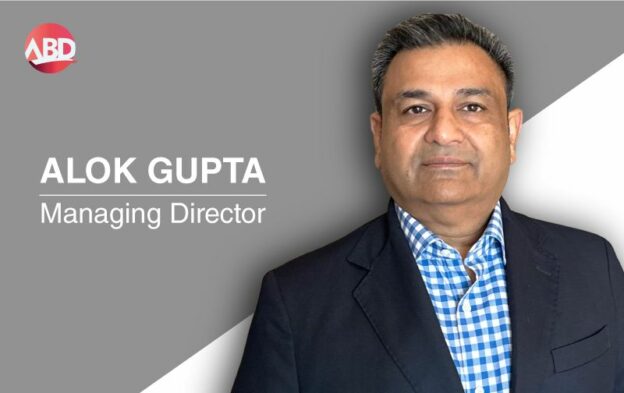
Commenting on the results, Alok Gupta, Managing Director of ABD, stated, “This marks our
6 th  consecutive quarter of strong performance post-listing, with consistent improvement in portfolio
premiumization and margin enhancement. Our Prestige & Above segment continues to deliver
accelerated momentum, with strengthening volume and value salience across regions. The strategic
investments in two key states validates our focus on strengthening manufacturing infrastructure and
supply chain efficiencies. Additionally, ABD Maestro is successfully expanding its luxury portfolio
offerings and also broadening its horizons through luxury expansion into Duty-Free and international
markets. With the normalisation in the key southern states, we expect strong topline growth in
fourth quarter, underpinned by our focus on consumer-centric growth and disciplined cost
management.”
Premium & Above Portfolio Drives Growth
ABD’s Prestige & Above (P&A) portfolio continued to anchor its premiumisation strategy. The
segment delivered 9.0 million cases in Q3FY26, compared to 8.9 million cases in Q3FY25, registering
a 1.3% YoY growth. More significantly, the P&A category grew 16.9% YoY, underscoring the shift in
consumer preference towards higher-value offerings.
The P&A segment’s volume salience rose to 48.5% in Q3FY26, up from 42.0% in Q3FY25 and 47.1%
in Q2FY26. Value salience improved to 58.8% in Q3FY26, compared to 52.1% in Q3FY25 and 56.9% in
Q2FY26. The steady increase in salience metrics highlights the company’s successful transition
towards premium and higher-margin products.
Among its key brands, ICONiQ White—recognised as the world’s fastest-growing Millionaire Spirits
Brand in 2023 and 2024—continued to maintain strong momentum domestically and has begun
expanding overseas. The brand is increasingly resonating with first-time legal drinking-age
consumers across urban markets.
ABD Maestro Strengthens Luxury Portfolio
ABD’s luxury and super-premium ambitions under its ABD Maestro platform gained traction during
the quarter with multiple new launches and market expansions.
Rangeela Vodka, a contemporary Indian vodka co-created with actor Ranveer Singh, was introduced
in November 2025 in Maharashtra and is now available in Goa, Karnataka, West Bengal, Delhi and
Haryana.
YELLO Designer Whisky, launched in December 2025, blends Scotch malts with Indian malt whiskies.
Initially launched in Maharashtra, it has since expanded into Goa, Karnataka, West Bengal and
Haryana.

AODH Irish Whiskey, also launched in December 2025, marks ABD’s entry into the fast-growing Irish
whiskey segment. The product is currently available in Haryana, Delhi, Maharashtra and Goa.
Duty-Free Retail Expansion
During Q3FY26, ABD Maestro expanded its presence in duty-free travel retail with a portfolio
introduction at Mumbai International Airport. The company’s duty-free footprint now spans major
aviation hubs including Delhi, Bengaluru and Mumbai, enhancing brand visibility among
international travellers and strengthening its premium positioning strategy.
ABD expanded its international presence to 31 countries in Q3FY26, up from 23 countries in FY25,
and is targeting 35 countries by March 2026. ICONiQ White has now been launched in nine
international markets.
The company’s super-premium to luxury brands, including Arthaus Blended Malt Scotch Whisky and
Zoya Gin, are currently available in the UAE, Ivory Coast and New Zealand, reflecting its growing
export ambitions.
Capacity Expansion and Backward Integration
In January 2026, ABD announced approval for the acquisition of assets of a non-operational
distillery-cum-bottling facility in Moradabad, Uttar Pradesh, for an aggregate consideration of ₹110
crore. The investment includes up to ₹70 crore towards acquisition and statutory costs, and up to
₹40 crore for infrastructure upgrades and setting up a bottling unit. The acquisition is expected to
strengthen backward integration, enhance bottling capacity, improve supply chain efficiencies and
support margin expansion in one of the company’s key markets.
Separately, the company announced a ₹54 crore investment to expand bottling capacity at its
existing distillery in Aurangabad, Maharashtra. The expansion is aimed at catering to growing
demand across the western region and key export markets, while driving cost optimisation and
operational agility.
International Recognition
ABD Maestro also received recognition at the International Taste Institute in January 2026 following
the sensory evaluation of three premium products. Rangeela Contemporary Indian Vodka and
PUMORI Small Batch Gin received the institute’s highest certification for exceptional quality, while
WOODBURNS Contemporary Indian Whisky was awarded certification for remarkable product
quality.
With improving profitability metrics, rising premium salience, expanded international reach and
fresh investments in manufacturing infrastructure, ABD appears well-positioned to capitalise on
India’s ongoing premiumisation trend in the spirits sector. The company’s focus on margin-accretive
growth, strategic capacity expansion and international brand building is likely to support sustained
performance in the coming quarters.

Geist Beers now in Kerala and Kolkata

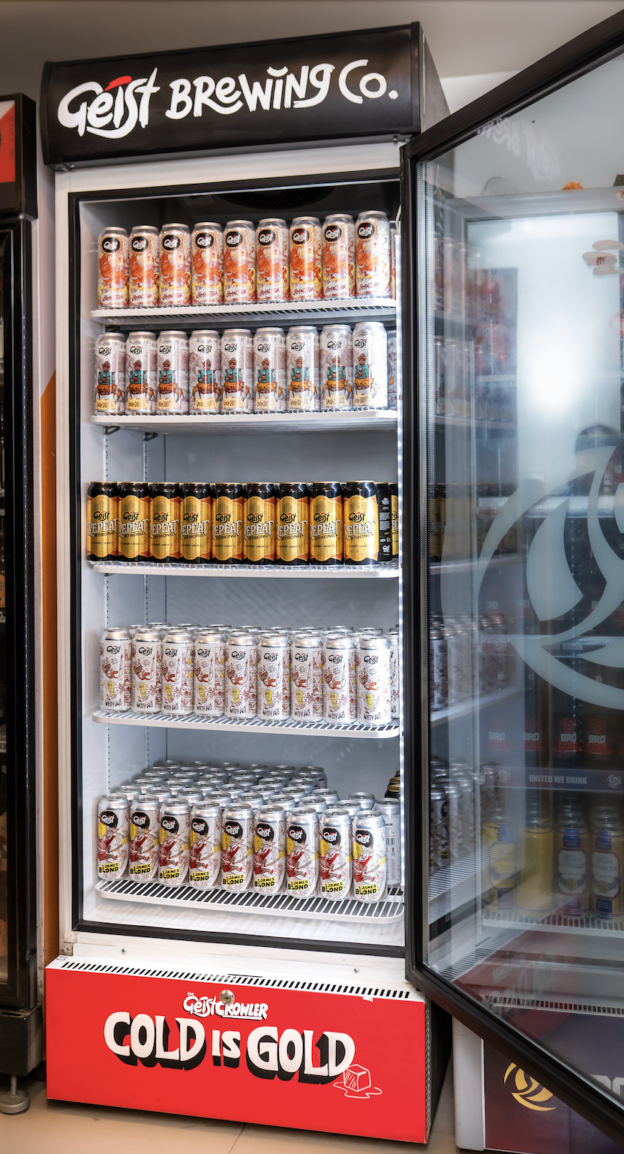
Geist Brewing Co., the award-winning distribution craft brewery, has expanded its portfolio into Kerala and Kolkata. Its craft beers are now available in cans and kegs across five markets.

Brewed in Bangalore, Geist Brewing Co. is known for its focus on freshness, quality ingredients, and a robust end-to-end cold chain that ensures beer is stored, transported, and served at optimum temperatures. In both Kerala and Kolkata, Geist Brewing Co’s craft beers are available on tap at select bars, restaurants, and hotels, as well as in 500 ml canned formats at retail outlets. In Kolkata, consumers can also order Geist Brewing Co’s canned craft beers for home delivery via Swiggy.

In Kolkata, the company sells Geist Repeat Strong – Export-style Lager; Geist Kamacitra – American-style India Pale Ale; Geist Uncle Dunkel – German-style Dark Wheat Beer; Geist James Blond – Belgian-style Strong Blond Ale; and Geist Witty Wit – Belgian-style Witbier.

In Kerala, Geist Repeat Strong – Export-style Lager; Geist Uncle Dunkel – German-style Dark Wheat Beer; and Geist Witty Wit – Belgian-style Witbier are sold in select outlets.

Narayan Manepally, Co-Founder and CEO, Geist Brewing Co., said, “At Geist Brewing Co., we have always focused on making craft beer accessible beyond our brewery. Kerala and Kolkata are both exciting markets with such an evolving food and beverage culture and a growing appreciation for quality beer. Kerala has been a natural next step for us in strengthening our presence in the South, while Kolkata marks our first entry into the East. With a clear love for well-made craft beer in both these markets, we are happy to introduce our portfolio as we continue expanding our distribution-led presence across India.”

Today, the brand has grown to become a 15,000 sq. ft. distribution craft brewery, with three owned hospitality locations across Bangalore and a strong B2B presence in 300+ on-premise outlets across Bangalore, Hyderabad, West Bengal, Pondicherry, and Mahe, and 600+ retail stores across Bangalore, Kerala, West Bengal and Pondicherry for its Retail 500ml Cans.

Pernod Ricard India introduces Cheers VRorld

Marking an industry-first in India’s alco-beverage sector, Pernod Ricard India (PRI) has launched Cheers VRorld, a virtual reality (VR) powered onboarding experience for new employees across its locations in India. Moving away from traditional methods of onboarding, new joiners are inducted in real-time through a fully immersive 360-degree story-telling format using VR headsets. The virtual experience brings PRI’s culture of conviviality to life through leadership connects, brand galleries, plant and retail markets visits, that defines everyday life at the organisation.

Whether an employee joins the manufacturing plant in Nashik, the headquarters in Gurugram, or a regional office in Hyderabad or Pune, the onboarding experience is consistent, creating a shared starting point, anywhere and anytime, for all new employees across the organisation.

The virtual journey begins with a personal welcome from PRI’s CEO and ends with an orientation across the leadership team. This early virtual introduction creates a sense of familiarity allowing employees to recognise the senior leaders behind the roles from the very start.

They then travel virtually to the company’s state-of-the-art manufacturing facility in Nashik to witness the craftsmanship behind its iconic brands, from grain to glass. The journey continues into real market environments, both on-trade and off-trade, capturing the pace and vibrancy of the business. At every stage, employees are not passive viewers, but active participants discovering more about the various facets of the organisation at their own pace with interactive elements such as avatars, quizzes and guided touchpoints being introduced throughout.

Nitu Bhushan, Chief Human Resource Officer, Pernod Ricard South Asia said, “Onboarding is the first moment where new employees begin to form a connection with the organisation, Cheers VRorld allows us to deliver that moment in a way that is consistent, immersive and deeply personal. It enables every new colleague to get introduced to our company right from the top leadership, office culture to witnessing how our iconic brands come to life in our plant and gain a deeper understanding of the business. As creators of conviviality, this virtual onboarding experience is an extension of our people-first culture to spark meaningful connection with new colleagues beginning their journey in the company.”

Cheers VRorld is yet another industry-first initiative by PRI, leveraging technology in its people policies and practices. The initiative reinforces PRI’s commitment to building a future ready, people first organisation. Successfully piloted with around 100 new employees across 14 locations, the programme will be scaled further this year, PRI press release said.

Tilaknagar Industries delivers Robust Volume and Revenue Growth in Q3 FY26

Tilaknagar Industries Limited (TI) has reported strong volume growth, revenue momentum and sustained profitability in the third quarter FY26. TI’s total volumes grew by 76.1% year-on-year to 53.1 lakh cases. This included Imperial Blue volumes of 17.9 lakh cases for December 2025 and Ex-Imperial Blue volumes of 35.2 lakh cases, reflecting a steady 16.8% year-on-year growth. 

For the nine months ended December 31, 2025 (9M FY26), total volumes increased by 40.5% year-on-year to 119.3 lakh cases. Ex-Imperial Blue volumes stood at 101.4 lakh cases, registering a healthy 19.5% year-on-year growth, highlighting strong underlying demand and continued market share gains.

Net revenue for Q3 FY26 stood at ₹664 crore, marking a robust 95.0% year-on-year growth. Revenue adjusted for subsidy grew by 89.2% year-on-year. Ex-IB net sales realisation (NSR) improved from ₹1,161 per case in Q3 FY25 to ₹1,209 per case in Q3 FY26, reflecting a favourable product mix and impact of continued premiumisation. 

On the profitability front, EBITDA (adjusted for subsidy income) for Q3 FY26 stood at ₹90 crore, registering a 49.6% year-on-year growth. EBITDA margin for the quarter was 14.0%. The Advertising & Promotional reinvestment rate (as a percentage of subsidy-adjusted net revenue) increased from 1.1% in Q3 FY25 to 1.2% in Q3 FY26, reflecting continued investments behind brands.

For 9M FY26, EBITDA (adjusted for subsidy income) stood at ₹206 crore, up 28.5% year-on-year. EBITDA margin for the nine-month period was 14.6%. The A&P reinvestment rate strengthened to 1.5% compared to 0.7% in the corresponding period last year, underscoring TI’s focus on building long-term brand equity.

Amit Dahanukar, Chairman & Managing Director, Tilaknagar Industries said, “As we progress with the integration of Imperial Blue into our portfolio, we have established dedicated work-streams across operations, distribution, systems and human capital to ensure a smooth transition and synergy realisation, strengthening our pan-India presence. With improving realisations, disciplined cost management and focused brand investments, we remain confident of driving sustainable profitable growth in the years ahead.”

A clearly defined strategic roadmap built around category leadership, premiumisation, margin expansion and accelerated deleveraging would help TI remain focused on disciplined execution and sustainable value creation for all stakeholders, Dahanukar added.

Uttar Pradesh hikes Liquor Prices, launches 3-Year Export Policy

The Uttar Pradesh government has approved a sweeping new excise policy that will come into force on April 1, 2026. The policy is a combination of price revisions, structural reforms, and export-oriented measures that mark a significant shift in how India’s largest liquor market regulates and monetises the alcohol sector.

The policy’s immediate impact is on liquor prices and retail licensing. Importantly, Uttar Pradesh has become the first state in India to introduce a standalone three-year Excise Export Policy from 2026 to 2029, signalling a strategic intent to transform UP from a consumption-driven market into a production and export hub.

The export-oriented policy allows liquor and other excise goods manufactured in UP to be exported directly to international markets under a structured and predictable regulatory regime. Until now, most Indian states focussed their excise policies primarily on domestic consumption and revenue generation, with exports remaining incidental. By establishing a formal export roadmap, UP is seeking to encourage investment in distillation, bottling, and value-added production, while enabling local manufacturers to tap global demand for Indian spirits, particularly molasses-based country liquor and grain-based spirits.

Discontinues Standalone IMFL and Beer Shops

The policy also introduces a major structural change in retail distribution by discontinuing standalone Indian Made Foreign Liquor (IMFL) and beer shops. Going forward, composite shops will become the dominant retail format, although strict separation rules will apply within outlets. IMFL and country liquor will not be permitted to be sold from the same shop counters, and canteen facilities inside composite shops will also be discontinued. This restructuring is aimed at improving regulatory clarity, reducing misuse of retail licenses, and creating a more organised retail ecosystem.

In another significant move, the state has introduced separate licensing provisions for low-alcohol beverages such as wine, ready-to-drink products, and beer for off-premise consumption in major urban centres including Lucknow, Noida, Ghaziabad, Varanasi, Agra, and Prayagraj. This is a progressive step that reflects changing consumer preferences, particularly among urban consumers who are increasingly shifting toward lower-alcohol and premium lifestyle beverages. By creating dedicated retail channels, the government aims to expand consumer choice while improving compliance and monitoring.

Price hike from April 1

Local liquor prices will increase by approximately ₹5 per bottle starting April 1. For example, a bottle of local liquor with 36% alcohol content will see its price rise from ₹165 to ₹173. The price increase applies across bottle sizes, including miniature and half-quarter bottles, ensuring uniformity in tax realisation across packaging formats.

Foreign liquor will see a steeper increase, with prices rising between ₹10 and ₹30 per bottle depending on the category and brand positioning. This differential pricing approach reflects the government’s strategy of protecting the affordability of local liquor while maximising revenue from premium and imported segments, which are less price sensitive and contribute disproportionately to excise collections.

Baccha’ Packet Launched

The new policy has also introduced an entirely new miniature pack format that represents another first for the state. A 100 ml miniature pack of grain-based country liquor with 42.8% strength, popularly known as a ‘Baccha’, has been launched at a retail price of ₹50. This innovation is expected to cater to price-sensitive consumers while bringing smaller-volume consumption into the formal retail system, thereby reducing illicit sales and improving tax compliance.

In terms of product standardisation, molasses-based country liquor will now be available in 36% and 25% alcohol strengths in 200 ml tetra pack formats. Grain-based Uttar Pradesh Made Liquor (UPML) will be offered at 42.8% strength in both 200 ml and 100 ml packs, and at 28% strength in 200 ml packs. These changes reflect a broader effort to modernise packaging, improve product consistency, and align with evolving consumer expectations.

E-lottery system of shop allotment

Liquor shops across the state will now be allotted through an e-lottery system, replacing earlier allocation models that were often criticised for lack of transparency. The use of digital allocation is expected to enhance fairness, reduce administrative discretion, and encourage wider participation from legitimate operators.

License fees have been increased by 7.5% for retail foreign liquor shops, and a similar increase has been applied to beer retail licenses. This upward revision aligns with the state’s broader revenue optimisation strategy while still maintaining sufficient margins for retailers. At the same time, the quota for local liquor shops in urban areas will be reduced, reflecting an effort to rationalise retail density and prevent excessive clustering of liquor outlets in cities.

The policy also includes provisions aimed at supporting premiumisation and diversification within the alcohol sector. By enabling structured licensing for wine and ready-to-drink beverages, the government is acknowledging the rapid evolution of consumer tastes, particularly among younger and urban demographics. This segment has shown strong growth in recent years, driven by rising disposable incomes, exposure to global drinking trends, and the emergence of lifestyle-oriented consumption patterns.

The excise reforms also align with the government’s broader goal of improving regulatory efficiency and transparency. Digital allocation systems, structured licensing frameworks, and clear separation of product categories are expected to reduce leakages, improve enforcement, and create a more predictable operating environment for industry participants.

Ambitious Excise Revenue Target of ₹71,278 crore

The financial impact of these measures is expected to be substantial. The state government has set an ambitious excise revenue target of ₹71,278 crore for the financial year 2026-27, reflecting its confidence in the new policy’s ability to expand revenue streams while supporting industry growth.

Recent revenue performance provides strong evidence of the sector’s growth trajectory. Excise revenue in Uttar Pradesh reached ₹43,975.15 crore as of January 2026, representing a robust year-on-year increase of 16.03%. This growth demonstrates the continued expansion of the state’s alcohol market, driven by population size, urbanisation, rising incomes, and improved regulatory enforcement.

According to State Excise and Prohibition Minister Nitin Agarwal, the excise department collected ₹6,074.80 crore more in revenue compared to the same period in the previous financial year. Collections stood at ₹37,900.35 crore in January 2025, highlighting the scale of growth achieved over just twelve months. The state has already achieved 89.92% of its revenue target of ₹48,900 crore for the financial year 2025-26, indicating strong momentum heading into the next fiscal cycle.

Monthly performance has also been particularly strong. In January 2026 alone, excise collections reached ₹4,148.20 crore, marking a 23.60% increase compared to ₹3,356.26 crore collected in January 2025. The year-on-year increase of ₹791.94 crore for the month underscores the effectiveness of enforcement measures, pricing adjustments, and structural reforms introduced in recent years.

By introducing India’s first standalone excise export policy, modernising retail licensing, rationalising product formats, enabling export opportunities, and implementing targeted price increases, Uttar Pradesh is strengthening its position as the country’s largest and most strategically managed liquor market. With strong revenue growth already underway and ambitious targets set for the coming fiscal year, the new policy is expected to further consolidate excise as one of the state’s most important sources of own tax revenue while also fostering industrial growth and regulatory transparency.

RTDs Off Telangana Shelves, Government Sitting on Dues

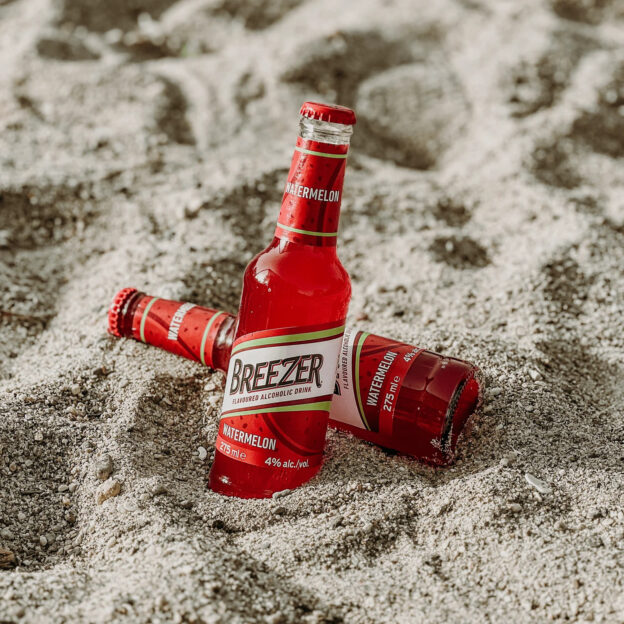
Breezer enthusiasts across Telangana are facing shortage of the fizzy ready-to-drink beverage.  From small neighbourhood wine shops to large premium liquor stores in Hyderabad and other cities in Telangana, the absence of RTDs has become increasingly visible. What began as intermittent supply gaps has now evolved into a full-fledged shortage across the state, triggered by unresolved payment issues between liquor manufacturers and the Telangana excise department.

Industry sources say the disruption stems from mounting outstanding dues, prompting at least one major company to suspend dispatches to the state. This marks the second such episode in recent times where supply has been halted over delayed payments. The situation echoes earlier tensions in the beer segment, when leading breweries temporarily stopped supplying Telangana after receivables stretched well beyond standard credit cycles. For several weeks during that episode, popular beer brands were either unavailable or in short supply, highlighting the vulnerability of a system heavily dependent on timely state payments.

Supplies Plunged to 1,370 Cases

Fresh data underscores the severity of the current RTD slump. In January, supplies plunged to just 1,370 cases, a fraction of regular volumes and barely around 7% of typical monthly stock. The decline is stark compared to 26,432 cases in the preceding month. The contrast is even sharper when viewed against December 2025, when supplies had surged to nearly 1.75 lakh cases before falling off dramatically. Within weeks, a once-thriving category has slowed to a trickle.

RTDs, often marketed as breezers, are pre-mixed alcoholic beverages combining fruit flavours, sweeteners and carbonation. With alcohol levels typically ranging between 4.8% and 5% ABV, they are comparable to beer in strength but appeal to consumers seeking smoother taste profiles and convenient packaging. Over the past decade, Telangana had evolved into one of India’s strongest RTD markets. From a segment valued at around Rs 100 crore in its early years, annual consumption had grown to nearly 10 lakh cases. The expansion was fuelled by urbanisation, rising disposable incomes and a noticeable shift among younger consumers toward lighter, lifestyle-driven drinking options.

The current disruption has exposed structural weaknesses in Telangana’s liquor distribution framework. Under the state-controlled model, manufacturers rely on government channels for payment clearance. When dues accumulate, working capital pressures mount quickly. According to industry insiders, while the government had cleared a portion of earlier outstanding amounts, fresh dues have again built up, prompting suppliers to reassess dispatch schedules.

The RTD shortage follows a similar pattern witnessed in the beer industry. In the recent past, several beer producers reportedly paused or reduced supplies after delayed payments created cash flow constraints. For breweries, which operate with significant input costs and logistics commitments, prolonged payment cycles can disrupt procurement of raw materials and production planning. The temporary beer shortage that followed served as a warning signal to the broader alcobev ecosystem in the state.

Excise Major Revenue Source for Government

At the heart of the issue lies Telangana’s dependence on excise revenue. Liquor sales constitute one of the state’s largest sources of internal revenue. In recent years, excise targets have steadily risen as the government seeks to maximise collections. These funds play a key role in supporting a range of welfare guarantees and subsidy schemes promised to various sections of the population. As fiscal commitments expand, maintaining strong liquor revenues has become increasingly important to the state’s financial planning.

Suppliers have been hesitating to dispatch fresh stock without clarity on receivables, which in turn has been affecting product availability and potentially dampening excise collections. Reduced sales volumes are tightening liquidity further, creating a challenge for both the state and manufacturers.

The present crunch is compounded by limited local manufacturing options. Only a small number of players currently have the necessary approvals to produce RTDs within Telangana. With large national suppliers halting shipments and domestic production yet to scale adequately, the supply chain has thinned considerably. Retailers say they are operating with minimal visibility on restocking timelines.

For consumers, the shortage disrupts more than routine purchases. RTDs had become a popular choice at social gatherings and urban nightlife events, particularly among first-time drinkers and those preferring lighter alternatives to spirits. The category’s growth reflected changing consumption habits, where branding, flavour innovation and moderate alcohol content resonated strongly with young professionals and women consumers.

Market analysts caution that repeated supply interruptions could influence how companies prioritise markets. If payment uncertainties persist, manufacturers may channel inventory toward states with smoother settlement mechanisms. Telangana, once regarded as one of the country’s most dynamic alcobev markets, risks losing momentum if disruptions become frequent.

Industry sources indicate that companies remain hopeful of a near-term settlement, but until payments are processed and dispatches resume, shelves are likely to remain understocked. The government has yet to publicly outline a definitive timeline for clearing outstanding amounts. For now, the vibrant fizz that defined Telangana’s breezer boom has temporarily lost its sparkle.

HEINEKEN Looking for New CEO

HEINEKEN announced that CEO and Chairman of the Executive Board Dolf van den Brink has informed the Supervisory Board of his decision to step down from his position on 31 May 2026. After almost six years at the helm of HEINEKEN during which he guided the company through turbulent economic and political times, and with the EverGreen Strategy 2030 in place, Dolf has concluded, in consultation with the Supervisory Board, that this is the right time to hand over his responsibilities.

The Supervisory Board said it respected Dolf’s decision and has initiated a search process to appoint a successor. To ensure the company has full access to Dolf’s industry experience and deep HEINEKEN knowledge, Dolf has agreed to remain available to the company in an advisory capacity for a period of eight months, starting on 1 June 2026.

The company said that non-binding nominations for the re-appointment of Pamela Mars Wright and  Marion Helmes as members of the Supervisory Board for a period of two years shall be submitted to the Annual General Meeting of Shareholders on 23 April 2026.

Punjab Eyes ₹1,000 Crore Jump in Excise Collections for FY27

The Punjab government is working towards raising an additional ₹1,000 crore in liquor excise revenue in 2026-27, setting a projected target of nearly ₹12,500 crore for the upcoming financial year. If the target is achieved, excise earnings would have nearly doubled within five years under the Aam Aadmi Party administration, positioning the sector as a key fiscal contributor for the state.

With the Excise Policy for 2026-27 currently under preparation and likely to be announced by the end of February, revenue augmentation remains central to the government’s approach. Officials are expected to hold a final round of discussions shortly to shape the draft policy. Punjab’s excise collections stood at ₹6,254.74 crore in 2021-22, after several years of limited growth. The introduction of a revamped policy in 2022-23 resulted in a sharp surge in revenue, with collections rising by over 40 per cent in that year alone.

For the ongoing 2025-26 fiscal, the state is poised to slightly outperform its revenue target. Against a goal of ₹11,200 crore, collections are estimated to close at approximately ₹11,300 crore by March 31, 2026. Industry representatives said a series of meetings took place in late December between excise officials and stakeholders to gather feedback for the new policy framework. Among the key demands from traders is a restructuring of the existing licensing model. Contractors argue that the current grouping system, valued at roughly ₹40–50 crore per cluster, places considerable financial strain on operators and limits participation by smaller players, potentially leading to concentration of control within a few large entities.

Punjab presently has 207 licensing groups overseeing more than 6,300 retail vends across the state. Officials acknowledged that suggestions, including resizing licence clusters and rationalising quotas for Indian Made Foreign Liquor (IMFL) and Punjab Medium Liquor (PML) to stabilise pricing, are under consideration. However, no final decisions have yet been announced. The government’s stated focus remains on strengthening revenue while maintaining regulatory balance.

Sales Trends and Consumption Patterns

Recent excise data indicates notable shifts in consumption patterns across categories. In 2024-25, sales of Punjab Medium Liquor (PML) touched approximately 80 lakh cases, making it the dominant segment in terms of volume. Meanwhile, Imported Foreign Liquor (IFL) recorded sales of about 2.5 lakh cases during the same period, a dramatic rise compared to figures recorded four years earlier. The trend underscores a steady expansion in demand for premium and imported spirits, even as mass-market segments continue to account for the bulk of volumes.

Karnataka renews 14,275 licenses in 47 hours, creates record

The Karnataka state government is implementing several innovative measures to enhance transparency and curb corruption in the Excise Department. The Excise Minister R. B. Thimmapur announced that the department has set a new record by renewing 14,275 licenses in just 47 hours.

He told the media that the government’s reforms aim to prevent delays and harassment faced by the public and traders in obtaining licenses. “Previously, applicants for a CL-7 license had to approach around 16 tables. To reduce this hassle, we have limited the process to just seven tables. The entire system is being moved online to eliminate opportunities for corruption,” he explained. Simplifying bar license renewals has also contributed to this record achievement.

The Excise Department has taken stringent action against officials found neglecting their duties or engaging in corrupt practices. This year alone, 54 cases have been registered with the Lokayukta, while 85 cases were filed at the departmental level. Disciplinary proceedings have been initiated against a total of 158 officers and staff. “If any departmental inquiry is pending against any officer or staff, they will not be appointed to an executive post under any circumstances.”

To eliminate confusion and delays in the department’s transfer process, a system of transfers through ‘counselling’ is being introduced. The minister acknowledged that shop owners have faced difficulties in license renewals following staff transfers and assured that these issues would be addressed promptly.

Curbing Illicit Activities

The Excise Department has set a revenue collection target of ₹43,000 crore for the current financial year, of which ₹34,235 crore has already been collected. Officials have been instructed to prevent the illegal sale of toddy in Raichur district and the unauthorised transport of liquor to other states. Surveillance in border areas has been strengthened, and departmental hurdles are being addressed to ensure compliance and revenue protection.