
India’s alcoholic beverages sector moved through 2025 with steady demand and sharper value realisation. ICRA projected FY2025 volume growth at 4–5%, supported by easing input costs, while a later FY2026 update indicated revenue growth of 10–12% driven by higher realisations. Public estimates continue to place India’s drinks market near USD 60 billion.
State finances reinforced the sector’s importance. PRS Legislative Research highlights excise as a significant contributor to state revenues, with prohibition states as exceptions. Several states also accelerated digitisation and enforcement. Haryana’s rollout of QR-based track-and-trace systems, automated interest computation, and tighter compliance illustrates the administrative direction shaping operations nationwide.
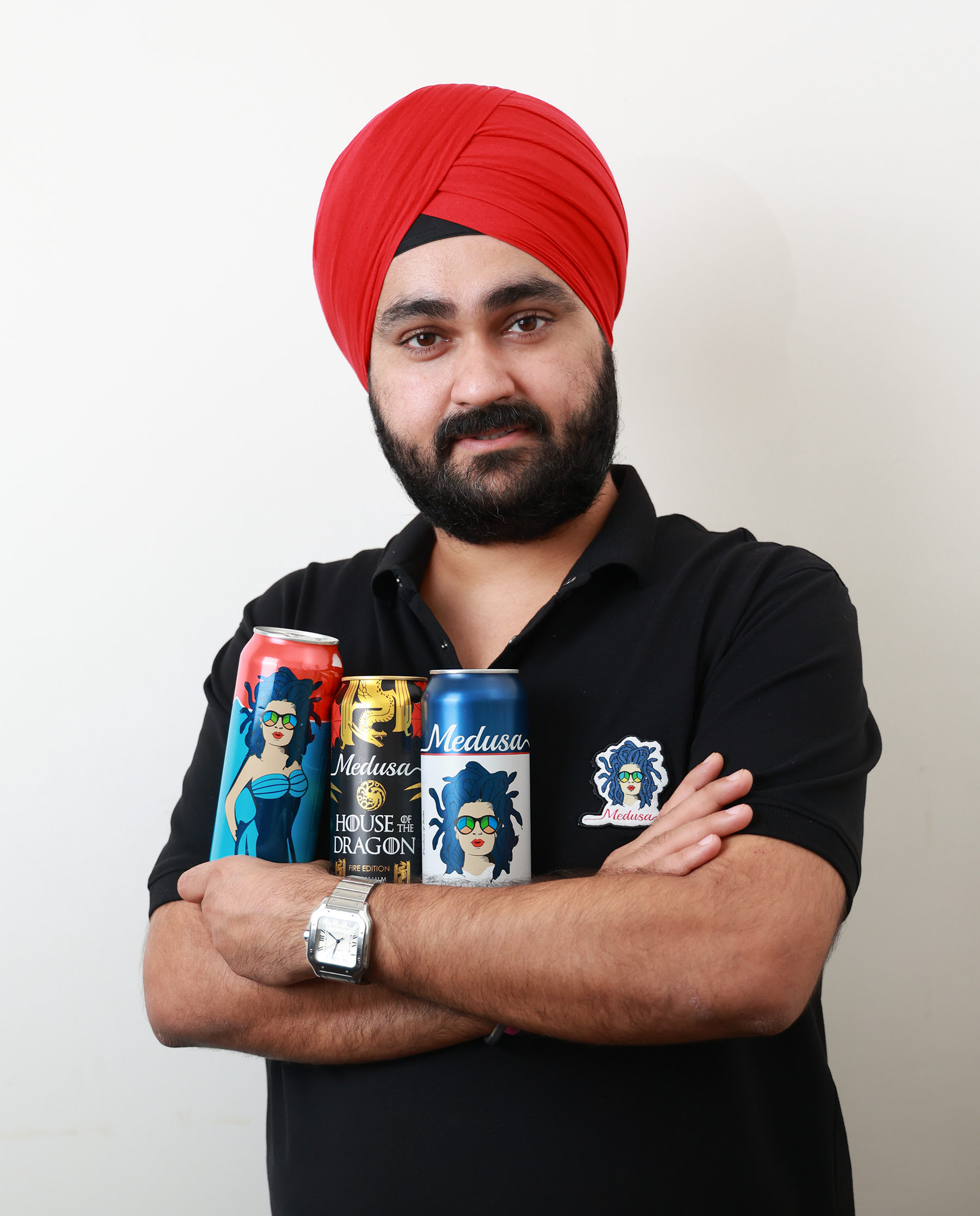
Yet operating reality remained state-defined. Entry timelines, label registrations, wholesale structures, retail formats, and duty resets vary widely, pushing brands to plan with state granularity rather than national uniformity. Avneet Singh, Founder & CEO, Medusa Beverages, notes, “Taxes can be 60–80% of the final retail price depending on the state,” adding that excise changes shape pricing and supply planning.

Hasan Bakhtawar, COO – Cased Business, Angus Dundee India, frames it as executional load: “Each state has its own unique regulations, permit requirements, and compliance processes,” with limited flexibility once excise terms are set.
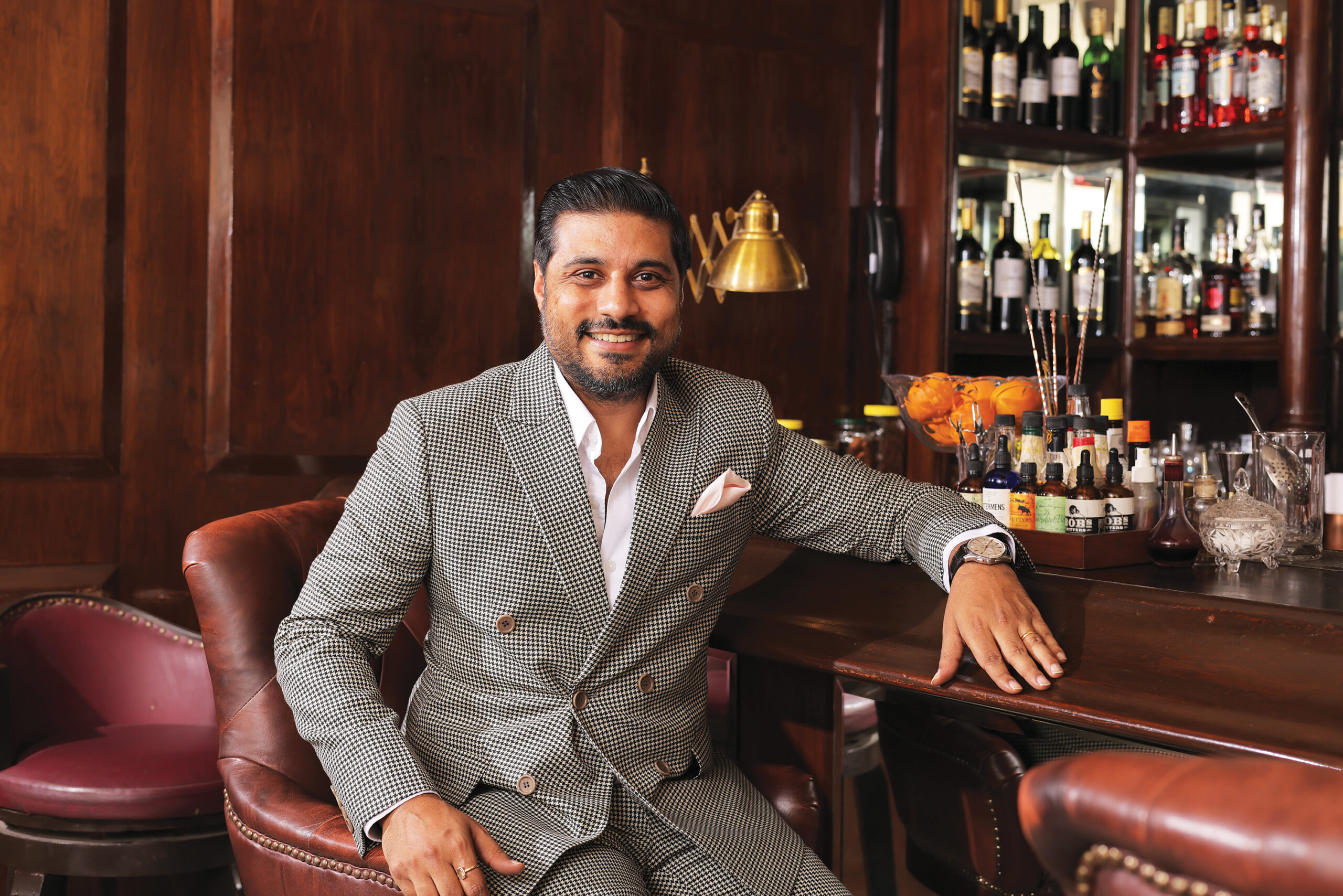
For newer brands, uncertainty compounds the challenge. Rakshay Dhariwal, Founder & MD, Maya Pistola Agavepura, says, “The real challenge isn’t the variation itself, it’s the unpredictability.”
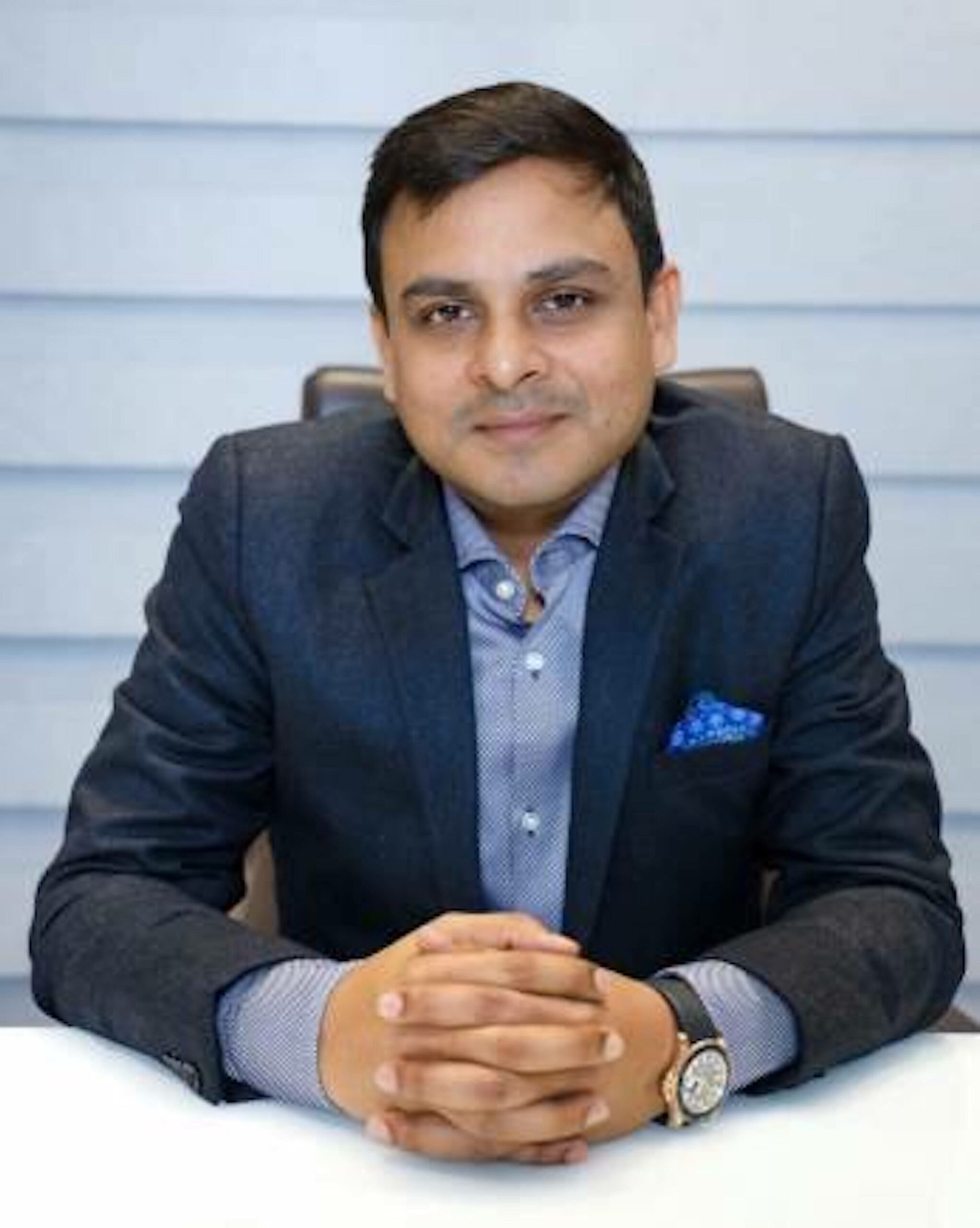
Abhinav Jindal, CEO & Founder, BeeYoung Beer, calls regulatory volatility “the most material risk to long-term capital deployment.” Sharad Tibarewala, Brand Owner, MCKT Beverages, maintains that provenance and heritage offer stability even when policy varies.

Despite friction, consumption patterns strengthened. Singh points to “quality-over-quantity drinking,” estimating 20–25% growth in premium beer, alongside rising mid-ABV and draught demand. Jindal describes a shift from volume-led to value-led consumption, while Tibarewala links premiumisation to identity and craftsmanship, anchoring Khukri Rum’s positioning in Himalayan provenance.

“The mid-range segment followed a separate logic. Sanaya Dahanukar, Marketing Manager, Tilaknagar Industries Ltd., attributes 2025’s momentum to ‘disciplined price-tiering and price-laddering,’ driven by strong brandy familiarity in the South and a whisky strategy designed to guide consumers across price points. Hasan Bakhtawar adds that mid-price growth is being supported by value-seeking behaviour anchored in trusted regional brands.”
Portfolio strategy grew more disciplined. Excise slabs compress price bands, forcing brands into narrow MRP clusters. State-wise SKU pruning, excise-year timing, and distributor economics now dictate leaner, market-specific assortments. Many brands defer launches to avoid partial-year exposure, prioritising fewer, better-timed entries.
Innovation in 2025 favoured defensible ideas. Jindal calls this “disciplined innovation,” while Singh highlights launches sustained by story and visual identity in a restricted advertising environment. Dhariwal and Gadvi link packaging to meaning, usability, and education, especially for younger consumers.
Looking ahead, 2026 will hinge on predictability. While premium, craft, and low-ABV segments gain traction, fragmented excise architecture remains the sector’s defining constraint. Brands entering the next cycle with disciplined portfolios, operational readiness, and clear brand meaning are best placed to convert demand into durable growth.
To read full article sign up or subscribe to the magazine.