Grano69 Beverages, makers of beer brand Proost, has registered revenues of over Rs. 115 crores for FY25, achieving EBITDA breakeven. This marks 174% growth over last year’s revenue of Rs. 42 crore and a sharp rise in volumes from 2.5 Lakhs cases in FY24 to 8 lakhs cases in FY25.
Tarun Bhargava, Co-Founder & CEO, Proost
A key contributor to this year’s performance has been Proost Strong Beer. The brand expanded its footprint to six states, Delhi, Punjab, Uttar Pradesh, Kerala, Karnataka and Jharkhand while strategically deepening market share in its core regions. The company is set to introduce new products shortly to further strengthen its lineup. Tarun Bhargava, CEO and Co-Founder of Proost Beer, said, “Growing from around 42 crores in FY24 to 115 crores in FY25 and turning EBITDA-Breakeven is a validating moment for the team. It proves that a beer brand in India can be built sustainably, with discipline and capital efficiency, without burning irrational amounts of cash. For us, this milestone represents years of learning, pivots, setbacks, and belief. And honestly, it still feels like day one.”
B9 Beverages founder and Chief Executive Officer, Ankur Jain is said to have offered to step down from the leadership of the company for the ‘sake of the company’. According to media reports, this offer was made during the protracted discussions with investors. Some employees and investors have been seeking his ouster, even as Bira91 continues to be in a freefall.
It is reported that the company’s investors have had several rounds of talks to get the company back on track, minus Jain. The talks are said to be in an advanced stage and indications are that there is likelihood of an external professional taking over the reins of B9 Beverages. The talks also have revolved around how to unlock potential revival or rescue funding for the company. Jain who was initially reluctant to step down, but with probable investors putting conditions, his exit seems imminent.
In October, more than 250 employees submitted a formal representation to the company’s board and key shareholders, including Kirin Holdings and Peak XV Partners, urging the removal of Jain from his role as founder and CEO. The communication was also sent to Anicut Capital, the company’s largest lender.
Employees alleged shortcomings in corporate governance, inadequate transparency, delayed salary payments and failures to meet statutory obligations. They further cited unpaid vendor bills and ongoing creditor disputes as signs of a company under mounting financial strain.
According to people familiar with the matter, Jain had raised personal borrowings in the past to buy out stakes from existing shareholders, increasing his financial exposure to the company. In at least one transaction, an entity linked to Jain is said to have borrowed funds from a trust connected to industrialist Sunil Munjal, using Bira shares as security. Those shares were reportedly invoked in October, intensifying apprehensions among investors about financial stress at both the promoter and company levels.
Operational issues have compounded these worries. B9 Beverages has reportedly not remitted tax deducted at source (TDS) collected from employee salaries to the income tax department for over six months, underscoring persistent cash flow challenges. The lapse has raised questions around statutory compliance and internal financial controls.
For Bira to regain momentum in 2026, the business would need to be stabilised well ahead of the summer season, which accounts for a large share of annual beer consumption in India. Prolonged uncertainty around leadership or delayed capital infusion could significantly weaken its ability to leverage this peak demand period.
The financial picture has added to investor unease. B9 Beverages reported a net loss of `748 crore in FY24 against revenues of `638 crore, while volumes are estimated to have fallen to 6–7 million cases from 9 million cases in the previous financial year. The absence of filed FY25 results has further added to the uncertainty.
In an attempt to tighten execution, the company announced a leadership overhaul in July 2025, naming Vikram Qanungo as chief financial officer and strengthening senior ranks across manufacturing and sales functions.
As negotiations with investors near a decision point, stakeholders are keen to resolve leadership questions swiftly to make space for a turnaround effort. The outcome is expected to be important in determining the future of Bira brand over the next year.
Impacted by a stronger-than-usual monsoon, in a muted beer market UB gained market share (sell-out)
Overall, sell-in volume declined 3% with premium up 17%, continuing its growth trajectory ahead of the market
Net sales in Q2 down 3% where volume decline
Continue to invest behind brands (+22%) in line with its commercial strategy
Accelerating productivity agenda to drive sustainable & profitable growth
United Breweries Ltd (UBL) recently reported a subdued performance in the second quarter of FY26 as adverse weather conditions and muted demand in key markets weighed on beer sales, even as premium brands continued to gain traction.
The company’s consolidated revenue for the quarter ended September 2025 stood at ₹2,067.7 crore, down 2.8% year-on-year and sharply lower from the preceding quarter, reflecting the broader softness in consumption trends. Profit after tax declined 65% to ₹46.3 crore, while earnings per share slipped to ₹1.76 from ₹5.00 a year earlier. Operating margins came under pressure as input costs and a weak sales mix limited profitability, leading to a 63% year-on-year fall in profit before tax to ₹65.8 crore.
Vivek Gupta, Managing Director of UBL
The Managing Director of UBL, Vivek Gupta has said the company was gaining market share, adding nearly 100 basis points in the latest quarter and more than 100 basis points for the first half. “Our brand fundamentals are extremely strong.”
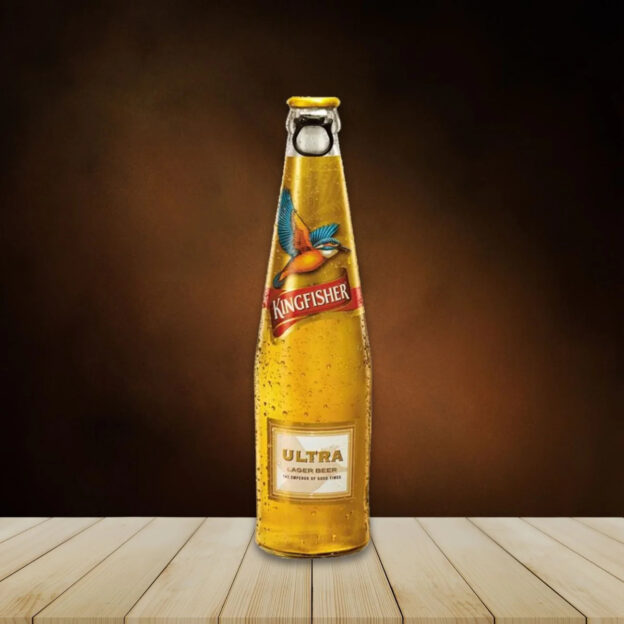
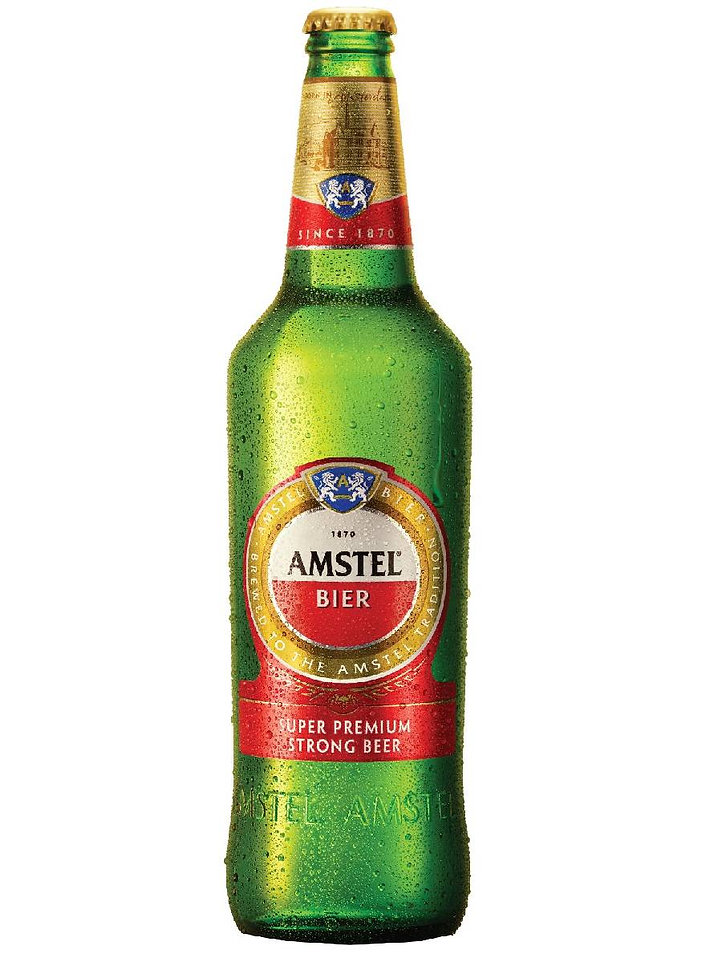
UBL attributed the slowdown largely to erratic monsoon patterns and weaker-than-expected offtake across western and southern states, traditionally its strongest beer markets. The company said that volumes were down about 3.4% year-on-year, marking one of its most challenging quarters since the post-pandemic recovery began. However, it underscored the resilience of its premium segment, which grew an impressive 17% in volume terms, driven by strong consumer demand for brands like Kingfisher Ultra, Heineken Silver and Amstel. This continuing “premiumisation” trend remains a bright spot, indicating a shift toward higher-value offerings even as overall consumption plateaued.
Total volume declined 3.4% in Q2, with growth in mainly Maharashtra, Andhra Pradesh and Assam more than off-set by adverse weather across its footprint as well as stock-building in Q2-FY25 following the peak season impacted by national elections.
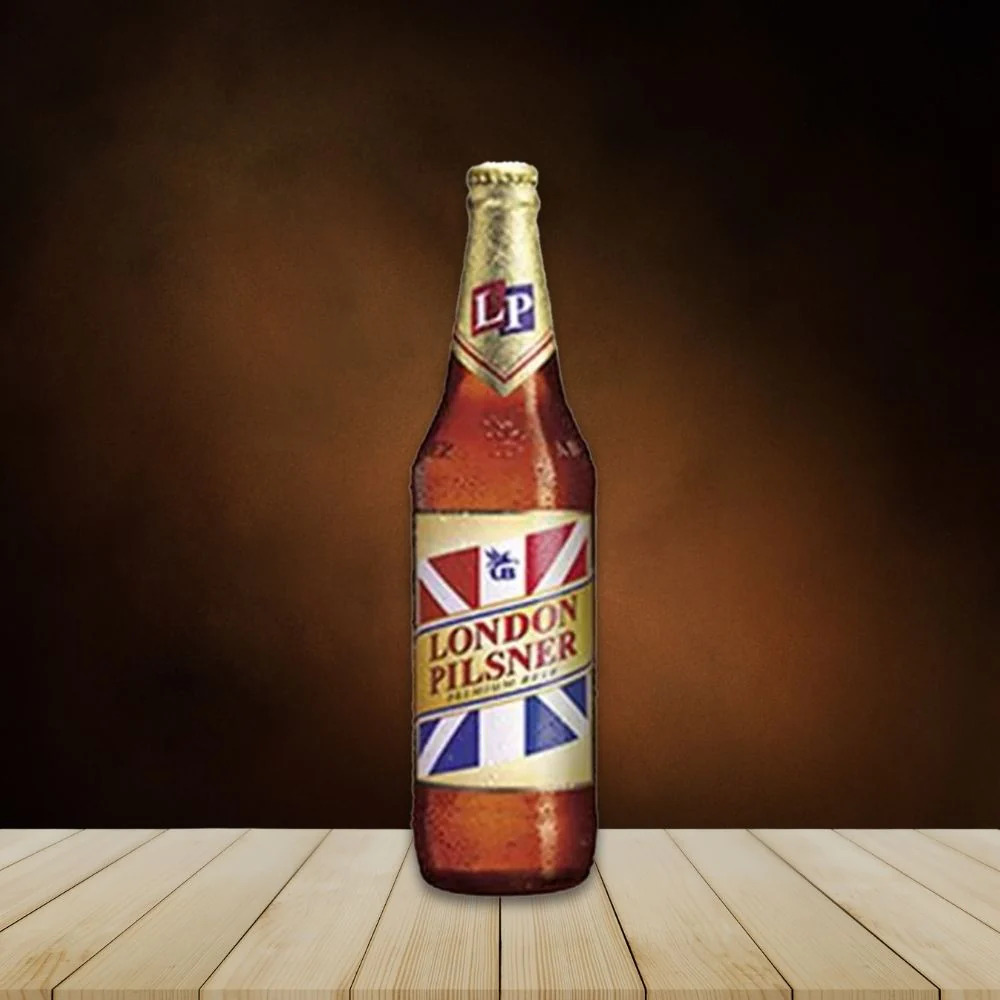
During the quarter UB launched London Pilsner in Orissa and Kalyani Black Label in West-Bengal to strengthen its portfolio in the value segment. Premium volume grew by 17% in the quarter bringing the HY growth rate to 33%. Within the segment, UB saw strong growth for Kingfisher Ultra, Kingfisher Ultra Max, and Heineken Silver. Gross profit grew 5% on a year-to-date basis vs last year, with EBIT declining 18% mainly driven by negative operating leverage in the second quarter as well as continued investments behind brands.
Investments in capex during the quarter were ₹293 Cr (+ ₹242 Cr vs LY), mainly linked to its new greenfield in Uttar Pradesh and commercial capex to drive future qualitative growth. In continuation of its network optimisation and productivity programme, the Mangalore unit was closed earlier this year, with further initiatives being implemented to drive operational excellence and cost efficiency across the organisation. “We remain optimistic about the industry’s long-term growth potential, driven by increasing disposable income, favourable demographics and premiumisation,” UB said.
On the cost side, raw material inflation—especially for packaging materials—continued to moderate, but the gains were offset by lower scale efficiencies and promotional spending to defend market share. Management maintained that pricing discipline and brand investments were essential to sustaining long-term growth. UBL also reiterated its medium-term confidence in the Indian beer market, pointing to favourable demographics, urbanisation, and rising disposable incomes that continue to support premium beer penetration. Capital expenditure during the quarter stood at ₹293 crore, with investments directed toward a new greenfield facility in Uttar Pradesh and capacity upgrades at existing breweries.
Gupta added that the company expects margins to improve from the third quarter onwards, aided by the localisation of 80% of the premium portfolio, which will help recover gross margins. The company, he mentioned, would continue monitor input cost pressures from higher barley and aluminium prices and limited pricing flexibility.
Analysts see the second-quarter numbers as a reminder of how climate volatility and state-level regulatory differences can impact the beer business, but they also note that UBL’s strategic focus on premiumisation and efficiency improvement could cushion margins in the coming quarters. While overall sales volumes slipped, the brand’s ability to hold its market leadership and grow its high-end portfolio suggests that the company’s long-term fundamentals remain intact.
Going forward, performance in the festive and winter seasons will be critical for recovery, with management expected to lean on new product launches, route-to-market optimisation, and operational cost control to restore profitability momentum. For now, the quarter captures a tale of two trends—a weak monsoon dampening demand and a growing taste for premium beer lifting hopes for a stronger second half of FY26.