
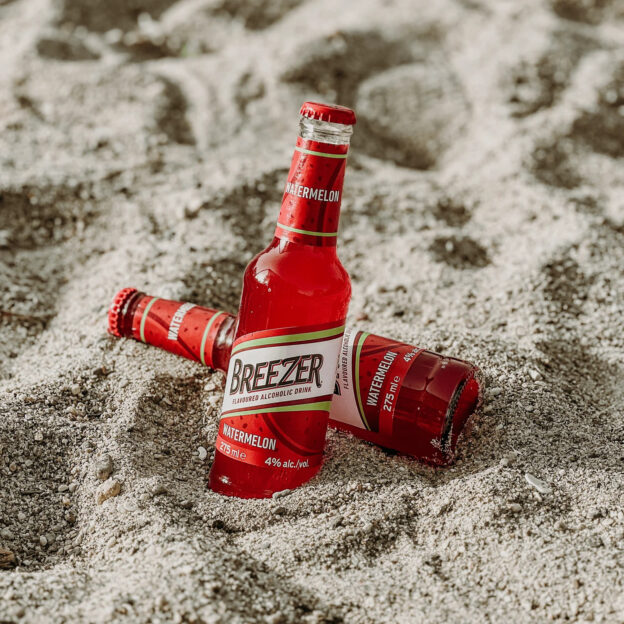
Breezer enthusiasts across Telangana are facing shortage of the fizzy ready-to-drink beverage. From small neighbourhood wine shops to large premium liquor stores in Hyderabad and other cities in Telangana, the absence of RTDs has become increasingly visible. What began as intermittent supply gaps has now evolved into a full-fledged shortage across the state, triggered by unresolved payment issues between liquor manufacturers and the Telangana excise department.
Industry sources say the disruption stems from mounting outstanding dues, prompting at least one major company to suspend dispatches to the state. This marks the second such episode in recent times where supply has been halted over delayed payments. The situation echoes earlier tensions in the beer segment, when leading breweries temporarily stopped supplying Telangana after receivables stretched well beyond standard credit cycles. For several weeks during that episode, popular beer brands were either unavailable or in short supply, highlighting the vulnerability of a system heavily dependent on timely state payments.
Supplies Plunged to 1,370 Cases
Fresh data underscores the severity of the current RTD slump. In January, supplies plunged to just 1,370 cases, a fraction of regular volumes and barely around 7% of typical monthly stock. The decline is stark compared to 26,432 cases in the preceding month. The contrast is even sharper when viewed against December 2025, when supplies had surged to nearly 1.75 lakh cases before falling off dramatically. Within weeks, a once-thriving category has slowed to a trickle.
RTDs, often marketed as breezers, are pre-mixed alcoholic beverages combining fruit flavours, sweeteners and carbonation. With alcohol levels typically ranging between 4.8% and 5% ABV, they are comparable to beer in strength but appeal to consumers seeking smoother taste profiles and convenient packaging. Over the past decade, Telangana had evolved into one of India’s strongest RTD markets. From a segment valued at around Rs 100 crore in its early years, annual consumption had grown to nearly 10 lakh cases. The expansion was fuelled by urbanisation, rising disposable incomes and a noticeable shift among younger consumers toward lighter, lifestyle-driven drinking options.
The current disruption has exposed structural weaknesses in Telangana’s liquor distribution framework. Under the state-controlled model, manufacturers rely on government channels for payment clearance. When dues accumulate, working capital pressures mount quickly. According to industry insiders, while the government had cleared a portion of earlier outstanding amounts, fresh dues have again built up, prompting suppliers to reassess dispatch schedules.
The RTD shortage follows a similar pattern witnessed in the beer industry. In the recent past, several beer producers reportedly paused or reduced supplies after delayed payments created cash flow constraints. For breweries, which operate with significant input costs and logistics commitments, prolonged payment cycles can disrupt procurement of raw materials and production planning. The temporary beer shortage that followed served as a warning signal to the broader alcobev ecosystem in the state.
Excise Major Revenue Source for Government
At the heart of the issue lies Telangana’s dependence on excise revenue. Liquor sales constitute one of the state’s largest sources of internal revenue. In recent years, excise targets have steadily risen as the government seeks to maximise collections. These funds play a key role in supporting a range of welfare guarantees and subsidy schemes promised to various sections of the population. As fiscal commitments expand, maintaining strong liquor revenues has become increasingly important to the state’s financial planning.
Suppliers have been hesitating to dispatch fresh stock without clarity on receivables, which in turn has been affecting product availability and potentially dampening excise collections. Reduced sales volumes are tightening liquidity further, creating a challenge for both the state and manufacturers.
The present crunch is compounded by limited local manufacturing options. Only a small number of players currently have the necessary approvals to produce RTDs within Telangana. With large national suppliers halting shipments and domestic production yet to scale adequately, the supply chain has thinned considerably. Retailers say they are operating with minimal visibility on restocking timelines.
For consumers, the shortage disrupts more than routine purchases. RTDs had become a popular choice at social gatherings and urban nightlife events, particularly among first-time drinkers and those preferring lighter alternatives to spirits. The category’s growth reflected changing consumption habits, where branding, flavour innovation and moderate alcohol content resonated strongly with young professionals and women consumers.
Market analysts caution that repeated supply interruptions could influence how companies prioritise markets. If payment uncertainties persist, manufacturers may channel inventory toward states with smoother settlement mechanisms. Telangana, once regarded as one of the country’s most dynamic alcobev markets, risks losing momentum if disruptions become frequent.
Industry sources indicate that companies remain hopeful of a near-term settlement, but until payments are processed and dispatches resume, shelves are likely to remain understocked. The government has yet to publicly outline a definitive timeline for clearing outstanding amounts. For now, the vibrant fizz that defined Telangana’s breezer boom has temporarily lost its sparkle.